
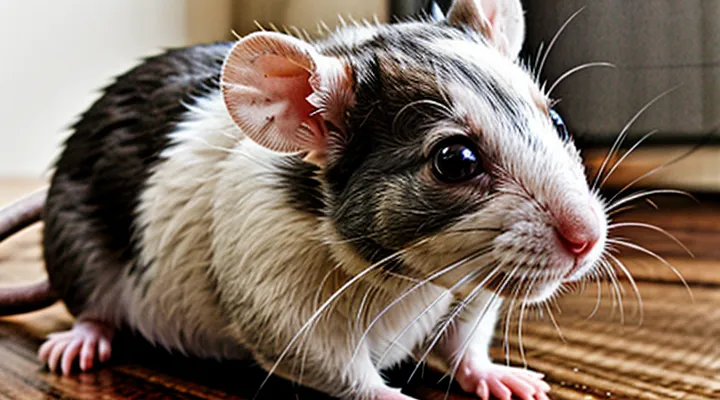
Understanding Your Rat’s Fur
The Natural Grooming Process
Rats maintain their silky coats through a self‑directed grooming routine that combines oral, tactile, and environmental actions. The process begins with frequent licking of the fur, which distributes natural oils produced by sebaceous glands. These oils create a protective barrier, reduce friction, and contribute to the characteristic sheen of a healthy coat.
During grooming, rats use their incisors to trim excessive hair and remove loose strands. This chewing action also stimulates skin circulation, supporting follicle health. The combination of licking and chewing results in continuous shedding of dead hair, which prevents matting and reduces the risk of skin irritation.
Key elements of the natural grooming cycle:
- Oral cleaning: rapid tongue strokes spread oils and dislodge debris.
- Incisor trimming: precise bites cut excess fur and promote blood flow.
- Shedding: regular loss of old hair maintains coat density and texture.
- Environmental support: clean bedding and low humidity facilitate effective self‑grooming.
Understanding these innate behaviors enables caretakers to create conditions that complement the rat’s own maintenance efforts, ensuring a consistently fluffy appearance.
Common Fur Problems
Dry and Dull Fur
Dry and dull fur on a pet rat signals inadequate hydration, nutrition, or grooming. The coat may appear brittle, lose its natural sheen, and feel rough to the touch. Identifying the underlying cause prevents further deterioration and supports overall health.
Common contributors include:
- Insufficient water intake, leading to dehydration of the skin.
- Low‑fat or imbalanced diet lacking essential fatty acids and proteins.
- Infrequent brushing, allowing dead hair to accumulate and impede natural oils.
- Low humidity in the cage, which accelerates moisture loss from the skin.
- Parasites, skin infections, or underlying medical conditions.
Effective corrective measures:
- Provide fresh water at all times; consider a water bottle with a drip‑proof tip to encourage regular drinking.
- Supplement the diet with high‑quality rat pellets, fresh vegetables, and occasional protein sources such as boiled egg or mealworms.
- Add a small amount of omega‑3 rich oil (e.g., fish oil or flaxseed oil) to the food, following veterinarian dosage recommendations.
- Increase cage humidity by placing a shallow dish of water or using a low‑level humidifier; maintain a range of 45‑55 % relative humidity.
- Brush the rat gently with a soft, natural‑bristle brush at least three times a week to distribute sebum and remove loose hairs.
- Conduct weekly visual inspections for signs of mites, scabs, or redness; seek veterinary care promptly if abnormalities appear.
Regular monitoring of coat condition, combined with proper hydration, balanced nutrition, and routine grooming, restores luster and softness to a rat’s fur. Consistent application of these practices maintains a healthy, vibrant coat throughout the animal’s life.
Greasy or Oily Fur
Rats develop greasy or oily fur when sebaceous glands produce excess oil, when diet is high in fats, or when the environment is overly humid. The condition appears as a slick coat, clumped hair, and a faint odor. Left untreated, the fur can mat, skin may become irritated, and bacterial growth may increase.
Identify the problem
- Coat feels slick to the touch.
- Hair clusters together, often near the tail and under the chin.
- Skin shows redness or mild inflammation.
Preventive measures
- Provide a balanced diet low in saturated fats and rich in fiber.
- Keep the cage well‑ventilated, maintain humidity below 60 %.
- Offer regular, gentle brushing with a soft‑bristle brush to distribute natural oils evenly.
- Change bedding weekly to reduce moisture buildup.
Immediate care steps
- Bathe the rat using lukewarm water and a mild, rodent‑safe shampoo. Rinse thoroughly to avoid residue.
- Pat the fur dry with a clean towel, then allow the animal to air‑dry in a warm, draft‑free area.
- Apply a light, veterinary‑approved grooming spray that contains aloe or chamomile to soothe irritated skin.
- Monitor the coat for a week; repeat bathing only if oil reappears, as excessive washing can strip essential oils.
Long‑term management
- Schedule grooming sessions two to three times per week.
- Rotate toys and accessories to prevent localized oil buildup.
- Consult a veterinarian if the coat remains oily after two weeks of consistent care, as underlying health issues such as hormonal imbalance may be present.
By addressing diet, environment, and grooming routine, owners can maintain a healthy, lustrous coat and reduce the risk of greasy fur recurrence.
Shedding and Hair Loss
Rats naturally lose hair as part of a regular growth cycle; old fur is replaced by new strands every few weeks. The process is visible as light clumps of fur in the cage and on the animal’s body. Normal shedding does not indicate illness, but it does require attention to keep the coat healthy.
Excessive hair loss may result from stress, nutritional deficiencies, parasites, or underlying medical conditions such as skin infections or hormonal imbalances. Environmental factors—dry air, abrasive bedding, or frequent handling with rough fabrics—can also accelerate fur loss. Identifying the cause is essential before implementing corrective measures.
Management steps:
- Provide a balanced diet rich in protein, omega‑3 fatty acids, and vitamins A and E to support follicle health.
- Use dust‑free, soft bedding (e.g., paper or fleece) to reduce mechanical irritation.
- Conduct weekly grooming sessions with a gentle pet brush to remove loose hair and distribute natural oils.
- Monitor for signs of mites, fleas, or skin lesions; treat promptly with veterinarian‑approved products.
- Maintain stable cage temperature and humidity levels to prevent skin dryness.
Regular observation of shedding patterns, combined with proper nutrition and hygiene, minimizes abnormal hair loss and preserves the rat’s characteristic fluffiness.
Skin Irritations and Parasites
Rats with a soft coat are prone to dermatological problems that can compromise fur quality and overall health. Common irritants include dry skin, allergic reactions, and bacterial infections, while parasites such as mites, lice, and fleas directly damage the pelage and cause inflammation.
Identify symptoms promptly: redness, scabbing, hair loss, excessive scratching, or a greasy texture signals an issue. Regular visual inspection during grooming sessions reveals early signs before they spread.
Preventive measures focus on hygiene, environment, and nutrition.
- Keep the cage clean; replace bedding weekly and disinfect surfaces with a pet‑safe solution.
- Provide a balanced diet rich in omega‑3 fatty acids to support skin integrity.
- Maintain low humidity (40‑60 %) to reduce fungal growth.
- Use a fine‑toothed comb to remove loose hair and detect ectoparasites.
- Apply a veterinarian‑approved topical treatment if mites or lice are observed; repeat the application according to the product’s schedule.
When irritation persists despite preventive steps, seek veterinary evaluation. Diagnostic skin scrapings or cultures guide targeted therapy, which may include topical antibiotics, anti‑inflammatory creams, or systemic medication for severe infestations.
Consistent monitoring, clean housing, and proper nutrition together minimize skin disorders and keep a rat’s fur glossy and healthy.
Essential Grooming Practices
Regular Brushing
Choosing the Right Brush
Choosing a brush that matches a rat’s coat structure prevents matting and reduces shedding. The animal’s fur consists of a soft undercoat and a coarser outer layer; a tool that addresses both layers yields the best results.
- Slicker brush – fine, densely packed bristles. Ideal for detangling the undercoat without pulling skin.
- Pin brush – long, widely spaced metal pins. Suits the outer coat, removes loose hair and distributes natural oils.
- Soft‑bristle brush – gentle synthetic or natural bristles. Appropriate for daily grooming of delicate fur, especially for young or senior rats.
Selection criteria:
- Bristle length – short bristles reach the dense undercoat; longer pins work on the outer layer.
- Flexibility – flexible bristles conform to the rat’s body shape, minimizing discomfort.
- Size – a brush no wider than the rat’s back fits comfortably and allows precise control.
- Material – hypoallergenic, non‑abrasive materials prevent skin irritation.
Before use, inspect the brush for loose parts and clean it with mild soap and warm water. After grooming, wipe the brush dry to avoid bacterial growth. Regular brushing, performed two to three times weekly, maintains coat health and reduces the need for intensive cleaning.
Brushing Technique
Effective brushing maintains a rat’s coat health, reduces matting, and prevents skin irritation. Use a soft‑bristled, small‑sized brush designed for small mammals; metal combs can damage delicate fur.
- Hold the rat gently but securely, supporting the spine with one hand.
- Begin at the neck, moving the brush forward in the direction of hair growth.
- Apply light pressure; excessive force can pull hairs and cause discomfort.
- Work in short sections, covering the back, sides, and hindquarters before addressing the tail.
- Inspect the skin after each pass for debris, parasites, or signs of irritation.
- Finish with a brief, gentle sweep over the head and ears, areas prone to tangles.
Brush no more than three times per week for a young or short‑haired rat; long‑haired individuals may require daily attention. Replace the brush when bristles become worn or bent to preserve effectiveness. Regular grooming, combined with proper nutrition and a clean environment, supports a glossy, resilient coat.
Frequency of Brushing
Rats with dense, silky coats require consistent grooming to avoid matting and skin irritation. The optimal brushing schedule depends on coat condition, age, and activity level.
- Young, healthy rats with normal fur: brush 2–3 times per week.
- Older rats or those with a tendency to develop tangles: increase to 4–5 sessions weekly.
- Rats with especially long or thick fur: daily light brushing helps maintain softness and prevents knots.
Each session should last 2–3 minutes, using a soft‑bristled grooming tool. Begin at the head, move toward the tail, and pay special attention to the hindquarters and underbelly where debris accumulates. Adjust frequency if the fur shows signs of matting, excessive shedding, or skin redness. Consistent, appropriately timed brushing supports coat health and reduces the risk of dermatological problems.
Spot Cleaning
Safe Cleaning Solutions
When maintaining a rat’s silky coat, choose products that protect skin integrity and avoid toxic residues.
- Diluted unscented baby shampoo (1 part shampoo to 4 parts warm water) cleanses without stripping natural oils.
- Veterinary‑approved, hypoallergenic grooming wipes contain mild surfactants and are safe for quick spot cleaning.
- A solution of 1 teaspoon apple cider vinegar in 1 cup water neutralizes odors and restores pH balance; rinse thoroughly to prevent irritation.
Avoid household detergents, bleach, ammonia, or any fragrance‑laden cleaners, as these can cause dermatitis or respiratory distress.
Apply any solution with a soft, lint‑free cloth or a dedicated grooming brush. Gently rub the fur in the direction of growth, rinse with lukewarm water, and pat dry with a absorbent towel. Do not tumble‑dry; allow the animal to air‑dry in a warm, draft‑free area.
Limit full‑coat baths to once every two to four weeks, depending on the rat’s activity level and environmental cleanliness. Spot cleaning with wipes or a damp cloth can be performed daily to remove debris and prevent matting.
Store all cleaning agents in sealed containers, labeled clearly, and keep them out of reach of pets and children. Replace solutions after 30 days to maintain efficacy and prevent bacterial growth.
Dealing with Stains and Odors
Stains and odors are inevitable when caring for a rat’s soft coat, but they can be eliminated with systematic cleaning and preventive measures.
Rats acquire stains from food spills, cage debris, and occasional accidents. Odors originate primarily from urine, feces, and damp bedding. Both issues compromise the animal’s hygiene and may indicate health concerns if left untreated.
Effective cleaning protocol:
- Spot‑clean fur with a damp, lint‑free cloth; avoid soaking the skin.
- Use a mild, unscented pet shampoo diluted to a 1:10 ratio; apply only to the stained area, rinse thoroughly with lukewarm water.
- Pat the coat dry with a soft towel; allow air‑drying for a few minutes before returning the rat to its enclosure.
- Disinfect cage surfaces weekly with a diluted vinegar solution (1 part vinegar to 4 parts water) to reduce bacterial buildup.
Odor‑control strategies:
- Replace bedding at least twice weekly; choose absorbent, low‑dust materials such as paper or aspen shavings.
- Scoop waste daily; clean the entire cage with a mild enzymatic cleaner every two weeks.
- Provide a shallow water dish for drinking only; avoid standing water that can become a source of mildew.
- Apply a few drops of natural odor‑neutralizing oil (e.g., tea tree diluted 1:50) to the cage exterior, not the interior, to mask smells without exposing the rat.
Preventive care:
- Maintain a balanced diet rich in fiber to promote regular bowel movements and reduce residue on the fur.
- Groom the rat gently with a soft brush several times a week to remove loose hair and distribute natural oils.
- Monitor health regularly; excessive staining or persistent foul odor may signal skin infection or urinary issues requiring veterinary attention.
Occasional Bathing
When is a Bath Necessary?
Baths for pet rats are rarely required; their natural grooming keeps the coat clean and healthy. A bath becomes necessary only when the animal cannot self‑clean effectively or when external factors introduce contaminants that self‑grooming cannot remove.
Typical situations that justify a bath include:
- Presence of sticky substances (e.g., food residue, oil, adhesive) that coat the fur and impede movement.
- Severe matting that cannot be resolved with brushing or combing.
- Exposure to chemicals, pesticides, or cleaning agents that may be absorbed through the skin.
- Persistent odor that persists after thorough grooming and does not diminish with regular cage cleaning.
When a bath is deemed essential, follow these steps:
- Use lukewarm water (approximately 30 °C) to avoid shock.
- Apply a small amount of rat‑safe, unscented shampoo; avoid products containing harsh detergents or fragrances.
- Gently lather, focusing on affected areas, and rinse thoroughly to eliminate all soap residues.
- Pat dry with a soft towel; avoid vigorous rubbing that could damage the delicate fur.
- Place the rat in a warm, draft‑free environment until completely dry, preferably with a low‑heat heat lamp set at a safe distance.
Bathing too frequently strips natural oils, leading to dry skin and increased shedding. Limit baths to the situations listed above and rely on regular grooming, a clean cage, and a balanced diet to maintain optimal coat condition.
Proper Bathing Procedure
Rats require occasional cleaning to keep their silky coats free of oil, dirt, and parasites. A controlled bathing routine prevents skin irritation and preserves the natural sheen of the fur.
Begin by preparing a shallow basin with lukewarm water (30‑32 °C). Add a few drops of a pet‑safe, hypoallergenic shampoo formulated for small rodents. Submerge the rat gently, supporting its body to avoid stress. Limit immersion to 30‑45 seconds; prolonged exposure can lower body temperature.
Step‑by‑step procedure
- Fill basin, test temperature with a fingertip.
- Place a few shampoo droplets on a soft cloth, apply to the back, sides, and hindquarters; avoid the face and ears.
- Massage lightly, allowing suds to dissolve grime.
- Rinse thoroughly with clean lukewarm water, ensuring no residue remains.
- Pat dry with a lint‑free towel; do not rub aggressively.
- Transfer the animal to a warm, draft‑free area until completely dry, using a low‑heat hair dryer on the coolest setting if necessary.
After bathing, inspect the coat for matting or parasites. A fine‑toothed comb can detangle any knots without pulling hair. Replace the bedding to maintain a hygienic environment and monitor the rat for signs of stress or skin abnormalities over the next 24 hours.
Regular, limited baths combined with weekly grooming sustain a healthy, glossy coat while minimizing the risk of dermatological issues.
Drying Your Rat Safely
After a bath, remove excess water with a soft, absorbent towel. Press gently; do not rub, which can cause matting.
Place the rat in a quiet area where ambient temperature stays between 75 °F and 80 °F (24 °C–27 °C). Avoid drafts and direct airflow from vents or open windows.
If additional drying is necessary, use a hair dryer on the lowest heat setting and the coolest airflow. Hold the device at least 12 inches (30 cm) from the fur, moving it continuously to prevent overheating of any spot.
Monitor the animal closely. Signs of distress—rapid breathing, vocalization, or attempts to escape—require immediate cessation of drying and a return to a warm, still environment.
Safe‑drying checklist
- Pat dry with a lint‑free towel, no vigorous rubbing.
- Keep room temperature steady, avoid cold currents.
- Use hair dryer only on cool, low‑heat mode; maintain safe distance.
- Observe behavior; stop if the rat shows discomfort.
Completing these steps ensures the coat dries quickly without compromising the rat’s health or coat integrity.
Nutritional Support for Healthy Fur
Balanced Diet Requirements
Protein Intake
Protein directly influences the texture, shine, and growth rate of a rat’s coat. Adult rats require approximately 18–20 % of their diet’s calories from high‑quality protein; juveniles need up to 22 % to support rapid fur development. Choose sources that contain the essential amino acids lysine, methionine, and tryptophan, which are critical for keratin synthesis.
- Commercial rodent pellets formulated for rats, labeled with a minimum of 18 % protein, provide a balanced profile.
- Cooked lean chicken, turkey, or boiled eggs supply digestible animal protein; limit portions to 5–10 g per day for a 200‑g rat.
- Soybean meal, lentils, and peas add plant‑based protein; supplement with small amounts of vitamin B12 to compensate for lower methionine levels.
- Insects such as mealworms or crickets offer high protein density; offer no more than two small insects weekly to avoid excess fat.
Protein intake should be spread across multiple feedings to maintain a steady amino acid supply. Sudden increases can stress the digestive system, while chronic deficits lead to dull, brittle fur and increased shedding. Monitor coat condition weekly: a glossy, uniform appearance indicates adequate protein, whereas matte or patchy fur suggests dietary adjustment.
When altering a rat’s diet, adjust protein levels gradually over three to five days. Record weight and fur observations to verify that changes produce the desired improvement without causing gastrointestinal upset.
Essential Fatty Acids
Essential fatty acids (EFAs) are required for healthy skin and a glossy coat in pet rats. Rats cannot synthesize these polyunsaturated fats, so dietary inclusion is mandatory.
EFAs support the structural integrity of cell membranes in the dermis, promote the production of natural oils, and reduce the likelihood of dry patches or excessive shedding. A balanced intake of omega‑3 and omega‑6 fatty acids also mitigates inflammation that can lead to skin irritation.
Key sources for a rat’s diet
- Fish oil (salmon, sardine) – rich in EPA and DHA, primary omega‑3s.
- Flaxseed oil – contains ALA, a plant‑based omega‑3 precursor.
- Sunflower or safflower oil – high in linoleic acid, the main omega‑6.
- Chia seeds – provide ALA and fiber, useful in modest amounts.
- Commercial rodent pellets fortified with EFAs – ensure consistent supply.
Practical guidelines
- Aim for an omega‑3 to omega‑6 ratio of approximately 1:4 to 1:5; excessive omega‑6 can promote inflammation.
- Introduce oils gradually, starting with 0.1 ml per 100 g of body weight per day, and monitor coat condition.
- Store oils in dark, airtight containers at refrigeration temperature to prevent oxidation.
- Observe for signs of deficiency: dull fur, flaky skin, or increased scratching; adjust supplementation promptly.
- Rotate sources weekly to provide a broader spectrum of fatty acids and prevent nutrient fatigue.
Regular inclusion of high‑quality EFAs, combined with a balanced diet, maintains the softness, shine, and resilience of a rat’s fur, reducing the need for frequent grooming interventions.
Vitamins and Minerals
A rat’s coat remains glossy and resilient only when its diet supplies adequate micronutrients. Deficiencies manifest as dull fur, hair loss, or skin irritation, directly affecting overall appearance.
-
Vitamin A – supports epithelial cell turnover; include liver, egg yolk, or fortified pellets.
-
Vitamin D – aids calcium absorption; provide exposure to natural light or a calibrated supplement.
-
Vitamin E – antioxidant protecting lipid membranes; add small amounts of seeds or a balanced supplement.
-
B‑complex vitamins – regulate metabolism and skin health; source from whole‑grain mixes and meat.
-
Vitamin C – not essential for rats but can reduce oxidative stress; occasional fruit portions are sufficient.
-
Calcium – essential for keratin formation; offer calcium‑rich foods such as plain yogurt or a mineral block.
-
Phosphorus – balances calcium; maintain a 1:1 ratio in the diet to prevent brittleness.
-
Zinc – required for hair follicle function; include meat, nuts, or a zinc‑enriched supplement.
-
Selenium – protects against oxidative damage; a trace amount in a complete pellet mix is adequate.
-
Magnesium – contributes to enzyme activity related to coat health; provide leafy greens in moderation.
Monitor intake levels against established rodent nutrition guidelines; excess supplementation can cause toxicity, especially with fat‑soluble vitamins. Adjust portions based on age, activity, and health status, and consult a veterinarian for precise dosing. Consistent provision of these vitamins and minerals sustains the rat’s fluffy fur and prevents dermatological problems.
Hydration Importance
Fresh Water Access
Fresh water should be continuously accessible to prevent dehydration, which can cause dry, brittle fur and increased shedding. Stale or contaminated water accelerates skin irritation and can lead to infections that compromise coat quality.
- Provide a clean water bottle with a stainless‑steel or glass dispenser; plastic can harbor bacteria.
- Replace water daily; rinse the bottle and nozzle with warm, unscented soap before refilling.
- Position the water source where the rat can easily reach it without climbing over bedding, reducing stress and preventing accidental spills.
- Monitor consumption; a sudden drop may indicate illness or a problem with the water system.
Consistent access to fresh water supports overall health, directly influencing the softness and shine of a rat’s fur.
Monitoring Water Intake
Adequate hydration directly influences the condition of a rat’s coat; insufficient water leads to dry, brittle fur, while excess can cause skin irritation. Regular observation of water consumption provides an early indicator of health issues that affect the animal’s silky pelage.
- Measure daily intake with a calibrated bottle or graduated cup. Record the volume before and after a 24‑hour period.
- Compare the recorded amount to the species‑specific baseline (approximately 15‑20 ml per 100 g body weight). Deviations of more than 20 % warrant investigation.
- Check for spillage or leakage; subtract these losses to obtain the true consumption figure.
- Note changes in drinking patterns, such as increased frequency or prolonged bouts, which may signal metabolic or dermatological problems.
When the recorded intake falls below the expected range, examine the water source for contaminants, verify the availability of fresh water, and assess the diet for excessive salt content. If consumption rises sharply, test for underlying conditions such as renal dysfunction or respiratory infection, both of which can compromise fur integrity. Adjust environmental factors—temperature, humidity, and cage enrichment—to encourage steady drinking habits and maintain optimal coat health.
Environmental Factors for Optimal Fur Health
Cage Cleanliness
Regular Bedding Changes
Regularly replacing a rat’s bedding prevents moisture, waste buildup, and irritants that can dull the animal’s soft coat. Clean bedding removes particles that cling to fur, reducing the risk of matting and skin irritation.
- Remove all soiled material at least once every 24 hours.
- Disinfect the enclosure with a mild, pet‑safe solution before adding fresh substrate.
- Choose a low‑dust, absorbent bedding such as paper pellets or aspen shavings; avoid cedar or pine, which release aromatic oils that may damage fur.
- Spread a uniform layer of fresh bedding about 2–3 inches deep to allow proper nesting and moisture control.
- Inspect the new bedding for clumps or debris before the rat returns; replace any compromised sections immediately.
Consistent bedding changes create a dry, clean environment that supports a glossy, healthy coat and minimizes grooming stress for the rat.
Appropriate Bedding Materials
Choosing bedding that supports a rat’s coat health reduces matting and skin irritation. Materials must be soft, absorbent, and free of aromatic oils that can damage fur.
- Unbleached paper bedding (e.g., shredded paper, paper pulp): highly absorbent, dust‑free, gentle on fur.
- Aspen shavings: low‑scent, minimally abrasive, provides good nesting texture.
- Coconut husk (coir) pellets: breathable, moderate absorbency, smooth fibers that do not snag hair.
- Hemp bedding: natural fibers, strong odor control, soft enough to prevent fur snagging.
Materials to avoid include cedar and pine shavings, which release phenols that can dry fur and irritate skin, and dusty litters that increase static and cause hair breakage.
Maintain bedding by replacing at least twice weekly, removing soiled sections daily, and ensuring the cage remains dry. Regular cleaning prevents moisture buildup that can lead to fungal growth, which compromises fur integrity.
Selecting the right substrate, monitoring cleanliness, and avoiding harmful wood types together create an environment where a rat’s fluffy coat remains clean, soft, and free of damage.
Humidity Levels
Proper humidity is essential for a rat’s soft coat. Ideal indoor humidity ranges from 45 % to 55 %. Values below 40 % cause the fur to become brittle and increase static, while levels above 60 % encourage mold growth on bedding and skin irritation.
Maintain target humidity by:
- Using a hygrometer to monitor conditions daily.
- Placing a humidifier in the room during dry seasons; set it to keep readings within the 45‑55 % range.
- Ventilating the enclosure with a small opening or mesh panel to prevent excess moisture buildup.
- Avoiding direct placement of water dishes or damp substrates near the cage, which can raise local humidity beyond the desired range.
Adjust the environment promptly when readings drift outside the recommended band. Consistent humidity supports a healthy, glossy coat and reduces the risk of dermatological problems.
Temperature Control
Temperature directly influences the condition of a rat’s coat; excessive heat can cause oil buildup and matting, while cold environments may lead to dry, brittle fur.
Maintain ambient temperature between 68 °F and 75 °F (20 °C–24 °C) with relative humidity of 40‑60 %. This range supports natural skin oil production and prevents shedding irregularities.
Practical steps for regulation:
- Place a calibrated digital thermometer at cage level; record readings twice daily.
- Use a low‑wattage ceramic heat emitter for winter months; ensure the device is mounted outside the cage to avoid direct contact.
- Install a small, quiet fan or vent when indoor temperature exceeds 75 °F; position to create gentle airflow without drafts.
- Avoid placing the cage near windows, doors, or heating vents that produce temperature spikes.
Seasonal adjustments are essential. In winter, increase enclosure insulation with a breathable cover and verify that heating devices do not exceed the upper temperature limit. In summer, enhance ventilation, consider a frozen water bottle wrapped in a towel as a temporary cooling pad, and monitor humidity to prevent excessive dryness.
Consistent temperature management minimizes coat stress, promotes healthy shedding cycles, and sustains the softness characteristic of a rat’s fur.
When to Seek Veterinary Advice
Persistent Fur Problems
Persistent fur issues in pet rats signal underlying health or environmental problems that require immediate attention. Common causes include skin parasites such as mites or lice, bacterial or fungal infections, nutritional deficiencies, excessive humidity, and chronic stress that leads to over‑grooming. Identifying the specific source is essential for effective resolution.
Typical symptoms comprise patchy hair loss, dry or oily patches, scaly skin, persistent itching, and a noticeable odor. Inspect the coat daily; any sudden change in texture or color warrants a veterinary examination. Early detection prevents secondary infections and reduces the risk of permanent bald spots.
Preventive measures focus on hygiene, diet, and environment:
- Keep the cage clean; replace bedding weekly and wash all accessories with mild, pet‑safe detergent.
- Maintain humidity between 40‑60 % to discourage fungal growth.
- Provide a balanced diet rich in protein, essential fatty acids, and vitamins A, E, and B‑complex; supplement with small amounts of fresh vegetables and occasional omega‑3 sources.
- Offer safe chew toys and enrichment to reduce stress‑induced over‑grooming.
- Schedule regular grooming sessions using a soft brush to remove loose hair and distribute natural oils.
If a problem persists despite preventive steps, follow a structured treatment plan:
- Obtain a definitive diagnosis from a veterinarian (skin scrape, culture, or blood test).
- Administer prescribed antiparasitic or antimicrobial medication according to the dosage schedule.
- Adjust the diet to address identified deficiencies; consider adding a high‑quality rat‑specific supplement.
- Increase cage ventilation and reduce moisture sources; replace contaminated bedding immediately.
- Monitor progress daily; document any improvement or worsening for follow‑up visits.
Consistent observation, proper nutrition, and a clean, well‑ventilated habitat form the foundation for maintaining a healthy, glossy coat and preventing chronic hair loss in rats.
Skin Lesions or Infections
Rats with a dense coat are prone to skin lesions and infections that can quickly compromise fur quality. Early detection prevents spread and promotes rapid recovery.
Signs of a problem include redness, swelling, crusted or oozing areas, hair loss, and excessive scratching. Observe the skin at least once daily, paying special attention to the ears, tail base, and ventral region where moisture accumulates.
Treatment protocol:
- Clean the affected area with a sterile saline solution.
- Apply a veterinarian‑approved topical antiseptic; avoid human products that may irritate rodent skin.
- Administer systemic antibiotics only under veterinary guidance; inappropriate use can cause resistance.
- Monitor the lesion for reduction in size and inflammation over 48‑72 hours; seek professional care if no improvement occurs.
Prevention strategies:
- Keep the cage dry; replace bedding weekly and use absorbent, dust‑free material.
- Provide a balanced diet rich in omega‑3 fatty acids to support skin integrity.
- Trim excessive fur around the tail and hindquarters to reduce moisture buildup.
- Limit exposure to harsh chemicals, scented soaps, and aerosols that can disrupt the skin barrier.
Regular grooming, prompt cleaning of minor wounds, and routine veterinary check‑ups form the foundation for a healthy coat and minimize the risk of skin complications.
Behavioral Changes Related to Grooming
Rats that maintain a healthy coat exhibit consistent grooming habits; deviations often signal underlying issues. Observing changes in grooming behavior provides early warnings that can prevent fur damage and skin problems.
- Decreased grooming frequency: indicates pain, illness, or dental discomfort.
- Excessive grooming of a single area: suggests irritation, parasites, or localized injury.
- Aggressive grooming with claws: may reflect anxiety or stress.
- Sudden grooming cessation: can be a sign of neurological impairment or severe systemic disease.
- Grooming that produces visible blood or scabs: points to wounds, infections, or over‑grooming disorders.
Monitoring these patterns allows owners to intervene promptly. Regular health checks, environmental enrichment, and appropriate diet support normal grooming routines, preserving the rat’s soft fur and overall well‑being.
Parasite Infestations
Parasite infestations pose a direct threat to a rat’s soft coat, causing irritation, hair loss, and skin infection. Prompt identification and intervention are essential for preserving fur quality.
Common external parasites include:
- Mites – often cause intense itching and visible crusts.
- Fleas – feed on blood, leading to anemia and dull fur.
- Lice – create localized bald spots and excessive grooming.
Visible indicators of an infestation are:
- Frequent scratching or grooming.
- Patchy hair loss or thinning.
- Redness, scabs, or small dark specks on the skin.
- Unusual odor from the coat.
Effective treatment follows a structured protocol:
- Separate the affected rat to prevent spread.
- Obtain a veterinary diagnosis and specify the parasite type.
- Apply a veterinarian‑approved topical or oral medication according to the prescribed schedule.
- Clean the cage, bedding, and accessories with a safe disinfectant.
- Monitor the animal for improvement over 7‑10 days and repeat treatment if necessary.
Preventive practices reduce recurrence:
- Maintain a clean environment; replace bedding weekly and wash accessories with hot water.
- Perform weekly grooming sessions to detect early signs.
- Quarantine any new rat for at least two weeks before introducing it to the main group.
- Use preventative parasite control products recommended by a veterinarian.
Consistent vigilance and immediate response to the outlined signs keep a rat’s fur glossy and healthy.