
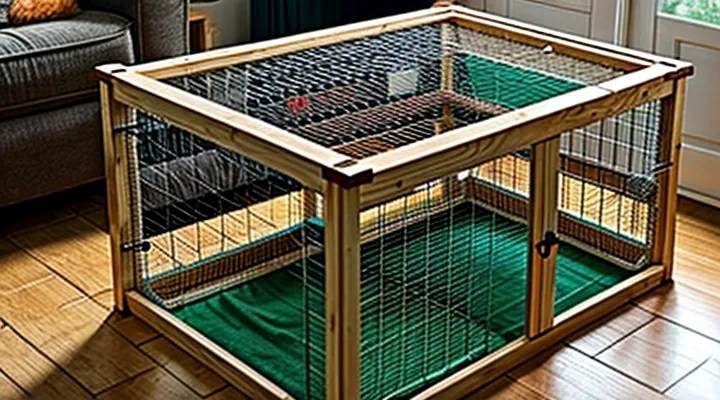
Planning Your DIY Rat Cage
Why Build Your Own Rat Cage?
Building a rat cage yourself offers control over dimensions, materials, and layout, which commercial products often lack. Custom sizing accommodates multiple rats or specific breeding setups, eliminating the compromise of standard cages. Selecting safe, non‑toxic components—such as untreated wood, stainless‑steel mesh, and BPA‑free plastics—reduces health risks associated with off‑gauge manufacturing.
Cost efficiency is another advantage. Purchasing a prefabricated cage can exceed $150, while sourcing raw materials and assembling the enclosure typically remains below $80. Savings increase when reusing existing items like storage bins or reclaimed lumber, further lowering expenses without sacrificing durability.
A self‑built cage facilitates optimal ventilation and cleaning. Designing removable panels and slide‑out trays streamlines waste removal and reduces odor buildup. Incorporating modular sections allows quick reconfiguration for seasonal enrichment or medical isolation.
Key benefits of a homemade rat enclosure:
- Precise measurement tailored to space constraints.
- Material selection aligned with health standards.
- Financial savings compared with retail alternatives.
- Enhanced ventilation and waste management.
- Flexibility for future modifications or expansions.
These factors collectively improve animal welfare, simplify maintenance, and provide a cost‑effective solution for dedicated rat owners.
Key Considerations Before Starting
Cage Size and Dimensions
When constructing a rat enclosure, size directly affects health, mobility, and behavior. Minimum floor space per adult rat should not fall below 2 sq ft (≈0.19 m²). For groups, add 1 sq ft (≈0.09 m²) per additional rat.
- Single rat: ≥2 sq ft floor area, ≥12 in (30 cm) height.
- Pair: ≥3 sq ft floor area, ≥12 in height.
- Three rats: ≥4 sq ft floor area, ≥12 in height.
- Four or more: increase floor area by 1 sq ft per extra rat; maintain minimum height.
Vertical space enhances enrichment. Provide at least 18 in (45 cm) of usable height for climbing structures, tunnels, and platforms. Allocate 6–8 in (15–20 cm) of clear vertical clearance above any bedding layer to prevent overcrowding.
Measure the intended location before cutting materials. Account for frame thickness, wire spacing, and door hardware when calculating internal dimensions. Ensure the final cage interior meets or exceeds the dimensions listed above, allowing room for food dishes, water bottles, and accessories without restricting movement.
Materials for a Safe Cage
When constructing a rat enclosure yourself, material choice determines durability, hygiene, and animal welfare. Select items that resist gnawing, prevent escape, and simplify cleaning.
- Solid‑core wood (e.g., pine or birch) for frame and floor panels; avoid soft woods that rats can chew through.
- Stainless‑steel mesh (minimum 1 mm gauge) for ventilation panels; ensures airflow while resisting corrosion.
- Acrylic or polycarbonate sheets for viewing windows; provide clear visibility without shattering.
- Non‑toxic, water‑based sealant to finish wood surfaces; creates a barrier against moisture and urine.
- Heavy‑duty hinges and latch mechanisms made of brass or stainless steel; maintain structural integrity under frequent access.
- Removable plastic trays with raised edges for bedding; facilitate waste removal and limit contamination.
Verify that each component meets pet‑safe certifications, contains no lead or phthalates, and tolerates regular disinfection. Assemble using rust‑free screws and reinforce joints with metal brackets to prevent deformation under the cage’s weight. The resulting structure offers a secure, low‑maintenance habitat suitable for long‑term rat care.
Ventilation and Airflow Needs
Proper ventilation is essential for a healthy rat habitat. Rats generate heat, moisture, and waste gases; without adequate airflow, humidity rises, ammonia accumulates, and temperature spikes, leading to respiratory problems and stress.
Air exchange should achieve at least 10–15 air changes per hour. Calculate the cage’s volume (length × width × height in cubic inches, then convert to cubic feet). Multiply the result by the target air‑change rate to determine the required cubic feet per minute (CFM). A small computer fan rated for 2–3 CFM typically satisfies the demand for a standard 2‑foot‑wide cage.
Key design elements:
- Adjustable vents: Install sliding or hinged panels on opposite sides to create cross‑drafts while allowing fine‑tuning of airflow.
- Filtered intake: Use a fine‑mesh screen (½ mm) over each vent to prevent bedding, droppings, or escape.
- Exhaust pathway: Position a second vent near the top of the enclosure; warm air naturally rises, enhancing circulation.
- Quiet operation: Choose low‑noise brushless fans; mount them on vibration‑absorbing pads to avoid disturbing the animals.
- Backup power: Connect fans to a UPS or battery pack to maintain ventilation during outages.
Monitor conditions with a digital hygrometer/thermometer. If relative humidity exceeds 60 % or ammonia levels become detectable, increase fan speed or add additional vent openings. Regular cleaning of filters and cage contents sustains optimal airflow and prolongs equipment life.
Budgeting for Your Project
When planning a DIY rat cage, establishing a realistic budget prevents overspending and ensures the project stays on schedule. A clear financial outline also helps prioritize essential components over optional enhancements.
Begin by itemizing every material and tool required for the cage. Estimate quantities, then research price ranges from multiple suppliers to identify the lowest reliable cost. Calculate the total by adding a modest buffer for unexpected price fluctuations.
- Cage frame (e.g., PVC pipe, wood, or metal rods)
- Wire mesh or acrylic panels for walls and roof
- Flooring material (e.g., linoleum, recycled carpet)
- Fasteners (screws, bolts, zip ties)
- Hinges and latch mechanisms for doors
- Cleaning accessories (brushes, trays)
- Safety equipment (gloves, goggles)
- Optional accessories (toys, hideaways)
- Contingency fund (5‑10 % of subtotal)
To reduce expenses, consider repurposing household items, purchasing surplus or bulk quantities, and comparing online marketplaces with local hardware stores. Prioritize durability and safety over aesthetic upgrades; functional components contribute most to the cage’s long‑term value. By following these steps, the budget remains transparent, controllable, and aligned with the project's objectives.
Gathering Materials and Tools
Essential Materials List
Wire Mesh Specifications
When constructing a rat enclosure, the wire mesh determines structural integrity, ventilation, and animal safety. Choose a material that resists rust and tolerates cleaning agents; stainless steel or galvanized steel provide reliable performance.
- Material: 304 stainless steel for corrosion resistance; alternatively, hot‑dip galvanized steel with a minimum coating thickness of 50 µm.
- Gauge: 18‑20 AWG (approximately 0.8–1.0 mm) balances strength and ease of cutting.
- Mesh opening: ¼‑inch (6 mm) square or smaller prevents escape while allowing airflow.
- Tensile strength: minimum 5,000 psi to withstand chewing forces.
- Finish: smooth edges, no sharp points; de‑burring required after cutting.
- Dimensions: panels cut to fit cage framework, typically 12 × 12 in (30 × 30 cm) for modular sections.
Select mesh that meets the listed gauge and opening size; larger openings increase escape risk, while finer meshes impede cleaning. Verify that the coating remains intact after repeated exposure to water and disinfectants; re‑coat or replace panels showing corrosion.
For reliable sourcing, prefer reputable hardware suppliers that provide certification of material grade. Order extra length to allow for waste during trimming and to replace damaged sections without compromising cage security.
Framing Materials
When constructing a rat enclosure, the frame determines durability, stability, and safety. Choose materials that resist gnawing, support the cage’s weight, and allow precise cuts.
Solid wood such as pine, birch, or poplar provides a sturdy skeleton. Select untreated lumber to prevent chemical exposure. Cut dimensions to match the intended cage size, then reinforce corners with metal brackets or wood dowels. Sand all edges to eliminate splinters.
Metal tubing, preferably stainless steel or galvanized steel, offers superior strength and resistance to corrosion. Use 1/2‑inch or 3/4‑inch diameter pipes for vertical supports and 1‑inch square tubing for horizontal beams. Secure joints with pipe fittings and locknuts; apply a non‑toxic sealant to prevent rust.
PVC pipe can serve as an economical alternative for lightweight frames. Opt for schedule 40 pipe with a minimum wall thickness of 0.12 in. Connect sections using solvent cement or threaded couplings. Reinforce high‑stress points with metal brackets to avoid deformation.
When selecting fasteners, prioritize stainless‑steel screws, bolts, and nails to avoid rust and ensure a secure assembly. Avoid plastic staples, which may break under load.
Recommended framing materials:
- Untreated pine or birch lumber (1 × 2 or 1 × 3)
- Stainless‑steel square or round tubing (½‑in. or ¾‑in. diameter)
- Schedule 40 PVC pipe (½‑in. or ¾‑in. diameter)
- Stainless‑steel brackets, screws, and bolts
- Non‑toxic wood filler for gaps
Inspect each component for cracks, sharp edges, or signs of wear before assembly. Follow a systematic build order: cut framing pieces, assemble the base, attach vertical supports, then add the top frame. This sequence ensures alignment and reduces the need for rework.
Fasteners and Connectors
When constructing a rat cage yourself, choosing the right fasteners and connectors determines structural integrity and animal safety. Metal screws with a minimum length of 1 inch secure wooden frame components without risking breakage under the animal’s weight. Use self‑tapping stainless‑steel screws to avoid stripping the wood and to resist corrosion from humidity. For attaching wire mesh, employ sheet‑metal screws with washers; the washers distribute pressure evenly, preventing mesh deformation.
Bolts and nuts are preferable for joints that may require disassembly, such as door frames or removable cleaning panels. Grade 8 hex bolts provide sufficient shear strength; pair them with lock‑nut washers to eliminate loosening from repeated handling. When hinges are needed, select heavy‑duty stainless‑steel hinges rated for at least 5 kg load capacity. Install hinges with three screws per leaf to ensure even load distribution.
Latches and locks must prevent escape while allowing easy access for cleaning. Spring‑loaded latch bars with a 3‑inch throw distance secure doors reliably. Use tamper‑proof screws for the latch mechanism to deter gnawing. For connecting PVC pipe sections used as support arches, employ push‑fit connectors with built-in locking clips; these require no additional hardware and maintain a smooth interior surface.
A concise checklist of essential hardware:
- 1‑inch stainless‑steel self‑tapping screws (minimum 100 pcs)
- Sheet‑metal screws with washers for wire mesh (50 pcs)
- Grade 8 hex bolts, lock‑nut washers (20 pcs each size)
- Heavy‑duty stainless‑steel hinges, three screws per leaf
- Spring‑loaded latch bars with tamper‑proof screws
- PVC push‑fit connectors with locking clips
Proper installation includes drilling pilot holes slightly smaller than screw diameter to reduce wood splitting, tightening bolts to a torque of 8–10 Nm, and verifying that all fasteners sit flush with surfaces to avoid injury. Regular inspection—once a month—should confirm that no screw heads have loosened and that mesh remains taut. Replacing any corroded or damaged component promptly preserves cage durability and ensures a safe environment for the rats.
Flooring Options
Choosing the right floor material directly affects a rat’s comfort, hygiene, and the cage’s durability. Solid surfaces such as sealed plywood or melamine panels provide a smooth, chew‑resistant base that can be easily wiped down. When using wood, apply a non‑toxic, water‑based sealant to prevent moisture absorption and discourage gnawing.
Elevated wire mesh flooring allows waste to fall through, keeping the living area cleaner. Select stainless‑steel mesh with openings no larger than ¼ inch to prevent escape while ensuring structural strength. Reinforce the mesh with a supporting frame to avoid sagging under the animal’s weight.
Absorbent bedding layers, like aspen shavings or paper pulp, can be placed over any solid surface. Avoid cedar or pine, which release aromatic oils harmful to rodents. Replace bedding regularly to control odor and prevent bacterial growth.
Soft, interchangeable panels such as interlocking polyethylene tiles offer a removable surface that can be swapped for cleaning or seasonal adjustments. Ensure tiles are rated for pet use and free of BPA or phthalates.
Common flooring choices
- Sealed plywood or melamine panel – smooth, easy to disinfect.
- Stainless‑steel wire mesh – waste‑dropping, chew‑resistant.
- Absorbent bedding on solid base – natural, comfortable.
- Interlocking polyethylene tiles – removable, hygienic.
Each option should be evaluated for durability, ease of maintenance, and suitability to the rat’s natural behaviors. Combining a solid base with a removable bedding layer often yields the most balanced solution for a DIY rat enclosure.
Recommended Tools
Cutting Tools
When constructing a rat enclosure, precise cuts determine structural integrity and animal safety. Selecting the right cutting instruments reduces waste, speeds assembly, and ensures clean edges that prevent injury.
Key cutting tools for a DIY rat cage include:
- Hand saw – versatile for plywood and pine; choose a fine‑tooth blade for smooth finishes.
- Coping saw – ideal for intricate cuts around ventilation holes or decorative trims.
- Utility knife – efficient for trimming acrylic panels and thin sheet metal; use a fresh, sharp blade to avoid ragged edges.
- Jigsaw – handles curves in plastic or composite boards; attach a low‑speed setting to minimize splintering.
- Rotary cutter – excels at slicing cardboard or foam inserts used as bedding compartments.
Safety considerations:
- Wear cut‑resistant gloves and eye protection during every operation.
- Secure workpieces with clamps to prevent movement.
- Inspect blades before each use; replace dulled or damaged pieces promptly.
Maintenance recommendations:
- Clean blade surfaces after each session to remove resin and dust.
- Store tools in a dry environment to avoid corrosion.
- Lubricate moving parts of powered saws according to manufacturer guidelines.
Proper tool selection and upkeep streamline the building process, yielding a durable, rat‑friendly habitat.
Measuring Tools
Accurate dimensions determine the safety, durability, and comfort of a homemade rodent enclosure. Precise measurement prevents gaps, uneven surfaces, and structural weaknesses that could compromise the habitat.
- Tape measure, preferably a flexible steel‑reinforced model, for length, width, and height of each panel.
- Steel ruler or straight edge, 12‑inch length, to verify straight cuts and confirm right angles.
- Caliper, digital or dial, for interior diameters of tubing, screw holes, and clearance around accessories.
- Carpenter’s square, 90°, to check corner joints before fastening.
- Level, bubble or digital, to ensure the base sits flat on the floor and the cage remains level when assembled.
When using these instruments, follow a consistent sequence: measure the intended space, record dimensions, mark cut lines on the material, re‑measure the marked line before cutting, and verify each component after cutting. Apply the square to every corner joint, then confirm the assembled frame with the level. Use the caliper for any hardware that must fit within tight tolerances, such as wire mesh openings or latch mechanisms. Rechecking measurements after each step eliminates cumulative errors and results in a cage that meets the required specifications.
Safety Gear
When constructing a rat enclosure yourself, personal protection prevents injury and safeguards the animals. Wear gloves made of nitrile or latex to avoid direct contact with wood splinters, adhesives, and cleaning agents. Choose goggles or safety glasses that seal around the eyes, protecting against dust, debris, and accidental splashes. A disposable face mask or respirator filters fine particles generated during cutting, sanding, or painting, reducing inhalation risks. Secure sturdy, closed-toe shoes to shield feet from dropped tools and sharp objects.
Additional equipment enhances overall safety:
- Ear protection (foam plugs or earmuffs) when using power saws or drills.
- Long‑sleeved, flame‑resistant clothing to minimize skin exposure.
- A sturdy workbench with clamps to hold material steady, preventing sudden movements.
- First‑aid kit within reach for immediate treatment of minor cuts or abrasions.
Step-by-Step Construction Guide
Preparing Your Workspace
A suitable workspace reduces mistakes and protects both the builder and the animal. Choose a flat, stable surface such as a workbench or a sturdy table. Remove debris, dust, and any items that could interfere with measurements or cuts. Ensure the area is well‑ventilated to disperse sawdust, glue fumes, and paint vapors.
- Clear the surface and cover it with a drop‑cloth or sheet of polyethylene.
- Gather all required tools (saw, drill, screwdriver, clamps, measuring tape, safety glasses, gloves).
- Position a small waste bin within arm’s reach for scrap material.
- Verify that lighting is adequate; add a desk lamp if necessary.
- Keep a fire extinguisher or a bucket of water nearby in case of accidents.
After setup, inspect the layout for accessibility. Arrange tools in the order they will be used to minimize unnecessary movement. Keep the work area tidy throughout the project; dispose of waste promptly and store unused materials safely. A disciplined workspace maintains efficiency and supports a high‑quality rat cage construction.
Building the Cage Frame
Cutting Frame Pieces
Accurate frame pieces form the structural backbone of a homemade rat enclosure. Selecting the right material—typically untreated pine, PVC, or aluminum extrusion—ensures durability while remaining safe for the animal. Measure each side according to the cage dimensions, add a margin of 1/8 inch for kerf, and record lengths on a durable surface.
Mark cut lines with a fine‑point pencil or a permanent marker. Use a carpenter’s square to verify right angles before cutting. When the measurements are confirmed, secure the stock in a bench vise or clamp it to a stable workbench to prevent movement.
Choose a cutting tool that matches the material: a miter saw for pine, a fine‑tooth hacksaw for PVC, or a metal‑cutting blade on a circular saw for aluminum. Set the blade depth just beyond the material thickness to avoid unnecessary waste. Execute cuts in a single, steady motion; pause only to clear debris and check alignment.
Safety precautions include wearing eye protection, hearing protection, and gloves appropriate for the material. Inspect each cut edge for splinters or burrs; sand or file smooth surfaces before assembly.
Steps for cutting frame pieces
- Gather material, measuring tape, marking tool, and appropriate saw.
- Measure each side; add kerf allowance; record lengths.
- Mark cut lines; confirm right angles with a square.
- Clamp stock securely.
- Set blade depth; perform cut in one motion.
- Inspect cut edge; sand or file as needed.
- Store finished pieces in a dry location until assembly.
Assembling the Frame
Begin by gathering all required components: wooden or PVC slats for the base, corner brackets, screws or bolts, a drill, a measuring tape, and a level. Verify that each piece matches the planned dimensions of the cage, typically a rectangular shape of 18‑24 inches in length, 12‑18 inches in width, and 12‑16 inches in height.
- Measure and cut the side panels to the exact height.
- Align two opposite panels on a flat surface, place a bracket at each corner, and secure with screws.
- Repeat for the remaining pair of panels, ensuring the brackets are positioned identically.
- Connect the two assembled pairs by attaching the remaining brackets to form a rigid rectangular frame.
Check the frame with a level; any tilt indicates misaligned brackets or uneven cuts. Tighten all fasteners uniformly to prevent wobble under the weight of the cage floor and accessories. Once the frame is stable, proceed to attach the base and side panels, which will support the wire mesh and interior furnishings.
Attaching the Wire Mesh
Securing Mesh to the Frame
When assembling a DIY rat enclosure, attaching the wire mesh securely to the frame prevents escape and injury. Begin by measuring the interior dimensions of the frame and cutting the mesh with tin snips, leaving a 1‑2 inch excess on each side for fastening. Use a metal ruler and a permanent marker to mark cut lines, then trim in a well‑ventilated area to avoid sharp edges.
Secure the mesh using the following steps:
- Position the cut piece over the frame, aligning edges with the frame’s corners.
- Insert self‑drilling stainless‑steel screws through pre‑drilled ¼‑inch holes in the mesh at 6‑inch intervals.
- Tighten each screw with a Phillips‑head driver until the head sits flush with the mesh surface; avoid over‑torquing, which can strip the hole.
- For corners, apply small L‑shaped brackets on the interior side, then drive screws through the mesh and into the brackets for added rigidity.
- Cover exposed screw heads with a thin layer of non‑toxic silicone sealant to protect against rust and to smooth any protrusions.
After fastening, inspect the entire perimeter for gaps larger than ¼ inch. Use a flexible utility blade to trim any overhanging mesh, then reinforce the trimmed sections with zip ties or additional screws. Finally, clean the mesh with a mild detergent solution, rinse thoroughly, and allow it to dry before inserting bedding and accessories. This method ensures a durable, escape‑proof enclosure suitable for long‑term use.
Creating Access Points
When constructing a rat enclosure yourself, access points must balance security, ease of use, and animal welfare. Install a primary door large enough for hand entry, reinforced with a latch that rats cannot manipulate. Position the door opposite the main feeding area to streamline routine tasks.
- Cleaning hatch: a smaller opening at the cage’s base, fitted with a removable panel, allows rapid removal of waste without disturbing the interior.
- Feeding port: a sealed slot that accommodates a food dish, prevents spillage, and can be opened for refilling without exposing the entire cage.
- Ventilation vents: slotted openings covered with fine mesh maintain airflow while keeping rodents contained.
- Escape-proof tunnel: a curved passage connecting the main chamber to a secondary compartment, secured with a snap‑fit connector that can be detached for inspection.
Materials such as stainless steel or powder‑coated aluminum provide durability and resist gnawing. Use hinges with a 180‑degree swing to ensure full access, and incorporate a rubber‑gasket seal to eliminate gaps. Test each point by applying gentle pressure; any movement should be smooth but restricted enough to prevent accidental opening by the animal.
Overall, design each portal to support regular maintenance, minimize stress for the rats, and maintain the structural integrity of the DIY cage.
Designing and Installing Doors
Hinge and Latch Mechanisms
When assembling a rat enclosure, the choice of hinges and latches determines access reliability and structural integrity. Select stainless‑steel or brass hinges to resist corrosion from cleaning agents and the animal’s saliva. Ensure each hinge has a load rating exceeding the weight of the cage door; a 0.5 kg rating provides ample safety margin for typical designs.
Key considerations for hinge installation:
- Drill pilot holes slightly smaller than the screw diameter to prevent wood splitting.
- Align hinges flush with the door surface to avoid gaps that could allow escape.
- Use lock‑type screws that resist loosening from repeated opening cycles.
Latch mechanisms must secure the door without requiring excessive force. Recommended latch types include:
- Spring‑loaded latch – automatically engages when the door closes, offering quick release with a thumb press.
- Toggle latch – provides a solid lock when the lever is flipped, suitable for heavier doors.
- Magnetic latch – offers silent closure and easy disengagement, ideal for small, lightweight doors.
Installation tips for latches:
- Position the latch at the top corner of the door to minimize leverage from the rat’s attempts to pry.
- Mount the latch plate on the cage frame, not the door, to distribute stress across the frame’s sturdier material.
- Verify that the latch engages fully when the door is shut; adjust screw tension if the latch remains partially open.
Maintenance practices:
- Inspect hinges weekly for loosened screws; tighten with a screwdriver using a torque of 0.5 Nm.
- Clean latch surfaces with a mild disinfectant; avoid abrasive cleaners that could wear down moving parts.
- Apply a thin layer of food‑grade silicone grease to hinge pins once a month to maintain smooth operation.
By adhering to these specifications, the cage door will remain secure, easy to operate, and resilient against the wear caused by regular cleaning and the animal’s activity.
Reinforcing Door Openings
Reinforcing the door openings of a homemade rat enclosure prevents escape, protects against chewing damage, and maintains structural integrity. Proper reinforcement also distributes stress evenly across the frame, reducing the likelihood of warping over time.
Materials required for a robust door assembly include:
- ¼‑inch thick plywood or acrylic sheet for the door panel
- 1‑inch wood dowels or metal brackets for hinge reinforcement
- Stainless‑steel self‑tapping screws, minimum 1½‑inch length
- Heavy‑duty latch with a steel bolt
- Epoxy resin or construction adhesive for added bonding
- Corner braces, preferably steel, for frame support
Installation procedure:
- Cut the door panel to match the opening dimensions, allowing a ¼‑inch clearance on all sides.
- Drill a series of ½‑inch pilot holes along the hinge edge, spaced 2 inches apart.
- Insert dowels or metal brackets into the pilot holes, securing each with self‑tapping screws.
- Attach hinges to the reinforced edge, aligning them with the frame’s hinge plates. Tighten screws to a torque of 8‑10 Nm.
- Apply epoxy to the interior edge of the door panel, then press it against the frame to create a continuous bond. Clamp for 30 minutes.
- Install the latch on the opposite side of the door, ensuring the steel bolt engages fully when closed.
- Mount steel corner braces at each junction of the door frame and cage walls; fasten with screws and lock washers.
After installation, verify that the door opens and closes smoothly without excessive play. Check all fasteners for tightness, then test the latch under pressure to confirm a secure seal. Regular inspection every few weeks will catch any signs of wear before they compromise the enclosure’s safety.
Adding Levels and Ramps
Shelf Design and Placement
When constructing a rat enclosure, the internal shelving system determines usable space, ventilation flow, and ease of maintenance. Choose a material that resists gnawing and moisture; untreated hardwood, acrylic, or polycarbonate panels meet these criteria. Cut each shelf to a width slightly less than the cage interior to allow a small clearance for airflow and to prevent rats from wedging themselves between the shelf and wall.
Position the lowest shelf at least two inches above the floor to create a cleanable crawl space and to keep bedding from accumulating against the base. A second shelf should sit midway between the floor and the top, providing a platform for enrichment items such as tunnels, wheels, and nesting material. If the cage height permits, add a third shelf near the ceiling, leaving at least four inches of vertical clearance for climbing and jumping.
Key design factors:
- Load capacity: calculate the maximum weight per shelf based on the chosen material’s flexural strength; a 1‑inch‑thick hardwood board supports up to 5 kg without deflection.
- Support brackets: attach brackets to the cage walls using stainless‑steel screws; space brackets every 6–8 inches to distribute weight evenly.
- Safety edges: sand all cut edges smooth to eliminate sharp points that could injure the rodents.
- Cleaning access: secure shelves with removable fasteners or sliding tracks so they can be lifted for routine cleaning without dismantling the entire cage.
Arrange the shelves so that food and water stations sit on the highest platform, reducing contamination from droppings. Ensure that any climbing structures connect securely to the shelves, creating a continuous network that encourages natural exploratory behavior while maintaining structural integrity.
Ramp Construction
A ramp provides a smooth transition between the cage floor and elevated platforms, reducing the risk of injury and encouraging natural climbing behavior. Select a material that resists chewing, such as untreated pine, acrylic, or metal, and ensure the surface is free of splinters or sharp edges. Measure the vertical distance between levels, then calculate the ramp length to achieve an incline of no more than 30 degrees, which allows comfortable ascent for a typical laboratory rat.
Cut the chosen material to the required length and width, allowing at least 2 inches of clearance on each side for stability. Attach the ramp to the platform using stainless‑steel brackets or L‑shaped braces, securing each joint with self‑tapping screws. Apply a non‑toxic, water‑based sealant to protect the surface and prevent moisture absorption.
Key construction steps:
- Measure vertical gap and determine appropriate ramp length (incline ≤ 30°).
- Cut material to size, smoothing all edges.
- Install brackets on platform, align ramp, and fasten with screws.
- Seal surface with pet‑safe finish and allow to dry completely before placement in the cage.
Regularly inspect the ramp for wear, tightening any loose fasteners and reapplying sealant as needed to maintain a safe, durable pathway.
Ensuring Rat Safety
Checking for Sharp Edges
When assembling a DIY rat enclosure, every cut, seam, and joint must be examined for protruding or rough edges. Sharp points can pierce skin, tear fur, and create stress for the animal, while also increasing the risk of cage damage during handling.
- Run a gloved hand along each board, pipe, and metal strip; feel for ridges or burrs.
- Use a fine‑grit sandpaper or a metal file to smooth any irregularities.
- Apply a non‑toxic sealant or paint to cover softened areas, preventing future abrasion.
- Re‑inspect after finishing work, especially around corners, hinges, and latch mechanisms.
Consistent edge‑checking eliminates hazards and contributes to a safe, long‑lasting habitat.
Non-Toxic Finishes
When constructing a rat enclosure, the interior surface must be sealed with a finish that will not harm the animals. Rats chew, lick, and inhale particles, so any coating should be free of volatile organic compounds (VOCs), heavy metals, and solvents that could cause respiratory irritation or systemic toxicity.
Suitable non‑toxic finishes
- Water‑based acrylic polyurethane: dries clear, resists moisture, low VOC content.
- Food‑grade mineral oil: penetrates wood, provides a barrier without forming a film; reapply periodically.
- Beeswax paste: creates a natural, breathable coating; suitable for small wooden parts.
- Plant‑based shellac: low toxicity, quick drying, offers moderate water resistance.
Application guidelines
- Sand the wood to a smooth finish; remove dust with a vacuum and a tack cloth.
- Apply the chosen finish in thin, even coats; allow each layer to cure fully according to the manufacturer’s time‑frame.
- Avoid using spray cans that contain propellants; brush or roller application reduces aerosol exposure.
- After the final coat, cure the surface for at least 48 hours before introducing the rats to ensure off‑gassing has ceased.
Safety checks
- Verify the product’s safety data sheet (SDS) lists “non‑hazardous” for ingestion and inhalation.
- Confirm the finish is labeled as “food‑safe” or “pet‑safe”; many woodworking products are not.
- Perform a spot test by applying a small amount of finish to a hidden area; observe for any discoloration or odor after curing.
Using these non‑toxic finishes protects the health of the rodents and prolongs the durability of the cage, ensuring a safe, hygienic environment for long‑term use.
Customizing and Finishing Touches
Interior Furnishings for Rats
Hammocks and Hiding Spots
When constructing a rat enclosure, hammocks and hiding spots provide essential comfort and stress reduction. Hammocks suspend the animal, distributing weight evenly across the cage floor and encouraging natural climbing behavior. Secure attachment points—metal rings or reinforced eye bolts—must be anchored to the cage’s frame to prevent sagging or detachment. Use breathable, washable fabric such as polyester fleece; avoid materials that shed fibers or retain moisture.
Hiding spots mimic burrows, allowing rats to retreat from activity and maintain a sense of security. Effective designs include:
- Closed wooden boxes with rounded edges, drilled for ventilation.
- PVC tunnels cut to length, capped with mesh to prevent escape.
- Fabric pouches sewn with a zip or Velcro closure, positioned at varying heights.
Placement strategy matters. Distribute hammocks at different levels to promote vertical exploration; locate hiding spots near the cage’s corners and opposite the main feeding area to create distinct zones. Ensure each element is removable for cleaning; attach with detachable clips or non‑permanent brackets.
Materials should be rodent‑safe: untreated wood, stainless steel hardware, and non‑toxic fabrics. Avoid paints, glues, or sealants that release fumes. Regular inspection of attachment points and structural integrity prevents accidental collapse, preserving the welfare of the inhabitants.
Feeding and Water Stations
A reliable feeding system prevents spillage and keeps food fresh. Choose a shallow, stainless‑steel dish with low edges to allow easy access for small rodents while minimizing waste. Attach the dish to the cage wall using zip ties or a small bracket; this secures the station and frees floor space for enrichment items. Replace the dish weekly, cleaning with hot water and mild detergent to avoid bacterial growth.
A water dispenser must deliver a constant supply without leakage. Gravity‑fed bottles with stainless‑steel or BPA‑free plastic spouts are preferred for durability and ease of cleaning. Position the bottle at a height that aligns the spout with the cage floor, ensuring the rat can reach the water without bending the tube. Inspect the seal daily; a cracked seal can cause drips that wet bedding and promote mold.
Key considerations for both stations:
- Material: stainless steel or food‑grade plastic.
- Size: large enough for a colony of 2–4 rats, but small enough to fit within the cage dimensions.
- Mounting: secure attachment to prevent movement.
- Maintenance: daily inspection, weekly thorough cleaning.
Integrating these stations during the construction phase ensures they become permanent fixtures, reducing the need for retrofitting after the cage is assembled. Proper placement also supports natural foraging behavior and maintains overall hygiene.
Enrichment Toys
Enrichment toys are essential components of a self‑made rat habitat, providing mental stimulation and encouraging natural foraging behavior. Select items that are safe, easy to clean, and adaptable to the cage’s dimensions.
- Chew blocks made from untreated wood or compressed paper; attach with zip ties to prevent displacement.
- Puzzle feeders constructed from PVC pipe sections with drilled holes; fill with seeds and secure with mesh caps.
- Climbing ladders fashioned from bamboo skewers glued together; position against the cage wall to create vertical routes.
- Tunnel networks created from flexible plastic tubes; cut to length, insert wire mesh ends, and thread through the cage’s frame.
- Hanging toys such as braided rope loops; fasten to the top bar using stainless‑steel hooks.
When integrating toys, follow these guidelines:
- Ensure all materials are non‑toxic and free of paint, glue residue, or sharp edges.
- Anchor each element firmly to the cage’s structure to avoid collapse during active play.
- Rotate toys weekly to sustain interest and prevent habituation.
- Clean reusable items with warm water and mild detergent; sterilize by boiling or using a diluted bleach solution, then rinse thoroughly.
- Size toys proportionally to the cage’s interior volume, allowing ample space for movement and nesting.
Properly chosen enrichment devices enhance the welfare of rats and complement the overall design of a custom-built cage.
Cleaning and Maintenance Tips
Easy-to-Clean Surfaces
When constructing a rat enclosure, selecting surfaces that resist grime and simplify sanitation reduces maintenance time and protects animal health. Smooth, non‑porous materials prevent waste from adhering, allowing quick removal with a damp cloth or spray bottle.
- Food‑grade plastic panels – rigid, dishwasher‑safe, and resistant to scratches. Cut to size with a fine‑toothed saw; seal edges with silicone to avoid moisture seepage.
- Acrylic sheet flooring – transparent, easy to wipe, and lightweight. Drill pilot holes for ventilation; use a silicone gasket between sheet and frame to prevent water pooling.
- Stainless‑steel mesh – corrosion‑free, tolerates repeated scrubbing. Weld or bolt to the cage frame; round corners eliminate debris traps.
Apply a thin coat of veterinary‑grade sealant to all joints. The sealant creates a barrier that stops urine from penetrating seams, making spot‑cleaning more efficient. After each cage cleaning, rinse surfaces with a diluted enzymatic cleaner, then dry with a lint‑free cloth to prevent bacterial growth.
Regularly inspect surfaces for scratches or wear. Replace any compromised panel promptly; even minor imperfections can harbor pathogens and compromise the ease of cleaning. By using the materials and practices outlined above, the cage remains hygienic with minimal effort.
Regular Maintenance Schedule
A regular maintenance schedule keeps a self‑constructed rat cage safe, hygienic, and functional for the animals. Consistent upkeep prevents odor buildup, disease transmission, and structural wear, extending the lifespan of the cage and its accessories.
- Daily: Remove food remnants, replace water, spot‑clean any soiled bedding, inspect for chew damage or loose wires.
- Weekly: Fully replace bedding, scrub all surfaces with a mild, pet‑safe disinfectant, vacuum corners, and tighten any loosened screws or brackets.
- Monthly: Deep‑clean the entire cage: disassemble removable parts, soak in warm water with a non‑toxic cleanser, rinse thoroughly, and dry before reassembly. Check ventilation openings for blockages and assess the integrity of plastic or wood components.
- Quarterly: Inspect the cage frame for cracks, warping, or rust. Replace worn mesh panels, reinforce joints with fresh hardware, and evaluate the condition of toys and enrichment items, discarding any that show signs of deterioration.
Document each maintenance session in a simple log. Record dates, tasks performed, and any observations such as abnormal behavior, damage, or needed repairs. The log provides a clear reference for trend analysis and ensures that no step is omitted over time.
Final Safety Check
Stress Testing the Cage
When a rat enclosure is assembled by hand, its durability must be verified before the animal occupies it. Stress testing confirms that joints, panels, and hardware can withstand the animal’s activity, cleaning cycles, and accidental impacts without failure.
- Apply a static load of 10 kg to the floor and side walls for 30 seconds; observe any flexing or cracking.
- Simulate climbing by attaching a 50 g weight to each rung and pulling upward with a force of 2 N for 10 repetitions.
- Drop a 250 g object from a height of 15 cm onto the cage roof; repeat three times and inspect for denting or loosening of screws.
- Perform a rapid‑open/close test on all doors and latches, completing 20 cycles while monitoring for misalignment or wear.
After each test, examine joints for separation, check that screws remain tight, and verify that the material shows no splintering. Replace any compromised component, reinforce weak points with additional brackets, and re‑run the relevant test until the enclosure meets the defined load criteria. Consistent results indicate a cage ready for safe, long‑term use.
Observing Rat Behavior
Observing rat behavior before constructing a cage provides data that directly shapes the enclosure’s dimensions, material choices, and enrichment features. Accurate observations prevent costly redesigns and promote animal welfare.
Typical behaviors to monitor include:
- Climbing on vertical surfaces
- Digging or burrowing in soft substrates
- Building nests with provided materials
- Interacting socially with cage mates
- Exploring confined spaces such as tunnels or hideouts
Each behavior translates into specific design requirements. Climbing activity necessitates sturdy, non‑slip vertical panels at least 12 inches high. Digging indicates a need for a deep bedding compartment with removable flooring. Nesting calls for a secure corner with thick, chew‑resistant material. Social interaction suggests multiple entry points and ample floor space to avoid crowding. Exploration of tunnels recommends the inclusion of at least one PVC or acrylic tube of 4–6 inches diameter.
To collect reliable data, schedule observation sessions of 10–15 minutes twice daily for a week. Record activity with a video camera positioned at eye level, noting the time spent on each behavior. Supplement video with a simple log: date, time, behavior observed, duration.
Apply the collected metrics during construction. Increase cage height to match the longest climbing duration recorded. Install a removable tray at a depth equal to the deepest burrowing episode. Position nesting material in the corner where rats consistently gather. Add the measured number of tunnels to satisfy exploratory tendencies.
The result is a cage that accommodates natural behaviors, reduces stress, and simplifies maintenance, all derived from systematic behavioral observation.