
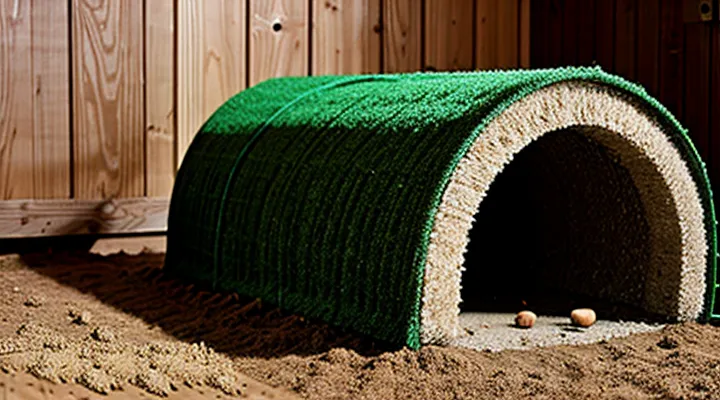
Introduction
Why Build a DIY Rat Tunnel?
Enrichment and Exercise Benefits
A homemade rat tunnel serves as a dedicated platform for mental stimulation and physical activity. By providing a confined yet variable environment, it encourages natural exploratory behavior and promotes muscular development.
Benefits include:
- Enhanced problem‑solving skills through navigation of bends and junctions.
- Increased cardiovascular endurance from sustained movement.
- Strengthened forelimb muscles during climbing and squeezing actions.
- Reduced stress levels by offering a safe, private space for retreat.
- Improved social interaction when multiple rats share the structure, fostering cooperative play.
Regular incorporation of a tunnel into daily husbandry routine supports overall health, encourages species‑specific behaviors, and contributes to a more dynamic living environment.
Cost-Effectiveness
Cost‑effectiveness drives the decision to construct a homemade rat tunnel rather than purchase a commercial product.
Low‑cost materials are readily available at hardware stores or through recycling. Typical choices include:
- PVC pipe sections, priced per foot, easy to cut and join.
- Corrugated cardboard, obtainable from packaging, provides temporary insulation.
- reclaimed wood pallets, often free, suitable for structural frames.
Minimal tools are required. A handsaw, a drill, and basic fasteners suffice, eliminating the expense of specialized equipment. Assembly involves simple measurements, cuts, and connections, keeping labor time short.
Durable selections such as PVC or treated wood extend the tunnel’s service life, reducing the frequency of replacement. Regular inspection and occasional cleaning maintain functionality without additional cost.
Commercial alternatives frequently exceed the price of raw materials by several hundred dollars, not accounting for shipping or markup. The homemade solution typically achieves comparable dimensions and functionality at a fraction of that expense.
Overall, the investment in a DIY rat tunnel remains low, while the long‑term operational cost stays minimal, delivering clear financial advantage.
Customization Options
Customization options for a homemade rodent tunnel determine suitability for specific environments and animal needs. Selecting materials influences durability, weight, and ease of cleaning. Common choices include untreated pine for lightweight structures, PVC pipe for moisture resistance, and acrylic sheets for transparent sections.
Key dimensions adapt to species size and available space. Standard tunnel diameter ranges from 4 inches for small rats to 6 inches for larger individuals; length can be extended by connecting multiple sections. Adjustable connectors allow quick reconfiguration.
Entrance and exit designs affect accessibility and safety. Options comprise hinged doors, sliding panels, or removable caps. Each mechanism can incorporate locks to prevent accidental openings.
Interior accessories enhance comfort and stimulation. Additions such as nesting pads, chewable wood blocks, and climbing ladders attach with zip ties or Velcro strips.
Modular construction permits expansion. Interlocking joints enable addition of bends, junctions, or multi‑level platforms without dismantling existing sections.
Aesthetic finishing provides visual integration with surrounding décor. Paints formulated for non‑toxic use, vinyl wraps, or fabric covers offer color and texture choices.
«Customizable features enhance functionality and animal welfare».
Planning Your Rat Tunnel
Choosing the Right Materials
Safe and Non-Toxic Options
When planning a homemade rat tunnel, safety and non‑toxicity must guide material selection. Non‑poisonous components prevent accidental ingestion and eliminate the risk of contaminating the tunnel environment.
- Untreated hardwood (e.g., pine, birch) – sturdy, natural, free of chemical preservatives.
- Food‑grade silicone sealant – seals joints without releasing harmful vapors.
- Natural fiber rope or hemp twine – provides grip for the animal without synthetic additives.
- Recycled cardboard tubes – lightweight, biodegradable, suitable for interior walls.
- Non‑slipping rubber mats made from natural rubber – offers traction while avoiding plastic polymers.
All adhesives and paints should carry a “food‑safe” certification. Avoid products labeled “industrial grade” or containing volatile organic compounds (VOCs). When cutting or shaping wood, use a fine‑toothed saw to minimize splinter formation; sand edges with a fine sandpaper to prevent sharp points.
For structural integrity, assemble the tunnel using simple joinery techniques such as dovetail or mortise‑and‑tenon connections. These methods eliminate the need for metal fasteners that could rust or leach metals. Secure joints with the food‑grade silicone to maintain a sealed, odor‑free interior.
Ventilation can be achieved by drilling small holes (approximately 5 mm in diameter) at regular intervals along the tunnel length. Cover each opening with a fine mesh made from stainless steel to keep debris out while allowing airflow.
By adhering to these guidelines, the resulting tunnel remains safe for the animal, environmentally responsible, and durable for repeated use.
Recycled and Upcycled Materials
Using reclaimed cardboard, discarded PVC pipe, and salvaged wood creates a cost‑effective, environmentally friendly rat tunnel. Cardboard provides insulation and can be folded into curved sections; PVC pipe offers structural rigidity and smooth interior surfaces; wood from pallets or old furniture supplies support beams and entry frames. All materials should be cleaned, inspected for sharp edges, and treated with non‑toxic sealant to prevent rot and discourage pests.
Key preparation steps:
- Cut cardboard into arches matching the desired tunnel diameter, then reinforce with duct tape.
- Cut PVC pipe lengthwise, open it, and line the interior with cardboard for added comfort.
- Assemble wooden frames using screws or nails, securing them to the cardboard arches.
- Connect sections with zip ties or bolts, ensuring a continuous passage without gaps.
- Apply a layer of biodegradable sealant to protect against moisture.
The finished tunnel can be positioned between nesting boxes and feeding stations, allowing rodents to travel safely while reducing waste and material costs. Reusing household items lowers the project's carbon footprint and eliminates the need for new commercial products.
Design Considerations
Tunnel Dimensions and Shape
When planning a rat tunnel, dimensions determine the animal’s ability to navigate comfortably and the structure’s durability.
A functional tunnel typically adheres to the following measurements:
- Length: 60 cm to 120 cm, providing sufficient distance for exploration without excessive material use.
- Internal diameter: 10 cm to 12 cm, matching the average adult rat’s shoulder width and allowing free movement.
- Wall thickness: 1 cm to 1.5 cm, ensuring rigidity while keeping the tunnel lightweight.
- Entrance aperture: 12 cm to 14 cm, larger than the internal diameter to prevent entry obstruction.
Shape influences structural integrity and ease of construction. A circular cross‑section distributes stress evenly, simplifying material cutting and assembly. An elliptical profile can reduce material consumption but requires precise molding to avoid weak points.
Incline and curvature affect rat comfort. A gentle slope of 5° to 10° prevents climbing difficulty, while a single, smooth curve with a radius of at least 30 cm eliminates sharp turns that could cause injury.
Material selection complements dimensions. Rigid, non‑toxic plastics or thin plywood sheets maintain shape, resist chewing, and are easy to clean.
By aligning length, diameter, wall thickness, and shape with these specifications, the tunnel achieves optimal functionality and longevity.
Entry and Exit Points
Entry and exit points determine the functional flow of a homemade rat tunnel. Position them where rodents naturally travel, such as along walls, under cabinets, or near food sources. Ensure unobstructed pathways to prevent avoidance.
Placement guidelines:
- Align openings with existing rodent routes identified by droppings or gnaw marks.
- Locate entry at ground level to match the animal’s natural movement; situate exit slightly higher to encourage forward motion.
- Space openings at least one meter apart to reduce crowding and allow multiple individuals to use the tunnel simultaneously.
Dimension standards:
- Width: 3–4 cm, sufficient for an adult rat without excessive clearance.
- Height: 5–6 cm, matching the animal’s shoulder height.
- Length of each opening: 2–3 cm, providing a firm edge for chewing resistance.
Security measures include fitting metal mesh or hardware cloth over openings to block predators while permitting rat passage. Seal gaps with silicone caulk to eliminate drafts that could deter use. Install removable covers for periodic inspection without disrupting traffic.
Routine checks should verify that openings remain clear of debris, that mesh integrity is intact, and that moisture does not accumulate. Replace worn sections promptly to maintain continuous access.
Ventilation and Cleanliness
Proper airflow and hygiene are essential for a functional rodent tunnel. Without adequate «ventilation», tunnels become humid, encouraging mold growth and respiratory issues in the occupants. Neglecting «cleanliness» leads to waste accumulation, attracting pests and increasing disease risk.
Effective «ventilation» requires:
- At least two openings positioned at opposite ends to create cross‑draft.
- Openings sized 2–3 cm in diameter for small rodents, larger if the tunnel length exceeds one meter.
- Use of breathable mesh (e.g., stainless‑steel or nylon) to prevent predator entry while allowing airflow.
- Placement of openings above ground level to avoid water ingress.
Maintaining «cleanliness» involves:
- Selecting smooth, non‑porous interior surfaces such as PVC or sealed wood to simplify washing.
- Installing removable floor trays for droppings; trays should be emptied weekly.
- Applying a mild, non‑toxic disinfectant (e.g., diluted hydrogen peroxide) after each cleaning cycle.
- Ensuring all construction tools and materials are sterilized before assembly.
Regular inspection of both air passages and interior surfaces prevents blockages and contamination, extending the tunnel’s lifespan and safeguarding its inhabitants.
Step-by-Step Construction Guide
Gathering Your Tools
Essential Cutting Tools
When preparing a homemade rodent tunnel, precise cutting of materials determines the overall quality and durability of the structure. Selecting the right tools reduces waste, ensures straight edges, and speeds up assembly.
Essential cutting tools include:
- Hand saw: Ideal for cutting lumber, plywood, or PVC pipe to the required lengths. A fine‑toothed blade provides clean cuts without splintering.
- Jigsaw: Enables curved cuts for entrance openings or ventilation holes. Adjustable speed settings allow control over thin or thick sections.
- Circular saw: Offers rapid straight cuts on large boards. Use a guide rail to maintain accuracy over long runs.
- Utility knife: Perfect for trimming foam insulation, cardboard, or thin sheet metal. Replace blades frequently to avoid ragged edges.
- Wire cutters/bolt cutters: Required for trimming metal reinforcement bars or wire mesh used to reinforce tunnel walls.
- Power drill with hole‑saw attachment: Creates circular openings for ventilation or access points without additional drilling steps.
Additional accessories improve safety and precision:
- Clamps: Secure workpieces while cutting, preventing movement and ensuring consistent results.
- Measuring tape and marking gauge: Provide exact dimensions before each cut, reducing errors.
- Safety glasses and ear protection: Protect eyes from debris and reduce noise exposure during prolonged use.
Proper maintenance—regular blade sharpening, cleaning debris, and checking battery levels for cordless tools—extends tool life and maintains cutting performance throughout the project.
Adhesives and Fasteners
Adhesives and fasteners are essential components for constructing a functional rodent tunnel. Selecting the right products ensures structural stability, durability, and safety for the animal.
- Wood glue (PVA) provides strong bonds for wooden frames, dries clear, and remains flexible enough to accommodate minor movements.
- Epoxy resin offers high‑strength adhesion for metal brackets or dense plastic parts; a two‑part mix cures to a rigid, water‑resistant joint.
- Silicone sealant creates airtight seals around openings, preventing drafts and moisture ingress.
- Hot‑melt adhesive bonds lightweight materials quickly, useful for attaching fabric liners or insulation.
Fasteners must match the load requirements and material types:
- Wood screws (self‑tapping) secure panels while allowing disassembly for cleaning.
- Finish nails offer a low‑profile attachment for interior surfaces.
- Staples provide rapid fastening of fabric or insulation layers.
- Zip ties (cable ties) hold non‑structural components such as ventilation grilles.
- Corner brackets reinforce right‑angle joints, reducing stress on screws.
Selection criteria focus on compatibility, strength, and rodent safety:
- Materials that contact the tunnel interior should be non‑toxic and free of sharp edges.
- Fasteners must resist corrosion in humid environments to maintain grip over time.
- Adhesives should cure fully before the tunnel is introduced to the animal, eliminating off‑gassing risks.
Application guidelines improve bond quality:
- Clean surfaces to remove dust, oil, or debris.
- Apply adhesive evenly, avoiding excess that could seep into gaps.
- Clamp or press joints firmly during the curing period indicated on the product label.
- Insert fasteners after adhesive sets, tightening to the recommended torque without over‑driving.
Regular maintenance extends the tunnel’s lifespan. Inspect joints monthly for loosening or degradation, replace compromised fasteners, and reapply adhesive where cracks appear. This systematic approach maintains a secure, hygienic environment for the rodent.
Building the Tunnel Structure
Cutting and Shaping Materials
Cutting and shaping materials determines the durability and functionality of a homemade rat passage. Selecting appropriate tools and techniques before any material is altered ensures precise dimensions and smooth edges, reducing the risk of injury to the animal and preventing premature wear.
Materials commonly used include untreated pine, PVC pipe, and corrugated cardboard. For wood, a fine‑toothed saw or a circular cutter produces straight cuts, while a rasp or sandpaper removes splinters. PVC sections require a pipe cutter or a rotary saw to achieve clean, perpendicular ends; a deburring tool smooths the inner surface. Cardboard can be trimmed with a utility knife, then folded along scored lines to create rigid panels.
A typical workflow:
- Measure tunnel length, diameter, and curvature; mark dimensions on each material.
- Cut components to size using the designated tool; verify each cut with a ruler or caliper.
- Shape edges with a file or sandpaper until they are flush and free of burrs.
- Test fit sections together; adjust by trimming or sanding as needed before assembly.
Consistent application of these steps produces a tunnel with uniform sections, facilitating straightforward joining and ensuring the final structure remains stable under repeated use.
Assembling the Sections
Assembling the sections of a homemade rat tunnel requires precise alignment and secure connections. Begin by laying out all prefabricated segments on a flat surface to verify dimensions and identify any manufacturing defects. Confirm that each piece matches the intended tunnel length and curvature.
- Position the first two sections so that their mating edges are flush.
- Insert the chosen fastener—screw, bolt, or zip‑tie—through the pre‑drilled holes on both sides.
- Tighten the fastener until the joint exhibits no lateral movement.
- Repeat the process sequentially, adding each subsequent section until the tunnel reaches the desired length.
- For curved sections, align the interior curve to maintain a smooth passage; use a flexible measuring tape to check continuity.
After all joints are secured, inspect the assembled structure for gaps. Apply silicone sealant or a strip of non‑toxic foam to any openings that could allow escape or entry of debris. Finally, reinforce high‑stress points with additional brackets or metal plates, ensuring the tunnel withstands repeated animal traffic.
Adding Features and Decor
Hiding Spots and Obstacles
Integrating concealment zones and challenge elements into a homemade rodent passage enhances the structure’s functionality and durability. Concealment zones provide rats with secure rest areas, while challenge elements regulate movement speed and prevent blockages.
Typical concealment zones include:
- Small insulated cavities positioned along the tunnel walls, offering warmth and privacy.
- Elevated nesting chambers constructed from shredded cardboard or natural fibers, secured with non‑toxic adhesive.
- Covered side alcoves formed by overlapping wooden slats, creating shadowed retreats.
Challenge elements that promote healthy activity and deter accumulation:
- Narrow segments no wider than 4 cm, compelling rats to squeeze and maintain posture.
- Gentle bends alternating every 30 cm, encouraging directional changes and reducing straight‑line traffic.
- Low‑profile ledges spaced 2 cm apart, forcing rats to climb and exercise hind limbs.
- Small, removable obstacles such as wooden dowels or plastic rings, providing optional difficulty levels.
When assembling the tunnel, follow a logical sequence: lay the primary conduit, insert concealment zones at regular intervals, then integrate challenge elements before sealing joints. Secure all connections with non‑hazardous clamps to prevent escape routes. Regular inspection of concealment zones and obstacles ensures structural integrity and maintains a stimulating environment for the occupants.
Textures and Scents for Stimulation
When designing a homemade rat tunnel, sensory enrichment is essential for encouraging exploration and reducing stress. Textural variety provides tactile feedback that rodents naturally seek. Incorporate materials such as untreated pine bark, corrugated cardboard, natural fiber rope, and smooth acrylic sheets. Each surface offers a distinct level of resistance, allowing rats to practice climbing, gnawing, and nesting behaviors.
Scent cues further stimulate curiosity and support natural foraging instincts. Apply diluted essential oils—lavender, cedar, and orange—directly onto cotton pads placed in discreet corners of the tunnel. Use fresh herbs like rosemary or mint, secured in breathable mesh pouches, to introduce volatile compounds without overwhelming the environment. Rotate scented elements weekly to maintain novelty.
Key considerations for implementing textures and scents:
- Ensure all materials are non‑toxic, free of treated chemicals, and securely anchored to prevent accidental ingestion.
- Limit scent concentration to a few drops per square meter; excessive fragrance may cause aversion.
- Combine rough and smooth surfaces in alternating sections to promote balanced motor skill development.
- Position scented items away from primary travel routes to encourage detours and exploratory pauses.
By integrating diverse textures and carefully managed olfactory stimuli, the tunnel becomes a dynamic habitat that mirrors the complexity of a rat’s natural surroundings, fostering both physical activity and mental engagement.
Safety and Maintenance
Ensuring Rat Safety
Smooth Edges and Secure Connections
When constructing a rodent passage, the integrity of each joint determines durability and safety for the animal. Rough edges create stress points that can cause injury or encourage gnawing, while loose connections allow escape and collapse.
To achieve smooth edges:
- Cut all wooden or plastic sections with a fine‑toothed saw; sand each cut surface until no splinters remain.
- Apply a thin coat of non‑toxic sealant to the sanded area; allow it to dry completely before assembly.
- Use a deburring tool on metal brackets to eliminate sharp protrusions.
For secure connections:
- Align pieces on a flat work surface; verify that mating surfaces meet flush without gaps.
- Employ stainless‑steel screws sized for the material thickness; tighten to a torque of 0.8 Nm to prevent overtightening.
- Reinforce each joint with a corner brace; secure the brace with two screws placed at opposite angles.
- Test each joint by applying a gentle lateral force; any movement indicates the need for additional fasteners or adhesive.
Regular inspection of the tunnel’s interior should focus on edge wear and joint stability. Replace or re‑sand any area showing signs of degradation, and re‑tighten screws after the first week of use to compensate for material settling. This routine maintains a safe, long‑lasting environment for the rodent.
Avoiding Choking Hazards
When assembling a homemade rodent passage, the primary safety concern is preventing choking incidents. Small detachable components, loose threads, and exposed fasteners can become ingestion hazards for the animal. Selecting materials and construction methods that eliminate these risks is essential for a functional and humane tunnel.
Key measures to avoid choking hazards:
- Use solid, non‑splintering wood or thick plastic sheets; avoid thin cardboard or foam that can break into fragments.
- Secure all joints with screws or bolts that remain fully embedded; cover heads with metal caps or seal with non‑toxic epoxy.
- Eliminate loose cords, wires, or zip ties; route any necessary wiring through protected conduits and trim excess length flush with the tunnel wall.
- Choose chew‑resistant fabrics for any padding; avoid loose fibers that can detach when gnawed.
- Inspect all openings; ensure entry and exit holes are smooth‑edged and sized to prevent the rat from becoming trapped while still allowing passage.
After construction, conduct a thorough inspection. Run a finger along interior surfaces to detect any protrusions. Shake the tunnel gently to confirm that no loose parts detach. Replace any suspect elements before introducing the animal.
By adhering to these guidelines, the tunnel remains safe, functional, and free from potential choking threats.
Cleaning and Disinfection
Regular Cleaning Schedule
A regular cleaning schedule preserves the functionality and hygiene of a homemade rat passage. Accumulated debris, urine, and droppings create slippery surfaces, attract pests, and accelerate material degradation.
Daily inspection includes visual checks for blockages, wet spots, and damaged sections. Immediate removal of visible waste prevents buildup. Weekly deep cleaning follows a three‑step process:
- Remove all removable components; rinse with warm water.
- Apply a mild enzymatic cleaner to break down organic residue; scrub with a soft brush.
- Rinse thoroughly; dry with clean towels or low‑heat airflow.
Monthly maintenance adds a sterilization phase. Disassemble the tunnel, soak metal parts in a diluted bleach solution (1 % concentration) for ten minutes, then rinse and dry. Replace any worn sealing strips or fasteners.
Required tools: soft‑bristled brush, bucket, enzymatic cleaner, bleach, microfiber towels, low‑heat dryer, and a logbook. The logbook records date, tasks performed, and observations of wear, enabling timely interventions before failures occur.
Deep Cleaning Methods
Deep cleaning ensures that a homemade rat tunnel remains sanitary, reduces the risk of pathogen transmission, and prolongs the lifespan of the structure.
Before cleaning, disassemble removable sections, clear loose debris, and inspect for damage. All components should be separated to allow thorough access to interior surfaces.
Effective deep‑cleaning techniques include:
- Steam cleaning at temperatures above 100 °C to eliminate bacteria and parasites without chemical residue.
- Application of a diluted quaternary ammonium solution, left to act for the manufacturer‑specified dwell time, then rinsed with clean water.
- Use of an enzymatic cleaner to break down organic matter, followed by a high‑pressure rinse to remove residual enzymes.
- Pressure washing with water pressure of at least 1500 psi to dislodge stubborn grime from joints and corners.
Safety measures require adequate ventilation, use of gloves and eye protection, and verification that cleaning agents do not degrade the tunnel’s material (e.g., PVC, wood, or acrylic). After cleaning, allow all parts to dry completely before reassembly to prevent mold growth.
Establish a routine schedule: perform a comprehensive deep clean monthly, accompanied by spot cleaning after each use cycle. Record dates and methods in a maintenance log to track compliance and identify trends in wear or contamination.
Troubleshooting Common Issues
Tunnel Instability
Tunnel instability compromises the functionality of a homemade rodent passage and can lead to collapse, blockage, or unintended escape routes. Primary factors include uneven ground pressure, soil erosion, moisture accumulation, and insufficient structural support. Each factor interacts with the tunnel’s geometry, influencing stress distribution along the walls and ceiling.
Material selection directly affects stability. Rigid components such as PVC piping, acrylic sheets, or thin wood panels resist deformation under load, while flexible fabrics allow collapse when subjected to weight or humidity. When using flexible materials, incorporate external reinforcement—metal mesh, zip ties, or wooden slats—to maintain shape.
Design considerations mitigate instability:
- Maintain a constant cross‑sectional diameter; abrupt changes create stress concentrations.
- Limit tunnel length between support points to no more than 30 cm for flexible walls; add vertical braces at regular intervals.
- Provide a slight upward slope (5–7 %) to promote drainage and reduce water pooling.
- Anchor the entrance and exit to stable surfaces using screws or brackets.
Regular maintenance prevents degradation. Inspect joints for looseness, clear debris that may block airflow, and replace wet or warped sections promptly. Applying a waterproof sealant to interior surfaces reduces moisture penetration, preserving material integrity.
By addressing ground pressure, material rigidity, and reinforcement spacing, a DIY rodent tunnel remains functional and safe for extended use.
Lack of Rat Interest
Rats often ignore a homemade tunnel when the structure fails to meet their innate preferences. The primary factors that diminish attraction include inappropriate dimensions, unsuitable materials, lack of environmental cues, and suboptimal placement.
Typical causes of low engagement:
- Tunnel diameter narrower than 5 cm or wider than 12 cm, which prevents comfortable passage.
- Interior surfaces smooth or chemically treated, eliminating the tactile feedback rats rely on.
- Absence of nesting material, such as shredded paper or cotton, that signals a safe refuge.
- Exposure to bright light or drafts, contrary to rats’ preference for dim, stable microclimates.
- Location near high‑traffic areas or predator scent trails, discouraging exploratory behavior.
Mitigation strategies focus on aligning the tunnel with rat instincts:
- Measure the tunnel to accommodate the average adult body width (≈ 8 cm) and allow free movement.
- Use untreated wood, PVC, or cardboard with a rough texture; avoid glossy finishes.
- Line the interior with shredded paper, tissue, or soft fabric to provide familiar bedding.
- Position the tunnel in a quiet corner, shielded from direct light, and ensure consistent temperature.
- Incorporate scent cues by pre‑exposing the tunnel to bedding used elsewhere in the enclosure.
Addressing these elements increases the likelihood that rodents will explore and adopt the tunnel, transforming a passive structure into an active component of their habitat.