
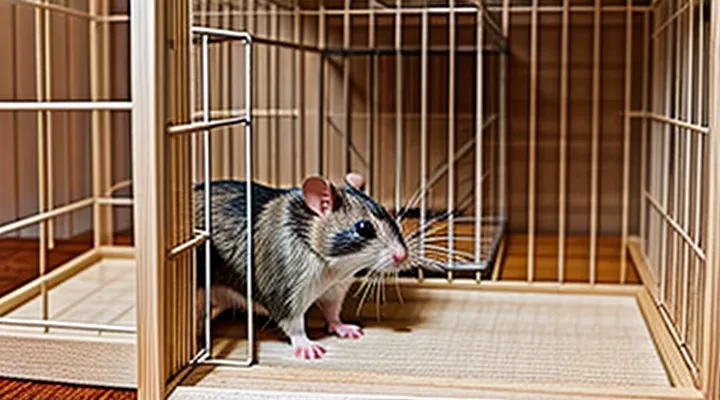
Why Build Your Own Rat Cage?
Advantages of DIY Cages
A homemade rat enclosure offers cost efficiency, allowing the use of readily available materials rather than purchasing a commercial product at a premium price.
Customization is another advantage; dimensions, ventilation openings, and enrichment accessories can be tailored to the specific needs of the animal, ensuring optimal space utilization and comfort.
Additional benefits include:
- Easy maintenance: removable panels simplify cleaning and reduce the time required for routine hygiene.
- Enhanced durability: selection of high‑quality components such as stainless‑steel mesh or solid wood prevents premature wear and extends the lifespan of the cage.
- Environmental control: incorporation of insulated sections or heat‑resistant materials enables precise regulation of temperature and humidity.
Overall, constructing a rat habitat independently combines economic savings with functional flexibility, delivering a reliable solution that aligns with the welfare requirements of a domestic pet.
Potential Drawbacks and Considerations
When constructing a rat enclosure, several practical issues may affect the animal’s welfare and the owner’s experience. Inadequate ventilation can lead to respiratory problems, especially in poorly aerated wooden structures. Insufficient structural strength may allow chewing damage, creating escape routes and exposing the rat to hazards. Overly large cages increase cleaning time and may reduce the animal’s sense of security, while excessively small spaces limit natural behaviors and induce stress.
Key considerations include:
- Material choice: untreated wood may harbor toxins; metal components can rust and cause injury.
- Floor design: solid surfaces hinder burrowing instincts; wire mesh may cause foot injuries if spacing is too wide.
- Accessibility: complex assembly can complicate routine maintenance, leading to neglect of hygiene.
- Cost versus durability: inexpensive DIY solutions often require frequent repairs, offsetting initial savings.
Balancing these factors helps ensure a safe, functional habitat that supports healthy rodent behavior and reduces long‑term upkeep burdens.
Planning Your Rat Cage Design
Essential Dimensions and Space Requirements
Minimum Cage Size for One Rat
A single domestic rat needs a cage that provides sufficient floor space for natural locomotion, climbing, and enrichment. The minimum floor area recommended by most rodent‑care guidelines is 0.5 square feet (≈ 0.05 m²). This translates to a rectangular footprint of roughly 18 inches by 12 inches (≈ 45 cm × 30 cm). Height should allow vertical movement; a minimum of 12 inches (≈ 30 cm) is essential, with taller cages (≥ 18 inches) offering better climbing opportunities.
Key dimensions for a one‑rat enclosure:
- Floor area: ≥ 0.5 sq ft (≈ 45 cm × 30 cm)
- Minimum height: 12 inches (≈ 30 cm)
- Preferred size: 1 sq ft floor area with ≥ 18 inches height for optimal enrichment
A solid base prevents foot injuries and improves thermoregulation; avoid wire flooring unless covered with a safe, chew‑resistant material. Provide at least one level or platform to encourage vertical exploration. Regular cleaning requires removable trays or a design that allows easy access without compromising space.
Professional guidelines state: «Rats require at least 0.5 square feet of floor space per animal». Exceeding this baseline improves health, reduces stress, and supports natural behaviors. When constructing a cage, prioritize the minimum dimensions as a foundation, then expand based on available space and the rat’s activity level.
Calculating Space for Multiple Rats
When housing more than one rat, allocate a minimum of 2 ft² (≈ 0.19 m²) of floor area per individual. This baseline supports basic movement, nesting, and foraging behaviors without crowding.
To determine the required enclosure size, follow these steps:
- Multiply the number of rats by 2 ft².
Example: four rats × 2 ft² = 8 ft² total floor space. - Convert the result to square inches (1 ft² = 144 in²) if the cage dimensions will be measured in inches.
- Choose dimensions that provide the calculated area while allowing a rectangular or square shape; a 24 in × 32 in cage yields 768 in² (≈ 5.3 ft²), suitable for three rats.
- Add at least 10 % extra space for accessories such as tunnels, wheels, and hideouts, ensuring the animals can navigate around them without reducing usable floor area.
Consider the following adjustments:
- Active strains or juveniles benefit from up to 3 ft² per rat.
- Vertical enrichment (multiple levels) does not replace floor space; each level must still meet the floor‑area requirement.
- Overcrowding accelerates stress, aggression, and health issues; maintain the calculated minimum even when adding new companions.
By applying this straightforward calculation, the enclosure will accommodate multiple rats comfortably, supporting their physical and psychological well‑being.
Materials: What You'll Need
Safe and Unsafe Materials for Rats
Choosing appropriate construction materials determines the health and longevity of a domestic rat enclosure.
Safe options include:
- Untreated solid wood such as pine, birch, or maple; provides natural chewing surface without toxic chemicals.
- Stainless‑steel mesh with openings no larger than ¼ inch; resists rust and prevents escape.
- Unpainted acrylic or polycarbonate panels; transparent, shatter‑resistant, and easy to clean.
- Food‑grade polyethylene or polypropylene tubing for tunnels; flexible, non‑porous, and odor‑free.
- Natural fiber rope (cotton or sisal) for enrichment; biodegradable and free of synthetic binders.
Materials to avoid:
- Pressed particle board or MDF; contains formaldehyde and other adhesives harmful when chewed.
- Soft plastics such as PVC or vinyl; release volatile compounds and can be punctured.
- Painted or stained wood with lead‑based or solvent‑based finishes; toxic residues pose ingestion risk.
- Wire mesh with galvanized coating; zinc corrosion creates toxic exposure.
- Fiberglass or resin‑based components; brittle, splintering, and may contain harmful chemicals.
Selecting only the listed safe materials eliminates exposure to toxins, reduces the likelihood of cage damage, and supports a secure environment for the animal.
Tools for Construction
A well‑equipped workshop ensures precise dimensions, clean cuts, and secure assembly when constructing a small rodent enclosure.
Essential tools include:
- Measuring tape or ruler for accurate sizing
- Hacksaw or fine‑tooth jigsaw for cutting wood and plastic panels
- Cordless drill with assorted drill bits for pilot holes and mounting hardware
- Screwdriver set, both flat‑head and Phillips, for fastening screws
- Wire cutters and side‑cutting pliers for trimming metal mesh and wiring
- Safety glasses and dust mask to protect eyes and respiratory passages
- Workbench or stable surface to support materials during processing
Select tools that match material thickness and desired finish. A low‑speed drill reduces splintering in thin wood, while a high‑torque model eases insertion of larger screws into dense boards. Fine‑tooth blades on a jigsaw produce smoother edges on acrylic panels, minimizing the need for additional sanding.
Regular maintenance prolongs tool life and maintains safety standards. Clean debris after each use, inspect cords for wear, and store sharp blades in protective sleeves. Replace worn drill bits promptly to avoid material damage and ensure consistent hole quality.
Step-by-Step Construction Guide
Preparing Your Materials
Cutting and Shaping Components
Accurate cutting and shaping of components determine the structural integrity and safety of a homemade rat enclosure. Choose untreated pine, plywood, or acrylic sheets no thicker than ¼ inch to balance durability with ease of handling. Mark each piece with a fine‑point pencil, using a steel ruler or a carpenter’s square to ensure right angles. Cut along the marked lines with a fine‑toothed saw, keeping the blade perpendicular to the material to avoid splintering. After each cut, sand edges with medium‑grit sandpaper until smooth, then finish with a fine‑grit layer to eliminate residual roughness that could injure the animal.
Key steps for cutting and shaping:
- Measure interior dimensions required for the cage, allowing at least 2 sq ft of floor space per rat.
- Transfer measurements onto each panel, adding a ¼‑inch allowance for joint clearance.
- Saw panels using a circular or jigsaw, maintaining a steady feed rate to produce clean cuts.
- Deburr and sand all edges, checking for sharp points with a fingertinch.
- Trim openings for doors and ventilation, then round corners with a router or file.
- Test fit all components before assembly; adjust by trimming excess material if gaps exceed 1 mm.
Final inspection should confirm that all edges are smooth, corners are rounded, and dimensions match the intended layout. Properly cut and shaped parts simplify later assembly and provide a safe, long‑lasting habitat for a domestic rat.
Sanding and Finishing Surfaces
Sanding prepares all wooden components for a safe, hygienic enclosure. Begin with coarse grit (80‑120) to remove splinters and rough edges, then progress through medium (150‑180) and fine (220‑320) grits for a smooth surface. Use a orbital sander for even pressure; hand‑sand corners and intricate joints to avoid over‑removal.
After sanding, remove dust with a vacuum equipped with a HEPA filter, then wipe surfaces with a damp lint‑free cloth. Allow the wood to dry completely before applying any finish, as residual moisture can compromise adhesion.
Apply a non‑toxic, water‑based sealant designed for pet habitats. Recommended steps:
- Brush a thin coat, ensuring even coverage on all faces and edges.
- Let the coat cure for the manufacturer‑specified time, typically 2‑4 hours.
- Lightly sand cured layer with fine grit (320) to eliminate raised fibers.
- Apply a second coat for added durability; repeat curing process.
Final inspection confirms that no rough spots, dust residues, or uncured areas remain. A properly sanded and finished surface prevents injuries, resists moisture, and facilitates regular cleaning of the rat’s living space.
Assembling the Frame
Assembling the frame creates the structural foundation for a safe, functional rat enclosure. Begin by measuring the intended interior dimensions; typical domestic rat habitats range from 60 cm × 40 cm × 30 cm to larger configurations for multiple occupants. Cut the chosen material—preferably lightweight, non‑toxic wood or coated metal—to the exact lengths, allowing a tolerance of no more than 2 mm to ensure tight joints.
Secure the corners using corner brackets or angle brackets, positioning each bracket flush against the intersecting pieces. Apply a small amount of wood glue or appropriate adhesive before tightening screws, guaranteeing a rigid connection that resists gnawing pressure. For added stability, reinforce long spans with cross‑bars placed at one‑third intervals, attaching them with metal brackets.
The final step involves checking for squared corners. Place a carpenter’s square at each joint; any deviation greater than 1 mm requires readjustment. Once all joints are confirmed square, sand any rough edges to prevent injuries. The completed frame should support the cage’s panels without flexing under the weight of bedding, accessories, and active rodents.
Attaching Walls and Doors
Wire Mesh Installation
Selecting appropriate wire mesh is the first step. Choose stainless‑steel or galvanized mesh with a ¼‑inch (6 mm) aperture to prevent escape while allowing ventilation. Verify that the material is free of sharp edges that could injure the animal.
Accurate measurement precedes cutting. Measure the interior dimensions of the cage frame, add a 2‑inch (5 cm) overlap on each side, and mark the mesh accordingly. Use wire cutters or bolt snips to produce clean edges; file any burrs immediately.
Securing the mesh to the frame follows a defined sequence:
- Align the mesh with the frame, ensuring the overlap covers the entire joint.
- Apply stainless‑steel staples at 2‑inch (5 cm) intervals along the perimeter.
- Reinforce corners with zip‑tie clamps or metal brackets for added rigidity.
- Trim excess mesh, leaving a ½‑inch (1.3 cm) margin to prevent loosening.
Final inspection confirms structural integrity. Pull gently on each side to test tension, check for protruding staples, and verify that no gaps exceed the specified aperture. Once all criteria are met, the cage is ready for safe habitation.
Secure Door Mechanisms
A cage for a pet rat must incorporate a door that prevents escape while allowing easy access for cleaning and feeding. The door mechanism should combine durability, tamper‑resistance, and simplicity of operation.
- Sliding latch with a reinforced steel bar engages a mortise cut into the frame, providing a linear closing action that resists forced pulling.
- Spring‑loaded latch equipped with a recessed thumb lever secures the door automatically when closed, eliminating reliance on external fasteners.
- Cam lock fitted with a keyed cylinder offers a high‑security option; the cam rotates into a steel plate, locking the door with minimal clearance.
- Magnetic latch using neodymium magnets aligns the door flush against the frame, creating a concealed seal that is difficult for a rat to manipulate.
- Quick‑release latch designed for veterinary use enables rapid opening without compromising lock strength; a push‑button releases a catch that holds the door firmly closed.
Material selection influences both strength and hygiene. Stainless‑steel components resist corrosion from cleaning agents and discourage gnawing. Reinforced plastic hinges reduce weight while maintaining structural integrity. All contact surfaces should be smooth to prevent injury to the animal’s paws.
Installation requires precise alignment of the latch housing with the door edge; a gap exceeding 2 mm creates leverage for chewing. Drilling pilot holes before inserting screws prevents wood splitting and ensures a tight fit. Use self‑locking washers to maintain tension over time.
After assembly, conduct a functional test: apply a lateral force of at least 5 kg to the door, attempt to disengage the latch with a rod, and observe for any deformation. Re‑test after a week of regular cleaning to verify that moisture does not weaken connections.
Adding Levels and Ramps
Designing and Building Platforms
Designing and constructing platforms for a domestic rat enclosure requires careful consideration of size, material, and attachment method. Platforms increase vertical space, encourage natural climbing behavior, and facilitate enrichment.
Select sturdy, non‑toxic materials such as untreated hardwood, solid acrylic, or powder‑coated metal. Thickness should be at least ¼ inch (≈ 6 mm) to prevent sagging under the animal’s weight. Ensure all edges are sanded smooth to avoid injuries.
Determine platform dimensions based on cage size. A common guideline is to allocate a surface area equal to 25 % of the floor space for each level. For a cage measuring 30 × 45 cm, a platform of 15 × 22 cm provides adequate coverage without overcrowding.
Secure platforms using one of the following methods:
- Bracket system: Attach stainless‑steel L‑brackets to the cage walls with self‑tapping screws; place the platform on the brackets and tighten with washers.
- Cable suspension: Thread galvanized cable through pre‑drilled holes in the platform, anchor the cable to the cage’s upper frame, and adjust tension to achieve a stable, level surface.
- Slot‑in rails: Install horizontal aluminum rails inside the cage walls, then slide the platform into the rails, locking it with set screws.
Incorporate openings or cut‑outs to allow easy access for cleaning and feeding. Reinforce any cut‑outs with thin metal strips to maintain structural integrity.
Test each platform by applying gradual pressure before introducing the rat. Verify that the platform remains level and does not wobble. Regularly inspect for wear, loose screws, or material degradation, and replace components as needed.
Ensuring Safe Ramp Gradients
When a rat must move between cage levels, the incline of the ramp determines the risk of slips, strain, and avoidance. A gentle slope encourages natural climbing behavior and reduces stress on joints.
Recommended ramp gradients fall within a 15‑25 % range (approximately 1 inch of rise per 4‑6 inches of run). Anything steeper than 30 % often exceeds the animal’s comfort zone, while a slope shallower than 10 % may be unnecessarily long for a compact enclosure.
- Gradient: 15‑25 % (1:4‑1:6)
- Surface length: calculate as rise ÷ gradient
- Width: minimum 2 inches, preferably 3 inches for larger rats
- Material: non‑slip textured wood, acrylic, or coated metal
- Edge treatment: rounded or beveled to prevent paw injury
Construction steps:
- Measure the vertical distance between platforms.
- Apply the chosen gradient to determine the required ramp length.
- Cut the ramp material to the calculated dimensions, ensuring uniform thickness.
- Attach a non‑slip surface, such as fine‑grit sandpaper or textured paint, using pet‑safe adhesive.
- Secure the ramp to both platforms with sturdy brackets, confirming that the attachment points can bear the rat’s weight without wobble.
- Trim edges and sand any rough spots to eliminate splinters.
After installation, observe the rat’s use of the ramp for several days. If hesitation or frequent slipping occurs, re‑measure the slope and adjust the angle within the 15‑25 % range. Periodic cleaning of the ramp surface maintains traction and hygiene.
Essential Cage Accessories and Setup
Bedding and Substrate Choices
Choosing appropriate bedding and substrate directly influences a rat’s health, comfort, and odor management. The material must absorb moisture, resist mold, and be safe if ingested.
- Paper‑based products such as shredded newspaper or commercial paper pellets provide high absorbency, low dust, and easy cleanup.
- Aspen shavings offer a natural scent, moderate absorbency, and low aromatic oils compared with pine or cedar, which can irritate respiratory passages.
- Coconut fiber (coir) delivers excellent moisture retention and a soft texture but may harbor mold if not regularly replaced.
- Hemp bedding combines strong absorbency with minimal dust, suitable for long‑term use.
Key considerations include:
- Dust level: low‑dust substrates reduce respiratory risk.
- Toxicity: avoid pine and cedar due to phenolic compounds that can damage nasal tissue.
- Replacement frequency: replace soiled bedding at least once weekly to prevent ammonia buildup.
- Layer depth: a 1‑2 inch layer balances comfort with effective moisture absorption.
Regularly sift out solid waste, refresh the base layer, and disinfect the cage interior with a rodent‑safe solution. Maintaining a clean substrate environment supports optimal health and minimizes unpleasant odors.
Food and Water Stations
Properly designed food and water stations are essential for a functional rat enclosure. Position stations near one corner of the cage to minimize spillage onto bedding and to allow easy access for cleaning. Use sturdy, chew‑resistant containers; metal or thick acrylic bowls prevent damage and maintain stability.
- Food bowl: shallow, wide opening prevents waste accumulation; stainless steel preferred for durability and sanitation.
- Water bottle: gravity‑fed, with a stainless steel tip and a secure screw cap; ensure the bottle hangs from the cage frame to keep the drinking area elevated.
- Feeding platform (optional): flat tray attached to the side wall provides additional space for treats without contaminating the main floor.
Materials should be non‑porous and free of toxic coatings. Regular maintenance includes daily removal of leftover food, weekly thorough cleaning with warm water and mild dish soap, and periodic replacement of water to avoid bacterial growth. Inspect seals on water bottles for cracks; replace any compromised components promptly.
Design considerations:
- Locate stations away from primary nesting area to reduce soiling.
- Ensure the water bottle’s tip remains below the cage floor level to prevent leaks.
- Provide a small ramp or lip for the rat to climb onto the feeding platform without risking falls.
Consistent placement and routine upkeep keep the enclosure hygienic, support healthy consumption habits, and extend the lifespan of the feeding equipment.
Enrichment and Toys
Tunnels and Hiding Spots
Tunnels provide rats with a continuous route for exploration, exercise, and escape from stress. A straight tunnel segment of 2‑3 cm diameter allows easy passage while preventing blockage. Connect multiple segments with angled joints to create a maze‑like network that encourages problem‑solving. Secure joints with non‑toxic silicone to maintain structural integrity and prevent gaps where bedding could escape.
Hiding spots satisfy the natural inclination of rats to seek refuge. Place enclosed chambers at the end of each tunnel; dimensions of 5 × 5 × 5 cm create a snug yet comfortable space. Line interiors with soft, washable material such as fleece to retain warmth. Add a small opening of 1 cm to permit limited visibility, reducing anxiety while preserving concealment.
Key considerations for integrating tunnels and hiding spots:
- Use PVC or untreated hardwood for durability and safety.
- Ensure all edges are sanded smooth to avoid injuries.
- Position tunnels at varying heights (ground level and elevated) to promote vertical movement.
- Provide at least one larger enclosure (≈10 cm diameter) for nesting, separate from the maze.
- Inspect connections weekly for wear; replace compromised sections promptly.
By combining a branched tunnel system with multiple concealed chambers, the enclosure replicates a natural burrow environment, supporting the physical and psychological health of a domestic rat.
Chew Toys and Ladders
Chew toys provide essential dental wear for rodents, preventing overgrowth and encouraging natural gnawing behavior. Select items made from untreated wood, natural sisal, or safe hemp fibers; avoid plastic components that can splinter. Place toys at varying heights to promote vertical exploration and to distribute activity throughout the enclosure.
Ladders create a three‑dimensional environment, allowing the rat to move between levels and exercise climbing muscles. Opt for sturdy, non‑slip rungs spaced no more than two centimeters apart, matching the animal’s size. Secure ladders to the cage frame using stainless‑steel brackets or zip ties that resist rust and breakage.
When integrating chew toys and ladders, follow these guidelines:
- Attach toys to the cage walls with removable clips, enabling rotation and cleaning without dismantling the structure.
- Position ladders adjacent to platforms, forming a continuous pathway that avoids dead ends.
- Inspect all accessories weekly for wear, fraying, or sharp edges; replace compromised items immediately.
- Rotate the arrangement of toys and ladders every two weeks to sustain novelty and mental stimulation.
Proper placement of chewable objects and climbing structures enhances physical health, reduces stress, and supports the natural behaviors of a domesticated rat within a self‑constructed habitat.
Maintenance and Safety Tips
Regular Cleaning and Disinfection
Regular cleaning of a rat enclosure prevents odor buildup, bacterial proliferation, and parasite infestations. A cleaning routine should include daily spot‑cleaning, weekly deep cleaning, and monthly disinfection.
Daily spot‑cleaning removes uneaten food, droppings, and shredded bedding. Use a small scoop or hand‑tweezer to collect waste, then replace soiled sections of bedding with fresh material. Dispose of waste in a sealed bag to avoid cross‑contamination.
Weekly deep cleaning involves emptying the cage, discarding all bedding, and washing all removable components. Submerge plastic bars, water bottles, and feeding dishes in warm water mixed with a mild detergent. Scrub surfaces with a soft brush, rinse thoroughly, and allow to air‑dry completely before reassembly.
Monthly disinfection targets resilient microorganisms. Prepare a solution of diluted hospital‑grade disinfectant (e.g., 0.1 % chlorine bleach) or a veterinary‑approved enzymatic cleaner. Immerse all non‑porous items for the recommended contact time, typically 10 minutes, then rinse with clean water to remove residue. For wooden or porous accessories, apply a spray disinfectant, ensuring full coverage, and let dry before returning to the enclosure.
Key points for effective sanitation:
- Use separate cleaning tools for the cage and household surfaces.
- Avoid harsh chemicals such as ammonia or phenol, which can irritate a rat’s respiratory system.
- Maintain a consistent schedule; irregular cleaning compromises health and can lead to costly veterinary interventions.
Consistent adherence to these procedures sustains a hygienic environment, supports the animal’s well‑being, and extends the lifespan of the cage components.
Checking for Wear and Tear
Regular inspection of the cage prevents injuries and prolongs its service life.
Identify components most vulnerable to stress: wire mesh, hinges, latch mechanisms, plastic panels, and flooring.
- Examine wire mesh for loose strands, corrosion, or holes larger than ¼ inch.
- Test hinges and latches by opening and closing the door repeatedly; replace any that stick or produce a grinding sound.
- Inspect plastic panels for cracks, discoloration, or brittleness; brittle pieces may break under the rat’s weight.
- Check flooring for uneven wear, sagging, or accumulation of droppings that can weaken the substrate.
Schedule visual checks at least twice a week and a thorough examination monthly. During each review, record any damage and replace the affected part before it compromises the enclosure’s integrity.
When signs of wear appear, prioritize replacement of metal components, as they bear most of the structural load. Plastic elements may be repaired with non‑toxic epoxy if damage is minor; otherwise, substitute with new, cage‑grade material.
Consistent monitoring eliminates hazards and ensures a safe, durable habitat for the pet rodent.
Rat-Proofing Your Cage
Rat‑proofing a cage involves eliminating gaps, securing bars, and selecting appropriate materials. Small rodents can squeeze through openings as narrow as ½ inch, so every joint and hinge must be inspected for integrity.
- Measure all panel seams; reinforce with metal mesh of ¼‑inch gauge or stainless‑steel wire.
- Cover ventilation slots with hardware cloth; ensure overlap of at least 1 inch on each side.
- Install latch mechanisms that lock both vertically and horizontally; avoid spring‑loaded closures that can be forced open.
- Use chew‑resistant plastics or polycarbonate for doors and tunnels; replace any cracked sections promptly.
- Apply pet‑safe sealant around corners and corners of acrylic panels; allow curing time before introducing the rat.
Regular maintenance includes checking for wear on mesh, tightening loose screws, and cleaning debris that could compromise seals. A well‑sealed enclosure reduces escape risk and protects the animal from external hazards.