
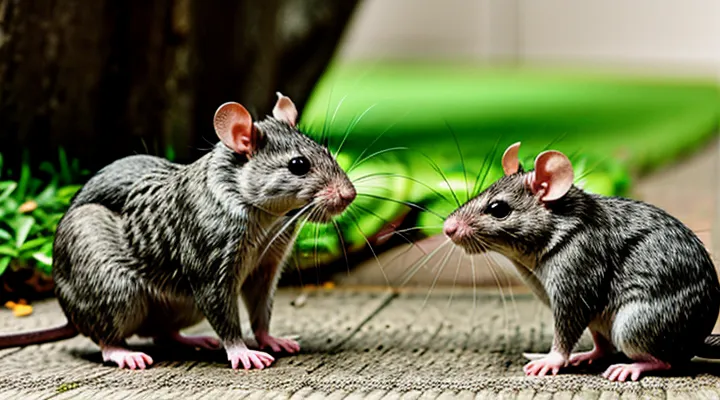
Preparing for Your New Friend
Setting Up a Safe Environment
Choosing the Right Cage
Choosing an appropriate cage forms the foundation for a successful relationship with a newly acquired rat. The enclosure must accommodate the animal’s natural behaviors while providing a safe, hygienic environment.
A cage should meet the following dimensional standards: a minimum floor area of 2 sq ft per rat, with additional space for each extra companion; a height of at least 12 inches to allow climbing and exploration. Larger enclosures reduce stress and encourage activity.
Material considerations include sturdy wire mesh with a gauge of 0.75 mm or finer to prevent chewing damage, and a solid base to support bedding. Avoid glass aquariums lacking ventilation, as they retain humidity and hinder airflow.
Ventilation must be continuous, achieved through evenly spaced bars or dedicated vents. Natural light is acceptable, but direct sunlight should be blocked to prevent overheating.
Safety features are non‑negotiable: bar spacing no larger than 0.5 cm to stop head escape, lockable doors with secure latches, and rounded edges to prevent injury. All components should be free of sharp points and toxic finishes.
Essential accessories to include:
- Absorbent, dust‑free bedding (e.g., paper‑based) for nesting and waste control.
- Multiple hideouts or tunnels to satisfy the rat’s need for shelter.
- Chew‑safe toys made of untreated wood or safe plastics to sustain dental health.
- A sipper bottle with a stainless‑steel spout to provide fresh water without contamination.
Regular cleaning, weekly replacement of bedding, and periodic inspection of cage integrity ensure a stable living space, supporting trust building and long‑term companionship.
Essential Supplies
When a rat arrives, providing the right items creates a safe environment that encourages trust. Essential supplies fall into three categories: housing, nutrition, and enrichment.
- Cage or enclosure – solid‑bottom, escape‑proof, with adequate ventilation; size should allow at least 2 sq ft per rat.
- Bedding material – paper‑based or aspen shavings; avoid pine or cedar, which contain irritants.
- Food and water – a heavy‑base water bottle to prevent tipping, and a balanced rat pelleted diet supplemented with fresh vegetables and occasional fruit.
- Hideaways – small wooden or plastic huts placed in quiet corners; provide a sense of security.
- Chewing objects – untreated wood blocks, natural twine, or cardboard tubes; support dental health and reduce stress.
- Cleaning tools – pet‑safe disinfectant, a scoop for waste, and absorbent pads for the cage bottom.
- Handling accessories – a soft cloth or towel for gentle restraint, and a small, clean hand‑towel for drying after cleaning.
Equipping the space with these items eliminates common stressors and lays the groundwork for a positive relationship with the new pet. Regular maintenance—spot‑cleaning daily, full cage cleaning weekly, and rotating toys—preserves hygiene and keeps the rat engaged.
Creating a Welcoming Atmosphere
Scent Familiarization
Rats navigate their environment primarily through olfactory cues; a new companion’s scent can trigger stress or curiosity. Introducing a familiar odor reduces uncertainty and encourages exploratory behavior.
Begin the process by collecting a sample of the rat’s bedding, fur, or cheek pouch secretions. Place the material inside a clean cloth pouch and leave it near the cage entrance for several hours. Rotate the pouch daily to maintain a consistent scent presence without overwhelming the animal.
- Allow the rat to investigate the pouch voluntarily; avoid forced contact.
- Use a separate glove to handle the rat after exposure, preventing cross‑contamination of scents.
- Introduce a second, neutral scent (e.g., a piece of untreated wood) alongside the familiar one to broaden the olfactory landscape gradually.
- Monitor the rat’s reactions: relaxed posture and gentle sniffing indicate acceptance, while rapid retreat suggests discomfort.
Maintain scent familiarity by regularly refreshing the material and keeping the cage’s cleaning schedule consistent. Over time, the rat will associate the introduced odors with safety, facilitating smoother social integration.
Noise Reduction
When a rat is newly introduced to a home, sudden sounds can trigger fear, impede trust, and delay bonding. Controlling auditory stimuli creates a calm environment that encourages the animal to explore and interact.
- Place the cage in a low‑traffic area away from televisions, speakers, and street noise.
- Use a solid‑core or heavy‑curtain backdrop to block external sounds.
- Install rubber pads or carpet under the cage to dampen vibrations transmitted through the floor.
Additional measures reinforce quiet conditions:
- Cover the cage with a breathable fabric during the first 24 hours to soften sudden noises while maintaining airflow.
- Employ a low‑volume white‑noise machine set to a constant, gentle hiss; this masks unpredictable sounds without startling the rat.
- Schedule routine care (feeding, cleaning, handling) at consistent times to establish predictable acoustic patterns.
Implementing these actions reduces stress, promotes exploratory behavior, and accelerates the development of a positive relationship with the new pet.
The First Introductions
Initial Observation and Acclimation
Giving Space and Time
Allow a newly acquired rat to adjust before initiating intensive interaction. The animal’s natural response to an unfamiliar environment is caution; forcing contact disrupts the trust‑building process.
- Place the cage in a quiet, low‑traffic area where the rat can explore without sudden disturbances.
- Keep handling sessions brief (1–2 minutes) during the first few days, gradually extending duration as the rat shows signs of comfort.
- Provide hiding spots and enrichment objects that encourage independent exploration; remove obstacles that could cause stress.
- Observe body language: relaxed posture, grooming, and exploratory movement indicate readiness for closer contact, while rapid breathing, freezing, or aggressive bites signal the need for additional space.
Patience and consistent, low‑pressure exposure create the conditions for the rat to recognize the caretaker as a non‑threatening presence. Over days or weeks, the animal will voluntarily approach, allowing for deeper interaction and a lasting bond.
Gentle Presence
A gentle presence means maintaining a calm, steady demeanor that does not alarm the newcomer. Keep movements slow, avoid abrupt gestures, and speak in a low, consistent tone. This behavior signals safety and reduces the animal’s instinctive wariness.
To establish such an atmosphere, follow these practical steps:
- Approach the cage from the side rather than head‑on.
- Place a hand on the cage lid without reaching in, allowing the rat to sniff and become accustomed to your scent.
- Remain silent for a few minutes, observing the rat’s reactions before attempting contact.
- When the rat shows signs of curiosity (e.g., sniffing, approaching the glass), extend a fingertip slowly and pause, letting the animal decide whether to investigate further.
Consistent gentle presence encourages the rat to lower its stress hormones, explore the environment, and eventually accept handling. Repeating these actions daily builds a reliable pattern of trust, laying the groundwork for a lasting bond.
Hands-On Interactions
The «Bathtub Method»
The Bathtub Method introduces a rat to a neutral, controlled environment, reducing fear and encouraging curiosity. Use a shallow, clean tub without chemicals; fill it with lukewarm water just deep enough to cover the floor. Place a soft towel at the bottom to prevent slipping. Allow the rat to explore at its own pace, keeping the room quiet and free of sudden movements.
Steps to apply the method:
- Prepare the tub: clean, rinse, and set temperature between 20‑24 °C.
- Lay a towel: ensure it covers the entire base.
- Position the rat: gently place it near the edge, let it step in voluntarily.
- Observe behavior: note signs of stress (rapid breathing, frantic swimming) and intervene if needed.
- End session: after 2‑3 minutes, lift the rat onto a dry towel, dry thoroughly, and return it to its cage.
Benefits include lowered stress hormones, increased trust in the caretaker’s presence, and a positive association with a novel setting. Repeating the procedure once or twice a week accelerates familiarity, making subsequent handling sessions smoother. Always monitor water temperature and the rat’s reaction; discontinue if signs of distress persist.
Offering Treats
Offering treats establishes trust with a newly adopted rat. Choose foods that are safe, palatable, and easy to handle. Recommended options include:
- Small pieces of fresh fruit (apple, pear, berries) without seeds.
- Cooked vegetables such as carrots, broccoli, or sweet potato, cut into bite‑size cubes.
- Commercial rat treats formulated without added sugar or artificial colors.
- Tiny portions of lean protein, for example boiled chicken or boiled egg white.
Present treats by hand, holding the food near the rat’s nose and allowing it to approach voluntarily. Avoid forcing the rat to take the treat; a cautious approach reduces stress and encourages curiosity. Limit each session to three to five bites to prevent overfeeding and to keep the rat’s attention focused on the interaction.
Rotate treat varieties daily to maintain interest and to provide a balanced nutrient profile. Observe the rat’s reaction: acceptance indicates growing confidence, while hesitation suggests the need for a slower pace or a different flavor. Consistent, low‑volume treat offerings create a positive association with human presence and lay the groundwork for deeper bonding.
Building Trust and Positive Associations
Voice and Sound Familiarization
When a rat first arrives, the sounds you produce become a primary cue for safety. Rats hear frequencies up to 80 kHz, far beyond human speech, yet they respond to tone, rhythm, and volume. Consistent vocal exposure reduces anxiety and builds a recognizable auditory signature.
- Speak in a low, steady tone for several minutes each day.
- Pair a specific word or phrase (“here, rat”) with a treat to create a positive association.
- Introduce gentle rustling sounds (e.g., tapping a plastic container) while remaining visible, allowing the animal to link the noise with your presence.
- Avoid sudden loud noises, shouting, or rapid tonal shifts; these trigger flight responses.
- Gradually increase vocal volume only after the rat shows relaxed behavior during lower levels.
Monitor the rat’s ear posture and body language. Ears flattened or constantly swiveling indicate discomfort; relaxed ears point forward or slightly back suggest acceptance. Adjust vocal intensity and frequency accordingly, maintaining a predictable soundscape that reinforces trust.
Short, Frequent Sessions
Building trust with a newly adopted rat begins with brief, regular interactions. Short sessions keep the animal calm, prevent overstimulation, and reinforce positive associations each time the owner is present.
A typical routine includes:
- 5‑10 minutes of gentle handling, twice daily;
- Quiet environment free of sudden noises;
- Offering a favorite treat during the session;
- Observing the rat’s body language and pausing if signs of stress appear.
Consistency matters more than length. Repeating the same activities at similar times creates predictability, which rats interpret as safety. Over time, the animal extends the duration of contact voluntarily, allowing for more extensive play and training.
When a session ends, return the rat to its cage promptly. This reinforces the boundary between interaction and rest, helping the rat distinguish when attention is available. Maintaining this pattern accelerates the development of a strong, cooperative relationship.
Understanding Rat Behavior
Deciphering Rat Body Language
Happy and Relaxed Signs
Observing a rat’s body language provides the most reliable indication of its comfort level during the early bonding phase. A relaxed animal displays specific behaviors that signal readiness for interaction.
- Soft, steady breathing without audible whisker clicks.
- Smooth, fluid movements; the rat glides rather than scurries erratically.
- Ears held in a neutral position, neither flattened against the head nor perked up in alert tension.
- A calm, extended tail that rests loosely against the body.
- Gentle, rhythmic grooming of fur, especially when the rat is near a human hand.
- Vocalizations that are low‑pitched and occasional, rather than high‑pitched squeaks.
Additional cues appear when the rat feels secure in its environment. The animal may explore the enclosure with confidence, pausing to investigate new objects without sudden retreats. It may also approach the caretaker voluntarily, nudging the hand with its nose or offering a brief, brief nibble. Consistent presentation of these signs indicates that the rat is transitioning from initial wariness to a state of happiness and relaxation, laying a solid foundation for a lasting friendship.
Stressed or Fearful Indicators
Recognizing stress or fear signals is a prerequisite for building trust with a newly introduced rat. Accurate interpretation of these cues prevents escalation of anxiety and accelerates the bonding process.
- Crouched posture, hunched back, or lowered head
- Ears flattened against the skull
- Tail tucked tightly against the body or held rigidly upright
- Whiskers drawn close to the face
- Sudden freezing or immobility, especially when approached
- Rapid, shallow breathing or panting sounds
- High‑pitched squeaks, chattering, or other vocalizations indicating alarm
- Excessive self‑grooming that appears compulsive
- Repeated attempts to escape from the enclosure or hand
- Refusal to eat or a noticeable drop in food intake
Each indicator reflects a heightened state of arousal. When any of these behaviors appear, reduce direct contact, provide a secure hiding spot, and allow the rat to recover at its own pace. Consistent observation and respectful response to these signals create a foundation for a calm, cooperative relationship.
Common Rat Behaviors
Nipping vs. Biting
When a rat first arrives, it may display quick, sharp mouth movements that owners often label as “nipping.” Nipping is typically a brief, low‑force contact aimed at exploring boundaries or signaling discomfort. The behavior is short‑lived, does not break the skin, and usually stops once the rat receives a calm response. Recognizing nipping as a communication tool allows the caretaker to adjust handling pressure, maintain a steady voice, and offer a safe retreat spot, which reduces the likelihood of escalation.
Biting, by contrast, involves a stronger, prolonged grip that can puncture skin and cause injury. The action reflects heightened fear, pain, or territorial defense and often follows repeated negative experiences. Immediate intervention—removing the hand, pausing interaction, and reassessing the environment—prevents reinforcement of aggressive patterns. Consistent, gentle handling and gradual exposure to new stimuli diminish the triggers that lead to biting.
Key distinctions:
- Force: Nipping – light; Biting – strong.
- Duration: Nipping – momentary; Biting – sustained.
- Outcome: Nipping – no injury; Biting – potential injury.
Addressing nipping with patience and clear signals curtails the progression to biting, establishing a foundation for trust between the rat and its new caregiver.
Grooming and Social Bonds
Gentle handling during grooming establishes trust and reduces a rat’s fear of human contact. Soft strokes along the back, careful cleaning of the fur, and occasional nail trimming signal that the owner respects the animal’s boundaries while providing necessary care.
- Begin with brief, calm sessions of 2–3 minutes.
- Use a fingertip or a soft brush to glide along the coat, avoiding rapid movements.
- Inspect ears and whiskers for debris; remove only obvious particles.
- If nail trimming is required, apply a tiny amount of styptic powder after each cut to prevent bleeding.
- End each session with a quiet pause, allowing the rat to settle before releasing it.
Consistent grooming reinforces social bonds by releasing oxytocin in both parties, encouraging the rat to seek proximity and exhibit relaxed body language. Over time, the animal learns to associate human touch with safety and comfort, laying the groundwork for deeper companionship.
Troubleshooting and Patience
Addressing Common Challenges
Skittishness and Hiding
Rats that are newly introduced to a home often exhibit skittishness and a strong tendency to hide. This reaction stems from unfamiliar surroundings, sudden noises, and the presence of unknown humans. Recognizing the signs—rapid retreat to tunnels, frequent pauses behind objects, and heightened alertness—allows you to respond appropriately.
- Provide a secure, quiet enclosure with multiple hiding spots such as overturned bowls, cardboard tubes, and nesting material.
- Keep the enclosure in a low‑traffic area for the first 24–48 hours, reducing sudden sounds and movements.
- Approach the cage slowly, keeping your hands low and still; avoid direct eye contact that may be perceived as a threat.
- Offer small, familiar foods (e.g., a piece of fruit or a favorite seed) at the edge of the enclosure rather than placing them directly in the rat’s line of sight.
- Allow the rat to exit its hide voluntarily; do not force interaction.
Gradual exposure to gentle handling reduces fear. Begin by gently stroking the rat’s back while it is in a familiar hide, then progress to brief, light hand‑holds lasting only a few seconds. Repeating these short sessions daily builds confidence without overwhelming the animal. Consistency, patience, and respect for the rat’s need for concealment are essential for establishing trust.
Nipping Behavior
Nipping is a defensive bite that a newly‑acquired rat may use when it feels threatened, surprised, or overstimulated. The behavior usually targets hands, fingers, or objects that move quickly near the animal’s face.
Rats communicate discomfort through body language before a bite. Flattened ears, a tense posture, rapid whisker movement, and a sudden forward lunge indicate that the animal is preparing to nip. Recognizing these cues allows the caretaker to stop the interaction before the bite occurs.
To minimize nipping and build trust, follow these steps:
- Approach the cage slowly, avoiding sudden gestures.
- Offer a hand inside the enclosure for the rat to sniff before attempting to pick it up.
- Use gentle, brief handling sessions; gradually increase duration as the rat relaxes.
- Provide a secure, enriched environment with hiding places, chew toys, and consistent bedding to reduce stress.
- Ensure the rat’s diet includes adequate fiber and fresh water, supporting overall health and reducing irritability.
- Observe the rat’s social hierarchy if multiple rats are present; dominant individuals may bite subordinate companions during introductions.
Consistent, low‑stress interactions combined with a well‑structured habitat encourage the rat to view human contact as safe, ultimately reducing nipping incidents.
The Importance of Consistency
Establishing a Routine
Establishing a predictable daily pattern is the most effective way to gain a rat’s confidence. Consistency signals safety, reduces stress, and encourages the animal to seek interaction on its own terms.
- Feed at the same times each day; use the same bowl and location.
- Clean the cage on a fixed schedule, preferably after the last feeding.
- Offer a short, quiet handling session after meals, gradually extending the duration.
- Introduce a brief play period in the evening, using the same toys and layout.
- Record any deviations (illness, travel) and return to the original timetable as soon as possible.
When the routine remains unchanged, the rat learns to associate the owner’s presence with reliable resources and positive experiences, accelerating the development of a trusting relationship.
Patience is Key
Patience determines the pace at which a newly adopted rat learns to trust humans. Rushing interactions causes stress, leading the animal to retreat and delay bonding. Consistent, calm exposure allows the rat to associate human presence with safety.
- Offer food from a steady hand; wait for the rat to approach voluntarily.
- Speak in a low, steady tone; pause between sentences to let the animal process sounds.
- Allow the rat to explore a safe enclosure without sudden movements; extend observation periods gradually.
- Respond to signs of discomfort (freezing, retreating) by pausing, not by forcing contact.
Each session should last only a few minutes at first, expanding only when the rat shows relaxed behavior such as grooming or gentle nibbling. Over time, the animal’s confidence grows, and the relationship deepens without pressure.
Beyond the Basics
Introducing Other Rats
Proper Introductions Protocol
When a rat meets a new caretaker, the introduction sets the tone for trust. Follow a consistent protocol to minimize stress and encourage acceptance.
- Place the cage in a quiet area for at least 15 minutes before interaction. This allows the animal to acclimate to ambient sounds and scents.
- Approach the cage slowly, keeping the hand low and steady. Extend a finger to let the rat sniff the skin before any contact.
- Offer a small piece of fresh fruit or vegetable on the palm. Hold the treat just out of reach, then gently lower the hand so the rat can take it voluntarily.
- Once the rat takes the treat, keep the hand motionless for a few seconds. This reinforces a calm association with human presence.
- If the rat retreats, withdraw the hand without sudden movements and repeat the process after a short pause. Persistence without force builds reliability.
After several successful short sessions, gradually increase the duration of hand contact. Transition to handling by cupping the rat in both hands, supporting its body fully, and moving it briefly outside the cage. Consistency, patience, and a calm environment complete the proper introductions protocol and lay the foundation for a lasting bond.
Monitoring Interactions
Monitoring a new rat’s behavior provides the data needed to adjust handling techniques and build trust. Observe the animal’s posture, vocalizations, and movement patterns during each encounter. Record reactions to touch, scent, and the presence of food to identify comfort zones and stress triggers.
- Note body language: relaxed muscles, slow ear movements, and gentle whisker twitching indicate acceptance; rapid grooming, hunching, or frantic scurrying suggest anxiety.
- Track vocal cues: soft squeaks often accompany curiosity, while high‑pitched chirps may signal alarm.
- Measure interaction duration: longer, uninterrupted sessions correlate with increasing confidence.
- Document response to hand placement: gradual introduction of the hand near the cage, followed by brief, gentle strokes, helps the rat associate touch with safety.
- Adjust environment based on observations: provide hiding spots if the rat seeks shelter, or increase enrichment if it appears bored.
Regularly reviewing these notes enables precise modifications to handling routines, accelerating the development of a stable, positive relationship with the new companion.
Advanced Bonding Techniques
Playtime and Enrichment
Playtime provides the primary avenue for building trust with a recently acquired rat. Consistent, low‑stress interaction signals safety, encourages natural curiosity, and reinforces the bond between owner and animal.
Effective enrichment combines physical activity, mental stimulation, and sensory exploration. Items that satisfy these criteria include:
- Solid‑surface tunnels or PVC pipes for crawling and hiding.
- Chew‑safe wooden blocks or untreated bamboo sticks to promote dental health.
- Puzzle feeders that release small treats when manipulated.
- Textured fabrics, such as fleece blankets, for nesting and tactile investigation.
- Safe, non‑toxic scents (e.g., a dab of catnip or a drop of vanilla extract) to engage olfactory senses.
When introducing play objects, follow a structured approach:
- Place a single item in the cage and observe the rat’s reaction for 5‑10 minutes.
- If the rat shows interest, add a second complementary item, ensuring space for movement.
- Rotate or replace items weekly to prevent habituation and maintain novelty.
Interaction outside the cage should be brief at first, lasting 2‑3 minutes, and gradually extended as the rat becomes comfortable. Use gentle hand movements, avoid sudden gestures, and allow the rat to approach voluntarily. Reward calm behavior with small food incentives, but refrain from over‑feeding.
Safety considerations remain critical. Verify that all enrichment materials are free of sharp edges, toxic coatings, or small parts that could be ingested. Clean reusable items weekly with mild, unscented soap and rinse thoroughly. Monitor the rat for signs of stress—excessive grooming, rapid breathing, or avoidance—and adjust the play schedule accordingly.
Consistent, varied play sessions coupled with appropriate enrichment lay the groundwork for a confident, sociable rat and accelerate the initial bonding process.
Lap Time and Cuddles
Spending consistent lap time establishes a predictable environment that a newly adopted rat can rely on. Begin with short sessions of five to ten minutes, placing the rat gently on your thighs while you remain seated. Observe the animal’s posture: relaxed limbs and a calm tail indicate comfort, while rapid movements suggest anxiety. Gradually extend each session by two to three minutes until the rat remains settled for at least fifteen minutes without signs of stress.
Cuddling reinforces the bond through tactile stimulation. Follow these steps:
- Approach the rat from the side, avoiding direct overhead movements that may trigger a flight response.
- Use a soft, steady hand to stroke the dorsal area, moving toward the head; this mimics natural grooming behavior.
- Maintain a calm breathing rhythm; irregular breaths can be perceived as a threat.
- Allow the rat to initiate contact by nudging or climbing onto your lap; forced handling reduces trust.
Combine lap time with gentle cuddling daily. Consistency signals safety, while physical contact releases oxytocin in both species, strengthening mutual attachment. Monitoring the rat’s reactions and adjusting session length ensures progress without overwhelming the animal.