
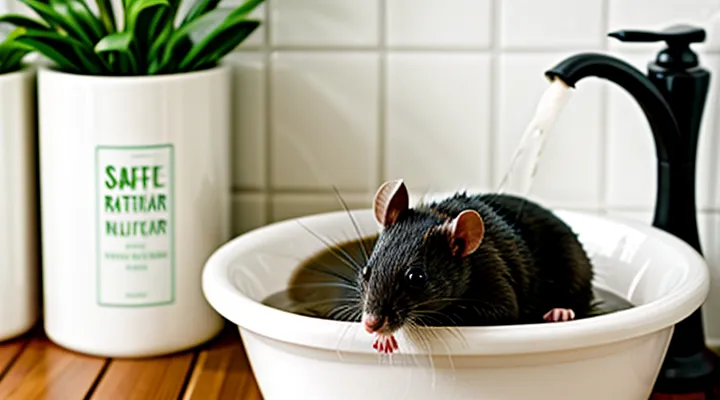
Understanding Your Rat's Bathing Needs
Do Rats Really Need Baths?
Rats maintain coat cleanliness through self‑grooming; regular licking removes most debris and distributes natural oils. Consequently, routine baths are unnecessary for healthy individuals.
Bathing becomes advisable only when the animal is visibly soiled with substances that self‑grooming cannot eliminate, such as sticky food residue, oil spills, or urine stains that cause skin irritation. Additional triggers include dermatological conditions prescribed by a veterinarian, parasites requiring topical treatment, or preparation for a medical examination that demands a clean coat.
Safe bathing agents for rodents are limited to products without harsh chemicals, fragrances, or detergents. Recommended options include:
- Unscented, hypoallergenic liquid soap formulated for small mammals.
- Diluted, veterinary‑approved chlorhexidine solution (typically 0.05 % concentration).
- Warm water mixed with a few drops of a mild, animal‑safe shampoo specifically labeled for rats or hamsters.
Bathing procedure should follow these steps:
- Fill a shallow container with lukewarm water (approximately 30 °C).
- Add the chosen cleanser at the manufacturer’s recommended dilution.
- Gently lower the rat, supporting its body to prevent stress.
- Apply the solution with a soft cloth or fingertip, avoiding the eyes and ears.
- Rinse thoroughly with clean water to remove all residue.
- Pat dry with a lint‑free towel, then place the rat in a warm, draft‑free area until completely dry.
If a rat exhibits signs of stress, respiratory difficulty, or skin irritation during the process, discontinue immediately and consult a veterinarian. Regular monitoring of coat condition and prompt removal of localized messes often eliminate the need for full baths.
When to Bathe Your Rat
Signs Your Rat Needs a Bath
Rats should be bathed only when their condition indicates it, because unnecessary washing can strip natural oils and cause stress. Recognizing the need for a bath helps maintain skin health and prevents infections.
- Strong, unpleasant odor emanating from the fur or cage
- Visible dirt, debris, or greasy patches on the coat
- Matting or clumping of hair, especially around the tail and hindquarters
- Excessive scratching or grooming that fails to remove debris
- Redness, swelling, or irritation on the skin surface
- Oily or sticky residue on the tail, paws, or whiskers
- Persistent tracking of dust or litter particles across the body
When any of these signs appear, prepare a shallow basin with lukewarm water and a rat‑safe shampoo formulated for small mammals. Rinse thoroughly, dry gently with a soft towel, and keep the animal in a warm, draft‑free area until fully dry. Prompt, appropriate bathing reduces the risk of dermatological problems and supports overall well‑being.
Exceptions: When Not to Bathe
Bathing a rat is unnecessary and potentially harmful under several conditions.
- The animal shows signs of illness such as respiratory infection, diarrhea, or skin lesions. Moisture can exacerbate infection and delay recovery.
- The rat is pregnant or nursing. Hormonal changes increase stress sensitivity; bathing may trigger uterine contractions or disrupt lactation.
- The rat has recently undergone a surgical procedure or has open wounds. Water can introduce pathogens and interfere with clot formation.
- The environment is extremely cold or the rat’s body temperature is below normal. Immersion may lead to hypothermia.
- The rat is a newborn (under three weeks old). Their thermoregulation is immature, and they cannot tolerate the stress of a bath.
In these scenarios, maintain cleanliness through regular cage cleaning, spot‑cleaning of fur with a damp cloth, and monitoring of health indicators. Avoid full immersion until the underlying condition resolves.
Choosing Safe Bathing Products
Types of Safe Shampoos for Rats
Baby Shampoo (Tear-Free)
Baby shampoo labeled “tear‑free” is a practical choice for washing pet rats. Its formulation typically lacks harsh surfactants, fragrances, and dyes that can irritate delicate skin and mucous membranes. The mild pH, usually close to neutral, aligns with the natural balance of a rat’s coat and skin, reducing the risk of dryness or dermatitis.
When preparing a bath, dilute the shampoo to a concentration of 1 %–2 % (approximately one teaspoon of product per liter of lukewarm water). Apply the solution with a soft sponge or a small cup, ensuring the rat’s head remains above water to prevent ingestion. Gently massage the coat, paying attention to the hindquarters and tail where grime accumulates. Rinse thoroughly with clean lukewarm water to eliminate any residue that could cause itching.
After washing, pat the rat dry with a lint‑free towel and place it in a warm, draft‑free area until the fur is completely dry. Avoid using hair dryers, as forced air can stress the animal and damage the coat.
Key considerations for using tear‑free baby shampoo on rats:
- Ingredient safety: Look for products free of sulfates, parabens, and artificial fragrances.
- pH level: Prefer formulations with a pH between 6.5 and 7.5.
- Dilution ratio: Maintain a low concentration to prevent skin stripping.
- Rinse completeness: Ensure no soap film remains to avoid irritation.
By adhering to these practices, caretakers can maintain rat hygiene while minimizing discomfort and health risks.
Oatmeal-Based Pet Shampoos
Oatmeal‑based shampoos provide gentle cleansing for rats, whose skin is delicate and prone to irritation. The fine particles act as a mild exfoliant, removing debris without stripping natural oils. Formulations designed for small mammals typically contain colloidal oatmeal, a source of beta‑glucans that soothe inflammation and retain moisture.
When selecting an oatmeal shampoo for rat baths, consider the following criteria:
- Ingredient purity: Only hypoallergenic, fragrance‑free versions should be used; avoid added dyes or essential oils that can cause respiratory distress.
- pH balance: Products must maintain a slightly acidic to neutral pH (6.0–7.0) compatible with rodent skin.
- Viscosity: A thin, easily rinsable consistency reduces the risk of residue buildup in the animal’s fur.
- Certification: Look for veterinary‑approved or laboratory‑tested labels confirming safety for small pets.
Preparation and application steps:
- Fill a shallow basin with lukewarm water (30–32 °C); temperature extremes can shock the animal’s circulatory system.
- Dilute the shampoo according to the manufacturer’s instructions, typically 1 ml per 250 ml of water, to prevent over‑concentration.
- Gently submerge the rat, supporting the body to avoid stress. Apply the solution with a soft fingertip or silicone brush, avoiding the eyes, ears, and nose.
- Rinse thoroughly with clean, lukewarm water until no suds remain; lingering soap can cause dermatitis.
- Pat dry with a low‑lint towel and place the rat in a warm, draft‑free environment until fur is completely dry.
Regular use of oatmeal‑based shampoo, limited to once every two to three weeks, maintains coat health without disrupting the skin’s microbiome. Over‑bathing can lead to dryness, so monitor the animal’s skin condition and adjust frequency accordingly.
Specialized Small Animal Shampoos
Specialized small‑animal shampoos are formulated to meet the physiological needs of rats. The products maintain a pH between 6.5 and 7.0, matching the skin’s natural acidity and preventing irritation. Ingredients are limited to gentle surfactants such as coco‑betaine or decyl glucoside, which clean without stripping natural oils. Fragrance is either absent or derived from hypoallergenic essential oils at concentrations below 0.1 %, reducing the risk of respiratory distress.
Key characteristics to evaluate:
- pH balance – aligns with rodent skin to avoid dermatitis.
- Surfactant type – non‑ionic, mild, biodegradable.
- Additives – absence of parabens, sulfates, and harsh preservatives.
- Safety testing – documented trials on laboratory rodents or certification by veterinary authorities.
Application guidelines ensure safe bathing:
- Prepare lukewarm water (approximately 30 °C).
- Wet the animal thoroughly, avoiding the eyes and ears.
- Apply a small amount of shampoo, massaging gently for 15–20 seconds.
- Rinse repeatedly until no residue remains; residual soap can cause fur matting.
- Dry with a low‑heat towel or a pet‑safe blower set to the lowest setting.
When selecting a product, prioritize brands that provide a Material Safety Data Sheet (MSDS) and list all components. Verify that the formulation is free of toxic compounds such as phenoxyethanol, formaldehyde releasers, and high‑level alcohols. Products labeled “for small mammals” or “rodent‑specific” typically meet these criteria.
Regular use of an appropriate shampoo supports coat health, reduces parasite load, and minimizes skin infections without compromising the animal’s comfort.
Products to Absolutely Avoid
Human Shampoos (Non-Baby)
Human shampoos intended for adults differ chemically from products formulated for infants. Their pH typically ranges from 5.5 to 7, while the optimal skin pH for rats is slightly more acidic, around 6.0. The presence of strong detergents, fragrance oils, and preservatives such as parabens can irritate a rat’s delicate fur and skin, leading to dryness, dermatitis, or respiratory distress if inhaled. Veterinary sources advise against regular use of these formulations on rodents because they are not tested for inhalation safety and may contain ingredients toxic to small mammals.
Safe bathing practices for rats require products that:
- Maintain a pH close to 6.0.
- Use mild, biodegradable surfactants (e.g., coco‑betaine).
- Exclude synthetic fragrances and dyes.
- Contain minimal or no parabens, sulfates, or formaldehyde‑releasing preservatives.
- Are labeled as “hypoallergenic” or “for sensitive skin,” though validation on rodents remains limited.
If a human shampoo meets the above criteria, it may be used sparingly for a one‑time cleaning, provided the rat is thoroughly rinsed and dried to prevent residual moisture. Routine grooming should rely on dry brushing or specialized rodent‑safe wipes rather than adult shampoos, aligning with established veterinary recommendations.
Dish Soap and Harsh Cleaners
Dish soap designed for kitchen use can clean a rat’s coat without harming skin, provided it is unscented, free of dyes, and contains no antibacterial agents. Apply a few drops to lukewarm water, create a gentle lather, and rinse thoroughly to prevent residue buildup. After washing, dry the animal with a soft towel and keep it warm until fur is dry.
Harsh cleaners—including bleach, ammonia, disinfectants, and any product labeled “industrial” or “degerming”—must be avoided. These chemicals penetrate the thin epidermis of rodents, causing irritation, chemical burns, or systemic toxicity. Even diluted solutions retain enough potency to disrupt the natural oils that protect the animal’s skin and fur.
Guidelines for choosing a cleanser
- Unscented, mild dish soap (e.g., plain liquid castile soap)
- No added fragrances, dyes, or antibacterial compounds
- Dilution ratio: 1–2 ml soap per liter of water
- Rinse with clean, lukewarm water until no suds remain
Substances to exclude
- Bleach (sodium hypochlorite)
- Ammonia or ammonia‑based cleaners
- Strong solvents (e.g., acetone, alcohol >70 %)
- Commercial floor or bathroom cleaners
- Any product containing phosphates, surfactants labeled “heavy‑duty,” or enzymes
Selecting an appropriate mild soap and eliminating harsh chemicals ensures a safe bathing process and maintains the rat’s health.
Flea Shampoos (Unless Vet-Prescribed)
When cleaning a pet rat, the choice of shampoo determines both the animal’s comfort and health. Flea shampoos, designed for dogs and cats, contain insecticidal chemicals that rats cannot metabolize safely. These formulations often include pyrethrins, permethrin, or other neurotoxic agents that can cause respiratory distress, skin irritation, or lethal toxicity in rodents. Consequently, any flea‑targeted product should be avoided unless a veterinarian has explicitly prescribed it for a diagnosed infestation.
Safe alternatives include:
- Unscented, hypoallergenic rodent‑specific shampoos formulated with mild surfactants.
- Diluted baby shampoo (no added fragrance or preservatives) at a ratio of 1 ml per liter of warm water.
- Warm water alone for a brief rinse, followed by a soft, lint‑free towel to remove debris.
If a flea problem is confirmed, a veterinarian may recommend a prescription‑only topical or oral treatment that is compatible with rat physiology. In the absence of such guidance, the use of over‑the‑counter flea shampoo poses unnecessary risk and should be excluded from any bathing routine.
Conditioners and Other Post-Bath Treatments
When to Consider a Conditioner
A conditioner can protect a rat’s coat when the skin or fur shows signs of dryness, brittleness, or excessive shedding. Apply only after a thorough rinse with a mild, pet‑safe shampoo to avoid trapping soap residues.
Typical indicators that a conditioner is warranted include:
- Coarse or tangled fur that resists gentle combing.
- Visible flakiness or scaling on the skin.
- A dull, lackluster coat that does not regain sheen after drying.
- Frequent scratching or grooming disturbances suggesting irritation.
Choose a conditioner formulated specifically for small rodents, free of fragrances, parabens, and harsh chemicals. Use a minimal amount, massaging it into the fur for a brief period before rinsing thoroughly to prevent buildup. Regular use is unnecessary; limit application to baths where the above conditions are evident.
Safe Drying Agents
When a rat emerges from a bath, rapid removal of moisture prevents skin irritation and hypothermia. The drying phase should use products that are non‑toxic, low‑residue, and gentle on fur and skin.
Recommended safe drying agents include:
- Unscented cotton towels – absorb moisture without leaving chemicals; replace when damp.
- Paper towels with no added lotions – useful for quick surface drying; discard after single use.
- Soft, hypoallergenic microfiber cloths – trap water efficiently; wash separately from household laundry.
- Pet‑grade, alcohol‑free drying sprays – formulated for small mammals; apply sparingly to avoid over‑wetting.
- Warm air flow from a low‑speed hair dryer – set to the lowest heat setting, held at least six inches from the animal; monitor temperature continuously.
Each agent must be free of essential oils, parabens, and fragrances, all of which can cause respiratory distress in rodents. After drying, inspect the fur for remaining damp patches and re‑apply a clean towel if necessary. Keeping the drying environment at room temperature (20‑22 °C) further supports the rat’s thermoregulation.
The Bathing Process: Step-by-Step
Preparing the Bathing Area
Gathering Supplies
When preparing to bathe a rat, collect only products that are proven safe for small rodents. Use a shallow, non‑slippery basin that can hold enough warm water to submerge the animal without risk of drowning. Water temperature should be measured with a thermometer and kept between 37 °C and 39 °C (98 °F–102 °F).
Choose a mild, unscented pet shampoo formulated for rodents or other small mammals; avoid detergents containing dyes, fragrances, or sulfates. A separate container of distilled water is useful for rinsing to prevent mineral deposits.
Essential accessories include:
- Soft, lint‑free towel for immediate drying
- Small, stainless‑steel or plastic brush with gentle bristles for fur detangling
- Cotton swabs and a rodent‑safe ear cleaning solution for ear canals
- Nail clippers designed for tiny claws, used only if trimming is required
- Disposable nitrile gloves to protect both handler and animal from contamination
- Paper towels or absorbent pads to line the work surface and prevent slipping
Store all items in a clean, dry area away from direct sunlight. Verify expiration dates on shampoo and cleaning solutions before each use. By limiting the kit to these vetted components, the bathing process remains hygienic and minimizes stress for the rat.
Water Temperature Considerations
When bathing a rat, the water must be warm enough to prevent chill without causing burns. Aim for a temperature between 95 °F (35 °C) and 100 °F (38 °C). Use a digital thermometer or a calibrated kitchen probe to verify the temperature before introducing the animal.
- Below 90 °F (32 °C): risk of hypothermia, especially in young or short‑haired rats.
- Between 95 °F and 100 °F: optimal comfort, maintains normal body temperature.
- Above 105 °F (40 °C): potential for thermal stress, skin irritation, and burns.
Before the bath, fill the container with only enough water to submerge the rat’s body, typically 2–3 cm deep. Test the water with a fingertip; it should feel comfortably warm, not hot. If the temperature drops after adding the rat, replace a portion of the water with freshly heated liquid to keep the range stable.
Acclimate the rat by allowing it to stand in the warm water for a few seconds before beginning the wash. Observe for signs of distress—rapid breathing, frantic movement, or attempts to escape—indicating the water is too hot or too cold. Adjust immediately.
After rinsing, dry the rat promptly with a soft towel and keep it in a warm, draft‑free area until fully dry. Maintaining the specified temperature range throughout the process reduces stress and protects the animal’s skin and respiratory health.
Gentle Bathing Techniques
Holding Your Rat Safely
When preparing a rat for a bath, secure grip prevents injury and reduces stress. Position the animal on a flat surface, support its hindquarters with one hand while the other hand cradles the chest. Keep fingers away from the tail and paws to avoid accidental bites or scratches.
Key techniques for safe handling:
- Place thumb and forefinger around the ribcage, forming a gentle “C” shape.
- Slide the remaining fingers beneath the abdomen to lift the rat without compressing the spine.
- Maintain a steady, low profile; avoid sudden movements that could startle the animal.
- Use a towel or silicone mat beneath the rat to improve traction and protect the work area.
After the bath, continue to hold the rat in the same manner while drying. Transfer the animal to a warm, dry enclosure, keeping the grip consistent until the fur is fully absorbent. This approach minimizes the risk of drops, bruises, and defensive reactions during the cleaning process.
Applying Shampoo and Rinsing
Applying a mild, rodent‑specific shampoo is the first critical step when cleaning a pet rat. Use a product formulated without harsh surfactants, fragrances, or dyes to prevent skin irritation. Prior to application, wet the animal’s coat with lukewarm water until the fur is thoroughly saturated.
- Dispense a pea‑sized amount of shampoo onto the palm.
- Gently massage the lather into the fur, beginning at the head and moving toward the tail.
- Avoid the eyes, ears, and genital area; rinse these regions with a clean, damp cloth if contact occurs.
- Work the foam through the undercoat, ensuring coverage of hind limbs and tail base.
Rinsing must remove all residue to protect the rat’s delicate skin. Use a separate container of lukewarm water or a gentle stream from a cup. Hold the rat securely but gently to prevent stress.
- Submerge the animal briefly, allowing water to flow over the body.
- Massage the fur with fingertips to dislodge remaining soap.
- Continue rinsing until the water runs clear and no bubbles appear.
- Pat the rat dry with a soft, absorbent towel; do not use hair dryers or heat sources.
After the bath, inspect the coat for signs of dryness or irritation. Apply a thin layer of a veterinarian‑approved, fragrance‑free moisturizer if the skin appears tight. Return the rat to a warm, draft‑free environment to recover fully.
Drying Your Rat Properly
Towel Drying Methods
After a bath, a rat must be dried promptly to prevent hypothermia and skin irritation. The towel is the primary tool for removing excess moisture while maintaining the animal’s comfort.
A suitable towel should be lint‑free, highly absorbent, and sized to cover the rat’s body without excess folding. Soft cotton or microfiber fabrics meet these criteria; they hold water efficiently and minimize skin abrasion. The towel must be freshly laundered and free of detergent residues that could irritate the animal’s skin.
The drying sequence proceeds as follows:
- Place the rat on the center of the towel, supporting the head and limbs gently.
- Press the towel against the back and sides, allowing the fabric to soak up water without vigorous rubbing.
- Lift the rat and move the towel to a dry section, then repeat the press‑and‑release motion on the abdomen, legs, and tail.
- If moisture remains, replace the towel with a dry one and repeat the pressing steps until the coat feels dry to the touch.
When multiple rats are bathed, keep a stack of clean towels within reach to avoid cross‑contamination. Handle the animal calmly, supporting the body to prevent stress or injury during the drying process.
Avoiding Cold Drafts
When bathing a rat, exposure to cold drafts can cause rapid body‑temperature loss, leading to hypothermia and stress. Rats regulate temperature through a small body mass; even brief drafts can drop core temperature below safe limits.
Cold air currents interfere with the warm water environment, creating temperature gradients that the animal cannot compensate for. The resulting stress response may include trembling, reduced mobility, and prolonged recovery time after the bath.
Practical steps to eliminate drafts:
- Perform the bath in a room with closed windows and doors; seal any gaps around frames.
- Use a portable heater or a warm lamp positioned away from the rat to maintain ambient temperature between 24 °C and 27 °C (75 °F–80 °F).
- Place a towel or blanket underneath the bathing container to block air flow from the floor.
- Keep the water temperature stable at 30 °C–33 °C (86 °F–91 °F) and limit bath duration to 5–7 minutes.
- After bathing, dry the rat immediately with a low‑heat hair dryer set on a gentle setting, or wrap it in a pre‑warmed cloth.
Maintaining a draft‑free environment preserves the rat’s core temperature, reduces physiological stress, and supports a quick return to normal activity after cleaning.