
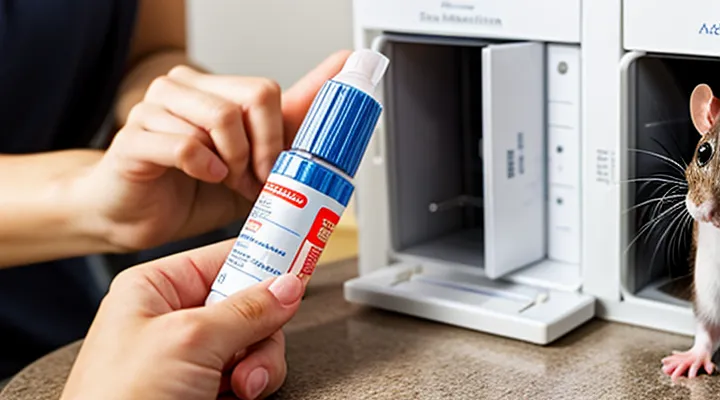
Preparing for the Injection
Gathering Your Supplies
Essential Equipment
Proper execution of a rat injection requires a defined set of tools that ensure accuracy, sterility, and animal welfare. The following items constitute the minimum essential equipment.
- Syringe: 1‑ml or 0.5‑ml precision syringe with a consistent plunger action; glass or high‑quality plastic preferred for minimal dead space.
- Needles: 27‑30 G insulin‑type needles, ½‑ to ⅝‑inch length, sterilized and individually packaged.
- Sterile saline or appropriate diluent: For reconstituting compounds and flushing the needle between doses.
- Micro‑centrifuge tubes or vials: Small (0.5‑1 ml) sterile containers for preparing and holding the injection solution.
- Alcohol swabs (70 % isopropyl alcohol): For disinfecting the injection site immediately before needle insertion.
- Disposable gloves: Powder‑free nitrile gloves to maintain aseptic technique and protect the handler.
- Restraint device: Transparent acrylic or metal restrainer sized for adult rats, allowing clear visualization of the injection site while limiting movement.
- Sharps container: FDA‑approved puncture‑resistant receptacle for immediate disposal of used needles and syringes.
- Labeling materials: Waterproof markers or pre‑printed labels indicating drug name, concentration, dose, and date.
- Calibration scale (optional): Analytical balance for weighing powdered agents before dissolution, ensuring accurate dosing.
Each component must be inspected for integrity before use. Sterile items remain sealed until the moment of injection; reusable equipment such as the restrainer must be cleaned with an approved disinfectant after each session. Proper arrangement of this equipment on a clean work surface reduces procedural delays and minimizes the risk of contamination.
Medication and Syringe Preparation
Accurate medication preparation underpins the safety and reliability of any rat injection. Begin by confirming the drug’s identity, concentration, and expiration date. Record the required dose in milligrams, then calculate the corresponding volume using the formula dose ÷ concentration = volume (mL). Label the vial with drug name, concentration, and preparation date before proceeding.
Select a sterile syringe appropriate for the calculated volume; 1‑mL syringes suit most rodent applications, while 0.5‑mL syringes provide finer control for very small doses. Choose a needle gauge that balances ease of penetration with minimal tissue trauma—27‑30 G needles are standard for subcutaneous or intraperitoneal administration. Inspect the needle for defects and confirm that the syringe plunger moves smoothly.
Draw the medication using aseptic technique: wipe the vial stopper with an alcohol swab, attach the needle, and pull the plunger to withdraw a slightly larger volume than calculated. Expel any air bubbles by tapping the syringe and gently pressing the plunger until a steady stream of liquid emerges. Verify the final volume against the target dose, adjusting if necessary.
Cap the needle with a sterile protective cover until injection. Store prepared syringes on ice or at the temperature recommended for the specific drug, and use them within the stability window indicated by the manufacturer. Dispose of used needles and syringes in a designated sharps container, following institutional biohazard protocols.
Animal Handling and Restraint
Acclimation and Stress Reduction
Acclimating rats before an injection minimizes physiological variability and improves data quality. Consistent exposure to the testing environment reduces cortisol spikes that can alter drug distribution and response.
- House animals in the same room where injections will occur for at least 48 hours.
- Maintain temperature (20‑22 °C) and humidity (40‑60 %) within a narrow range.
- Provide bedding and enrichment identical to routine husbandry to avoid novelty stress.
- Conduct daily brief handling sessions (30–60 seconds) using a gentle scruff technique; repeat for three consecutive days.
Stress reduction during the injection session relies on predictable cues and minimal restraint time. Place the rat in a clean, low‑lighting cage for a 5‑minute habituation period before manipulation. Use a calibrated restrainer that supports the animal’s torso without excessive pressure. Apply a soothing scent (e.g., diluted vanilla) to the restrainer to create a familiar odor. Perform the injection swiftly, release the animal immediately, and return it to its home cage with fresh water and food.
Implementing these acclimation and stress‑mitigation steps standardizes the physiological baseline, ensuring that subsequent injection outcomes reflect the experimental variable rather than handling‑induced artifacts.
Proper Restraint Techniques
Proper restraint is a prerequisite for safe and accurate injection in a laboratory rat. The technique must immobilize the animal without causing injury, while allowing clear access to the injection site.
Required items include a padded restraining tube or a firm hand‑held holder, disposable gloves, a clean work surface, and a secondary assistant if available. Ensure all equipment is inspected for damage before use.
- Place the rat in the restraining tube with the head positioned toward the narrow end; the tube should be sized to prevent excessive movement but not compress the thorax.
- Gently close the tube’s cap, leaving the tail exposed for injection. Verify that the animal’s limbs are flexed naturally and that breathing is unobstructed.
- If a hand‑held method is preferred, grasp the scruff of the neck with the thumb and forefinger while supporting the torso with the opposite hand. Apply steady pressure to the hindquarters with the palm to prevent kicking.
- Confirm immobilization by lightly tapping the hind limb; the rat should remain still. Adjust the grip if any resistance or distress is observed.
Maintain a calm environment, limit handling time to under one minute, and release the rat immediately after the injection. Regularly rotate restraint devices to prevent habituation and monitor the animal for signs of injury before proceeding with subsequent procedures.
Administering the Injection
Selecting the Injection Site
Subcutaneous (SC) Injection
Subcutaneous injection delivers medication into the loose tissue beneath the skin, providing rapid absorption while minimizing tissue trauma. In rodents, the dorsal neck and the lower back are the preferred sites because the skin is thin and the underlying muscle is easily avoided.
Before injection, assemble a sterile 1‑ml syringe, a 25‑27 G needle, the prepared solution, and disinfectant wipes. Verify the dose, calculate the required volume (typically not exceeding 0.1 ml per 10 g of body weight), and confirm that the solution is at room temperature.
The procedure follows these precise steps:
- Restrain the rat gently but securely, using a handling technique that prevents sudden movements.
- Swab the chosen injection site with an alcohol pad; allow the area to dry to reduce irritation.
- Pinch a fold of skin between thumb and forefinger to create a tent, isolating the subcutaneous space.
- Insert the needle at a 45‑degree angle, bevel up, into the tented skin without penetrating the underlying muscle.
- Depress the plunger smoothly to deliver the full volume.
- Release the skin fold, withdraw the needle swiftly, and apply gentle pressure with a sterile gauze pad to prevent leakage.
- Observe the rat for at least five minutes, monitoring for signs of distress, swelling, or hemorrhage.
Key technical considerations include selecting a needle length that reaches the subcutaneous layer without exceeding it (generally 5‑7 mm for adult rats) and using a gauge that balances ease of injection with minimal tissue disruption. Avoid injecting into areas with visible hair loss, lesions, or excessive adipose tissue, as these can alter drug absorption.
After the injection, record the animal’s identifier, dose, volume, injection site, and time of administration. Store the data in a secure log to ensure traceability and compliance with institutional animal care protocols. Regularly inspect the injection site for erythema or induration; any abnormal findings require immediate veterinary assessment.
Intramuscular (IM) Injection
Intramuscular injection delivers medication directly into the skeletal muscle, providing rapid absorption and reliable dosing for laboratory rodents. The technique requires sterile equipment, accurate dose calculation, and consistent handling to minimize stress and tissue damage.
- Verify the drug’s concentration and calculate the exact volume for the rat’s weight; typical IM volumes do not exceed 0.1 ml per 100 g body mass.
- Prepare a 25‑30 G needle attached to a 1 ml syringe; draw the calculated dose, remove air bubbles, and confirm the syringe is free of contaminants.
- Restrain the animal using a gentle tail‑hold or a specialized restraint device; ensure the rat is positioned supine with the hind limb extended.
- Identify the injection site on the lateral thigh, approximately midway between the hip and knee joints, avoiding major blood vessels and nerves.
- Insert the needle at a 90° angle to the skin, penetrating the muscle tissue to a depth appropriate for the animal’s size (typically 5–7 mm for adult rats).
- Aspirate gently for 1–2 seconds; absence of blood confirms correct placement.
- Depress the plunger slowly to deliver the medication; pause briefly before withdrawing the needle to reduce reflux.
- Apply gentle pressure with a sterile gauze to the injection site for a few seconds, then release the animal back to its cage.
Monitor the rat for at least 10 minutes after the procedure, observing for signs of pain, swelling, or abnormal behavior. Record the injection details, including drug, dose, site, and any immediate reactions, to maintain accurate experimental documentation.
Intraperitoneal (IP) Injection
Intraperitoneal injection delivers substances into the peritoneal cavity of a rat, providing rapid systemic absorption for drugs, vaccines, or experimental agents. Proper execution minimizes tissue damage and ensures reproducible results.
Required equipment
- Sterile 1‑ml syringe
- 25‑27 G needle, ½‑inch length
- Antiseptic swabs (70 % ethanol or isopropanol)
- Disposable gloves, lab coat, eye protection
- Restraint device or a trained handler’s hand
- Sharps container for disposal
Preparation
- Verify the correct dose and calculate the volume; do not exceed 2 ml per 100 g body weight.
- Warm the syringe to room temperature to prevent precipitation of temperature‑sensitive compounds.
- Clean the injection site (lower right or left quadrant of the abdomen) with an antiseptic swab and allow it to dry.
- Restrain the rat securely, either in a specialized holder or by holding the tail and gently supporting the body to expose the ventral surface.
Injection technique
- Hold the needle bevel upward, insert it at a 30‑45° angle through the skin into the peritoneal space.
- Advance the needle until a slight “pop” is felt, indicating entry into the cavity.
- Pull back the plunger gently; absence of blood confirms correct placement.
- Depress the plunger slowly to deliver the calculated volume.
- Withdraw the needle in the same trajectory and apply gentle pressure with a sterile swab to the entry point.
Post‑injection care
- Observe the animal for at least five minutes for signs of distress, abnormal respiration, or abdominal swelling.
- Return the rat to its cage, monitor for delayed reactions, and record the injection details in the experimental log.
Safety and waste management
- Wear protective equipment throughout the procedure.
- Dispose of needles and syringes in a puncture‑resistant sharps container.
- Decontaminate reusable surfaces with an appropriate disinfectant before next use.
Intravenous (IV) Injection
Intravenous injection delivers substances directly into the rat’s bloodstream, providing rapid systemic distribution and precise dosing. The procedure requires a sterile environment, calibrated equipment, and careful handling to minimize stress and prevent complications.
Prepare a 1‑ml syringe fitted with a 27‑30‑gauge needle. Load the syringe with the required volume, ensuring no air bubbles remain. Warm the injection solution to the animal’s body temperature (approximately 37 °C) to avoid vascular spasm. Disinfect the injection site—typically the lateral tail vein or the femoral vein—using 70 % ethanol applied with a sterile gauze pad.
Secure the rat in a restraining device or gently hold it by the scruff to expose the chosen vein. For tail vein access, gently warm the tail for 2–3 minutes to dilate the vessels. Align the needle bevel upward, insert at a shallow angle (15–30°), and advance until a flash of blood confirms entry. Slowly depress the plunger to deliver the dose; pause briefly before withdrawing the needle to reduce backflow.
After injection, apply gentle pressure with a sterile swab to the puncture site for 10–15 seconds to achieve hemostasis. Observe the rat for at least five minutes, monitoring respiration, gait, and signs of distress. Record the administered volume, drug concentration, and any immediate reactions in the experimental log.
Common issues and corrective actions:
- No blood flash: Re‑position the needle or select an alternative vein.
- Excessive bleeding: Apply prolonged pressure; consider using a smaller gauge needle.
- Vein collapse: Allow the animal to rest, warm the limb again, and retry with a fresh site.
Maintain a log of each injection, including date, operator, and any deviations from the protocol, to ensure reproducibility and compliance with animal welfare standards.
Performing the Injection
Aseptic Technique
Aseptic technique ensures that the injection does not introduce microorganisms into the animal or compromise the sterility of the drug. Begin by washing hands with antimicrobial soap, then dry with a disposable paper towel. Don sterile gloves and, if required, a lab coat to prevent cross‑contamination.
Prepare the injection equipment in a clean area:
- Use syringes and needles that are pre‑sterilized and sealed until use.
- Verify that the vial or ampoule containing the solution is intact and free of visible particles.
- Disinfect the vial stopper with a 70 % ethanol swab, allowing it to dry before drawing the dose.
- Keep the needle capped until it contacts the skin.
Clean the injection site on the rat with an alcohol swab, moving outward in a spiral motion to remove surface flora. Allow the area to air‑dry before inserting the needle. After administration, withdraw the needle, apply gentle pressure with a sterile gauze if bleeding occurs, and dispose of the needle and syringe in a sharps container without recapping.
Finally, remove gloves, perform hand hygiene again, and document the procedure, noting any deviations from the sterile protocol. This systematic approach minimizes the risk of infection and maintains the integrity of experimental results.
Needle Insertion and Drug Delivery
Injecting a rat requires precise needle placement to ensure accurate drug delivery and minimize tissue trauma. Use a 27‑30 G needle, preferably stainless steel, and a syringe calibrated for the required volume. Prior to insertion, secure the animal in a restraining device that exposes the target site without excessive stress.
- Identify the injection site (e.g., dorsal flank, subcutaneous space, or intraperitoneal cavity) based on the drug’s pharmacokinetics.
- Disinfect the skin with 70 % ethanol; allow the surface to dry.
- Hold the needle at a 30‑45° angle for subcutaneous injections, or a 90° angle for intraperitoneal delivery.
- Insert the needle smoothly until the tip reaches the intended tissue layer; confirm placement by a brief aspiration to detect blood or fluid leakage.
- Depress the plunger steadily to deliver the measured dose; avoid rapid discharge that can cause reflux.
- Withdraw the needle swiftly, applying gentle pressure with a sterile gauze to prevent bleeding.
- Dispose of the needle in an approved sharps container; document the administered volume, drug, and site.
Maintain consistent technique across repetitions to achieve reproducible dosing and reliable experimental outcomes.
Post-Injection Care
After an injection, monitor the rat for at least 30 minutes before returning it to its cage. Observe the injection site for swelling, discoloration, or leakage; any abnormal signs require immediate veterinary consultation.
- Keep the animal in a clean, quiet environment to reduce stress.
- Provide easy access to water and food; ensure the rat can move freely without hindrance.
- Record the time of injection, volume administered, and any observed reactions in the laboratory log.
- If the rat shows signs of pain (e.g., excessive grooming of the site, reduced activity, vocalization), administer an approved analgesic according to the protocol.
- Clean the injection area with sterile saline after the observation period to remove residual medication.
Maintain a temperature of 20–24 °C and a humidity level of 40–60 % in the holding area. Replace bedding if it becomes soiled by the injection site. Conduct a brief health check the following day, noting weight, behavior, and site condition, and document any deviations from normal.
Monitoring and Troubleshooting
Observing the Rat Post-Injection
After the injection, monitor the rat continuously for the first five minutes, then at regular intervals (e.g., every 10 minutes for the next hour). Record any deviations from baseline behavior.
- Immediate reactions: Look for rapid breathing, vocalization, or vigorous attempts to escape the restraint. These may indicate acute pain or improper needle placement.
- Motor function: Assess gait, balance, and ability to right itself. Limping, tremors, or inability to maintain posture suggest neurological or muscular compromise.
- Skin and injection site: Inspect for swelling, discoloration, or leakage of fluid. Redness beyond the needle track may signal inflammation or infection.
- Physiological signs: Note changes in heart rate (palpable pulse at the tail base), temperature (use a rectal probe), and eye appearance (pupil dilation or constriction). Persistent tachycardia or hypothermia requires intervention.
- Behavioral cues: Observe grooming, feeding, and social interaction. Reduced activity, excessive grooming of the injection site, or aggression toward cage mates can reflect distress.
Document observations in a standardized log, including time stamps, description of each sign, and any corrective actions taken (e.g., analgesic administration, warming). If severe adverse effects develop—such as prolonged immobility, seizures, or unresponsive state—euthanize according to institutional animal welfare protocols. Regular review of recorded data enables identification of trends, refinement of injection technique, and compliance with ethical standards.
Addressing Common Complications
When an injection is performed on a rat, several predictable problems can arise. Recognizing these issues early and applying corrective measures prevents animal distress and experimental error.
Common complications include:
- Hematoma at the puncture site
- Needle breakage or bending within tissue
- Local infection or inflammation
- Excessive stress response manifested by rapid breathing or tremors
- Misplacement of the injectate (subcutaneous instead of intraperitoneal or intramuscular)
- Leakage of fluid back through the needle track
Addressing each problem requires specific actions:
- Apply gentle pressure with sterile gauze to stop bleeding; if hematoma enlarges, consider repositioning the injection site for subsequent doses.
- Inspect the needle before use; replace any that show signs of fatigue. If breakage occurs, locate the fragment with palpation or imaging and remove it surgically under anesthesia.
- Disinfect the injection area with 70 % ethanol; use aseptic technique throughout the procedure. Monitor the site for redness or swelling and treat with appropriate antibiotics if infection develops.
- Minimize handling time, use a calibrated restrainer, and perform the injection in a quiet environment to reduce stress. Observe respiratory rate; intervene with supplemental oxygen if breathing becomes labored.
- Verify needle length and angle for the intended route; aspirate before injection to confirm placement, especially for intraperitoneal delivery. If fluid returns, withdraw the needle and re‑insert at a new site.
- After the injection, hold the needle in place for a few seconds before withdrawal to allow tissue sealing, then apply a brief pressure to prevent backflow.
Routine checks of equipment, strict adherence to sterile protocol, and immediate response to abnormal signs together maintain injection integrity and animal welfare.