
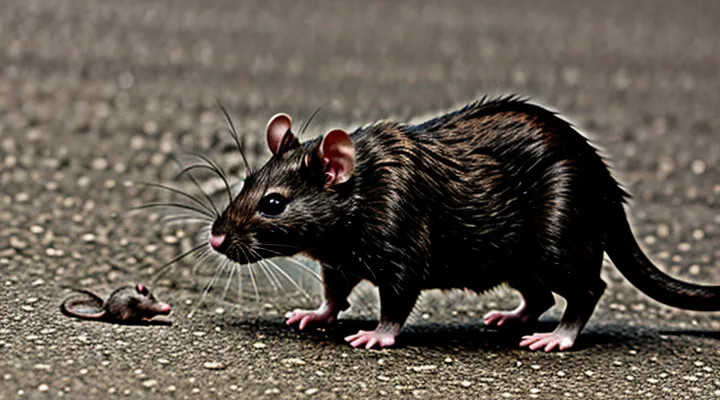
Reproductive Biology of Rats
Male Reproductive System
Testes and Epididymis
The testes of the laboratory rat are paired, intra‑abdominal organs situated near the kidneys. Each testis measures approximately 1.5 cm in length and contains numerous seminiferous tubules where spermatogenesis occurs. Sertoli cells line these tubules, providing structural support and mediating the progression of germ cells through mitosis, meiosis, and spermiogenesis. Leydig cells, located in the interstitial tissue, synthesize testosterone, which regulates the development of secondary sexual characteristics and maintains the efficiency of spermatogenic cycles.
Spermatogenesis in rats proceeds in a rapid, continuous fashion, completing a full cycle in roughly 12 days. The daily production of spermatozoa reaches up to 100 million per testis, reflecting the high reproductive output of the species. Hormonal feedback loops involving luteinizing hormone (LH) and follicle‑stimulating hormone (FSH) modulate Leydig and Sertoli cell activity, respectively, ensuring consistent sperm generation.
The epididymis is a coiled duct extending from the caudal pole of each testis. It is divided into three functional regions:
- Caput (head): receives immature sperm; exposure to a slightly alkaline environment initiates motility acquisition.
- Corpus (body): provides a prolonged transit zone where plasma membrane remodeling and protein phosphorylation occur.
- Cauda (tail): stores mature sperm in a quiescent state; final concentration of seminal fluid components takes place here.
During passage through the epididymis, spermatozoa acquire forward motility and fertilization competence. The epididymal epithelium secretes proteins such as epididymal secretory protein E1 (ESP‑E1) and β‑defensins, which contribute to membrane stability and antimicrobial protection. The storage capacity of the cauda enables the rat to maintain a reserve of viable sperm for successive matings.
Temperature regulation is critical for testicular function. The rat’s scrotal temperature remains approximately 2–3 °C below core body temperature, a condition maintained by the cremaster muscle and counter‑current heat exchange within the pampiniform plexus. Disruption of this thermal gradient leads to reduced spermatogenic efficiency and increased rates of abnormal sperm morphology.
Overall, the coordinated activity of the testes and epididymis underlies the rat’s prolific reproductive capacity, providing a continuous supply of motile, fertilization‑capable sperm.
Accessory Glands
Accessory glands in male rats consist of the seminal vesicles, prostate gland, coagulating gland, and bulbourethral glands. Each organ contributes distinct components to the ejaculate, influencing sperm viability, motility, and the formation of the copulatory plug that secures sperm within the female reproductive tract.
The seminal vesicles produce a fluid rich in fructose, prostaglandins, and amino acids. Fructose supplies energy for spermatozoa, while prostaglandins stimulate uterine contractions that aid sperm transport. The prostate gland secretes a milky, slightly alkaline fluid containing zinc, cholesterol, and enzymes that protect sperm membranes from oxidative damage and maintain pH balance. The coagulating gland releases proteins that rapidly solidify after ejaculation, creating a temporary plug that prevents backflow of semen and reduces the likelihood of subsequent matings. Bulbourethral glands contribute a clear, mucous secretion that lubricates the urethra and neutralizes residual acidity.
Regulation of glandular activity is androgen-dependent. Testosterone levels rise sharply during puberty, triggering hypertrophy of the glands and up‑regulation of secretory protein synthesis. Removal of the testes or administration of anti‑androgens leads to atrophy and a marked decline in seminal fluid volume, confirming hormonal control.
Functional significance of the accessory glands can be summarized as follows:
- Provide nutritional support (fructose, amino acids) for sperm.
- Modify ejaculate pH to protect sperm motility.
- Deliver bioactive molecules (prostaglandins, zinc) that influence female reproductive physiology.
- Form a copulatory plug that enhances sperm retention.
Alterations in glandular output, whether from genetic mutations, endocrine disruption, or experimental manipulation, directly affect fertility metrics such as litter size and sperm count. Precise characterization of accessory gland secretions therefore remains essential for understanding reproductive performance in rats.
Female Reproductive System
Ovaries and Uterus
The rat ovary contains numerous primary follicles that develop into secondary and antral stages under the influence of pituitary gonadotropins. Mature follicles release estrogen, which peaks during proestrus and triggers the luteinizing hormone surge responsible for ovulation. After ovulation, the ruptured follicle transforms into a corpus luteum that secretes progesterone, maintaining the uterine environment for potential implantation.
The estrous cycle lasts approximately four to five days and progresses through proestrus, estrus, metestrus, and diestrus. Ovulation occurs at the transition from proestrus to estrus, and fertilizable oocytes are available only during the brief estrus phase. Hormonal fluctuations dictate the timing of mating behavior and receptivity.
The rat uterus is bicornuate, with two elongated horns that expand markedly during gestation. Endometrial thickness increases under progesterone influence, preparing the lining for embryo attachment. Implantation typically occurs in the distal region of each horn, where a haemochorial placenta forms, facilitating direct maternal‑fetal blood exchange.
Key reproductive parameters:
- Estrous cycle length: 4–5 days.
- Ovulation timing: onset of estrus.
- Gestation period: 21–23 days.
- Litter size: average 8–12 pups.
- Uterine horn expansion: up to threefold increase in diameter by mid‑gestation.
- Placental type: haemochorial, providing efficient nutrient transfer.
Following parturition, the uterus undergoes rapid involution, restoring its pre‑pregnancy dimensions within a week. Corpus luteum regression coincides with the decline of progesterone, allowing the next estrous cycle to commence.
Vaginal Anatomy
The rat vagina is a muscular tube extending from the cervix to the external genitalia, serving as the conduit for sperm entry, copulatory plug passage, and parturition. Its architecture combines contractile and secretory elements that adapt to the rapid estrous cycle of the species.
Externally, the vulva comprises paired labia majora that protect the vaginal opening, a thin labia minora, and a moist vestibular mucosa. The introitus is lined with stratified squamous epithelium, which thickens during estrus under hormonal influence.
Internally, the vaginal wall consists of three concentric layers:
- Mucosa: folded epithelium with abundant glycogen-rich cells, providing a nutrient substrate for resident microflora and facilitating sperm viability.
- Muscularis: inner circular and outer longitudinal smooth‑muscle bundles that generate peristaltic contractions during mating and delivery.
- Adventitia: connective tissue rich in collagen fibers, anchoring the organ to surrounding pelvic structures.
Glandular tissue within the mucosa secretes a watery, slightly acidic fluid that lubricates the canal and maintains a protective microbial environment. The epithelium exhibits cyclical proliferation, reaching maximal thickness at proestrus and thinning during diestrus, directly affecting vaginal compliance and sperm transport efficiency.
During the receptive phase, increased estrogen levels stimulate vasodilation and mucosal edema, expanding the lumen to accommodate the male copulatory organ. Coordinated muscular contractions propel sperm toward the cervix, while the secretory milieu sustains motility and mitigates oxidative stress.
Understanding these anatomical and physiological characteristics is essential for interpreting reproductive outcomes, optimizing breeding protocols, and designing experimental interventions in laboratory rat populations.
Mating Behavior and Physiology
Estrous Cycle in Females
Hormonal Regulation
Rats reproduce under tight endocrine control, with the hypothalamic‑pituitary‑gonadal (HPG) axis orchestrating each phase of the cycle. Gonadotropin‑releasing hormone (GnRH) pulses from the hypothalamus stimulate anterior pituitary secretion of luteinizing hormone (LH) and follicle‑stimulating hormone (FSH). In females, rising estradiol concentrations during the proestrus phase trigger a pre‑ovulatory LH surge, leading to ovulation within 12–14 hours of mating. The subsequent luteal phase is characterized by progesterone production from the corpus luteum, which prepares the uterus for implantation and suppresses further estradiol synthesis via negative feedback.
Key hormonal events in the female cycle:
- Estradiol: drives follicular growth, induces LH surge, modulates uterine receptivity.
- LH: initiates ovulation, supports luteal development.
- FSH: promotes follicle maturation, sustains estrogen synthesis.
- Progesterone: maintains uterine lining, inhibits premature estrus.
- Prolactin: rises after parturition, promotes milk production and maternal behavior.
Male reproductive function depends on pulsatile GnRH, which maintains basal LH and FSH release. LH stimulates Leydig cells to produce testosterone, the principal androgen for spermatogenesis and secondary sexual characteristics. FSH, in concert with testosterone, acts on Sertoli cells to support sperm maturation. Testosterone levels exhibit a circadian rhythm, peaking during the dark phase, and are sensitive to stress‑induced glucocorticoid elevation, which can suppress GnRH pulse frequency and reduce sperm output.
Additional regulatory mechanisms:
- Feedback loops: Estradiol and progesterone exert negative feedback on GnRH and pituitary output; the LH surge is an exception, representing positive feedback in the presence of high estradiol.
- Mating‑induced reflexes: Physical stimulation during copulation triggers neuroendocrine pathways that amplify LH release, ensuring timely ovulation.
- Stress hormones: Elevated corticosterone attenuates GnRH neuronal activity, leading to delayed puberty and reduced fertility.
Understanding these hormonal interactions clarifies how rat reproduction maintains high efficiency, with precise timing of hormone peaks aligning with behavioral and physiological readiness for mating, conception, and parental care.
Behavioral Changes
Rats exhibit distinct behavioral modifications that signal the onset of a reproductive cycle and facilitate successful mating. Prior to estrus, females increase self‑grooming and display heightened activity in the nest area, actions that attract male attention and prepare the environment for potential offspring. Males respond to these cues by intensifying scent marking, vocalizing with ultrasonic calls, and exhibiting persistent pursuit of the female.
Key behavioral changes include:
- Female lordosis posture when approached by a male, allowing copulation.
- Elevated aggression in males toward rival conspecifics, leading to territorial defense of the mating site.
- Increased frequency of nose‑to‑nose investigations, which serve to assess reproductive status through pheromonal exchange.
- Shifts in feeding patterns, with females reducing food intake shortly before parturition to allocate energy toward gestation.
- Post‑copulatory grooming by both sexes, promoting bond formation and reducing the risk of pathogen transmission.
These adaptations are tightly regulated by hormonal fluctuations, primarily estrogen and testosterone, which modulate neural circuits governing social interaction, locomotion, and parental readiness. The coordinated suite of behaviors ensures mate recognition, successful fertilization, and the subsequent care of newborn pups.
Copulation Process
Courtship Rituals
Male rats initiate courtship by exploring the female’s bedding and urine deposits. Detection of volatile pheromones triggers a surge of testosterone, prompting the male to approach and sniff the female’s anogenital region. This olfactory assessment determines reproductive readiness.
If the female is receptive, she emits ultrasonic vocalizations (USVs) and displays a raised tail, signaling acceptance. The male responds with a series of stereotyped actions:
- Rapid whisker twitching while maintaining close proximity.
- Gentle fore‑paw nuzzling of the female’s flank.
- Low‑frequency vocalizations that accompany mounting attempts.
Successful mounting leads to the female’s lordosis posture: a dorsiflexed spine and widened hindquarters that facilitate intromission. The male’s pelvic thrusts are brief, lasting a few seconds, after which a copulatory lock may occur, lasting up to several minutes.
Hormonal cycles modulate these behaviors. Elevated estradiol in females enhances pheromone production, while increased prolactin after copulation suppresses further estrus for a short interval. In males, repeated exposure to female cues maintains elevated luteinizing hormone levels, sustaining sexual activity.
Environmental conditions, such as population density and availability of nesting material, influence the frequency and intensity of courtship displays. In densely populated colonies, males increase scent‑marking rates to establish dominance, whereas in sparse settings courtship proceeds with fewer aggressive encounters.
Semen Deposition
Male rats deposit semen during the brief intromission that follows the mounting phase. The ejaculatory thrusts last 2–3 seconds, delivering an average of 0.2–0.3 µl of fluid into the female’s vaginal vestibule. This volume contains approximately 2 × 10⁶ sperm, sufficient to fertilize the ova released during the subsequent estrus.
The seminal fluid consists of:
- Spermatozoa from the epididymis, providing motility and fertilizing capacity.
- Secretions from the seminal vesicles, rich in fructose and citrate, supplying energy for sperm.
- Prostatic fluid, containing proteins that promote sperm viability and modulate the female’s immune response.
Deposition occurs near the cervix, allowing immediate access to the oviducts once ovulation begins. The timing of ejaculation aligns with the female’s estrous cycle; males preferentially mate during proestrus when the female exhibits maximal receptivity, ensuring that semen is present when ovulation peaks.
Repeated copulations within a single estrus increase the total sperm count delivered, enhancing fertilization probability. Dominant males typically achieve higher deposition rates, as they secure longer mounting periods and more frequent intromissions.
Gestation and Birth
Pregnancy Duration
Embryonic Development Stages
Rats exhibit a rapid embryonic timeline, with development progressing from fertilization to a viable pup within three weeks. After mating, the zygote undergoes cleavage and reaches the blastocyst stage by day 3 post‑coitum. The blastocyst implants into the uterine wall on day 4, establishing the maternal‑fetal interface essential for nutrient exchange.
The subsequent phases are:
- Gastrulation (days 5‑6): Formation of the three germ layers—ectoderm, mesoderm, and endoderm—sets the foundation for organ systems.
- Neurulation (days 7‑8): Neural tube closure initiates central nervous system development.
- Organogenesis (days 9‑12): Differentiation of major organs, including heart, lungs, and limbs, proceeds rapidly; by day 12, limb buds are evident.
- Fetal period (days 13‑21): Growth and maturation dominate; skeletal ossification, hair follicle formation, and functional maturation of physiological systems occur. By day 21, the embryo is classified as a fetus ready for parturition.
Throughout these stages, precise hormonal regulation and uterine environment maintenance ensure successful progression. Disruption at any point—such as inadequate implantation or delayed gastrulation—can compromise embryonic viability.
Parturition
Nesting Behavior
Rats construct nests to provide a controlled microenvironment for gestation and early post‑natal development. The female selects a secluded site, often within burrows, under debris, or in concealed corners of structures, where temperature remains stable and predators have limited access.
Materials such as shredded paper, cloth fibers, plant matter, and soft insulation are gathered and arranged into a compact, layered structure. Nest composition influences humidity, thermal insulation, and tactile comfort, directly affecting embryonic development and neonatal thermoregulation.
Key aspects of nesting behavior include:
- Timing: Nest building begins several days before parturition, intensifying as delivery approaches.
- Maternal investment: The female continuously rearranges and augments the nest, responding to changes in litter size and environmental conditions.
- Litter survival: Properly constructed nests reduce mortality by maintaining optimal temperature (approximately 30 °C) and protecting against dehydration and hypothermia.
After birth, the mother confines the neonates within the nest, limiting exposure to external stimuli. She periodically cleans the nest, removes waste, and replenishes materials, ensuring a stable environment until the pups achieve fur development and thermoregulatory independence.
Birthing Process
The birthing process in laboratory and wild rats follows a rapid, well‑defined sequence. After a gestation period of approximately 21–23 days, the dam experiences a brief pre‑labor phase marked by nesting, hormonal shifts, and a rise in body temperature. The cervix dilates within a few hours, allowing the first pup to emerge; subsequent pups follow at intervals of 2–5 minutes, resulting in a litter typically ranging from six to twelve offspring.
Delivery occurs in three stages:
- Stage I – Cervical dilation and expulsion of the first pup. Contractions of the uterine horns increase in frequency, and the dam often assumes a crouched posture to facilitate passage.
- Stage II – Continuous expulsion of remaining pups. Each pup is born encased in a thin amniotic membrane, which the dam removes promptly using her forepaws.
- Stage III – Placental expulsion (afterbirth). Placentae are expelled one by one, usually within 30 minutes of the final pup’s birth; the dam typically consumes them, providing nutritional and immunological benefits.
Immediately after each pup’s arrival, the dam performs a series of reflexive actions: licking to stimulate respiration, biting the umbilical cord, and positioning the neonate against the ventral abdomen for warmth. These behaviors are essential for thermoregulation and the initiation of suckling. The entire parturition episode, from the onset of cervical dilation to the clearance of all placentae, rarely exceeds two hours.
Post‑natal care continues for the first 10–14 days, during which the dam maintains a clean nest, supplies milk, and defends the litter from predators and conspecifics. Understanding this concise timeline and the associated maternal behaviors is critical for managing breeding colonies and interpreting reproductive outcomes.
Postnatal Development and Parental Care
Litter Size and Neonatal Characteristics
Altricial Nature of Pups
Rats give birth to altricial young, meaning pups are born naked, blind, and completely dependent on maternal care. At birth, each pup weighs approximately 1–2 g and lacks functional thermoregulation, requiring the dam’s body heat to maintain core temperature. The absence of fur and open eyes reflects an evolutionary strategy that minimizes gestation time, allowing multiple litters per year.
Key characteristics of altricial rat pups:
- Sensory immaturity: eyes remain closed for 10–14 days; auditory canals open around day 12.
- Motor limitation: limited locomotion; pups cling to the dam’s nipples for nourishment.
- Physiological dependence: unable to regulate hydration or excrete waste; maternal licking stimulates urination and defecation.
- Rapid growth: weight triples within the first week, driven by frequent nursing sessions (approximately 30 minutes every 2–3 hours).
Maternal behavior compensates for pup immaturity. The dam builds a nest of shredded material, provides constant warmth, and administers a milk composition rich in proteins, lipids, and immunoglobulins essential for immune development. Pup altriciality dictates a tightly synchronized early life stage, where survival hinges on the dam’s continuous physiological and behavioral support.
Maternal Care
Nursing and Weaning
Rats provide maternal care through a brief but intensive nursing phase that begins immediately after birth. The dam’s mammary glands produce a nutrient‑rich milk containing high levels of protein, fat, and lactose, supporting rapid pup growth. Nursing sessions occur every 2–3 hours, lasting 5–10 minutes, and are synchronized with the dam’s activity cycle; pups stimulate milk ejection by vocalization and mouth movements.
Milk composition changes as pups develop. Early lactation milk is richer in immunoglobulins, granting passive immunity. By the third postnatal day, protein concentration declines while fat content rises, reflecting the shift from immune support to energy provision for increased locomotor activity.
Weaning commences around day 21, although the exact timing varies with litter size and environmental conditions. During this period, pups gradually reduce nursing frequency and begin exploring solid food. Observable weaning indicators include:
- Decreased attachment to the dam’s nipples
- Increased consumption of kibble or soft chow
- Independent burrowing and nest building
- Emergence of adult grooming behaviors
Complete separation from the dam typically occurs by day 28, after which pups rely exclusively on solid nutrition and exhibit fully developed thermoregulation. Proper management of nursing duration and weaning schedule optimizes survival rates and promotes normal physiological development in laboratory and captive rat colonies.
Protection and Socialization
Rats exhibit distinct protective and social behaviors that directly influence reproductive outcomes. Females construct nests from shredded material, then guard the site throughout gestation and the early post‑natal period. Nest integrity reduces predation risk and maintains stable temperature, both essential for embryo development and pup survival.
Maternal protection extends to aggressive defense of offspring against conspecific intruders. This aggression is triggered by scent cues indicating unfamiliar individuals, prompting the mother to isolate the litter. Such behavior minimizes competition for limited resources and lowers the likelihood of cannibalism.
Social interaction among adult rats shapes mating dynamics. Prior to copulation, males and females engage in reciprocal grooming and scent‑marking, establishing a hierarchy that determines mate access. Dominant individuals gain preferential breeding opportunities, while subordinate rats may experience delayed or reduced reproductive activity.
Key protective and social mechanisms:
- Nest construction: use of soft fibers, layered placement, and concealment.
- Maternal aggression: rapid response to unfamiliar scents, territorial vocalizations.
- Grooming exchanges: exchange of pheromonal information, reinforcement of pair bonds.
- Hierarchical signaling: dominance displays, restraint of subordinates, impact on breeding frequency.
Overall, the combination of vigilant nest guarding, targeted aggression toward threats, and structured social rituals ensures high reproductive efficiency within rat colonies.
Factors Influencing Reproduction
Environmental Conditions
Temperature and Humidity
Temperature directly influences the estrous cycle length in laboratory and wild rats. Optimal ambient temperature ranges from 20 °C to 24 °C; within this interval, females exhibit regular 4‑day cycles and achieve peak ovulation rates. Temperatures below 18 °C prolong the cycle, delay ovulation, and reduce litter size. Temperatures above 27 °C increase stress hormone levels, suppress luteal function, and elevate embryonic mortality.
Humidity affects sperm viability and female receptivity. Relative humidity maintained between 45 % and 55 % preserves epididymal sperm motility for up to 48 hours and supports normal vaginal epithelial condition. Humidity below 30 % accelerates desiccation of seminal plasma, decreasing motility by up to 30 %. Humidity exceeding 70 % creates a moist environment conducive to bacterial growth, leading to uterine infections that impair implantation.
Combined temperature‑humidity management improves breeding outcomes. Recommended environmental parameters:
- Temperature: 20 °C–24 °C
- Relative humidity: 45 %–55 %
- Gradual acclimation when adjusting conditions (12‑hour transition)
Monitoring devices should record fluctuations at 15‑minute intervals; deviations beyond ±2 °C or ±5 % humidity trigger corrective actions such as ventilation adjustment or supplemental heating. Consistent control of these factors yields average litter sizes of 8‑12 pups and reduces inter‑litter intervals to 21‑23 days.
Availability of Resources
Rats require sufficient food, water, and nesting material to maintain optimal reproductive output. When caloric intake exceeds the minimum threshold, females produce larger litters and shorten the interval between pregnancies. Conversely, limited nutrition reduces ovulation frequency and prolongs the post‑weaning estrous pause.
Adequate hydration supports embryonic development; dehydration during gestation raises fetal mortality and delays parturition. Access to clean water correlates with higher pup survival rates.
Nesting resources influence maternal behavior. Availability of soft fibers and dry substrate enables construction of secure nests, which lowers stress hormones in dams and improves pup thermoregulation. Deficient nesting material leads to increased maternal aggression and higher pup mortality.
Environmental space determines breeding density. High‑density conditions without sufficient shelter trigger aggressive encounters, suppressing estrous cycles in subordinate females. Providing partitioned areas reduces conflict and sustains regular breeding cycles.
Key resource impacts:
- Food: caloric surplus → larger litters, shorter inter‑litter intervals; deficit → reduced ovulation, extended estrous pause.
- Water: consistent supply → normal gestation length, lower fetal loss; scarcity → delayed parturition, higher mortality.
- Nesting material: abundant fibers → stable nests, lower maternal stress, higher pup survival; scarcity → increased stress, reduced pup viability.
- Space: adequate area → reduced aggression, regular estrous cycles; overcrowding → suppressed breeding, hierarchical suppression.
Management of these resources directly shapes reproductive efficiency in rat populations. Maintaining optimal levels ensures maximal litter production and rapid generational turnover.
Social Dynamics
Dominance Hierarchies
Rats establish linear dominance hierarchies through aggressive encounters, scent marking, and territorial patrols. The highest‑ranking male (alpha) maintains priority access to resources, including nesting sites and food caches, which directly influences his reproductive success.
Within the hierarchy, subordinate males experience reduced mating frequency. Females preferentially select dominant partners, leading to a skewed distribution of paternity where a few top males sire the majority of offspring. The hierarchy also regulates the timing of estrus in females; dominant females enter estrus earlier and exhibit longer receptive periods, enhancing synchronization with alpha males.
Physiological correlates of rank include elevated testosterone in dominant individuals and increased corticosterone in subordinates. These hormonal patterns modulate libido, spermatogenesis, and stress‑related suppression of reproductive functions.
Key implications of dominance structure for rat breeding:
- Alpha males obtain the majority of copulations, concentrating genetic contribution.
- Subordinate males face delayed or suppressed sexual activity, reducing their reproductive output.
- Dominant females experience earlier and more frequent estrus cycles, aligning breeding peaks with alpha male availability.
- Hormonal profiles linked to rank create feedback loops that reinforce hierarchical stability and affect overall litter size.
Population Density
Population density exerts a direct influence on the reproductive output of rats. High‑density environments accelerate sexual maturation, shorten the interval between estrus cycles, and increase litter size. Conversely, low‑density conditions delay puberty onset and reduce the number of offspring per litter.
Key physiological responses to crowding include:
- Elevated circulating testosterone in males, leading to earlier spermatogenic activity.
- Increased prolactin and estradiol levels in females, promoting ovulation frequency.
- Suppressed stress‑axis hormones (e.g., corticosterone) when resources remain abundant, allowing continuous breeding.
Resource availability mediates these effects. When food and nesting material are plentiful, dense colonies maintain a stable or rising population because breeding females can produce up to eight pups per litter every 21 days. If resources become limited, competition triggers aggressive behavior, reduces mating opportunities, and lowers reproductive rates despite high density.
Population density also shapes sex ratios. In overcrowded colonies, male mortality rises due to heightened aggression, resulting in a female‑biased demographic that further amplifies reproductive potential.
Overall, density‑dependent mechanisms regulate rat fertility, ensuring rapid population expansion under favorable conditions and constraining growth when environmental pressures intensify.
Health and Nutrition
Impact of Diet
Diet composition directly influences rat reproductive performance. Protein levels determine gonadal development; diets containing 20–25 % crude protein increase spermatogenic activity in males and accelerate follicular maturation in females. Low‑protein regimens (<10 %) reduce sperm count, delay estrus, and lower ovulation rates.
Energy intake modulates breeding cycles. Caloric surplus (approximately 15 % above maintenance) shortens the interval between estrus bouts and expands litter size by 1–2 pups. Caloric restriction (10–15 % below maintenance) prolongs the estrous cycle, decreases implantation success, and reduces neonatal survival.
Micronutrients affect hormonal balance. Adequate zinc (30–50 mg kg⁻¹ diet) stabilizes testosterone synthesis; deficiency leads to hypo‑testosteronism and impaired mating behavior. Vitamin E supplementation (100 IU kg⁻¹) protects ovarian follicles from oxidative damage, improving oocyte quality. Excessive dietary fat (>15 % of energy) elevates leptin, suppressing gonadotropin release and decreasing fertility.
Fatty‑acid profile shapes reproductive outcomes. Diets enriched with omega‑3 polyunsaturated fatty acids (2–3 % of total fat) enhance sperm membrane fluidity, elevating motility and fertilization rates. Conversely, high saturated‑fat content (>10 % of total fat) impairs sperm morphology and reduces litter viability.
Reproductive timing responds to seasonal diet changes. When rats receive a high‑energy, high‑protein diet during short photoperiods, breeding activity persists despite reduced daylight, indicating that nutritional cues can override photic signals.
Key dietary factors and their reproductive effects
- Protein (20–25 %) – ↑ spermatogenesis, ↑ follicular maturation, ↑ litter size
- Caloric surplus (+15 %) – ↓ estrous interval, ↑ pup number
- Zinc (30–50 mg kg⁻¹) – stabilizes testosterone, supports mating behavior
- Vitamin E (100 IU kg⁻¹) – protects oocytes, improves embryo quality
- Omega‑3 fatty acids (2–3 % of fat) – ↑ sperm motility, ↑ fertilization success
- Saturated fat (>10 % of fat) – ↓ sperm morphology, ↓ neonatal survival
Optimizing these nutritional parameters yields measurable improvements in rat fertility, gestation efficiency, and offspring viability, demonstrating that diet is a primary determinant of reproductive success in this species.
Disease and Stress
Disease and stress exert measurable influence on rat reproductive performance. Infected individuals display reduced litter size, prolonged gestation, and higher neonatal mortality compared to healthy controls.
Common pathogens that impair fertility include:
- Bacterial infections (e.g., Salmonella spp., Streptococcus spp.) that cause uterine inflammation and disrupt implantation.
- Viral agents (e.g., Sendai virus, rat coronavirus) that damage ovarian tissue and suppress estradiol production.
- Parasitic infestations (e.g., Heligmosomoides spp.) that induce anemia and compromise maternal nutrient allocation.
- Endocrine disorders (e.g., hyperprolactinemia) that interfere with gonadotropin release.
Stress activates the hypothalamic‑pituitary‑adrenal (HPA) axis, elevating corticosterone levels. Elevated corticosterone suppresses gonadotropin‑releasing hormone, leading to irregular estrous cycles, decreased ovulation rates, and impaired spermatogenesis. Chronic stress reduces sperm motility, increases morphological defects, and lowers serum testosterone. Acute stress episodes produce transient estrous suppression, while sustained stress prolongs anestrus periods.
Experimental data show that rats housed in overcrowded, noisy, or temperature‑fluctuating environments exhibit a 20‑30 % decline in breeding success. Mitigation strategies focus on pathogen control and environmental stability:
- Routine health screening and quarantine of new arrivals.
- Strict sanitation protocols to limit bacterial and viral spread.
- Provision of nesting material, stable lighting cycles, and temperature regulation to reduce psychological stress.
- Monitoring of corticosterone concentrations as an early indicator of physiological stress.
Implementing these measures restores reproductive parameters to baseline levels, confirming that disease management and stress reduction are essential components of successful rat breeding programs.