
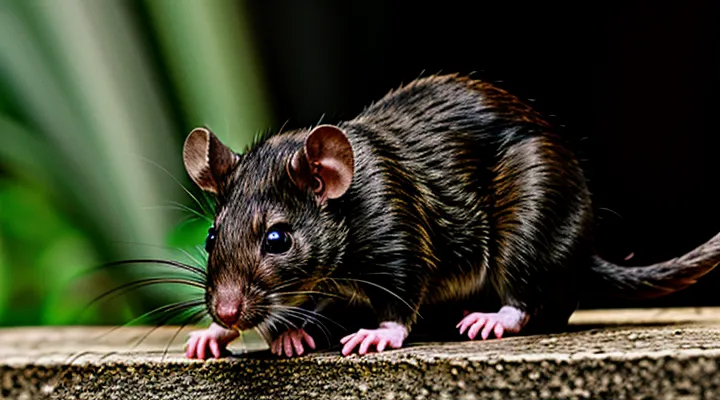
Sexual Maturity and Mating Readiness
The Estrous Cycle in Female Rats
The estrous cycle governs the reproductive readiness of female rats and determines the timing of ovulation. A complete cycle lasts approximately four to five days and repeats continuously throughout the adult lifespan.
- Proestrus: rapid rise in estradiol, preparation of the ovarian follicle, vaginal cytology shows predominance of nucleated epithelial cells.
- Estrus: peak luteinizing hormone triggers ovulation, vaginal smear contains cornified epithelial cells, behavioral receptivity to males is maximal.
- Metestrus: decline in estradiol, increase in progesterone, appearance of leukocytes in vaginal samples.
- Diestrus: sustained progesterone secretion, predominance of leukocytes, uterine environment stabilizes for potential implantation.
Hormonal fluctuations follow a predictable pattern: estradiol peaks during proestrus, luteinizing hormone surges at the transition to estrus, and progesterone dominates during metestrus and diestrus. These endocrine changes coordinate follicular development, ovulation, and uterine preparation.
Cycle monitoring relies on daily vaginal cytology. Researchers collect a small vaginal lavage, smear the sample on a microscope slide, and classify cell types to assign the current phase. Behavioral cues such as increased lordosis also indicate estrus but are less precise than cytological assessment.
Breeding protocols align mating with the estrus phase to maximize conception probability. Females are introduced to males shortly after the proestrus‑estrus transition, ensuring sperm availability during the ovulatory window. Accurate cycle tracking reduces the number of unsuccessful pairings and streamlines colony management.
Male Reproductive Development
Male rats undergo a well‑characterized sequence of developmental events that culminate in functional fertility. The process begins with the differentiation of the bipotential gonadal ridge into testes during embryonic days 12–15. Sertoli cells emerge first, establishing the seminiferous tubule framework, followed by the migration of primordial germ cells that become spermatogonia.
Postnatal development proceeds through distinct phases:
- Prepubertal phase (postnatal days 0–20) – Sertoli cells proliferate, Leydig cells differentiate, and testosterone production remains low.
- Pubertal onset (postnatal days 21–35) – A surge in luteinizing hormone triggers Leydig cell maturation, leading to a marked increase in circulating testosterone; spermatogenesis initiates.
- Maturation phase (postnatal days 36 onward) – Continuous spermatogenic cycles produce mature spermatozoa; epididymal ducts acquire the capacity for sperm storage and transport.
Hormonal regulation relies on the hypothalamic‑pituitary‑gonadal axis. Gonadotropin‑releasing hormone stimulates pituitary release of luteinizing hormone and follicle‑stimulating hormone, which act on Leydig and Sertoli cells respectively. Feedback loops involving testosterone and inhibin B maintain hormonal equilibrium.
Genetic control involves several key transcription factors, including Sox9, Dax1, and SF1, which direct testis formation and maintenance. Disruption of these genes results in impaired testicular development and infertility.
The mature male reproductive system is capable of producing up to 100 million sperm per day, supporting the high reproductive output characteristic of rodent species.
The Mating Ritual
Courtship Behaviors
Rats initiate mating through a series of rapid, stereotyped interactions that ensure synchronization of reproductive readiness. The male approaches the female, often after detecting pheromonal cues, and performs a brief anogenital sniffing to assess estrus status. If the female is receptive, she adopts a lordosis‑like posture, raising the hindquarters and presenting the ventral area.
The ensuing courtship sequence includes:
- Chasing: The male pursues the female in short bursts, maintaining close proximity without prolonged separation.
- Mounting attempts: The male attempts to climb onto the female’s back; successful attempts are marked by a brief, firm grip with the forepaws.
- Pelvic thrusts: Upon stable mounting, the male delivers a series of rapid thrusts, each lasting less than a second, coordinated with the female’s receptive posture.
- Copulatory lock: The male’s glans penis expands, forming a temporary lock that can last from a few seconds to several minutes, facilitating sperm transfer.
If the female rejects the male, she may emit ultrasonic vocalizations and display avoidance behaviors, prompting the male to cease pursuit. Successful copulation typically concludes within a few minutes, after which the pair disengages and resumes normal activity. This concise behavioral pattern optimizes mating efficiency and maximizes reproductive output in rodent populations.
Copulation Dynamics
The mating sequence of laboratory and wild rats follows a tightly regulated pattern driven by hormonal cycles and sensory cues. Females enter estrus for a brief window of 12–14 hours, during which pheromonal signals emitted from the vaginal area attract males. Detection of these chemicals stimulates mounting behavior, and the male initiates a series of rapid intromissions separated by brief pauses, a rhythm that maximizes sperm delivery while minimizing the risk of injury.
During copulation, the male rat achieves penile erection through spinal reflexes coordinated by the hypothalamic–pituitary axis. Each intromission typically lasts 3–4 seconds; the entire mating bout may include 5–10 intromissions before ejaculation occurs. The ejaculatory phase releases a concentrated sperm packet accompanied by seminal plasma that contains proteins influencing sperm motility and female receptivity.
Post‑ejaculatory behavior involves a refractory period for the male, lasting 30–45 minutes, after which the pair may re‑engage if the female remains receptive. Successful fertilization depends on the timing of sperm deposition relative to ovulation, which peaks shortly after the onset of estrus. This precise coordination ensures high reproductive efficiency in rodent populations.
Gestation Period and Fetal Development
Timeline of Pregnancy
The gestation period of a laboratory rat lasts approximately 21 – 23 days, a duration that enables rapid population turnover and facilitates experimental planning.
During this interval, distinct developmental milestones occur:
- Days 0–1 – Fertilization takes place in the oviduct shortly after mating; the resulting zygote begins cleavage.
- Days 2–3 – The morula travels to the uterus, where it implants into the endometrial lining.
- Days 4–6 – Formation of the embryonic disc and beginning of organogenesis; the placenta starts to develop.
- Days 7–10 – Primary organ systems, such as the heart and neural tube, become functional; fetal circulation is established.
- Days 11–14 – Rapid growth of limbs, eyes, and external features; skeletal ossification intensifies.
- Days 15–18 – Hair follicles appear, whiskers emerge, and the auditory system matures.
- Days 19–21 – Lungs mature, the fetus gains weight, and the mother prepares for parturition.
Birth typically occurs on day 22 ± 1, with litters ranging from 6 to 12 pups. Each pup is born altricial, possessing a closed eye and limited motor control, and relies on maternal care for the first three weeks of life.
Nutritional Needs of the Pregnant Female
Pregnant rats experience a marked increase in energy demand, requiring a diet that supplies sufficient macronutrients to support fetal growth and maternal tissue development. Energy intake should rise by approximately 30 % compared with non‑reproductive females, achieved through higher consumption of laboratory chow enriched with carbohydrate and fat sources.
- «Protein»: minimum 18 % of diet, with a bias toward high‑quality soy or casein proteins; essential amino acids such as lysine and methionine must be present in adequate ratios.
- «Fat»: 5–7 % of total calories, emphasizing polyunsaturated fatty acids that contribute to membrane formation in developing embryos.
- «Carbohydrate»: primary energy source; inclusion of complex grains ensures a steady glucose supply without excessive spikes.
Micronutrients play a critical role in skeletal mineralization and enzymatic functions. Calcium and phosphorus should be supplied at a ratio of roughly 1.5:1, with total calcium content near 1 % of the diet. Vitamin D3 supplementation facilitates calcium absorption, while vitamin E and selenium protect against oxidative stress during gestation. Folate equivalents are necessary for nucleic acid synthesis and should be provided at levels of 2–3 mg kg⁻¹ of feed.
Feeding schedules must accommodate the increased appetite of gestating females. Continuous access to fresh, nutritionally balanced pellets prevents nutrient deficits, while occasional provision of soft foods (e.g., soaked mash) assists in meeting heightened water intake. Monitoring body weight weekly ensures that growth trajectories remain within expected parameters; deviations may indicate inadequate nutrient provision or health issues.
The Birthing Process: Parturition
Signs of Impending Birth
The final stage of the rodent reproductive cycle is marked by observable cues that signal an imminent litter. These cues appear within the last 24–48 hours before delivery and help caretakers provide appropriate conditions.
- Increased nesting activity: the female gathers bedding, rearranges material, and constructs a compact nest « nesting ».
- Restlessness and frequent repositioning: the dam moves repeatedly within the nest, often stretching and contracting her abdomen.
- Swollen abdomen: the ventral region expands noticeably, with the uterus becoming more pronounced.
- Elevated body temperature: a slight rise of 0.5–1 °C is detectable with a rectal probe.
- Hormonal shifts: progesterone levels decline sharply while prolactin peaks, measurable through blood assays.
- Reduced food intake: the dam may consume less food, though water consumption typically remains steady.
- Vocalizations: low‑frequency squeaks become more frequent during the hours preceding birth.
Recognizing these indicators enables timely intervention, minimizes stress, and supports successful parturition in laboratory and pet settings.
Stages of Labor
Rats undergo a rapid and well‑coordinated parturition that can be divided into three principal phases.
1. Pre‑labor (nesting and hormonal preparation).
• Females exhibit intense nesting behavior, gathering bedding and forming a compact nest.
• Progesterone declines while oxytocin and prolactin rise, triggering uterine contractions and mammary development.
2. Active delivery.
• Uterine contractions become rhythmic, propelling each pup through the birth canal.
• Pup expulsion occurs at intervals of 5–15 minutes, with an average litter size of 6–12.
• The mother often licks each newborn, stimulating respiration and clearing membranes.
3. Post‑delivery (placental expulsion and maternal care).
• Placental membranes are expelled shortly after each pup, typically within a few minutes.
• The dam cleans the nest, arranges pups, and initiates nursing.
• Maternal hormones maintain a high level of attentiveness, reducing the risk of pup abandonment.
The entire process lasts approximately 20–30 minutes, reflecting the species’ adaptation to high predation pressure and the need for rapid offspring maturation.
Neonatal Care and Development
Care of Pups by the Mother
Maternal care in rodents begins immediately after parturition, when the female constructs a compact nest from shredded material and positions the newborns within it. The nest provides thermal insulation and protection from predators, essential for the survival of altricial pups.
The mother performs several critical tasks:
- Continuous licking and grooming of each pup, stimulating circulation and eliminating debris;
- Frequent arching of the back to expose the offspring to her body heat, maintaining optimal temperature;
- Delivery of nutrient‑rich milk through regular nursing bouts, each lasting several minutes;
- Retrieval of displaced pups, guiding them back to the nest by vocalizations and tactile cues.
As the litter grows, the mother gradually reduces nursing frequency, encouraging the pups to explore the surroundings and develop independent foraging skills. By the third week, weaning is complete, and the juveniles begin to separate from the nest, marking the transition to self‑sufficiency.
Growth and Milestones of Newborn Rats
Newborn rats, known as pups, emerge blind, hairless and entirely dependent on the dam for warmth and nutrition. Within the first 24 hours, the mother initiates a nursing cycle, providing colostrum rich in antibodies that protect the litter from pathogens.
During the initial week, rapid physiological changes occur:
- Day 2–3: Ear pinnae become visible; fur begins to develop on the back.
- Day 4–5: Pup weight typically doubles; thermoregulation improves.
- Day 6–7: Eyes open; motor coordination allows limited crawling.
By the end of the second week, pups attain locomotor independence. They can explore the nest, exhibit social play, and consume solid food alongside nursing. Growth rates stabilize, with average weight reaching 15–20 g, and the dam gradually reduces nursing frequency.
At three weeks of age, sexual maturation signs appear. Testes descend in males; estrous cycles commence in females. The litter is capable of independent survival, marking the transition from neonatal dependence to reproductive competence.
Factors Influencing Reproductive Success
Environmental Conditions
Environmental conditions exert direct influence on the reproductive physiology of rodents. Optimal ambient temperature, typically ranging from 20 °C to 26 °C, maintains endocrine balance that supports estrous cycles and sperm production. Deviations below this range suppress gonadotropin secretion, prolonging the interval between litters; temperatures above the upper limit increase metabolic stress, reducing litter size.
Photoperiod length regulates melatonin release, which modulates hypothalamic activity and consequently the timing of ovulation. Short daylight periods (≤ 10 hours) delay estrus onset, whereas extended illumination (≥ 14 hours) accelerates cycle progression, allowing more frequent breeding events.
Additional factors include:
- Relative humidity: values between 40 % and 60 % preserve uterine moisture and embryonic viability; extreme dryness or excess moisture impair implantation success.
- Nutrient availability: protein‑rich diets supply essential amino acids for gametogenesis; caloric restriction lowers circulating leptin, inhibiting reproductive hormone cascades.
- Social density: overcrowding elevates cortisol levels, suppressing reproductive hormones and increasing the incidence of anestrus; moderate group sizes promote normal breeding behavior.
Stressors such as noise, predators, or chemical contaminants disrupt hypothalamic‑pituitary‑gonadal signaling, leading to irregular estrous cycles and reduced fecundity. Maintaining stable, species‑appropriate environmental parameters maximizes reproductive efficiency and ensures consistent population growth.
Genetic Predispositions
Genetic predispositions shape every stage of the rat reproductive cycle, from gamete formation to neonatal survival. Inherited alleles determine hormone regulation, uterine environment, and embryonic development, establishing a baseline reproductive capacity that varies among strains.
Key genetic factors include:
- Prl (prolactin) variants – modulate lactation onset and maternal behavior, influencing pup growth rates.
- Fshb (follicle‑stimulating hormone beta) polymorphisms – affect ovarian follicle maturation, altering ovulation frequency and litter size.
- Mcm4 (minichromosome maintenance complex component 4) mutations – impact DNA replication fidelity during early embryogenesis, reducing embryonic loss.
- Tlr4 (toll‑like receptor 4) alleles – confer resistance to uterine infections, improving gestational success.
- Leptin receptor (Lepr) defects – disrupt energy balance, leading to delayed puberty and decreased fertility.
Heritable traits extend beyond fertility. Genes governing immune competence, such as Mhc loci, determine offspring susceptibility to pathogens, directly affecting neonatal mortality. Metabolic genes, including Ucp2 and Pparg, influence body weight trajectories, shaping the competitive edge of pups within litters.
The cumulative effect of these genetic predispositions informs breeding strategies and experimental design. Selecting strains with favorable alleles enhances colony productivity, while recognizing deleterious variants guides disease‑model development. Understanding the genetic architecture of rat reproduction thus provides a foundation for reproducible research and efficient laboratory animal management.
Dietary Impact
Dietary composition directly influences reproductive parameters in laboratory and wild rodents. Adequate protein intake elevates gonadal hormone production, accelerating estrous cycles and increasing ovulation frequency. Insufficient protein reduces follicular development, prolongs the interval between litters, and diminishes litter size. Energy density of the diet modulates gestation length; high‑calorie regimes shorten gestation by 1–2 days, whereas low‑energy diets extend it, affecting neonatal viability.
Key nutritional factors affecting reproductive success include:
- Protein level: 18–20 % of caloric intake optimizes sperm count and embryo implantation.
- Essential fatty acids: omega‑3 supplementation improves embryo quality and reduces resorption rates.
- Micronutrients: zinc and selenium support testicular function and antioxidant defenses in developing pups.
- Vitamin A: adequate supply regulates spermatogenesis and embryonic organogenesis.
Maternal diet shapes offspring growth trajectories. High‑fat maternal regimens increase birth weight but predispose neonates to metabolic dysregulation, while balanced nutrient profiles promote steady post‑natal growth and robust immune development. Research consistently demonstrates that precise manipulation of dietary variables can enhance reproductive efficiency and offspring health in rodent populations. «Nutrient balance is the most reliable predictor of litter outcome», a recent study concludes.