
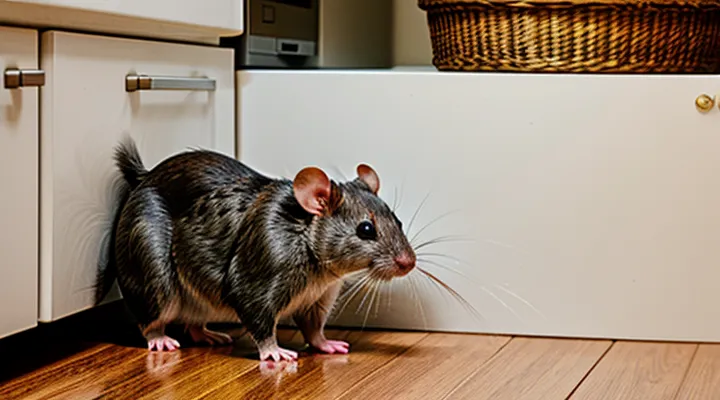
Understanding Rat Behavior
Why Rats Seek Shelter Indoors
Environmental Factors
Rats are attracted to residential spaces when surrounding conditions satisfy their basic needs for shelter, food, and water. The presence of suitable habitats, readily available nourishment, and easy access points creates a predictable pathway for infestation.
- Dense vegetation or overgrown landscaping provides cover and nesting sites near building foundations.
- Accumulated debris, such as piles of cardboard, wood, or compost, offers concealment and breeding material.
- Leaking pipes, standing water, and damp basements supply the moisture rats require for survival.
- Improper storage of food, open garbage containers, and pet feed left outdoors generate a constant food source.
- Cracks in walls, gaps around utility penetrations, and poorly sealed doors or windows act as entry routes.
Each factor independently increases the likelihood of rat activity, while their combination intensifies the risk. Reducing vegetation density, eliminating clutter, repairing water leaks, securing waste, and sealing structural openings directly diminish the environmental appeal for rodents and lower the probability of their appearance inside homes.
Food Availability
Rats are drawn to domestic environments primarily by accessible food sources. When edible waste is left unattended, it creates a reliable supply that supports rat survival and reproduction, encouraging individuals to explore and enter nearby structures.
Typical attractants include:
- Uncovered kitchen counters and tables where crumbs accumulate.
- Open garbage cans or bags that are not sealed.
- Pet food left out overnight or stored in containers without lids.
- Spilled grain, cereal, or dried fruit in pantry shelves.
- Fruit or vegetable scraps in compost bins placed near the house.
Each of these items provides high‑calorie nutrition with minimal effort for the rodent. Eliminating such resources reduces the incentive for rats to breach entry points and establishes an environment that is less conducive to infestation.
Water Sources
Rats require a reliable water supply to survive in a dwelling. Leaking fixtures and plumbing defects create moisture that attracts them.
- Leaky pipes under sinks or behind walls provide a constant drip.
- Faulty washing‑machine hoses or dishwasher seals release water onto floors.
- Pet water bowls left unattended supply a daily source.
- Standing water in basements or crawl spaces accumulates from poor drainage.
- Clogged or slow drains retain water in traps, offering a reservoir.
- Condensation on cold surfaces, such as windows or pipes, creates droplets.
- Water trays beneath indoor plants hold excess moisture if not emptied regularly.
Eliminating these sources reduces the likelihood of rat activity inside homes. Regular inspection, prompt repair of leaks, and proper maintenance of containers prevent the conditions that support rodent survival.
Common Entry Points for Rats
Exterior Weaknesses
Gaps in Foundations
Rats exploit openings in a building’s foundation to gain indoor access. Cracks, settling seams, and poorly sealed utility penetrations create pathways that rodents can navigate with ease. These gaps often develop from soil movement, water infiltration, or inadequate construction practices, providing a direct route from the ground to interior spaces.
Detection relies on visual inspection and evidence of activity. Look for:
- Horizontal or vertical fissures larger than a quarter‑inch in basement walls or footings.
- Gaps around pipe sleeves, vent stacks, and electrical conduits.
- Signs of gnawing, droppings, or urine stains near foundation joints.
Remediation requires sealing all identified openings. Effective materials include hydraulic cement, steel wool, and expanding foam, applied after cleaning debris and drying the surface. Reinforce vulnerable areas with metal flashing or concrete patching to prevent re‑entry.
Preventive measures focus on maintaining structural integrity. Regularly assess foundation conditions after heavy rain, landscaping changes, or renovations. Ensure proper grading and drainage to keep moisture away from the footing, reducing soil expansion that can widen cracks. Install rodent‑proof barriers at the base of exterior walls and around service entries to block future intrusion.
Damaged Vents and Screens
Rats commonly exploit compromised ventilation openings to infiltrate residential spaces. Cracks, rusted sections, or missing mesh create unobstructed pathways that rodents can squeeze through, even when the gap measures only a few centimeters. Once inside, they gain access to walls, insulation, and stored food, increasing the risk of contamination and structural damage.
Typical vent and screen failures include:
- Corroded metal frames that no longer hold the protective screen tightly.
- Torn or punctured fiberglass or metal mesh, often caused by pets or accidental impact.
- Gaps around duct connections where sealant has deteriorated.
- Loose screws or fasteners that allow the cover to shift or detach.
- Over‑sized openings left after renovation or improper installation.
Preventive measures focus on reinforcing these weak points. Replace damaged mesh with steel‑grade screening, apply waterproof sealant to all joints, and install sturdy screws or rivets to secure covers. Regular inspections, especially after severe weather, help identify emerging breaches before rats can exploit them.
Open Doors and Windows
Open doors and windows provide direct pathways for rodents to enter residential spaces. Unscreened openings allow rats to slip inside during daylight or night, especially when weather conditions encourage animals to seek shelter. The size of typical rat bodies—up to 10 cm in width—means that even narrow gaps can be traversed without difficulty.
Key factors that increase entry risk through these openings include:
- Absence of mesh or screens on windows and vents.
- Doors left ajar for extended periods, such as during deliveries or ventilation.
- Gaps around door frames exceeding 1 cm, often caused by wear or improper installation.
- Failure to close exterior doors promptly after use, creating a temporary bridge for rodents.
Mitigating these vulnerabilities requires installing sturdy screens, maintaining tight seals around doorframes, and ensuring doors are closed immediately after passage. Regular inspection of all entry points helps identify and repair breaches before rats can exploit them.
Utility Line Openings
Utility line openings create direct pathways for rodents to enter residential structures. Gaps around water, gas, electrical, and telecommunications lines often lack proper sealing, allowing rats to move from exterior environments to interior spaces.
Typical entry points include:
- Uncapped or poorly capped conduit ends.
- Gaps around pipe sleeves where insulation is absent.
- Openings around cable drops that have not been fitted with a protective collar.
- Cracks surrounding sewer line penetrations that have not been repaired.
Rats exploit these openings because they provide shelter, access to food sources, and routes for movement without exposing the animals to predators. Once inside, rodents can travel along utility lines to reach walls, attics, and basements, where they establish nests and cause damage.
Preventive measures focus on sealing and maintaining utility penetrations:
- Install stainless‑steel or copper flashing around all pipe and cable entries.
- Use expandable foam or cement‑based sealants to fill gaps larger than ¼ inch.
- Apply metal mesh sleeves to conduit ends, ensuring a tight fit.
- Conduct regular inspections of utility junctions, especially after construction or renovation work.
- Replace damaged or corroded caps with new, weather‑resistant models.
Effective sealing reduces the likelihood of rodent intrusion, limits structural damage, and helps maintain sanitary conditions within the home.
Interior Access Points
Unsealed Pipes
Unsealed pipes create direct pathways for rodents to move from sewer systems or exterior utilities into residential spaces. Gaps around pipe penetrations, especially in basements, crawl spaces, and walls, allow rats to follow scent trails, seek shelter, and access food sources without encountering barriers.
Rats exploit these openings by:
- Navigating along pipe insulation that lacks a tight seal.
- Entering through vent stacks, where pipe sleeves are improperly fitted.
- Using pipe joints and elbows that are not wrapped with metal or concrete flashing.
- Exploiting deterioration in caulking or expanding foam that has cracked over time.
Preventive actions focus on sealing and reinforcing pipe penetrations:
- Inspect all pipe entries for gaps larger than ¼ inch; fill with stainless‑steel mesh or cement mortar.
- Install pipe collars or rubber gaskets at the exterior wall interface.
- Apply stainless‑steel mesh or metal flashing around vent stacks and utility sleeves.
- Replace deteriorated caulk with a rodent‑resistant sealant.
- Conduct periodic visual checks, especially after construction or renovation work.
By eliminating unsealed pipe routes, homeowners remove a primary conduit for rat intrusion and reduce the likelihood of an infestation.
Attic and Crawl Space Entry
Rats reach attics and crawl spaces by exploiting structural gaps and utility penetrations. Small openings as narrow as a quarter‑inch allow entry, and rodents often travel along wiring, plumbing, and ventilation ducts to access these concealed areas.
Typical entry routes include:
- Gaps around roof vents, soffit vents, and ridge vents
- Unsealed openings around chimney flues and stovepipe penetrations
- Cracks in roof sheathing, decking, or under eaves
- Openings around electrical conduit, cable bundles, and satellite dishes
- Gaps under siding, around recessed lighting fixtures, or at the base of exterior walls
- Unfinished or damaged crawl‑space vents, access doors, and foundation cracks
Inspection should focus on these points, sealing each with steel wool, metal flashing, or appropriate caulking. Maintaining tight closures on vents and ensuring that utility lines are wrapped in rodent‑proof material reduces the likelihood of infestation in the upper and lower hidden compartments of a residence.
Wall Voids and Ducts
Rats exploit concealed cavities within a building to gain access and establish nests. Wall voids—gaps between interior and exterior sheathing, unsealed openings around electrical boxes, and spaces behind drywall—provide continuous pathways that connect the exterior environment to interior rooms. These cavities often lack visual inspection points, allowing rodents to travel unseen.
Ductwork presents a parallel route. Supply and return air ducts, especially those that run through attics or crawl spaces, frequently contain seams, joints, or access doors that are not weather‑stripped. Poorly sealed duct connections enable rats to move from the roof or foundation into living areas, using the airflow to mask their presence.
Typical entry mechanisms in wall voids and ducts include:
- Uncapped vent openings or roof penetrations
- Gaps around pipe sleeves and conduit sleeves
- Loose or missing insulation covering seams
- Damaged or absent metal flashing at wall‑to‑roof junctions
- Unsealed duct access panels or maintenance doors
Mitigation requires sealing all identified gaps with steel wool, copper mesh, or cement‑based caulk, and installing rodent‑proof metal flashing. Regular inspection of duct seams and the use of louvered, mesh‑covered vents further reduce the likelihood of infestation.
Signs of a Rat Infestation
Visual Evidence
Rat Droppings
Rat droppings provide the clearest evidence of rodent activity inside a dwelling. Their presence indicates that rats have accessed food, water, or shelter and are likely to multiply if unchecked.
Typical droppings measure ¼ to ½ inch, are dark brown to black, and have a tapered, cylindrical shape. Fresh pellets are moist and may leave a faint stain; older ones become dry, crumbly, and may emit a strong, musky odor.
Common locations include:
- Along baseboards and wall junctions.
- Inside cabinets, pantry shelves, and behind appliances.
- In attic insulation, crawl spaces, and under floorboards.
- Near garbage containers, pet food dishes, and water sources.
Health risks stem from pathogens carried on the feces. Inhalation of dried particles can trigger allergies, asthma, or hantavirus infection. Direct contact may transmit leptospirosis, salmonellosis, and other bacterial diseases.
Safe removal requires protective gear: disposable gloves, N‑95 respirator, and eye protection. Procedure:
- Ventilate the area for at least 30 minutes.
- Wet droppings with a disinfectant solution (e.g., 1 % bleach) to prevent dust release.
- Collect material with a sealed bag, then dispose of it in a rigid container.
- Clean the surface with the same disinfectant, allowing a 10‑minute dwell time before wiping.
Preventive actions focus on eliminating attractants and entry points:
- Store food in sealed containers; clean crumbs promptly.
- Repair cracks, gaps, and holes larger than ¼ inch in walls, foundations, and utility penetrations.
- Maintain a tidy exterior: trim vegetation, keep trash bins closed, and remove debris that could serve as nesting material.
Regular inspection for fresh droppings, gnaw marks, and urine stains helps detect infestations early, allowing swift intervention before the problem escalates.
Gnaw Marks
Rats leave distinctive gnaw marks that reveal their presence and activity within a residence. The marks result from continuously growing incisors, which require regular chewing to keep teeth at functional length.
Typical characteristics include:
- Parallel, shallow grooves on wood, plastic, or wiring, often 2‑3 mm wide.
- Clean, rounded edges without splintering, indicating fresh bites.
- Repeated patterns around the same object, suggesting repeated access points.
- Presence on low‑lying surfaces such as baseboards, cabinets, and behind appliances.
Locations most frequently affected are:
- Structural timber near walls, especially where gaps exist.
- Electrical cables, where gnawing can expose insulation and create fire hazards.
- Food storage containers, particularly those made of plastic or soft wood.
- Plumbing fixtures, where rats may chew to gain water access.
Identifying gnaw marks enables timely intervention. Once discovered, homeowners should:
- Seal entry points larger than a quarter‑inch with steel wool, metal flashing, or cement.
- Replace damaged wiring and structural components to prevent further compromise.
- Set traps or bait stations near the affected area, monitoring for activity.
- Maintain a clean environment, storing food in metal containers and eliminating water sources.
Regular inspection of the aforementioned surfaces reduces the risk of unnoticed infestations and mitigates damage caused by rat chewing.
Grease Marks (Rub Marks)
Grease marks, also called rub marks, appear as dark, oily smears on walls, baseboards, and low ceilings. The residue consists of rat fur, skin oils, and secretions deposited when an animal rubs its body against a surface while moving through a cavity.
These marks are most common along established travel routes such as behind appliances, under sinks, and in attic joist spaces. They often follow a linear pattern that connects entry points to food sources. The smears may be accompanied by faint fur strands or small particles that become visible when the area is illuminated at an angle.
Rats create rub marks by pressing their bodies against rough surfaces while navigating tight passages. The pressure forces glandular secretions onto the substrate, leaving a persistent stain that resists routine cleaning. The marks differ from mouse droppings or general dirt by their oily texture and the presence of fine hairs that cling to the surface.
The presence of greased smears indicates active movement of rats within the structure. Detecting them early allows homeowners to confirm an infestation without waiting for more obvious signs such as gnaw damage or audible activity.
- Clean each smear with a detergent solution to remove residual scent.
- Seal cracks, gaps, and openings larger than ½ inch that connect to the identified routes.
- Install snap traps or electronic monitors along the same line to assess activity.
- Maintain a clean environment by storing food in sealed containers and removing standing water.
Addressing grease marks promptly reduces the likelihood of rats establishing a permanent presence in the dwelling.
Rat Nests
Rat nests serve as the central hub for breeding, feeding, and sheltering activities. They are built from shredded insulation, paper, fabric, dried food, and other soft debris that provide warmth and concealment.
Common indoor locations include:
- Wall voids and cavities behind baseboards
- Attics and ceiling joists
- Under floorboards and crawl spaces
- Inside cupboards, pantry shelves, and behind appliances
- Beneath furniture that rests against walls
Construction follows a layered approach. The outer layer consists of coarser material that stabilizes the structure. Interior chambers contain finer fibers that retain heat and moisture. Nest dimensions expand as the colony grows, often reaching the size of a small pillow.
Indicators of an active nest are:
- Accumulated droppings near the structure
- Chewed wiring, insulation, or cardboard
- Strong musky odor, especially during breeding periods
- Scented urine trails leading to the nest site
- Visible gnaw marks on surrounding surfaces
Effective control requires:
- Identifying and sealing entry points to prevent new individuals from accessing the nest area.
- Removing the nest material with protective equipment to avoid inhalation of allergens.
- Applying rodent baits or traps in proximity to the former nest location.
- Conducting regular inspections of vulnerable spaces to detect re‑establishment early.
Auditory Clues
Scratching Noises
Scratching noises often indicate the presence of rodents within a dwelling. The sounds typically originate from gnawing or clawing activity on walls, ceilings, and floor joists. Rats produce these noises while creating pathways, enlarging entry points, or transporting materials to nesting sites.
Key characteristics of rat‑related scratching:
- Repetitive rhythm, usually in short bursts lasting a few seconds.
- Occurrence during nighttime hours, when rats are most active.
- Localization near concealed spaces such as insulation, behind appliances, or within attic cavities.
- Accompaniment by faint rustling or scurrying sounds as the animal moves.
Identifying the source requires inspecting the indicated areas for additional signs: droppings, gnaw marks, and urine stains. Removing the rodents involves sealing entry points, setting appropriate traps, and, when necessary, consulting a professional pest‑control service. Prompt response prevents structural damage and reduces health risks associated with rodent infestations.
Squeaking and Chattering
Rats communicate with high‑pitched squeaks and rapid chattering, especially when confined, frightened, or establishing dominance. These sounds travel through walls, ceilings, and ventilation ducts, reaching occupants as intermittent, sharp noises that differ from typical house‑hold creaks.
Key characteristics of rat vocalizations:
- Frequency range of 10–30 kHz, audible to humans as a thin, repetitive squeak.
- Duration of 0.2–0.5 seconds per call, often grouped in bursts of 3–7 repetitions.
- Chattering consists of a rapid series of clicks lasting 1–2 seconds, produced during grooming or aggressive encounters.
Detecting these acoustic cues helps differentiate rat activity from other pests. Continuous squeaking at night suggests nesting nearby, while sporadic chattering indicates movement along concealed pathways. Recording the timing and pattern of the sounds supports targeted inspection and effective control measures.
Olfactory Indicators
Ammonia-like Odor
Ammonia‑like odor frequently signals the presence of rats inside a residence. The scent originates from concentrated urine and the breakdown of waste products, which release volatile nitrogen compounds that resemble household cleaning agents.
Rats excrete large volumes of urine to mark territory; when the liquid accumulates in hidden cavities, the odor intensifies. The smell is most noticeable in confined spaces such as attics, crawl spaces, wall voids, and behind appliances. Moisture and warm temperatures accelerate the release of the pungent vapor.
Typical indicators accompanying the odor include:
- Dark, greasy streaks along walls or baseboards
- Small gnaw marks on wood, plastic, or wiring
- Fresh droppings, ½‑inch long, dark brown to black
- Scratching sounds in ceilings or insulation
The presence of this odor poses health concerns. Ammonia vapors irritate eyes, respiratory passages, and skin. Moreover, rat urine can harbor pathogens such as Leptospira and hantavirus, increasing the risk of disease transmission to occupants.
Effective response requires:
- Locating the source by tracing the strongest scent to concealed entry points.
- Sealing gaps larger than ¼ inch to prevent further ingress.
- Removing contaminated materials and thoroughly cleaning affected areas with enzymatic cleaners that neutralize nitrogen compounds.
- Deploying traps or professional extermination services to eliminate the infestation.
- Installing deterrents, such as metal flashing and sealed vent covers, to sustain a rat‑free environment.
Prompt identification and remediation of ammonia‑like odor reduce health hazards and prevent structural damage caused by ongoing rodent activity.
Prevention Strategies
Sealing Entry Points
Exterior Repair and Maintenance
Exterior repair and maintenance directly influence the likelihood of rodent entry. Cracks in foundation walls, gaps around windows, and damaged siding create pathways for rats seeking shelter. Sealing these openings eliminates the most common routes.
Key exterior actions include:
- Inspecting the perimeter for holes larger than a quarter‑inch and filling them with steel wool, caulk, or concrete.
- Repairing damaged roof shingles, flashing, and eaves to prevent access from the attic space.
- Installing metal mesh over vent openings, chimney flues, and utility penetrations.
- Reinforcing garage doors and crawl‑space covers with weather‑stripping and latch mechanisms.
- Trimming tree branches, bushes, and vines that touch the house, reducing bridge points for climbing rodents.
Regular maintenance tasks sustain the protective barrier:
- Conducting seasonal walk‑throughs to identify new cracks or weather‑related damage.
- Removing debris, wood piles, and garden waste from the immediate vicinity of the building.
- Storing compost bins with tight lids, away from foundation walls.
- Ensuring gutters and downspouts direct water away from the foundation, preventing soil erosion that can expose burrows.
By systematically addressing structural weaknesses and preserving a clean exterior environment, homeowners reduce the probability of rat intrusion and maintain a resilient building envelope.
Interior Sealing Techniques
Rats gain access to dwellings through unsealed openings; closing these gaps eliminates one of the most reliable pathways.
Typical interior vulnerabilities include wall cracks, gaps around pipes and wires, vent openings, and spaces beneath doors. Locating each breach requires a systematic visual inspection and the use of a flashlight to reveal hidden fissures.
Effective sealing methods consist of:
- Silicone or acrylic caulk applied to narrow cracks and joints.
- Expanding polyurethane foam for larger voids around utility conduits.
- Rigid metal flashing or steel wool placed behind foam to prevent gnawing.
- Door sweeps installed on the bottom edge of exterior doors.
- Mesh screens fitted over vent grills and dryer exhausts.
After installation, periodic checks confirm the integrity of the barriers; any signs of wear, displacement, or new gaps must be repaired promptly. Consistent maintenance sustains the protective envelope and reduces the likelihood of rodent intrusion.
Eliminating Attractants
Proper Food Storage
Proper food storage is a critical factor in preventing rodent intrusion within residential environments. Food that is left exposed, improperly sealed, or stored at inconsistent temperatures creates a reliable attractant for rats seeking sustenance. Implementing secure containment measures eliminates this primary lure.
- Store dry goods in airtight containers made of metal or heavy‑walled plastic; ensure lids seal completely.
- Refrigerate perishable items promptly; maintain refrigerator temperature at or below 4 °C (40 °F).
- Dispose of waste daily in bins equipped with tight‑fitting lids; avoid accumulation of organic debris.
- Position food storage areas away from exterior walls, utility lines, and potential entry points.
- Conduct regular inspections for signs of gnawing, spills, or compromised seals; repair or replace containers immediately.
By adhering to these practices, households remove the nutritional incentive that draws rats indoors, thereby reducing the likelihood of infestation.
Waste Management
Effective waste handling directly influences the likelihood of rat incursions in residential environments. Improper disposal creates food sources and shelter, encouraging rodents to enter homes in search of sustenance.
Key waste‑management practices that deter rats:
- Store garbage in sealed, rodent‑proof containers; replace lids regularly to prevent damage.
- Remove waste from the property at least daily; avoid accumulation in basements, garages, or crawl spaces.
- Keep compost piles distant from the house and cover them with a tightly fitting lid.
- Clean spillages immediately; eliminate crumbs, grease, and liquid residues that attract foraging rodents.
- Dispose of pet food, birdseed, and other animal feed in airtight containers; do not leave leftovers overnight.
Consistent application of these measures reduces food availability and nesting opportunities, thereby lowering the probability of rats penetrating the dwelling.
Reducing Water Sources
Rats are drawn to any readily available water inside a dwelling. Eliminating those sources removes a primary incentive for entry and nesting.
- Fix all leaks in pipes, faucets, and appliances; even slow drips create moisture pockets.
- Seal cracks around sinks, bathtubs, and showers to prevent condensation from pooling.
- Use a dishwasher and washing machine only when full; wipe down interiors after each cycle to dry residual water.
- Keep pet water dishes shallow and refresh daily; place them on trays that can be emptied and dried.
- Store water‑intensive items such as potted plants on trays with absorbent liners, and empty excess water promptly.
Regular inspection of plumbing fixtures and prompt repair of damage sustain a dry environment. Monitoring humidity levels with a hygrometer helps identify hidden moisture zones, allowing targeted remediation before rats can exploit them.
Landscape Management
Trimming Vegetation
Trimming vegetation directly influences the likelihood of rodents entering residential structures. Overgrown shrubs, vines, and tree limbs create continuous cover from the exterior to the roofline, allowing rats to climb, hide, and approach openings without exposure to predators.
Dense foliage adjacent to foundations or eaves provides easy access to gaps in siding, vents, and utility penetrations. When plants touch the building, they act as bridges that eliminate the need for rats to jump or navigate open space, increasing the probability of successful entry.
Practical measures:
- Cut back shrubs at least 12 inches from the house wall.
- Remove vines that climb directly onto the roof or gutters.
- Prune tree branches so the lowest limb hangs at least 6 feet above the ground and well clear of the roof.
- Trim grass and ground cover to expose soil, reducing cover for nesting.
- Inspect and seal any openings revealed after vegetation removal.
Consistent maintenance of exterior plantings reduces concealed pathways, limits shelter near the structure, and lowers the overall risk of rat intrusion.
Removing Debris
Rats exploit accumulated waste, clutter, and organic material to locate shelter and food. Eliminating these attractants reduces the likelihood of rodent intrusion.
Clear outdoor and indoor debris regularly. Focus on areas where food residues, insulation, or building materials accumulate. Store trash in sealed containers and dispose of it frequently. Remove piles of leaves, cardboard, and unused fabrics from foundations, crawl spaces, and garages. Keep gutters free of debris to prevent moisture buildup, which draws insects that serve as rat prey.
Implement a systematic removal plan:
- Inspection – Identify zones with visible litter, droppings, or gnaw marks.
- Collection – Gather loose items, compress them into manageable bundles, and transport them to a waste facility.
- Disposal – Use sturdy, rat‑proof bins; seal lids tightly before placement in curbside pickup.
- Sanitation – Clean surfaces with a detergent solution to eliminate residues that may attract rodents.
- Maintenance – Schedule monthly checks to ensure debris does not re‑accumulate.
By maintaining a debris‑free environment, property owners deny rats the resources they need to establish a foothold, thereby decreasing the risk of infestation.
Health Risks Associated with Rats
Disease Transmission
Hantavirus
Rats that enter residential spaces can carry hantavirus, a pathogen that causes severe respiratory illness in humans. The virus resides in the saliva, urine, and feces of infected rodents, and it can survive for weeks in dried droppings or nesting material.
When rats establish nests inside walls, attics, or crawl spaces, they deposit contaminated waste that becomes airborne when disturbed. Inhalation of aerosolized particles is the primary route of transmission; direct contact with contaminated surfaces or bites also poses a risk.
Control measures focus on eliminating rodent access and reducing exposure to contaminated material:
- Seal all entry points larger than ¼ inch with steel wool, metal flashing, or concrete.
- Remove food sources by storing pantry items in sealed containers and promptly cleaning spills.
- Install traps or bait stations in suspected infestation zones, following local regulations.
- Perform cleaning with a disinfectant solution (e.g., 1% bleach) after confirming the area is free of live rodents; wear gloves, masks, and eye protection during the process.
- Conduct regular inspections of basements, crawl spaces, and attic insulation for signs of rodent activity.
Early detection of rat activity and strict sanitation practices substantially lower the probability of hantavirus infection within a home.
Leptospirosis
Rats entering residential spaces bring the bacterium Leptospira into direct contact with humans. The organism thrives in the urine of infected rodents, contaminating floors, countertops, and stored food when rats urinate or leave droppings. Contact with contaminated surfaces, ingestion of tainted water, or skin abrasions can introduce the pathogen into the body.
Typical clinical manifestations include sudden fever, severe headache, muscle pain, and jaundice. In advanced cases, kidney failure, meningitis, or pulmonary hemorrhage may develop, requiring hospitalization and antimicrobial therapy.
Risk reduction strategies focus on eliminating rodent habitats and interrupting transmission pathways:
- Seal cracks, gaps, and utility openings to prevent entry.
- Store food in airtight containers; clean spills promptly.
- Maintain dry, well‑ventilated areas to deter nesting.
- Use traps or professional pest control services to reduce populations.
- Wear gloves and protective clothing when handling potentially contaminated materials.
- Disinfect surfaces with bleach solutions (1 part bleach to 10 parts water) after rodent removal.
Early diagnosis relies on clinical suspicion combined with laboratory testing, such as serology or polymerase chain reaction. Prompt antibiotic treatment, usually doxycycline or penicillin, improves outcomes and shortens illness duration.
Salmonellosis
Rats entering residential spaces create direct pathways for Salmonella bacteria, which cause salmonellosis. The animals often travel from sewers, garbage piles, or outdoor burrows into kitchens, pantries, and storage areas. Their fur, saliva, and feces carry the pathogen; contact with food, utensils, or surfaces contaminated by these materials can introduce the bacteria into human meals.
Key transmission routes include:
- Direct contact with rodent droppings or urine that have contaminated countertops or cutting boards.
- Indirect exposure when rodents gnaw on packaging, exposing food to saliva laden with Salmonella.
- Cross‑contamination when cleaning tools used in infested zones are not properly disinfected.
Symptoms of infection typically appear within 12–72 hours and may involve abdominal cramps, diarrhea, fever, and vomiting. Vulnerable groups—children, elderly individuals, and immunocompromised persons—experience higher rates of severe complications.
Preventive actions focus on eliminating rodent access and maintaining sanitation:
- Seal gaps larger than ¼ inch in walls, foundations, and around pipes.
- Store food in airtight containers; promptly dispose of waste in sealed bins.
- Conduct regular inspections for droppings, gnaw marks, and nesting material.
- Employ traps or professional pest‑control services when signs of activity are detected.
- Clean and disinfect any area where rodent evidence is found using a solution containing at least 1 % bleach.
By restricting rat presence and rigorously controlling environmental contamination, the risk of salmonellosis transmission within homes can be substantially reduced.
Allergic Reactions and Asthma Triggers
Rats entering residential spaces bring biological materials that act as potent allergens. Urine, feces, saliva, and dander contain proteins capable of sensitizing the immune system. When these substances become airborne, they settle on surfaces, fabrics, and HVAC filters, creating a persistent source of exposure.
Allergic reactions linked to rat presence include:
- Sneezing, nasal congestion, and itchy eyes caused by inhaled protein particles.
- Skin irritation or hives from direct contact with droppings or urine.
- Chronic sinus inflammation resulting from ongoing exposure to rodent-derived allergens.
Asthma sufferers face heightened risk when rats are present. Endotoxins released from rodent waste amplify airway inflammation, while fine dust generated by dried droppings triggers bronchoconstriction. The combination of allergenic proteins and irritant particles can precipitate severe asthma attacks, especially in poorly ventilated rooms.
Mitigation requires immediate removal of rodents, thorough cleaning of contaminated areas with HEPA-filtered vacuums, and replacement of air filters. Sealing entry points prevents re‑infestation, reducing long‑term allergen load and protecting respiratory health.