
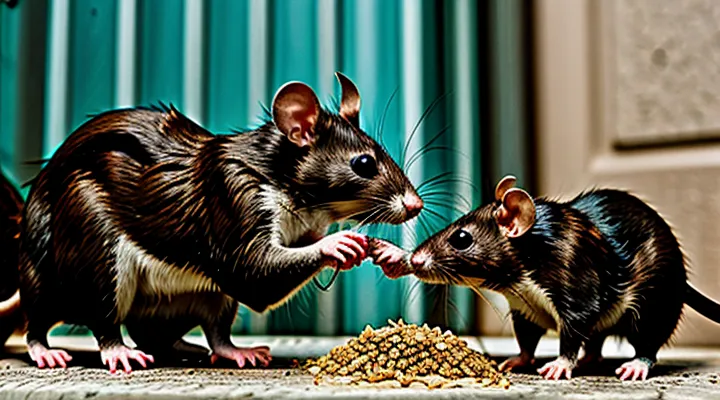
Understanding Your Rat's Nutritional Needs
The Basics of a Rat's Diet
Essential Nutrients for Rats
Rats require a balanced diet that supplies all macronutrients and micronutrients to maintain health, growth, and reproductive performance. The composition of each feeding session should reflect these requirements, regardless of how many times a day the animals are offered food.
- Protein: 18‑22 % of the diet for adults; 22‑24 % for juveniles and breeding females. Supplies amino acids for tissue repair and enzyme synthesis.
- Fats: 4‑6 % of total calories. Provides essential fatty acids (linoleic and α‑linolenic acids) for membrane integrity and energy storage.
- Carbohydrates: 45‑55 % of the diet. Serves as the primary energy source; include complex carbohydrates such as wheat bran, oats, or barley.
- Fiber: 5‑7 % of the diet. Supports gastrointestinal motility and microbial fermentation, producing short‑chain fatty acids beneficial for gut health.
- Water: Continuous access to clean, fresh water; rats consume 30‑70 ml per 100 g body weight daily depending on ambient temperature and diet moisture.
Vitamins (required in microgram to milligram quantities per kilogram of diet):
- Vitamin A (retinol) – vision and epithelial maintenance.
- Vitamin D₃ – calcium metabolism.
- Vitamin E – antioxidant protection.
- Vitamin K – blood coagulation.
- B‑complex (B₁, B₂, B₆, B₁₂, niacin, pantothenic acid, folic acid) – energy metabolism and nervous system function.
Minerals (expressed as % of diet or ppm):
- Calcium & Phosphorus – bone mineralization; maintain a Ca:P ratio of approximately 1.2:1.
- Magnesium – enzyme activation and neuromuscular function.
- Potassium & Sodium – electrolyte balance and nerve transmission.
- Iron – hemoglobin synthesis.
- Zinc, Copper, Selenium – co‑factors for antioxidant enzymes and immune competence.
Meeting these nutrient specifications ensures that rats receive adequate nourishment during each feeding interval, whether food is provided once, twice, or multiple times per day. Adjustments to the diet composition may be necessary for specific life stages, health conditions, or experimental protocols.
Dietary Staples and Supplements
Commercial rat chow provides a balanced foundation of protein, fat, fiber, vitamins, and minerals. It should represent the primary portion of the diet, delivered in a measured amount that meets the energy requirements of the specific strain, age, and activity level.
Fresh vegetables such as carrots, broccoli, and leafy greens add soluble fiber and micronutrients. Fruits like apple slices or berries offer additional sugars and antioxidants but must be limited to prevent excess caloric intake. Protein supplements—including cooked egg, low‑fat cheese, or commercially prepared rodent treats—can augment the chow when growth, pregnancy, or recovery demands higher protein.
Supplementary nutrients may be required in specialized situations. A concise list includes:
- Vitamin C (only for strains prone to deficiency)
- Calcium carbonate or mineral blocks for bone health
- Omega‑3 fatty acids from fish oil or flaxseed oil for skin and neural development
- Probiotic powders to support gut flora during stress or antibiotic treatment
Feeding frequency interacts directly with diet composition. A diet rich in high‑energy chow permits two to three evenly spaced meals per day, maintaining stable blood glucose and preventing binge eating. When the regimen incorporates substantial fresh produce, smaller, more frequent portions (four to five times daily) help preserve nutrient freshness and reduce spoilage. Supplement administration should align with the main meals to ensure consistent absorption.
Adjustments to the schedule must consider the animal’s weight trajectory, behavioral cues, and health status. Regular monitoring of body condition and intake records enables precise calibration of both staple and supplemental provisions, ensuring optimal growth, reproduction, and longevity.
Optimal Feeding Frequency for Pet Rats
Factors Influencing Feeding Schedules
Age and Activity Level
Rats require feeding schedules that reflect physiological development and energy expenditure. Younger rats, particularly neonates and juveniles up to eight weeks, have high metabolic rates and limited stomach capacity. Provide fresh food three to four times daily, dividing the daily ration into equal portions to prevent overloading the digestive system. For adult rats (8 weeks to 12 months), a stable schedule of two feedings per day supplies sufficient nutrients while allowing for natural foraging behavior. Senior rats (over 12 months) often experience reduced appetite and slower digestion; a single, generous meal in the morning can meet their needs, with supplemental grazing of fresh vegetables in the afternoon if intake declines.
Activity level further refines feeding frequency. Highly active rats—those housed with extensive enrichment, running wheels, or engaged in frequent handling—burn additional calories. Increase feeding occasions to three times per day, or augment each meal with a modest protein-rich supplement. Moderately active rats, typical of standard cage environments, maintain health on the baseline two‑meal schedule. Low‑activity rats, such as those recovering from illness or confined to limited space, benefit from reduced frequency (once or twice daily) to avoid excess weight gain. Adjust portion size accordingly: larger portions for active individuals, smaller, more frequent meals for sedentary or aging rats.
Health Conditions and Special Needs
Rats with metabolic disorders, such as diabetes or hypothyroidism, require more frequent, smaller meals to maintain stable blood glucose and hormone levels. Offering 3–4 portions spread evenly across daylight hours prevents spikes and crashes that can exacerbate these conditions.
Dental problems, including overgrown incisors, limit a rat’s ability to chew large pellets. Soft, moistened feedings administered twice daily ensure adequate nutrition while reducing oral strain. Supplement soft vegetables or formulated mash at each feeding to provide fiber and moisture.
Obesity management demands controlled caloric intake. Divide the daily ration into two measured portions, delivered morning and early evening, and monitor body weight weekly. Pair each feeding with a brief enrichment session to encourage activity without adding extra calories.
Pregnant or lactating females experience heightened nutrient demands. Provide three balanced meals per day, each containing increased protein (20–25 % of the diet) and calcium. Verify that each portion is fresh to avoid spoilage, which can lead to gastrointestinal upset.
Respiratory infections often reduce appetite. In such cases, increase feeding frequency to four small meals, incorporating easily digestible, high-energy supplements (e.g., commercial rat gel or whey protein). Ensure water is always available and warmed slightly to encourage intake.
When chronic kidney disease is diagnosed, limit phosphorus and protein while maintaining caloric density. Offer two small meals daily, using low‑phosphorus formulations and adding omega‑3 fatty acids to support renal health.
Special dietary restrictions, such as grain‑free or hypoallergenic formulas, should be administered on the same schedule as the rat’s baseline feeding plan. Consistency in timing reduces stress and supports digestive regularity.
Key considerations for all health‑compromised rats:
- Split total daily ration into multiple small meals.
- Adjust macronutrient ratios to address specific conditions.
- Provide fresh, appropriate texture according to dental status.
- Monitor weight and clinical signs after each feeding cycle.
Recommended Feeding Practices
Free-Feeding vs. Scheduled Meals
Free‑feeding provides constant access to food, allowing rats to self‑regulate intake. This method simplifies husbandry, reduces labor, and mimics natural foraging behavior. However, unrestricted availability can mask over‑consumption, leading to obesity, metabolic disorders, and difficulty assessing individual intake.
Scheduled meals restrict access to specific times, typically two to three servings per day. Controlled portions enable precise caloric measurement, support weight management, and facilitate experimental consistency. The limitation may induce competition in group housing, potentially causing stress or unequal distribution if dominance hierarchies exist.
Key differences:
- Energy balance – free‑feeding relies on innate satiety signals; scheduled feeding imposes external limits.
- Weight control – scheduled meals provide measurable intake, reducing risk of excess weight.
- Behavioral impact – free‑feeding encourages natural foraging; scheduled feeding may alter activity patterns.
- Research reliability – scheduled feeding offers reproducible data, essential for studies of metabolism or drug effects.
- Management effort – free‑feeding requires fewer daily interventions; scheduled feeding demands regular monitoring and portioning.
Choosing between methods depends on objectives: pet owners may prioritize natural behavior, while researchers often require precise intake data. Both approaches can be effective when applied with appropriate monitoring and environmental enrichment.
Portion Control and Overfeeding Risks
Accurate portion sizing prevents obesity and associated health problems in laboratory and pet rats. Daily energy intake should be calculated from body mass, using 12–15 kcal per gram of body weight for adult animals, adjusted for growth stage and activity level. For a 250‑gram adult, the target is 3,000–3,750 kcal, which translates to roughly 20–25 g of standard rodent chow, measured with a calibrated scale. Juvenile rats require 20 % more calories per gram of weight, while highly active strains may need an additional 10 % supplement.
Overfeeding produces measurable risks:
- Obesity: Excess adipose tissue reduces mobility and increases cardiovascular strain.
- Metabolic syndrome: Elevated blood glucose and lipid levels accelerate age‑related decline.
- Reproductive impairment: Fat accumulation disrupts hormone balance, lowering fertility.
- Digestive disorders: Overloaded gastrointestinal tracts predispose to diarrhea and bloating.
- Reduced lifespan: Studies show a direct correlation between caloric excess and shortened survival.
Implementing strict portion control involves:
- Weighing each rat before feeding and recording daily intake.
- Adjusting rations weekly based on weight trends.
- Providing fresh water ad libitum while limiting access to high‑calorie treats.
- Monitoring body condition scores to detect early fat accumulation.
Consistent measurement and timely adjustments ensure that rats receive sufficient nutrition without incurring the detrimental effects of excess calories.
What to Feed Your Rats
Commercial Rat Foods
Pellets vs. Mixes
Pelleted diets deliver a uniform nutrient profile in each bite, allowing precise calculation of daily caloric intake. Because the composition remains constant, caretakers can split the total daily ration into two equal feedings without risking nutrient imbalance. A typical adult rat requires 15–20 g of pellets per day; dividing this amount into morning and evening portions maintains steady energy levels and reduces the likelihood of overeating.
Mixed diets combine commercial pellets with fresh vegetables, fruits, and occasional protein sources. The variability of fresh ingredients introduces fluctuations in calories, fiber, and vitamin content. To use mixes safely, owners must weigh the total feed each day, accounting for the caloric contribution of each component, then distribute the sum across two or three feedings. Over‑supplementation of high‑sugar fruits can cause rapid weight gain, while insufficient fiber may lead to gastrointestinal issues.
Key considerations when choosing between the two formats
- Nutrient consistency – Pellets provide fixed ratios; mixes require daily calculation.
- Digestive health – Mixes increase fiber and moisture, supporting gut motility; pellets may need supplemental water.
- Feeding frequency – Pellets suit a twice‑daily schedule; mixes can be offered in two or three smaller meals to accommodate fresh food spoilage.
- Cost and preparation – Pellets are ready‑to‑use; mixes demand washing, chopping, and portioning.
For optimal scheduling, allocate the total daily ration—whether pure pellets or a calculated mix—into equal portions delivered at consistent intervals. This approach stabilizes blood glucose, promotes healthy body weight, and aligns with the natural foraging behavior of rats.
Safe Human Foods and Treats
Fruits and Vegetables
Fruits and vegetables should complement a rat’s primary diet of balanced pelleted or laboratory chow. They provide essential vitamins, minerals, and fiber, but their caloric density is low, so they must be offered in controlled amounts to avoid nutrient imbalance.
A typical daily schedule allocates a small portion of fresh produce during the evening feeding, when rats are most active. Provide 1–2 teaspoons of chopped fruit or vegetable per 100 g of body weight, divided into two servings. This timing allows rats to ingest water‑rich foods after their main meal, supporting hydration and digestion.
- Safe options: apples (seedless), blueberries, strawberries, carrots, broccoli, spinach, peas.
- Items to avoid: citrus fruits, grapes, avocado, raw potatoes, and any produce with pesticide residue.
- Preparation: wash thoroughly, remove seeds and cores, cut into bite‑size pieces to prevent choking.
- Frequency: limit fruit to 2–3 times per week; vegetables may be given 4–5 times per week, ensuring variety to cover different micronutrients.
Monitor weight and stool consistency after introducing fresh produce. Any signs of diarrhea or weight loss indicate excess fiber or inappropriate selection, requiring adjustment of portion size or frequency. Regularly rotate items to prevent dietary monotony and to expose rats to a broader spectrum of nutrients.
Proteins and Grains
Proteins provide the amino acids necessary for growth, tissue repair, and immune function in rats. High‑quality sources such as casein, soy isolate, fish meal, and egg white powder supply essential amino acids in digestible forms. When incorporated into a daily ration, protein should represent 15–20 % of the total caloric intake. For a standard adult laboratory rat consuming roughly 20 g of food per day, this translates to 3–4 g of protein, divided across meals to maintain steady plasma amino‑acid levels.
Grains supply carbohydrates, fiber, and micronutrients that complement protein metabolism. Commonly used grains include wheat, oat, barley, and rice, each offering a different balance of starch and soluble fiber. A grain component constituting 40–50 % of the diet delivers adequate energy while supporting gastrointestinal health. For the same 20 g daily intake, 8–10 g of grain material should be provided, split evenly among feeding periods.
A practical feeding schedule for rats incorporates multiple small portions rather than a single large meal. Recommended intervals are:
- Morning (07:00–08:00): 1/3 of daily protein and grain allotment.
- Midday (12:00–13:00): 1/3 of daily allotment.
- Evening (18:00–19:00): remaining 1/3.
This tri‑daily distribution stabilizes blood glucose, reduces the risk of overeating, and aligns with the animal’s natural foraging behavior. Adjustments may be required for juveniles, pregnant females, or high‑activity strains, increasing protein proportion to up to 25 % while maintaining the same feeding frequency.
Foods to Avoid
When planning an effective feeding routine for pet rats, eliminating harmful items is as crucial as providing balanced nutrition. Certain foods can cause digestive distress, organ damage, or obesity, undermining the benefits of a well‑timed feeding schedule.
Typical foods to exclude include:
- Citrus fruits (oranges, lemons, grapefruits) – high acidity irritates the stomach lining.
- Processed snacks (chips, crackers, salted pretzels) – excess sodium and artificial additives strain kidneys.
- Sugary treats (candy, chocolate, baked goods) – rapid glucose spikes promote weight gain and can be toxic, especially chocolate.
- Raw or undercooked beans – contain lectins that interfere with nutrient absorption and may cause intestinal blockage.
- High‑fat animal products (bacon, sausage, fatty meats) – excess saturated fat leads to liver strain and cardiovascular issues.
- Caffeinated or alcoholic beverages – stimulate the nervous system and impair liver function.
- Sticky substances (peanut butter, marshmallows) – pose choking hazards and can adhere to the oral cavity.
- Moldy or spoiled foods – introduce mycotoxins that damage multiple organ systems.
Removing these items from a rat’s diet supports consistent energy levels, promotes healthy weight, and ensures that the chosen feeding frequency yields optimal health outcomes.
Monitoring Your Rat's Health and Weight
Recognizing Healthy Weight
Visual Cues
Visual cues serve as reliable indicators for determining appropriate feeding intervals for laboratory and pet rats. Rats display distinct behavioral and physiological signals that correlate with hunger cycles, enabling caretakers to align meals with natural rhythms.
Key visual signals include:
- Increased activity in the cage during the early dark phase, often accompanied by rapid movement toward food dispensers.
- Persistent gnawing on enrichment objects or bedding, suggesting a desire for nutrient intake.
- Focused sniffing and pawing at the feeding area, especially when food bowls appear empty.
- Rapid, repetitive grooming of the muzzle and whiskers, a response to low satiety.
Observing these behaviors allows for the establishment of a feeding schedule that matches the rats’ circadian patterns. Studies show that providing food during the first two hours of the dark cycle satisfies the majority of observed hunger-driven actions, reducing stress and promoting optimal growth.
Implementing a visual‑cue‑based regimen involves:
- Monitoring the colony for the listed signals over several days to establish baseline timing.
- Scheduling feedings at the onset of the most consistent cue, typically within the first quarter of the dark period.
- Adjusting portions if visual signs of over‑ or under‑feeding appear, such as excessive hoarding or persistent foraging after meals.
Consistent application of visual observations ensures that meals are delivered when rats are physiologically prepared to eat, supporting health, weight stability, and experimental reproducibility.
Palpation Techniques
Palpation provides direct insight into a rat’s nutritional condition, allowing precise adjustment of daily feeding frequency. By assessing body mass, abdominal fat, and muscle tone, researchers can match feed intervals to the animal’s current metabolic demands.
Key palpation techniques include:
- Abdominal palpation – gentle pressure along the ventral midline reveals visceral fullness and fat deposits; a soft, pliable abdomen indicates adequate intake, while a sunken profile suggests under‑feeding.
- Subcutaneous fat assessment – pinching the dorsal lumbar region measures subcutaneous tissue thickness; thin layers call for more frequent meals, whereas robust deposits allow longer intervals between feeds.
- Limb muscle palpation – pressure on the forelimb and hindlimb muscles evaluates muscle mass; diminished firmness signals the need for increased caloric provision.
- Tail base palpation – feeling the tail’s proximal area detects adipose accumulation that correlates with overall energy balance.
Regular palpation schedules—typically every 24 hours for breeding colonies and every 48 hours for stable adult groups—enable timely detection of weight loss or gain. When palpation indicates a decline in body condition, feeding should shift from a twice‑daily schedule to three or four smaller meals distributed evenly across the day. Conversely, consistent robust palpation findings support a reduced schedule, such as a single larger provision or a twice‑daily regimen with longer intervals.
By integrating these palpation methods into routine health checks, caretakers can fine‑tune feeding plans, ensuring each rat receives an optimal amount of nutrition without over‑ or under‑feeding. This systematic approach aligns physical assessment with precise daily feed timing, promoting welfare and experimental consistency.
Signs of Underfeeding or Overfeeding
Behavioral Indicators
Behavioral indicators provide real‑time feedback on whether a rat’s feeding schedule meets its nutritional needs. Observable patterns such as consistent foraging activity, prompt consumption of provided food, and stable body condition signal that the current feeding frequency is appropriate. Conversely, excessive hoarding, frequent nibbling without finishing meals, or persistent searching behavior suggest that meals are too infrequent or portions are insufficient.
Key signs to monitor include:
- Promptness: rats that eat within minutes of food delivery demonstrate alignment with the schedule.
- Completion rate: high percentages of food consumed per feeding indicate adequate portion size.
- Weight stability: regular body weight measurements that remain within a healthy range reflect balanced intake.
- Activity level: normal locomotion and exploratory behavior without hyperactivity or lethargy suggest metabolic equilibrium.
- Grooming and coat condition: a clean, glossy coat with regular grooming behavior correlates with sufficient nutrition.
When any of these indicators deviate from baseline, adjust the feeding timetable by adding a supplemental feeding session or modifying portion size. Re‑evaluate behavior after 48–72 hours to confirm that changes restore the expected patterns. Continuous observation ensures that the feeding regimen remains optimal for health and well‑being.
Physical Symptoms
Physical health in laboratory and pet rats is directly linked to the frequency and regularity of food provision. Deviations from an optimal feeding routine manifest in observable bodily changes that can compromise welfare and experimental reliability.
- Weight loss exceeding 5 % of baseline body mass
- Dull, sparse fur with increased shedding
- Decreased activity, prolonged periods of immobility
- Reduced body temperature measured by infrared thermography
- Lowered serum glucose and albumin levels
Excessive or overly frequent feeding produces a different set of signs.
- Rapid weight gain, abdominal distension, and visible adipose deposits
- Hepatomegaly detectable by palpation or ultrasonography, often accompanied by elevated liver enzymes
- Soft, unformed feces or watery diarrhea, indicating digestive overload
- Elevated blood triglycerides and cholesterol, reflecting metabolic imbalance
Irregular feeding intervals, even when total daily caloric intake remains adequate, generate stress‑related physical responses.
- Fluctuating body weight with cyclical peaks and troughs
- Increased grooming behavior leading to self‑inflicted skin lesions
- Elevated corticosterone concentrations in blood or saliva
- Altered growth plate development in juveniles, observable via radiography
Monitoring these symptoms provides a practical method for assessing whether the feeding schedule meets the physiological needs of rats. Prompt identification of abnormalities enables timely adjustment of meal frequency, portion size, and timing to restore optimal health.
Troubleshooting Common Feeding Issues
Picky Eaters
Rats that reject standard pellets or refuse fresh foods require a feeding plan that balances nutritional adequacy with predictable intake. Offer a limited selection of high‑quality items—such as nutritionally complete pellets, small amounts of fresh vegetables, and a protein source—on a strict timetable. Present the same assortment at each feeding to create familiarity and reduce anxiety.
Maintain two to three feedings per day, spaced evenly (morning, midday, evening). This frequency supplies consistent energy while allowing the animal to sample preferred foods without prolonged deprivation. If a rat consistently avoids a component, replace it with an alternative of comparable nutrient profile rather than increasing the number of feedings.
Practical steps for managing selective consumption:
- Record each individual’s accepted foods during the first week.
- Rotate a limited pool of acceptable items to prevent monotony.
- Use shallow, clean dishes to avoid contamination that may deter eating.
- Limit treats to no more than 10 % of total calories to prevent nutritional imbalance.
Food Aggression
Food aggression in rats manifests as competitive or hostile behavior when individuals vie for limited food resources. It arises when access to nourishment is unpredictable, when portions are insufficient for the group, or when dominant individuals monopolize feeding sites. The behavior can lead to injuries, stress‑induced weight loss, and reduced colony stability.
Feeding frequency directly influences the intensity of food aggression. Infrequent, large meals create periods of scarcity that amplify competition, whereas regular, moderate portions maintain constant availability and diminish the incentive to fight. Empirical observations show that colonies receiving food three times daily display markedly lower incidences of bite wounds and vocalizations compared to those fed once per day.
Practical feeding schedule to mitigate aggression:
- Provide fresh food at morning (07:00–08:00), midday (12:00–13:00), and evening (18:00–19:00).
- Offer portions sized to meet the caloric needs of the entire group, typically 3–4 g per adult rat per feeding.
- Ensure identical distribution points for each feeding to prevent territorial claims.
- Supplement with continuous access to clean water and a small amount of dry bedding material to reduce overall competition.
Additional measures reinforce a calm feeding environment. Distribute food across multiple stations to prevent crowding, rotate feeding locations to avoid establishment of dominant zones, and monitor individual behavior for early signs of escalation. Prompt isolation of persistently aggressive rats prevents the spread of hostility throughout the colony.
Storing Rat Food Properly
Proper storage of rat food preserves nutritional value, prevents spoilage, and reduces waste. Keep dry feed in airtight containers made of glass, heavy‑plastic, or metal with sealed lids. Place containers in a cool, dry area away from direct sunlight, as heat and moisture accelerate oxidation and mold growth. Use storage units with UV‑blocking properties when exposure to light cannot be avoided.
- Choose containers with a tight seal; silicone gasket lids provide the best barrier.
- Store feed at temperatures between 50‑70 °F (10‑21 °C); avoid fluctuations.
- Keep the storage space clean; sweep crumbs and dispose of spilled feed promptly.
- Label containers with the purchase date; rotate stock using a first‑in‑first‑out system.
- If feed is purchased in bulk, split it into smaller portions; only open one portion at a time.
For wet or semi‑wet diets, refrigerate or freeze immediately after opening. Seal portions in freezer‑grade bags, remove excess air, and label with the date. Thaw frozen portions in the refrigerator, not at room temperature, to maintain safety. Discard any feed that shows signs of clumping, discoloration, or off‑odors, as these indicate bacterial or fungal contamination.
Regularly inspect storage containers for cracks or compromised seals. Replace damaged containers to maintain an airtight environment. By following these practices, rat owners ensure that each feeding provides consistent nutrition, supporting healthy growth and behavior.