
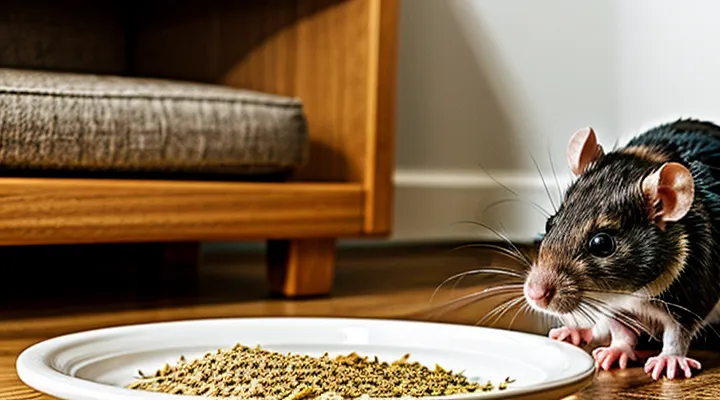
Understanding Rat Dietary Needs
The Wild Diet of Rats
Rats in natural habitats consume a varied diet that reflects opportunistic foraging and seasonal availability. Their intake consists primarily of plant material, supplemented by animal protein and occasional grit for digestive aid.
Typical wild components include:
- Grains such as wheat, barley, and rice kernels
- Seeds from grasses, sunflowers, and legumes
- Fresh fruits like berries, grapes, and melons
- Vegetables and leafy greens, including cabbage, carrots, and dandelion leaves
- Insects, earthworms, and small arthropods providing essential amino acids
- Occasional nuts and tubers for fat reserves
- Small amounts of soil or sand to facilitate stomach grinding
Protein in wild rats ranges from 15 % to 20 % of total calories, while carbohydrates supply 45 % to 55 % and fat contributes 10 % to 15 %. Fiber content remains high, supporting gastrointestinal motility, and moisture is obtained from fresh produce and prey fluids.
Seasonal fluctuations alter food composition: spring and summer favor fruits and insects, increasing protein and water intake; autumn emphasizes seeds and nuts, raising fat consumption; winter forces reliance on stored grains and bark, reducing overall caloric density. These shifts affect the frequency and volume of meals, with rats typically feeding several times daily to meet metabolic demands.
When formulating a feeding schedule for domesticated rats, replicate the macronutrient ratios observed in the wild, provide fresh produce daily, and distribute portions across multiple feedings. Aligning meal frequency with natural foraging patterns promotes health, prevents obesity, and encourages natural chewing behavior.
Essential Nutrients for Pet Rats
Protein Requirements
Pet rats need a diet that supplies approximately 14‑20 % protein on a dry‑matter basis. Juvenile rats, pregnant or lactating females, and highly active individuals require the upper end of this range, while adult, sedentary rats can maintain health at the lower end.
Key considerations for meeting protein needs:
- Quality of protein – animal‑derived sources (e.g., cooked eggs, lean meat, low‑fat dairy) provide complete amino acid profiles. Plant‑based options such as soy, lentils, and peas complement commercial rodent mixes but may lack certain essential amino acids.
- Quantity per feeding – a 100‑gram portion of a balanced rat chow typically delivers 14‑20 % protein. Adjust portion size to keep total daily intake within 15‑20 % of the rat’s caloric intake.
- Life‑stage adjustments – weanlings (3‑4 weeks old) benefit from 18‑20 % protein; adults (3‑12 months) thrive on 14‑16 %; seniors (>12 months) may need 13‑15 % to support muscle maintenance without excess strain on kidneys.
- Health monitoring – observe coat condition, growth rate, and activity level. Dull fur, poor weight gain, or lethargy may indicate insufficient protein; excessive protein can cause urinary crystals or kidney stress.
In practice, combine a high‑quality commercial pellet (meeting the 14‑20 % protein guideline) with occasional fresh protein supplements. Limit treats to no more than 5 % of total calories to avoid skewing the protein balance. Regularly assess body condition and adjust portions accordingly to sustain optimal health.
Fat Intake
Pet rats require a balanced diet that includes a modest amount of fat to support energy needs, coat health, and hormone production. Excessive fat can lead to obesity, liver disease, and reduced lifespan, while insufficient fat may cause poor fur condition and low vitality.
A typical adult rat should obtain 5–10 % of its daily calories from fat. For a 100‑gram rat consuming roughly 20 kcal per day, this translates to 1–2 kcal from fat, or about 0.2–0.5 g of fat. Juvenile rats have slightly higher needs, up to 12 % of calories, to accommodate rapid growth.
Preferred fat sources include:
- Unsaturated oils (e.g., flaxseed, sunflower, canola) in small quantities.
- Nut butters (peanut, almond) limited to a teaspoon per week.
- Small pieces of cooked egg yolk or low‑fat cheese as occasional treats.
Avoid saturated fats such as lard, butter, and high‑fat processed snacks. These contribute to calorie excess without providing essential fatty acids.
Feeding schedule recommendations:
- Provide a consistent supply of fresh food twice daily, dividing the total fat allowance between the two meals.
- Monitor body condition weekly; adjust fat portions if weight gain exceeds 2 % per month.
- Replace any leftover high‑fat treats after 24 hours to prevent spoilage and overconsumption.
Regular veterinary check‑ups should include assessment of body condition and lipid levels to ensure fat intake remains within the optimal range.
Carbohydrates and Fiber
Carbohydrates provide the primary energy source for pet rats. A balanced diet should contain 50‑60 % of calories from complex carbohydrates such as whole grains, oats, and barley. Simple sugars—found in fruit treats—should be limited to no more than 5 % of total intake to prevent rapid blood‑glucose spikes.
Fiber supports gastrointestinal motility and aids in preventing constipation. Rats require 12‑15 % of their diet by weight in crude fiber. Adequate fiber also promotes satiety, reducing the risk of overeating when feedings are spaced throughout the day.
Key carbohydrate and fiber sources include:
- Whole‑grain rodent pellets formulated for laboratory or pet use
- Cooked brown rice or quinoa, offered in small portions
- Fresh vegetables such as kale, broccoli, and carrots (high in fiber)
- Small amounts of fruit (e.g., apple slices, berries) for occasional carbohydrate boost
When establishing a feeding routine, provide the main carbohydrate‑fiber mix once or twice daily, depending on the rat’s age and activity level. Younger or highly active rats may benefit from two smaller meals to maintain steady energy, while mature, less active rats can thrive on a single, well‑balanced portion. Adjust portion size if supplemental treats are added, ensuring the total carbohydrate and fiber percentages remain within the recommended ranges.
Vitamins and Minerals
Vitamins and minerals are essential for a pet rat’s growth, immune function, and metabolic health. Because rats consume small, frequent meals, each feeding must contribute a balanced portion of these micronutrients to meet daily requirements without excess.
Key nutrients and practical sources include:
- Vitamin A – carrots, sweet potatoes, fortified pellets; supports vision and epithelial health.
- Vitamin D3 – exposure to natural sunlight or UV‑B lamp; aids calcium absorption.
- Vitamin E – sunflower seeds, wheat germ; acts as an antioxidant.
- B‑complex vitamins – whole‑grain cereals, brewer’s yeast; important for energy metabolism.
- Calcium – plain yogurt, calcium‑fortified rodent blocks; required for bone development.
- Phosphorus – lean meat, bone meal; works with calcium to maintain skeletal integrity.
- Magnesium – pumpkin seeds, leafy greens; contributes to nerve function.
- Iron – cooked lentils, small amounts of lean meat; needed for hemoglobin synthesis.
- Zinc – oysters, pumpkin seeds; supports skin and immune response.
When planning feeding intervals, consider that a typical adult rat needs approximately 0.2 mg of vitamin D3, 900 IU of vitamin A, and 0.9 mg of calcium per kilogram of body weight each day. Distribute these amounts across 2‑3 meals to prevent spikes in absorption and reduce the risk of toxicity. For example, a morning portion may contain half the daily calcium, while an evening portion provides the remaining half plus a source of vitamin D3 through UV exposure.
Supplementation should be limited to cases where dietary analysis shows a shortfall. Over‑supplementation can lead to hypervitaminosis or mineral imbalances, which manifest as weight loss, lethargy, or abnormal fur. Regular health checks and observation of stool consistency, coat condition, and activity levels help detect deficiencies early.
In summary, align each feeding session with a calculated share of essential vitamins and minerals, using natural food items as primary sources and reserving supplements for verified gaps. This approach ensures consistent nutrient intake while respecting the rat’s natural eating pattern.
Factors Influencing Feeding Frequency
Age-Specific Feeding Schedules
Pups and Juveniles
Young rats experience rapid growth, demanding frequent, nutritionally balanced meals. Their small stomachs cannot hold large portions, so multiple feedings spread throughout the day ensure steady energy intake.
-
Birth to 3 weeks (pre‑weaning):
- Feed 4–6 times daily.
- Provide soft, high‑calorie formula or specially formulated pup milk replacer.
- Offer a few drops of water only when the formula is diluted.
-
3 to 8 weeks (post‑weaning, juvenile phase):
- Feed 3–4 times daily.
- Introduce a high‑protein pellet diet, supplemented with fresh vegetables and a limited amount of fruit.
- Maintain constant access to clean water.
From three weeks onward, the diet should contain at least 18 % protein, 4–5 % fat, and adequate fiber to support digestive health. Portion sizes must be adjusted to the animal’s weight; a typical 8‑week‑old juvenile consumes roughly 8–10 g of pellets per feeding. Monitoring body condition and growth rate allows owners to fine‑tune both frequency and quantity, preventing under‑ or over‑feeding during this critical developmental window.
Adult Rats
Adult rats require consistent feeding intervals to maintain stable blood glucose levels and support rapid metabolism. Most veterinary nutritionists advise offering food two to three times daily, dividing the daily ration into equal portions. This schedule prevents overeating, reduces waste, and aligns with the rats’ natural foraging behavior.
A typical daily feeding plan for an adult pet rat includes:
- Morning meal: ¼ of the total dry food allotment, fresh water, and a small amount of fresh vegetables.
- Midday snack (optional): a handful of high‑protein treats such as boiled egg or mealworms, not exceeding 5 % of the total caloric intake.
- Evening meal: the remaining ¾ of the dry food, fresh water, and a second serving of vegetables.
Adjustments may be necessary for rats with health issues, higher activity levels, or seasonal changes in temperature. Monitoring body condition and weight weekly provides objective feedback; a stable weight indicates the feeding frequency is appropriate.
Senior Rats
Senior rats experience reduced metabolism and slower digestion, requiring adjustments to feeding frequency compared with younger animals. Most veterinarians advise offering food twice daily, typically in the morning and early evening, to maintain steady energy levels without overloading the gastrointestinal tract.
Key considerations for senior rat nutrition include:
- Portion size: Reduce each meal to 70‑80 % of the amount given to a healthy adult, monitoring body condition and adjusting as needed.
- Food type: Emphasize high‑quality protein sources, fresh vegetables, and low‑fat commercial rat pellets; avoid excessive seeds and fatty treats.
- Water availability: Provide fresh water at all times; dehydration poses a greater risk for older rodents.
Observe the rat’s weight, coat condition, and activity. If weight loss or lethargy occurs, increase meal frequency to three smaller portions spaced evenly throughout the day, but keep total caloric intake within the recommended range. Conversely, signs of obesity warrant a reduction to two smaller meals with careful portion control.
Regular veterinary check‑ups should include a dietary review. Adjustments based on blood work, organ function, and individual health status ensure senior rats receive optimal nourishment without compromising their well‑being.
Activity Level and Metabolism
Activity level directly influences a rat’s caloric requirements. Highly active individuals—those that explore cages frequently, engage in climbing, or participate in regular exercise—burn more energy and therefore need larger or more frequent meals. Conversely, sedentary rats consume fewer calories and can maintain health on smaller portions given at longer intervals.
Metabolism varies among breeds, age groups, and health conditions. Young rats exhibit rapid growth and a correspondingly high basal metabolic rate, demanding consistent nutrient intake to support tissue development. Adult rats experience a gradual metabolic slowdown; their feeding schedule can be adjusted downward without compromising body condition. Illness or stress can elevate metabolic demand temporarily, necessitating a brief increase in feeding frequency or portion size.
Practical guidelines:
- Assess activity by observing cage movement, wheel usage, and interaction with enrichment items.
- For active rats, provide two to three meals per day, spaced evenly to prevent long fasting periods.
- For less active or older rats, two meals per day generally suffice; monitor weight to fine‑tune portions.
- Adjust portion size rather than frequency when a rat’s weight deviates from the ideal range; increase or decrease the amount while maintaining the established feeding schedule.
- During recovery from illness, offer small, frequent meals (e.g., four times daily) to meet heightened metabolic needs.
Regular monitoring of body condition scores and weight trends allows owners to align feeding frequency with the animal’s current activity level and metabolic state, ensuring optimal health and growth.
Health Conditions and Special Diets
Obesity Management
Effective control of excess weight in domesticated rats relies on precise feeding schedules, balanced nutrition, and regular health assessments. Frequent, small meals prevent overconsumption and stabilize metabolism. Most experts advise offering fresh food two to three times daily, with a consistent portion size that matches the rat’s activity level and body condition.
Key practices for obesity management include:
- Portion measurement: Use a kitchen scale or standard measuring scoop to deliver exact amounts of pellets and fresh foods.
- Nutrient balance: Prioritize high‑fiber, low‑fat diets; supplement with leafy greens and limited fruit to reduce caloric density.
- Weight monitoring: Weigh the rat weekly; a gain of more than 1 g per week signals the need to adjust portions.
- Physical activity: Provide climbing structures, wheels, and daily out‑of‑cage time to increase energy expenditure.
- Veterinary check‑ups: Schedule quarterly exams; a veterinarian can assess body condition scores and recommend dietary modifications.
Adjusting feeding frequency to two or three controlled servings, combined with disciplined portion control and regular exercise, mitigates the risk of obesity and promotes long‑term health in pet rats.
Illness and Recovery Diets
When a pet rat becomes ill, the feeding schedule must shift from routine portions to a regimen that supports immune function and tissue repair. Reduce meal frequency to two small feedings per day, allowing the digestive system to process nutrient‑dense foods without overload.
Key nutritional adjustments for recovery include:
- High‑quality protein sources (e.g., cooked chicken breast, boiled egg white) to rebuild muscle and promote wound healing.
- Easily digestible carbohydrates such as cooked rice or oatmeal to supply steady energy.
- Hydration‑rich foods (cucumber, watermelon) and supplemental water with electrolytes to prevent dehydration.
- Probiotic‑enhanced treats or a small amount of plain yogurt to restore gut flora balance.
- Limited fat to avoid gastrointestinal distress, but a modest addition of omega‑3 oil can reduce inflammation.
Monitor body condition daily; weight loss exceeding 5 % of ideal body mass signals the need for veterinary intervention. Adjust portions upward gradually as appetite returns, aiming to re‑establish the normal feeding rhythm within 7–10 days.
After recovery, transition back to the standard feeding plan by increasing the number of meals to three–four per day and reintroducing the regular mix of pellets, fresh vegetables, and occasional treats. Consistent observation of stool quality, activity level, and coat condition confirms successful dietary restoration.
Pregnancy and Lactation
Pregnant and nursing rats require more calories and nutrients than non‑reproductive adults, so feeding schedules must be adjusted accordingly.
- Provide fresh food three times daily; a single large meal may not satisfy increased metabolic demands.
- Offer a high‑energy diet composed of commercial rat pellets enriched with protein (18–20 % of the diet) and added fat sources such as sunflower seeds or small amounts of unsalted nuts.
- Supplement with fresh vegetables (e.g., kale, carrots) and fruit (e.g., apple slices) to supply vitamins and fiber, but limit quantities to prevent digestive upset.
- Ensure constant access to clean water; lactating females may drink up to twice their normal volume.
During the gestation period (approximately 21 days), monitor body condition and increase portion sizes by 10–15 % each week. In the lactation phase, raise caloric intake by an additional 25–30 % and maintain the three‑times‑daily feeding routine until pups are weaned at 3–4 weeks of age. Adjust feed amounts based on observed weight gain and litter size; larger litters demand higher maternal intake.
Consistent, frequent feeding supports healthy fetal development, milk production, and overall maternal wellbeing.
Recommended Feeding Practices
Daily Feeding Guidelines
Portion Control
Portion control directly influences a rat’s weight, metabolism, and overall health. Accurate measurement prevents obesity, which can reduce lifespan and increase the risk of diabetes, liver disease, and joint problems. Using a kitchen scale or calibrated scoop ensures each meal delivers the intended caloric load.
Typical adult rats require 1 – 2 tablespoons (15‑30 g) of high‑quality dry mix per day, divided into two feedings. A balanced portion includes:
- 50 % commercial rodent pellets or lab‑grade mix
- 30 % fresh vegetables (e.g., carrot, broccoli, leafy greens)
- 20 % protein sources (e.g., boiled egg, cooked chicken, mealworms)
Adjust quantities for juveniles, pregnant or lactating females, and highly active individuals. Increase protein and overall calories by 10‑20 % for these groups, while maintaining the same ratio among components.
Consistent portion sizes simplify scheduling. Feed the first portion in the morning, the second in the evening, and remove any leftovers after two hours to discourage spoilage and overeating. Monitoring body condition weekly—by feeling the ribs and assessing tail thickness—helps fine‑tune amounts without altering the feeding frequency.
Monitoring Food Intake
Monitoring a rat’s food consumption provides the data needed to set an appropriate feeding schedule. Accurate records reveal whether the animal receives sufficient nutrients, avoids excess calories, and maintains a stable weight.
Practical ways to track intake include:
- Weighing the portion before each feeding and measuring leftovers after a set period.
- Keeping a daily log that notes the amount offered, the amount consumed, and any spillage.
- Using a calibrated feeding dispenser that records dispensed quantities automatically.
- Observing the bowl throughout the day to note rapid depletion or persistent remnants.
Interpretation of the data is straightforward. Consistent leftovers indicate a portion that is too large; a rapidly empty bowl suggests the need for increased amounts or more frequent offerings. Sudden changes in consumption—such as a drop of 20 % or more—signal potential health issues and warrant immediate veterinary assessment.
Adjust the feeding frequency based on the recorded patterns. If a rat empties its food within a few hours, split the daily ration into multiple smaller feedings. If the animal leaves a substantial amount after the standard interval, reduce the portion size or extend the interval between meals. Regularly updating the log ensures that the feeding schedule remains aligned with the rat’s evolving metabolic needs.
Types of Food and Their Impact on Frequency
Commercial Rat Blocks
Commercial rat blocks are pre‑formulated, nutritionally balanced pellets designed for laboratory‑grade mouse and rat diets. They provide a convenient source of protein, carbohydrates, fats, vitamins, and minerals in a single, compact form that eliminates the need for mixing separate ingredients.
Typical formulations contain 14–20 % protein, 5–8 % fat, and a calibrated blend of essential micronutrients such as vitamin C, B‑complex vitamins, calcium, and phosphorus. The nutrient ratios comply with standards set by veterinary nutrition guidelines for small rodents, ensuring that pet rats receive a diet that supports growth, reproduction, and immune function.
Feeding recommendations for pet rats that rely on commercial blocks are expressed in blocks per day rather than weight. The consensus among rodent nutrition specialists is:
- Adult rats (150–250 g): 1 – 1.5 blocks per day, divided into two equal portions.
- Juvenile rats (under 150 g): 0.5 – 1 block per day, divided into three smaller portions.
- Pregnant or lactating females: 1.5 – 2 blocks per day, split into three feedings.
Portioning the daily allowance reduces the risk of overconsumption and encourages natural foraging behavior. Observing body condition and adjusting block count accordingly prevents obesity or undernutrition.
Fresh vegetables, fruits, and occasional protein treats should complement the blocks. A balanced schedule might include a small piece of carrot or leafy green three times weekly, while maintaining the block count as the primary caloric source. Monitoring weight weekly provides objective feedback; a stable weight within the breed‑specific range validates the feeding plan.
Store blocks in a cool, dry environment, preferably in an airtight container. Exposure to moisture accelerates mold growth, which can compromise nutrient integrity. Most manufacturers assign a shelf life of 12–18 months from the production date; rotating stock ensures the oldest product is used first.
Fresh Fruits and Vegetables
Fresh fruits and vegetables are essential components of a balanced diet for pet rats, providing vitamins, minerals, and fiber that support dental health and digestive function. Experts advise offering a small portion of fresh produce daily, typically no more than 10–15 % of the rat’s total caloric intake. Over‑feeding can lead to diarrhea or obesity, so portion control is crucial.
Select items that are low in sugar and high in nutrients. Suitable choices include:
- Apple slices (remove seeds)
- Blueberries
- Carrot sticks
- Bell pepper strips
- Zucchini cubes
- Leafy greens such as kale, romaine lettuce, and spinach (avoid wilted leaves)
Introduce new foods gradually, monitoring for signs of intolerance. Remove any uneaten produce after two hours to prevent spoilage and bacterial growth. Store fresh items in the refrigerator and rinse them thoroughly before serving.
In addition to daily servings, provide a weekly variety to ensure a broad spectrum of nutrients. Rotate different fruits and vegetables each week, maintaining the same portion size. This approach helps prevent nutritional gaps while keeping the diet interesting for the rat.
Occasional Treats
Occasional treats supplement a rat’s regular diet by providing enrichment and additional nutrients, but they must not replace balanced meals.
Treats should be offered no more than two to three times per week, with each session limited to a handful of pieces that together do not exceed 5 % of the animal’s daily caloric intake.
Safe treat options include:
- Small pieces of fresh fruit (e.g., apple, banana) without seeds
- Cooked vegetables (e.g., carrots, broccoli) cut into bite‑size cubes
- Low‑fat cheese or plain yogurt in minimal amounts
- Commercial rat treats formulated without added sugar or artificial preservatives
Portion size must be measured with a kitchen scale or calibrated spoon to maintain consistent intake. Monitoring body condition weekly ensures that treats do not cause weight gain or digestive upset.
If a rat shows signs of intolerance—such as diarrhea, reduced appetite, or lethargy—immediately discontinue the specific treat and consult a veterinarian.
The Importance of Free-Feeding vs. Scheduled Meals
Pros and Cons of Free-Feeding
Free‑feeding means leaving a constant supply of dry food in the cage so the rat can eat whenever it chooses.
Advantages
- Maintains stable body weight because the animal self‑regulates intake.
- Reduces stress associated with scheduled meals; rats can follow natural foraging patterns.
- Simplifies daily routine for the owner; no need to measure portions multiple times a day.
Disadvantages
- Overeating can lead to obesity, especially with high‑calorie mixes.
- Fresh foods (vegetables, fruits) spoil if left unattended, increasing waste and potential health risks.
- Makes it harder to monitor exact consumption, complicating adjustments for medical conditions.
Experts who develop feeding‑frequency guidelines for pet rats advise evaluating the individual’s activity level, age, and health status before adopting a free‑feeding regimen. If obesity or dietary deficiencies appear, switch to measured meals and track intake closely.
Benefits of Scheduled Feeding
Scheduled feeding provides measurable advantages for domestic rats. A consistent timetable stabilizes metabolic rhythms, preventing spikes in blood glucose that can lead to obesity. Predictable meals simplify weight tracking; deviations become apparent quickly, allowing timely adjustments.
- Enhanced digestive efficiency: regular intervals give the gastrointestinal tract time to process food fully, reducing incidences of diarrhea and constipation.
- Behavioral steadiness: rats anticipate meals, which lowers anxiety and discourages excessive foraging or scavenging behaviors.
- Waste reduction: measured portions limit leftovers, decreasing contamination risk and maintaining a cleaner cage environment.
- Health monitoring: fixed feeding amounts create a baseline for evaluating appetite changes, an early indicator of illness.
Implementing a structured feeding plan aligns with veterinary recommendations, supports overall well‑being, and facilitates responsible pet ownership.
Hybrid Approaches
Hybrid feeding strategies combine fixed‑time meals with occasional ad‑libitum access to adjust to a rat’s growth stage, activity level, and health status. Experts recommend establishing a baseline schedule—typically two to three measured portions per day for adult rats—then supplementing with free‑choice snacks during periods of heightened activity, such as after enrichment sessions or during colder months when metabolism increases.
Key components of a hybrid approach:
- Baseline portion size: Calculate daily caloric needs based on weight (approximately 30 kcal per 100 g). Divide the total into two or three equal meals served at consistent times.
- Activity‑driven adjustments: Monitor wheel runs, climbing, and playtime. Increase portion size by 5‑10 % on days with above‑average activity, providing the extra food in a separate dish.
- Age‑specific modifiers: Juvenile rats receive up to 20 % more calories than adults; elderly rats may require reduced portions but benefit from nutrient‑dense supplements offered freely.
- Health‑focused flexibility: For rats with weight‑management issues, limit ad‑libitum items to low‑calorie vegetables; for recovering patients, allow continuous access to easily digestible protein sources.
Implementing this model demands regular weight checks and observation of eating behavior. When a rat consistently leaves food untouched, reduce portion size; when leftovers accumulate, raise the baseline amount. The hybrid method maintains the predictability of scheduled feeding while accommodating individual variability, resulting in stable body condition and improved overall welfare.
Common Feeding Mistakes to Avoid
Overfeeding and Underfeeding Risks
Health Implications of Overfeeding
Overfeeding a pet rat can trigger a cascade of physiological problems that compromise longevity and quality of life. Excess caloric intake accelerates weight gain, strains metabolic systems, and predisposes the animal to chronic conditions.
- Obesity: increased adipose tissue reduces mobility and elevates stress on joints.
- Diabetes mellitus: persistent hyperglycemia impairs insulin sensitivity, leading to persistent glucose dysregulation.
- Cardiovascular strain: excess fat deposits elevate blood pressure and promote arterial plaque formation.
- Hepatic lipidosis: liver cells accumulate fat, diminishing detoxification capacity and causing enzyme abnormalities.
- Gastrointestinal dysbiosis: surplus nutrients disrupt gut flora balance, resulting in diarrhea or constipation.
Observable indicators include rapid abdomen expansion, reduced activity, labored breathing, and a dull coat. Regular weight checks and body condition scoring help detect early deviation from optimal health.
Preventive measures involve portion control based on age, size, and activity level; offering high‑fiber, low‑calorie vegetables; and limiting treats to a small fraction of daily intake. Adjust feeding schedules promptly when weight trends upward, and consult a veterinarian for diagnostic testing if metabolic disorders are suspected.
Consequences of Underfeeding
Underfeeding a pet rat compromises essential physiological functions and accelerates health decline. Insufficient calories reduce body mass, leading to visible emaciation and impaired thermoregulation. Energy deficits force the liver to mobilize fat stores, increasing the risk of hepatic lipidosis.
Nutrient scarcity weakens the immune system, making rats more susceptible to bacterial, viral, and parasitic infections. Recurrent illness often manifests as chronic nasal discharge, dermatitis, or respiratory distress. Recovery periods lengthen, and mortality rates rise.
Growth and development stall when juveniles receive inadequate feed. Stunted skeletal growth produces malformed limbs and reduced bone density, predisposing rats to fractures. Dental health deteriorates; enamel erosion and overgrown incisors develop due to lack of abrasive material in the diet.
Reproductive capacity diminishes under chronic caloric restriction. Females may experience irregular estrous cycles, reduced litter sizes, and higher offspring mortality. Males exhibit decreased sperm quality and reduced mating vigor.
Behavioral changes signal nutritional stress. Rats become lethargic, display reduced exploratory activity, and may show heightened aggression or self‑injurious chewing as a coping mechanism.
Long‑term undernutrition shortens lifespan. Cumulative organ damage, persistent infections, and metabolic imbalances converge to reduce overall longevity.
Key consequences of underfeeding:
- Weight loss and muscle wasting
- Impaired immune response
- Stunted growth and skeletal deformities
- Dental abnormalities
- Reproductive dysfunction
- Behavioral disturbances
- Decreased life expectancy
Ensuring an appropriate feeding schedule prevents these outcomes and supports optimal health, growth, and behavior in pet rats.
Inconsistent Feeding Schedules
Inconsistent feeding schedules disrupt a rat’s metabolic rhythm, leading to weight fluctuations, reduced appetite, and heightened stress responses. Rats thrive on predictable meal times; irregular intervals can cause the digestive system to overproduce gastric acid, increasing the risk of gastrointestinal ulcers.
To maintain stable nutrition, follow these practices:
- Offer the same portion size at the same time each day, typically two meals spaced 12 hours apart.
- Use an automatic feeder if daily routines vary, ensuring exact timing and quantity.
- Record feeding times in a log to detect accidental gaps or overlaps.
- Adjust portions only when a veterinarian confirms a change in weight or health status.
When a schedule lapses, re‑establish consistency within 24 hours. Do not compensate by providing larger meals; instead, resume the regular amount to avoid overloading the stomach. Persistent irregularity warrants a veterinary evaluation to rule out underlying health issues.
Providing Unsuitable Foods
Pet rats require a diet that mimics their natural omnivorous habits; foods that fall outside this range can cause digestive upset, nutritional deficiencies, or toxic reactions.
Common items that should never be offered include:
- Processed snacks containing high salt, sugar, or artificial additives (e.g., potato chips, candy).
- Citrus fruits and juices, whose acidity can irritate the gastrointestinal lining.
- Raw or undercooked beans, especially kidney beans, which contain lectins harmful to rodents.
- Chocolate, caffeine, and nicotine products, all of which are toxic in small quantities.
- Dairy products, which most adult rats lack the enzymes to digest, leading to diarrhea.
- Fatty meats, fried foods, and greasy leftovers, which overload the liver and promote obesity.
Feeding these items even occasionally introduces risks that outweigh any perceived novelty. Replace them with species‑appropriate staples such as high‑quality rodent pellets, fresh vegetables (e.g., carrots, broccoli), small portions of lean cooked protein, and occasional fruit treats low in sugar.
Regularly review ingredient lists on commercial treats to ensure they contain no hidden salts, sugars, or preservatives. When in doubt, consult a veterinary professional specializing in small mammals before introducing new foods.
Hydration: A Critical Component
Water Availability
Pet rats require constant access to fresh water to support digestion, kidney function, and overall health. A clean water bottle should be attached to the cage at all times, and the bottle must be inspected daily for leaks, blockages, or contamination. Replace the water source at least once every 24 hours, and clean the bottle with mild soap and rinse thoroughly before refilling.
Key practices for maintaining optimal hydration:
- Use a sipper bottle with a stainless‑steel or BPA‑free plastic nozzle to prevent bacterial growth.
- Position the bottle so the rat can reach it without strain; the nozzle should be level with the cage floor.
- Add a small amount of fresh fruit or vegetable juice (no more than 5 % of the total volume) only if the rat shows a preference, but never replace water entirely with flavored liquids.
- Monitor water consumption; a healthy adult rat drinks approximately 30–45 ml per day. Significant deviation may indicate illness or environmental issues.
Ensuring uninterrupted water availability eliminates the risk of dehydration, which can compromise nutrient absorption and reduce appetite. Regular maintenance of the water system is as critical as the feeding schedule for sustaining a rat’s well‑being.
Water Bottle vs. Bowl
Providing clean, accessible water is as critical as regular feeding for a pet rat. Two common delivery methods—suspended water bottles and shallow bowls—differ in hygiene, consumption monitoring, and cage compatibility.
-
Suspended water bottles
- Sealable nozzle reduces spillage and contamination.
- Allows precise measurement of intake by weighing bottle before and after use.
- Requires regular cleaning of nozzle and interior to prevent biofilm.
- Placement may limit space in smaller cages; rodents must learn to latch the sipper.
-
Shallow water bowls
- Simple to fill; no moving parts.
- Facilitates natural drinking posture and easy access for multiple rats.
- Prone to rapid contamination from bedding, food, and urine.
- Frequent replacement (daily) necessary to maintain water quality; consumption tracking is indirect.
Expert consensus favors suspended bottles for most indoor setups because they limit bacterial growth and enable accurate intake records. Bowls remain acceptable for short‑term use, breeding colonies, or when cage design restricts bottle attachment, provided the water is refreshed multiple times per day and the bowl is sanitized regularly. Selecting the appropriate method depends on cage size, number of occupants, and the owner’s ability to maintain strict hygiene standards.
Monitoring Water Intake
Monitoring water intake is a critical component of caring for a pet rat. Fresh water supports kidney function, aids digestion, and prevents dehydration, which can develop rapidly in small mammals.
Rats typically drink 10–15 ml of water per 100 g of body weight each day. To verify adequate consumption, owners should:
- Provide a clean bottle with a stainless‑steel spout; replace the bottle daily.
- Record the volume of water placed in the bottle each morning.
- Check the remaining amount every 12 hours and note any discrepancies.
- Compare recorded usage with the expected 10–15 ml/100 g range, adjusting for activity level and ambient temperature.
Signs of insufficient intake include sunken eyes, dry skin, lethargy, and concentrated urine. If any of these appear, increase water availability immediately and reassess the bottle’s functionality.
Integrating water monitoring with feeding routines simplifies observation. Measure water before each feeding session, ensuring that the rat has access to fresh water throughout the meal and the subsequent hours. Consistent data collection over several days reveals patterns and helps identify health issues before they become serious.