
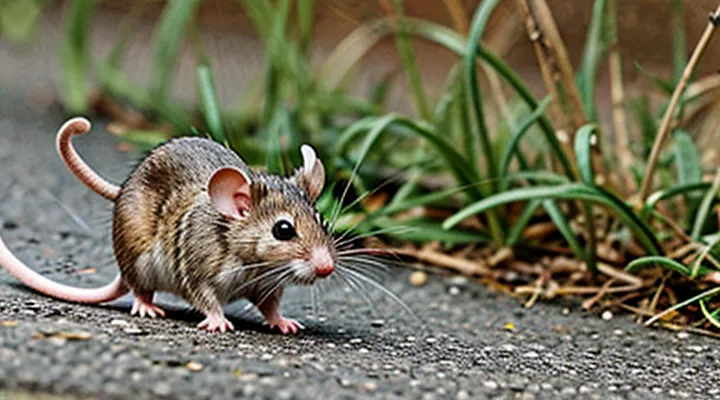
Understanding Musophobia: The Fear of Mice
What is Musophobia?
Musophobia, also known as mouse phobia, is an intense, irrational fear of mice that triggers a strong emotional and physiological response. The condition falls under the broader category of specific phobias, which are characterized by persistent anxiety when encountering the feared stimulus.
Typical manifestations include rapid heartbeat, sweating, trembling, shortness of breath, and an overwhelming urge to avoid any situation where a mouse might appear. Behavioral reactions often involve fleeing the area, freezing, or seeking reassurance from others. The fear may extend to images, sounds, or even the mere thought of mice.
Research identifies several contributing factors:
- Genetic predisposition to anxiety disorders.
- Early negative experiences involving mice, such as being startled or bitten.
- Observational learning, where a child adopts fear after seeing a caregiver react anxiously.
- Cultural influences that portray mice as pests or symbols of disease.
Prevalence estimates suggest that specific animal phobias affect roughly 5–7 % of the adult population, with musophobia representing a smaller but notable subset. Diagnosis follows standard criteria for specific phobias: the fear is disproportionate to the actual danger, persistent for six months or more, and interferes with daily functioning.
Effective interventions, recommended by mental‑health professionals, include:
- Gradual exposure therapy, beginning with low‑intensity stimuli (e.g., pictures) and progressing to real‑world encounters.
- Cognitive restructuring to challenge irrational beliefs about mice and associated risks.
- Relaxation techniques, such as diaphragmatic breathing, to mitigate autonomic arousal during exposure.
- In some cases, short‑term pharmacotherapy to reduce acute anxiety symptoms.
Understanding musophobia’s definition, symptoms, and evidence‑based treatments provides a foundation for overcoming the fear and reducing its impact on everyday life.
Common Causes and Triggers
Learned Behaviors and Childhood Experiences
Research shows that fear of mice often originates from associative learning during early childhood. Repeated exposure to negative reactions—such as a caregiver’s alarm when a mouse appears—creates a conditioned response that persists into adulthood. Similarly, stories or media portraying rodents as dangerous reinforce the aversion, embedding it in the child’s cognitive schema.
Psychologists identify several mechanisms by which these early experiences solidify the fear. First, observational learning transfers the adult’s emotional reaction to the child. Second, classical conditioning pairs the presence of a mouse with heightened physiological arousal. Third, avoidance behavior prevents corrective experiences, maintaining the anxiety cycle.
Practical recommendations for reducing mouse-related anxiety:
- Gradual exposure: begin with pictures of mice, progress to videos, then to controlled, brief encounters with a live rodent.
- Cognitive restructuring: challenge catastrophic thoughts (“all mice carry disease”) with factual information about rodent biology and low transmission risk.
- Relaxation training: employ diaphragmatic breathing or progressive muscle relaxation during exposure sessions to lower autonomic arousal.
- Parental modeling: caregivers demonstrate calm behavior when a mouse is present, providing a non‑threatening reference point for the child.
Consistent application of these techniques, monitored by a qualified therapist, can rewire the learned fear response and promote lasting confidence around rodents.
Media Portrayals and Cultural Influences
Media consistently present mice as symbols of disease, chaos, or comic menace. Television cartoons amplify exaggerated squeaking and frantic escape scenes, reinforcing an association between rodents and danger. Horror films often depict mice as vectors of plague, prompting visceral reactions that persist beyond the screen. Advertising campaigns occasionally employ mice to suggest uncleanliness, further entrenching negative perceptions.
Cultural narratives echo these portrayals. Folklore from various regions describes mice as omens of misfortune, while children's literature frequently casts them as antagonists rather than neutral animals. Such stories transmit fear cues across generations, establishing a baseline of aversion that psychologists must address when offering coping strategies.
Research indicates that repeated exposure to these depictions heightens amygdala activity when individuals encounter real mice. Studies comparing participants raised with neutral or positive rodent imagery to those exposed to hostile media report a measurable reduction in physiological stress markers among the former group.
Practical implications for anxiety reduction include:
- Selecting films, books, or games that depict mice in benign or beneficial roles.
- Encouraging media literacy programs that dissect sensationalist rodent portrayals.
- Introducing culturally diverse stories where mice serve as helpers or neutral characters.
By reshaping the visual and narrative environment, professionals can diminish learned fear responses and support more rational attitudes toward these small mammals.
Biological Predisposition and Anxiety Disorders
Fear of mice often reflects a broader pattern of anxiety that can be traced to genetic and neurobiological factors. Research identifies several mechanisms that predispose individuals to heightened fear responses.
- Polymorphisms in the COMT and SLC6A4 genes affect dopamine and serotonin regulation, influencing baseline anxiety levels.
- Hyperactivity of the amygdala amplifies threat detection, while reduced connectivity with the prefrontal cortex impairs inhibitory control.
- Elevated cortisol release during stress reinforces fear conditioning, making mouse‑related cues more salient.
These biological traits interact with environmental triggers. Early exposure to rodents, traumatic encounters, or observational learning can consolidate neural pathways that label mice as dangerous. When the underlying predisposition aligns with such experiences, the result is an anxiety disorder characterized by persistent avoidance, physiological arousal, and intrusive thoughts about mice.
Psychological interventions target these mechanisms. Cognitive‑behavioral techniques aim to rewire amygdala‑prefrontal circuits by gradually exposing individuals to mouse‑related stimuli while providing coping strategies. Pharmacological options, such as selective serotonin reuptake inhibitors, modulate neurotransmitter systems implicated in the genetic profile. Combining exposure therapy with medication addresses both the learned fear and the neurochemical basis, reducing overall anxiety and diminishing the specific phobia of mice.
The Psychological Impact of Musophobia
Musophobia, the specific fear of mice, triggers a cascade of mental and physiological responses that extend beyond the immediate encounter. When a person perceives a mouse, the amygdala activates, releasing stress hormones such as cortisol and adrenaline. This surge heightens alertness, accelerates heart rate, and can precipitate panic attacks in susceptible individuals. Chronic exposure to such episodes reinforces neural pathways associated with threat detection, solidifying the fear response and reducing tolerance for unrelated stressors.
The condition also shapes cognitive patterns. Affected individuals often overestimate the likelihood of mouse encounters, leading to hypervigilance and avoidance behaviors. Such mental shortcuts bias decision‑making, causing disproportionate allocation of attention to minor cues (e.g., rustling sounds) while neglecting more pertinent information. Over time, this attentional distortion can impair academic performance, workplace productivity, and social interaction.
Psychologists recommend several evidence‑based strategies to mitigate these effects:
- Systematic desensitization: Gradual exposure to mouse‑related stimuli, paired with relaxation techniques, weakens the fear circuitry.
- Cognitive restructuring: Identifying and challenging irrational beliefs about mice reduces catastrophic thinking.
- Mindfulness training: Focusing on present‑moment sensations diminishes automatic threat appraisal.
- Applied relaxation: Practicing muscle‑tension release during exposure lowers physiological arousal.
Implementing these interventions can recalibrate the stress response, restore balanced attentional focus, and improve overall mental health for individuals burdened by musophobia.
Strategies for Overcoming Fear: Psychologists' Recommendations
Cognitive Behavioral Therapy (CBT) Techniques
Identifying and Challenging Irrational Thoughts
Understanding the mental patterns that sustain mouse anxiety is the first step toward relief. When a person encounters a mouse, the brain often generates automatic thoughts such as “mice will bite me,” “they carry disease,” or “I cannot control my reaction.” These statements are typically exaggerated, lack factual support, and amplify fear.
To dismantle such thoughts, psychologists recommend a systematic approach:
- Record the trigger – Note the situation, the exact thought, and the emotional intensity on a scale of 0‑100.
- Examine evidence – Ask whether the thought is backed by reliable data. For instance, most house mice are harmless and rarely bite.
- Identify distortion – Recognize common biases: catastrophizing, overgeneralization, or labeling (“I’m a coward because I’m scared of mice”).
- Formulate an alternative – Replace the irrational claim with a balanced statement, such as “Mice may be unexpected, but they pose minimal risk, and I can handle the situation calmly.”
- Test the new belief – Gradually expose yourself to mild mouse-related scenarios while monitoring anxiety levels. Reassess the thought after each exposure.
Consistent practice of these steps reduces the emotional charge attached to mouse encounters. By confronting and revising unfounded beliefs, individuals gain control over their reactions, enabling them to coexist with small rodents without excessive dread.
Gradual Exposure Therapy: A Step-by-Step Approach
Gradual exposure therapy reduces mouse-related anxiety by systematically desensitizing the individual to the feared stimulus. The method relies on repeated, controlled encounters that increase in intensity, allowing the nervous system to adjust without triggering panic.
The process follows a clear sequence:
- Identify baseline tolerance – record the most tolerable mouse-related situation (e.g., viewing a picture).
- Create a hierarchy – list scenarios from least to most threatening (photo, video, toy mouse, live mouse in a cage, mouse in the same room).
- Begin exposure at the lowest level – spend several minutes observing the chosen stimulus while maintaining calm breathing.
- Monitor physiological response – note heart rate, muscle tension, and subjective distress; pause if levels exceed a predetermined threshold.
- Progress to the next step – only advance after the current level produces minimal discomfort for at least two consecutive sessions.
- Incorporate coping techniques – use relaxation, mindfulness, or cognitive restructuring during each exposure to reinforce control.
- Consolidate gains – repeat higher‑level exposures until distress diminishes consistently, then integrate occasional unplanned encounters to prevent relapse.
Consistent application of these steps produces lasting reduction in mouse fear, enabling individuals to interact with rodents in everyday settings without excessive stress.
Imaginal Exposure
Imaginal exposure is a cognitive‑behavioral technique that directs clients to conjure vivid mental images of the feared stimulus—in this case, mice—while maintaining emotional distance. By repeatedly visualizing the scenario without engaging in avoidance, the brain learns that the imagined encounter does not produce the anticipated danger, thereby weakening the fear response.
The typical protocol includes:
- Selecting a detailed script that describes a mouse‑related situation (e.g., spotting a mouse in a kitchen).
- Instructing the client to close eyes, breathe steadily, and picture the scene for a predetermined duration (often 5–10 minutes).
- Monitoring anxiety levels using a rating scale at the start, midpoint, and end of each session.
- Repeating the exercise across multiple sessions until anxiety ratings show a consistent decline.
Empirical studies report that imaginal exposure reduces phobic intensity comparable to in‑vivo methods, with lower dropout rates due to the absence of direct animal contact. Meta‑analyses confirm measurable decreases in physiological arousal and self‑reported fear after a series of guided imaginal sessions.
For individuals practicing independently, clinicians advise:
- Recording the script beforehand to ensure consistency.
- Scheduling sessions at the same time each day to build routine.
- Pairing the exercise with relaxation techniques such as progressive muscle relaxation to enhance tolerance of discomfort.
In Vivo Exposure
In‑vivo exposure involves confronting real mice in a controlled setting rather than relying on imagined scenarios. The method aims to weaken the automatic fear response by repeatedly pairing the presence of a mouse with a safe, non‑threatening experience.
When applied to mouse phobia, the therapist selects a gradual hierarchy of encounters, beginning with low‑intensity stimuli such as viewing pictures of mice, then progressing to observing a mouse in a transparent container, and finally handling a live mouse under supervision. Repeated exposure at each level reduces anxiety, allowing the individual to develop tolerance and confidence.
- Identify personal fear triggers and rank them from least to most distressing.
- Begin with the least threatening stimulus; remain in the situation until anxiety drops to a manageable level.
- Record subjective anxiety ratings after each session to track progress.
- Advance to the next step only when the previous level is consistently tolerated.
- Conduct sessions regularly, ideally several times per week, to reinforce learning.
Successful implementation results in diminished physiological arousal, fewer avoidance behaviors, and increased willingness to interact with rodents in everyday contexts. The process requires professional guidance to ensure safety, maintain ethical standards, and adjust the exposure plan according to individual response patterns.
Relaxation Techniques During Exposure
Relaxation techniques applied while confronting mice help diminish physiological arousal and prevent panic. By pairing exposure with controlled breathing, muscle relaxation, and mental imagery, individuals can rewire the fear response.
Deep breathing focuses on slow, diaphragmatic inhalations followed by equal‑length exhalations. Counting to four on the inhale and to six on the exhale steadies heart rate and signals safety to the nervous system.
Progressive muscle relaxation involves sequential tensing and releasing of major muscle groups—starting with the shoulders, moving down to the forearms, then the hands. The contrast between tension and release heightens body awareness and reduces tension that often accompanies anxiety.
Guided imagery replaces the mental picture of a threatening mouse with a neutral or pleasant scene. Visualizing a calm garden or a quiet library while a mouse is present shifts attention away from the perceived danger.
Combining these methods during graded exposure yields measurable benefits:
- Lowered cortisol levels measured after repeated sessions.
- Decreased avoidance behavior, allowing longer interaction periods.
- Faster habituation, evident in reduced startle reflexes.
Practitioners advise a brief relaxation routine (2‑3 minutes) before each exposure, a pause for re‑centering during moments of heightened distress, and a final cooldown to consolidate the calm state. Consistent practice integrates the techniques into the individual’s coping repertoire, making encounters with rodents progressively less threatening.
Mindfulness and Stress Reduction
Breathing Exercises for Calmness
Breathing techniques provide a reliable method for reducing the physiological response that accompanies the sight of a mouse. Controlled respiration lowers heart rate, diminishes adrenal output, and creates a mental environment where fear loses its intensity.
Practitioners recommend the following steps:
- Box breathing – inhale for four counts, hold for four, exhale for four, hold for four; repeat five cycles.
- 4‑7‑8 method – inhale through the nose for four seconds, retain breath for seven seconds, exhale slowly for eight seconds; perform three repetitions.
- Diaphragmatic breathing – place a hand on the abdomen, draw air deep into the belly rather than the chest, exhale fully; continue for two minutes.
Each exercise should be performed before encountering a mouse or when anxiety spikes. Consistency—daily practice for ten minutes—strengthens the nervous system’s ability to stay calm under stress.
Research indicates that regular use of these patterns reduces cortisol levels and improves tolerance to small‑animal triggers. Incorporating breathing drills into routine preparation equips individuals with a practical tool to manage mouse‑related fear without reliance on medication or avoidance strategies.
Grounding Techniques
Grounding techniques help shift attention from an imagined threat to present‑moment sensations, reducing the physiological surge that accompanies mouse‑related anxiety. By anchoring the mind in concrete sensory input, these methods interrupt the automatic fear response and create a sense of safety.
- 5‑4‑3‑2‑1 exercise: Identify five visual details, four tactile sensations, three auditory cues, two olfactory notes, and one taste impression. The systematic inventory redirects focus away from the mouse stimulus.
- Deep‑breath pause: Inhale for a count of four, hold for two, exhale for six. Repeating this cycle three times steadies heart rate and lowers cortisol release.
- Physical contact grounding: Hold a textured object—such as a stress ball or a smooth stone—while observing a mouse from a distance. The tactile feedback competes with the fear circuitry.
- Temperature check: Touch a cold or warm surface (e.g., a metal spoon or a heated pad) and note the temperature. The direct bodily sensation provides an immediate counterpoint to imagined danger.
- Movement reset: Stand, stretch arms overhead, then slowly lower them while feeling the pressure of the floor under the feet. The deliberate motion signals to the brain that the environment is under control.
Implementing these steps before encountering a mouse, or during a sudden spike of dread, creates a reliable mental anchor. Consistent practice builds neural pathways that favor calm appraisal over reflexive panic, enabling individuals to coexist with rodents without overwhelming fear.
Practical Tips for Managing Mouse Encounters
Creating a Safe and Controlled Environment
Psychologists advise that a well‑structured living space can diminish fear of mice by removing uncertainty and limiting unexpected encounters.
- Keep food storage sealed; rodents are attracted to accessible crumbs and open containers.
- Install physical barriers such as door sweeps and window screens to prevent entry.
- Maintain a clutter‑free floor; clear pathways reduce hiding spots and make any sighting more predictable.
- Use low‑noise lighting; bright, steady illumination discourages nocturnal activity and improves visual confidence.
Regularly inspect potential entry points and repair gaps promptly. Document any sightings, noting location and time, to identify patterns and adjust preventive measures. Reinforce successful avoidance behaviors by rewarding calm responses during controlled exposure exercises. This systematic approach creates a predictable environment, limiting the triggers that amplify mouse‑related anxiety.
Seeking Professional Help
Professional intervention provides structured, evidence‑based methods for reducing mouse‑related anxiety. Psychologists assess the severity of the fear, identify triggers, and design a treatment plan that may include exposure therapy, cognitive restructuring, or relaxation training. The clinician’s expertise ensures that progress is measured, setbacks are addressed promptly, and coping skills are reinforced.
Typical components of therapeutic assistance include:
- Diagnostic interview to clarify the nature of the phobia and rule out underlying conditions.
- Gradual exposure beginning with imagined scenarios, advancing to controlled visual or tactile contact, and culminating in real‑world encounters.
- Cognitive techniques that challenge irrational beliefs about mice and replace them with realistic appraisals.
- Skill development such as breathing exercises, mindfulness, and self‑talk strategies to manage physiological responses.
Engaging a qualified therapist eliminates trial‑and‑error experimentation, accelerates desensitization, and equips individuals with durable tools for future encounters. The systematic approach reduces avoidance behavior and promotes confidence when mice appear in everyday environments.
Maintaining Progress and Preventing Relapse
Consistent exposure remains the cornerstone of lasting change. After initial desensitization sessions, schedule brief encounters with mice at regular intervals—once weekly for the first month, then monthly as confidence grows. Each session should involve a controlled environment, a clear objective, and a predetermined duration to reinforce safety cues.
To safeguard progress, adopt a monitoring routine. Record the intensity of anxiety before, during, and after each encounter, noting any emerging patterns. When scores rise above baseline, increase the frequency of exposure or introduce a supportive coping technique before the next session.
Practical tools for relapse prevention include:
- Cognitive restructuring – replace catastrophic thoughts (“mice will bite”) with evidence‑based statements (“most mice avoid humans”).
- Relaxation drills – practice diaphragmatic breathing or progressive muscle relaxation immediately before exposure.
- Cue exposure – simulate peripheral triggers (e.g., seeing a mouse silhouette) without full contact to diminish anticipatory fear.
- Support network – enlist a trusted friend or therapist to observe sessions, providing external accountability.
Develop a written relapse‑prevention plan. Outline warning signs, specify corrective actions, and assign timelines for review. Review the plan quarterly, adjusting strategies in response to new data. Consistent documentation, deliberate practice, and structured support together create a resilient barrier against the return of mouse‑related anxiety.