
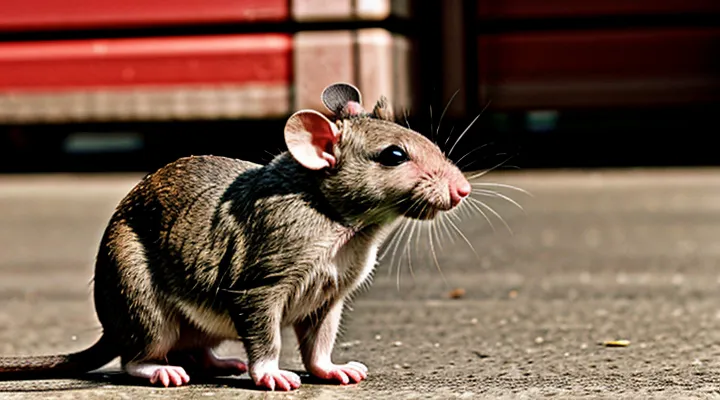
The Basics of Dumbo Rat Weight
Average Weight Ranges for Male Dumbo Rats
Male Dumbo rats usually fall within a specific weight interval that distinguishes them from other fancy rat varieties. Adult males, fully mature at eight to ten weeks, commonly weigh between 300 g and 450 g. The distribution of weights can be expressed as follows:
- Minimum observed weight: ~280 g (young adults nearing maturity)
- Median weight: ~375 g (average adult)
- Maximum observed weight: ~460 g (large individuals with robust bone structure)
Several factors influence where an individual male lands within this range. Genetics determines baseline size; breeding lines selected for larger ears often exhibit slightly higher body mass. Nutrition plays a direct role—high‑protein diets and balanced micronutrients support optimal growth, while calorie‑restricted feeding can keep weights near the lower end. Environmental conditions, such as cage size and enrichment, affect activity levels; more active rats tend to maintain leaner body composition, resulting in modestly reduced mass. Health status also matters: respiratory infections or gastrointestinal disturbances can cause temporary weight loss, whereas chronic conditions like obesity push weights toward the upper limit.
Understanding these parameters enables caretakers to assess whether a male Dumbo rat falls within normal limits or requires nutritional or veterinary intervention. Regular weighing, combined with observation of coat quality and behavior, provides a reliable metric for maintaining optimal health.
Average Weight Ranges for Female Dumbo Rats
Factors Influencing Female Dumbo Rat Weight
Female Dumbo rats exhibit weight variations that stem from several measurable factors. Genetic background determines baseline body mass; strains selectively bred for larger size consistently surpass those maintained for smaller stature. Nutrition directly alters weight: high‑calorie pelleted diets increase adipose tissue, while fiber‑rich formulations stabilize lean mass. Age correlates with weight trajectory, with juveniles gaining rapidly until sexual maturity, after which growth plateaus. Reproductive status exerts a pronounced effect; pregnant or lactating females gain additional mass to support fetal development and milk production, whereas post‑weaning females may lose weight during estrous cycles. Health conditions such as respiratory infections, gastrointestinal disorders, or metabolic diseases can cause unintended weight loss or gain, depending on disease severity and treatment. Housing environment influences energy expenditure; enriched cages that encourage climbing and exploration promote higher activity levels, reducing fat accumulation compared to confined spaces. Stressors, including overcrowding or inconsistent lighting, can disrupt hormonal regulation and modify appetite, thereby affecting body weight.
Factors Affecting Dumbo Rat Weight
Age and Development Stages
Weight at Weaning
Dumbo rats are weaned at approximately 21 days of age. At this stage, average body mass falls within a narrow range, typically between 30 g and 45 g. Males tend toward the upper end of the interval, while females cluster nearer the lower end. Variability reflects genetic line, litter size, and nutritional regimen provided during the suckling period.
Standard laboratory protocols record the following benchmarks for weaning weight:
- Minimum acceptable weight: 28 g
- Target weight for experimental consistency: 35 g ± 5 g
- Maximum acceptable weight: 48 g
Weights outside this spectrum may indicate health concerns, inadequate maternal care, or suboptimal feeding conditions and generally require veterinary assessment before proceeding with post‑weaning studies.
Adult Weight Development
Adult Dumbo rats reach a stable body mass after the rapid growth phase of the first eight weeks. Empirical measurements from multiple breeding colonies indicate a consistent weight window for fully mature individuals.
- Males: 350–420 g
- Females: 320–380 g
Weight variation correlates with genetic line, diet composition, and housing temperature. Standard laboratory chow providing 3.5 kcal g⁻¹ supports the upper end of the range, while reduced‑calorie formulations shift averages downward by approximately 15 %. Ambient temperature below 20 °C induces thermoregulatory stress, resulting in a 5–10 % decrease in final mass.
Growth curves show a sigmoidal pattern: a steep increase from birth to post‑natal day 21, followed by a plateau phase beginning around day 56. During the plateau, daily weight gain falls below 0.5 g, indicating the transition to maintenance metabolism.
Comparative data place adult Dumbo rats slightly heavier than standard Sprague‑Dawley males (≈300 g) but lighter than larger strains such as the Wistar (≈450 g). This relative size difference reflects selective breeding for ear morphology rather than overall somatic growth.
Diet and Nutrition's Role
Impact of High-Fat Foods
High‑fat nutrition directly alters the body mass of the laboratory rat strain known for its enlarged ears. When these rodents receive diets containing 45–60 % calories from fat, average body weight increases by 20–35 % compared with standard chow. The gain results from elevated adipocyte size, enhanced lipid storage, and reduced basal metabolic rate.
Key physiological changes observed under high‑fat feeding include:
- Hyperleptinemia, reflecting expanded fat depots.
- Insulin resistance manifested by elevated fasting glucose.
- Hepatic steatosis detectable through histological analysis.
- Altered gut microbiota composition, favoring Firmicutes over Bacteroidetes.
These outcomes provide a reliable model for studying obesity‑related disorders. Researchers can quantify the weight shift in dumbo‑ear rats to assess the efficacy of dietary interventions, pharmacological agents, or genetic modifications aimed at mitigating the adverse effects of excessive dietary fat.
Importance of Balanced Diets
A balanced diet supplies essential nutrients in the proportions required for optimal physiological function. Adequate protein, carbohydrates, fats, vitamins, and minerals support tissue growth, immune response, and metabolic efficiency. In laboratory rodents such as the Dumbo rat, precise nutrient composition directly influences body mass, which typically ranges between 250 and 300 grams for a healthy adult. Deviations from a well‑structured diet cause measurable changes in weight and health markers.
Key outcomes of maintaining nutritional equilibrium include:
- Stable body weight aligned with species‑specific norms
- Enhanced reproductive performance and litter viability
- Reduced incidence of metabolic disorders, such as obesity and insulin resistance
- Improved cognitive function and stress resilience
Nutrient imbalances trigger compensatory mechanisms that alter energy storage and expenditure. Excess caloric intake elevates adipose tissue, while deficiencies impair organ development and hormone regulation. Monitoring dietary intake enables researchers to predict weight fluctuations and adjust feeding protocols accordingly.
Implementing a structured feeding regimen—daily portion control, periodic nutrient analysis, and inclusion of diverse food sources—ensures that the physiological demands of the Dumbo rat are met without excess. Consistency in diet composition translates to reliable experimental data and promotes animal welfare.
Genetics and Breeding
Heritable Traits in Dumbo Rats
Dumbo rats are a laboratory strain distinguished by exaggerated pinna size, a phenotype maintained through selective breeding. Their genetic profile includes several traits that pass reliably from parents to offspring, influencing both physical characteristics and experimental utility.
Weight in adult Dumbo rats typically falls between 250 g and 350 g, with a narrow standard deviation when littermates are reared under identical conditions. Quantitative genetic analysis estimates the heritability coefficient for body mass at approximately 0.45, indicating that nearly half of the observed variance derives from additive genetic factors rather than environmental fluctuations.
Other consistently inherited attributes include:
- Ear length – controlled by a major locus with dominant expression; offspring inherit the enlarged pinna when at least one parent carries the allele.
- Coat coloration – governed by multiple alleles at the agouti and albino loci; predictable patterns emerge across generations.
- Stress reactivity – measurable through corticosterone response; moderate heritability suggests a genetic component to baseline anxiety levels.
- Reproductive cycle timing – estrous interval length shows a heritability estimate of 0.38, facilitating scheduling of breeding programs.
Understanding these heritable factors enables precise colony management, reduces variability in weight‑related studies, and supports the selection of individuals that meet specific experimental criteria.
Influence of Parental Size
Parental size directly affects the body mass of offspring in Dumbo rats. Larger mothers provide greater uterine space and increased nutrient transfer during gestation, resulting in pups that begin life with higher birth weights. Similarly, sizable fathers contribute more robust sperm, which correlates with enhanced embryonic development and larger initial size.
Research on laboratory colonies shows a measurable trend:
- Litters from mothers in the top 25 % of body length produce pups averaging 12 % greater weight than those from the smallest 25 % of females.
- Paternal body mass in the highest quartile is associated with a 9 % increase in offspring weight, independent of maternal size.
- Combined parental size effects can raise average pup weight by up to 20 % compared to pairs where both parents are below median size.
These patterns indicate that the genetic and physiological contributions of both parents establish the baseline weight of a Dumbo rat, which subsequently influences growth rates and adult mass.
Activity Levels and Exercise
Benefits of Playtime
Considering the typical mass of a Dumbo rat, regular play sessions directly affect its physical condition. Engaging in active play promotes muscle development, supports healthy weight regulation, and enhances overall vitality.
- Muscle fibers strengthen through varied movements, reducing the risk of atrophy.
- Caloric expenditure during play helps maintain a weight range appropriate for the animal’s size.
- Sensory stimulation during interactive activities encourages neural connectivity.
- Social interaction within group play fosters hierarchical stability and reduces stress indicators.
- Cardiovascular function improves as heart rate elevates briefly during exertion, contributing to better circulation.
Consistent playtime therefore serves as a practical strategy for managing the Dumbo rat’s mass while simultaneously advancing physiological and behavioral health.
Effects of Restricted Movement
Restricted movement markedly alters the body composition of a Dumbo rat, thereby affecting any assessment of its mass. When locomotion is limited, skeletal muscle undergoes rapid atrophy, reducing lean tissue proportion. Simultaneously, reduced energy expenditure promotes adipose accumulation, increasing total body weight without corresponding functional improvement.
Key physiological changes observed under confinement include:
- Decrease in muscle fiber cross‑sectional area
- Elevation of circulating corticosterone levels
- Reduction in bone mineral density
- Shift toward a higher fat‑to‑lean mass ratio
- Slowed basal metabolic rate
Researchers measuring a Dumbo rat’s weight must account for these alterations. Data collected from animals housed in restricted environments tend to overestimate typical mass due to excess fat and underestimate functional capacity because of muscle loss. Accurate weight profiling therefore requires either unrestricted housing conditions or the application of correction factors derived from comparative studies between mobile and confined cohorts.
Health Considerations and Weight Fluctuations
Illnesses That Cause Weight Loss
When evaluating the typical mass of a Dumbo rat, health status must be considered because several diseases directly reduce body weight.
Common conditions that trigger weight loss in rodents include:
- Parasitic infestations – intestinal worms, protozoa, and ectoparasites consume nutrients and impair absorption.
- Chronic renal disease – progressive kidney failure leads to proteinuria, dehydration, and muscle wasting.
- Gastrointestinal ulceration – persistent bleeding and reduced appetite lower caloric intake.
- Neoplastic disorders – malignant tumors increase metabolic demand and often cause anorexia.
- Endocrine disorders – hyperthyroidism (rare in rats) and insulinoma elevate basal metabolic rate, accelerating catabolism.
- Infectious agents – bacterial sepsis, viral infections (e.g., Sendai virus) and fungal diseases provoke systemic inflammation and appetite loss.
Weight measurements taken without accounting for these illnesses may underestimate the normal body mass of a Dumbo rat. Regular health examinations, fecal analysis, and blood chemistry panels help identify underlying pathology. Adjusting feeding regimens and providing therapeutic interventions can restore body condition, allowing more accurate assessment of the species’ expected weight range.
Conditions Leading to Weight Gain
The mass of a Dumbo rat can increase markedly when specific factors combine. Understanding these factors clarifies why some individuals exceed typical weight ranges.
- Calorie‑dense diet: continuous access to high‑fat or sugary foods supplies excess energy.
- Overfeeding: generous portion sizes or frequent treats raise daily caloric intake beyond metabolic needs.
- Limited physical activity: cages lacking enrichment or exercise wheels reduce locomotion and energy expenditure.
- Genetic predisposition: lines selected for larger size or robust growth exhibit higher baseline weight.
- Hormonal disorders: conditions such as hypothyroidism slow metabolism, causing gradual accumulation of fat.
- Age progression: mature rats experience slower basal metabolic rates, making weight gain more likely.
- Reproductive status: neutered or spayed individuals often display reduced activity and altered hormone profiles that favor fat storage.
- Ambient temperature: warm environments decrease thermogenic demand, allowing surplus calories to be stored.
These elements interact; a diet rich in calories coupled with minimal exercise produces the most pronounced weight gain. Monitoring feed quantity, providing regular exercise opportunities, and assessing health status mitigate excessive mass increases in Dumbo rats.
Maintaining a Healthy Weight for Your Dumbo Rat
Monitoring Your Rat's Weight
Regular Weigh-Ins
Regular weigh‑ins provide the most reliable data for establishing the average mass of a Dumbo rat. Consistent timing, equipment calibration, and handling techniques reduce variability and allow researchers to track growth patterns and health status accurately.
Key elements of an effective weigh‑in protocol:
- Schedule weigh‑ins at the same time of day, preferably during the animal’s resting phase, to minimize metabolic fluctuations.
- Use a calibrated digital scale with a sensitivity of at least 0.01 g; tare the container before each measurement.
- Gently place the rat in a lightweight, non‑absorbent holder to prevent stress‑induced weight changes.
- Record weight to the nearest gram, noting the animal’s age, sex, and any recent dietary adjustments.
- Repeat the measurement three times and calculate the mean value to improve precision.
Aggregating these data across multiple sessions yields a robust estimate of the typical weight range for Dumbo rats, supporting breeding decisions, health monitoring, and comparative studies.
Recognizing Healthy Body Shapes
A dumbo rat’s typical mass ranges from 250 g to 350 g, with mature females often slightly lighter than males. Accurate assessment of body condition requires comparison of actual weight to this species‑specific benchmark and visual evaluation of shape.
Key indicators of a healthy silhouette:
- Rounded abdomen that follows the contour of the ribcage without protruding fat pads.
- Defined waistline where the torso narrows between the forelimbs and hindquarters.
- Firm, elastic skin that returns quickly after gentle pinching.
- Even distribution of muscle mass along the back and limbs.
When an individual falls below the lower weight threshold, the abdomen may appear sunken, ribs become visible, and muscle tone diminishes. Exceeding the upper limit often produces a distended belly, softened skin, and reduced agility. Regular weighing, combined with the visual criteria above, enables caretakers to detect deviations early and adjust diet or veterinary care accordingly.
Dietary Recommendations for Optimal Weight
Appropriate Food Portions
Dumbo rats typically weigh between 250 g and 350 g when fully mature. Their size influences caloric needs, which must be matched to maintain health and support growth.
Food portions are calculated as a percentage of body mass. For rodents of this size, a daily intake of 5‑7 % of their weight in fresh, nutritionally balanced feed is appropriate. This translates to 12.5‑24.5 g of food per day, depending on the individual’s exact weight and activity level.
Guidelines for portion sizing:
- 250 g rat: 12.5‑15 g (5‑6 % of body weight)
- 300 g rat: 15‑18 g (5‑6 % of body weight)
- 350 g rat: 18‑24.5 g (5‑7 % of body weight)
Adjustments should be made for seasonal changes, breeding status, or health conditions. Monitoring body condition and weight weekly ensures portions remain suitable.
Recommended Types of Pellets and Treats
When feeding a Dumbo rat, choose nutritionally balanced pellets that support its modest body mass, typically ranging between 150 g and 250 g for an adult. High‑quality pellets should contain at least 15 % protein, 5 % fat, and a blend of vitamins and minerals without excessive fillers.
- Standard laboratory‑grade pellets: Certified rodent formulations, low in wheat germ, with stable nutrient profiles; suitable for routine maintenance.
- High‑protein breeding pellets: Formulated with 18–20 % protein and added calcium; recommended for pregnant or lactating individuals.
- Low‑fat maintenance pellets: Contain 3–4 % fat, ideal for preventing obesity in sedentary rats.
Treats must complement, not replace, the primary diet. Select items that are small, low‑calorie, and free of artificial sweeteners.
- Sunflower seeds (unsalted, shelled): Provide essential fatty acids; limit to 1–2 seeds per week.
- Dried insect larvae (e.g., mealworms): Rich in protein and chitin; offer 1–2 g weekly.
- Fresh vegetables: Baby carrots, broccoli florets, or kale leaves; serve 5–10 g per day, trimmed to bite‑size pieces.
- Fruit cubes (apple, pear): Low‑sugar varieties; restrict to 2–3 g twice weekly.
Rotate pellet types periodically to prevent nutrient deficiencies, and introduce treats in modest amounts to maintain a healthy weight range. Monitor body condition regularly; any deviation from the expected weight interval warrants dietary adjustment.
Encouraging Physical Activity
Cage Enrichment Ideas
Understanding the average mass of a Dumbo rat—approximately 250–350 grams—helps determine appropriate cage enrichment. Items must be sized to prevent accidental ingestion and to support the animal’s physical capabilities.
- Provide chewable branches or wooden dowels at least 5 cm in diameter; the rat can comfortably grip and gnaw without risking dental injury.
- Install climbing platforms positioned 8–10 cm above the cage floor; the height matches the rat’s reach while allowing safe descent.
- Offer tunnels with internal diameters of 2–3 cm; these dimensions accommodate the rat’s body while encouraging exploratory behavior.
- Include nesting material such as shredded paper or cotton rolls; a volume of 30–40 ml supplies sufficient bulk for construction of nests appropriate to the animal’s weight.
- Attach small hanging toys (e.g., plastic balls) using sturdy cords that can support up to 400 g; the load limit exceeds the rat’s weight, ensuring durability.
Rotating these elements weekly maintains novelty and prevents habituation. Monitoring the rat’s interaction with each item confirms suitability; any signs of distress indicate the need for size adjustment or removal. Properly scaled enrichment contributes to physical health, mental stimulation, and overall welfare.
Out-of-Cage Play
Dumbo rats, a variety of fancy rats distinguished by oversized ears, typically weigh between 300 g and 500 g when housed exclusively in a cage. Their mass reflects genetics, diet, and activity level, all of which can shift noticeably during periods of unrestricted movement.
Out‑of‑cage play provides a controlled environment where rats can explore, climb, and run on larger surfaces. The increased locomotion raises metabolic demand, prompting short‑term weight fluctuations of up to 5 % within a single session. These changes result from fluid loss through respiration and perspiration, as well as the consumption of additional calories during vigorous activity.
Accurate weight assessment therefore requires timing measurements relative to play periods. Recording mass immediately after a play session captures a lower value, while weighing before activity yields a baseline more representative of the animal’s resting condition. Consistency in measurement protocol eliminates variability caused by transient physiological responses.
Guidelines for reliable weighing in the context of out‑of‑cage play:
- Schedule weigh‑ins at the same time of day, preferably after a 12‑hour fasting period to reduce digestive weight.
- Allow a 30‑minute rest interval following play before using a calibrated digital scale.
- Record body condition scores alongside weight to differentiate muscle gain from fat accumulation.
- Maintain a log of play duration, intensity, and environmental temperature for correlation with weight trends.
Applying these practices ensures that the mass of a Dumbo rat is evaluated with precision, despite the influence of unrestricted exercise.
When to Consult a Veterinarian
Signs of Underweight
Underweight Dumbo rats display physical and behavioral indicators that differ from normal growth patterns. Recognizing these signs enables timely nutritional intervention and prevents further health complications.
A healthy adult Dumbo rat generally weighs between 300 and 500 grams, depending on genetics, sex, and diet. Individuals consistently below this range, especially when weight loss exceeds 10 % of the expected body mass, warrant closer observation.
Typical manifestations of insufficient body condition include:
- Prominent ribs, spine, and hip bones that are easily felt through thin skin.
- Diminished muscle tone, particularly along the hind limbs and tail base.
- Sparse, dull fur that lacks the usual sheen and may appear patchy.
- Reduced activity levels, lethargy, or reluctance to explore the cage.
- Decreased food intake or irregular feeding patterns, sometimes accompanied by excessive grooming.
Assessment should combine visual inspection with regular weighing on a calibrated scale. Record measurements weekly; a downward trend persisting for more than two weeks signals a nutritional deficit. Adjust the diet to include higher‑calorie foods, such as fortified pellets or small amounts of seed mixes, and monitor for weight stabilization within the normal range. If signs persist despite dietary changes, veterinary consultation is advisable to rule out underlying disease.
Signs of Overweight
Dumbo rats that exceed their optimal body mass display several observable characteristics.
- Rounded abdomen that protrudes beyond the ribcage, creating a noticeable bulge when viewed from above.
- Reduced mobility, manifested as slower movement, reluctance to climb, or difficulty navigating vertical surfaces.
- Fat deposits around the tail base and hindquarters, giving a thickened appearance to the posterior region.
- Increased difficulty in grooming, often resulting in a dull or matted coat in areas where excess fat hinders reach.
- Elevated resting heart rate and respiration, detectable during a calm observation period.
These indicators help differentiate a rat that is merely large from one that is carrying excess adipose tissue, providing a basis for evaluating the appropriate weight range for this breed.