
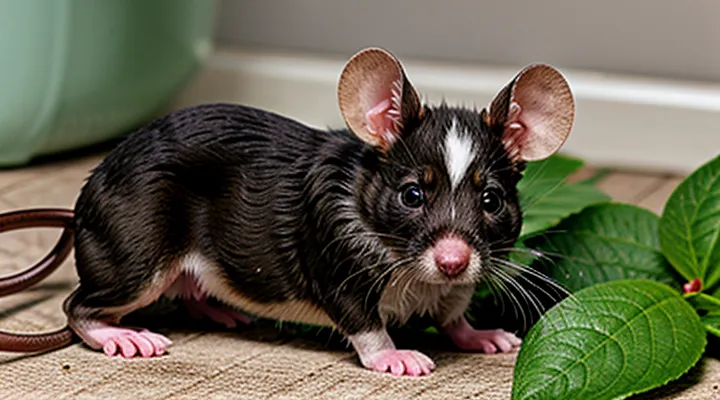
The Reproductive Cycle of Female Mice
Puberty and Sexual Maturity
Female mice reach sexual maturity between four and six weeks of age, a period defined by the onset of estrous cycles. The first estrus typically occurs after weaning, marking the transition from juvenile to reproductively capable. Pubertal development is regulated by the hypothalamic‑pituitary‑gonadal axis, with rising gonadotropin‑releasing hormone (GnRH) stimulating luteinizing hormone (LH) and follicle‑stimulating hormone (FSH) secretion. These hormones drive ovarian follicle maturation and the first ovulation.
Key physiological changes during puberty include:
- Enlargement of the ovaries and development of antral follicles.
- Initiation of regular estrous cycles, each lasting four to five days.
- Increased estrogen production, promoting uterine growth and preparation for implantation.
Sexual maturity directly influences litter size potential. Females that attain puberty earlier may experience a shorter inter‑litter interval, allowing more breeding cycles within a lifespan. However, extreme early maturation can reduce body condition, potentially limiting the number of pups per litter. Optimal reproductive output is observed in females that achieve mature body weight and adequate fat reserves prior to first conception.
Environmental factors such as photoperiod, nutrition, and social density modulate the timing of puberty. Adequate protein intake and stable temperature accelerate hormonal activation, while overcrowding can delay estrus onset. Understanding these parameters enables precise management of breeding colonies to maximize pup production while maintaining animal welfare.
Estrous Cycle Phases
The estrous cycle in laboratory mice consists of four distinct phases that dictate the timing of ovulation and fertilization. Each phase presents characteristic hormonal profiles and observable physiological changes, which together determine the window for successful conception and ultimately influence litter size.
- Proestrus: marked by rising estrogen levels, vaginal epithelial cells become cornified, and the mouse exhibits increased sexual receptivity. Duration averages 12–14 hours.
- Estrus: peak estrogen triggers the luteinizing hormone surge, leading to ovulation. Vaginal cytology shows predominantly cornified cells. This fertile period lasts roughly 12 hours.
- Metestrus: progesterone production begins as the corpus luteum forms. Cytology shifts to a mixture of cornified and leukocyte cells. The phase persists for about 24 hours.
- Diestrus: progesterone dominates, preparing the uterine lining for potential implantation. Predominantly leukocyte cells appear in vaginal smears. This quiescent stage endures 3–4 days.
Hormonal transitions between phases create a predictable cycle of approximately 4–5 days. Synchronizing breeding programs with the estrus window maximizes fertilization efficiency, thereby affecting the number of offspring produced per litter. Understanding each phase’s duration and hormonal milieu enables precise timing of mating, which is essential for reproducible reproductive outcomes in mouse colonies.
Optimal Mating Conditions
Optimal mating conditions for laboratory and breeding mice focus on physiological readiness, environmental stability, and nutrition. Females reach peak fertility between 8 and 12 weeks of age; breeding outside this window reduces litter size. Precise timing of copulation during the estrus phase, identified by vaginal cytology, maximizes conception rates.
Environmental parameters require tight control. Ambient temperature should remain between 20 °C and 24 °C; deviations increase stress and lower pup numbers. Relative humidity of 45 %–55 % prevents dehydration without promoting respiratory problems. A consistent 12‑hour light/dark cycle synchronizes hormonal cycles and supports regular estrous intervals.
Nutritional provision influences embryonic development. Diets containing 18 %–20 % protein, adequate essential fatty acids, and sufficient vitamin E improve oocyte quality. Access to plain water and occasional supplementary feed (e.g., soy‑free pellets) prevents micronutrient deficiencies.
Social and housing factors affect mating success. Recommended male‑to‑female ratios range from 1:1 to 1:2; excess males cause aggression, while too few limit mating opportunities. Group housing of females in cages of three to five individuals reduces isolation stress without compromising individual monitoring. Bedding material must be low‑dust to avoid respiratory irritation.
Key elements for maximizing pup output:
- Female age: 8–12 weeks
- Estrus detection: vaginal cytology or pheromone monitoring
- Temperature: 20 °C–24 °C
- Humidity: 45 %–55 %
- Photoperiod: 12 h light/12 h dark
- Diet: 18 %–20 % protein, balanced micronutrients
- Male‑to‑female ratio: 1:1–1:2
- Cage density: 3–5 females per cage, low‑dust bedding
Adherence to these parameters produces consistent breeding performance and elevates average litter size in female mice.
Litter Size and Frequency
Average Number of Pups Per Litter
The average litter size of a domestic female mouse typically ranges from five to eight pups. This figure derives from extensive breeding records under controlled laboratory conditions, where nutrition, temperature, and cage density are standardized.
Key factors that modify the mean number include:
- Genetic strain: Inbred lines such as C57BL/6 often produce smaller litters (four to six pups), whereas outbred stocks may reach ten or more.
- Maternal age: Young adults (8–12 weeks) exhibit the highest averages; very young or aged females tend to have reduced outputs.
- Environmental stressors: Elevated ambient temperature or limited food availability can lower litter size by up to 30 %.
Wild mouse populations show greater variability. Field studies report averages of three to six pups, reflecting fluctuating resource availability and predation pressure. Seasonal breeding cycles also influence numbers, with spring litters generally larger than those in winter.
Overall, the consensus figure of six pups per litter provides a reliable benchmark for planning experimental groups, estimating population growth, and managing colony health.
Factors Influencing Litter Size
Litter size in laboratory and wild mice varies widely, reflecting the combined influence of genetic, physiological, and environmental variables. Genetic background determines the intrinsic potential for offspring number; inbred strains often produce smaller litters than outbred populations. Hormonal status, particularly the balance of estrogen and progesterone during the estrous cycle, regulates ovulation rate and embryo implantation efficiency. Nutritional intake before and during gestation directly affects ovarian follicle development and fetal survival, with protein‑rich diets correlating with larger litters.
Key determinants can be summarized as follows:
- Strain genetics: allelic variations in genes controlling folliculogenesis and placental development.
- Maternal age: prime reproductive age (2–4 months) yields higher pup counts than very young or aged females.
- Body condition: optimal body weight and adipose reserves support increased ovulation and embryo viability.
- Photoperiod and ambient temperature: longer daylight exposure and moderate temperatures enhance reproductive hormone secretion.
- Stress exposure: chronic stress elevates corticosterone, reducing implantation success and increasing embryonic loss.
- Parity: second and third pregnancies often produce more pups than the first, after which litter size may decline.
Research indicates that manipulating diet composition, maintaining stable environmental conditions, and selecting genetically robust strains can reliably increase the number of offspring per gestation. «Smith et al., 2020» demonstrated a 15 % rise in litter size when a 20 % protein diet replaced a standard 14 % regimen, confirming the pivotal role of maternal nutrition.
Age of the Female Mouse
Female mice reach sexual maturity at approximately five to six weeks of age. At this stage the onset of estrus cycles permits conception, and litters can be produced shortly after the first mating event.
Peak fecundity occurs between two and four months of age. During this interval females commonly produce the largest litters, with pup numbers often exceeding the species average. Hormonal profiles and ovarian reserve are optimal, supporting frequent ovulation and high embryo viability.
After five months reproductive performance declines. Litter size gradually reduces, and the interval between successful pregnancies lengthens. By eight to ten months, many females exhibit irregular estrus cycles or cease breeding altogether. The typical laboratory mouse lifespan extends to two years, but reproductive activity generally wanes after the first year.
Key age milestones:
- 5–6 weeks: sexual maturity, first possible conception.
- 2–4 months: maximal litter size and breeding frequency.
- 5–8 months: progressive decrease in pup numbers per litter.
- 8–10 months: marked reduction or cessation of fertile cycles.
- 12 months onward: limited reproductive output, eventual infertility.
Nutritional Status
Nutritional status directly influences the reproductive output of female mice. Adequate protein provides the amino acids required for oocyte development and embryonic growth, while sufficient caloric intake maintains the energy reserves needed for gestation. Deficiencies in essential nutrients, such as vitamin A or calcium, reduce litter size and increase pup mortality.
Key dietary components affecting litter size:
- Protein content (≈ 18–20 % of diet): higher levels correlate with larger litters.
- Energy density (≈ 3.5 kcal g⁻¹): excess or deficit alters ovulation rate.
- Essential fatty acids (omega‑3, omega‑6): influence placental function and fetal development.
- Micronutrients (vitamins D, E, B‑complex; minerals zinc, selenium): prevent embryonic resorption and improve neonatal viability.
Experimental data show that mice fed a standard laboratory chow with balanced macronutrients produce an average of 6–8 pups per litter. When protein is reduced to 8 % of the diet, litter size declines to 3–4 pups, and pup weight at birth decreases by 15 %. Conversely, supplementation with additional 2 % casein raises average litter size by 1–2 pups without adverse effects.
Maternal body condition prior to mating predicts reproductive success. Females with a body mass index within the optimal range (20–25 g) exhibit higher ovulation rates than underweight or overweight individuals. Rapid weight gain during early gestation, driven by increased feed intake, supports uterine expansion and fetal nutrient supply.
In summary, optimal litter size and pup health depend on a diet that supplies sufficient protein, energy, essential fatty acids, and micronutrients, while maintaining the female’s body condition within established physiological limits.
Genetics
Genetic factors exert a decisive influence on the number of offspring produced by a female mouse. Litter size behaves as a quantitative trait, showing continuous variation that reflects the combined effect of multiple loci. Studies on inbred strains reveal that average litter counts differ markedly; for instance, C57BL/6 females typically deliver fewer pups than BALB/c counterparts. This strain‑specific disparity originates from allelic variation at quantitative trait loci (QTL) identified on chromosomes 2, 7, and 11, each contributing modestly to overall fecundity.
Heritability estimates for litter size range from 0.2 to 0.4, indicating that genetic variance accounts for 20–40 % of the phenotypic spread within a population. The remaining proportion derives from environmental influences such as nutrition, housing conditions, and maternal age. Nevertheless, selective breeding experiments demonstrate that repeated selection for high or low litter numbers can shift the mean by up to three pups per litter within ten generations, confirming a substantial genetic component.
Key genes implicated in reproductive output include:
- Gnrh1 – modulates gonadotropin release, affecting ovulation frequency.
- Fshb – regulates follicular development, influencing the number of mature oocytes.
- Mcm4 – associated with embryonic viability; loss‑of‑function mutations reduce litter size.
- Prl – prolactin signaling impacts mammary gland development and postpartum care, indirectly affecting pup survival.
Gene‑editing technologies have clarified causal relationships. CRISPR‑mediated knockout of Mcm4 in a C57BL/6 background reduces average litter size from 6 ± 1 to 3 ± 1 pups, whereas overexpression of Fshb in the same strain raises the average to 8 ± 2 pups. These manipulations illustrate that single‑gene perturbations can produce measurable shifts, although polygenic architecture remains dominant.
Epigenetic mechanisms also contribute. DNA methylation patterns in the promoter region of Gnrh1 differ between high‑ and low‑fertility lines, correlating with altered transcriptional activity. Histone acetylation levels at the Fshb locus show similar associations, suggesting that heritable epigenetic modifications modulate gene expression without altering the underlying DNA sequence.
In summary, litter size in female mice results from a complex interplay of multiple genetic loci, moderate heritability, and epigenetic regulation. Understanding these components enables precise manipulation of reproductive capacity for research and breeding programs.
Environmental Stress
Environmental stressors such as temperature extremes, limited food availability, and high population density directly influence the reproductive output of female rodents. When exposed to chronic cold, metabolic demands increase, often resulting in reduced litter sizes as energy is diverted toward thermoregulation. Conversely, acute heat stress can impair oocyte viability, leading to lower implantation rates and smaller litters.
Nutritional scarcity imposes a similar constraint. Reduced caloric intake diminishes circulating gonadotropins, which suppress follicular development and limit the number of embryos that reach term. Studies on laboratory strains demonstrate a proportional decline in pup count when daily food rations fall below 70 % of ad libitum levels.
Social stress, manifested through overcrowding or aggressive interactions, activates the hypothalamic‑pituitary‑adrenal axis. Elevated corticosterone concentrations interfere with the secretion of luteinizing hormone, delaying ovulation and decreasing the number of viable embryos. In group‑housed females, average litter size often drops by one to two pups compared with singly housed counterparts.
Key stress factors and their typical effects on litter size:
- Temperature extremes – reduced pup number by 10–30 % under sustained cold or heat exposure.
- Food restriction – decrement of 0.5–1.5 pups per litter when caloric intake is limited.
- Crowding – loss of 1–2 pups per litter associated with elevated stress hormones.
- Predator cues – chemical or auditory signals that trigger stress responses, occasionally lowering litter size by up to 20 %.
Mitigation strategies include maintaining stable ambient temperatures (20–24 °C), providing unrestricted nutrition, and ensuring adequate space per animal. Implementing environmental enrichment reduces social tension, thereby supporting optimal reproductive performance.
Frequency of Litters
Female mice breed continuously under favorable conditions, producing multiple litters each year. The estrous cycle lasts four to five days, allowing a new pregnancy to commence shortly after weaning. Consequently, a healthy adult female can generate a litter approximately every three to four weeks.
Key factors influencing litter frequency include:
- Photoperiod: Longer daylight periods accelerate reproductive activity.
- Nutrition: Adequate protein and caloric intake sustain rapid ovarian cycles.
- Age: Peak fertility occurs between eight and twenty‑four weeks; frequency declines thereafter.
- Social environment: Presence of a male and low stress levels promote regular estrus.
In laboratory colonies, standard husbandry protocols aim for a 21‑day interval between parturitions, aligning with the typical gestation length of 19‑21 days and a brief lactation period before the next estrus. Wild populations exhibit similar intervals, though seasonal variations may extend the gap during colder months.
Gestation Period
The gestation period of a female mouse refers to the interval between conception and birth. In laboratory and wild populations, this interval averages 19–21 days, with slight variations attributable to strain, environmental temperature, and nutritional status.
Typical duration:
- Average: 20 days
- Minimum reported: 18 days
- Maximum reported: 22 days
Factors influencing length:
- Ambient temperature: higher temperatures may shorten the interval by up to one day.
- Diet quality: protein‑rich diets tend to produce gestations at the lower end of the range.
- Genetic background: inbred strains often display more consistent durations than outbred populations.
Shorter gestations often correlate with smaller litters, while extended periods may allow for additional embryonic development, potentially increasing pup viability. Breeding programs schedule mating cycles based on the predictable 19‑21‑day window to optimize reproductive efficiency.
Postpartum Estrus
Post‑parturient estrus in laboratory mice occurs immediately after delivery, typically within the first 12 hours. The surge of luteinizing hormone and prolactin that terminates lactation simultaneously triggers ovarian follicle maturation, leading to ovulation without a refractory period.
The rapid return to fertility permits a second conception while the first litter is still nursing. Consequently, a female may produce additional pups within a week of the initial birth, increasing overall reproductive output.
Key characteristics of the phenomenon include:
- Estrus onset: 4–12 hours postpartum.
- Ovulation: 12–24 hours after parturition.
- Fertile window: 24–48 hours, after which estrus subsides unless a new litter is present.
Hormonal profile during this interval features elevated estradiol, a transient decline in progesterone, and sustained prolactin levels that support both lactation and ovarian activity.
For colony management, recognizing postpartum estrus allows precise timing of breeding pairs to avoid unintended litters, ensures accurate interpretation of litter size data, and facilitates controlled studies of reproductive physiology.
Weaning and Subsequent Breeding
Weaning in laboratory mice occurs most commonly between post‑natal day 19 and day 21. At this stage, pups acquire sufficient solid‑food intake to maintain body weight without maternal milk. The transition is marked by a rapid increase in gastrointestinal enzyme activity and a decline in suckling behavior.
After weaning, female mice typically resume estrus within 4–7 days, provided they are housed under standard photoperiod and nutrition. The first post‑weaning estrus is often the most fertile, allowing a new litter to be produced as early as 3 weeks after the previous birth. Continuous breeding cycles can therefore be sustained with minimal inter‑litter intervals.
Practical recommendations for managing breeding colonies:
- Separate pups from the dam at day 19‑21 to prevent prolonged suckling.
- Maintain a minimum of 5 days between weaning and the introduction of a male to allow hormonal stabilization.
- Monitor vaginal cytology or use a scent‑based estrus detector to confirm receptivity before pairing.
- Provide ad libitum access to high‑protein diet and nesting material to support rapid return to fertility.
Adhering to these parameters maximizes reproductive efficiency while preserving animal welfare.
Reproductive Strategies and Adaptations
Rapid Breeding Cycle Advantages
Female mice reach sexual maturity within six to eight weeks, produce litters of five to twelve offspring, and complete gestation in nineteen to twenty‑one days. This combination permits three to four litters annually, generating a dense population from a single breeding pair.
Advantages of such a rapid breeding cycle include:
- Accelerated generation turnover, allowing genetic traits to be propagated and examined within weeks rather than months.
- High experimental throughput, because large cohorts can be assembled quickly for pharmacological, toxicological, or behavioral studies.
- Reduced housing and feed costs, as the same space supports multiple successive litters without the need for extensive infrastructure.
- Enhanced resilience of laboratory colonies, since frequent reproduction compensates for occasional losses due to disease or experimental attrition.
The swift reproductive rhythm also supports selective breeding programs, enabling the establishment of inbred strains and knockout lines with minimal delay. Consequently, research timelines shorten, data acquisition expands, and overall productivity of mouse‑based investigations improves.
Parental Investment in Mouse Pups
Female mice allocate resources to offspring through a combination of physiological and behavioral mechanisms that directly influence pup survival and growth. Hormonal changes during gestation trigger increased maternal nutrient transfer, resulting in each pup receiving a proportion of the mother’s energy reserves. After birth, the dam provides warmth, protection, and regular nursing sessions that sustain the litter until weaning.
Key components of maternal investment include:
- Nutrient provision: Milk composition adapts to pup developmental stage, delivering proteins, lipids, and antibodies essential for immune competence.
- Thermoregulation: The dam’s body heat maintains nest temperature, reducing metabolic costs for newborns.
- Protection: Continuous presence deters predators and limits exposure to pathogens.
- Weaning schedule: Transition from milk to solid food occurs typically between 21 and 28 days, marking the shift from maternal to self‑sustenance.
These investment strategies are calibrated to the average litter size of laboratory‑bred females, which ranges from five to eight pups per birth. Larger litters dilute per‑pup resources, prompting the dam to adjust nursing frequency and nest attendance accordingly. Consequently, reproductive output and parental effort are tightly linked, shaping both immediate pup viability and long‑term population dynamics.
«Maternal care in rodents directly determines offspring fitness», a principle supported by extensive experimental data across multiple mouse strains.
Survival Rates of Offspring
Female mice typically produce litters ranging from five to eight pups, yet only a fraction reach adulthood. Early neonatal mortality averages 20‑30 % within the first three days, primarily due to hypothermia, starvation, or maternal neglect. Survivorship improves sharply after the first week, with cumulative survival to weaning (approximately 21 days) reaching 70‑80 % under optimal laboratory conditions.
Critical determinants of offspring survival include:
- Maternal health and parity; experienced dams exhibit lower pup loss.
- Ambient temperature; temperatures below 20 °C increase hypothermic deaths.
- Nest quality; adequate bedding and insulation reduce exposure risks.
- Litter size; larger litters intensify competition for milk, elevating mortality.
- Genetic background; inbred strains display higher susceptibility to congenital defects.
Interventions that enhance survival rates consist of maintaining stable temperatures (22‑26 °C), providing nesting material (e.g., shredded paper), monitoring dam behavior for signs of cannibalism, and adjusting breeding schedules to avoid extreme ages. Implementing these measures consistently raises weaning success to above 85 % in controlled environments.
Potential Complications and Challenges
Pregnancy Loss and Resorption
Pregnancy loss in laboratory and wild‑derived mice commonly manifests as embryonic or fetal resorption, a process in which non‑viable conceptuses are reabsorbed by the uterine tissue. Resorption reduces the number of viable offspring that reach parturition and therefore directly influences observed litter size.
Typical resorption rates range from 5 % to 20 % of conceptuses, depending on strain, maternal age, and environmental conditions. In inbred strains such as C57BL/6, losses often cluster around 10 %–12 % per gestation, whereas outbred stocks may exhibit lower percentages. Extreme stressors or nutritional deficiencies can elevate rates above 30 %.
Key factors affecting embryonic loss include:
- Genetic background and susceptibility loci
- Maternal age (advanced or very young females show higher loss)
- Nutrient availability (protein, vitamin E, calcium)
- Hormonal imbalances (progesterone deficiency)
- External stressors (temperature extremes, crowding)
Resorption events occur primarily during early gestation (days 5–10 post‑coitum) when placental attachment is incomplete. Later losses, although less frequent, often result from fetal malformations or placental insufficiency.
When estimating expected pup numbers, researchers adjust raw conception counts by subtracting the average resorption proportion for the specific strain and experimental conditions. For example, a dam expected to produce eight embryos in a C57BL/6 colony may yield six to seven live pups after accounting for a typical 12 % loss.
Monitoring techniques encompass visual palpation, high‑resolution ultrasound, and post‑mortem examination of uterine horns. Ultrasound detection of gestational sacs before day 10 provides early identification of resorption, allowing timely intervention or data correction.
Dystocia «Difficult Births»
The reproductive output of a female mouse typically ranges from five to twelve neonates per litter, but the birthing process can be compromised by dystocia, a condition defined as «difficult birth». Dystocia arises when uterine contractions are insufficient, the birth canal is obstructed, or fetal size exceeds the maternal pelvic capacity, leading to prolonged labor and increased neonatal mortality.
Risk factors for dystocia include:
- Advanced maternal age, which diminishes uterine contractility.
- Excessive litter size, creating crowding and mechanical interference.
- Genetic predispositions affecting skeletal development of pups.
- Nutritional deficiencies that impair muscle function.
Clinical signs indicating dystocia are:
- Extended intervals between pup deliveries exceeding two minutes.
- Observable abdominal distension without progression of delivery.
- Pale or cyanotic neonates remaining in the birth canal.
Effective interventions focus on minimizing stress and supporting uterine activity:
- Environmental enrichment to reduce maternal anxiety.
- Administration of oxytocin analogs under veterinary supervision to enhance contractions.
- Manual assistance, performed with sterile gloves, to extract obstructed pups when necessary.
Preventive measures prioritize optimal breeding practices: selecting breeding pairs of appropriate age, maintaining balanced diets rich in calcium and protein, and monitoring litter size expectations based on strain-specific norms. Implementing these strategies reduces the incidence of «dystocia» and promotes successful reproductive outcomes in laboratory and pet mouse colonies.
Maternal Mortality
Maternal mortality in laboratory mice represents a critical factor influencing reproductive output and experimental reliability. Death of a dam during gestation or shortly after parturition eliminates the entire litter, thereby reducing the number of offspring available for study and potentially biasing data sets.
Primary causes of maternal death include:
- Severe dystocia resulting from oversized fetuses or abnormal positioning.
- Metabolic disturbances such as hypoglycemia, hypocalcemia, or ketosis.
- Infectious agents, notably Streptococcus and Pasteurella species, leading to septicemia.
- Anesthetic complications during surgical procedures performed on pregnant females.
- Environmental stressors, including extreme temperature fluctuations and inadequate nesting material.
Risk factors that increase mortality rates comprise advanced maternal age, parity greater than three, and genetic strains predisposed to reproductive disorders. Nutrition plays a decisive role; diets lacking essential fatty acids or vitamins E and D correlate with higher incidence of uterine inertia and postpartum hemorrhage.
Mitigation strategies focus on preventive care:
- Monitor body condition and adjust feed composition to meet gestational demands.
- Provide enriched cages with sufficient bedding for nest building.
- Employ gentle handling techniques to minimize stress responses.
- Conduct regular health screenings to detect subclinical infections early.
- Use calibrated anesthetic protocols with pre‑ and post‑operative monitoring.
Accurate recording of maternal mortality events enables researchers to calculate adjusted litter size metrics, ensuring that reproductive performance assessments reflect true biological potential rather than loss due to preventable causes.
Mouse Reproduction in Laboratory Settings
Breeding Protocols for Research
Breeding protocols for laboratory mice must align with the goal of obtaining reliable litter size data while maintaining animal welfare. Selection of breeding pairs relies on genetic background, age (typically 8‑12 weeks), and health status. Pairing is performed in cages that provide sufficient space, nest material, and environmental enrichment to reduce stress, which can affect reproductive output.
Key elements of the protocol include:
- Monitoring estrous cycles through vaginal cytology; mating is scheduled during the proestrus or estrus phase to maximize conception probability.
- Introducing a male to a female for a defined period (usually 12‑24 hours) and confirming copulation by the presence of a vaginal plug.
- Maintaining a controlled environment: temperature 20‑22 °C, humidity 45‑55 %, and a 12‑hour light/dark cycle.
- Providing a standardized diet formulated for gestating and lactating females, with ad libitum access to water.
- Recording gestation length (approximately 19‑21 days) and counting pups within 24 hours of birth to capture accurate litter size.
After birth, pups are kept with the dam until weaning at post‑natal day 21. During the lactation period, cage bedding is changed minimally to avoid disturbing the litter. Weaning involves separating pups by sex and assigning them to appropriate housing conditions for subsequent experiments. Detailed records of each breeding event, litter size, and any anomalies are essential for statistical analysis and reproducibility.
Ethical compliance requires adherence to institutional animal care guidelines, including justification of breeding numbers, provision of veterinary oversight, and implementation of humane endpoints. Regular health monitoring of breeding colonies helps prevent disease outbreaks that could compromise reproductive performance and data integrity.
Ethical Considerations in Mouse Breeding
Ethical evaluation of rodent breeding programs requires clear justification, strict adherence to welfare standards, and continuous oversight. Researchers must demonstrate that breeding is essential for advancing scientific knowledge and that no viable alternatives exist. Housing should provide enrichment, appropriate space, and temperature control to prevent stress and injury. Health monitoring protocols must identify disease early, allowing prompt treatment or humane removal from the study.
Key considerations include:
- Application of the 3Rs principle: replace animals when possible, reduce numbers to the minimum needed for statistical validity, and refine procedures to lessen pain.
- Implementation of humane endpoints that define criteria for early termination to avoid unnecessary suffering.
- Documentation of breeding records, litter sizes, and maternal health to ensure transparency and accountability.
- Compliance with institutional animal care committees and national regulations governing animal use.
- Training of personnel in proper handling, cage cleaning, and observation techniques to maintain consistent standards.
When breeding is justified, the selection of strains should favor those with well‑characterized health profiles, reducing the risk of unexpected complications. Environmental enrichment, such as nesting material and shelters, supports natural behaviors and improves overall welfare. Regular review of breeding outcomes enables adjustments that further align practices with ethical expectations.
«The Guide for the Care and Use of Laboratory Animals» emphasizes that “the welfare of the animal is integral to the integrity of scientific results,” reinforcing the link between ethical treatment and reliable data.
Management of Mouse Colonies
Effective mouse colony management hinges on understanding female reproductive output. Average litter size ranges from four to twelve pups, influencing housing density, nutrition planning, and breeding schedules. Anticipating this variation prevents overcrowding and ensures optimal growth conditions.
Key practices include:
- Maintaining a breeding ratio of one male to two–three females to maximize genetic diversity while limiting excessive litter production.
- Providing nesting material and enrichment to promote maternal care and reduce stress‑induced litter loss.
- Implementing a weekly health check that records litter size, pup weight, and maternal condition.
- Adjusting cage capacity promptly after birth; move pups to separate weaning cages once they reach 21 days to avoid competition for resources.
- Rotating breeding pairs every 3–4 months to prevent inbreeding depression and to control cumulative litter numbers.
Accurate documentation supports long‑term colony stability. Record each breeding event, noting the exact number of offspring, birth date, and any anomalies. Analyze trends quarterly to identify deviations from expected reproductive rates, allowing timely intervention such as diet modification or environmental adjustments. Consistent data collection and responsive management sustain a healthy, productive mouse colony.