
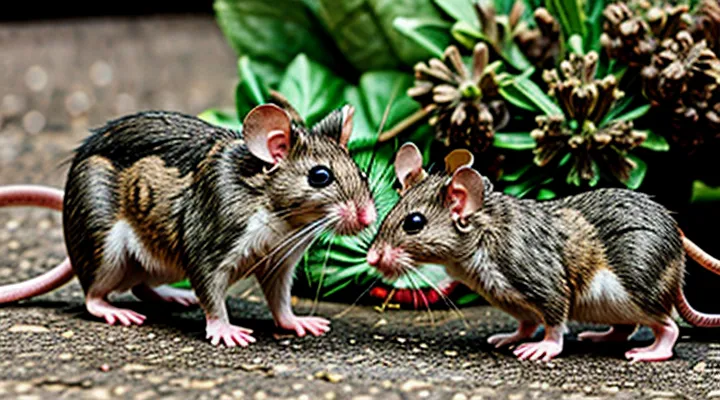
Understanding Mouse Reproduction Rates
Average Litter Size
Factors Influencing Litter Size
Mice exhibit considerable variation in the number of pups delivered per gestation, a trait shaped by multiple biological and environmental determinants.
Genetic background exerts a primary influence; inbred strains such as C57BL/6 typically produce smaller litters than outbred stocks, reflecting inherited differences in reproductive physiology. Hormonal status also modulates litter size: elevated estrogen and progesterone levels during estrus promote ovulation of a larger cohort of oocytes, while disruptions in the hypothalamic‑pituitary‑gonadal axis can reduce embryo viability.
Nutritional condition directly impacts reproductive output. Adequate protein and caloric intake sustain follicular development and embryonic growth, whereas chronic under‑nutrition depresses ovulation rates and increases embryonic resorption. Maternal age contributes further nuance: young adults (8–12 weeks) achieve peak fecundity, whereas very young or senescent females display diminished litter counts.
Environmental parameters affect reproductive success. Ambient temperature influences thermoregulation and metabolic demand; extreme heat or cold can suppress estrous cycles. Photoperiod length alters melatonin secretion, which in turn regulates reproductive timing and litter magnitude. Social context matters as well: high stocking density raises stress hormones, reducing ovulation frequency and increasing pre‑implantation loss.
Health status cannot be ignored. Parasitic load, viral infections, and chronic diseases impair uterine environment and embryo implantation, leading to smaller litters or complete reproductive failure.
Key factors influencing litter size:
- Genetic strain and breeding history
- Hormonal balance during estrus
- Dietary protein and energy availability
- Maternal age at conception
- Ambient temperature and photoperiod
- Housing density and stress levels
- Presence of pathogens or chronic illness
Understanding how each element interacts enables precise prediction and manipulation of reproductive output in laboratory and commercial mouse populations.
Variation Across Mouse Species
Mouse litter sizes differ markedly among species, reflecting evolutionary adaptations to habitat, diet, and predation pressure. Laboratory strains of the common house mouse (Mus musculus) usually produce 6–8 pups per birth, with occasional litters reaching 12. In contrast, the deer mouse (Peromyscus maniculatus) averages 4–5 offspring, while some Peromyscus species, such as P. polionotus, regularly produce 3–4. The African pygmy mouse (Mus musculus pallidus) consistently yields 2–3 pups, a reduction linked to its arid environment. Larger rodents, such as the wood mouse (Apodemus sylvaticus), can have 5–7 young, whereas the Eurasian harvest mouse (Micromys minutus) typically gives birth to 2–4.
Key factors influencing these differences include:
- Body size: larger females tend to carry more embryos.
- Seasonal breeding: species with restricted breeding windows often have larger litters to maximize reproductive output.
- Nesting ecology: ground‑nesting species face higher predation risk, favoring higher offspring numbers.
- Genetic selection in laboratory colonies: intensive breeding can increase average litter size beyond wild norms.
Understanding species‑specific reproductive output assists in population modeling, pest management, and the design of laboratory studies that require precise control of breeding parameters.
The Reproductive Cycle of a Mouse
Gestation Period
The gestation period of a typical laboratory or house mouse lasts approximately 19–21 days, with an average of 20 days from conception to birth. This short prenatal phase enables rapid turnover of generations and contributes to the species’ capacity for producing multiple litters each year.
Key characteristics of mouse gestation:
- Duration: 19–21 days, species‑specific variations of ±1 day.
- Onset of parturition: occurs during the dark phase of the circadian cycle in most strains.
- Influencing factors: maternal age, nutrition, ambient temperature, and genetic background can shift the length by a day or two.
- Developmental milestones: embryos reach full organogenesis by day 14; fetal growth accelerates during the final week.
Because the prenatal interval is brief, mice can conceive shortly after weaning, allowing females to generate several litters annually, each typically containing 5–8 pups. The concise gestation timeline is therefore a central element in the species’ reproductive efficiency.
Frequency of Breeding
Postpartum Estrus
Post‑parturient estrus in laboratory mice occurs immediately after delivery, typically within a few hours. Elevated prolactin and a rapid decline in progesterone trigger the resumption of ovarian activity, allowing a second ovulation before the first litter is weaned. Consequently, females can become fertile again while still nursing, which influences the number of pups produced per breeding cycle.
Key characteristics of the postpartum estrus:
- Onset: 0–12 h after parturition.
- Duration: 4–6 days of estrus, followed by a short diestrus.
- Hormonal profile: high prolactin, low progesterone, rising estradiol.
- Fertility: ovulation of a single mature follicle, capable of fertilizing new ova.
The immediate return to estrus enables a female mouse to conceive again without a prolonged inter‑litter interval. In practice, this reproductive strategy results in an average of 6–8 pups per litter, with the potential for successive litters every 3–4 weeks if breeding conditions remain optimal. Researchers exploit the postpartum estrus to increase colony productivity, but must manage cage density and nutrition to prevent overcrowding and maternal stress, which can reduce pup viability.
Lifespan and Reproductive Potential
Mice typically live 1–2 years in natural environments; under laboratory conditions individuals may reach 3 years. Survival curves show steep decline after the first year, with most mortality occurring between 12 and 18 months.
Female mice reach sexual maturity around 5–6 weeks of age. The estrous cycle lasts 4–5 days, allowing conception shortly after each ovulation. Gestation requires approximately 19–21 days, after which the dam can become pregnant again within 24 hours.
Litter size averages 5–8 pups, but litters of up to 12 have been recorded. Breeding intervals of 3–4 weeks permit up to 10–12 litters per year for a healthy adult female.
- Approximate lifetime reproductive output:
- Sexual maturity: ~6 weeks
- Litters per year: 10–12
- Average pups per litter: 6–7
- Potential total offspring: 60–80 (maximum >100 in optimal conditions)
Reproductive potential declines with age; after the third or fourth litter, litter size and frequency decrease, and senescence typically ends breeding by 12–18 months. Environmental stressors, nutrition, and population density modulate both lifespan and fecundity, shaping overall contribution to population growth.
Environmental and Biological Influences
Nutritional Impact
Mice commonly give birth to litters ranging from five to eight pups, although numbers can vary widely with strain, age, and environmental conditions. The size of each litter directly influences the mother’s nutritional requirements and the quality of resources available to the newborns.
Maternal diet determines the maximum viable litter size. Protein levels above 20 % of caloric intake increase average pup numbers by 10‑15 % in laboratory strains, while diets deficient in essential amino acids reduce litter size and increase embryonic loss. Adequate calcium and phosphorus support skeletal development of embryos; deficiencies correlate with smaller litters and higher incidence of resorptions.
During gestation, the mother’s energy expenditure rises by approximately 30 % above baseline. Lactation adds a further 40‑60 % increase, requiring rapid mobilization of body fat and continuous intake of high‑quality feed. Failure to meet these demands results in reduced milk volume and lower lipid content, compromising pup growth rates.
Key nutritional factors affecting litter outcomes:
- Protein: 20‑25 % of diet; supports fetal tissue synthesis.
- Essential fatty acids: omega‑3 and omega‑6 ratios influence membrane development and immune competence.
- Micronutrients: zinc, selenium, and vitamin E protect against oxidative stress in embryos.
- Energy density: 3.5‑4.0 kcal/g ensures sufficient caloric supply for gestation and lactation.
Optimizing these components yields larger, healthier litters and improves survival probability of each pup during the critical first three weeks of life.
Age of the Female Mouse
The reproductive capacity of a female mouse changes markedly with age. Pubertal onset occurs around 4‑6 weeks; females that breed before full sexual maturity typically yield litters of 3‑5 pups. At this stage the oocyte pool is still expanding, and hormonal cycles are irregular, limiting embryo implantation.
Mice aged 2‑6 months represent the prime reproductive window. During this interval ovulation rates peak, uterine receptivity is optimal, and litter sizes average 6‑8 pups, with occasional reports of 10‑12 in high‑performing strains. The interval between pregnancies shortens, allowing multiple litters per year without substantial decline in pup number.
Beyond 8 months, senescence affects ovarian reserve and uterine environment. Litter sizes decline to 4‑6 pups, and the incidence of resorptions and stillbirths rises. Fertility cycles lengthen, and the probability of successful mating within a given estrus period diminishes.
Typical litter size by age range:
- 4‑6 weeks (early puberty): 3‑5 pups
- 2‑4 months (early adulthood): 5‑7 pups
- 4‑6 months (peak fertility): 6‑8 pups, up to 12 in some strains
- 8‑12 months (mid‑senescence): 4‑6 pups
-
12 months (advanced age): 3‑5 pups, with increased embryonic loss
Thus, the age of the female mouse is a primary determinant of the number of offspring produced in a single breeding event.
Stress and Environmental Conditions
Stress directly influences the number of pups a mouse delivers in a single birth. Elevated cortisol levels, triggered by handling, crowding, or predator cues, suppress ovulation and reduce embryo implantation, often decreasing litter size by 20‑30 %. Conversely, mild environmental enrichment—nesting material, stable temperature (20‑24 °C), and consistent light cycles—supports hormonal balance and can increase pup numbers by 10‑15 % compared with baseline conditions.
Key environmental factors and their typical impact on litter size:
- Temperature extremes: Heat above 30 °C or cold below 15 °C impair spermatogenesis and ovarian function, leading to smaller litters.
- Nutritional availability: Protein‑deficient diets reduce fetal development, decreasing pup count; high‑quality chow restores normal reproductive output.
- Social density: Groups exceeding 5 mice per cage elevate aggression and stress hormones, cutting litter size; moderate group sizes (3‑4 individuals) maintain optimal reproductive performance.
- Light exposure: Irregular light‑dark cycles disrupt melatonin secretion, reducing reproductive efficiency; a 12 h light/12 h dark schedule stabilizes pup numbers.
Mitigation strategies focus on minimizing chronic stressors and providing a stable, enriched environment. Implementing controlled temperature, balanced nutrition, appropriate cage density, and consistent lighting reliably maximizes the number of offspring per reproductive event in laboratory and captive mouse populations.
Implications for Pest Control
Rapid Population Growth
Mice typically deliver litters of 5 – 12 pups, with an average of 7. This high fecundity, combined with a gestation period of roughly 19–21 days, enables a single female to produce several litters each month under optimal conditions.
Females reach sexual maturity at 5–6 weeks of age. After each birth, they can become pregnant again within 24 hours, leading to overlapping generations. A pair of mice can generate over 100 offspring within a year if mortality is low and resources are abundant.
Rapid expansion of mouse numbers results from several biological and environmental factors:
- Short reproductive cycle (≈ 3 weeks)
- Large litter size (5 – 12 pups)
- Early sexual maturity (≈ 5 weeks)
- High post‑weaning survival when food and shelter are plentiful
- Minimal parental investment per offspring
These characteristics create exponential growth curves, where population size doubles every 30–45 days. In confined habitats, such as laboratory cages or grain stores, unchecked reproduction can lead to infestation levels within weeks, necessitating prompt control measures.
Control Strategies and Reproductive Cycles
Mice reproduce rapidly, with each estrous cycle lasting four to five days. After mating, gestation lasts approximately 19–21 days, and a typical litter comprises 5–8 pups. The short interval between cycles and the high potential litter size enable exponential population growth if unchecked.
Effective management of mouse reproduction relies on two complementary approaches: hormonal manipulation and environmental control.
- Hormonal intervention: Administration of gonadotropin‑releasing hormone (GnRH) antagonists suppresses ovulation, reducing the number of viable pregnancies.
- Photoperiod regulation: Extending light exposure to 16–18 hours per day delays estrus onset, lengthening the inter‑litter interval.
- Nutritional limitation: Diets low in protein and calories lower estradiol levels, decreasing ovulatory frequency.
- Physical separation: Isolating females from males after a confirmed breeding event prevents additional matings during the same gestation period.
Reproductive cycles exhibit predictable hormonal peaks: luteinizing hormone surges trigger ovulation, followed by progesterone elevation during pregnancy. Monitoring vaginal cytology provides a reliable, non‑invasive method to stage estrus, allowing precise timing of interventions. Consistent application of these strategies can reduce average litter output by 30–50 % and extend the interval between births, thereby controlling overall mouse population density.