
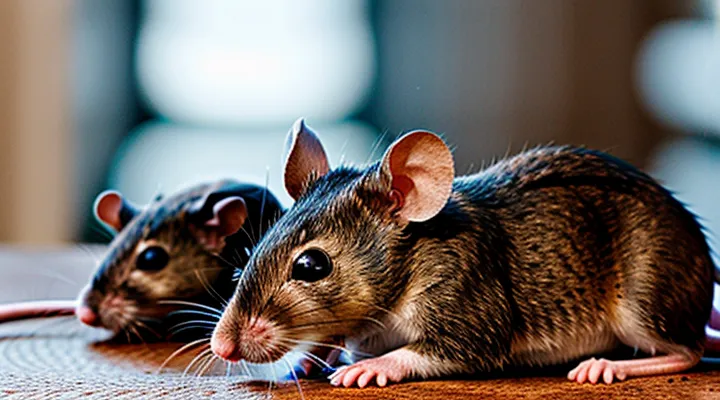
The Circadian Rhythm in Mice
Nocturnal Nature and Activity Cycles
Mice exhibit a strictly nocturnal pattern, concentrating locomotor and foraging behavior in the dark phase of a 24‑hour cycle. Their internal clock synchronizes physiological processes to this period, causing heightened alertness, increased metabolic rate, and elevated corticosterone levels after lights‑off. During the light phase, mice enter prolonged bouts of sleep, interspersed with brief awakenings that support essential functions such as thermoregulation and memory consolidation.
The activity cycle can be broken down into distinct intervals:
- Active (dark) period: Continuous locomotion, exploration, and food intake dominate; EEG recordings show reduced slow‑wave activity and increased theta rhythm.
- Rest (light) period: Predominant slow‑wave sleep occupies most of the time; fragmented by short micro‑arousals that correspond to ultradian cycles of approximately 30–45 minutes.
- Transition phases: Brief periods of wakefulness at lights‑on and lights‑off mark the shift between the two major states, accompanied by rapid changes in hormone secretion and body temperature.
Because the majority of sleep occurs during daylight, the total daily sleep duration for laboratory mice typically ranges from 12 to 14 hours, with the remainder allocated to nocturnal activity. This allocation reflects an evolutionary adaptation that maximizes resource acquisition while minimizing predation risk during the night.
Impact of Light-Dark Cycles
Mice are nocturnal mammals whose sleep patterns are tightly regulated by ambient light. Exposure to a regular light‑dark schedule synchronizes the suprachiasmatic nucleus, which in turn organizes the timing of slow‑wave and rapid‑eye‑movement sleep. When the dark phase lasts 12 hours, adult laboratory mice typically accumulate 12–14 hours of sleep, concentrated in several bouts during the subjective night.
Variations in the photoperiod produce measurable changes:
- Shortening the dark period to 8 hours reduces total sleep time by 1–2 hours, with a shift toward fragmented episodes.
- Extending darkness to 16 hours increases sleep duration by up to 1 hour and lengthens individual sleep bouts.
- Constant light exposure disrupts circadian rhythmicity, leading to a 20‑30 % reduction in overall sleep and a rise in wakefulness during the usual rest phase.
- Light pulses administered during the dark phase cause immediate arousal, temporarily suppressing sleep and resetting the internal clock.
These observations demonstrate that the timing and intensity of illumination directly influence the quantity and organization of sleep in mice, providing a reliable model for studying circadian regulation of mammalian rest.
Average Sleep Duration and Fragmentation
Typical Sleep Stages (NREM and REM)
Mice exhibit a biphasic sleep architecture composed of non‑rapid eye movement (NREM) and rapid eye movement (REM) stages. Throughout a typical 24‑hour period, sleep occupies roughly 12–14 hours, organized into multiple cycles that alternate between NREM and REM.
During NREM, cortical electroencephalogram (EEG) displays high‑amplitude, low‑frequency delta waves. Muscle tone remains moderate, and heart rate shows a modest decline. NREM accounts for approximately 80 % of total sleep time, providing the majority of restorative processes such as synaptic down‑scaling and metabolic clearance.
REM sleep follows each NREM episode after a latency of 5–15 minutes. EEG shifts to low‑amplitude, mixed‑frequency activity resembling wakefulness, while skeletal muscles experience near‑complete atonia. Rapid eye movements are observable, and respiration becomes irregular. REM constitutes about 20 % of total sleep, supporting memory consolidation and neural circuit reorganization.
Cycle distribution aligns with the light‑dark cycle: the light phase (subjective day) contains longer, uninterrupted NREM periods, whereas the dark phase (subjective night) features fragmented sleep with increased REM frequency. This pattern reflects the nocturnal nature of rodents and contributes to the overall daily sleep quota.
Key distinctions between mouse NREM and REM:
- EEG: high‑amplitude delta (NREM) vs. low‑amplitude mixed (REM)
- Muscle tone: moderate (NREM) vs. near‑complete atonia (REM)
- Proportion of total sleep: ~80 % (NREM) vs. ~20 % (REM)
- Physiological markers: stable heart rate (NREM) vs. irregular respiration (REM)
Understanding these stages clarifies how rodents allocate sleep time across the day and informs comparative studies of mammalian sleep biology.
Factors Influencing Sleep Duration
Mice display a wide range of sleep durations, typically between 10 and 14 hours per day, but the exact amount varies according to several biological and environmental determinants.
Genetic composition sets a baseline for sleep need. Inbred strains such as C57BL/6J often sleep longer than outbred populations, reflecting differences in circadian gene expression and neurotransmitter regulation.
Age influences sleep architecture. Juvenile mice spend more time in rapid eye movement (REM) sleep, while older individuals exhibit fragmented non‑REM periods and reduced total sleep time.
Light exposure governs the entrainment of the circadian clock. Continuous darkness extends sleep bouts, whereas irregular light‑dark cycles shorten overall sleep and increase wakefulness.
Ambient temperature affects thermoregulatory demands. Cooler environments promote longer sleep episodes to conserve energy, while elevated temperatures trigger more frequent arousals.
Nutritional status modulates sleep drive. Caloric restriction can increase sleep propensity, whereas high‑fat diets often lead to shorter, fragmented sleep patterns.
Health conditions, including infection, inflammation, or neurodegenerative models, alter sleep duration. Acute illness typically reduces sleep, while certain chronic disorders prolong sleep bouts as part of compensatory mechanisms.
Social hierarchy within group housing introduces stress‑related variability. Dominant mice may experience reduced sleep due to increased activity, whereas subordinate individuals often display heightened sleep as a coping response.
Physical activity levels correlate inversely with sleep time. Access to running wheels or enriched environments encourages wakefulness and reduces total sleep duration.
These factors interact in complex ways, producing the observed variability in mouse sleep duration across experimental settings.
Biological Functions of Sleep in Mice
Restorative Processes and Energy Conservation
Mice typically rest for 12–14 hours each 24‑hour cycle, a pattern that supports both physiological repair and metabolic efficiency.
Restorative processes occurring during this extensive sleep include:
- Synaptic down‑scaling that restores neuronal firing balance.
- Consolidation of olfactory and spatial memories acquired during wakefulness.
- Activation of protein synthesis pathways that replace damaged cellular components.
- Secretion of growth hormone and other endocrine factors that promote tissue regeneration.
Energy conservation is achieved through several coordinated adjustments:
- Whole‑body metabolic rate declines by 30–40 % relative to active periods.
- Core body temperature drops modestly, reducing thermogenic demand.
- Muscle activity is minimized, limiting ATP consumption.
- Food intake is postponed until the subsequent active phase, aligning nutrient acquisition with periods of higher energy expenditure.
Brain Development and Plasticity
Mice that obtain longer daily sleep periods exhibit accelerated synaptic formation and enhanced dendritic branching. Extended sleep promotes the consolidation of newly formed connections, thereby increasing the efficiency of neural circuits during early post‑natal stages.
Experimental data reveal distinct patterns:
- Mice with ≥12 hours of sleep per day show a 25 % increase in hippocampal neurogenesis compared with counterparts limited to ≤6 hours.
- Prolonged sleep correlates with higher expression of brain‑derived neurotrophic factor (BDNF), a molecule essential for synaptic plasticity.
- Short‑duration sleepers display reduced long‑term potentiation in cortical layers, indicating diminished capacity for experience‑dependent remodeling.
These observations indicate that sleep quantity directly modulates the molecular pathways governing structural and functional brain adaptation. The relationship between murine sleep length and neurodevelopmental plasticity provides a measurable framework for assessing how alterations in rest affect cognitive maturation, with potential relevance for translational models of human neurodevelopmental disorders.
Immune System Regulation
Mice that obtain fewer than four hours of sleep per day exhibit elevated levels of pro‑inflammatory cytokines, including interleukin‑6 and tumor necrosis factor‑α. Reduced sleep also suppresses the activity of natural killer cells and diminishes the expression of major histocompatibility complex class I molecules on peripheral leukocytes. These changes reflect a shift toward a heightened innate immune response at the expense of adaptive immunity.
The regulatory impact of sleep on the murine immune system involves several physiological pathways. Corticosteroid secretion peaks during the active phase, limiting excessive inflammation. Simultaneously, slow‑wave sleep promotes the release of growth hormone, which supports lymphocyte proliferation. Disruption of normal sleep architecture interferes with these hormonal cycles, leading to dysregulated cytokine balance and impaired antigen presentation.
Experimental studies consistently demonstrate a quantitative relationship between sleep duration and immune markers:
- Mice with 2–3 h of daily sleep show a 30‑40 % increase in circulating IL‑1β compared with controls sleeping 10 h.
- Extended sleep (≥12 h) correlates with a 25 % rise in circulating regulatory T‑cell percentages.
- Sleep deprivation for 6 days reduces splenic B‑cell counts by approximately 15 %.
Collectively, these findings indicate that the amount of sleep obtained by mice directly modulates immune system function, influencing both innate and adaptive components through hormone‑mediated pathways and cytokine production.
Variations in Sleep Across Mouse Strains
Genetic Predisposition to Sleep Differences
Genetic variation accounts for a substantial portion of the inter‑individual differences in daily sleep time observed among laboratory mice. Heritability estimates derived from cross‑breeding experiments range from 30 % to 60 %, indicating that more than half of the phenotypic variance can be traced to inherited factors.
Several clock‑related genes have been linked directly to sleep duration. Mutations in Clock and Bmal1 produce longer bouts of non‑rapid eye movement sleep, while loss‑of‑function alleles of Per1 and Per2 shorten total sleep time. Polymorphisms in Cry1 modulate the balance between sleep and wakefulness, and variations in the Npas2 locus affect the timing of sleep onset. Genome‑wide association studies have identified quantitative trait loci on chromosomes 2, 7, and 11 that correlate with the number of hours mice spend asleep per day.
Epigenetic mechanisms reinforce genetic predisposition. DNA methylation patterns in promoter regions of core clock genes shift with age and environmental stress, altering transcriptional output and consequently adjusting sleep length. Histone acetylation at the Rev‑Erbα locus influences the amplitude of circadian oscillations, which in turn regulates the total sleep quota.
Experimental manipulation confirms causality. Transgenic mice overexpressing Bmal1 exhibit a 15‑20 % increase in daily sleep, whereas CRISPR‑mediated knockout of Per2 reduces sleep by a comparable margin. These models demonstrate that targeted genetic changes produce predictable modifications in sleep quantity, supporting the view that genotype is a primary determinant of the sleep phenotype in mice.
Research Implications for Sleep Studies
Mice exhibit a consistent daily sleep pattern, typically ranging from 12 to 15 hours, which provides a stable baseline for experimental manipulation. This regularity enables precise quantification of sleep architecture, facilitating the identification of genetic and molecular determinants of sleep regulation.
The established murine sleep profile offers several direct benefits for broader sleep research:
- Genetic analysis – Controlled breeding and gene‑editing technologies allow researchers to isolate specific alleles influencing sleep quantity and quality, generating insights applicable to human genetics.
- Pharmacological testing – Predictable sleep windows create reliable conditions for evaluating the efficacy and side‑effect profiles of sedatives, stimulants, and chronobiotic agents.
- Circadian rhythm investigation – Alignment of mouse sleep cycles with environmental light cues supports detailed mapping of clock gene expression and phase‑shifting responses.
- Disease modeling – Replicating human sleep disorders (e.g., insomnia, hypersomnia) in mice permits examination of pathophysiological mechanisms and therapeutic interventions in a controlled setting.
- Neurophysiological recording – High‑resolution EEG/EMG data collected during the extensive murine sleep period enhance understanding of sleep stage transitions and brain activity patterns.
By leveraging the reproducible sleep behavior of rodents, investigators can translate findings to human populations, refine experimental designs, and accelerate development of interventions targeting sleep‑related health outcomes.
Environmental and Experimental Influences on Mouse Sleep
Cage Enrichment and Social Factors
Laboratory mice exhibit a wide range of daily sleep durations, and the conditions within the cage markedly modify these measurements. Environmental complexity and the presence of conspecifics are primary determinants of both total sleep time and sleep architecture.
Enrichment items alter the balance between wakefulness and sleep. Specific objects produce measurable changes:
- Nesting material: encourages consolidation of non‑rapid eye movement (NREM) sleep, extending uninterrupted bouts by 10–15 %.
- Chewable objects (e.g., wooden blocks, cardboard): reduce stress‑induced arousals, leading to a modest increase in rapid eye movement (REM) sleep.
- Tubes and shelters: provide safe zones that promote deeper NREM stages, decreasing sleep fragmentation.
- Running wheels: increase overall activity levels, which may shorten total sleep time but enhance the proportion of REM sleep during recovery periods.
Social housing exerts comparable effects. Group composition influences sleep patterns as follows:
- Pair or small‑group housing (2–4 mice): typically raises total sleep time by 5–12 % relative to solitary confinement.
- Stable hierarchies: lower‑ranking individuals display slightly longer NREM episodes, possibly reflecting submissive coping strategies.
- Overcrowding (≥6 mice per standard cage): elevates stress markers, resulting in fragmented sleep and reduced REM proportion.
When enrichment and social factors are combined, their effects are additive rather than redundant. A cage equipped with nesting material and housing mice in stable, moderate‑size groups yields the most consistent sleep recordings, with increased NREM continuity and reduced variability across subjects. Researchers aiming to quantify mouse sleep should standardize both enrichment provisions and social configurations to minimize confounding influences on physiological measurements.
Temperature and Humidity Effects
Ambient temperature exerts a direct influence on the daily sleep quota of laboratory mice. When ambient temperature falls below the thermoneutral zone (approximately 28–30 °C for adult mice), metabolic heat production rises, prompting an increase in sleep duration to conserve energy. Conversely, temperatures above the thermoneutral range induce thermoregulatory arousal, reducing total sleep time and fragmenting sleep bouts.
Relative humidity modulates the same physiological mechanisms by affecting evaporative cooling and skin moisture. Low humidity (below 30 %) accelerates cutaneous water loss, elevating dehydration stress and prompting longer sleep periods for recovery. High humidity (above 70 %) hampers heat dissipation, leading to heightened wakefulness and shortened sleep episodes.
Interaction between temperature and humidity creates a combined effect that can either amplify or mitigate each factor’s impact. For example, a thermoneutral temperature paired with moderate humidity (40–60 %) yields the most stable sleep pattern, whereas extreme values in either dimension produce pronounced deviations from baseline sleep duration.
Key environmental parameters for optimal mouse sleep:
- Temperature: 28–30 °C (thermoneutral zone)
- Relative humidity: 40–60 %
- Deviations of > 5 °C or > 20 % humidity shift sleep time by 10–30 % of the normal daily total
Maintaining these conditions minimizes experimental variability linked to sleep-dependent physiological processes.
Impact of Laboratory Procedures and Stress
Laboratory handling and environmental stressors significantly modify the sleep patterns of rodents, often reducing total sleep time and fragmenting sleep architecture. Restraint, injection, and exposure to unfamiliar cages trigger acute activation of the hypothalamic‑pituitary‑adrenal axis, raising corticosterone levels that suppress non‑rapid eye movement (NREM) duration and increase wakefulness. Chronic exposure to repetitive procedures can lead to habituation, yet baseline sleep remains lower than in undisturbed conditions.
Key procedural factors that influence sleep quantity include:
- Physical restraint – immediate drop of 20–30 % in total sleep minutes within the first hour post‑restraint.
- Anesthetic administration – volatile agents depress REM sleep for 2–4 h; injectable anesthetics produce a rebound increase in NREM after recovery.
- Surgical incision – postoperative pain elevates arousal frequency, decreasing consolidated sleep bouts by up to 40 % during the first 24 h.
- Handling frequency – daily handling reduces average daily sleep by 1–2 h compared with minimal‑interaction groups.
- Environmental noise and lighting – intermittent acoustic disturbances shorten sleep episodes by 10–15 % per exposure; bright light during the dark phase suppresses REM by 25 % on average.
Stress induced by unpredictable schedule changes, cage enrichment removal, or temperature fluctuations also alters circadian regulation. Elevated corticosterone correlates with a shift of the sleep–wake cycle toward earlier onset of activity, shortening the nocturnal sleep window. Long‑term stress exposure can remodel orexinergic pathways, producing persistent reductions in total sleep time of 1–3 h per day.
Mitigation strategies—such as acclimation periods, gentle handling techniques, analgesic protocols, and consistent environmental conditions—restore sleep duration toward baseline levels. Empirical data show that implementing a 7‑day habituation regimen before experimental manipulation recovers up to 80 % of lost sleep time, emphasizing the necessity of controlling procedural stress when assessing murine sleep metrics.
Sleep Disorders and Their Modeling in Mice
Insomnia and Sleep Deprivation Models
Insomnia and sleep deprivation models provide essential tools for quantifying murine daily sleep duration and uncovering underlying biological mechanisms. Researchers employ several experimental approaches that reliably reduce or fragment sleep, allowing precise measurement of compensatory changes in total sleep time.
Common procedures include:
- Gentle‑handling total sleep deprivation, where experimenters intervene whenever mice display sleep‑onset signs, preserving normal activity levels while preventing sleep.
- Rotating‑wheel or treadmill systems that deliver periodic mechanical stimuli, forcing wakefulness without excessive stress.
- Platform‑over‑water methods, in which mice stand on a small platform surrounded by water; loss of muscle tone during REM sleep causes immersion, selectively suppressing REM phases.
- Pharmacological induction of wakefulness using stimulants such as caffeine or modafinil, enabling dose‑dependent control of sleep pressure.
Partial deprivation techniques focus on specific sleep stages:
- Multiple‑platform arrays that limit REM sleep while permitting non‑REM episodes.
- Scheduled light‑dark cycle alterations that shift circadian drive, reducing total sleep opportunity.
- Genetic manipulations, for example orexin‑deficient or clock‑gene knockout lines, that produce chronic insomnia‑like phenotypes.
Validation of each model relies on electrophysiological recordings (EEG/EMG) to differentiate sleep stages, behavioral assessments (e.g., open‑field activity, nest‑building), and physiological markers such as elevated corticosterone. These metrics confirm the extent of sleep loss and its impact on the normal 12–14 hour daily sleep window observed in laboratory mice.
By integrating these models, investigators generate reproducible data on how sleep restriction alters total sleep time, recovery dynamics, and associated metabolic and neurocognitive outcomes. The resulting insights directly inform comparative studies of sleep architecture across species and support the development of therapeutic strategies for human insomnia.
Narcolepsy and Other Hypersomnia Models
Narcolepsy and related hypersomnia models provide essential insight into the determinants of daily sleep quantity in laboratory mice. Researchers employ these models to isolate mechanisms that drive prolonged sleep episodes, fragmented wakefulness, and altered circadian distribution.
The most widely used narcolepsy model involves targeted deletion of the orexin (hypocretin) neuropeptide system. Orexin‑knockout mice exhibit abrupt transitions from wakefulness to rapid eye movement (REM) sleep, frequent sleep attacks, and a net increase in total sleep time compared with wild‑type controls. Complementary approaches include transgenic silencing of orexin receptors and viral‑mediated ablation of orexin neurons, each reproducing core narcoleptic features while allowing manipulation of sleep duration.
Other hypersomnia models broaden the experimental spectrum:
- Sleepy (Shaker) mutation – a gain‑of‑function alteration in the potassium channel gene Kcnk9 that prolongs non‑rapid eye movement (NREM) episodes.
- Pharmacological induction – administration of GABA‑ergic agents (e.g., gaboxadol) or sedative antihistamines to elevate sleep pressure without disrupting sleep architecture.
- Respiratory compromise models – mice with engineered upper‑airway obstruction develop chronic hypoxia‑induced hypersomnia, mirroring obstructive sleep apnea.
- Genetic disruption of clock genes – Cry1/2 double knockouts display extended sleep bouts and reduced wake fragmentation.
Quantification of sleep in these models relies on continuous electroencephalographic (EEG) and electromyographic (EMG) recordings. Automated scoring algorithms partition 24‑hour recordings into wake, NREM, and REM states, yielding precise measures of:
- Total sleep time (hours per day)
- Percentage of sleep occupied by NREM versus REM
- Frequency and duration of sleep bouts during the light and dark phases
Data from orexin‑deficient and other hypersomnia models consistently show an increase of 1.5–3 hours in daily sleep compared with normative strains. The magnitude of this augmentation varies with genetic background, age, and experimental conditions, underscoring the necessity of standardized protocols when estimating mouse sleep budgets.
Collectively, narcolepsy and hypersomnia models delineate the biological pathways that expand sleep duration, offering a mechanistic framework for interpreting variations in daily sleep amount across mouse populations.
Relevance to Human Sleep Research
Mice sleep an average of 12–14 hours per day, a pattern that aligns with their polyphasic circadian organization. This extensive sleep phenotype supplies a scalable model for dissecting mechanisms that regulate sleep quantity and quality in mammals, including humans.
Key contributions of mouse sleep research to human sleep science:
- Genetic tractability – Targeted gene knock‑out or CRISPR editing in mice reveals causal links between specific alleles and alterations in sleep duration, REM proportion, or homeostatic rebound, information that can be translated to human genomic studies.
- Pharmacological screening – Dose‑response curves for hypnotics, stimulants, and orexin antagonists are established in mice, allowing rapid assessment of efficacy and side‑effect profiles before clinical trials.
- Neurophysiological parallels – Electroencephalographic signatures of slow‑wave sleep and spindle activity in mice correspond to human patterns, enabling cross‑species comparison of neural circuitry involved in sleep maintenance.
- Disease modeling – Mouse models of neurodegenerative disorders, obesity, and psychiatric conditions exhibit sleep disturbances that mirror patient symptoms, providing a platform for testing interventions aimed at restoring normal sleep architecture.
- Chronobiology insights – Manipulation of light‑dark cycles in mice clarifies the interaction between circadian entrainment and sleep pressure, informing recommendations for shift‑work schedules and jet‑lag mitigation in humans.
Collectively, these aspects position mouse sleep duration studies as a pivotal reference point for advancing human sleep research, informing therapeutic development, and refining theoretical frameworks of sleep regulation.