
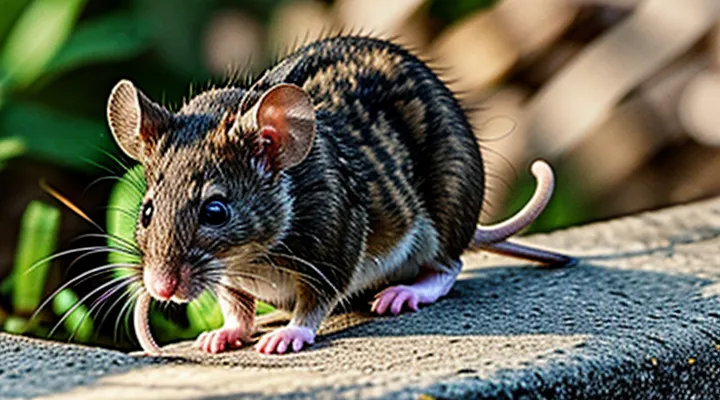
The Reproductive Cycle of Mice
Estrous Cycle
Proestrus
Proestrus marks the beginning of the female mouse estrous cycle and prepares the reproductive system for ovulation. Hormonal changes, primarily a rise in estrogen, stimulate the growth of ovarian follicles and the development of the uterine lining. The phase typically lasts 12–14 hours, after which the animal enters estrus, the period of sexual receptivity.
During proestrus, the following physiological events occur:
- Follicular maturation driven by increasing estradiol levels.
- Cervical mucus becomes more abundant and less viscous, facilitating sperm transport.
- The hypothalamic‑pituitary axis intensifies luteinizing hormone (LH) secretion, culminating in the LH surge that triggers ovulation.
The short duration of proestrus contributes to the overall speed of mouse reproduction. After estrus and successful mating, the gestation period averages 19–21 days, resulting in a complete reproductive cycle of roughly three weeks from proestrus onset to birth of the litter. Understanding the timing of proestrus is essential for scheduling breeding programs and experimental interventions that rely on precise control of reproductive events.
Estrus
Estrus is the period of sexual receptivity in female mice, marking the fertile phase of the estrous cycle. The cycle lasts approximately four to five days, and estrus itself occupies the final 12‑14 hours before ovulation. During this interval, elevated estrogen concentrations induce behavioral changes that signal readiness to mate.
The brief duration of estrus dictates the timing of successful breeding. Mating must occur within the estrus window; otherwise, fertilization will be delayed until the next cycle. After copulation, embryonic development proceeds for 19‑21 days, after which pups are born. Consequently, the interval from pairing to parturition ranges from 19.5 to 22.5 days, depending on the exact moment of estrus detection.
Key timing parameters for mouse reproduction:
- Estrous cycle length: 4–5 days
- Estrus phase: 12–14 hours
- Optimal mating window: within the estrus phase
- Gestation period: 19–21 days
- Total days from pairing to birth: roughly 20–22 days
Accurate identification of estrus enables precise scheduling of breeding pairs, minimizing the interval between pairing and litter production.
Metestrus
Metestrus marks the transition from the fertile phase of the estrous cycle to the luteal phase in laboratory mice. It follows ovulation and is characterized by a rapid decline in estradiol levels and a rise in progesterone as the corpus luteum forms. The phase lasts approximately 1–2 days, although slight variability can occur among strains and under different environmental conditions.
During metestrus, the uterine lining begins to prepare for potential implantation, while the ovarian follicles regress. This short interval contributes to the overall length of the estrous cycle, which typically spans 4–5 days in mice. Consequently, the metestrus period accounts for roughly 20–40 % of a single cycle, influencing the minimum number of days required for a female to become pregnant after mating.
Key attributes of metestrus in mice:
- Duration: 1–2 days.
- Hormonal profile: decreasing estradiol, increasing progesterone.
- Ovarian activity: corpus luteum development, follicular regression.
- Uterine response: initiation of secretory changes for possible embryo implantation.
- Position in cycle: immediately after estrus, preceding diestrus.
Understanding metestrus clarifies how quickly a mouse can progress from mating to a viable pregnancy, thereby informing estimates of the shortest reproductive interval in this species.
Diestrus
Diestrus is the luteal phase of the estrous cycle in laboratory mice, occurring after ovulation and lasting approximately 2–3 days. During this interval the corpus luteum secretes progesterone, stabilizing the uterine environment for potential implantation. If fertilization does not occur, progesterone levels decline, prompting the return to estrus and the start of a new cycle.
The length of diestrus directly influences the overall interval between successive litters. A typical mouse estrous cycle comprises proestrus (≈0.5 day), estrus (≈0.5 day), metestrus (≈0.5 day), and diestrus (≈2–3 days), yielding a total cycle of roughly 4–5 days. Consequently, after parturition, a female can re‑enter estrus within 4–5 days, allowing conception to occur shortly thereafter.
Key points regarding diestrus in mouse reproduction:
- Duration: 2–3 days, variable with strain and environmental conditions.
- Hormonal profile: elevated progesterone, reduced estrogen.
- Functional outcome: prepares uterine lining; determines interval before next fertile phase.
Understanding diestrus duration clarifies why mice can produce multiple litters within a single month, with the shortest possible interval limited by the combined length of the estrous cycle and gestation (≈19–21 days).
Gestation Period
Fertilization
Fertilization in laboratory mice occurs shortly after successful copulation. The male deposits sperm in the vaginal canal, and sperm ascend through the cervix into the uterine horns within 1–2 hours. By 4–6 hours post‑mating, sperm reach the ampulla of the oviduct, where the majority of ova are present. Ovulation typically takes place 12–14 hours after the onset of estrus, so fertilization is completed within a narrow window of approximately 6–12 hours after mating.
The fertilized oocyte (zygote) undergoes rapid cleavage while traveling down the oviduct. By 24 hours post‑fertilization, the embryo reaches the blastocyst stage and implants in the uterine lining. Implantation marks the transition from the pre‑implantation to the gestation phase, after which the gestational period for mice lasts about 19–21 days before parturition.
Key temporal milestones for mouse fertilization:
- 0 h: Copulation and sperm deposition
- 1–2 h: Sperm migration to uterine horns
- 4–6 h: Arrival of sperm in the ampulla, meeting ovulated ova
- 6–12 h: Fertilization of ova
- 24 h: Blastocyst formation and uterine implantation
These intervals define the minimum time required for successful fertilization and subsequent embryonic development leading to the first litter.
Implantation
Implantation marks the attachment of the blastocyst to the uterine wall, initiating the exchange of nutrients and signals necessary for embryonic development in mice.
After successful fertilization, the embryo progresses through the pre‑implantation stages within the oviduct before entering the uterus. The window of implantation opens approximately 4.5 to 5.5 days post‑coitum, when the blastocyst reaches the uterus and the endometrium is receptive.
During this period, the trophoblast cells differentiate to form the early placenta, while the uterine epithelium undergoes structural remodeling to accommodate the embryo. Hormonal cues—primarily estrogen and progesterone—regulate gene expression in both embryo and mother, ensuring synchronized development.
Key events of mouse implantation:
- Day 4.0–4.5: Blastocyst arrives in uterine lumen.
- Day 4.5: Initial attachment of trophoblast to luminal epithelium.
- Day 5.0–5.5: Invasion of trophoblast into stromal tissue, formation of primary decidual zone.
- Day 6.0: Establishment of early placenta and commencement of maternal‑fetal circulation.
Understanding the precise timing and mechanisms of implantation is essential for predicting the overall reproductive cycle length in laboratory mice.
Fetal Development
Mice reach sexual maturity within 5–8 weeks, after which a female can become pregnant almost immediately following estrus. The entire gestation lasts approximately 19–21 days, during which fetal development proceeds through distinct, well‑characterized phases.
Early embryogenesis (days 1–4) involves fertilization, zygote cleavage, and implantation into the uterine wall. By day 5, the embryo forms a primitive streak, establishing the body axis. Organogenesis commences between days 6 and 10, with the neural tube closing, heart tube formation, and the appearance of limb buds. Growth of major systems—respiratory, digestive, and musculoskeletal—accelerates from days 11 to 15, accompanied by rapid somite segmentation and vascularization. The final stage (days 16–21) includes maturation of the brain, lungs, and sensory organs, culminating in the acquisition of reflexes necessary for survival after birth.
Key milestones can be summarized:
- Day 1‑4: Fertilization, cleavage, implantation, primitive streak.
- Day 5‑10: Neural tube closure, heart tube, limb bud initiation.
- Day 11‑15: Somite formation, organ system expansion, vascular network development.
- Day 16‑21: Neural maturation, pulmonary surfactant production, sensory organ refinement, preparation for parturition.
At birth, pups weigh roughly 1–2 g and display fully formed, though immature, organ systems capable of limited autonomous function. The precise timing of each developmental event underlies the overall reproductive cycle length in laboratory and wild mouse populations.
Post-Natal Reproduction
Lactation and Weaning
Mice enter lactation immediately after parturition, with milk secretion detectable within 12 hours. Peak milk output occurs between days 3 and 5, sustained until the litter is removed from the dam. The lactation phase typically lasts 21 days, after which dam‑pup interactions shift toward independence.
Weaning commences when pups display autonomous thermoregulation, solid‑food intake, and reduced suckling. The standard weaning age ranges from day 18 to day 22, aligning with the end of the dam’s maximal milk production. Early removal (before day 15) can impair weight gain and delay sexual maturation; delayed weaning (beyond day 25) may increase maternal stress and reduce subsequent litter size.
Key milestones:
- Birth: onset of milk secretion.
- Day 3–5: peak lactational output.
- Day 12–14: gradual reduction in suckling frequency.
- Day 18–22: typical weaning window.
- Post‑weaning: rapid growth and preparation for the next reproductive cycle.
Postpartum Estrus
Post‑partum estrus in laboratory mice begins shortly after delivery, typically within 12–24 hours. The surge of luteinizing hormone that follows parturition triggers a brief estrus phase lasting about 8–12 hours. During this window, females become receptive to mating and can conceive a new litter while still caring for the previous one.
Hormonal profiles shift rapidly: prolactin levels rise to support lactation, while estrogen peaks drive the estrus behavior. The rapid onset of estrus reduces the interval between successive pregnancies, allowing a generation to be completed in approximately three weeks under optimal conditions.
Consequences for reproductive timing are measurable:
- First estrus after birth: 12–24 h.
- Duration of estrus: 8–12 h.
- Interval to next parturition (including gestation of ~19‑21 days): ≈21 days.
- Potential litters per year for a single female: up to 6–7, assuming continuous breeding cycles.
The presence of a post‑partum estrus therefore compresses the overall reproductive schedule, making mice one of the fastest‑reproducing mammals in a controlled environment.
Reproductive Longevity
Mice reach sexual maturity between 5 and 8 days of age, after which they can produce viable offspring. The reproductive window extends from this onset until approximately 10 months in laboratory strains, with a gradual decline in litter size and conception rates after 6 months. Estrous cycles occur every 4–5 days, allowing a potential gestation interval of roughly 21 days; consequently, a single female can generate up to five litters per year under optimal conditions.
Key factors influencing reproductive longevity include:
- Genetic background: inbred strains such as C57BL/6 display earlier senescence of fertility compared with outbred stocks.
- Nutrition: caloric restriction prolongs reproductive lifespan, whereas high‑fat diets accelerate decline.
- Environmental stressors: temperature fluctuations and overcrowding reduce estrous cycle regularity and shorten breeding capacity.
Because the gestation period is fixed, the number of days required for a complete reproductive cycle is determined primarily by the interval between weaning and the next conception. Typical breeding protocols allow weaning at 21 days, followed by a 2‑day rest before pairing, resulting in a 23‑day cycle per litter. Over the full reproductive lifespan, this schedule yields an estimated total of 4,150 days of potential reproductive activity per female, assuming continuous breeding without interruption.
Factors Influencing Reproduction Rates
Environmental Conditions
Temperature and Humidity
Temperature directly influences the speed of embryonic development in laboratory mice. At 20 °C, the gestation period extends by approximately 1–2 days compared with the standard 22 °C environment. Raising ambient temperature to 25–26 °C shortens the interval to 18–19 days, but temperatures above 28 °C increase the risk of embryonic loss. Consistent temperature control within 22 ± 2 °C yields the most reliable reproductive timing.
Humidity affects embryonic viability and litter size. Relative humidity maintained at 45–55 % prevents dehydration of neonates and supports normal pup growth. Levels below 30 % raise neonatal mortality, while humidity above 70 % promotes fungal contamination and reduces breeding efficiency. Optimal environmental parameters can be summarized as follows:
- Temperature: 22 °C ± 2 °C (optimal), 20 °C (slower development), 25–26 °C (faster development), >28 °C (increased loss).
- Relative humidity: 45–55 % (optimal), <30 % (higher mortality), >70 % (contamination risk).
Nesting Availability
Nesting sites directly influence the speed of mouse breeding cycles. Females will delay conception if suitable shelters are absent, extending the interval between litters. Adequate nests provide thermal stability, protection from predators, and a space for pup development, allowing females to enter estrus promptly after weaning.
Key aspects of nest availability:
- Material abundance – shredded paper, cotton, or plant fibers enable rapid construction of insulated chambers.
- Space density – overcrowded environments increase competition for nesting spots, causing some females to postpone mating.
- Environmental consistency – stable temperature and humidity reduce stress, supporting regular estrous cycles.
- Predation risk – concealed nests lower perceived danger, encouraging timely breeding.
When these conditions are met, mice typically progress from parturition to the next conception within 24–48 hours, resulting in a reproductive interval of roughly 21–25 days. Conversely, limited or poor-quality nesting options can add several days to this interval, slowing population growth.
Population Density
Population density refers to the number of individuals occupying a given area, typically expressed as mice per square meter in laboratory cages or per hectare in field environments. Accurate measurement requires counting all animals within defined boundaries and adjusting for space constraints, ventilation, and resource availability.
High densities increase social stress, elevate cortisol levels, and suppress gonadotropin‑releasing hormone. Consequently, estrous cycles lengthen, and the interval between mating and parturition can extend beyond the standard 19–21 days observed under optimal conditions. Conversely, low‑density settings reduce competition for nesting material and food, allowing females to reach sexual maturity earlier and maintain the typical gestation period.
Empirical observations indicate:
- At ≤ 2 mice / 0.05 m², average gestation remains 20 days; litter size averages 7 pups.
- At 5–6 mice / 0.05 m², gestation stretches to 22–24 days; litter size drops to 5–6 pups.
- At ≥ 8 mice / 0.05 m², estrus intervals lengthen by 2–3 days, and some females experience anestrus, halting reproduction entirely.
These patterns affect colony management. Researchers must control cage occupancy to maintain predictable reproductive timing, while pest‑control programs should consider that overcrowding can delay population expansion, altering outbreak forecasts.
Nutritional Intake
Diet Quality
Dietary composition directly influences the interval between successive litters in laboratory mice. Studies show that variations in protein content, energy density, and fat ratio modify the length of the estrous cycle and the duration of gestation.
Higher protein diets (≥20 % of total calories) accelerate follicular development, reducing the interval from weaning to conception by 1–2 days. Low‑protein regimens (≤10 % protein) extend the cycle, often adding 2–3 days before mating can occur. Energy‑dense feeds (≥350 kcal / 100 g) supply sufficient glucose for ovarian steroidogenesis, shortening the luteal phase and consequently the overall reproductive timeline. Excessive fat (≥20 % of calories) can delay ovulation through altered leptin signaling, adding up to 4 days to the cycle.
Micronutrients exert measurable effects as well. Adequate levels of vitamin E and selenium support antioxidant defenses in oocytes, preventing delays caused by oxidative stress. Calcium and magnesium balance modulates uterine contractility, influencing gestation length by ±0.5 day. Deficiencies in B‑vitamins, particularly folate, impair embryonic cell division, occasionally extending gestation by 1 day.
Observed outcomes from controlled feeding experiments:
- Standard chow (18 % protein, 300 kcal / 100 g): average interval 21 days.
- High‑protein diet (24 % protein, 340 kcal / 100 g): average interval 19 days.
- Low‑protein diet (8 % protein, 280 kcal / 100 g): average interval 24 days.
- Supplemented micronutrient mix (vitamin E 200 IU/kg, selenium 0.3 ppm): gestation reduced from 20 to 19 days.
Optimizing diet quality—maintaining adequate protein, balanced energy, appropriate fat proportion, and sufficient micronutrients—consistently shortens the reproductive cycle and yields more predictable litter timing in mice.
Food Availability
Food supply directly influences the interval between mating and parturition in laboratory rodents. Adequate nutrition shortens the estrous cycle, allowing females to enter the fertile phase sooner after weaning. When caloric intake falls below maintenance levels, estrus is delayed, and ovulation may be suppressed, extending the time required to produce offspring.
Nutrient composition also affects gestation length. Protein‑rich diets sustain normal embryonic development, resulting in a gestation period of approximately 19–21 days. Deficient protein or essential fatty acids can lengthen this phase by one to two days, as embryonic growth slows and maternal reserves are mobilized.
Key effects of food availability:
- Sufficient calories → estrous cycle every 4–5 days; rapid return to fertility after litter removal.
- Caloric restriction → estrous cycle lengthens to 6–8 days; delayed conception.
- Balanced macro‑ and micronutrients → gestation remains within the typical 19–21‑day window.
- Nutrient deficits → gestation may extend to 22–23 days; litter size often decreases.
Consistent feeding regimes therefore reduce the overall reproductive timeline, enabling mice to produce successive litters with minimal intervals.
Genetic Predisposition
Strain Differences
Different mouse strains exhibit distinct reproductive timelines, influencing the interval from mating to birth. Inbred strains such as C57BL/6 typically require 19–20 days of gestation, whereas outbred strains like CD‑1 often complete gestation in 18 days. Hybrid strains, for example F1 progeny of C57BL/6 × BALB/c, show intermediate periods of 18.5–19.5 days.
Key strain‑specific factors affecting the reproductive interval include:
- Genetic background – alleles governing hormonal regulation and embryonic development differ among strains, altering gestational length.
- Maternal age – older females within a strain may experience slight extensions of the gestation period, up to 0.5 days.
- Environmental conditions – temperature and photoperiod interact with strain genetics, modestly shifting timing.
Data from controlled breeding colonies confirm that the shortest recorded gestation among common laboratory strains is 17 days in the Swiss Webster line, while the longest is 21 days in the DBA/2J strain. Consequently, experimental designs must account for strain‑dependent variation when scheduling breeding cycles, weaning, and downstream analyses.
Inbreeding Effects
Inbreeding alters the reproductive schedule of laboratory mice by affecting physiological and genetic factors that determine the interval between mating and parturition. Studies of highly inbred strains reveal consistent deviations from the typical gestation period observed in outbred populations.
Key consequences of inbreeding on reproductive timing include:
- Shortened estrous cycles, which can delay the onset of successful copulation.
- Extended gestation length, often by 1–2 days, due to impaired placental development.
- Reduced litter size, leading to fewer viable offspring per breeding cycle.
- Increased embryonic mortality, which prolongs the effective reproductive interval.
- Elevated incidence of congenital anomalies that may require additional post‑natal care, further extending the generation turnover time.
These effects collectively lengthen the effective reproductive cycle, diminishing the speed at which genetic lines can be propagated in research settings. Adjusting breeding protocols—such as providing supplemental nutrition or selecting less homozygous pairs—mitigates some delays but cannot fully restore the rapid reproductive rhythm characteristic of genetically diverse mice.
Health Status
Disease and Parasites
Mice reproduce rapidly, with a gestation period of approximately 19–21 days. During this interval, disease agents and parasites can significantly alter fertility, litter size, and neonatal survival.
Pathogenic bacteria such as Salmonella and Staphylococcus invade the reproductive tract, causing inflammation that delays ovulation and reduces implantation rates. Viral infections—including mouse hepatitis virus (MHV) and Sendai virus—trigger systemic immune responses that suppress estrous cycles and increase embryonic resorption.
Parasitic infestations exert comparable pressure. Endoparasites like Syphacia muris (pinworm) and Aspiculuris tetraptera (nematode) deplete host nutrients, leading to lower body condition scores and prolonged inter‑litter intervals. Ectoparasites such as Polyplax serrata (lice) and Dermacentor spp. (ticks) transmit secondary bacterial agents, exacerbating reproductive impairment.
Key effects of disease and parasites on the mouse reproductive timeline:
- Delayed estrus onset by 2–5 days
- Reduced conception rates by 10–30 %
- Decreased litter size by 1–3 pups
- Increased pre‑weaning mortality by up to 40 %
Effective management relies on regular health monitoring, prophylactic antimicrobial treatment, and strict biosecurity to maintain the expected reproductive schedule.
Stress Levels
Stress levels exert a measurable influence on the reproductive timeline of laboratory mice. Elevated cortisol or corticosterone concentrations suppress the hypothalamic‑pituitary‑gonadal axis, delaying the onset of estrus and extending the interval between mating and successful conception. Studies show that chronically stressed females require an additional 1–3 days to enter a fertile phase compared with unstressed controls.
Conversely, reduced stress accelerates reproductive readiness. Mice housed in enriched environments with minimal handling exhibit shorter inter‑estrous intervals, allowing conception to occur within the typical 4‑day estrous cycle. The resulting gestation period, averaging 19‑21 days, remains constant, but the total time from birth to the next viable litter shortens when stress is low.
Key physiological effects of stress on mouse reproduction:
- Suppression of luteinizing hormone surge → delayed ovulation.
- Decreased implantation rates → lower litter numbers.
- Altered maternal behavior → increased pup mortality.
Managing environmental variables—temperature, lighting, cage density, and handling frequency—maintains baseline stress hormones, thereby preserving the expected reproductive schedule.
Understanding Mouse Breeding in Different Contexts
Laboratory Settings
Controlled Breeding Programs
Controlled breeding programs for laboratory mice rely on precise knowledge of the species’ reproductive timeline. A typical mouse gestation lasts 19–21 days; the estrous cycle spans 4–5 days, with ovulation occurring during the proestrus phase. After birth, pups are weaned at 21 days, establishing the earliest point at which a female can be re‑mated. Consequently, the minimum interval between successive litters for a single female is roughly 35 days, assuming optimal health and environmental conditions.
Successful program design incorporates the following elements:
- Age selection: Initiate breeding when females reach 8–10 weeks, when fertility peaks and the risk of age‑related complications is low.
- Cycle monitoring: Use vaginal cytology or hormonal assays to identify proestrus, ensuring matings occur at the optimal fertile window.
- Pairing strategy: Assign one male to one or two females, maintaining a male‑to‑female ratio that prevents overcrowding while maximizing litter output.
- Environmental control: Keep temperature at 20–26 °C, humidity at 40–60 %, and provide a 12‑hour light/dark cycle to stabilize circadian influences on reproduction.
- Health surveillance: Conduct regular health checks and pathogen screening to avoid reproductive failures caused by disease.
- Record keeping: Log mating dates, gestation lengths, litter sizes, and weaning dates to calculate generation intervals and adjust protocols as needed.
By adhering to these practices, a breeding program can predict and manage the reproductive cycle with a margin of error of ±1 day, enabling researchers to schedule experimental cohorts accurately and maintain genetic integrity across generations.
Research Applications
Understanding the interval required for murine breeding underpins several experimental strategies. Precise timing data enable researchers to synchronize colony turnover, predict litter availability, and plan interventions with minimal delay.
Key research applications include:
- Genetic manipulation programs that depend on predictable generation cycles to introduce transgenes or CRISPR edits.
- Toxicology assessments where developmental exposure windows must align with specific embryonic stages.
- Disease‑model creation that requires controlled breeding to propagate mutant alleles across generations.
- Pharmacokinetic and pharmacodynamic studies that use age‑matched cohorts to evaluate drug metabolism in young versus adult mice.
- Nutritional investigations that examine the impact of diet on reproductive performance and offspring health.
- Developmental biology experiments that track organogenesis from conception through weaning.
Accurate knowledge of reproductive timing reduces colony maintenance costs, lowers the number of animals needed for statistically robust experiments, and supports compliance with ethical guidelines governing animal use.
Wild Populations
Seasonal Variations
Mice reach sexual maturity within a narrow timeframe that varies with temperature, daylight length, and food availability. In warm months, ambient temperatures between 20 °C and 25 °C accelerate hormonal development, allowing females to conceive as early as 30 days after birth. Cooler periods extend the maturation window to 45–50 days, delaying the onset of estrus cycles.
Day length influences melatonin secretion, which modulates reproductive hormones. Long photoperiods (14–16 hours of light) increase luteinizing hormone pulses, shortening the interval between successive litters to approximately 21 days. Short photoperiods (8–10 hours of light) suppress these pulses, lengthening the inter‑litter interval to 28–30 days.
Nutritional abundance further adjusts reproductive timing. Adequate protein and energy intake during spring and summer sustain rapid gonadal growth, whereas scarcity in autumn and winter reduces gonadal size, extending the reproductive interval. The combined effect of temperature, photoperiod, and diet produces seasonal fluctuations in the number of days required for mice to complete a reproductive cycle.
Predation Pressure
Predation pressure accelerates the reproductive cycle of mice. Female mice exposed to frequent predator cues reach sexual maturity earlier, often within 25–30 days after birth rather than the typical 35–45 days. Males under the same conditions display earlier testicular development, enabling mating at 30 days of age. The gestation period remains constant at approximately 19–21 days, but increased mating frequency shortens the interval between successive litters. Consequently, a population subjected to high predation risk can produce three to four litters per year instead of the usual two.
Key physiological adjustments include:
- Elevated circulating cortisol, which stimulates gonadotropin release.
- Increased estradiol levels in females, advancing estrus cycles.
- Up‑regulated spermatogenesis in males, shortening sperm maturation time.
These changes result in a net reduction of the time required for a new generation to replace the previous one, enhancing population resilience under predator stress.
Pest Control Implications
Population Growth Dynamics
Mice reach sexual maturity at approximately six weeks of age. Gestation lasts 19–21 days, after which a female can enter estrus within 24 hours. Litter size averages 5–8 pups, and weaning occurs around three weeks post‑birth. These intervals define the minimum time between successive breeding events.
Population growth in a laboratory mouse colony follows a geometric progression when resources are unrestricted. The intrinsic rate of increase (r) depends on the reproductive interval, litter size, and survival to maturity. A single breeding pair can generate over 1,000 individuals within a year under ideal conditions, illustrating the rapid expansion potential.
Key parameters influencing dynamics:
- Gestation period: 19–21 days
- Post‑partum estrus: 1 day after delivery
- Interbirth interval: ≈30 days (including lactation)
- Age at first conception: ≈6 weeks
- Average litter size: 5–8 pups
- Juvenile survival to breeding age: variable, often >80 % in controlled environments
When environmental limits are introduced, growth transitions from exponential to logistic. Carrying capacity (K) curtails the population as density‑dependent factors increase mortality and reduce reproductive output. The resulting S‑shaped curve stabilizes the colony size around K, preventing indefinite expansion.
Understanding these biological timings and demographic parameters enables precise management of mouse populations for research or breeding programs.
Management Strategies
Effective control of mouse breeding cycles hinges on precise manipulation of environmental, nutritional, hormonal, and genetic variables. When the interval between conception and parturition can be predicted, laboratory colonies maintain experimental integrity and pest‑control programs limit population explosions.
- Temperature regulation – maintain ambient temperature between 20 °C and 24 °C; deviations shorten or lengthen the estrous cycle.
- Photoperiod adjustment – provide 14 hours of light and 10 hours of darkness; consistent lighting stabilizes hormonal rhythms.
- Dietary optimization – supply high‑protein feed (18–20 % protein) with balanced micronutrients; excess calories accelerate sexual maturation.
- Hormonal intervention – administer controlled doses of gonadotropin‑releasing hormone analogues to synchronize ovulation.
- Selective breeding – prioritize strains with documented longer inter‑litter periods; eliminate fast‑reproducing lines from the colony.
Implementation requires systematic documentation. Record temperature, light schedule, feed composition, and any pharmacological treatments for each cage. Conduct weekly visual inspections to identify estrus signs and adjust interventions accordingly. Employ software to track litter dates, allowing calculation of average reproductive intervals and early detection of deviations.
Adhering to these protocols reduces breeding frequency, yields predictable litter timing, and enhances the reliability of experimental outcomes while minimizing the risk of uncontrolled mouse proliferation.