
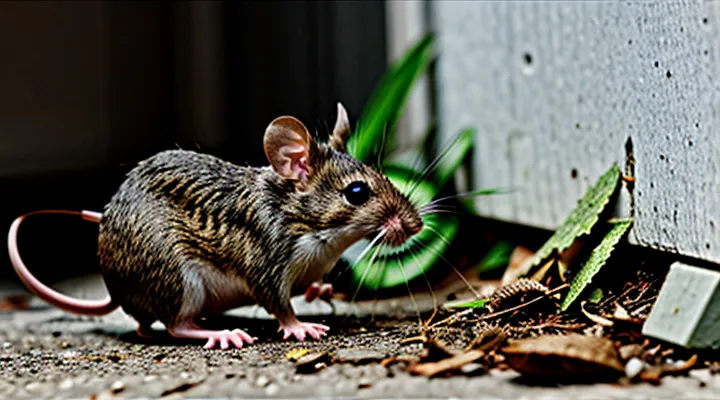
Understanding Decomposition: The Basics
What is Decomposition?
Stages of Decomposition
The decomposition of a small rodent proceeds through a predictable sequence of biological and chemical changes. Each phase influences the duration of the process and the intensity of the odor released.
- «Fresh stage»: lasts 0‑12 hours. Autolysis begins as cellular enzymes break down tissue. No visible swelling; odor is minimal.
- «Bloat stage»: spans 12‑48 hours. Anaerobic bacteria proliferate, producing gases such as methane, hydrogen sulfide and cadaverine. The carcass expands, and a distinct foul smell becomes apparent.
- «Active decay stage»: continues 2‑5 days. Aerobic microbes dominate, accelerating tissue consumption. Fluids exude, and volatile organic compounds intensify the odor.
- «Advanced decay stage»: covers 5‑10 days. Most soft tissue is removed; remaining mass consists of cartilage, bone fragments and residual skin. Odor diminishes as volatile compounds are depleted.
- «Dry remains stage»: extends beyond 10 days. Skeleton and dried tissues persist; microbial activity is low, and scent is faint.
Temperature, humidity and ambient scavengers modify the timing of each phase, but a mouse typically reaches the dry remains stage within two weeks under temperate conditions. The characteristic smell originates primarily from bacterial metabolism that generates sulfur‑containing amines and short‑chain fatty acids, compounds detectable by the human olfactory system at low concentrations.
Factors Influencing Decomposition Rate
The rate at which a small rodent’s remains decompose depends on several interrelated variables. Temperature exerts the strongest influence; higher ambient heat accelerates enzymatic activity and bacterial proliferation, shortening the breakdown period dramatically. Conversely, low temperatures suppress metabolic processes, extending the decomposition timeline.
Moisture levels affect both microbial growth and tissue desiccation. Sufficient humidity supports bacterial colonization, while arid conditions cause rapid drying, which slows decay and reduces odor production. Soil composition contributes additional control; acidic or alkaline environments alter microbial communities, and porous substrates facilitate aeration, enhancing aerobic decomposition.
Presence of scavengers and insects introduces mechanical disruption. Carrion‑feeding insects, particularly blowflies, deposit eggs that hatch into larvae, which consume soft tissues and generate heat, further hastening decay. Larger vertebrate scavengers remove bulk tissue, drastically reducing the remaining mass subject to microbial action.
Depth of burial determines exposure to oxygen. Shallow placement allows airflow, favoring aerobic bacteria that produce characteristic foul smells such as cadaverine, putrescine, and various sulfur compounds. Deep burial restricts oxygen, shifting the process toward anaerobic pathways that generate different, often less intense, odors.
Body size and condition influence the absolute amount of tissue available for decomposition. A healthy adult mouse provides more substrate than a juvenile, extending the overall period before complete breakdown. Pre‑existing diseases or injuries can introduce additional bacterial species, modifying both rate and odor profile.
In summary, temperature, humidity, soil characteristics, scavenger activity, burial depth, and the animal’s physiological state collectively dictate how quickly a mouse’s remains decompose and why the process emits a strong, unpleasant smell. The interaction of these factors determines both the timeline and the intensity of odor production.
The Mouse Decomposition Timeline
Early Stages: Fresh and Bloat
Chemical Changes within the Body
Decomposition of a mouse proceeds through a series of predictable chemical transformations. Immediately after death, cellular membranes lose integrity, exposing intracellular enzymes to substrates that were previously compartmentalized. This autolytic phase initiates the breakdown of proteins, nucleic acids, and lipids, releasing amino acids, nucleotides, and fatty acids into the surrounding tissue matrix.
Bacterial proliferation follows the autolytic stage. Aerobic and anaerobic microbes metabolize the liberated nutrients, converting them into low‑molecular‑weight volatile compounds. The most odorous products include:
- putrescine (1,4‑diamine)
- cadaverine (1,5‑diamine)
- indole
- skatole
- hydrogen sulfide
- ammonia
- short‑chain fatty acids (e.g., butyric acid)
These metabolites arise from decarboxylation of amino acids, reduction of sulfur‑containing residues, and fermentation of carbohydrates. Their high vapor pressure enables rapid diffusion into the surrounding air, producing the characteristic foul smell associated with decay.
The progression of chemical change can be divided into temporal phases:
- Early stage (0‑12 hours) – Autolysis predominates; tissue softening begins, but odor remains weak.
- Intermediate stage (12‑72 hours) – Putrefaction intensifies; concentrations of amines and sulfides rise sharply, generating noticeable odor.
- Late stage (3‑7 days) – Advanced microbial activity depletes readily available substrates; odor peaks as volatile compounds accumulate.
- Final stage (beyond one week) – Drying and mineralization reduce volatile release; odor diminishes while skeletal remains persist.
Chemical alterations drive both the rate of tissue breakdown and the emergence of odor. Rapid enzymatic digestion accelerates nutrient availability for microbes, shortening the overall decomposition timeline. Simultaneously, the production of amines, sulfides, and other volatile molecules explains why the odor becomes perceptible within the first day after death and intensifies over the following several days.
Role of Microorganisms
Microorganisms dominate the breakdown of a small rodent, dictating both the speed of tissue loss and the emergence of foul odors. Initial bacterial colonization begins within hours after death, exploiting the abundant nutrients in soft tissues. Aerobic species such as Pseudomonas and Proteus proliferate, generating enzymes that dissolve proteins and lipids, which shortens the first visible stage of decay to roughly one to three days.
As oxygen is depleted, facultative and obligate anaerobes, including Clostridium spp., assume control. Their metabolic pathways produce gases—hydrogen sulfide, methane, carbon dioxide—that inflate the carcass and create an anaerobic environment conducive to further microbial succession. The shift from aerobic to anaerobic dominance extends the decomposition timeline to about five to seven days, after which tissue mass is largely reduced to skeletal remnants.
Fungal organisms, particularly saprophytic molds like Aspergillus and Penicillium, colonize the corpse during the later phases when moisture levels rise and bacterial activity wanes. Hyphal penetration disrupts remaining connective tissue, accelerating the conversion of residual organic matter into simpler compounds. This fungal phase can persist for several weeks, ultimately leaving only bone and cartilage.
Odor production results directly from microbial metabolism. The principal volatile compounds responsible for the characteristic stench include:
- Hydrogen sulfide («H₂S») – sharp, rotten‑egg smell.
- Putrescine and cadaverine – amine compounds with a decaying flesh odor.
- Indole and skatole – low‑concentration notes reminiscent of feces.
- Short‑chain fatty acids – sour, rancid aroma.
Each compound originates from specific enzymatic reactions: protein deamination yields amines, sulfur‑containing amino acids release H₂S, and fatty acid breakdown generates indole derivatives. The intensity of the odor peaks when bacterial activity is highest, typically between the second and fourth days of decomposition, before gradually diminishing as microbial populations shift toward less odorous species.
In summary, the sequential dominance of aerobic bacteria, anaerobic bacteria, and fungi orchestrates the temporal pattern of rodent decay and governs the chemical profile of the emitted smells.
Active and Advanced Decay
Insect Activity and Maggots
Insect colonization accelerates the breakdown of rodent tissue, converting solid mass into liquid and gases that generate the characteristic odor. Blowflies are typically the first visitors; they lay eggs on exposed flesh within minutes of death. The emerging larvae, commonly referred to as «maggots», feed voraciously on the decaying protein, producing heat that raises the local temperature and speeds microbial activity. This metabolic heat, combined with the release of ammonia, sulfides and fatty acids from both insect digestion and bacterial decomposition, creates the pungent smell associated with a decomposing mouse.
Key aspects of maggot activity:
- Egg deposition: dozens to hundreds of eggs per female, each hatching in 12–24 hours under favorable conditions.
- Feeding phase: larvae consume tissue, excrete nitrogen‑rich waste, and generate volatile compounds such as putrescine and cadaverine.
- Growth cycle: three instars over 4–6 days, after which larvae leave the carcass to pupate, leaving the body largely skeletonized.
The combined effect of insect digestion and bacterial metabolism determines both the speed of tissue loss and the intensity of odor, explaining why a mouse can decompose noticeably within a week in warm, humid environments.
Liquefaction and Desiccation
Decomposition of a small rodent proceeds through two dominant physical transformations: tissue liquefaction and subsequent desiccation.
During the early phase, enzymatic autolysis and bacterial proliferation break down cellular membranes, converting solid organs into a semi‑fluid mass. This liquefaction releases volatile compounds—amines, sulfides, and fatty acids—that generate the characteristic foul odor. The intensity of the smell correlates with the rate of protein degradation and the abundance of anaerobic bacteria, both of which accelerate in warm, moist environments.
As the fluid mass drains or evaporates, the remaining tissues enter a drying stage. Desiccation reduces water activity, inhibiting microbial growth and slowing further odor production. The dried carcass becomes rigid, and the residual smell diminishes over weeks to months, depending on ambient humidity and temperature.
Key factors influencing the timeline of these processes:
- Ambient temperature: higher temperatures increase enzymatic activity and bacterial metabolism, shortening the liquefaction period.
- Moisture level: elevated humidity sustains fluid retention, prolonging odor emission.
- Soil composition: porous substrates facilitate drainage, hastening desiccation.
In typical indoor conditions, liquefaction may last from several days to two weeks, while complete desiccation can extend the total decomposition period to several months. The transition from a moist, odor‑producing state to a dry, less odorous carcass defines the observable timeline of mouse decay.
Skeletonization and Diagenesis
Bone Degradation
The skeletal system of a mouse consists primarily of collagen fibers and hydroxyapatite crystals. After soft tissues desiccate, the mineral matrix remains resistant to immediate breakdown, extending the overall decay period.
Bone degradation proceeds through three observable phases:
- Initial demineralization – microbial acids and environmental moisture dissolve hydroxyapatite, reducing structural rigidity within weeks.
- Collagen hydrolysis – proteolytic bacteria and fungi cleave collagen fibers, producing gelatinous residues that persist for several months.
- Complete disintegration – prolonged exposure to soil chemistry and scavenger activity fragments the remaining matrix, ultimately returning calcium and phosphorus to the ecosystem.
The odor associated with later stages originates from volatile compounds released during collagen breakdown. Bacterial metabolism generates putrescine, cadaverine, and indole, each contributing to the characteristic smell. Additionally, the dissolution of mineral components can liberate trace sulfur compounds, enhancing the olfactory profile.
Factors influencing the rate of skeletal decay include ambient temperature, soil pH, moisture level, and the presence of scavenging organisms. Warmer, moist environments accelerate acid production, while alkaline soils retard hydroxyapatite dissolution.
Environmental Impact on Final Stage
The final phase of mouse decomposition releases nutrients that integrate into the surrounding ecosystem. Microbial breakdown converts proteins, fats, and bone material into nitrogen, phosphorus, and calcium, enriching soil fertility and supporting plant growth. Decomposition byproducts also provide energy sources for detritivores, sustaining the food web at a micro‑scale.
Environmental consequences of the terminal decay stage include:
- Increased soil organic matter, enhancing water retention and aeration.
- Elevated levels of ammonia and sulfides, which may temporarily alter pH and affect nearby vegetation.
- Propagation of pathogens through leachate, potentially influencing local wildlife health.
- Attraction of scavenger species such as beetles and carrion flies, facilitating further material recycling.
Odor generation originates from volatile organic compounds produced during protein and fat degradation. These compounds disperse into the air, signaling the presence of carrion to scavengers and influencing microbial community dynamics. The overall impact balances nutrient enrichment with transient chemical disturbances, ultimately contributing to ecosystem turnover.
Why Does It Smell? The Science Behind the Odor
Putrefaction and Odorous Compounds
Volatile Organic Compounds (VOCs)
Volatile organic compounds (VOCs) are the primary chemical agents responsible for the odor emitted during rodent decay. As tissues break down, microbial activity converts proteins, lipids, and carbohydrates into a mixture of low‑molecular‑weight gases. Typical VOCs include:
- Putrescine and cadaverine, produced from amino acid degradation, impart a sharp, ammonia‑like scent.
- Sulfur‑containing compounds such as dimethyl sulfide and hydrogen sulfide generate a foul, rotten‑egg odor.
- Short‑chain fatty acids (e.g., butyric and valeric acids) contribute rancid, cheesy notes.
- Aldehydes and ketones (e.g., hexanal, acetone) add sweet‑ish, grassy nuances.
The concentration of these compounds rises rapidly within the first 24–48 hours after death, peaking as bacterial colonies proliferate. Environmental factors—temperature, humidity, and exposure to air—accelerate microbial metabolism, thereby increasing VOC production. In temperate conditions, the most intense odor phase typically occurs between two and five days post‑mortem, after which volatilization and diffusion reduce detectable levels.
«Putrescine», «cadaverine», and sulfurous gases are detectable by the human nose at concentrations as low as parts per billion, explaining the pronounced smell even when the carcass is small. The persistence of odor depends on soil composition and ventilation; porous substrates absorb VOCs, prolonging release, while open air disperses them quickly.
Understanding the specific VOC profile aids forensic analysis, allowing estimation of post‑mortem interval and identification of decomposition stage without visual inspection.
Key Smelling Agents: Cadaverine and Putrescine
After death, tissue proteins undergo bacterial decarboxylation, generating the diamine compounds «cadaverine» and «putrescine». These polyamines emerge within the first few hours and dominate the odor profile of a small rodent during the initial 24‑48 hours of decay.
«Cadaverine» (1,5‑diaminopentane) originates from lysine, while «putrescine» (1,4‑diaminobutane) derives from ornithine. Both molecules possess low odor thresholds—approximately 0.5 ppm for «cadaverine» and 0.1 ppm for «putrescine»—allowing them to be detected at minimal concentrations. Their volatility ensures rapid diffusion from the carcass into the surrounding air, creating the characteristic foul smell associated with early decomposition.
Key characteristics:
- Molecular weight: 102 g mol⁻¹ («cadaverine»), 88 g mol⁻¹ («putrescine»)
- Primary source: bacterial decarboxylation of amino acids
- Odor detection limit: sub‑ppm range, contributing to strong olfactory perception
- Persistence: concentrations peak within the first two days, then decline as advanced decomposition products accumulate
The presence and concentration of these diamines explain why a mouse carcass becomes noticeably malodorous shortly after death, and why the intensity diminishes as further breakdown stages produce less volatile compounds.
Factors Affecting Odor Intensity
Temperature and Humidity
Temperature accelerates the breakdown of rodent tissue. At 20 °C, bacterial activity proceeds at a moderate rate, resulting in noticeable softening within two to three days. Raising the ambient temperature to 30 °C shortens this interval to roughly one day, because enzymatic reactions double in speed for each ten‑degree increase. Conversely, low temperatures near 0 °C suppress microbial growth, extending the intact stage to a week or more.
Humidity governs moisture availability for both bacteria and insects. Relative humidity above 80 % maintains a wet environment, facilitating rapid microbial proliferation and intense odour production within 24 hours. In dry conditions below 40 % the carcass desiccates, slowing decomposition and reducing the strength of the smell, although the tissue may persist for several weeks.
Key effects of temperature and humidity:
- Higher temperature → faster enzymatic breakdown → earlier release of volatile compounds.
- Lower temperature → slower bacterial growth → delayed odour emergence.
- High humidity → sustained moisture → enhanced microbial metabolism → stronger odor.
- Low humidity → tissue dehydration → limited microbial activity → weaker odor.
The interaction of these factors determines both the timeline for tissue disintegration and the intensity of the characteristic scent associated with decaying rodent remains.
Location and Airflow
The environment where a mouse carcass remains determines both the speed of tissue breakdown and the intensity of the odor it produces. Warm, humid locations accelerate bacterial activity, causing rapid soft‑tissue decay and a swift rise in volatile compounds responsible for the smell. In contrast, cold or dry settings slow enzymatic processes, extending the decomposition timeline and reducing odor release.
Airflow influences odor dispersion and the rate at which decomposition by‑products are removed from the immediate area. Adequate ventilation carries volatile molecules away, diminishing perceived stench but also exposing surrounding spaces to the odor. Restricted airflow traps gases, intensifying the smell while potentially creating anaerobic conditions that alter the chemical profile of the decay.
Key factors to consider:
- Temperature: higher temperatures increase microbial metabolism, shortening decay time.
- Moisture: elevated humidity supports bacterial growth, enhancing both breakdown and odor production.
- Air exchange: strong circulation removes odorous gases, reducing local concentration; stagnant air concentrates them.
- Surface contact: placement on porous materials (soil, fabric) absorbs fluids, moderating odor release; non‑porous surfaces (metal, glass) allow quicker volatilization.
Understanding the interplay of location and airflow enables accurate predictions of how long a mouse will decompose and the degree of odor that will be experienced.
Health Risks Associated with Decomposition Odors
Pathogens and Bacteria
Decomposition of a small rodent proceeds rapidly under temperate conditions. Within the first 24 hours, aerobic bacteria colonize surface tissues, producing heat and accelerating tissue breakdown. By the third day, anaerobic microbes dominate, releasing volatile compounds that generate a characteristic odor. Complete skeletal exposure may occur within two weeks, depending on temperature, humidity, and scavenger activity.
Key bacterial groups driving this process include:
- Aerobic Gram‑negative rods such as Pseudomonas spp., which metabolize proteins and lipids.
- Facultative anaerobes like Escherichia coli that transition to fermentative metabolism.
- Strict anaerobes, notably Clostridium spp., producing foul‑smelling gases (e.g., putrescine, cadaverine, hydrogen sulfide).
- Spore‑forming bacilli (Bacillus spp.) that persist after surface desiccation.
Pathogenic microorganisms present in the carcass pose health risks. Salmonella and Listeria may survive in internal organs, while Yersinia pestis can be transmitted through contact with contaminated fur. Handling the remains without protective equipment increases exposure to these agents.
Odor development results from bacterial enzymatic degradation of amino acids and fatty acids. Decarboxylation of lysine and ornithine yields putrescine and cadaverine, compounds detectable at concentrations as low as parts per million. Sulfide‑producing Clostridium species generate hydrogen sulfide, imparting a rotten‑egg scent. The cumulative release of these volatiles explains the strong, unpleasant smell associated with rodent decay.
Allergic Reactions
The decomposition of a small rodent releases proteins, microbial spores, and volatile compounds that can provoke allergic responses in sensitive individuals. Exposure occurs through inhalation of airborne particles, direct skin contact with decomposed tissue, or ingestion of contaminated food. Immune systems of predisposed persons recognize these substances as allergens, triggering IgE‑mediated reactions that may manifest as sneezing, watery eyes, skin rash, or, in severe cases, bronchospasm.
Key allergenic contributors include:
- Protein fragments from the animal’s fur and dander, which persist after tissue breakdown.
- Fungal spores that colonize the corpse during later stages of decay.
- Bacterial endotoxins and volatile organic compounds such as cadaverine and putrescine, which irritate mucous membranes and can sensitize the respiratory tract.
Management focuses on minimizing exposure, employing protective gear when handling carcasses, and, for affected individuals, using antihistamines or corticosteroids to alleviate symptoms. Prompt removal of the source and thorough ventilation of the area reduce the concentration of airborne allergens and mitigate health risks.
Mitigating the Odor and Health Risks
Locating the Source of the Smell
Visual Cues
Visual cues provide the most reliable means of estimating the stage of a mouse’s decomposition. Observers rely on changes in coloration, tissue integrity, and the presence of fluids to gauge progress without invasive methods.
- Fresh stage (0‑12 hours): skin appears pink‑red, eyes remain glossy, and fur is intact. No visible bloating or fluid leakage is present.
- Bloat stage (12‑48 hours): abdomen expands, skin takes on a purplish hue, and the carcass may emit a faint amber fluid from the ventral area. Fur loosens as underlying tissue softens.
- Active decay (48‑96 hours): skin darkens to black‑brown, tissue sloughs away, and large volumes of putrefactive liquid accumulate. Bones become visible through the deteriorating musculature.
- Advanced decay (4‑7 days): skeletal structure dominates, remaining flesh is reduced to desiccated patches, and the carcass exhibits extensive discoloration and fragmentation.
The emergence of odor correlates directly with visual deterioration. The fresh stage produces little to no smell; as bacterial activity intensifies during bloating, volatile compounds such as cadaverine and putrescine begin to form, creating a noticeable stink. During active decay, the concentration of these compounds peaks, matching the observed tissue breakdown and fluid release. In the final stage, odor diminishes as volatile substances evaporate, leaving only the visual remnants of bone and dried tissue.
Olfactory Detection Techniques
Decomposing rodent tissue releases volatile organic compounds (VOCs) that serve as biomarkers for the stage of decay. Accurate identification of these compounds enables forensic and ecological investigations to estimate elapsed time since death and to assess health risks associated with odor emission.
- Gas chromatography‑mass spectrometry (GC‑MS) separates and identifies individual VOCs, providing quantitative profiles of compounds such as cadaverine, putrescine, and short‑chain fatty acids.
- Solid‑phase microextraction (SPME) concentrates trace gases from the headspace of a carcass, allowing subsequent analysis by GC‑MS without solvent use.
- Electronic nose (e‑nose) arrays of metal‑oxide or polymer sensors generate pattern responses to complex odor mixtures, delivering rapid, on‑site assessments of decomposition stage.
- Ion mobility spectrometry (IMS) detects ionized VOCs in real time, offering high sensitivity for low‑concentration odorants.
- Canine olfaction training exploits dogs’ innate ability to discriminate specific decay odors, providing a biological detection method for field investigations.
Each technique supplies distinct data: chromatographic methods deliver precise chemical identification, sensor arrays provide rapid pattern recognition, and biological detectors offer practical field validation. Combined use enhances reliability of odor‑based estimations of rodent decomposition progress.
Safe Removal and Disposal
Personal Protective Equipment
When handling a dead rodent in a laboratory or field setting, appropriate protective gear prevents exposure to decompositional gases, bacterial contamination, and odor‑inducing compounds. Disposable nitrile gloves create a barrier against skin contact with fluids that may contain pathogenic microorganisms. Fluid‑resistant gowns or coveralls protect clothing from splashes and reduce the risk of transferring contaminants to other surfaces.
Respiratory protection is essential because decomposition releases volatile organic compounds such as putrescine and cadaverine, which can irritate mucous membranes. A half‑face respirator equipped with an organic vapor filter or a powered air‑purifying respirator (PAPR) effectively removes these odors and hazardous vapors. Eye protection, including safety goggles or a face shield, guards against accidental splatter of bodily fluids during removal or disposal.
Finally, proper disposal containers—sealed, puncture‑resistant biohazard bags—must be used in conjunction with the protective equipment. After handling, all gear should be discarded or decontaminated according to biosafety protocols to eliminate residual microbial load and prevent cross‑contamination.
Proper Cleaning and Disinfection
A dead mouse begins to break down within a few days, releasing volatile compounds that cause a strong, unpleasant smell. Prompt removal and thorough sanitation prevent bacterial proliferation and mitigate odor diffusion throughout the environment.
The following actions constitute an effective response:
- Wear disposable gloves and a mask to avoid direct contact with bodily fluids and microbial spores.
- Use a sturdy bag to contain the carcass, seal it, and dispose of it according to local hazardous‑waste guidelines.
- Clean the affected area with hot, soapy water to eliminate organic residues.
- Rinse thoroughly and allow the surface to dry completely before applying a disinfectant.
Disinfection requires agents capable of destroying a broad spectrum of pathogens. Recommended products include:
- 0.1 % sodium hypochlorite solution, applied with a spray bottle and left for at least five minutes.
- 70 % isopropyl alcohol, suitable for non‑porous surfaces, applied liberally and allowed to evaporate.
- EPA‑registered quaternary ammonium compounds, used according to manufacturer instructions for contact time.
Odor control relies on neutralizing the compounds generated during decomposition. Strategies involve:
- Ventilating the space by opening windows and operating exhaust fans for a minimum of thirty minutes.
- Placing activated charcoal or baking‑soda trays near the site to absorb volatile molecules.
- Applying enzymatic cleaners that break down protein‑based odor sources, following the product’s recommended dilution.
Safety considerations include:
- Avoiding the use of aerosolized disinfectants in confined areas without adequate airflow.
- Disposing of all cleaning materials, including gloves and disposable wipes, in sealed containers.
- Washing hands thoroughly with soap and water after completing the procedure, even if gloves were worn.
Adhering to these protocols eliminates the health risks associated with rodent decomposition and removes the source of foul odor efficiently.
Preventing Future Rodent Infestations
Sealing Entry Points
Effective control of rodent intrusion begins with sealing all potential entry points. Unsealed cracks, gaps around utility penetrations, and openings around doors or windows allow mice to infiltrate structures, where they may die and decompose, releasing foul odors that persist for weeks. By eliminating access, the likelihood of carcasses appearing inside walls or insulation drops dramatically, reducing the need for costly remediation.
Key locations to inspect include:
- Gaps around pipe sleeves and vent stacks, typically ¼‑inch or larger.
- Openings beneath foundation slabs, especially where soil meets concrete.
- Spaces under door thresholds and around sliding‑door tracks.
- Holes in exterior siding, soffits, and eaves.
- Unfinished attic vents and roof dormer seams.
Materials suited for sealing vary by application. Expanding polyurethane foam fills irregular voids and hardens to a durable barrier. Steel wool, combined with caulk, resists gnawing in narrow cracks. Metal flashing or hardware cloth (¼‑inch mesh) provides long‑term protection for larger openings. All sealants should be applied after thorough cleaning of the surface to ensure adhesion.
Regular inspections maintain the integrity of sealed points. Look for signs of new damage, such as fresh gnaw marks or displaced filler. Reapply sealant promptly when wear is detected. Consistent maintenance prevents mice from establishing nests, thereby limiting decomposition events and the associated malodorous conditions. «Seal gaps thoroughly, or the problem returns».
Effective Trapping and Baiting Strategies
Effective trapping eliminates the need to manage decomposing carcasses, thereby preventing persistent odor in residential or commercial settings. Prompt removal of captured rodents stops the breakdown process that releases volatile sulfur compounds, which are responsible for the characteristic smell.
Key elements of a successful trapping program include:
- Choice of trap: snap traps provide immediate kill, reducing decomposition time; live‑catch traps require rapid release and disposal to avoid odor buildup.
- Placement: position devices along walls, near known gnawing sites, and in concealed corners where mice travel. Align traps perpendicular to the wall, with the trigger side facing the entry point.
- Bait selection: use high‑protein attractants such as peanut butter, dried fish, or commercial rodent lures. Rotate bait types weekly to maintain novelty and prevent habituation.
- Trigger sensitivity: calibrate mechanisms to the target species’ size and weight, ensuring reliable activation without excessive force that could damage the trap.
- Monitoring: inspect traps at least twice daily. Remove dead rodents promptly, seal them in a plastic bag, and dispose of them according to local regulations.
Supplementary practices reinforce odor control. Maintain a clean environment by sealing entry points, eliminating food residues, and reducing clutter that offers shelter. Regularly disinfect areas where traps are set to remove trace scent markers that may deter future catches. Implementing these measures shortens the interval between capture and disposal, effectively minimizing the development of malodorous decomposition.