
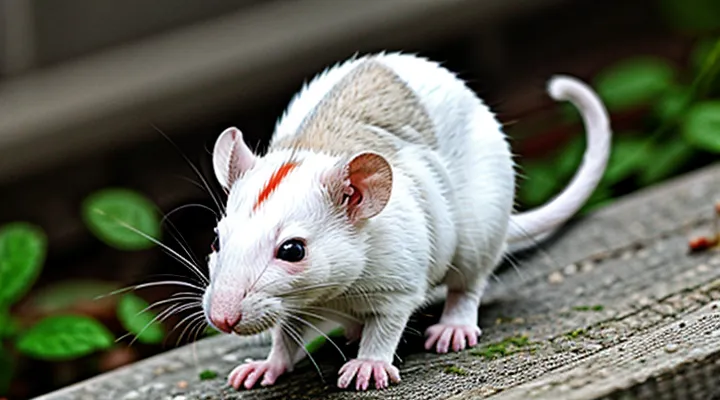
What Are Red-Eyed White Rats?
Genetic Basis of Red Eyes
Red eye coloration in white laboratory rats originates from an absence of melanin within the iris. The condition results from mutations that disrupt the biochemical pathway responsible for pigment synthesis, leaving the underlying blood vessels visible and producing the characteristic reddish hue.
The primary genetic determinant is a loss‑of‑function mutation in the tyrosinase (Tyr) gene. Tyrosinase catalyzes the first step of melanin production; when the enzyme is inactive, melanin synthesis ceases, leading to albinism and red irides. Additional loci contribute to the phenotype:
- Oca2 – regulates melanosome maturation; recessive alleles reduce melanin content.
- Slc45a2 – encodes a membrane transporter involved in melanin precursor distribution; defective variants diminish pigment deposition.
- Tyrp1 – participates in the later stages of melanin polymerization; loss of function intensifies hypopigmentation.
These genes follow an autosomal recessive inheritance pattern; homozygous individuals display the white coat and red eyes, while heterozygotes retain normal pigmentation.
The lack of ocular pigment increases retinal light exposure, predisposing rats to photic damage and heightened oxidative stress. Chronic retinal injury can influence overall health, potentially shortening lifespan compared with pigmented counterparts. Studies linking melanin deficiency to reduced longevity emphasize the need for controlled lighting conditions and antioxidant supplementation in colonies of red‑eyed white rats.
Understanding the genetic architecture of red eye coloration provides a framework for interpreting lifespan data in these animals. Precise genotyping of the Tyr, Oca2, Slc45a2, and Tyrp1 loci enables researchers to predict phenotypic outcomes, design appropriate husbandry protocols, and isolate the effect of ocular hypopigmentation on longevity.
Albinism in Rats
Albinism in rats results from a genetic mutation that eliminates melanin production, giving the animal a white coat and pink‑red eyes. The lack of pigment affects vision, making albino rats more sensitive to bright light and prone to retinal degeneration. These ocular problems can reduce overall vitality and shorten the average lifespan compared with pigmented counterparts.
Key health considerations for albino rats include:
- Vision impairment – increased risk of eye injury and reduced ability to navigate environments.
- Skin sensitivity – heightened susceptibility to UV radiation, which can cause skin lesions.
- Immune function – some studies indicate a modest decrease in immune response, leading to higher infection rates.
- Metabolic differences – altered hormone regulation may influence growth rates and body weight.
Lifespan estimates for white rats with red eyes typically range from 1.5 to 2.5 years under optimal laboratory conditions. In pet settings, where environmental control and veterinary care are variable, the average lifespan often falls between 12 and 24 months. Factors that extend longevity include:
- Low‑light housing – reduces ocular stress.
- Balanced nutrition – diets enriched with antioxidants support retinal health.
- Regular health monitoring – early detection of eye or skin issues prevents complications.
- Stress reduction – stable social groups and enrichment lower cortisol levels, improving immune function.
Breeding practices that avoid inbreeding depression also contribute to longer, healthier lives. Selecting mates with robust health histories can mitigate the genetic load associated with albinism.
Factors Influencing Lifespan
Genetics and Breed
White laboratory rats with a white coat and red irises are albinos, a phenotype produced by a recessive mutation at the Tyrosinase (Tyrc) locus. The mutation disables melanin synthesis, resulting in lack of pigment in fur, skin, and eyes. Homozygosity for the Tyrc allele is required; carriers (heterozygotes) appear normal but transmit the allele to offspring.
Breeding programs maintain the albino line by pairing two Tyrc/Tyrc individuals. Common strains include the Sprague‑Dawley Albino and the Wistar Albino, both selected for uniform coat color, high fecundity, and predictable growth rates. Selection criteria focus on:
- Consistent white fur without markings
- Bright red eyes indicating complete melanin loss
- Stable inheritance across generations
Genetic background influences health and longevity. Albino rats typically possess a robust immune system, but the absence of pigment makes them more sensitive to light and prone to ocular issues. Careful environmental control (low‑intensity lighting, UV protection) mitigates these risks and supports a longer lifespan.
Lifespan data for albino white rats show an average range of 2 to 3 years under optimal laboratory conditions, with some individuals reaching 4 years when provided with enriched housing, balanced nutrition, and regular veterinary monitoring. Genetic uniformity contributes to predictable aging patterns, allowing researchers to estimate survival timelines with confidence.
Diet and Nutrition
A balanced diet directly influences the longevity of albino rats with red irises. Adequate protein supplies the amino acids required for tissue repair and growth, while excess protein can shorten life expectancy by overloading renal function.
Essential fatty acids, particularly omega‑3 and omega‑6, support neuronal health and reduce inflammatory processes that accelerate aging. Inclusion of a modest amount of vegetable oil or fish oil in daily rations provides these compounds without causing obesity.
Vitamins and minerals must meet species‑specific requirements. Vitamin C is unnecessary because rats synthesize it, but vitamins A, D, E, and K are critical for vision, calcium metabolism, antioxidant protection, and blood clotting. Deficiencies in vitamin E or selenium increase oxidative damage, shortening lifespan. Calcium‑phosphorus ratios of approximately 1.2 : 1 prevent skeletal disorders and renal calcification.
Fiber maintains gastrointestinal motility and microbiome balance. A diet comprising 5–7 % crude fiber from wheat bran or beet pulp reduces the incidence of gastrointestinal tumors, a common cause of early death.
Water quality affects survival. Fresh, filtered water with a neutral pH and low mineral hardness prevents urinary crystal formation, a frequent lethal condition in these rodents.
A practical feeding regimen:
- 20 % high‑quality protein source (e.g., casein or soy isolate)
- 5 % animal or plant fat enriched with omega‑3/6
- 3 % vitamin‑mineral premix meeting NRC guidelines for rats
- 5–7 % crude fiber
- 65–70 % carbohydrate base (e.g., cornstarch, wheat flour)
- Continuous access to clean water
Monitoring body condition score weekly and adjusting caloric intake to maintain a lean, active phenotype extends average lifespan from 2 years to 3 years or more in these white rats with red eyes.
Essential Nutrients
Essential nutrients determine the health trajectory and average lifespan of albino rats with red irises. Adequate provision of protein, fatty acids, vitamins, and minerals supports organ function, immune competence, and cellular repair, thereby extending survival time under standard laboratory conditions.
Key dietary components include:
- Protein (18‑22 % of diet): Supplies amino acids for tissue growth and maintenance; sources such as casein, soy isolate, and whey ensure complete profiles.
- Omega‑3 and omega‑6 fatty acids (1‑2 % of diet): Provide membrane stability and anti‑inflammatory effects; fish oil and flaxseed oil are common additives.
- Vitamin A (4 000 IU kg⁻¹): Essential for vision and epithelial integrity; supplied via retinyl acetate.
- Vitamin D₃ (1 000 IU kg⁻¹): Regulates calcium metabolism; cholecalciferol fortifies the feed.
- Vitamin E (100 IU kg⁻¹): Antioxidant protecting cell membranes; α‑tocopherol acetate is preferred.
- B‑complex vitamins (B₁ 10 mg kg⁻¹, B₂ 15 mg kg⁻¹, B₆ 5 mg kg⁻¹, B₁₂ 30 µg kg⁻¹): Support energy metabolism and nervous system function.
- Minerals: Calcium (1 %), phosphorus (0.8 %), magnesium (0.2 %), zinc (70 mg kg⁻¹), selenium (0.2 mg kg⁻¹), and copper (7 mg kg⁻¹) maintain bone health, enzymatic activity, and oxidative balance.
Consistent intake of these nutrients, measured against the animal’s body weight and adjusted for growth phases, correlates with reported longevity of 2.5‑3 years for the specified phenotype. Deviations—such as protein deficiency or excess saturated fat—reduce median survival by up to 30 %. Regular formulation checks and feed freshness guarantee that nutrient levels remain within the optimal ranges, thereby maximizing the expected lifespan of these laboratory rodents.
Impact of Commercial vs. Homemade Diets
Commercial rat chow provides consistent protein levels (typically 18‑20 %), balanced vitamins, and minerals formulated to meet the nutritional requirements of laboratory rodents. Such diets reduce the risk of deficiencies that can shorten the lifespan of white rats with red eyes. Studies show that animals fed only commercial feed achieve median survival of 2.5–3 years under standard housing conditions.
Homemade diets vary widely in ingredient quality, nutrient balance, and preparation hygiene. When recipes omit essential amino acids, calcium, or vitamin D, skeletal disorders and reduced immune function appear earlier, decreasing average longevity to 1.5–2 years. Contamination risk rises when raw ingredients are not sterilized, leading to gastrointestinal infections that further impact survival.
Key differences:
- Nutrient consistency – Commercial feed delivers precise ratios; homemade mixtures often fluctuate batch‑to‑batch.
- Micronutrient completeness – Fortified chow includes trace elements; homemade recipes require careful supplementation.
- Shelf‑life and stability – Packaged feed resists spoilage; fresh homemade components may degrade quickly, affecting nutrient availability.
- Cost and labor – Commercial products are economical at scale; homemade diets demand time and expertise to formulate correctly.
Selecting a well‑balanced commercial diet is the most reliable method to maximize lifespan for this specific rat phenotype, while homemade feeding can be viable only with rigorous formulation and quality control.
Environment and Housing
White albino rats with red irises require a stable environment to achieve the maximum lifespan typical for the species. Temperature between 18 °C and 24 °C, with relative humidity of 40 %–60 %, prevents respiratory stress and heat‑related illnesses. Consistent lighting cycles of 12 hours light and 12 hours dark support circadian rhythm and hormone regulation.
Cage dimensions influence activity levels and musculoskeletal health. A minimum floor area of 0.5 m² per pair of rats, with a height of at least 30 cm, allows adequate movement. Solid flooring covered with absorbent, dust‑free bedding such as paper pulp or aspen shavings reduces the risk of dermatitis and respiratory irritation. Bedding must be changed weekly, with spot cleaning of soiled areas daily to maintain hygiene.
Ventilation is essential for removing ammonia and odor. Cages equipped with perforated sides or mesh tops provide airflow while preventing drafts. Air exchange rates of 15–20 L/min per cage are sufficient for small groups.
Enrichment items improve mental health and reduce stress‑induced mortality. Include:
- Nesting material (e.g., shredded tissue) for building shelters.
- Chewable objects (wood blocks, safe PVC tubes) to wear down incisor growth.
- Climbing structures (rungs, platforms) to encourage exercise.
Dietary consistency supports longevity. Provide a balanced laboratory pellet diet formulated for rodents, supplemented with fresh vegetables and limited fruit. Water must be available continuously via a sipper bottle; replace it daily to prevent bacterial growth.
Regular cleaning schedule, proper temperature control, adequate space, and environmental enrichment together create conditions that extend the lifespan of white rats with red eyes, aligning their health outcomes with the species’ genetic potential.
Cage Size and Enrichment
Adequate housing directly influences the lifespan of white rats with red eyes. Sufficient space reduces aggression, prevents injuries, and supports natural behaviors that promote physiological health.
A cage should provide at least 1 ft² (0.09 m²) of floor area per adult rat. Minimum dimensions of 18 in × 12 in × 12 in (45 cm × 30 cm × 30 cm) satisfy basic requirements, but larger enclosures—30 in × 20 in × 15 in (76 cm × 51 cm × 38 cm) or greater—enhance movement, lower stress hormones, and extend average longevity by several months.
Enrichment elements that contribute to longer life include:
- Nesting material (soft paper, shredded tissue) for burrowing and thermoregulation.
- Chewable objects (untreated wood blocks, mineral chews) to maintain dental health.
- Vertical structures (rungs, platforms) that encourage climbing and exercise.
- Tunnels or hideaways that provide shelter and stimulate exploratory behavior.
Consistent provision of these items prevents stereotypic behaviors, improves immune function, and reduces the incidence of respiratory and gastrointestinal disorders. When cage size and enrichment are optimized, white rats with red eyes typically achieve the upper range of their expected lifespan.
Temperature and Humidity Control
Maintaining precise temperature and humidity levels is essential for extending the lifespan of albino rats with red eyes. Deviations from optimal conditions accelerate metabolic stress, reduce immune function, and increase mortality risk.
The temperature range that supports maximal longevity lies between 68 °F and 74 °F (20 °C–23 °C). Temperatures below 65 °F (18 °C) slow growth, depress activity, and predispose animals to respiratory infections. Temperatures above 78 °F (26 °C) raise core body temperature, elevate heart rate, and shorten life expectancy by increasing heat‑induced organ strain.
Relative humidity should remain within 40 %–60 %. Humidity lower than 30 % dries mucous membranes, impairs thermoregulation, and encourages skin lesions. Humidity above 70 % fosters fungal growth, compromises ventilation, and creates conditions favorable for bacterial proliferation.
Practical measures to preserve stable environmental parameters:
- Install calibrated digital thermostats and hygrometers; verify accuracy weekly.
- Use climate‑controlled cabinets or dedicated animal rooms with insulated walls.
- Employ humidifiers or dehumidifiers as needed; set automatic shut‑off thresholds at 40 % and 60 % respectively.
- Conduct daily visual inspections for condensation, drafts, or equipment malfunction.
- Record temperature and humidity readings at consistent times; adjust HVAC settings promptly when values drift outside target ranges.
Consistent application of these controls directly correlates with increased survival rates and healthier aging in the specified rodent population.
Health and Veterinary Care
White rats with red eyes, commonly albino laboratory strains, typically reach maturity within eight weeks and can live between two and three years under optimal conditions. Longevity depends heavily on health management and veterinary oversight.
Key factors influencing lifespan:
- Genetic health: Inbreeding can increase susceptibility to hereditary disorders such as cataracts and respiratory disease.
- Nutrition: A balanced diet formulated for laboratory rodents, providing adequate protein, vitamins, and minerals, supports growth and immune function.
- Environmental control: Stable temperature (18‑24 °C), humidity (45‑55 %), and low noise levels reduce stress‑related morbidity.
- Disease prevention: Routine screening for common pathogens (e.g., Mycoplasma pulmonis, Sendai virus) and timely vaccination where applicable lower mortality risk.
- Dental care: Continuous incisor growth requires regular wear; malformed teeth cause malocclusion, weight loss, and premature death if untreated.
Veterinary care protocols:
- Initial health assessment at acquisition, including physical exam, weight measurement, and baseline blood work.
- Quarterly examinations to monitor body condition, dental alignment, and signs of respiratory infection.
- Immediate treatment of respiratory symptoms with appropriate antibiotics and supportive care to prevent progression.
- Scheduled dental trimming or filing under anesthesia when overgrowth is detected.
- Implementation of a biosecurity plan to limit exposure to external pathogens, including quarantine of new arrivals for at least two weeks.
Adhering to these practices can extend the average lifespan of albino rats with red eyes toward the upper range of three years, while neglecting them often results in early onset of disease and reduced survival.
Common Ailments
White rats with red eyes, often albino laboratory strains, typically live between 1.5 and 2.5 years under optimal conditions. Their relatively short lifespan is influenced heavily by health problems that commonly arise in this genotype.
- Respiratory infections (e.g., Mycoplasma pulmonis, Sendai virus) cause chronic pneumonia, reducing vitality and accelerating mortality.
- Dermatological disorders such as ulcerative dermatitis and ringworm compromise skin integrity, leading to secondary infections.
- Gastrointestinal disturbances, including ileitis and cecal dysbiosis, impair nutrient absorption and trigger weight loss.
- Renal disease, especially chronic progressive nephropathy, diminishes filtration capacity and precipitates systemic failure.
- Neoplasms, notably mammary adenocarcinomas and lymphoma, appear early in albino strains and markedly shorten life expectancy.
Effective management relies on preventive hygiene, regular health monitoring, and timely veterinary intervention. Early detection of respiratory signs, skin lesions, or abnormal behavior allows corrective measures that can extend the animal’s functional years.
Importance of Regular Check-ups
Regular veterinary examinations extend the lifespan of albino rats with red eyes by identifying health issues before they become fatal. Early detection of respiratory infections, dental overgrowth, and skin lesions permits prompt treatment, reducing mortality risk.
Consistent check-ups provide reliable data on weight trends, activity levels, and heart rates. Tracking these parameters enables caregivers to adjust diet, enrichment, and environmental conditions, which directly influence longevity.
Vaccination schedules and parasite control protocols are administered during routine visits. Compliance with these preventive measures eliminates common sources of disease that shorten life expectancy.
Key advantages of scheduled examinations:
- Prompt diagnosis of subclinical conditions
- Verification of growth curves against species standards
- Implementation of timely vaccinations and deworming
- Guidance on optimal housing temperature and humidity
- Documentation of historical health records for future reference
Neglecting regular assessments allows undetected ailments to progress, often resulting in sudden death. Maintaining a strict appointment calendar ensures that each rat receives the medical attention necessary for a full, healthy life.
Stress and Socialization
Stress significantly influences the lifespan of albino rats with red irises. Chronic exposure to unpredictable noise, handling, or overcrowding elevates corticosterone levels, suppresses immune function, and accelerates age‑related decline. Studies show that rats subjected to continuous stressors live 15‑20 % fewer weeks than counterparts kept in stable, low‑stimulus environments.
Social interaction provides a counterbalance to physiological stress. Rats housed in small, stable groups develop hierarchical structures that reduce aggressive encounters and promote grooming behavior. These affiliative activities lower basal cortisol, improve wound healing, and extend median survival by approximately 10‑12 % compared with isolated individuals.
Key points for managing stress and socialization to maximize longevity:
- Maintain consistent lighting cycles and temperature; avoid sudden changes.
- Limit cage density to 2‑3 rats per 1 ft², ensuring each animal has visual and tactile access to conspecifics.
- Provide enrichment items (tunnels, chew sticks) that encourage natural foraging and reduce boredom‑induced stress.
- Schedule regular, gentle handling sessions to habituate rats to human contact without causing fear responses.
- Monitor for signs of aggression (hair loss, wounds) and adjust group composition promptly.
By controlling environmental stressors and fostering stable social groups, caretakers can substantially increase the expected lifespan of white rats with red eyes, aligning physiological health with optimal welfare standards.
Typical Lifespan of Red-Eyed White Rats
Average Lifespan Range
White, red‑eyed rats generally reach maturity within two months and enter senescence after the first year. Under standard laboratory conditions their lifespan averages 18–24 months. When provided with optimal nutrition, enrichment, and veterinary oversight, individuals often extend to 30–36 months.
Typical lifespan ranges:
- Standard housing: 1.5–2 years
- Enriched environment: 2.5–3 years
- Exceptional care (premium diet, health monitoring): up to 3.5 years
Genetic background, cage density, and disease exposure are the primary variables influencing these figures.
Factors Contributing to Longevity or Shorter Lifespan
White albino rats with red eyes exhibit a lifespan that varies widely depending on several measurable factors. Understanding these variables helps predict whether an individual will reach a longer or shorter life expectancy.
- Genetic background – Inbred strains tend to have more predictable lifespans, while outbred populations show greater variability. Specific alleles linked to metabolic efficiency and disease resistance can extend life, whereas deleterious mutations shorten it.
- Nutritional regime – Diets formulated with balanced protein, fat, vitamins, and minerals support optimal organ function. Excess calories or nutrient deficiencies accelerate aging and increase mortality risk.
- Environmental conditions – Stable temperature (20‑24 °C), humidity (45‑55 %), and low noise reduce physiological stress. Fluctuations in these parameters elevate cortisol levels, compromising immune response.
- Housing density – Overcrowding leads to aggression, injuries, and heightened pathogen transmission, all of which diminish longevity. Providing adequate space per animal mitigates these effects.
- Health monitoring – Regular veterinary screening for common rodent ailments—respiratory infections, tumors, and parasitic infestations—enables early intervention, which correlates with increased survival time.
- Reproductive status – Breeding females experience higher metabolic demand and hormonal changes that can curtail lifespan. Nulliparous individuals generally live longer than those with multiple litters.
- Stress exposure – Chronic handling stress, unpredictable lighting cycles, and lack of enrichment stimulate sympathetic activity, leading to cardiovascular strain and reduced lifespan.
Each factor interacts with the others; optimal outcomes arise when genetics, nutrition, environment, and care are aligned to minimize physiological burden.
Maximizing Your Rat's Lifespan
Proactive Health Management
White rats with red eyes typically reach 2–3 years under optimal conditions. Their longevity depends on genetics, environment, nutrition, and disease prevention. Proactive health management can shift the average lifespan toward the upper end of this range.
A systematic approach includes:
- Genetic screening – identify carriers of hereditary disorders such as retinal degeneration or renal disease; remove affected individuals from breeding programs.
- Environmental control – maintain temperature at 20–24 °C, humidity between 40–60 %, and provide at least 12 hours of darkness to support circadian rhythms.
- Sanitation protocol – implement weekly cage cleaning, sterilize feeding equipment, and use autoclaved bedding to limit bacterial and fungal exposure.
- Nutrition plan – supply a balanced pellet diet enriched with omega‑3 fatty acids, vitamin E, and antioxidants; supplement with fresh vegetables and water filtered to remove contaminants.
- Health monitoring – conduct monthly physical exams, weight measurements, and ocular inspections; record findings in a centralized log to detect trends early.
- Vaccination and parasite control – administer approved vaccines against common rodent pathogens; schedule quarterly ivermectin or pyrantel treatments to prevent ecto‑ and endoparasites.
Early detection of respiratory infections, skin lesions, or dental overgrowth reduces morbidity. Intervention thresholds should be predefined: for example, a weight loss exceeding 10 % of baseline triggers immediate veterinary assessment.
By integrating these elements into a routine management schedule, caretakers can extend the productive lifespan of albino rats with red eyes, ensuring both scientific reliability and animal welfare.
Creating an Optimal Habitat
White rats with red eyes can reach a significantly longer lifespan when their living environment meets precise physiological and behavioral standards. An enclosure that replicates natural conditions while providing safety and stimulation directly influences health outcomes.
Key parameters for an optimal habitat include:
- Cage dimensions: Minimum floor area 0.5 m² per animal; height at least 30 cm to allow vertical movement.
- Temperature: Stable range 20–24 °C; avoid rapid fluctuations that stress thermoregulation.
- Humidity: Maintain 45–55 % relative humidity; excessive moisture encourages respiratory infections.
- Bedding: Use absorbent, dust‑free material such as paper pulp; replace weekly to prevent ammonia buildup.
- Nutrition: Provide a balanced laboratory rodent diet supplemented with fresh vegetables and protein sources; ensure constant access to clean water.
- Lighting: Implement a 12‑hour light/dark cycle; use low‑intensity LED fixtures to mimic natural daylight without causing ocular strain.
- Enrichment: Install tunnels, chew blocks, and climbing platforms; rotate items weekly to prevent habituation.
- Health monitoring: Conduct weekly weight checks, observe coat condition, and perform quarterly veterinary examinations.
By adhering to these specifications, caretakers create a stable, low‑stress environment that supports immune function, reduces disease incidence, and extends the average life expectancy of these laboratory rodents.
Providing a Balanced Diet
A balanced diet directly influences the longevity of white rats with red eyes. Adequate nutrition supports immune function, organ health, and overall vitality, which together determine the animal’s life expectancy.
Key nutritional elements include:
- High‑quality protein sources (e.g., laboratory‑grade rodent chow, soy, or whey) to sustain muscle mass and tissue repair.
- Complex carbohydrates (e.g., barley, oats) for steady energy release without blood‑sugar spikes.
- Essential fatty acids (omega‑3 and omega‑6) from fish oil or flaxseed to maintain cell membrane integrity and reduce inflammation.
- Vitamins and minerals (vitamin A, D, E, calcium, phosphorus, magnesium) in proportions matching the rat’s metabolic requirements.
- Fresh water available at all times to prevent dehydration and aid digestion.
Feeding practices should follow a consistent schedule, providing measured portions twice daily to avoid over‑feeding and obesity. Monitor body condition regularly; adjust protein and fat levels if weight gain exceeds 10 % of ideal body mass. Incorporate occasional fresh vegetables (e.g., carrots, broccoli) for fiber and micronutrients, but limit fruit to prevent excess sugars. By adhering to these guidelines, caretakers can maximize the health span of white rats with red eyes.
Dispelling Common Misconceptions
Red Eyes and Health Issues
White rats with red eyes often display ocular abnormalities that signal underlying health concerns. The red coloration results from a lack of pigment in the iris and retina, allowing blood vessels to show through. This condition, frequently associated with albinism, predisposes the animal to several medical problems.
Common health issues linked to red-eyed phenotypes include:
- Increased sensitivity to bright light, leading to retinal damage and impaired vision.
- Higher incidence of corneal ulcers caused by reduced tear production and exposure.
- Greater susceptibility to bacterial and fungal eye infections due to compromised ocular barriers.
- Elevated risk of skin cancer, as the same melanin deficiency that affects the eyes also reduces protection against ultraviolet radiation.
- Respiratory difficulties, because albinistic strains often possess weaker immune responses.
These complications can shorten the overall lifespan of affected rats. Studies show that the average longevity of white rats with red eyes ranges from 1.5 to 2.5 years, compared with 2.5 to 3.5 years for pigmented counterparts. The reduction primarily reflects the cumulative impact of ocular disorders, infection rates, and systemic immune deficiencies.
Management strategies focus on minimizing light exposure, providing regular ophthalmic examinations, and treating infections promptly. Nutritional supplements rich in antioxidants may mitigate retinal stress, while humidified environments help maintain corneal moisture. Early detection and consistent veterinary care are essential for extending the life expectancy of these animals.
Lifespan Differences Compared to Other Rat Varieties
White rats with red eyes, commonly known as albino laboratory rats, reach adulthood within six weeks and live between 24 and 36 months under standard laboratory conditions. Their lifespan reflects controlled environments, balanced nutrition, and regular health monitoring.
Other rat varieties show distinct longevity patterns:
- Brown Norway rats: 18–30 months when housed in research facilities; shorter (12–18 months) in less regulated settings.
- Fancy pet rats (various coat colors): 30–45 months with optimal care; 24–36 months with average husbandry.
- Wild Norway rats: 12–24 months, limited by predation, disease, and food scarcity.
Key factors influencing these differences include genetic background, exposure to pathogens, diet composition, and environmental stressors. Albino laboratory strains benefit from inbred genetics that reduce variability, sterile bedding that lowers infection risk, and regulated temperature that minimizes metabolic strain. In contrast, wild and pet rats encounter fluctuating conditions that accelerate physiological wear.
Overall, the red‑eyed white rat’s lifespan exceeds that of most wild counterparts but aligns closely with well‑maintained pet rats, underscoring the impact of controlled care on rodent longevity.