
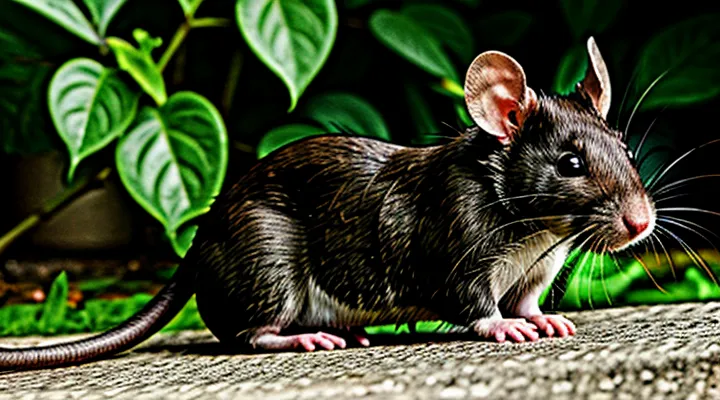
Understanding Rat Lifespan
Factors Influencing Rat Lifespan
Genetics
Genetic composition is the primary driver of lifespan variation among rat strains. Each breed carries a distinct set of alleles that modulate growth rate, disease resistance, and metabolic efficiency, resulting in measurable differences in longevity.
Specific genetic elements linked to lifespan include:
- Telomere maintenance genes that affect cellular senescence.
- Variants of the insulin‑like growth factor pathway influencing growth speed and aging.
- Mutations in the major histocompatibility complex that alter immune response to common pathogens.
- Polymorphisms in antioxidant enzymes that determine oxidative stress tolerance.
Breed‑specific genetic profiles illustrate these effects:
- The Long‑Evans strain exhibits enhanced expression of DNA repair enzymes, supporting an average lifespan of 2.5–3 years.
- The Sprague‑Dawley line carries alleles associated with rapid growth, correlating with a typical lifespan of 1.5–2 years.
- The Wistar rat possesses a balanced set of metabolic genes, often reaching 2–2.5 years.
- The Fischer 344 strain shows a predisposition to early‑onset renal disease due to a single‑gene mutation, limiting lifespan to approximately 1.5 years.
Understanding the genetic basis of rat longevity informs experimental design, breeding programs, and care practices. Selecting strains with favorable genetic markers can extend study duration and improve animal welfare, while awareness of breed‑specific vulnerabilities guides health monitoring and preventive interventions.
Diet and Nutrition
Proper nutrition determines the length of a rat’s life across all breeds. Balanced diets provide the energy and nutrients required for organ function, immune competence, and tissue repair, which directly affect longevity.
- Protein: 14‑20 % of calories; essential amino acids support muscle mass and metabolic processes.
- Fat: 5‑10 % of calories; supplies essential fatty acids and prevents excessive weight gain.
- Carbohydrates: 45‑55 % of calories; source of quick energy; include complex grains to maintain stable blood glucose.
- Fiber: 3‑5 % of diet; promotes gastrointestinal motility and prevents constipation.
- Vitamins and minerals: Adequate levels of A, D, E, K, B‑complex, calcium, phosphorus, magnesium, and zinc sustain bone health, vision, and enzymatic activity.
Breed‑specific considerations influence nutrient ratios. Dwarf rats, with higher metabolic rates, benefit from slightly higher protein percentages, while larger fancy rats require increased caloric intake to avoid rapid weight loss. All breeds share a common requirement for clean, fresh water; dehydration accelerates organ failure and shortens lifespan.
Feeding frequency affects metabolic stability. Offering two to three measured meals per day prevents overeating, reduces the risk of obesity, and maintains consistent nutrient absorption. Treats should not exceed 5 % of total caloric intake; excessive sugars and fats accelerate age‑related diseases.
Monitoring body condition scores (BCS) enables early detection of nutritional imbalances. A BCS of 3‑4 on a 5‑point scale indicates optimal weight; deviations correlate with reduced life expectancy across breeds. Adjustments to diet composition, portion size, or feeding schedule restore BCS to the target range and support maximal longevity.
Environment and Living Conditions
Environmental quality directly influences rat longevity across various breeds. Clean, well‑ventilated enclosures reduce respiratory infections, a common cause of premature death in laboratory and pet rats. Temperature stability between 18 °C and 24 °C minimizes metabolic stress, extending average lifespan by several months.
Nutritional provision shapes health outcomes. High‑protein diets supplemented with fresh vegetables supply essential amino acids and micronutrients, supporting immune function. Consistent access to clean water prevents dehydration‑related renal issues. Over‑feeding leads to obesity, accelerating cardiovascular disease and shortening life expectancy.
Social conditions affect stress levels, which correlate with survival rates. Group housing that respects hierarchical structures reduces aggression, lowering cortisol spikes that can suppress immunity. Species‑specific preferences dictate optimal group sizes: dwarf varieties thrive in larger colonies, while larger breeds benefit from smaller, stable groups.
Key environmental factors include:
- Cage size: minimum floor area of 0.5 sq ft per adult rat prevents musculoskeletal strain.
- Substrate: dust‑free, absorbent bedding minimizes dermal irritation and respiratory irritation.
- Enrichment: tunnels, chew toys, and climbing structures encourage physical activity, preserving muscular health.
- Hygiene schedule: weekly deep cleaning and daily spot cleaning limit pathogen buildup.
Genetic predispositions interact with these conditions. Breeds with naturally longer lifespans, such as the Fancy Rat, exhibit greater resilience to suboptimal environments, yet still require optimal care to reach maximum potential. Conversely, shorter‑lived breeds, like the Albino, display heightened sensitivity to temperature fluctuations and poor sanitation, resulting in a more pronounced reduction in expected lifespan.
In summary, precise control of temperature, humidity, diet, social structure, and enclosure hygiene determines the extent to which each rat breed achieves its genetic lifespan potential.
Veterinary Care
Effective veterinary care directly influences the longevity of domestic rats, and breed-specific considerations refine that impact. Routine examinations should occur at least twice yearly, allowing early detection of respiratory infections, skin conditions, and dental overgrowth—issues that disproportionately affect larger breeds such as the Dumbo and the Rex.
A structured health‑maintenance program includes:
- Physical assessment of eyes, ears, and coat for parasites or lesions.
- Palpation of the abdomen to evaluate organ size and detect masses.
- Dental inspection; trimming may be required for breeds with pronounced incisors.
- Weight measurement to ensure body condition aligns with breed standards.
Nutritional management must reflect metabolic differences. Breeds with higher activity levels, such as the Fancy, benefit from protein‑rich pellets supplemented with fresh vegetables, whereas less active varieties tolerate lower‑calorie diets without excess fat accumulation.
Environmental hygiene reduces pathogen exposure. Enclosures should feature solid flooring, regular bedding changes, and adequate ventilation to prevent ammonia buildup, a common trigger for respiratory disease in the Hairless breed.
Preventive treatments target ectoparasites and internal worms. Topical ivermectin formulations, applied according to veterinary dosage guidelines, control mite infestations that can shorten lifespan in the standard laboratory strain. Fecal examinations every six months identify helminths early, enabling targeted deworming.
Vaccination is not routine for pet rats, but specific research colonies may require immunization against Sendai virus; consult a veterinarian familiar with rodent protocols before implementation.
Emergency response plans improve outcomes when acute illness occurs. Immediate isolation, temperature regulation, and fluid therapy, administered under veterinary supervision, can stabilize conditions such as septicemia, which otherwise progresses rapidly in the smaller, delicate breeds.
End‑of‑life considerations involve humane euthanasia performed by a qualified practitioner, ensuring a painless transition and providing owners with guidance on post‑mortem care.
Consistent application of these veterinary practices extends average lifespans across all rat breeds, aligning actual survival with the upper limits reported for each genetic line.
Stress Levels
Stress directly affects the length of life for rats, and the magnitude of this effect differs among breeds. Chronic activation of the hypothalamic‑pituitary‑adrenal axis shortens average survival by accelerating cellular aging and weakening immune defenses.
Elevated cortisol levels trigger metabolic imbalances, increase susceptibility to infections, and promote cardiovascular strain. These physiological changes reduce the lifespan observed in laboratory, fancy, and dwarf varieties when stress persists beyond short‑term exposure.
Breed‑specific responses hinge on genetic predisposition and typical housing conditions. For example, larger breeds such as the Norwegian rat exhibit higher baseline cortisol clearance, allowing modest stress without severe lifespan reduction, whereas smaller breeds like the Hairless rat display prolonged hormone exposure and a correspondingly steeper decline in longevity.
Effective mitigation focuses on environmental stability and handling practices:
- Consistent cage temperature and humidity
- Low‑noise housing area with limited sudden disturbances
- Gradual habituation to human interaction
- Enrichment items that encourage natural foraging behavior
Implementing these measures aligns stress levels with the physiological capacity of each breed, thereby optimizing life expectancy across the spectrum of rat types.
Lifespan by Common Rat Breeds
Fancy Rat (Rattus norvegicus domestica)
Standard Rat Lifespan
Rats kept as pets generally live between two and three years, with most individuals reaching the 2‑year mark before health decline accelerates. A minority surpass three years, rarely exceeding 3½ years under optimal conditions.
Key determinants of lifespan include genetics, housing quality, nutrition, and veterinary care. Adequate cage space, enrichment, a balanced diet low in excess fats, and routine health monitoring extend longevity. Conversely, overcrowding, poor sanitation, and untreated illnesses shorten life expectancy.
Typical lifespan ranges for common rat categories:
- Domestic (Fancy) rats: 2 – 3 years; occasional individuals reach 3.5 years.
- Laboratory strains (e.g., Sprague‑Dawley, Wistar): 2 – 2.5 years under controlled conditions.
- Wild brown rats (Rattus norvegicus): 1 – 1.5 years, limited by predation, disease, and environmental stressors.
Maintaining a stable environment, providing regular veterinary checks, and supplying a nutritionally complete diet are the most effective strategies for achieving the upper end of these lifespan expectations.
Varieties and Potential Lifespan Differences
Rats exhibit noticeable lifespan variation among recognized breeds, reflecting genetic, physiological, and husbandry factors. Domestic varieties such as the Fancy Rat, commonly kept as pets, typically reach 2 to 3 years, while larger breeds like the Giant Berkshire often exceed 3 years, with some individuals living up to 4 years under optimal conditions. Laboratory strains, engineered for research, display a narrower range, averaging 1.5 to 2 years due to selective breeding for specific traits.
Key breed categories and their approximate maximum lifespans:
- Standard Fancy Rats – 2–3 years
- Dumbo Rats (large ears) – 2–3 years, occasional 3.5 years
- Rex Rats (curly coat) – 2–3 years, rare cases of 4 years
- Hairless Rats – 1.5–2 years, heightened health sensitivity
- Giant Berkshire – 3–4 years, potential for 5 years with meticulous care
- Laboratory Strains (e.g., Sprague‑Dawley, Wistar) – 1.5–2 years
Factors influencing these differences include body size, metabolic rate, susceptibility to respiratory and skin conditions, and the quality of nutrition and environmental enrichment. Larger breeds generally possess slower metabolisms, extending cellular longevity, whereas hairless varieties lack protective fur, increasing disease risk and reducing lifespan.
Management practices that consistently improve longevity across breeds involve balanced diets rich in protein and fiber, regular veterinary monitoring, low‑stress housing, and protection from extreme temperatures. Implementing these measures narrows the gap between breeds, allowing even shorter‑lived varieties to approach the upper limits of their genetic potential.
Other Pet Rat Varieties
Dumbo Rat
The Dumbo rat, distinguished by its low‑set ears, typically lives between 2 and 3 years under standard laboratory or pet conditions. Optimal longevity—up to 3.5 years—requires:
- Balanced diet rich in protein, fiber, and vitamins
- Regular health monitoring for respiratory and skin issues common in the breed
- Enriched environment with tunnels, climbing structures, and mental stimulation
- Consistent temperature (18‑24 °C) and humidity (40‑60 %) to prevent stress‑related illnesses
Genetic factors place the Dumbo rat’s lifespan slightly below that of the standard fancy rat, which averages 2.5–4 years. Early detection of common ailments, such as neoplastic growths and respiratory infections, can extend the average expectancy to the upper range of the breed’s potential. Proper husbandry, therefore, directly influences the Dumbo rat’s survival compared with other domestic rat varieties.
Hairless Rat
Hairless rats typically reach adulthood within eight weeks and can live between two and three years under optimal conditions. Genetic factors set a baseline lifespan, but environmental elements such as diet, housing, and health monitoring profoundly affect outcomes.
Key influences on longevity include:
- High‑quality protein‑rich feed, balanced with fresh vegetables and limited sugary treats.
- Clean, well‑ventilated cages with ample bedding to prevent respiratory infections, to which hairless strains are especially susceptible.
- Regular veterinary check‑ups focusing on skin health, as the lack of fur predisposes these rats to dermatitis and temperature regulation problems.
- Enrichment items that encourage activity, reducing obesity‑related complications.
Males often exhibit slightly shorter lifespans than females, averaging 24 months versus 30 months for females. Early detection of common ailments—respiratory infections, skin lesions, and dental overgrowth—can extend life expectancy by several months.
In summary, hairless rats achieve a maximum lifespan of roughly three years when provided with meticulous care, proper nutrition, and proactive health management.
Rex Rat
The Rex rat, a variety distinguished by its plush, curly coat, typically reaches maturity within three to four weeks and enters its adult phase shortly thereafter. Lifespan data for this breed, based on multiple laboratory and pet‑owner reports, converge on an average range of 2.5 to 3.5 years.
Key factors influencing longevity include:
- Genetic health: selective breeding for coat traits can introduce hereditary conditions that shorten life expectancy.
- Nutrition: balanced diets rich in protein, fiber, and essential vitamins support optimal organ function.
- Environment: stable temperature, low stress, and regular veterinary care reduce disease incidence.
Outliers exist; some individuals have lived beyond four years when provided with meticulous husbandry and preventive health measures. Conversely, rats exposed to poor sanitation or inadequate diet may experience mortality as early as 1.5 years.
Wild Rat Lifespan (Comparison)
Brown Rat (Rattus norvegicus)
The brown rat (Rattus norvegicus) typically reaches adulthood at 2–3 months and can live up to 2–3 years under optimal conditions. In laboratory settings, with controlled diet, temperature, and minimal stress, individuals frequently attain 2.5–3 years, occasionally surpassing 4 years. In the wild, average lifespan contracts to 1–1.5 years due to predation, disease, and fluctuating food availability.
Key factors influencing longevity:
- Genetics: Selective breeding for research strains can extend or reduce lifespan.
- Environment: Stable temperature (20–24 °C) and low humidity improve survival.
- Nutrition: High‑quality protein and balanced micronutrients support health.
- Health management: Regular parasite control and vaccination reduce mortality.
Mortality patterns differ by stage. Juvenile mortality accounts for roughly 30 % of deaths, primarily from maternal neglect or early infections. Adult mortality peaks during breeding seasons when competition and stress increase. Senescence signs appear after 18 months, including reduced activity, weight loss, and organ degeneration.
For pet owners, providing enrichment, consistent feeding schedules, and veterinary care can approach the upper range of the species’ lifespan. Conversely, urban populations experience the lowest longevity due to exposure to toxins, rodenticides, and high predator density.
Black Rat (Rattus rattus)
The black rat (Rattus rattus) typically reaches 1–2 years in the wild, with occasional individuals living up to 3 years under favorable conditions. In captivity, the species can survive 3–5 years, and exceptional cases exceed 6 years when provided with optimal nutrition, veterinary care, and environmental enrichment.
Key factors influencing longevity include:
- Diet quality: High‑protein, balanced feed reduces disease risk.
- Predation pressure: Lower threat levels in controlled settings extend lifespan.
- Disease exposure: Prevention of common pathogens such as leptospirosis and rat hepatitis improves survival rates.
- Genetic health: Inbreeding depression shortens life expectancy; outbred colonies tend to live longer.
Reproductive activity accelerates aging; females that breed continuously may experience a reduction of up to 20 % in lifespan compared with non‑breeding counterparts. Stressors such as overcrowding, poor ventilation, and inadequate sanitation also contribute to premature mortality.
Overall, the black rat’s lifespan is shorter than that of the Norway rat (Rattus norvegicus), which commonly reaches 2–3 years in the wild and 4–5 years in captivity. Understanding these parameters assists in accurate age estimation for population management and scientific research.
Maximizing Your Rat«s Lifespan
Optimal Diet and Nutrition
A balanced diet significantly influences the lifespan of rats, regardless of breed. Proper nutrition supports organ function, immune response, and overall health, thereby extending longevity.
Rats require a diet that supplies protein, fats, carbohydrates, vitamins, and minerals in proportions that match their metabolic needs. Commercial rodent pellets formulated for laboratory or pet use typically meet these requirements when they contain 18‑20 % protein, 4‑6 % fat, and adequate fiber. Fresh water must be available at all times.
Key components of an optimal rat diet include:
- High‑quality protein sources (e.g., soy, fish, or egg‑based pellets)
- Essential fatty acids (e.g., omega‑3 and omega‑6 from seed oils)
- Complex carbohydrates (e.g., whole grains, vegetables)
- Calcium and phosphorus in a 1.2:1 ratio to support bone health
- Vitamin A, D, E, K, and B‑complex vitamins for metabolic processes
- Limited treats low in sugar and saturated fat to prevent obesity
Breed variations affect dietary needs. Larger breeds such as the Dumbo rat may benefit from slightly higher protein (up to 22 %) to sustain greater muscle mass, while smaller breeds like the Hairless rat require careful monitoring of calcium intake to avoid kidney strain. Age also matters: juveniles need increased protein for growth, whereas seniors benefit from reduced caloric density and added antioxidants (e.g., vitamin C, selenium) to mitigate oxidative stress.
Practical feeding guidelines:
- Offer measured portions twice daily to prevent overconsumption.
- Supplement pellets with fresh vegetables (e.g., broccoli, carrots) no more than 10 % of total intake.
- Rotate protein sources weekly to provide a broader amino acid profile.
- Conduct weekly weight checks; adjust portions if weight deviates by more than 5 % from the breed‑specific ideal.
- Replace water daily and clean dispensers to avoid contamination.
Consistent adherence to these nutritional principles correlates with increased average lifespans across rat breeds, reinforcing diet as a primary determinant of longevity.
Creating a Stimulating Environment
A well‑designed habitat contributes directly to the health and longevity of pet rats, regardless of breed. Enrichment reduces stress, promotes natural behaviors, and supports physiological resilience.
- Provide multiple levels of climbing structures, such as wooden ramps, PVC tubes, and sturdy platforms, to encourage vertical movement and muscle development.
- Rotate toys weekly; include chewable items (untreated wood blocks, natural hemp rope) and puzzle feeders that require problem‑solving to access food.
- Maintain a consistent light‑dark cycle of approximately 12 hours each, using low‑intensity bulbs to mimic natural daylight and facilitate circadian regulation.
- Ensure a clean, spacious cage with a solid floor and bedding that allows burrowing, such as paper‑based or aspen shavings, to satisfy instinctual digging behavior.
- Incorporate scent enrichment by introducing safe herbal aromas (e.g., dried lavender, chamomile) on a rotating schedule, stimulating olfactory exploration without overwhelming the animal.
- Offer regular, supervised out‑of‑cage time in a secure, escape‑proof enclosure to allow free running and social interaction with companions.
Consistent application of these elements creates an environment that mirrors the complexity of a rat’s natural habitat, fostering robust immune function and extending the average lifespan observed across different genetic lines.
Regular Veterinary Check-ups
Regular veterinary examinations are essential for accurately assessing the health trajectory of pet rats, regardless of breed. Early detection of dental overgrowth, respiratory infections, or metabolic disorders directly influences expected lifespan estimates for specific genetic lines.
Key benefits of scheduled check‑ups include:
- Precise measurement of weight trends, enabling timely dietary adjustments.
- Professional dental cleaning to prevent malocclusion, a common cause of reduced longevity.
- Vaccination updates and parasite control, reducing disease‑related mortality.
- Blood work and urinalysis that reveal organ function changes before clinical signs emerge.
Breed‑specific considerations
- Fancy rats (e.g., Rex, Satin) often exhibit higher susceptibility to skin conditions; dermatological examinations every three months are advisable.
- Larger breeds such as the Giant or Dumbo may develop joint stress earlier; orthopedic assessments should occur semi‑annually.
- Hairless varieties lack protective fur, making temperature regulation and skin health critical; monthly skin inspections are recommended.
Implementing a routine schedule—initial exam at eight weeks of age, followed by quarterly visits during the first year and biannual visits thereafter—provides consistent data points. This systematic approach refines lifespan projections for each breed and supports proactive care that extends overall rat longevity.
Recognizing Signs of Illness
Rats of different breeds exhibit varying longevities, making early detection of health problems essential for extending their lives. Observable changes often precede serious conditions and can be assessed without specialized equipment.
Common indicators of illness include:
- Sudden loss of weight or a noticeable decrease in body condition.
- Dull, patchy, or missing fur, especially along the back and tail.
- Labored breathing, wheezing, or audible clicks from the throat.
- Reduced activity, reluctance to explore, or prolonged periods of inactivity.
- Abnormal stool, such as diarrhea, blood, or a change in consistency.
- Discharge from eyes or nose, swelling around the eyes, or crusted fur.
- Persistent scratching, biting, or self‑mutilation of the skin.
- Unexplained aggression or sudden tameness.
When any of these signs appear, immediate veterinary consultation is advisable. Prompt treatment can mitigate disease progression and improve the odds of a longer, healthier lifespan for the affected rat.
Importance of Social Interaction
Social interaction markedly influences rat longevity, with evidence indicating that rats kept in group settings experience extended lifespans compared with isolated individuals. Cohabitation reduces chronic stress, a known accelerator of age‑related decline, thereby supporting healthier aging across breeds.
Physical benefits derive from lowered corticosterone levels, enhanced immune responses, and increased activity. Grouped rats exhibit higher rates of natural grooming and play, behaviors that stimulate cardiovascular function and maintain musculoskeletal integrity.
Breed‑specific patterns emerge:
- Fancy breeds such as Rex and Satin display pronounced social preferences; solitary housing frequently shortens their average lifespan by 10‑15 %.
- Laboratory strains, bred for reduced aggression, still gain measurable survival advantages when housed with compatible conspecifics.
- Wild‑type varieties, inherently gregarious, show the greatest lifespan gains from stable social groups, often exceeding a year beyond solitary averages.
Owners should implement the following practices to maximize longevity:
- Maintain groups of at least two compatible rats to ensure continuous interaction.
- Provide enrichment that encourages communal activities, including tunnels, chew toys, and shared foraging stations.
- Monitor hierarchy dynamics; intervene promptly if dominant aggression threatens group stability.
- Rotate cage mates periodically to prevent social stagnation while preserving established bonds.
Consistent social environments, tailored to breed temperament, constitute a critical factor in achieving optimal rat lifespan outcomes.
Common Health Issues Affecting Rat Lifespan
Respiratory Infections
Respiratory infections are a leading cause of reduced longevity in laboratory and pet rats, influencing survival rates across different breeds.
Common pathogens include:
- Mycoplasma pulmonis, causing chronic rhinitis and pneumonia.
- Sendai virus, leading to acute upper‑respiratory signs and secondary bacterial infections.
- Bordetella bronchiseptica, associated with cough, sneezing, and lung consolidation.
- Streptococcus spp. and Pasteurella multocida, responsible for purulent bronchopneumonia.
Clinical presentation typically involves nasal discharge, audible wheezing, labored breathing, and reduced activity. Early detection relies on observation of these signs and confirmation through culture, PCR, or serology.
Impact on lifespan varies by breed. Larger breeds such as the Giant Dumbo tend to exhibit higher mortality when infection progresses to chronic pneumonia, whereas smaller breeds like the Fancy may survive longer with prompt treatment but still experience a measurable decrease in average life expectancy.
Effective management strategies:
- Quarantine new arrivals for at least 30 days; monitor for respiratory signs.
- Maintain low humidity and adequate ventilation to discourage aerosol transmission.
- Implement routine health screenings; collect nasal swabs for PCR testing quarterly.
- Administer appropriate antibiotics (e.g., enrofloxacin) for bacterial components; use antiviral agents only under veterinary guidance.
- Provide supportive care—humidified air, nutritional support, and stress reduction—to improve recovery odds.
Preventive vaccination against Sendai virus is available for specific laboratory colonies; however, routine immunization in pet populations remains limited. Consistent hygiene practices, including regular cage cleaning and disinfection of equipment, reduce pathogen load and contribute to extended rat lifespan across all breeds.
Tumors
Tumor development is a primary factor influencing the longevity of laboratory and pet rats, and incidence varies noticeably among breeds. Certain genetic lines, such as the Sprague‑Dawley and Wistar strains, display higher frequencies of spontaneous neoplasms, especially mammary adenocarcinomas and pituitary tumors, which can reduce average lifespan by several months. In contrast, dwarf varieties like the Fancy Rat (Rattus norvegicus domestica) exhibit lower tumor prevalence, contributing to longer median survival.
Key points regarding tumor impact on rat lifespan:
- Common tumor types: mammary gland carcinoma, pituitary adenoma, lymphoma, and skin papilloma.
- Breed susceptibility: outbred strains (e.g., Sprague‑Dawley) show elevated rates; inbred strains (e.g., Fischer 344) present a predictable pattern of tumor onset, useful for research.
- Age of onset: most neoplasms appear after 12 months in long‑lived breeds, while fast‑growing strains may develop tumors as early as 8 months.
- Effect on survival: malignant tumors typically decrease life expectancy by 10‑30 % compared to tumor‑free peers; benign growths have a marginal impact unless they impair organ function.
- Detection methods: palpation, imaging (ultrasound, MRI), and histopathology remain standard; early identification correlates with extended survival when appropriate interventions are applied.
Management strategies that extend lifespan include regular health monitoring, dietary modifications to reduce carcinogen exposure, and, when ethically permissible, surgical removal or chemotherapeutic protocols tailored to the specific tumor type. Understanding breed‑specific tumor patterns allows owners and researchers to anticipate health challenges and implement preventative measures, ultimately influencing the overall lifespan outcomes for different rat populations.
Dental Problems
Dental health significantly influences rat longevity, regardless of breed. Rats possess continuously growing incisors; any disruption in the natural wear process can lead to malocclusion, infection, and systemic illness that shortens life expectancy.
Common dental conditions include:
- Overgrown incisors causing difficulty eating, weight loss, and facial deformities.
- Misaligned teeth that create uneven pressure, resulting in sores on the palate or cheek.
- Periodontal disease marked by swelling, bleeding, and bacterial spread to internal organs.
Early detection relies on observable signs:
- Reduced food intake or drooling.
- Visible tooth length exceeding normal limits.
- Pus or discharge around the mouth.
- Changes in grooming behavior or lethargy.
Preventive measures:
- Provide ample chewable materials such as untreated wood blocks or safe mineral sticks to promote natural tooth wear.
- Include a balanced diet rich in fiber to encourage gnawing.
- Schedule regular veterinary examinations, ideally every six months, for dental checks and prophylactic trimming if needed.
Treatment protocols typically involve:
- Professional trimming of overgrown incisors under anesthesia.
- Antibiotic therapy for secondary infections.
- Pain management with appropriate analgesics.
- Post‑procedure monitoring to ensure proper healing and restored feeding.
Effective dental care mitigates the risk of life‑shortening complications, supporting a rat’s full lifespan potential across all genetic varieties.
Nutritional Deficiencies
Adequate nutrition directly influences rat longevity, and deficiencies accelerate mortality across all breeds. Genetic variations affect metabolic rates, yet the physiological response to nutrient shortfalls remains consistent among laboratory, fancy, and wild‑type strains.
Common deficiencies and their impact:
- Vitamin A – impaired vision, skin lesions, reduced immune function; average lifespan decreases by 10‑15 %.
- Vitamin D – weakened bone matrix, higher fracture risk; mortality rises sharply after six months of insufficiency.
- Calcium – hypocalcemia leads to tetany, cardiac arrhythmias; lifespan shortened by 8‑12 %.
- Protein – muscle wasting, delayed growth, compromised organ repair; overall survival reduced by up to 20 %.
- B‑complex vitamins – anemia, neurological deficits; survival time cut by 5‑10 % depending on breed.
Breed‑specific considerations:
- Dwarf varieties possess higher basal metabolic demands; they experience faster onset of deficiency symptoms, requiring diet formulations with 15‑20 % greater micronutrient density.
- Long‑haired breeds are prone to skin disorders aggravated by low essential fatty acids; supplementing omega‑3 sources extends average lifespan by 4‑6 %.
- Laboratory strains benefit from precisely balanced chow; even marginal deviations in trace minerals can reduce experimental lifespan by 3‑5 %.
Preventive measures include regular dietary analysis, supplementation based on blood work, and rotating protein sources to avoid amino‑acid imbalances. Monitoring weight trends and coat condition provides early indicators of emerging deficiencies, allowing timely intervention to preserve optimal lifespan across all rat breeds.
Parasites
Parasites are a major factor influencing the longevity of rats, and their impact varies among different breeds. Common ectoparasites such as fleas, mites, and lice feed on blood or skin, causing anemia, dermatitis, and secondary bacterial infections. Endoparasites—including nematodes (e.g., Syphacia muris), cestodes, and protozoa like Trichomonas—colonize the gastrointestinal tract, impair nutrient absorption, and may trigger chronic inflammation.
- Flea infestations often lead to rapid weight loss in smaller breeds, which already have higher metabolic rates.
- Mite infestations can provoke severe alopecia and skin ulceration, increasing susceptibility to opportunistic pathogens.
- Intestinal nematodes reduce feed efficiency, shortening the expected lifespan of both short‑haired and long‑haired varieties.
Effective control measures include regular grooming, environmental sanitation, and prophylactic antiparasitic treatments. Broad‑spectrum ivermectin or selamectin formulations are commonly used for internal and external parasites, while topical pyrethroids address fleas and mites. Rotating drug classes minimizes resistance development.
Breed‑specific considerations matter: miniature rats, with their reduced body mass, experience proportionally greater physiological stress from parasite loads, often resulting in a lifespan reduction of 10–20 % compared with parasite‑free counterparts. Larger laboratory strains tolerate moderate infestations better, yet chronic parasitism still shortens average life expectancy by several months.
Monitoring protocols involve quarterly fecal examinations for helminth eggs, skin scrapings for mites, and visual inspections for ectoparasites. Prompt identification and treatment preserve health, allowing rats to reach the maximum age typical for their genetic line.