
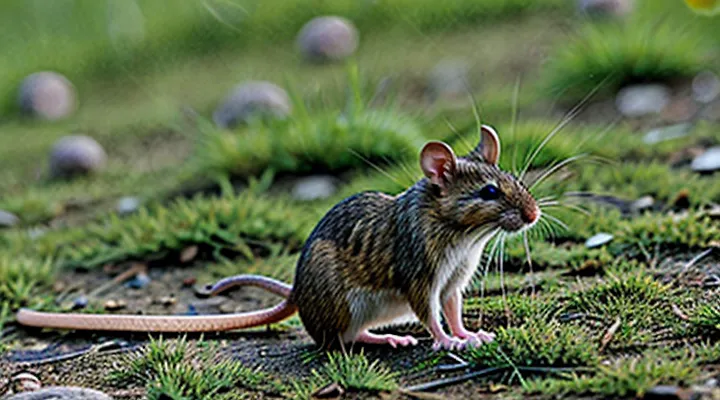
Factors Influencing Wild Mouse Lifespan
Predation Pressure
Common Predators
Predation accounts for the majority of mortality in free‑living mice, directly limiting their average lifespan to a few months to a year depending on habitat and predator density.
- Birds of prey such as hawks, owls, and shrikes capture mice by sight, often during daylight or twilight activity.
- Snakes, especially rattlesnakes and rat snakes, hunt mice by scent and heat detection, using constriction or venom to subdue prey.
- Small carnivores including foxes, coyotes, and feral cats rely on opportunistic hunting, targeting mice in fields, burrows, and peridomestic areas.
- Mustelids—weasels, ferrets, and mink—pursue mice with rapid bursts of speed, often entering nests to flush or kill occupants.
- Larger mammals such as badgers and raccoons scavenge mouse carcasses and may also capture live individuals during foraging.
These predators exert continuous pressure, causing high turnover rates and contributing to the short natural lifespan observed in wild mouse populations.
Evasion Strategies
Mice that live outside of laboratory conditions rely on a suite of evasion tactics to offset high predation pressure and thereby extend their relatively brief existence.
Escape behavior centers on rapid, erratic movement. When threatened, mice initiate a sudden sprint followed by zig‑zag runs, reducing the likelihood of capture by visual predators such as hawks and snakes.
Burrowing provides permanent refuge. Complex tunnel networks include multiple entrances, shallow chambers for quick escape, and deeper nests for prolonged concealment during extreme weather or predator activity.
Camouflage operates through fur coloration that matches the surrounding substrate. In grassy fields, brown‑gray pelage blends with dried vegetation; in desert margins, lighter tones mimic sand. This cryptic appearance diminishes detection by both diurnal and nocturnal hunters.
Auditory and olfactory cues support collective vigilance. Mice emit high‑frequency alarm calls that travel only short distances, alerting nearby conspecifics without revealing the caller’s location to larger predators. Simultaneously, scent marking delineates occupied territories, signaling the presence of a resident group and discouraging intruders that could attract additional threats.
Temporal avoidance reduces exposure. Primarily nocturnal, mice restrict foraging to twilight and night hours when many predators are less active. When daylight is unavoidable, individuals remain within dense cover or underground chambers.
Reproductive compensation counterbalances mortality. High fecundity, with litters of up to eight pups and multiple breeding cycles per year, ensures that despite frequent losses, population numbers remain stable enough to sustain the species over time.
Collectively, these strategies—rapid locomotion, intricate burrow systems, cryptic coloration, limited alarm signaling, nocturnal activity, and prolific breeding—directly influence the average lifespan of wild mice, allowing individuals to survive longer than they would without such adaptations.
Food Availability and Nutrition
Seasonal Fluctuations
Seasonal variation determines the length of life for mice living outside laboratory conditions. Temperature, food availability, and predator pressure shift markedly throughout the year, producing distinct survival patterns.
Winter imposes the greatest mortality pressure. Low ambient temperatures increase metabolic demand; limited seed and insect supplies reduce caloric intake; snow cover restricts movement and shelters predators. Consequently, many individuals die before reaching reproductive maturity, shortening the average lifespan to a few months.
Summer offers abundant resources but introduces other risks. Rapid plant growth and insect proliferation boost food supplies, allowing multiple breeding cycles and extending individual lifespans to several months. However, higher activity levels elevate exposure to avian and reptile predators, and warm, humid conditions foster parasites and pathogens that can cause sudden deaths.
Overall, wild mice typically survive between two and twelve months, with the lower end associated with harsh winter conditions and the upper end linked to favorable summer environments. Seasonal stressors therefore compress or expand the lifespan window, creating a pronounced annual fluctuation in survival rates.
Impact of Food Scarcity
Food availability directly determines the survival probability of free‑living rodents. When resources are scarce, individuals experience reduced body condition, slower growth, and heightened susceptibility to disease, all of which shorten the average lifespan observed in natural populations.
Energy deficits force mice to allocate limited calories to essential functions such as thermoregulation and immune response, leaving less for reproduction and tissue repair. Consequently, mortality rates rise during periods of drought, seasonal seed depletion, or habitat disturbance that limits foraging opportunities.
Key effects of food scarcity on wild mouse longevity:
- Decreased body mass and fat reserves, leading to higher predation risk.
- Impaired immune function, resulting in increased infection and parasite loads.
- Delayed sexual maturation, reducing reproductive output and lowering population turnover.
- Elevated stress hormone levels, which accelerate cellular aging processes.
Overall, limited nourishment compresses the life expectancy of wild mice compared with individuals in resource‑rich environments, demonstrating that food scarcity is a primary factor shaping their demographic patterns.
Habitat and Environment
Shelter and Nesting Sites
Mice survive longer when they occupy secure shelters that protect them from predators, weather extremes, and competition. Natural refuges such as burrows, hollow stems, rock crevices, and dense vegetation provide the necessary concealment and stable microclimate for thermoregulation and reduced stress.
Typical nesting locations include:
- Underground tunnels excavated by the mice or inherited from other burrowing species.
- Abandoned nests of insects, small rodents, or birds, often found under leaf litter or within decaying logs.
- Man‑made structures like cracks in foundations, gaps under siding, and storage containers that retain warmth and moisture.
The quality of a nest directly influences survival rates. Sites with adequate insulation maintain body temperature with minimal energy expenditure, allowing more resources for growth and reproduction. Access to dry, well‑ventilated chambers lowers the risk of fungal infections and parasite infestations, both of which can shorten lifespan.
Seasonal changes drive shelter selection. During winter, mice favor deep burrows or insulated cavities that remain above freezing, while summer prompts the use of shallow nests in grassy cover to avoid overheating. Rapid relocation to new shelters after disturbances reduces exposure to predators and increases the probability of reaching reproductive maturity.
Overall, the availability and condition of appropriate shelters constitute a primary factor determining how long a mouse can persist in its natural environment.
Climatic Conditions
Mice living outside of human environments experience lifespans that fluctuate with climate. Warmer temperatures accelerate metabolism, increase foraging activity, and raise exposure to parasites, often shortening the average survival period to 6‑12 months. Cooler conditions slow metabolic rates, extend periods of torpor, and can lengthen life expectancy to 12‑18 months, provided food remains accessible.
Precipitation patterns influence habitat quality. High humidity supports abundant seed and insect populations, improving nutrition and potentially extending lifespan. Conversely, prolonged drought reduces vegetation cover, elevates predation risk, and typically reduces survival to under six months.
Seasonal cycles impose additional pressures. Spring and early summer bring abundant resources and reduced predator concealment, leading to higher reproductive output but also heightened competition, which can offset longevity gains. Autumn introduces cooler nights and limited food, prompting mice to enter brief hibernation-like states that conserve energy yet increase vulnerability to cold stress. Winter extremes—subzero temperatures or heavy snowfall—can cause mortality spikes, truncating life spans dramatically.
Key climate‑related factors affecting wild mouse longevity:
- Ambient temperature range (metabolic rate, parasite load)
- Moisture availability (food abundance, disease prevalence)
- Seasonal resource cycles (breeding success, competition)
- Extreme weather events (cold snaps, floods)
Overall, climatic conditions dictate the balance between growth opportunities and survival threats, directly shaping how long mice persist in natural habitats.
Disease and Parasites
Common Ailments
Wild mice typically survive between nine and twelve months, with survival heavily influenced by predation, food availability, and health status. Disease accounts for a substantial portion of mortality, often shortening the natural lifespan.
Common health problems observed in free‑living mice include:
- Respiratory infections (e.g., Mycoplasma pulmonis); cause coughing, nasal discharge, and reduced oxygen intake, leading to rapid decline.
- Parasitic infestations (mites, fleas, helminths); result in anemia, skin lesions, and weakened immune response.
- Enteric bacterial infections (e.g., Salmonella, E. coli); produce diarrhea, dehydration, and systemic infection.
- Viral diseases (hantavirus, mousepox); trigger fever, organ damage, and high mortality rates.
- Fungal skin conditions (dermatophytosis); cause hair loss and secondary bacterial invasion.
Each ailment reduces feeding efficiency, compromises escape ability, and increases susceptibility to predators. Consequently, disease pressure contributes significantly to the observed short lifespan of wild mouse populations.
Impact on Survival Rates
Survival rates directly shape the observed lifespan of wild mice, with mortality concentrated in the first months after birth. Juvenile individuals face the highest risk, while adults that reach reproductive age typically survive only a few additional months.
- Predation by birds, snakes, and carnivorous mammals removes a large proportion of individuals each night.
- Seasonal fluctuations in food supply cause rapid declines in body condition, increasing vulnerability to disease and starvation.
- Pathogens such as hantavirus, bacterial infections, and ectoparasites raise mortality during wet periods when transmission is most efficient.
- Extreme temperatures accelerate metabolic demands; heat stress and hypothermia each shorten daily survival windows.
- Habitat fragmentation reduces shelter options, exposing mice to both predators and environmental extremes.
- Intraspecific competition for nesting sites and limited resources intensifies mortality among subordinate individuals.
Statistical surveys of field populations show monthly survival probabilities ranging from 0.30 for neonates to 0.70 for breeding adults under optimal conditions. During harsh winters or droughts, these rates can drop below 0.20 for all age classes, compressing the overall lifespan to under three months.
High mortality in early life stages limits the number of individuals that achieve reproductive maturity, thereby constraining population growth. Conversely, periods of abundant food and mild weather raise survival rates, allowing a modest increase in average lifespan to four or five months. Understanding these dynamics is essential for modeling population fluctuations and assessing ecosystem impacts.
Average Lifespan Expectations
General Wild Mouse Lifespan
Wild mice typically survive between 6 and 12 months in natural environments. Mortality peaks during the first few weeks after birth, with many juveniles falling prey to predators or succumbing to disease. Individuals that reach adulthood often live no longer than a year, although occasional specimens may persist for up to 18 months under favorable conditions.
Key factors influencing lifespan include:
- Predation pressure: Birds of prey, snakes, and carnivorous mammals account for the majority of early deaths.
- Food availability: Seasonal fluctuations in seed and insect abundance affect growth rates and survival.
- Disease exposure: Parasites, viral infections, and bacterial pathogens reduce longevity, especially in dense populations.
- Habitat quality: Shelter complexity and low competition for nesting sites improve chances of reaching adulthood.
Population studies across temperate zones consistently report average adult survival rates of 30‑40 % per month, confirming that wild mice experience rapid turnover compared with captive counterparts.
Variation Among Species
House Mouse Lifespan
The house mouse (Mus musculus) typically survives 6 to 12 months in natural habitats. Juvenile mortality is high; most individuals die before reaching sexual maturity due to predation, disease, and harsh weather. Those that survive to breeding age often live only a few more months, with the longest recorded wild individuals reaching approximately 2 years.
Key factors influencing wild longevity include:
- Predator pressure (birds of prey, snakes, carnivorous mammals)
- Seasonal food availability
- Parasitic and viral infections
- Population density and competition
Reproductive cycles accelerate turnover. Females may produce 5 to 10 litters annually, each containing 4 to 8 offspring. Rapid breeding compensates for short individual lifespans, maintaining stable populations despite high attrition.
In contrast, captive house mice commonly exceed 2 years, occasionally reaching 3 years, reflecting reduced stressors and controlled nutrition. The disparity underscores the impact of environmental challenges on survival in the wild.
Deer Mouse Lifespan
Deer mice (Peromyscus maniculatus) typically survive 12–18 months in natural habitats. Juvenile mortality is high; over 70 % of individuals die before reaching reproductive age due to predation, disease, and harsh weather. Survivors that avoid early threats often live through two breeding seasons, with a maximum recorded age of 3 years in exceptional cases.
Key factors influencing wild deer‑mouse longevity:
- Seasonal climate: Winter exposure reduces body condition and increases mortality rates.
- Predator pressure: Owls, snakes, and terrestrial carnivores account for the majority of adult deaths.
- Resource availability: Fluctuations in seed and insect abundance affect body mass and reproductive output.
- Disease prevalence: Hantavirus and ectoparasite infestations shorten life expectancy.
Reproductive timing aligns with lifespan constraints. Females reach sexual maturity at 6–8 weeks, produce multiple litters per year, and may have up to five litters before senescence limits fecundity. Male lifespan mirrors females but is slightly lower due to higher exposure to territorial conflicts.
Overall, the natural lifespan of deer mice is brief, shaped by environmental hazards and the species’ rapid reproductive strategy.
Lifespan Comparison: Wild vs. Captive
Mice in natural habitats typically survive between six and twelve months, with most individuals dying before reaching the one‑year mark. Predation, seasonal food scarcity, disease, and exposure to extreme temperatures drive this short lifespan.
In controlled environments, such as laboratory colonies or pet enclosures, mice often live two to three years, and exceptional individuals may reach four years. Consistent nutrition, protection from predators, veterinary care, and stable climate conditions extend survival considerably.
Key differences between the two settings:
- Predation pressure: absent in captivity, present in the wild.
- Food availability: constant, balanced diets in labs; fluctuating, sometimes inadequate resources in nature.
- Disease exposure: limited to specific pathogens in colonies; diverse and opportunistic infections outdoors.
- Environmental stress: regulated temperature and humidity indoors; variable weather and habitat disturbances outdoors.
Understanding these contrasts clarifies why mice experience markedly longer lifespans when human care mitigates the hazards that dominate their natural existence.
Survival Challenges and Adaptations
Reproductive Strategies
High Birth Rates
Wild mice typically survive 6–12 months in natural environments, with many individuals dying within the first few months after birth. Survival rates decline sharply after sexual maturity due to predation, disease, and competition for limited resources.
High reproductive output compensates for brief lifespans. Female mice reach sexual maturity at 5–6 weeks and can produce:
- 4–7 litters per year
- 5–12 offspring per litter
- Gestation lasting 19–21 days
These parameters generate rapid population turnover. Short life expectancy creates a constant demand for new individuals, driving the evolution of prolific breeding. Consequently, wild mouse populations maintain stable numbers despite high mortality, because each generation replaces many predecessors within a single year.
Parental Care
Wild mice exhibit a brief reproductive cycle that directly influences their overall longevity. Females construct nests from vegetation, line them with soft material, and maintain a stable microclimate for the newborns. Within the nest, the mother provides continuous nursing for approximately three weeks, during which the pups acquire immunity through colostrum and develop thermoregulation. After weaning, the mother continues to groom the juveniles, reducing ectoparasite loads and decreasing the risk of infection.
Male mice rarely participate in direct offspring care. In some populations, dominant males defend territories that encompass multiple nests, indirectly lowering predation pressure on the young. This indirect paternal contribution can modestly improve juvenile survival rates, yet it does not replace maternal responsibilities.
Key aspects of parental care that affect wild mouse lifespan:
- Nest construction and maintenance: protects against temperature extremes and predators.
- Lactation period (~21 days): supplies essential nutrients and passive immunity.
- Post‑weaning grooming: limits parasite infestation and disease transmission.
- Territory defense by males (where present): reduces external threats to the nest site.
High parental investment raises the probability that a greater proportion of offspring reach maturity, thereby increasing the average lifespan observed in natural mouse populations. Conversely, limited care or nest loss leads to early mortality, shortening the typical wild mouse life expectancy to a few months.
Behavioral Adaptations
Foraging Habits
Wild mice obtain most of their nutrition through opportunistic foraging, a behavior that directly influences their survival prospects. They exploit a broad spectrum of resources, including seeds, grains, insects, and plant material, shifting preferences with seasonal availability. Their diet flexibility reduces exposure to starvation during periods of scarcity, thereby extending average lifespan in natural habitats.
Key foraging strategies include:
- Scavenging: Rapid collection of fallen seeds and discarded human food, often near agricultural fields.
- Burrow exploration: Inspection of underground caches and fungal growths, providing protein‑rich supplements.
- Nocturnal foraging: Activity during low‑light hours minimizes predation risk while accessing fresh plant growth.
- Social information use: Observation of conspecifics’ feeding sites enhances efficiency and reduces search time.
Mice adjust foraging distance according to resource density; when food is abundant, movements remain within a few meters of the nest, conserving energy. In depleted environments, individuals expand their range up to 30 m, increasing exposure to predators and environmental stressors, which can shorten life expectancy. Efficient foraging thus balances caloric intake against predation risk, a critical factor shaping the longevity of wild mouse populations.
Social Structures
Wild mice typically survive 6 to 12 months, with mortality peaks during the first few weeks after birth. Social organization influences this pattern by shaping exposure to predators, disease transmission, and resource competition.
Mice form small, fluid groups that revolve around a dominant breeding pair. Subordinate individuals assist in nest construction, foraging, and pup care, reducing the energetic burden on the breeders. This cooperative breeding lowers the mortality risk for offspring, extending their early survival window.
Territoriality limits group size and reduces intraspecific aggression. Males defend overlapping ranges that intersect multiple female territories, enabling access to mates while avoiding direct confrontations. Females maintain exclusive nest sites, decreasing competition for shelter and food.
Key effects of social structure on lifespan:
- Predator avoidance: Group vigilance detects threats earlier, allowing rapid escape.
- Disease mitigation: Hierarchical grooming and shared nesting reduce pathogen load for dominant individuals, while subordinates bear higher infection risk.
- Resource allocation: Cooperative foraging spreads the workload, conserving energy and extending individual longevity.
- Reproductive timing: Dominant females experience fewer breeding interruptions, resulting in more consistent litter production over their limited lifespan.
Overall, the flexible, cooperative social system of wild mice balances the pressures of a short natural lifespan, enhancing survival prospects for both individuals and their offspring.
Physiological Adaptations
Metabolism
Mice in natural habitats exhibit a markedly elevated basal metabolic rate compared with captive counterparts. Rapid energy turnover sustains continuous foraging, thermoregulation, and escape responses, thereby imposing a physiological ceiling on lifespan. Typical field observations record adult individuals surviving between 10 and 18 months, with most mortality occurring before the second year.
Key metabolic factors influencing this duration include:
- High heart and respiration rates that accelerate cellular wear.
- Frequent activation of the sympathetic nervous system during predator encounters, increasing cortisol and oxidative stress.
- Limited caloric reserves; wild mice must replenish energy stores daily, leaving little margin for prolonged periods of scarcity.
Seasonal temperature fluctuations further modulate metabolic demand. Cold exposure forces mice to increase thermogenic activity, raising oxygen consumption and shortening the window for reproductive success. Conversely, warmer periods reduce thermoregulatory costs but may elevate parasite loads, adding another metabolic burden.
Collectively, the intense metabolic profile of free‑living mice dictates a concise life span, aligning physiological capacity with ecological pressures.
Immune System Strength
Wild rodents typically survive between six months and two years, with most individuals dying before reaching the upper limit. High mortality rates stem largely from predation, environmental stress, and exposure to pathogens. The capacity of an animal’s immune defenses directly influences the probability of surviving infectious challenges, thereby extending the potential lifespan.
The immune apparatus of free‑living mice consists of several layers:
- Physical barriers such as fur and skin that prevent pathogen entry.
- Innate defenses including neutrophils, macrophages, and complement proteins that provide rapid, nonspecific responses.
- Adaptive mechanisms—B‑cell antibody production and T‑cell mediated immunity—that generate targeted, memory‑based protection.
- Genetic variation that modulates the efficiency of each component.
Empirical studies show that individuals with robust innate activity and a diverse adaptive repertoire experience fewer disease‑related deaths and consequently achieve ages nearer the species’ maximum. Enhanced pathogen clearance, reduced chronic inflammation, and efficient wound healing emerge as primary contributors to increased longevity in wild mouse populations.