
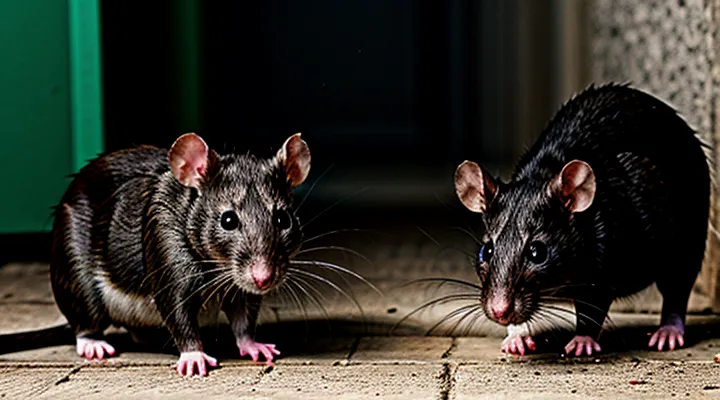
The Estrous Cycle: Hormonal Foundations of Mating Behavior
Stages of the Estrous Cycle
Proestrus: The Preparatory Phase
Proestrus represents the preparatory stage of the estrous cycle in female rats. During this phase, ovarian follicles mature and secrete elevated levels of estradiol, leading to a hormonal environment that readies the animal for subsequent sexual receptivity. The interval typically lasts 12–14 hours, concluding with the onset of estrus.
Physiological markers of proestrus include:
- Swelling of the vaginal epithelium, observable through gentle lavage.
- Predominance of nucleated epithelial cells in vaginal smears, indicating high estrogen activity.
- Increased uterine weight and vascularization, measurable post‑mortem.
Behavioral changes accompany the hormonal shift. Females display heightened locomotor activity, increased exploration of male bedding, and intensified scent‑marking behavior. These actions serve to attract potential mates and to synchronize the timing of copulation. Lordosis reflex sensitivity also rises, although full receptivity emerges only after the transition to estrus.
In experimental settings, accurate identification of the «proestrus» stage is essential for scheduling mating trials. Researchers typically monitor vaginal cytology at two‑hour intervals, aligning male introduction with the late proestrus or early estrus window to maximize successful copulation rates.
Estrus: The Receptive Phase
Estrus marks the period when a female rat is physiologically prepared to receive a male. Hormonal surge, primarily of estrogen, peaks during this phase, inducing changes in the vaginal epithelium and cervical mucus that facilitate sperm transport. The cycle typically lasts 4–5 days, with estrus occurring for 12–14 hours before transitioning to metestrus.
Observable behaviors signal receptivity. Females display the lordosis posture: a dorsal arch of the spine, elevated hindquarters, and a flexed tail, allowing intromission without resistance. Increased locomotor activity and frequent approaches to male scent marks accompany this state. Vaginal cytology reveals a predominance of cornified epithelial cells, confirming the receptive condition.
Key characteristics of the receptive phase:
- Estrogen peak → cervical mucus becomes less viscous, enhancing sperm viability.
- Lordosis reflex activation → triggered by tactile stimulation of the flanks.
- Vaginal smear composition → >80 % cornified cells, minimal leukocytes.
- Duration → 12–14 hours of full receptivity within each estrous cycle.
These physiological and behavioral markers define the estrus window, providing a reliable framework for studying mating interactions in laboratory rats.
Metestrus and Diestrus: Non-receptive Phases
Metestrus and diestrus represent the latter two stages of the estrous cycle in laboratory rats. During these phases the female is physiologically non‑receptive to copulation, and mating attempts typically cease. The transition from estrus to metestrus is marked by a rapid decline in circulating estradiol, followed by a sustained elevation of progesterone throughout diestrus.
Hormonal profile:
- Estradiol: sharp decrease at metestrus onset, low levels during diestrus.
- Progesterone: rises during metestrus, peaks in early diestrus, then gradually declines.
- Luteinizing hormone: basal levels, without the surge characteristic of proestrus.
Behavioral manifestations correspond closely to these endocrine shifts. Female rats exhibit reduced locomotor activity, increased grooming, and a pronounced avoidance of male advances. Lordosis quotient drops to near‑zero, and the receptivity index remains low throughout both stages. Vocalizations associated with sexual solicitation disappear, and ultrasonic emissions shift toward frequencies linked to stress rather than mating.
For researchers monitoring mating patterns, the following observations are essential during non‑receptive phases:
- Absence of lordosis reflex upon male mounting.
- Persistent defensive posture when approached by a male.
- Elevated self‑grooming frequency, often exceeding baseline levels observed in estrus.
- Diminished exploratory behavior in open‑field tests.
Recognizing the distinct behavioral and hormonal signatures of metestrus and diestrus enables accurate timing of experimental interventions, prevents misinterpretation of mating data, and ensures that male exposure aligns with periods of maximal female receptivity.
Hormonal Regulation and Behavioral Changes
Hormonal fluctuations orchestrate the transition from diestrus to estrus in adult female rats. Rising estradiol concentrations stimulate neuronal pathways in the hypothalamus and limbic system, preparing the animal for copulatory interaction. A subsequent increase in progesterone, triggered by the luteinizing hormone surge, activates the motor pattern of lordosis. Prolactin levels peak after successful mating, supporting uterine preparation for implantation.
Behavioral manifestations align closely with the endocrine profile. During estrus, females exhibit:
- heightened lordosis reflex, enabling successful intromission;
- increased receptivity to male approaches, reflected in reduced avoidance;
- intensified olfactory investigation of male pheromones;
- temporary reduction in nesting activity, allocating energy to mating.
The interplay between hormones and observed actions follows a predictable sequence. Estradiol primes the neural circuitry that interprets male cues; progesterone converts this priming into a robust lordosis response; the luteinizing hormone surge synchronizes the timing of receptivity with male readiness; prolactin sustains post‑copulatory physiological changes. Consequently, the endocrine environment directly shapes the observable mating behavior of female rodents.
Pre-Copulatory Behaviors
Proceptive Behaviors
Ear Wiggling and Darting
Ear wiggling in receptive females appears immediately before the approach to a male, often accompanied by rapid, low‑amplitude movements of the pinna. These motions increase the detection of ultrasonic vocalizations and may serve as a tactile cue that signals readiness to copulate. Observations indicate that ear wiggling frequency rises from a baseline of 2–3 Hz to 8–12 Hz during the pre‑mounting phase, correlating with heightened estrous hormone levels.
Darting describes short, high‑velocity bursts of locomotion directed toward the male’s location. A typical dart consists of a 0.2–0.4 s sprint covering 5–10 cm, followed by a brief pause for assessment. Darting frequency peaks during the proestrus stage, with an average of 4–6 darts per minute. The behavior functions as a spatial probe, allowing the female to evaluate male vigor and positioning before initiating sustained contact.
Key observations:
- Ear wiggling intensity aligns with ultrasonic call amplitude emitted by the male.
- Darting trajectories are oriented toward the male’s scent plume, suggesting olfactory guidance.
- Combined ear wiggling and darting predict successful copulatory attempts in over 70 % of recorded trials.
Solicitation and Attraction
Female rats exhibit a distinct sequence of actions that signal sexual readiness and draw potential mates. During the fertile phase, the animal releases volatile pheromones that disperse through the environment, providing an olfactory cue detectable by conspecific males. Concurrently, the estrous cycle is accompanied by subtle changes in urine composition, which amplify the pheromonal signal and increase male interest.
Observable behaviors that constitute solicitation include:
- Ear pinna flutter and rapid whisker movements, indicating heightened arousal.
- Presentation of the dorsal lumbar region, often described as the «lordosis» posture, which facilitates copulatory contact.
- Increased locomotor activity directed toward the male, marked by short, purposeful approaches.
- Emission of ultrasonic vocalizations in the 30–50 kHz range, serving as an auditory attractant.
Attraction mechanisms rely on the integration of these cues. The male rat responds to the pheromonal gradient by intensifying exploratory sniffing and mounting attempts. Ultrasonic calls produced by the female synchronize with the male’s approach, reinforcing the pair bond during the brief window of receptivity. The combination of olfactory, auditory, and visual signals creates a multimodal attractant that optimizes mating efficiency.
Pacing and Pursuit Dynamics
Female rats exhibit a distinct pattern of movement during the pre‑copulatory phase, characterized by alternating periods of activity and temporary withdrawal. The female initiates the encounter by approaching the male at a moderate speed, then pauses to assess the male’s pheromonal cues and physical condition. This pause, often lasting several seconds, allows the female to gauge the male’s suitability and to regulate the intensity of the subsequent interaction.
The dynamics of pursuit involve the male responding to the female’s approach with increased locomotor activity, attempting to close the distance while the female may intermittently retreat. This back‑and‑forth sequence creates a rhythmic exchange that reinforces mutual arousal and synchronizes the timing of mounting. Key aspects of this behavior include:
- Initiation by the female at a measured pace, followed by brief cessation.
- Male acceleration in response to the female’s movement, maintaining proximity.
- Repeated cycles of approach, pause, and pursuit, establishing a temporal framework for successful copulation.
Male Courtship Rituals and Female Response
Male rats initiate courtship by emitting ultrasonic vocalizations that signal sexual arousal. These calls typically occur at frequencies between 50 and 70 kHz and are produced when a male encounters a sexually receptive female in the estrous phase. Following vocalization, the male engages in a rapid series of investigative sniffs directed at the female’s anogenital region. This tactile assessment allows the male to detect pheromonal cues that confirm the female’s receptivity.
After the initial sniffing, the male performs a series of mounting attempts. Each attempt consists of the male climbing onto the female’s back, positioning his forepaws on her shoulders, and attempting intromission. Successful intromission is preceded by a characteristic pelvic thrust that aligns the genitalia. The male may repeat mounting attempts several times until copulation is achieved or the female withdraws.
Female response is governed by hormonal status and behavioral signals:
- If the female is in proestrus or estrus, she adopts a lordosis posture, elevating her hindquarters and presenting the vulva to the male.
- Acceptance is indicated by a brief pause in movement, allowing the male to achieve intromission.
- Rejection manifests as rapid retreat, aggressive grooming, or vocalizations at lower frequencies (≈30 kHz) that signal disinterest.
- Post‑copulatory behavior includes a period of immobility, during which the female may emit ultrasonic “pseudopregnancy” calls that facilitate sperm transport.
Research demonstrates that the synchronization of male vocal, olfactory, and tactile cues with the female’s hormonal readiness maximizes mating efficiency. «The precise timing of ultrasonic emissions and the female’s lordosis response determine successful copulation in laboratory rats», notes a recent ethological study.
Copulatory Behaviors
The Lordosis Reflex
Neural and Hormonal Mechanisms
Female rats exhibit a tightly regulated sequence of neural events that prepare the brain for mating. The medial preoptic area and the ventromedial hypothalamus receive gonadal steroid input and coordinate motor patterns required for lordosis. Dopaminergic projections from the ventral tegmental area modulate motivational aspects, while glutamatergic signaling in the nucleus accumbens influences reward processing during copulation.
Estradiol and progesterone constitute the primary hormonal drivers of sexual receptivity. Estradiol induces transcription of progesterone receptors in the hypothalamus, enabling a rapid progesterone surge to trigger the lordosis reflex. The timing of the estrous cycle dictates the sensitivity of these receptors, creating a narrow window of heightened mating readiness.
Sensory information from the male’s pheromones is conveyed through the vomeronasal organ to the accessory olfactory bulb, where it converges with hormonal signals. This integration adjusts neuronal excitability and synchronizes peripheral physiological changes, such as uterine blood flow, with central mating circuits.
Key components of the neuroendocrine system:
- Estradiol‑dependent up‑regulation of progesterone receptors
- Progesterone‑mediated activation of GABAergic interneurons in the ventromedial hypothalamus
- Dopamine release from the ventral tegmental area enhancing approach behavior
- Glutamate transmission in the nucleus accumbens supporting reward valuation
«The estrous cycle modulates receptivity», illustrating the precise alignment of hormonal peaks with neural circuit activation that culminates in successful copulatory behavior.
Behavioral Manifestations and Duration
Female rats exhibit a distinct sequence of actions during the copulatory process, each with measurable timing. Initial contact begins with the female’s investigation of the male’s scent, followed by the presentation of a receptive posture. The receptive posture, often termed «lordosis», is characterized by a dorsiflexion of the spine and elevation of the hindquarters, allowing intromission. Accompanying this posture, the female displays rhythmic ear and whisker movements that synchronize with the male’s mounting attempts.
The duration of each phase can be quantified:
- Investigation: 5–15 seconds, varying with olfactory cues.
- Lordosis display: 10–30 seconds, persisting until successful intromission or male withdrawal.
- Post‑copulatory pause: 20–40 seconds, during which the female remains immobile before resuming normal activity.
Repeated cycles may occur within a single mating bout, with inter‑bout intervals averaging 2–5 minutes. Hormonal status, particularly estrogen levels, modulates both the intensity of the lordosis response and the length of the receptive period. Environmental factors such as lighting and cage density also influence the timing, shortening investigation phases under high‑stress conditions.
Mounts, Intromissions, and Ejaculations
Paced Mating Paradigm
The paced mating paradigm provides a controlled environment in which a female rat determines the timing and frequency of copulatory encounters. By placing the female in a compartment separated from the male by a removable barrier, the animal can initiate or terminate contact at will. This design captures naturalistic patterns of sexual receptivity while allowing precise measurement of behavioral parameters.
Key elements of the paradigm include:
- Adjustable barrier that can be lifted to permit brief male access, then reinstated to end the bout.
- Continuous video recording to track lordosis intensity, mounting attempts, and inter‑ejaculatory intervals.
- Hormonal priming schedule (typically estradiol and progesterone) to synchronize estrus, ensuring consistent receptivity across subjects.
Experimental outcomes often reveal that females exhibit longer lordosis durations and higher rates of successful intromission when afforded control over pacing. Data also show reduced stress markers compared to unrestricted mating setups, indicating that the paradigm aligns closely with innate reproductive strategies.
The methodology supports investigations into neuroendocrine regulation, sensory feedback mechanisms, and the impact of pharmacological agents on female sexual behavior. By isolating the female’s agency, researchers obtain clearer insights into the behavioral dynamics that drive successful copulation in rodents.
Female Control Over Copulatory Patterns
Female rats exhibit decisive influence on the timing, frequency, and structure of copulatory events. Estrous cycle stage determines receptivity; during proestrus, females emit ultrasonic vocalizations that signal readiness and elicit mounting attempts. These vocalizations, coupled with lordosis posture, serve as a gateway for male initiation, yet females retain the capacity to terminate the encounter by aborting lordosis or retreating from the male’s intromission attempts.
Control mechanisms extend beyond acoustic cues. Pheromonal feedback from the male’s seminal plasma modulates the female’s neuroendocrine circuitry, altering subsequent lordosis quotient and inter‑ejaculatory intervals. Additionally, females exhibit pacing behavior: by moving away from the male after each intromission, they impose a temporal pattern that maximizes sperm viability and reduces the risk of injury. This pacing is quantified by:
- Latency to first lordosis after male contact
- Number of intromissions per bout before retreat
- Inter‑bout interval duration
Collectively, these behaviors demonstrate that female rats actively shape copulatory sequences, influencing both immediate reproductive success and longer‑term fertility outcomes.
Post-Ejaculatory Refractory Period in Males
The post‑ejaculatory refractory period in male rats represents a temporary suppression of sexual activity that follows copulation. During this interval, males exhibit reduced mounting attempts, diminished pheromone emission, and lowered testosterone spikes. Refractory duration varies with age, hormonal status, and prior mating experience, typically ranging from 5 to 30 minutes in laboratory strains.
Physiological mechanisms involve rapid depletion of seminal vesicle fluid, activation of inhibitory neural pathways in the medial preoptic area, and increased prolactin release. Elevated prolactin levels correlate with latency to the next successful intromission, while dopamine withdrawal from the nucleus accumbens contributes to decreased motivational drive.
Behavioral consequences affect female receptivity. Females encountering a refractory male display prolonged lordosis latency, increased exploratory locomotion, and heightened likelihood of seeking alternative partners. This dynamic shapes mating patterns within colonies, promoting multiple male encounters and reducing monopolization.
Key factors influencing refractory length:
- Age: older males demonstrate extended intervals.
- Prior ejaculation count: successive ejaculations lengthen the refractory phase.
- Environmental stressors: elevated cortisol levels prolong suppression.
- Pharmacological agents: dopamine agonists shorten, while prolactin analogs extend the period.
Female Post-Copulatory Licking and Grooming
Female post‑copulatory licking and grooming represent a distinct phase of the mating sequence in laboratory rats. Immediately after intromission, the female directs oral contact toward the male’s genital region, focusing on the glans penis and surrounding fur. This behavior persists for 10–30 seconds, after which the female shifts to self‑directed grooming of the perineal area.
The primary functions attributed to this activity include:
- Removal of ejaculatory fluids that could interfere with subsequent sexual receptivity.
- Stimulation of mechanoreceptors on the male’s genital skin, potentially enhancing sperm transport.
- Reinforcement of the pair bond through tactile feedback, which may influence future mating choices.
Neuroendocrine correlates demonstrate elevated oxytocin levels in the female brain during the licking episode, accompanied by a transient increase in peripheral prolactin. These hormonal shifts coincide with activation of the medial preoptic area and the ventromedial hypothalamus, regions implicated in consummatory sexual behavior.
Observational studies report that disruption of post‑copulatory licking – through brief physical separation or anesthetic interference – leads to a measurable decline in subsequent pregnancy rates. Researchers conclude that the oral grooming phase contributes directly to reproductive efficiency, rather than serving a merely hygienic purpose. «The consistency of this behavior across multiple strains suggests an evolved adaptive mechanism.»
Factors Influencing Mating Behavior
Social Environment and Group Dynamics
Influence of Other Females
The presence of additional females modifies mating dynamics through several mechanisms. Social hierarchy establishes dominant and subordinate individuals; dominant females obtain priority access to males, while subordinates experience reduced mating opportunities. Pheromonal signals emitted by nearby females can mask or dilute the estrus odor of a receptive female, decreasing male attraction. Aggressive encounters increase when multiple females converge on a single male, leading to interruptions in copulatory sequences. Group composition influences the timing of estrus cycles; exposure to other females often prolongs the inter‑estrus interval, delaying the onset of receptivity.
Key effects include:
- Hierarchical access: priority for dominant individuals.
- Pheromonal interference: attenuation of estrus cues.
- Aggression escalation: disruption of copulation.
- Estrous timing alteration: extended inter‑estrus periods.
Male-Female Interactions
Male rats initiate contact by approaching the receptive female, often after detecting her estrous odor through the vomeronasal organ. The approach is characterized by rapid, low‑amplitude locomotion and directed sniffing of the anogenital region. Upon close proximity, the male engages in a series of tactile and olfactory examinations that determine the female’s receptivity.
If the female exhibits lordosis‑like posture, the male proceeds to mount. Mounting involves the male grasping the female’s neck with his forepaws, maintaining balance with hind‑limb support, and delivering a brief intromission. The intromission typically lasts 2–5 seconds, followed by a brief pause before the next mount. Repeated cycles continue until ejaculation, which occurs after 3–5 intromissions on average.
The interaction sequence can be summarized as follows:
- Detection of estrous pheromones by the male’s vomeronasal system.
- Directed approach and anogenital investigation.
- Female presentation of receptive posture.
- Mounting with forepaw grip and hind‑limb support.
- Intromission and ejaculation after multiple cycles.
Successful copulation requires synchronization of male mounting behavior with female receptivity cues, mediated by pheromonal signaling and hormonal status.
Environmental Cues
Olfactory Signals (Pheromones)
Olfactory cues dominate the reproductive interactions of female rodents. During estrus, females release a complex blend of volatile and non‑volatile pheromones that convey hormonal status, receptivity, and genetic compatibility. These chemical signals are emitted from the vaginal region, urine, and the mammary glands, creating a scent plume detectable by conspecific males at distances of several centimeters.
Male rats possess a highly sensitive vomeronasal organ (VNO) and main olfactory epithelium that transduce pheromonal information into neural activity within the accessory olfactory bulb. Activation patterns in this circuitry trigger hormonal changes, notably a rapid increase in testosterone, and initiate approach and mounting behaviors. The temporal dynamics of pheromone release align with the female’s ovulatory cycle, ensuring that male courtship coincides with optimal fertilization windows.
Experimental manipulation of pheromone composition demonstrates direct effects on mating outcomes. Substitution of natural secretions with synthetic analogs containing the major components—such as estradiol‑derived sulfated steroids and major urinary proteins—modifies male investigation time and mounting frequency. Conversely, removal of VNO function or blockade of specific receptor subtypes abolishes typical male responses, confirming the indispensability of olfactory pathways.
Key findings regarding pheromonal communication include:
- Concentration peaks of estrus‑specific compounds occur 4–6 hours before ovulation.
- Male attraction correlates with the ratio of volatile to protein‑bound pheromones.
- Genetic variability in major urinary proteins influences mate choice and inbreeding avoidance.
Understanding these olfactory mechanisms clarifies how chemical signaling orchestrates reproductive behavior in female rats, providing a model for broader mammalian mating systems.
Auditory and Visual Cues
Female rats rely on specific sensory signals to coordinate mating interactions. Both acoustic and visual information influence the timing and acceptance of copulatory advances.
- Ultrasonic vocalizations emitted by females during estrus serve as immediate indicators of receptivity.
- Frequency-modulated calls increase in intensity when a male approaches, prompting rapid approach behavior.
- Playback experiments demonstrate that females respond selectively to calls matching their estrous phase, adjusting locomotor activity accordingly.
Visual cues complement acoustic signals.
- Pheromone-laden facial whisker movements generate subtle visual patterns detectable by males.
- Postural changes, such as lordosis posture, provide clear visual confirmation of readiness.
- Light-reflective fur patches become more prominent during estrus, enhancing male detection from a distance.
Integration of auditory and visual cues ensures efficient mate selection and successful copulation.
Individual Variability in Mating Strategies
Dominance Hierarchies
Dominance hierarchies among adult female rats shape the dynamics of sexual interactions. Individuals occupy positions ranging from dominant to subordinate, with status established through repeated agonistic encounters and scent marking.
Higher-ranking females display reduced latency to approach a potential mate, increased solicitation frequency, and prolonged lordosis duration. Subordinate individuals exhibit delayed receptivity, lower solicitation rates, and shortened copulatory bouts.
The hierarchy influences estrus synchrony within a colony. Dominant females often enter estrus earlier, triggering pheromonal cascades that advance the cycle of lower‑ranked conspecifics. This temporal ordering creates a predictable sequence of mating opportunities that minimizes direct competition.
Observations derived from controlled laboratory settings employ continuous video monitoring, ethogram coding, and plasma hormone assays. Data reveal:
- Dominant status correlates with elevated estradiol concentrations.
- Subordinate rats exhibit higher corticosterone levels during the pre‑ovulatory phase.
- Pairings between dominant females and experienced males result in larger litter sizes compared with pairings involving subordinates.
These patterns indicate that social rank functions as a central organizing principle governing reproductive behavior in female rats. Understanding the mechanisms linking hierarchy to mating outcomes enhances predictive models of population dynamics and informs experimental designs that aim to isolate hormonal versus social determinants of sexual activity.
Experience and Learning
Female rats modify their mating strategies through repeated exposure to males, demonstrating that experience shapes reproductive success. Early encounters provide sensory information about male vocalizations, pheromonal signatures, and locomotor patterns. This information is stored in neural circuits that regulate sexual receptivity, allowing subsequent copulatory attempts to be timed more precisely within the estrous cycle.
Key aspects of experiential learning include:
- Sensory habituation: repeated male presence reduces startle responses, facilitating smoother approach behavior.
- Temporal conditioning: females learn the typical interval between male mounting attempts and successful intromission, adjusting their lordosis reflex timing accordingly.
- Social transmission: observation of conspecifics engaging in copulation can accelerate the onset of sexual behavior in inexperienced females.
Neurobiological correlates involve heightened activity in the medial amygdala and the ventromedial hypothalamus after successful mating, regions known to integrate pheromonal cues and hormonal status. Plastic changes, such as dendritic spine enlargement in these areas, persist for several estrous cycles, indicating long‑term encoding of mating experience.
Environmental variables also influence learning outcomes. Limited male availability prolongs the acquisition phase, whereas abundant male exposure shortens it, suggesting that the rate of experiential gain is modulated by social density. Moreover, stressors that disrupt hormone release can impair the consolidation of mating memories, leading to reduced receptivity in later cycles.
Overall, female rats exhibit a dynamic learning process that refines sexual behavior through direct interaction and observation, with neural adaptations supporting the integration of experience into future reproductive decisions.
Reproductive Outcomes and Maternal Behavior
Fertilization and Pregnancy
Female rats store sperm in the uterotubal junction after copulation; viable sperm reach the ampulla within 4–6 hours, where fertilization of ova occurs. Ovulation typically follows the first intromission, peaking 12–14 hours post‑mating, ensuring that oocytes are present when sperm arrive. Successful fertilization produces a zygote that begins cleavage as it travels toward the uterine lumen.
Implantation commences around day 4 of gestation, when blastocysts embed in the endometrial lining. The gestation period lasts approximately 21–23 days, culminating in the birth of 6–12 pups per litter. Placental development proceeds rapidly, providing nutrients and hormonal support throughout fetal growth.
Progesterone levels rise sharply after implantation, maintaining uterine quiescence and preventing premature contractions. Prolactin secretion peaks during mid‑gestation, promoting mammary gland development in preparation for lactation. Elevated estradiol during late pregnancy prepares the cervix for parturition.
Key points for experimental observation:
- Sperm viability peaks at 8 hours post‑coitus, declines thereafter.
- Ovulation timing aligns with the first intromission in the majority of cycles.
- Implantation sites are uniformly distributed along the uterine horns.
- Progesterone concentrations exceed 30 ng ml⁻¹ during the luteal phase.
These parameters define the reproductive timeline in laboratory rats and provide benchmarks for assessing the impact of pharmacological or environmental interventions on fertility and gestational outcomes.
Post-Mating Maternal Care Onset
Nest Building Behaviors
Female rats construct nests as a prerequisite for successful reproduction. Nest building occurs shortly before estrus and intensifies when a female anticipates copulation. The behavior serves both thermoregulation and protection of embryos.
Key elements of nest construction include:
- Selection of soft materials such as shredded paper, cotton fibers, or tissue.
- Accumulation of material in the corner of the cage, followed by compression into a dense mound.
- Arrangement of layers to create a insulated cavity, often reinforced with additional padding.
- Continuous maintenance through periodic re‑shredding and repositioning of the lining.
Nest readiness signals hormonal changes that attract male partners. Males respond to the presence of a well‑formed nest by increasing investigative behavior and initiating courtship. Conversely, an incomplete or absent nest correlates with reduced male interest and delayed mating attempts.
Researchers document nest building using continuous video recording and ethological scoring. Parameters measured comprise latency to first material collection, total time spent on construction, and nest quality index based on depth and compactness. Quantitative data link these metrics to subsequent mating success and litter size.
Hormonal Shifts Affecting Parental Care
Hormonal fluctuations occurring during the estrous cycle exert a direct influence on the expression of maternal behaviors in female rats. Elevated estradiol levels in the late proestrus phase prime neural circuits associated with pup-directed activities, while the subsequent rise in progesterone prepares the organism for gestation and suppresses premature caregiving.
- Estradiol: initiates activation of the medial preoptic area, enhancing motivation to approach offspring.
- Progesterone: attenuates exploratory drive, facilitating transition to nesting behavior.
- Prolactin: peaks at parturition, sustaining lactation and reinforcing pup contact.
- Oxytocin: released during delivery, promotes bonding and pup retrieval.
The temporal pattern of these endocrine changes aligns with key reproductive milestones. Estradiol peaks precede parturition, establishing a neural substrate for nest construction. Progesterone declines sharply at labor onset, removing inhibitory signals and allowing prolactin and oxytocin to dominate. The surge of prolactin coincides with the first nursing bout, while oxytocin release continues throughout the early post‑natal period, supporting sustained pup care.
Resulting behaviors include rapid nest building, efficient pup retrieval, and consistent nursing posture. These actions reduce pup exposure to environmental stressors and improve survival rates. Experimental manipulation of estradiol or oxytocin levels produces predictable alterations in caregiving intensity, confirming the causal link between hormonal state and parental performance.
Understanding the endocrine mechanisms that regulate maternal care provides a framework for interpreting variations in offspring development and for designing interventions that target specific hormonal pathways in laboratory settings.