
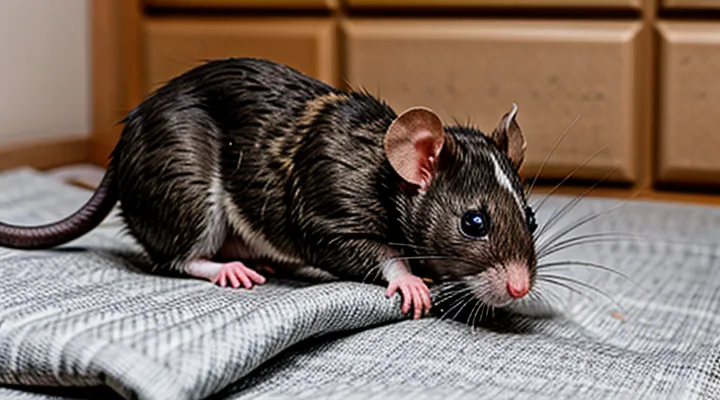
The Estrus Cycle in Female Rats
Signs of Estrus
Female rats enter estrus approximately four to five days after weaning, and the cycle repeats every four to five days. During this period, observable physiological and behavioral changes signal readiness for mating, which precedes the gestational phase.
Typical indicators include:
- Swelling and reddening of the vulva, often visible as a pinkish, enlarged area.
- A receptive posture known as lordosis, where the female arches her back when approached by a male.
- Increased activity and vocalizations, especially when a male is present.
- Frequent urination and the deposition of scent marks, used to attract potential mates.
- Grooming of the genital region, sometimes accompanied by a distinctive musky odor.
- A noticeable shift in social behavior, such as reduced aggression toward other females and heightened tolerance of the male.
These signs appear consistently across healthy adult females and provide reliable cues for breeders to time introductions, ensuring successful conception and subsequent parturition.
Ovulation and Fertility Windows
Domestic rats exhibit a rapid estrous cycle that determines the timing of ovulation and the period during which conception can occur. The cycle lasts 4–5 days and progresses through proestrus, estrus, metestrus, and diestrus. Ovulation is induced by mating; the act of copulation triggers a surge of luteinizing hormone, causing the release of a single oocyte within minutes. Consequently, the fertile window is narrow, typically spanning the final hours of estrus and the early phase of metestrus.
Key characteristics of the fertility window:
- Occurs after the onset of estrus, approximately 12–24 hours before the male’s intromission.
- Peaks when the luteinizing hormone surge induces ovulation.
- Ends within 24 hours after ovulation, as the oocyte loses viability.
Hormonal cues regulate cycle progression. Rising estradiol levels during proestrus signal impending estrus, while the subsequent progesterone increase during metestrus prepares the uterus for implantation. Researchers identify estrus by the presence of a moist, swollen vaginal opening and by cytological examination of vaginal smears, which reveal predominance of cornified epithelial cells.
Mating behavior aligns with the fertile window; females display lordosis and increased receptivity only during estrus. Successful conception requires that sperm reach the oocyte within the brief post‑ovulatory interval. After fertilization, the embryo implants during diestrus, when the uterine environment is hormonally optimized for development.
Conception and Pregnancy
Mating Behavior
Domestic rats reproduce year‑round, with females entering estrus every four to five days. During estrus, a female emits urine‑borne pheromones that attract males and signal readiness to mate. The male responds by approaching the scent source, investigating with his whiskers, and performing a brief series of mounting attempts until the female adopts a lordosis posture, facilitating intromission.
Copulation lasts between 30 seconds and two minutes, after which the male delivers a single ejaculate containing millions of sperm. Sperm travel through the female reproductive tract, reaching the oviducts where fertilization occurs. The female’s uterine environment, regulated by progesterone, supports embryo development throughout the ensuing gestation period of approximately 21–23 days.
Key aspects of rat mating behavior include:
- Estrus detection: Female urine pheromones trigger male investigation.
- Courtship mounting: Repeated attempts until successful intromission.
- Lordosis posture: Female arches back, widens hindquarters for copulation.
- Short copulation duration: Rapid ejaculation minimizes exposure to predators.
- Post‑mating sperm storage: Sperm remain viable in the female reproductive tract for several days, ensuring fertilization even if ovulation is delayed.
These behaviors collectively ensure efficient fertilization, leading directly to the gestational phase and eventual delivery of litters.
Fertilization and Embryo Development
Domestic rats mate shortly after estrus onset, typically within a few hours of the female’s receptive period. The male deposits a copulatory plug that temporarily blocks the cervix, allowing sperm to ascend the reproductive tract.
Sperm travel through the uterus to the oviducts, where fertilization occurs at the ampullary region. The zona pellucida surrounding the ovum ruptures upon sperm entry, and the male pronucleus fuses with the female pronucleus within the oocyte cytoplasm, forming a zygote.
The zygote undergoes rapid mitotic divisions, producing a morula by the third day post‑coitus. By day four, the structure becomes a blastocyst, characterized by an inner cell mass and a trophoblast layer. The blastocyst expands to a diameter of approximately 0.5 mm before implantation.
Implantation takes place in the uterine endometrium around day five. The trophoblast differentiates into placental tissue, establishing maternal‑fetal exchange. Embryonic development proceeds under hormonal regulation, with the embryo reaching the organogenesis stage by day ten.
Key developmental timeline:
- Day 1–2: Fertilization and zygote formation.
- Day 3: Morula formation.
- Day 4: Blastocyst development.
- Day 5: Implantation in uterine lining.
- Day 6–10: Early organogenesis and placental establishment.
Gestation Period
Domestic rats experience a relatively brief gestation, typically lasting 21 to 23 days. The duration remains consistent across most laboratory and pet strains, with slight variation attributable to genetics, maternal age, and environmental conditions such as temperature and nutrition.
During the first week, embryos implant in the uterine lining and begin organogenesis. By day ten, fetal limbs and facial features become discernible, while the remaining weeks involve rapid growth and maturation of vital systems. The final 48‑72 hours precede parturition, marked by hormonal shifts that trigger uterine contractions and cervical dilation.
Key characteristics of the rat gestational period:
- Average length: 22 days (range 21–23 days)
- Critical developmental milestones:
- Implantation – days 4‑5
- Limb bud formation – day 10
- Visible fur and whiskers – day 15
- Lung maturation – day 18‑20
- Indicators of impending birth: nesting behavior, increased restlessness, and abdominal enlargement.
- Optimal care: consistent diet, stress reduction, and a clean, temperature‑controlled nesting environment support healthy fetal development and reduce complications.
Understanding these temporal parameters enables precise monitoring of pregnancy progression and timely intervention should abnormalities arise.
Nutritional Needs During Pregnancy
Pregnant domestic rats experience a marked increase in metabolic demand. Energy intake should rise by approximately 30 % compared with non‑pregnant females, achieved by offering a high‑calorie diet that includes laboratory rodent chow enriched with additional grains or seeds.
Protein requirements double to support fetal tissue growth; a diet containing 20–25 % crude protein supplies the necessary amino acids. Sources such as soy, casein, and insect protein are appropriate.
Calcium and phosphorus must be balanced at a ratio near 1.5:1 to prevent skeletal deficiencies in both dam and offspring. Supplementation with calcium carbonate or fortified pellets ensures adequate mineral deposition.
Vitamin A, D, and E levels should be maintained within recommended ranges; excess vitamin A can cause teratogenic effects, so precise formulation is essential. Vitamin D supports calcium absorption, while vitamin E protects cellular membranes during rapid cell division.
Water consumption increases proportionally; fresh, clean water must be available at all times to prevent dehydration and support milk production after parturition.
Feeding schedule benefits from multiple small meals throughout the day, reducing competition and ensuring consistent nutrient intake. Monitoring body condition score and weight gain (approximately 2–3 g per day) provides early detection of nutritional imbalances.
Key points for optimal gestational nutrition:
- Increase caloric density by 30 %
- Provide 20–25 % crude protein
- Maintain Ca:P ratio ≈ 1.5:1
- Ensure adequate vitamins A, D, E
- Supply unrestricted access to fresh water
- Offer frequent, evenly spaced meals
Adhering to these guidelines promotes healthy fetal development and prepares the dam for successful lactation.
Behavioral Changes in Pregnant Rats
Pregnant laboratory rats exhibit a predictable set of behavioral modifications that facilitate successful parturition and offspring survival. These changes emerge early in gestation and intensify as delivery approaches.
- Nest‑building activity increases sharply around day 14 of a 21‑day gestation, with females gathering soft material and arranging it in a compact structure. This behavior reduces exposure of newborns to environmental stressors.
- Locomotor activity declines after the onset of nesting, reflected in shorter travel distances and fewer exploratory bouts. Energy expenditure shifts toward uterine development and fetal growth.
- Food intake rises, particularly for high‑protein and high‑fat resources, supporting the metabolic demands of gestation. Water consumption follows the same pattern.
- Social interactions become more selective; pregnant rats show reduced aggression toward cage mates but heightened vigilance toward unfamiliar conspecifics, decreasing the risk of injury to the litter.
- Grooming frequency escalates, especially of the ventral abdomen and perineal region, preparing the body for parturition and facilitating neonatal cleaning.
Hormonal fluctuations drive these behaviors. Elevated progesterone suppresses estrus cycles and diminishes sexual receptivity, while rising estrogen levels near term stimulate nesting and maternal instincts. Prolactin and oxytocin increase in the final days, promoting maternal care and facilitating uterine contractions.
Observations in controlled environments confirm that deviations from these patterns—such as insufficient nesting material or disrupted feeding—correlate with increased maternal stress and higher pup mortality. Ensuring appropriate housing conditions and diet therefore supports the natural behavioral trajectory of pregnant rats and contributes to optimal reproductive outcomes.
The Birthing Process («Parturition»)
Early Signs of Labor
Domestic rats exhibit several observable changes as parturition approaches. Recognizing these signals enables timely intervention and optimal care for the dam and her litter.
- Nesting activity intensifies; the female gathers bedding, arranges a secluded area, and may shred material to create a nest.
- Restlessness appears, marked by frequent pacing, elevated grooming, and occasional re‑positioning within the cage.
- Abdominal enlargement becomes evident as the uterus fills with developing embryos; the belly may feel firmer and rounder.
- Vulvar swelling and discoloration occur, often accompanied by a slight mucus discharge that signals impending birth.
- Temperature decline is measurable; core body temperature typically drops 0.5–1 °C within 12–24 hours before delivery.
- Vocalizations increase, ranging from low grunts to sharper squeaks, reflecting discomfort or anticipation.
- Decreased appetite may be noted, with the dam consuming less food while focusing on nest preparation.
These indicators appear sequentially, though individual rats may display a subset or vary in timing. Monitoring the combination of behavioral and physiological cues provides the most reliable assessment of labor onset.
Stages of Labor
The birthing process in domestic rats unfolds in three clearly defined phases. Each phase is characterized by specific physiological and behavioral cues that signal progression toward delivery.
-
Preparation (pre‑labor) – Hormonal shifts, primarily a rise in progesterone followed by a surge of estrogen, trigger uterine contractions and cervical softening. The female exhibits nesting behavior, increased restlessness, and a marked decrease in food intake. Body temperature may drop slightly, and the abdomen becomes visibly distended as fetuses develop.
-
Active labor (expulsion) – Stronger uterine contractions occur at regular intervals, facilitating the passage of each pup through the birth canal. The interval between deliveries shortens to 2–5 minutes, with occasional pauses of up to 15 minutes. The mother alternates between intense contractions and brief recovery periods, during which she may lick the perineal area to maintain hygiene and stimulate the neonates.
-
Post‑delivery (placental expulsion and care) – After the last pup is born, the uterus contracts to release the placentas, one per pup, within a 10–20‑minute window. The mother immediately begins cleaning the offspring, stimulating respiration by licking, and positioning them near the nipples for nursing. Hormonal feedback from placental removal promotes a rapid decline in oxytocin, ending uterine activity.
The entire sequence typically lasts 30–45 minutes, though variations occur based on litter size, maternal age, and environmental conditions. Recognizing the distinct stages enables accurate monitoring and timely intervention if complications arise.
Complications During Birth
Complications that arise during the parturition of domestic rats can jeopardize both the dam and her litter. Recognizing common problems and their management is essential for successful breeding.
Uterine inertia may prevent the onset of contractions. Signs include prolonged inactivity after the expected delivery window and a distended abdomen. Immediate intervention involves administering oxytocin analogs under veterinary supervision to stimulate uterine tone.
Dystocia, or obstructed labor, often results from oversized fetuses, malpositioned pups, or uterine scarring. Indicators are repeated straining without pup expulsion and a blue‑tinged abdomen. Treatment options range from gentle manual assistance to surgical cesarean section, depending on severity and the dam’s condition.
Post‑delivery hemorrhage can occur if the placenta fails to detach properly or if uterine vessels rupture. Observable symptoms are persistent vaginal bleeding and rapid decline in the dam’s vitality. Prompt hemostasis, fluid therapy, and, when necessary, uterine suturing are required to stabilize the animal.
Infection of the reproductive tract, commonly caused by Staphylococcus or Streptococcus species, manifests as foul discharge, swelling, and fever. Antibiotic therapy guided by culture results, combined with supportive care, reduces morbidity and mortality.
Neonatal complications, such as stillbirths or weak pups, often stem from maternal stress, hypoxia, or inadequate milk production. Immediate steps include clearing airways, warming the neonates, and ensuring the dam resumes nursing.
Key points for managing birth complications in pet rats:
- Monitor expected delivery timeline; intervene if labor exceeds 24 hours.
- Observe abdominal shape and color for signs of dystocia or hemorrhage.
- Provide a clean, temperature‑controlled environment to lower infection risk.
- Keep veterinary contact information readily available for emergency procedures.
Timely identification and appropriate response to these complications improve outcomes for both the mother and her offspring.
Post-Birth Care and Development
Mother Rat's Care for Pups
Mother rats create a nest of soft material—shredded paper, cloth, or bedding—immediately after delivery. The nest provides insulation, maintains a stable temperature of approximately 30 °C, and shields newborns from drafts and predators.
Within the first hours, the dam licks each pup to stimulate circulation and clear the umbilical cords. Licking also removes amniotic fluids, reducing the risk of infection. Throughout the lactation period, the mother positions herself over the litter, covering them with her body to conserve heat and to deter disturbances.
Pups receive nourishment exclusively from the dam’s milk. The rat’s mammary glands produce a high‑protein, lipid‑rich secretion that supports rapid growth; litters typically nurse every 2–3 hours. The mother monitors each pup’s vigor, adjusting nursing frequency according to the litter’s needs.
Protective behavior includes aggressive defense against intruders and relocation of the nest if environmental conditions become unsuitable. The dam also sorts the litter, moving weaker pups to the nest’s center where warmth is greatest.
Weaning begins around day 14. The mother gradually reduces nursing sessions, encouraging pups to explore solid food. During this transition, she continues to groom the juveniles, reinforcing social bonds and maintaining coat condition.
Key aspects of maternal care:
- Nest construction and temperature regulation
- Immediate post‑birth licking and cord cleaning
- Frequent nursing with nutrient‑dense milk
- Physical protection and nest relocation when necessary
- Gradual weaning and continued grooming
These behaviors ensure high survival rates and healthy development of domestic rat offspring.
Nursing and Weaning
Domestic rat mothers initiate nursing immediately after birth. Pups are born altricial, blind and hairless, and rely entirely on maternal milk for nutrition and thermoregulation. The dam licks each pup to stimulate circulation and to keep the litter clean, then positions them on her nipples. Milk let‑down occurs within minutes of the first suckling, providing a protein‑rich, low‑fat secretion suited to rapid growth.
During the first week, pups nurse 8–12 times per day, typically every 30–45 minutes. Each nursing bout lasts 2–5 minutes, after which the mother briefly isolates the litter to prevent overheating. The dam’s milk composition shifts gradually: early lactation contains higher immunoglobulins, while later lactation increases carbohydrate content to support energy demands.
Weaning begins around post‑natal day 14. Indicators that pups are ready to transition include increased activity, exploratory behavior, and reduced reliance on the dam for warmth. The mother reduces nursing frequency to 3–4 sessions per day, encouraging the litter to consume solid food. By day 21, most pups have fully abandoned nursing and are capable of independent feeding on standard rodent chow and supplemental grains.
Key milestones in the nursing‑to‑weaning period:
- Day 0–3: Continuous nursing, maternal grooming, thermoregulation.
- Day 4–7: Slight reduction in nursing intervals, introduction of soft, moistened food.
- Day 8–13: Increased solid‑food intake, pups begin to self‑regulate temperature.
- Day 14–21: Progressive decline in nursing, full reliance on solid diet, separation from dam.
Successful weaning depends on adequate litter size, maternal health, and availability of nutritionally balanced solid feed. Premature separation or insufficient food can impair growth and immune development. Maintaining a stable environment—consistent temperature, minimal stress, and clean bedding—optimizes the transition from milk to solid nutrition.
Development of Pups
Domestic rats reproduce after a gestation period of approximately 21–23 days. During this time, embryos develop within the uterine horns, each surrounded by a placenta that supplies nutrients and removes waste. By the end of gestation, fetuses have formed all major organ systems, including a functional circulatory system, differentiated limbs, and sensory structures.
At birth, the dam delivers a litter of typically six to twelve pups. Newborns are altricial: hairless, blind, and dependent on maternal care. Their development proceeds through distinct stages:
- First 24 hours: Pup body temperature stabilizes through contact with the mother; the dam cleans each pup and initiates nursing.
- Days 2–5: Incisor eruption begins, allowing the first intake of solid milk; pup weight increases by roughly 50 % of birth mass.
- Days 6–10: Eyes open, auditory canals clear, and locomotor activity increases; pups begin to crawl and explore the nest.
- Days 11–14: Fur fully covers the body; thermoregulation improves; pup begins to consume small amounts of solid food.
- Days 15–21: Weaning occurs; the dam reduces nursing frequency, and pups transition to a diet of grain‑based chow; social play intensifies, establishing hierarchy within the litter.
- Weeks 3–5: Sexual maturity approaches; males develop testes, females exhibit estrous cycles; reproductive competence is reached by 6–8 weeks of age.
Throughout these phases, the dam provides nutrition, warmth, and protection, essential for survival and growth. Rapid weight gain, organ maturation, and behavioral changes collectively prepare the pups for independent life.
Weaning and Independence
Domestic rat litters emerge from the womb blind, hairless, and entirely dependent on the mother’s milk. Within the first week, the dam’s nipples become swollen and the pups begin to latch, receiving all nutrients and antibodies through the milk. By day 10, the milk’s composition shifts: protein and fat levels rise, supporting rapid growth, while the mother gradually reduces nursing frequency.
Around day 12–14, pups start to sample solid food. The mother introduces small amounts of soft chow near the nest, encouraging exploratory bites. This period marks the onset of weaning, during which the following changes occur:
- Nutritional transition: Milk intake declines to 30 % of total calories; solid food provides the remainder.
- Digestive adaptation: Enzyme activity for starch and protein digestion increases sharply.
- Thermoregulation: Pup fur thickens, reducing reliance on maternal warmth.
- Social behavior: Young rats begin to engage in brief play bouts, practicing climbing and grooming.
Complete independence typically follows by day 21. At this stage, pups no longer require maternal feeding, can maintain body temperature, and exhibit adult‑like locomotion. The mother may begin to ignore them, focusing on future breeding cycles. Successful weaning correlates with:
- Adequate access to high‑quality rodent chow.
- Clean, dry bedding that encourages movement.
- Minimal stressors that could prolong maternal attachment.
Understanding these milestones informs optimal breeding practices and ensures healthy development of domestic rat offspring.
Factors Affecting Rat Reproduction
Environmental Influences
Environmental temperature directly affects gestation length and litter size in domestic rats. Cooler ambient conditions prolong the gestational period, while moderate warmth (22‑25 °C) optimizes uterine blood flow and reduces neonatal mortality. Sudden temperature fluctuations trigger stress responses that can delay parturition and increase the incidence of stillbirths.
Light cycles regulate hormonal rhythms that govern the onset of labor. A consistent 12‑hour light/12‑hour dark schedule synchronizes melatonin secretion, supporting the pre‑ovulatory surge of luteinizing hormone and the subsequent rise in prolactin that initiates uterine contractions. Irregular lighting disrupts this cascade, leading to erratic delivery timing.
Nutritional quality of the dam’s diet shapes fetal development and the timing of birth. Diets rich in protein (18‑20 % of calories) and balanced in essential fatty acids promote adequate placental growth, facilitating timely parturition. Deficiencies in calcium or vitamin D impair calcium homeostasis, weakening uterine contractility and extending labor.
Social environment exerts measurable influence. Group housing with stable hierarchies reduces cortisol levels, fostering smoother deliveries. Conversely, overcrowding or frequent introductions of unfamiliar rats elevate stress hormones, increasing the risk of dystocia and premature labor.
Air quality also matters. High concentrations of ammonia from soiled bedding irritate respiratory passages, elevating maternal stress and potentially delaying labor. Regular cage cleaning and the use of low‑dust bedding maintain optimal air conditions, supporting normal birth processes.
Genetic Predisposition
Genetic predisposition shapes every stage of the reproductive cycle in pet rats, from embryo implantation to the moment of delivery. Specific alleles determine the duration of gestation, the number of offspring per litter, and the coordination of uterine contractions that expel the pups.
Key genetic components include:
- Hormone‑action genes – variants of Esr1 (estrogen receptor α), Pgr (progesterone receptor), and Prlr (prolactin receptor) modulate the hormonal surge that initiates labor.
- Uterine contractility genes – polymorphisms in Oxtr (oxytocin receptor) and Gja1 (connexin 43) affect the strength and timing of uterine muscle activity.
- Fetal growth regulators – alleles of Igf2 and Fzd2 influence fetal size, which in turn impacts the ease of passage through the birth canal.
- Quantitative trait loci (QTL) – several QTL mapped on chromosomes 2, 7, and 12 correlate with litter size and birth weight, indicating polygenic control.
Breeding records consistently reveal that litters from lines carrying favorable alleles for the above genes exhibit shorter gestational periods, higher pup survival, and reduced dystocia. Conversely, carriers of deleterious variants display prolonged pregnancies and increased incidence of obstructed labor.
Veterinarians and breeders can use genetic screening to identify individuals with optimal reproductive profiles, allowing targeted mating strategies that enhance overall colony health and productivity.
Health and Nutrition
Domestic rats experience a relatively short gestation of 21–23 days, during which maternal health directly influences litter viability and pup development. Adequate protein intake, typically 18–20 % of the diet, supports uterine tissue growth and fetal muscle formation. Deficiencies in essential amino acids can result in underweight neonates and increased mortality.
Calcium and phosphorus balance is critical for skeletal mineralization in both the dam and her offspring. A dietary calcium‑to‑phosphorus ratio of approximately 1.2:1, achieved through fortified rodent chow or supplemental mineral blocks, prevents hypocalcemia and promotes proper bone density in newborns.
Energy density must match the heightened metabolic demands of late pregnancy and lactation. A caloric increase of 30–40 % over maintenance levels, supplied by high‑quality grains and limited amounts of healthy fats, sustains milk production without inducing obesity. Over‑feeding carbohydrates can lead to gestational diabetes, compromising placental function.
Vitamins A, D, and E contribute to immune competence and vision development in pups. Consistent provision of a vitamin‑enriched supplement, adhering to the manufacturer’s dosage guidelines, reduces the incidence of congenital defects.
Key nutritional practices:
- Offer fresh water continuously; dehydration impairs milk synthesis.
- Replace standard chow with a lactation‑formulated mix during the final week of gestation and throughout nursing.
- Provide small, frequent meals to accommodate reduced stomach capacity.
- Monitor body condition score weekly; adjust feed quantity to maintain a lean but well‑conditioned dam.
Post‑partum, continue high‑protein, calcium‑rich feeding until pups are weaned at three weeks. Early introduction of solid food, balanced in protein and minerals, accelerates gut maturation and reduces reliance on maternal milk. Proper nutrition throughout gestation and lactation maximizes litter size, pup growth rates, and overall colony health.
Common Issues and Management
Recognizing and Addressing Birthing Difficulties
Domestic rats experience a relatively brief gestation of 21–23 days, after which the dam delivers a litter of typically 6–12 pups. Successful parturition depends on proper uterine contractions, clear birth canals, and adequate maternal behavior. When these processes falter, the litter and dam face immediate risk.
Key indicators of difficulty
- Prolonged interval between successive pups (over 30 minutes)
- Absence of visible abdominal contractions after the first pup is expelled
- Distended abdomen with no pup emergence after 2 hours
- Excessive bleeding or discharge from the vulva
- Maternal neglect or agitation toward the pups
Common causes
- Uterine inertia resulting from hormonal imbalance or stress
- Obstructed birth canal due to malpositioned fetuses or anatomical anomalies
- Overcrowded litter leading to uterine fatigue
- Inadequate nutrition or severe weight loss in the dam
Immediate actions
- Ensure a warm, quiet environment to reduce stress.
- Verify that the dam has access to fresh water and a high‑energy diet (e.g., soy‑based rodent chow supplemented with soft food).
- Gently clear the birth area of any debris that might impede the dam’s movements.
- If no progress occurs within 30 minutes after the last visible sign of labor, administer a veterinary‑approved oxytocin analog at the recommended dose to stimulate uterine contractions.
- For suspected obstruction, a trained veterinarian should perform a careful manual extraction or, if necessary, a brief surgical intervention under anesthesia.
Post‑birth monitoring
- Count all pups; missing individuals may indicate stillbirth or loss during delivery.
- Observe the dam’s grooming behavior; failure to clean or nurse the pups warrants supplemental feeding with a sterile formula.
- Check pup weight and temperature hourly for the first 12 hours; hypothermia or failure to gain weight signals distress.
Preventive measures
- Maintain a stable temperature (22–24 °C) and low humidity to reduce stress during gestation.
- Provide nesting material at least 24 hours before expected delivery to encourage proper nest construction.
- Schedule regular health checks to detect endocrine disorders or reproductive tract abnormalities early.
Prompt recognition of labor complications and swift, evidence‑based interventions preserve both maternal health and litter viability in domestic rats.
Care for Orphaned Pups
Caring for rat pups that have lost their mother requires precise attention to temperature, nutrition, hygiene, and development milestones. Newborns cannot regulate body heat; a heat source must maintain an ambient temperature of 30 °C for the first week, decreasing by 2 °C each subsequent week until reaching room temperature (22–24 °C). Use a heating pad set on low, covered with a blanket, and monitor with a thermometer to avoid overheating.
Nutrition is critical. Pups depend on a formula that mimics rat milk; commercial rodent milk replacer mixed to the manufacturer’s concentration provides appropriate protein, fat, and lactose levels. Feed with a calibrated syringe or small-diameter feeding tube every 2–3 hours during the first week, increasing intervals to 4 hours by day 10. Warm each feeding to 37 °C to prevent gastric distress. After day 12, introduce softened commercial rat chow mixed with the formula, encouraging gradual transition to solid food.
Hygiene prevents infection. Change bedding daily, using soft, absorbent material such as shredded paper. Wipe each pup with a damp, sterile cotton swab after feeding to remove residual formula, then dry gently. Disinfect the enclosure weekly with a mild, rodent-safe solution; avoid harsh chemicals that could irritate delicate skin.
Developmental monitoring ensures timely weaning and social integration. Observe weight gain of at least 2 g per day in the first week; any stagnation warrants veterinary assessment. By day 14, pups should exhibit coordinated movements and begin exploring the nest. Introduce conspecifics gradually, providing enrichment (tunnels, chew blocks) to promote normal social behavior.
Key care actions
- Maintain temperature: 30 °C → 22 °C over 4 weeks.
- Feed formula: 2–3 h intervals, warm to 37 °C.
- Transition to softened chow after day 12.
- Change bedding daily; clean after each feeding.
- Track weight daily; seek veterinary help if growth stalls.
Adhering to these protocols supports survival and healthy development of orphaned rat pups until they can thrive within a normal colony.