
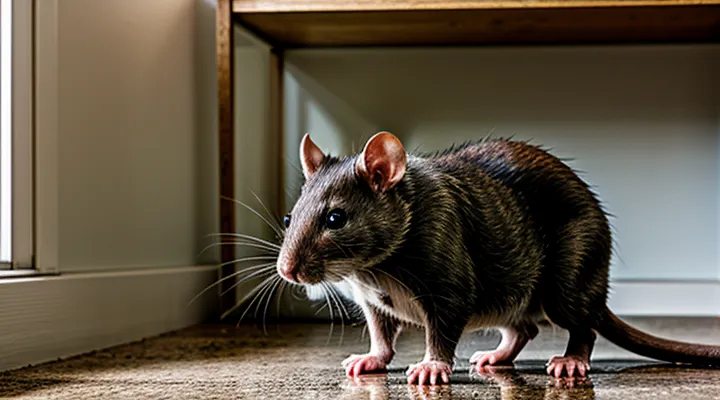
Rodent Infiltration Points
Entryways and Openings
Entryways and openings serve as primary conduits for rodents to infiltrate residential dwellings, directly linking exterior habitats with indoor environments where human occupants reside. Unsealed gaps and poorly fitted doors create unobstructed routes for pests, allowing continuous movement of carriers of pathogens such as leptospira, hantavirus, and salmonella.
Common access points include:
- Cracks in foundation walls and basement floors
- Gaps around utility penetrations (pipes, cables, vent stacks)
- Unscreened vents and crawl‑space openings
- Damaged or missing door sweeps
- Overhanging eaves and roofline gaps
- Openings around garage doors and garage‑to‑house passages
Through these passages, rodents deposit urine, feces, and hair, contaminating surfaces and food supplies. Contact with contaminated material can result in respiratory irritation, allergic reactions, and transmission of bacterial or viral infections. Persistent infestations amplify exposure levels, increasing the probability of acute or chronic health effects for residents.
Mitigation measures require systematic sealing of all identified gaps, installation of metal mesh screens on vents, regular inspection of door thresholds, and maintenance of structural integrity around utility entries. Professional pest‑management assessments should be conducted annually to verify that entryways remain secure and to address emerging vulnerabilities before infestations become established.
Utility Line Access
Rats infiltrating utility conduits create direct pathways for disease agents to enter living spaces. When rodents gnaw on electrical wiring, they generate sparks that can ignite fires, releasing toxic smoke and particulate matter that aggravates respiratory conditions. Damage to gas lines produces leaks of combustible gases, increasing the risk of explosions and exposure to hazardous fumes. Compromise of water pipes introduces bacterial contamination, facilitating the spread of pathogens such as Leptospira and Salmonella through household water supplies.
Inspections that target utility line access points reduce these hazards. Professionals should examine exterior wall penetrations, basement crawl spaces, and attic chases for signs of gnaw marks, droppings, or nesting material. Sealing gaps with steel‑wool mesh and rodent‑proof caulk blocks entry without impeding maintenance access. Regular maintenance of insulation and conduit integrity prevents rodents from creating new openings.
Preventive actions for occupants include:
- Routine visual checks of all utility entry points, especially after seasonal temperature changes.
- Installation of metal‑graded screens over ventilation openings and cable entry holes.
- Use of closed‑circuit cameras to monitor hidden conduit sections for activity.
- Engagement of licensed pest‑control services for quarterly assessments and prompt removal of infestations.
Implementing these measures limits rodent interaction with essential home systems, thereby decreasing the probability of health‑related incidents linked to utility line compromise.
Health Risks Associated with Rat Infestations
Direct Disease Transmission
Rats inhabiting residential dwellings act as vectors for a range of pathogens that can be transferred to humans through direct contact. Transmission occurs when individuals are bitten or scratched, or when contaminated urine, feces, or saliva come into contact with skin lesions, mucous membranes, or food items.
Key diseases transmitted directly from rats include:
- Leptospirosis – infection via contact with urine‑contaminated water or surfaces.
- Hantavirus pulmonary syndrome – spread through inhalation of aerosolized particles from dried urine or feces, but also possible through direct exposure to fresh excretions.
- Salmonellosis – ingestion of food contaminated by rat droppings.
- Lymphocytic choriomeningitis virus – infection following a bite or contact with infected rodent secretions.
- Rat‑bite fever (Spirillum minus) – caused by bacterial entry through bite wounds.
Preventive measures focus on eliminating rodent access, sealing entry points, and maintaining strict sanitation to reduce opportunities for direct pathogen transfer. Immediate wound care and medical evaluation are essential after any rat‑related injury.
Hantavirus Pulmonary Syndrome
Rats living in residential dwellings can harbor pathogens that threaten occupants’ health; among these, Hantavirus Pulmonary Syndrome (HPS) represents a severe respiratory illness linked to rodent exposure. The virus is primarily transmitted through inhalation of aerosolized particles from infected rat urine, droppings, or saliva. Direct contact with contaminated surfaces or bites may also convey infection.
Key clinical features of HPS include:
- Sudden onset of fever, muscle aches, and headache
- Rapid progression to cough and shortness of breath
- Development of pulmonary edema, often requiring intensive care
- High case‑fatality rate, frequently exceeding 30 %
Diagnosis relies on detection of hantavirus-specific antibodies or nucleic acid in blood samples. Early recognition is critical because supportive care, including oxygen therapy and mechanical ventilation, improves survival chances.
Preventive measures focus on minimizing rodent access and contamination:
- Seal entry points such as gaps around doors, windows, and utility lines
- Store food in airtight containers, eliminate waste piles, and keep kitchens clean
- Conduct safe cleaning of areas with suspected rodent droppings using disinfectants and protective equipment (gloves, masks, eye protection)
- Employ traps or professional pest‑control services to reduce rat populations
Public awareness of HPS and adherence to these control strategies reduce the likelihood of outbreaks in homes where rats are present.
Leptospirosis
Leptospirosis is a bacterial infection transmitted primarily through the urine of infected rodents, especially rats that inhabit residential environments. The pathogen, Leptospira sp., survives in moist soil, standing water, and surfaces contaminated by rodent excreta, creating a direct link between household infestations and human exposure.
Typical clinical manifestations include sudden fever, severe headache, muscle pain, and conjunctival suffusion. In advanced cases, renal failure, hepatic dysfunction, and pulmonary hemorrhage may develop, requiring hospitalization and intensive care. Early diagnosis relies on serological testing and polymerase chain reaction (PCR) assays, while antibiotic therapy—most commonly doxycycline or penicillin—reduces disease severity and mortality when administered promptly.
Risk factors specific to domestic settings:
- Presence of rats in basements, kitchens, or attics
- Accumulation of standing water from leaks or pet water bowls
- Inadequate sanitation of food storage areas
- Contact with contaminated cleaning tools or gardening equipment
Preventive measures aimed at minimizing transmission:
- Implement rodent control programs: traps, baits, and sealing of entry points
- Maintain dry conditions: repair leaks, ensure proper drainage, and ventilate damp spaces
- Store food in sealed containers; dispose of waste in rodent‑proof bins
- Use protective gloves and boots when handling potentially contaminated materials
- Conduct regular health screenings for residents with occupational or recreational exposure to water sources
Public health authorities recommend community education on rodent‑borne diseases, prompt reporting of rat sightings, and collaboration with pest‑management professionals to reduce the incidence of leptospirosis in residential areas.
Rat-Bite Fever
Rat‑Bite Fever is a bacterial infection transmitted primarily by the bite or scratch of an infected rodent, most often the common house rat. The disease is caused by Streptobacillus moniliformis in North America and by Spirillum minus in Asia; both organisms reside in the oral and gastrointestinal tracts of rats and can be introduced into human tissue during a wound.
Rats living in residential dwellings provide a direct pathway for the pathogen to reach occupants. Infestations increase the likelihood of accidental bites, scratches, or contact with contaminated urine and feces, creating a measurable health threat within domestic environments.
Typical clinical manifestations appear 2–10 days after exposure and include:
- Sudden fever and chills
- Headache and muscle aches
- Joint pain, often migratory
- Rash of small, red macules
- Nausea or vomiting
Laboratory confirmation relies on blood culture, polymerase‑chain‑reaction (PCR) testing, or serologic assays detecting specific antibodies. Early identification shortens the interval to effective therapy.
First‑line treatment consists of a 7–10‑day course of doxycycline or a 10‑day regimen of penicillin G. Alternative antibiotics, such as ceftriaxone, are appropriate for patients with penicillin allergy. Prompt administration reduces the risk of complications, including endocarditis, meningitis, or septic arthritis.
Preventive actions focus on rodent control and wound management:
- Seal entry points, eliminate food sources, and maintain clean surroundings to deter infestation.
- Use traps or professional extermination services when necessary.
- Clean any bite or scratch immediately with soap and water; apply antiseptic and seek medical evaluation without delay.
Effective management of Rat‑Bite Fever hinges on awareness of the disease, rapid diagnosis, and adherence to antibiotic protocols, thereby mitigating the health impact of rat‑related hazards in homes.
Indirect Disease Transmission
Rats living in residential dwellings contaminate environments, allowing pathogens to reach humans without direct contact. Food storage areas, kitchen surfaces, and structural components become reservoirs for bacteria, viruses, and parasites carried on fur, saliva, urine, and feces. Indirect transmission occurs when contaminated materials contact humans or domestic animals, leading to infection.
Key pathways include:
- Contamination of stored food by droppings or urine, creating a vector for Salmonella, Leptospira, and Hantavirus.
- Transfer of pathogens from rat fur to household utensils, countertops, or hands during routine activities.
- Accumulation of rodent excreta in insulation, wall cavities, and crawl spaces, aerosolizing infectious agents when disturbed.
- Attraction of insects (fleas, mites) that feed on rats and later bite humans, transmitting Rickettsia or Bartonella species.
Health outcomes linked to indirect exposure encompass gastroenteritis, leptospirosis, hemorrhagic fever with renal syndrome, and allergic reactions. Incidence rises in densely populated neighborhoods where structural deficiencies permit easy rodent ingress and where food waste management is inadequate.
Effective mitigation requires:
- Sealing entry points, repairing cracks, and installing barriers to prevent access.
- Implementing rigorous sanitation practices: prompt removal of waste, regular cleaning of surfaces with disinfectants, and secure storage of food in rodent‑proof containers.
- Conducting periodic inspections of hidden spaces, employing traps or professional extermination to reduce population density.
- Educating occupants on safe handling of potentially contaminated materials and encouraging reporting of rodent sightings.
Food Contamination
Rats infiltrating residential kitchens introduce a range of contaminants that compromise food safety and increase the likelihood of disease transmission. Their nocturnal foraging habits bring them into direct contact with stored products, preparation surfaces, and waste, creating multiple pathways for microbial and chemical hazards.
Contamination mechanisms include:
- Deposition of saliva, urine, and feces on food items, providing a medium for bacteria such as Salmonella, Leptospira, and Staphylococcus aureus.
- Carriage of external parasites (mites, fleas) that can transfer pathogens to edible goods.
- Amplification of mold growth through the introduction of spores and the disturbance of stored grains.
- Physical damage to packaging, enabling entry of airborne contaminants and insects.
Health consequences associated with rat‑induced food contamination cover gastrointestinal infections, allergic reactions, and toxin exposure. Ingested bacterial agents may cause severe diarrhea, fever, and dehydration, while bacterial toxins can trigger systemic effects, including renal impairment. Allergens present in rat droppings and urine provoke respiratory irritation and may exacerbate asthma.
Mitigation strategies focus on eliminating access points, securing food storage, and maintaining rigorous sanitation. Sealing cracks, installing rodent‑proof containers, and conducting regular inspections reduce the probability of contamination. Prompt removal of droppings and thorough disinfection of surfaces interrupt bacterial proliferation. Integrated pest‑management programs, employing traps and monitored bait stations, provide long‑term control without reliance on indiscriminate chemical use.
Allergen Exposure
Rats that inhabit residential properties generate potent allergens that compromise indoor air quality and surface cleanliness.
Primary allergen sources include:
- Urine deposits that dry into fine particles.
- Fecal matter that fragments into aerosolizable fragments.
- Saliva and dander transferred to nesting material.
- Shed hair and skin flakes incorporated into household dust.
Exposure routes arise when contaminated dust becomes airborne, when residents handle infested objects, or when food supplies become tainted by rodent secretions.
Allergic responses manifest as rhinitis, wheezing, bronchial hyper‑responsiveness, and cutaneous eruptions. Repeated inhalation of rodent‑derived proteins intensifies asthma severity and may trigger new sensitization in previously non‑atopic individuals.
Children, individuals with pre‑existing respiratory conditions, and immunocompromised patients exhibit heightened susceptibility to these effects.
Effective control measures consist of:
- Sealing cracks, gaps, and utility penetrations to deny entry.
- Maintaining rigorous sanitation to eliminate food sources.
- Deploying mechanical traps or licensed exterminators to reduce population density.
- Conducting thorough cleaning of contaminated areas using HEPA‑filtered vacuums and wet‑wipe techniques to remove residual particles.
- Implementing routine inspections to detect early signs of re‑infestation.
Adherence to these practices reduces allergen load, thereby mitigating health risks associated with rodent presence in homes.
Psychological Impact
Rats inhabiting residential dwellings generate persistent anxiety, especially when sightings occur in kitchens, bedrooms, or storage areas. The mere possibility of hidden rodents triggers hypervigilance, leading to disrupted sleep patterns and heightened stress hormone levels.
Key psychological effects include:
- Constant fear of disease transmission, producing obsessive cleaning routines.
- Social withdrawal caused by embarrassment about infestation, reducing interaction with neighbors and extended family.
- Reduced sense of safety within the home, undermining the perception of personal sanctuary.
- Intrusive thoughts about unseen rodents, contributing to concentration difficulties and decreased productivity.
Chronic exposure to these stressors can evolve into generalized anxiety disorder or specific phobias. Early intervention—professional pest control, thorough sanitation, and clear communication with occupants—mitigates fear escalation and restores confidence in the living environment.
Stress and Anxiety
Rats inhabiting residential dwellings generate persistent stress and anxiety among occupants. The mere presence of rodents activates threat‑detection pathways, producing heightened alertness and physiological arousal. Exposure to droppings, urine, and potential disease vectors reinforces fear of contamination, intensifying mental strain.
Key effects of rodent‑related stress include:
- Disrupted sleep patterns caused by nocturnal activity and noise.
- Elevated cortisol levels, contributing to chronic stress.
- Impaired concentration and decision‑making ability.
- Exacerbation of pre‑existing anxiety disorders.
Psychological impact combines with physical health risks, creating a feedback loop that weakens immune response and raises susceptibility to illness. Long‑term exposure can transform acute fear into sustained anxiety, reducing overall quality of life.
Mitigation strategies focus on two fronts. First, rapid elimination of infestations through professional pest‑control measures, sealing entry points, and maintaining rigorous sanitation reduces environmental triggers. Second, coping techniques such as cognitive‑behavioral interventions, relaxation training, and support networks help individuals manage stress responses while remediation proceeds.
«Effective rodent control directly lowers the psychological burden associated with infestation». Implementing these measures restores a sense of safety, stabilizes stress hormones, and supports mental well‑being in affected households.
Sleep Disturbances
Rats inhabiting residential dwellings generate disturbances that directly impair sleep quality. Their nocturnal activity produces audible noises, such as scurrying and gnawing, which awaken occupants and fragment rest cycles. In addition, rat‑originated allergens become airborne, irritating respiratory passages and prompting coughing or sneezing that interrupt sleep.
Mechanisms contributing to sleep disruption include:
- Audible sounds from movement and feeding;
- Release of urine and feces containing proteins that trigger allergic reactions;
- Transmission of pathogens causing fever or malaise;
- Psychological stress induced by awareness of infestation.
Sleep fragmentation leads to chronic insomnia, reduced total sleep time, and excessive daytime sleepiness. Persistent sleep loss compromises cognitive performance, lowers pain tolerance, and weakens immune defenses, increasing susceptibility to secondary infections.
Effective mitigation requires sealing entry points, implementing professional pest‑control interventions, and maintaining rigorous sanitation. Prompt removal of rodent presence restores a quieter, allergen‑free environment, thereby supporting restorative sleep and overall health.
Structural Damage and Associated Hazards
Electrical Wiring Damage
Rats gnaw on insulation, plastic sheathing, and copper conductors, creating exposed live wires and short circuits. The resulting electrical faults increase the likelihood of house fires, which pose immediate danger to occupants and can release toxic smoke from burning materials. Damage to wiring also raises the risk of electric shock for residents who may inadvertently contact compromised outlets or appliances.
Key health‑related consequences of rat‑induced wiring damage include:
- Fire‑related injuries and fatalities.
- Respiratory irritation from inhalation of smoke and combustion by‑products.
- Electrical burns or shock incidents during routine use of affected devices.
Preventive measures focus on sealing entry points, installing rodent‑proof conduit, and conducting regular inspections of wiring integrity. Early detection of gnaw marks or frayed insulation allows prompt repair, reducing the probability of fire or shock events and safeguarding human health in residential environments.
Plumbing System Breaches
Rats commonly enter residential plumbing through cracks, vent stacks, and sewer line connections. Once inside, they gnaw on pipe insulation, rubber seals, and joint materials, creating breaches that allow sewage and contaminated water to seep into living spaces. These openings serve as conduits for pathogens, including Leptospira, Salmonella, and hantavirus, directly exposing occupants to infection risk.
Key health hazards associated with compromised plumbing include:
- Direct contact with contaminated water during daily activities such as bathing or dishwashing.
- Aerosolization of pathogen‑laden droplets when water is flushed or sprayed.
- Growth of mold and bacteria in damp areas created by leaks, compounding respiratory problems.
- Attraction of additional pests, amplifying the spread of disease vectors.
Preventive measures focus on structural integrity and maintenance. Regular inspection of pipe joints, sealing of vent openings, and installation of rodent‑proof barriers around entry points reduce the likelihood of breaches. Prompt repair of identified gaps eliminates the pathways that facilitate rat intrusion and minimizes exposure to harmful microorganisms.
Insulation Destruction
Rats infiltrate residential structures and gnaw on fibrous and foam insulation, creating holes that compromise the material’s integrity. Their incisors easily penetrate soft layers, while their nests displace and compress surrounding insulation, reducing its thermal efficiency.
Damage to insulation creates pathways for air leakage, increases heat loss in winter and heat gain in summer, and promotes condensation on interior surfaces. Moisture accumulation fosters mold growth, which releases spores and mycotoxins that aggravate respiratory conditions, allergies, and asthma. Compromised insulation also allows rodent droppings and urine to embed in fibers, heightening exposure to pathogens such as hantavirus and leptospirosis.
Health risks associated with insulation destruction include:
- Elevated indoor humidity, encouraging bacterial and fungal proliferation.
- Increased inhalation of allergenic particles and microbial toxins.
- Greater reliance on heating and cooling systems, leading to higher emissions of indoor pollutants from combustion or refrigerant leaks.
Mitigation strategies focus on structural exclusion and material protection:
- Seal entry points larger than ¼ inch with steel wool, caulk, or metal flashing.
- Install rodent‑resistant insulation, such as mineral wool, behind metal mesh barriers.
- Conduct regular inspections of attic and wall cavities for gnaw marks, nests, and droppings.
- Employ professional pest‑control services for population reduction and habitat disruption.
Effective insulation preservation reduces thermal losses, limits moisture‑related hazards, and diminishes the likelihood of disease transmission linked to rodent activity in homes.
Prevention and Control Strategies
Sealing Entry Points
Rats infiltrate homes through gaps that appear in the building envelope, providing a direct route for disease‑carrying pathogens. Effective control begins with the systematic sealing of all potential entry points.
Identify typical openings: gaps around utility pipes, vents, doors, windows, foundation cracks, roof eaves, and openings around chimney flues. Inspect exterior walls, basement walls, and attic spaces for holes larger than a quarter inch, the minimum size a rat can squeeze through.
Implement sealing measures:
- Apply steel wool or copper mesh to small gaps before applying sealant; rodents cannot gnaw through these materials.
- Use high‑quality silicone or polyurethane caulk on cracks around windows, doors, and baseboards.
- Install metal flashing or heavy‑duty hardware cloth (minimum ¼‑inch mesh) over larger openings such as vents and utility penetrations.
- Fit door sweeps and weather stripping to eliminate gaps beneath exterior doors.
- Repair foundation cracks with hydraulic cement, which expands to fill voids and resists rodent pressure.
- Cover exhaust fans and dryer vents with stainless‑steel mesh screens secured with stainless‑steel screws.
Maintain the barrier: conduct quarterly visual inspections, reapply sealants after severe weather, and replace damaged mesh promptly. Persistent sealing eliminates the primary pathway for rats, thereby reducing the risk of exposure to leptospirosis, hantavirus, and other rat‑borne illnesses.
Proper Waste Management
Rats thrive on improperly handled refuse, turning household waste into a reliable food source that sustains populations within residential structures. Unsealed bins, irregular collection, and scattered food residues create pathways for rodents to enter kitchens, basements, and storage areas, directly increasing exposure to pathogens carried by these mammals.
Effective waste control eliminates attractants and interrupts the life cycle of rats. Key measures include:
- Secure containers with tight‑fitting lids; plastic or metal drums resist gnawing and prevent odor leakage.
- Weekly removal of garbage to municipal services; extended storage provides breeding opportunities.
- Immediate cleanup of food spills; damp surfaces and crumbs act as magnets for foraging rodents.
- Separation of organic waste; compost piles must be maintained at temperatures that deter infestation and positioned away from the dwelling.
- Regular inspection of disposal areas for signs of gnawing, droppings, or nesting material; prompt repair of compromised seals.
When waste is managed correctly, the probability of rodent entry diminishes, reducing the transmission risk of diseases such as leptospirosis, hantavirus, and salmonellosis. Consistent adherence to these practices forms a critical barrier protecting human health within homes.
Trapping and Baiting Methods
Effective control of rodent infestations in dwellings depends on proper trapping and baiting techniques. Selecting appropriate devices and attractants reduces the likelihood of disease transmission and structural damage.
- Snap traps: spring‑loaded, instant‑kill, suitable for discreet placement in walls, attics, and concealed corners.
- Live‑catch traps: cage‑type, allow removal of captured individuals for humane disposal; require frequent checking to prevent stress.
- Electronic traps: deliver a high‑voltage shock, eliminate the need for manual handling of carcasses; suitable for areas with electricity access.
- Glue boards: adhesive surface captures rats temporarily; best for monitoring rather than long‑term control.
Bait selection influences capture rates. Preferred attractants include high‑protein foods such as dried fish, peanut butter, and meat scraps. Placement should target known runways and near entry points, avoiding areas accessible to children or pets. When using toxic baits, comply with local regulations, employ tamper‑resistant stations, and label containers with «Poison – Keep Away from Children».
Best practices integrate sanitation, monitoring, and disposal. Eliminate food sources by storing waste in sealed containers, repairing structural gaps, and maintaining regular cleaning schedules. Conduct daily inspections of traps and bait stations, record capture data, and replace ineffective devices promptly. Dispose of dead rodents in sealed bags, followed by disinfection of the capture area with an appropriate antimicrobial solution.
Professional Pest Control Intervention
Rats residing in residential properties present a direct threat to human health through transmission of pathogens such as leptospira, hantavirus, and salmonella, as well as through contamination of food supplies and structural damage caused by gnawing. Prompt and systematic elimination of these rodents is critical to mitigate exposure risks.
Professional pest control intervention encompasses a regulated, evidence‑based process conducted by licensed technicians. The approach adheres to local health and safety statutes, ensuring that control measures are applied safely and effectively.
Key elements of a comprehensive service include:
- Thorough inspection of interior and exterior spaces to locate activity signs and entry points.
- Accurate species identification to select appropriate control tactics.
- Environmental sanitation to remove food and water sources that sustain populations.
- Physical exclusion measures such as sealing gaps, installing door sweeps, and reinforcing vulnerable structures.
- Deployment of traps and, where necessary, rodenticides formulated for residential use, applied in accordance with label instructions.
- Ongoing monitoring to verify reduction of activity and to adjust tactics as required.
Benefits of engaging a qualified provider consist of rapid population decline, reduced likelihood of disease transmission, compliance with housing regulations, and establishment of long‑term barriers against re‑infestation.
Homeowners should request a detailed action plan from a certified firm, confirm that personnel hold current permits, and schedule periodic follow‑up inspections to maintain a rat‑free environment. The systematic nature of professional intervention aligns with the principles of «integrated pest management», delivering reliable protection for occupants’ health.