
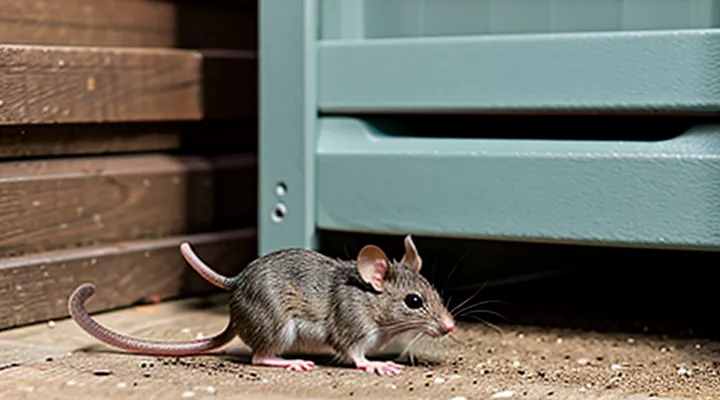
Understanding Mouse Behavior and Repellents
Why Mice are a Problem
Health Risks Associated with Mice
Mice serve as vectors for a range of pathogens that affect human health. Direct contact with urine, droppings, or saliva can introduce bacteria such as Salmonella and Leptospira, leading to gastrointestinal distress and renal complications. Inhalation of aerosolized particles from contaminated nesting material may trigger hantavirus pulmonary syndrome, a severe respiratory condition with high mortality rates. Skin abrasions exposed to mouse‑infested environments increase the likelihood of allergic reactions and secondary infections.
Key health concerns linked to rodent presence include:
- Bacterial infections (e.g., salmonellosis, leptospirosis) causing fever, diarrhea, and organ damage.
- Viral diseases (e.g., hantavirus) resulting in respiratory failure and hemorrhagic symptoms.
- Parasitic infestations (e.g., mites, ticks) that may transmit additional illnesses.
- Allergic responses to rodent dander, leading to asthma exacerbation and rhinitis.
- Food contamination by droppings, elevating the risk of food‑borne outbreaks.
Effective deterrent strategies reduce exposure to these hazards by limiting mouse activity in residential and commercial settings. Persistent control measures diminish the environmental load of pathogens, thereby safeguarding public health. «Mice can transmit over 30 distinct disease agents», underscoring the necessity of proactive management.
Property Damage Caused by Mice
Mice cause extensive damage to residential and commercial structures, compromising safety and increasing repair costs. Their incisors continuously grow, prompting constant gnawing that weakens building components and destroys stored goods.
Common damage includes:
- Chewed electrical wiring, leading to short circuits and fire hazards.
- Compromised insulation, reducing energy efficiency and inviting moisture intrusion.
- Deteriorated wooden framing, creating gaps that facilitate further infestation.
- Contaminated food supplies with urine, feces, and saliva, creating health risks.
- Damaged plumbing and HVAC ducts, resulting in leaks and reduced system performance.
Effective rodent deterrent systems must target these destructive behaviors. By preventing gnawing activity, such solutions protect wiring, preserve insulation integrity, and maintain structural stability, thereby reducing the financial burden of repairs. The correlation between damage mitigation and repellent efficacy underscores the necessity of comprehensive control strategies.
Types of Mouse Repellents
Ultrasonic Repellents
Ultrasonic repellents emit high‑frequency sound waves that lie beyond the hearing range of humans but are audible to rodents. The emitted tones create a perceived threat, prompting mice to vacate the area to avoid the uncomfortable acoustic stimulus. Devices typically generate frequencies between 20 kHz and 65 kHz, alternating patterns to prevent habituation.
Key operational aspects include:
- Frequency modulation: varying pitch and pulse intervals to maintain effectiveness.
- Coverage radius: manufacturers specify a nominal zone, often 20–30 feet, dependent on obstacles and room geometry.
- Power source: mains‑connected units provide continuous emission; battery‑powered models may incorporate timed cycles.
Effectiveness hinges on several factors. Solid walls, furniture, and dense materials attenuate ultrasonic waves, reducing the active zone. Open‑plan spaces allow broader dispersion, while cluttered environments may create shadow zones where mice are not exposed to the signal. Studies indicate that consistent exposure can diminish rodent activity, yet complete eradication is uncommon without complementary control measures such as trapping or sanitation.
Safety considerations are straightforward. Ultrasonic frequencies do not affect human health or most household pets; however, some small mammals and certain bird species may experience discomfort. Users should verify that the device’s specifications align with the presence of vulnerable animals in the vicinity.
In practice, optimal deployment involves placing units at central points of target areas, ensuring line‑of‑sight coverage, and periodically rotating the devices to disrupt any emerging patterns of habituation. Combining ultrasonic technology with environmental management—sealing entry points, eliminating food sources, and maintaining cleanliness—maximizes the overall efficacy of a mouse deterrent system.
How Ultrasonic Repellents Work
Ultrasonic mouse repellents emit sound waves at frequencies above the human audible range, typically between 20 kHz and 65 kHz. Rodents perceive these frequencies as intense, high‑pitch noises that interfere with their auditory communication and cause discomfort. The device’s core components include a piezoelectric transducer that converts electrical signals into ultrasonic vibrations, an oscillator that generates the carrier frequency, and an amplifier that boosts signal strength to cover the intended area. A microcontroller often controls frequency modulation, shifting the output within a preset band to prevent habituation.
Key functional steps:
- Electrical power supplies the oscillator and amplifier.
- The oscillator produces a stable ultrasonic signal at a selected frequency.
- The transducer radiates the signal into the environment.
- Frequency modulation varies the output, reducing the likelihood that rodents adapt to a constant tone.
Effective coverage depends on placement, line‑of‑sight, and environmental obstacles; solid objects absorb or reflect ultrasonic waves, reducing range. Typical devices protect areas of 30–50 ft², requiring multiple units for larger spaces. Safety considerations note that frequencies above 20 kHz are generally inaudible to humans and most domestic pets, though some dogs and cats may detect lower ultrasonic tones; manufacturers often design devices to minimize any impact on these animals.
Limitations include variable efficacy across rodent species, reduced performance in cluttered environments, and the need for continuous power supply. Integrating ultrasonic repellents with sanitation, exclusion, and trapping strategies enhances overall control of mouse populations.
Effectiveness of Ultrasonic Repellents
Ultrasonic mouse deterrents emit high‑frequency sound waves that lie beyond the auditory range of humans but are perceived as distress signals by rodents. Laboratory measurements indicate that exposure levels between 20 kHz and 65 kHz trigger avoidance behavior, causing mice to vacate treated zones within minutes.
Effectiveness depends on several measurable factors:
- Frequency range – devices covering a broader spectrum reduce the chance of habituation.
- Sound intensity – output levels of 90 dB SPL or higher at the source maintain deterrent potency across typical room dimensions.
- Coverage area – placement density correlates directly with the proportion of space where acoustic pressure exceeds the threshold for avoidance.
- Environmental conditions – humidity and temperature influence wave propagation; optimal performance occurs in moderate climates (20‑25 °C, 40‑60 % relative humidity).
Field studies across residential and commercial settings report a reduction in mouse activity between 45 % and 70 % when devices operate continuously and are positioned according to manufacturer‑specified spacing. Long‑term observations reveal diminishing returns after several weeks, indicating that rodents may adapt to static emission patterns. Periodic frequency modulation or the integration of complementary mechanical barriers restores deterrent efficacy to initial levels.
Scent-Based Repellents
Scent‑based mouse deterrents rely on volatile compounds that activate olfactory receptors associated with aversion. Common active ingredients include peppermint oil, eucalyptus oil, and powdered cayenne, each containing terpenes or capsaicinoids that produce a strong, unpleasant odor for rodents.
The mechanism operates in three stages:
- Emission of volatile molecules into the surrounding air.
- Detection by the mouse’s olfactory epithelium.
- Activation of neural pathways that trigger avoidance behavior, prompting the animal to seek alternative routes or shelters.
Application methods vary according to formulation. Sprays disperse oil droplets on surfaces where mice travel, creating a transient aromatic barrier. Granular products embed powdered extracts in a carrier matrix, allowing slow release over weeks. Diffusers emit a continuous low‑level vapor, maintaining a persistent deterrent environment.
Effectiveness depends on concentration gradients and environmental factors. High humidity enhances volatilization, extending coverage, while strong airflow can dilute the scent, reducing impact. Periodic reapplication restores optimal levels, preventing habituation.
Safety considerations include avoidance of direct contact with eyes and inhalation of concentrated oils. Proper labeling advises placement away from food preparation areas and storage in sealed containers to preserve potency.
Natural Scents (e.g., Peppermint, Clove)
Natural aromatic compounds such as peppermint oil and clove extract deter rodents by exploiting their highly developed olfactory system. Volatile molecules released from these oils interact with sensory receptors in the mouse’s nasal cavity, producing a sensation of irritation and discomfort. The resulting aversive response discourages entry into treated areas.
The repellent effect relies on several physiological mechanisms:
- Activation of trigeminal nerves, which convey unpleasant sensations and trigger avoidance behavior.
- Overstimulation of olfactory receptors, leading to sensory overload and reduced willingness to remain in the vicinity.
- Potential disruption of pheromone communication, interfering with territorial marking and breeding cues.
Effective deployment requires consistent exposure to sufficient concentrations of the active scent. Recommended practices include:
- Diluting essential oil to a 5‑10 % solution in water or a carrier oil.
- Applying the mixture to cotton balls, cloth strips, or porous pads placed near entry points, walls, and known foraging sites.
- Refreshing the application every 3‑5 days, or sooner if the scent diminishes due to ventilation or cleaning.
- Avoiding direct contact with food storage areas to prevent flavor transfer.
Safety considerations emphasize the natural origin of these substances. Peppermint and clove oils are biodegradable, pose minimal risk to humans and pets when used as directed, and do not contribute to chemical resistance observed with synthetic rodenticides. Proper dilution prevents skin irritation and preserves the integrity of household surfaces.
Chemical Scent Repellents
Chemical scent repellents deter mice by emitting volatile compounds that mice perceive as threatening or unpleasant. The compounds interact with olfactory receptors, triggering avoidance behavior and reducing the likelihood of entry into treated areas.
Typical active ingredients include:
- Methyl nonyl ketone, a synthetic predator‑like odor. - Capric acid and caprylic acid, fatty acids that create a strong, sour scent. - Peppermint oil, rich in menthol and menthone, which overstimulates nasal receptors. - Phenols such as eugenol, producing a sharp, clove‑like aroma.
Application methods range from impregnated pads and granules to spray formulations. Placement near potential entry points ensures continuous diffusion of the scent gradient, maintaining an environment that mice find inhospitable. Concentration levels are calibrated to remain above the detection threshold without posing health risks to humans or pets.
Effectiveness depends on concentration stability, environmental ventilation, and the species’ habituation potential. Regular replacement of the repellent source prevents scent attenuation, preserving deterrent performance over time.
Physical Barriers and Exclusion
Physical barriers prevent rodents from accessing interior spaces by eliminating pathways that mice naturally exploit. Effective sealing involves:
- Installing steel‑wool or copper mesh in wall voids, foundation cracks, and gaps around utility penetrations.
- Applying silicone‑based caulking to joints between baseboards and flooring.
- Fitting door sweeps and weather‑stripping to block gaps beneath entry doors.
- Using metal flashing around vents, chimneys, and crawl‑space openings.
Exclusion complements barriers by creating an environment where entry attempts are thwarted. Key practices include:
- Positioning snap‑latches on cabinet doors to restrict internal access.
- Deploying magnetic closures on pantry lids to maintain airtight seals.
- Implementing rodent‑proof containers with sealed lids for food storage.
- Maintaining a clear perimeter by removing debris, overgrown vegetation, and stored materials that could serve as shelter.
Regular inspection reinforces barrier integrity. Identify new cracks, worn caulking, or displaced mesh and replace them promptly. Consistent application of these measures sustains a hostile environment for mice, ensuring that repellent strategies remain effective without reliance on chemical agents.
Sealing Entry Points
Sealing entry points prevents mice from accessing interior spaces, thereby enhancing the effectiveness of any repellent strategy.
Identifying openings involves inspecting foundations, walls, and utility penetrations for gaps larger than a quarter‑inch. Signs such as gnaw marks, droppings, or rubbery residue indicate active pathways.
Materials suited for closure include steel wool, copper mesh, silicone‑based caulk, and hardware cloth. Steel wool resists chewing, while silicone maintains flexibility under temperature fluctuations. Hardware cloth offers durable coverage for larger apertures.
Steps for sealing:
- Locate each gap using visual inspection and tactile probing.
- Clean the area to remove debris and dust.
- Insert steel wool or mesh into the opening, ensuring a snug fit.
- Apply caulk or expanding foam over the filler to create a continuous barrier.
- Attach hardware cloth over larger holes, then seal edges with screws and sealant.
Periodic review of sealed areas detects new damage caused by settlement or pest activity. Reapply filler and sealant as needed to sustain a mouse‑proof envelope.
Traps (for context, not repellent)
Traps serve as a physical control method that removes rodents from an area without relying on chemical deterrents. They operate by capturing or killing the mouse once it enters a triggered mechanism, thereby reducing population density and preventing damage to structures and stored goods.
Common trap designs include:
- Snap traps: spring‑loaded bars deliver a rapid, lethal force when the mouse activates a pressure plate.
- Live‑catch traps: hinged doors close behind the animal, allowing safe relocation.
- Glue boards: adhesive surfaces immobilize the mouse upon contact.
- Electronic traps: sensors detect movement and discharge a high‑voltage pulse that instantly terminates the rodent.
Effectiveness depends on placement, bait selection, and regular inspection. Position traps along walls, behind appliances, and near known entry points, where mice habitually travel. Replace or reset traps promptly after capture to maintain continuous pressure on the infestation.
Mechanisms of Action for Mouse Repellents
How Ultrasonic Devices Function
Sound Frequencies and Their Impact on Mice
Sound‑based mouse deterrents rely on acoustic energy that exceeds the auditory threshold of rodents while remaining inaudible to most humans. The core principle involves emitting ultrasonic waves within specific frequency bands that interfere with the sensory processing of mice.
Mice possess a hearing range extending from roughly 1 kHz to 100 kHz, with peak sensitivity between 10 kHz and 30 kHz. Frequencies above 20 kHz enter the ultrasonic domain and are generally imperceptible to people. When a device generates continuous or pulsed tones in this range, the following physiological and behavioral responses have been documented:
- Disruption of communication: ultrasonic tones mask the low‑frequency vocalizations used for social signaling, leading to reduced cohesion among individuals.
- Heightened stress: exposure to persistent high‑frequency sound elevates cortisol levels, prompting avoidance behavior.
- Impaired navigation: the mammalian vestibular system integrates acoustic cues; abnormal frequencies can cause disorientation and hinder movement.
Empirical studies indicate that frequencies between 22 kHz and 28 kHz produce the most consistent repellency, whereas tones below 18 kHz often fail to deter and may even attract rodents due to overlap with natural vocalizations. Frequencies above 35 kHz tend to lose efficacy because mice adapt quickly, reducing the aversive effect over time.
Effective implementation requires:
- Selection of a frequency band centered on 25 kHz, with a bandwidth of ±3 kHz.
- Modulation of the signal (e.g., intermittent pulses) to prevent habituation.
- Placement of emitters at a height of 10–15 cm above the floor, ensuring coverage of typical mouse pathways.
Properly calibrated ultrasonic output, combined with strategic positioning, creates an acoustic environment that discourages rodent presence without affecting human occupants.
Limitations of Ultrasonic Technology
Ultrasonic emitters generate high‑frequency sound waves intended to deter rodents by causing discomfort. The technology relies on transducers that convert electrical signals into acoustic energy beyond the audible range of humans.
- Limited propagation distance: sound intensity diminishes sharply with obstacles and air absorption, restricting effective coverage to a few meters.
- Obstacle attenuation: walls, furniture, and flooring absorb or reflect waves, creating dead zones where the signal fails to reach.
- Species variability: sensitivity to ultrasonic frequencies differs among rodent species; some mice exhibit minimal behavioral response.
- Habituation risk: repeated exposure can lead to desensitization, reducing deterrent efficacy over time.
- Power constraints: battery‑operated units may experience reduced output as voltage drops, shortening effective operation periods.
- Safety considerations: certain pets, such as small mammals and birds, may experience stress or hearing damage from the same frequencies.
- Regulatory limits: emission levels must comply with local standards, often capping maximum intensity and limiting device placement.
These factors collectively define the practical boundaries of ultrasonic mouse deterrents, necessitating complementary control measures for reliable pest management.
The Role of Scent in Mouse Repulsion
Olfactory Sensitivity of Mice
Mice possess an acute olfactory system that detects volatile substances at concentrations as low as parts per billion. Their nasal epithelium contains a dense array of olfactory receptor neurons, each expressing specific G‑protein‑coupled receptors tuned to a wide spectrum of chemical cues. This high sensitivity enables rapid behavioral responses to food odors, predator scents, and conspecific pheromones.
Repellent formulations exploit this sensory pathway by delivering compounds that either mask attractive odors or trigger aversive neural circuits. Common active ingredients include:
- «peppermint oil» – high concentration of menthol and menthone, recognized as irritants by mouse olfactory receptors.
- «eucalyptus oil» – contains eucalyptol, which induces avoidance behavior through activation of specific receptor subtypes.
- «ammonia» – volatile ammonia vapors overstimulate the trigeminal nerve, producing discomfort that discourages entry.
When a mouse inhales a repellent plume, the odorant molecules bind to the relevant receptors, generating an electrophysiological signal that propagates to the olfactory bulb and higher brain centers. The resulting perception of an unpleasant or threatening scent leads to immediate withdrawal and long‑term avoidance of the treated area.
Effective repellents therefore rely on precise manipulation of the mouse’s olfactory sensitivity, delivering concentrations that exceed detection thresholds without causing environmental harm. Continuous exposure maintains a heightened aversive response, reducing the likelihood of re‑infestation.
How Specific Scents Deter Mice
Specific aromas interfere with rodent behavior by triggering aversive neural pathways. When a mouse inhales a strong odor, olfactory receptors transmit signals to the brain regions responsible for fear and avoidance, prompting the animal to withdraw from the source.
The deterrent effect relies on two factors: the intensity of the scent and the innate sensitivity of mice to certain compounds. High‑volatility substances disperse rapidly, creating a perimeter that mice perceive as hostile. Low‑threshold compounds require only minimal concentrations to elicit a response, reducing the amount needed for effective control.
Effective scents include:
- «peppermint oil» – contains menthol, which overstimulates nasal receptors.
- «eucalyptus oil» – rich in eucalyptol, a known irritant for rodents.
- «clove oil» – provides eugenol, a compound that disrupts pheromone communication.
- «citrus peel» – releases limonene, a volatile that mice avoid naturally.
Application guidelines:
- Apply a thin layer of essential oil to cotton balls or cloth strips and place them near entry points, nesting sites, and food storage areas.
- Reapply every 48 hours to maintain potency, as volatile compounds evaporate quickly.
- Combine multiple scents in a rotating schedule to prevent habituation, which may diminish effectiveness over time.
Environmental Factors Influencing Repellent Effectiveness
Placement of Repellents
Effective mouse deterrence depends on precise positioning of the active device. Placement determines the area where ultrasonic, scent, or electromagnetic emissions reach target rodents, directly influencing performance.
Key locations include:
- Entry points such as gaps around doors, windows, and utility penetrations.
- Interior pathways along baseboards, behind cabinets, and beneath appliances.
- Areas adjacent to food storage, waste containers, and pantry shelves.
- Dark, concealed zones where mice commonly travel, including soffits and crawl spaces.
Height matters for devices that emit directional waves; mounting at 6–12 inches above the floor aligns the field with typical rodent movement patterns. Avoid placing units near large metal objects or thick insulation, which can obstruct signal propagation.
Environmental conditions affect longevity. Moisture‑rich zones accelerate degradation of scent‑based formulations, while high ambient noise may interfere with ultrasonic output. Select dry, well‑ventilated spots for maximum durability.
Routine inspection confirms continued coverage. Replace consumable cartridges according to manufacturer specifications, typically every 30–60 days. Record observed activity to adjust placement if mouse presence persists.
Duration of Repellent Action
The active period of a mouse deterrent depends on formulation, application method, and environmental conditions.
Synthetic chemical repellents, such as capsaicin‑based sprays, typically retain potency for 4–6 weeks when applied to interior surfaces. Their efficacy declines as the compound degrades under exposure to sunlight, humidity, and cleaning agents.
Natural oil blends, including peppermint and eucalyptus, release volatile constituents that evaporate more rapidly. Their protective effect usually lasts 1–2 weeks, after which the scent concentration falls below the threshold that deters rodents.
Granular or pelletized products placed in concealed voids maintain a steady release of active ingredients. In dry, well‑ventilated spaces, effectiveness can extend to 8–12 weeks; in moist environments, the duration shortens to 4–6 weeks due to accelerated breakdown.
Reapplication guidelines:
- Monitor activity signs weekly; resume treatment when sightings recur.
- Replace chemical sprays after 6 weeks, natural oil applications after 2 weeks, and granular formulations after 10 weeks, adjusting for humidity levels.
- Clean surfaces gently before each new application to remove residual compounds that may inhibit absorption.
Temperature fluctuations influence volatility; higher temperatures increase evaporation rates, reducing the effective window. Conversely, cooler climates slow degradation, marginally extending protection.
Understanding these variables enables precise scheduling of maintenance, ensuring continuous deterrence without unnecessary product waste.
Mouse Adaptability to Repellents
Mice exhibit remarkable physiological and behavioral flexibility that influences the effectiveness of chemical, ultrasonic, and scent‑based deterrents. Exposure to a repellent triggers an immediate avoidance response mediated by the olfactory and auditory systems, yet subsequent encounters often lead to reduced sensitivity.
Sensory adaptation occurs when repeated stimulation of the olfactory receptors decreases signal transduction efficiency. Neural habituation to ultrasonic frequencies diminishes the perceived threat, allowing rodents to resume normal activity despite continued emission of the sound. Studies report that «Mice quickly desensitize to ultrasonic frequencies», confirming the transient nature of auditory deterrence.
Behavioral habituation develops through associative learning. When a repellent fails to produce a tangible negative outcome, mice form a new context‑response pattern that disregards the stimulus. Field observations show that rodents exposed to a constant scent barrier gradually explore the treated zone, indicating that the aversive cue loses predictive value over time.
Genetic variability contributes to differential repellent tolerance. Populations with heightened expression of detoxifying enzymes metabolize chemical repellents more efficiently, while certain strains possess altered auditory thresholds that render ultrasonic devices less disruptive. Comparative analyses reveal that resistance traits can spread rapidly within dense colonies, reducing overall control efficacy.
Mitigation strategies must address adaptability:
- Rotate repellent modalities (chemical, ultrasonic, scent) on a defined schedule to prevent sensory habituation.
- Implement intermittent activation patterns for ultrasonic devices, creating unpredictable exposure intervals.
- Combine repellents with physical barriers (sealed entry points, traps) to limit reliance on chemical or acoustic cues alone.
- Monitor rodent activity levels regularly and adjust repellent intensity based on observed behavioral shifts.
By acknowledging and counteracting mouse adaptability, pest‑management programs increase the likelihood of sustained deterrent performance.
Choosing and Implementing an Effective Repellent Strategy
Factors to Consider When Selecting a Repellent
Severity of Infestation
Severity of infestation quantifies the number of rodents present, the extent of damage, and the duration of activity. Typical indicators include droppings per square meter, gnaw marks on structures, and audible activity during nocturnal hours. High‑density populations generate elevated pheromone concentrations, which can diminish the efficacy of scent‑based deterrents.
Increased infestation levels demand stronger or multiple repellent strategies. Low‑level presence often responds to a single ultrasonic device or a modest amount of natural oil. Moderate populations require combined approaches, such as ultrasonic emitters paired with barrier treatments. Severe infestations, marked by extensive droppings and structural damage, usually necessitate professional extermination followed by long‑term repellent maintenance.
Key thresholds for action:
- Low: fewer than 10 droppings per m², occasional gnaw marks – single device sufficient.
- Moderate: 10‑50 droppings per m², frequent gnawing – dual‑system deployment recommended.
- Severe: over 50 droppings per m², widespread damage – professional removal essential, then continuous repellent use.
Monitoring severity enables timely escalation of control measures, preserving effectiveness and preventing population rebound.
Size of the Area
The effectiveness of a mouse deterrent depends on the spatial extent it can influence. Coverage is measured in square meters or square feet, reflecting the distance at which the repellent’s active component remains above the threshold concentration required to deter rodents.
Key factors that define the covered area include:
- Emission strength of the device or formulation; higher output extends the effective radius.
- Dispersion method; ultrasonic units generate sound waves that attenuate with distance, while chemical sprays rely on air currents.
- Environmental conditions; ventilation, temperature, and humidity alter the persistence of the active agent.
- Placement density; multiple units positioned strategically increase overlap and eliminate blind spots.
For practical planning, calculate the nominal radius provided by the manufacturer, convert it to an area (π × radius²), and add a safety margin of 20 % to accommodate variations in airflow and obstacle interference. When the target space exceeds the single‑unit coverage, distribute additional units evenly to maintain continuous protection across the entire zone.
Presence of Pets or Children
The presence of pets or children determines the selection and placement of mouse deterrents. Safety considerations outweigh purely efficacy‑based choices when vulnerable users share the environment.
Chemical repellents rely on volatile compounds that discourage rodents. Formulations intended for indoor use must meet low‑toxicity standards to avoid accidental ingestion or inhalation by youngsters and animals. Products labeled “pet‑safe” typically contain reduced concentrations of active ingredients and include child‑resistant packaging.
Ultrasonic devices emit frequencies beyond human hearing but within the audible range of some small mammals. Cats, dogs, and rodents may experience discomfort, while infants with undeveloped auditory filters could be affected by stray emissions. Position units away from sleeping areas and monitor pet behavior for signs of distress.
Natural deterrents such as peppermint oil, cloves, or citrus extracts present minimal chemical risk. Application on entry points creates an olfactory barrier without leaving residues. Certain species—particularly cats—may exhibit sensitivity to strong aromas; observation is required to ensure tolerance.
Best‑practice checklist
- Choose repellents certified for household use with children and pets in mind.
- Verify that ultrasonic emitters operate outside the audible spectrum for the specific animals present.
- Apply natural oils to sealed cracks; avoid direct contact with animal fur or infant skin.
- Store all products out of reach, using locked cabinets or high shelves.
- Conduct periodic inspections for adverse reactions and adjust placement accordingly.
Best Practices for Repellent Application
Combining Different Repellent Types
Effective mouse deterrence relies on multiple mechanisms acting together. Each mechanism targets a specific sensory pathway, reducing the likelihood that rodents will adapt to a single stimulus.
Common repellent categories include:
- Ultrasonic emitters that generate frequencies above 20 kHz, disrupting auditory perception.
- Chemical agents such as peppermint oil or ammonia, producing odors that mice find aversive.
- Visual deterrents, for example rotating lights or reflective surfaces, creating unpredictable visual patterns.
- Physical barriers, including sealed entry points and mesh screens, preventing access to shelter.
Integration strategies follow a layered approach. Ultrasonic devices should be positioned near walls, while scent dispensers occupy corners where mice travel. Visual deterrents are most effective at open pathways, and barriers seal all potential entry routes. Synchronizing operation times—continuous ultrasonic output combined with periodic scent release—maintains constant pressure on rodent behavior.
Combining diverse repellents limits habituation, extends coverage across different environments, and improves overall success rates. The synergy of auditory, olfactory, visual, and structural defenses creates a comprehensive obstacle that mice are less able to overcome.
Regular Maintenance and Reapplication
Regular maintenance preserves the efficacy of a mouse deterrent by preventing the loss of active ingredients through environmental exposure, wear, or contamination. Over time, humidity, dust, and animal activity degrade the repellent surface, reducing its ability to discourage rodents.
Manufacturers typically recommend reapplication intervals ranging from two weeks to three months, depending on product formulation, placement conditions, and observed activity levels. Indoor installations near food storage demand the shortest cycles, while outdoor barriers exposed to weather may require more frequent renewal.
Key steps for reapplication:
- Remove any debris or residue from the previous layer.
- Inspect the target area for signs of wear, cracking, or diminished scent.
- Apply a fresh coat following the manufacturer’s dosage guidelines, ensuring even coverage.
- Allow the product to cure for the specified period before permitting animal access.
- Record the date of application to track future maintenance schedules.
Adhering to a consistent maintenance routine sustains the repellent’s deterrent properties, minimizes the likelihood of infestation, and extends the overall lifespan of the control system.
Integrated Pest Management for Mice
Combining Repellents with Sanitation
Combining chemical or ultrasonic mouse deterrents with rigorous sanitation creates a dual‑layer defense that attacks both attraction and habitation. Repellents deter rodents from entering, while sanitation removes food residues, nesting materials, and water sources that encourage lingering.
- Eliminate spilled grains, crumbs, and pet food; store all consumables in sealed containers.
- Clean countertops, floors, and appliance exteriors daily; use disinfectants that leave no attractive scent.
- Repair leaks, dry sinks, and ensure proper drainage to deny moisture.
- Dispose of garbage in sealed bins and remove waste from the premises at least weekly.
Sanitation reduces the sensory cues that guide mice toward a location, thereby enhancing the effectiveness of repellents. With fewer olfactory and gustatory signals, rodents are less likely to test the repellent barrier, resulting in lower encounter rates.
- Reduced foraging opportunities increase the probability that a mouse will retreat upon detecting a repellent stimulus.
- Lower population density diminishes competition, limiting the need for individuals to explore marginally protected zones.
- Consistent cleanliness prolongs the active lifespan of chemical agents by preventing absorption into food residues.
Integrating these practices yields a comprehensive strategy that minimizes mouse presence without reliance on lethal control methods. The synergy between deterrent technology and environmental management provides a sustainable solution for long‑term rodent management.
When to Seek Professional Assistance
Mouse repellents can be effective when applied correctly, but several conditions make professional intervention necessary.
Common indicators for calling an expert include:
- Persistent activity despite repeated treatment, suggesting entrenched colonies or resistant species.
- Evidence of structural damage, such as gnawed insulation, wiring, or building components, that requires repair alongside pest control.
- Presence of disease‑transmitting rodents in food‑processing or healthcare environments, where regulatory compliance mandates certified mitigation.
- Situations involving large infestations that exceed the capacity of over‑the‑counter products, demanding coordinated eradication strategies.
- Cases where chemical repellents pose health risks to vulnerable occupants, such as children, pets, or individuals with respiratory sensitivities, necessitating specialized, low‑toxicity solutions.
Professional services provide comprehensive inspection, identification of entry points, and implementation of integrated control measures that exceed the scope of consumer‑grade products. Engaging qualified technicians ensures compliance with local regulations and reduces the likelihood of recurrence.