
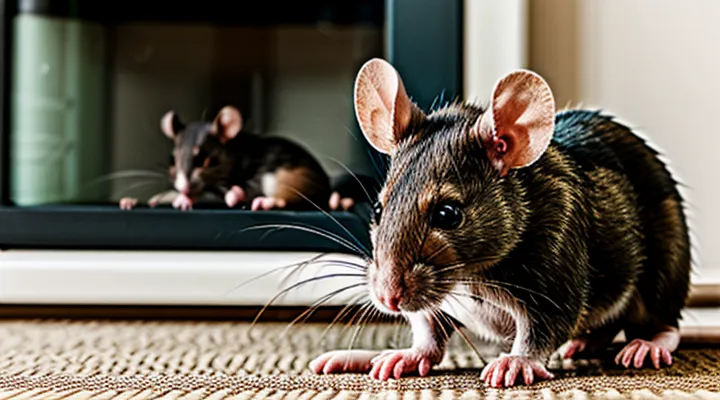
Understanding Your Pet Rat
The Domestic Rat as a Companion
Expected Lifespan
Pet rats typically live between two and three years when provided with optimal conditions. The average expectancy can extend to four years under exceptional care, though most individuals do not exceed this range.
Factors influencing longevity include genetics, nutritional quality, environmental hygiene, and preventative health measures. Genetic predisposition determines baseline potential; selective breeding for robust health can marginally increase the upper limit. A balanced diet rich in protein, fiber, and essential vitamins supports organ function and reduces the risk of metabolic disorders. Clean, well‑ventilated housing minimizes exposure to pathogens and respiratory irritants, directly affecting survival rates. Regular veterinary examinations, vaccination where applicable, and prompt treatment of injuries or illnesses prevent complications that commonly shorten life spans.
Practical steps to maximize lifespan:
- Offer a varied diet that includes high‑quality rat pellets, fresh vegetables, and occasional protein treats.
- Maintain cage bedding dry and replace it weekly to control ammonia buildup.
- Provide enrichment objects to encourage physical activity and mental stimulation.
- Schedule annual health check‑ups and monitor for signs of weight loss, nasal discharge, or abnormal behavior.
- Ensure access to fresh water at all times, using a bottle with a secure latch to avoid contamination.
By adhering to these guidelines, caretakers can align the actual lifespan of their rats with the maximum potential indicated by scientific observations.
Social Needs
Rats thrive when they experience regular interaction with conspecifics. Isolation can lead to stress‑induced behaviors, reduced activity, and weakened immune function. Maintaining a stable group of compatible individuals satisfies innate social drives and promotes natural grooming, play, and hierarchy formation.
Key practices for supporting social well‑being include:
- Keep at least two rats together; a minimum pair ensures continuous companionship.
- Provide a spacious enclosure that allows multiple nesting sites, climbing structures, and hiding places to accommodate group dynamics.
- Monitor compatibility during introductions; observe for aggression, excessive dominance, or avoidance, and be prepared to re‑house incompatible members.
- Offer daily enrichment that encourages group play, such as tunnels, wheels, and chew toys placed at various levels.
- Conduct regular health checks on all group members; early detection of illness prevents spread and reduces social disruption.
Consistent group living, combined with environmental complexity, fulfills the species’ social requirements and contributes to overall vitality.
Essential Rat Supplies
Appropriate Cage Size and Type
Rats require a cage that accommodates natural behaviors while preventing injury. An appropriate enclosure must provide sufficient floor space, secure ventilation, and a design that discourages escape.
A cage suitable for a pair of adult rats should meet the following minimum dimensions:
- Floor area of at least 2 sq ft (≈0.19 m²) per rat; a 24 in × 36 in (≈60 cm × 90 cm) base satisfies this requirement for two individuals.
- Height of 12 in (≈30 cm) or greater to allow climbing structures and nesting material.
- Solid bottom with a removable tray for easy cleaning; wire flooring can cause foot injuries.
When selecting cage type, consider these factors:
- Wire cages with a fine mesh (≤¼ in openings) ensure airflow and visibility but must include a solid floor or a thick layer of bedding.
- Glass aquariums provide excellent visibility and easy cleaning; however, they require robust ventilation and a secure lid with a lockable latch.
- Modular plastic habitats allow customization of tunnels and platforms; verify that all connections are tight to prevent gaps.
Materials should be rust‑free, chew‑resistant, and free of toxic coatings. Lids must lock securely to prevent nocturnal escape. Regular inspection for wear, rust, or broken components helps maintain a safe environment.
Bedding Materials
Appropriate bedding directly influences a rat’s respiratory health, thermoregulation, and activity level. Selecting materials that provide absorbency, dust‑free composition, and safe chewing surfaces supports overall wellbeing.
- Paper‑based products (recycled paper, shredded paper) – high absorbency, low dust, biodegradable.
- Aspen shavings – soft texture, minimal aromatic oils, suitable for burrowing.
- Coconut fiber (coir) – natural moisture control, sturdy for nest building.
- Hemp bedding – durable, low allergen potential, readily available.
- Fleece blankets – reusable, washable, offers warmth without particulate matter.
Materials that introduce irritants or toxins must be excluded. Pine and cedar shavings release phenols that irritate the respiratory tract. Scented or chemically treated bedding can cause allergic reactions. Dust‑heavy wood chips increase the risk of respiratory infections.
Routine maintenance preserves bedding effectiveness. Replace the substrate completely every 7–10 days, or sooner if moisture accumulates. Maintain a bedding depth of 2–3 inches to allow nest construction while preventing soiling of the cage floor. Regularly inspect for mold, urine saturation, and foreign objects.
Food and Water Dishes
Selecting appropriate containers for feeding and hydration is a prerequisite for healthy pet rats. Bowls must be stable, shallow enough to prevent spillage, and large enough to accommodate a group without crowding.
Materials influence durability and hygiene. Stainless steel offers corrosion resistance, easy sterilization, and eliminates odor retention. High‑grade ceramic provides similar benefits but may chip if dropped; avoid glazed finishes that can leach chemicals. Plastic is lightweight but prone to scratches where bacteria can lodge; only food‑grade, BPA‑free varieties are acceptable.
Size considerations depend on cage dimensions and population. A single rat requires a dish holding approximately 30 ml of water and 10 g of dry food; a small group benefits from multiple dishes to reduce competition. Dishes with a wide lip discourage tipping and facilitate easy access for inquisitive rodents.
Placement should ensure uninterrupted access while preventing contamination. Position water containers on the cage’s far side from food to avoid splashing, and keep dishes away from bedding that can become saturated. Elevating dishes on a small platform reduces contact with waste and simplifies cleaning.
Regular maintenance preserves health and prevents disease.
- Daily: rinse with warm water, inspect for cracks, refill with fresh water and food.
- Weekly: disassemble, soak in a mild detergent solution, scrub interior surfaces, rinse thoroughly, and dry before reinstalling.
- Monthly: sterilize stainless steel or ceramic dishes by boiling for five minutes or using a dishwasher’s sanitize cycle; replace plastic containers showing signs of wear.
Adhering to these specifications supports optimal nutrition intake, minimizes pathogen exposure, and contributes to overall well‑being of domesticated rats.
Daily Care and Nutrition
Dietary Requirements
Commercial Rat Food
Commercial rat food provides a balanced nutrient profile designed specifically for the physiological needs of domesticated rodents. Formulations typically contain protein levels ranging from 15 % to 20 % derived from soy, fish, or meat meals, complemented by carbohydrates, fiber, vitamins, and minerals essential for growth, reproduction, and immune function.
When selecting a product, prioritize the following criteria: clear labeling of ingredient sources, presence of a guaranteed analysis, absence of artificial dyes or excessive sugars, and compliance with recognized pet‑food safety standards. Grain‑based mixes suit most pet rats, while grain‑free options address sensitivities to gluten or corn.
Proper storage preserves nutritional integrity; keep the container sealed, store in a cool, dry place, and discard any feed that shows discoloration, odor, or mold. Recommended feeding amounts depend on the rat’s age, weight, and activity level, generally 1–2 % of body weight per day, divided into two meals to mimic natural foraging behavior.
Commercial diets reduce the risk of nutritional deficiencies compared with homemade mixtures, which often lack consistent vitamin and mineral ratios. Nonetheless, occasional supplementation with fresh vegetables, fruits, and occasional protein treats can enhance enrichment and encourage natural chewing habits.
Regular monitoring of body condition, coat quality, and fecal consistency helps assess the adequacy of the chosen feed. Adjustments to portion size or formula may be necessary if weight loss, excessive weight gain, or digestive issues arise.
By adhering to these guidelines, caretakers ensure that commercial rat food supports optimal health, longevity, and well‑being in a home environment.
Safe Fruits and Vegetables
Rats thrive on a varied diet that includes fresh produce, which supplies essential vitamins and fiber. Selecting appropriate fruits and vegetables prevents digestive upset and supports overall health.
Safe options include:
- Apples (core removed, no seeds)
- Blueberries
- Strawberries
- Raspberries
- Pears (seedless)
- Bananas (small pieces)
- Carrots (cooked or raw, chopped)
- Bell peppers (any color, seeded)
- Broccoli florets
- Spinach (moderate amounts)
- Kale (leafy, chopped)
- Zucchini
- Cucumber (peeled if waxed)
When offering these foods, present bite‑size pieces to avoid choking hazards. Wash thoroughly to remove pesticides and contaminants. Introduce new items gradually, monitoring for adverse reactions.
Items to avoid because of toxicity or high sugar content:
- Citrus fruits (oranges, lemons, grapefruits)
- Grapes and raisins
- Avocado (pit and skin)
- Tomato leaves and stems
- Potatoes (raw, green parts)
- Onions, garlic, chives
- Rhubarb
Providing a balanced selection of the listed safe fruits and vegetables, alongside a high‑quality pellet diet, fulfills nutritional requirements and encourages natural foraging behavior. Regular rotation of produce maintains interest and reduces the risk of nutrient deficiencies.
Foods to Avoid
A balanced diet is critical for a pet rat’s health, but certain foods can cause serious problems. Avoid offering items that are high in sugar, salt, fat, or toxins, as they may lead to digestive upset, obesity, or organ damage.
- Processed snack foods such as chips, crackers, and pretzels
- Sugary treats including candy, chocolate, and baked goods
- Citrus fruits (oranges, lemons, grapefruits) and their juices
- Raw potatoes and any green or sprouted parts of potatoes
- Avocado, especially the skin and pit, due to persin toxicity
- Caffeinated beverages or foods containing coffee, tea, or cola
- Alcoholic drinks or foods containing alcohol
- High‑fat meats like bacon, sausage, and heavily seasoned deli cuts
- Dairy products such as milk, cheese, and yogurt, which many rats cannot digest
- Salted nuts, seeds, and popcorn, because excess sodium can strain the kidneys
Providing only safe, species‑appropriate foods supports optimal growth, immune function, and longevity.
Water Access
Water Bottle Maintenance
Proper water bottle maintenance is a critical component of rat husbandry. A reliable bottle supplies fresh water, supports digestion, and prevents dehydration‑related health issues.
Routine inspection should occur daily. Verify that the bottle is securely attached, the spout is unobstructed, and the seal remains intact. Replace any bottle showing cracks, discoloration, or signs of wear.
Cleaning protocol:
- Disassemble the bottle and spout after each refill.
- Rinse with warm water to remove residual debris.
- Soak in a solution of one part white vinegar to three parts water for ten minutes.
- Scrub interior surfaces with a bottle brush, focusing on the nozzle to eliminate biofilm.
- Rinse thoroughly until no vinegar odor remains.
- Air‑dry on a clean surface before reassembly.
A comprehensive cleaning schedule enhances hygiene. Perform a full sanitization weekly, even if daily rinses are conducted. Rotate multiple bottles to ensure continuous access to water during cleaning cycles.
Inspect water quality regularly. Cloudy or foul‑smelling water indicates contamination; replace immediately. Use bottled or filtered water to avoid chlorine and mineral buildup that can impair spout function.
By adhering to these maintenance practices, rat caregivers provide a stable hydration source, reduce the risk of illness, and promote overall well‑being.
Cage Cleaning Schedule
Spot Cleaning
Spot cleaning refers to the targeted removal of waste, debris, or soiled material from a rat’s enclosure without a full deep‑cleaning cycle. This practice maintains hygiene, reduces odor, and minimizes stress for the animal by limiting exposure to a completely emptied habitat.
- Remove visible droppings, food remnants, and urine‑stained bedding with disposable gloves.
- Disinfect the affected area using a rodent‑safe solution (e.g., diluted vinegar or a commercial cage sanitizer) applied with a soft cloth.
- Rinse the cleaned surface with a small amount of water, then blot dry to prevent moisture buildup.
- Replace the removed bedding with fresh, absorbent material of the same type to preserve the established micro‑environment.
Perform spot cleaning daily or whenever visible contamination appears. Avoid harsh chemicals, abrasive tools, or excessive moisture, as these can damage cage components and irritate the rat’s respiratory system. Consistent, precise spot cleaning supports overall health and prolongs the lifespan of enclosure furnishings.
Full Cage Cleaning
A thorough cage cleaning eliminates waste, pathogens, and odor, supporting optimal health for pet rats. The process begins with removal of all accessories, food, and water dishes; each item should be rinsed in hot water and sanitized with a mild, non‑toxic disinfectant. Next, discard the used bedding and vacuum the interior to extract residual debris. Scrub all surfaces—including walls, floor, and bars—with a brush and a diluted bleach solution (one part bleach to nine parts water), allowing the mixture to act for five minutes before rinsing thoroughly with clean water. After rinsing, dry the cage completely to prevent moisture‑related mold growth. Finally, replace bedding with a fresh, absorbent substrate, reinstall cleaned accessories, and replenish food and water supplies.
Key points for effective full cage cleaning:
- Perform the procedure weekly for standard setups; increase to bi‑weekly for larger colonies.
- Use a dedicated brush to avoid cross‑contamination between cleaning agents and food items.
- Verify that all disinfectants are fully rinsed; residues can irritate the respiratory system of rats.
- Store cleaning tools separately from feeding equipment.
- Conduct a visual inspection after cleaning to ensure no cracks or sharp edges have developed.
Regular, comprehensive cleaning maintains a hygienic environment, reduces the risk of disease transmission, and promotes the well‑being of the animals. «Clean cage, healthy rat».
Health and Well-being
Common Health Issues
Respiratory Infections
Respiratory infections are a frequent health concern for domestic rats, caused primarily by bacterial agents such as Mycoplasma pulmonis and Streptococcus spp., as well as viral pathogens like Sendai virus. These microorganisms infiltrate the upper and lower airways, leading to inflammation that can impair normal breathing and reduce overall vitality.
Typical clinical signs include nasal discharge, audible wheezing, labored respiration, reduced activity, and occasional coughing. Observation of these symptoms should prompt immediate veterinary assessment, as early intervention improves prognosis.
Effective prevention relies on maintaining optimal environmental conditions and hygiene practices:
- Keep enclosure temperature between 18 °C and 24 °C, avoiding drafts and sudden temperature fluctuations.
- Ensure relative humidity stays within 40‑60 % to prevent mucosal drying.
- Provide clean, dust‑free bedding; replace soiled material at least twice weekly.
- Implement a strict quarantine protocol for new or returning rats, observing them for at least two weeks before integration.
- Conduct regular health checks, focusing on respiratory rate and nasal condition.
When infection is confirmed, treatment protocols generally involve:
- Administration of appropriate antibiotics, such as doxycycline or enrofloxacin, based on bacterial culture results.
- Supportive care including humidified air, adequate hydration, and nutrition enrichment to sustain immune function.
- Follow‑up examinations to monitor response and adjust medication dosage as needed.
Consistent application of these measures reduces incidence and severity of respiratory disease, supporting long‑term well‑being of pet rats.
Tumors
Tumors in pet rats represent a significant health concern that requires prompt identification and appropriate management. Early detection relies on regular observation of physical changes such as swelling, asymmetrical growths, or abnormal behavior. Veterinary examination, including fine‑needle aspiration or imaging, confirms diagnosis and determines tumor type.
Effective care strategies include:
- Maintaining a stable environment with consistent temperature and humidity to reduce stress, which can influence tumor progression.
- Providing a balanced diet rich in protein, vitamins, and antioxidants; avoid excessive fatty or processed foods that may promote neoplastic development.
- Conducting routine health checks at least once a month, focusing on the abdomen, limbs, and facial region for any irregularities.
- Implementing a quarantine protocol for new or ill rats to prevent transmission of oncogenic viruses.
When a tumor is confirmed, treatment options may involve surgical removal, chemotherapy, or palliative care, depending on size, location, and overall health status. Collaboration with a veterinarian experienced in small‑animal oncology ensures the selection of the most suitable approach.
Owners should document the rat’s condition, noting dates of observation, changes in size, and response to any interventions. Accurate records facilitate timely adjustments to the care plan and provide valuable information for future research on rodent neoplasia.
Dental Problems
Dental health is a critical aspect of overall rat welfare. Rats possess continuously growing incisors that require regular wear to prevent malocclusion. When the balance between growth and wear is disrupted, several dental problems may arise.
Common issues include overgrown incisors, misaligned teeth, and periodontal disease. Overgrown incisors can create sharp points that injure the mouth and impede eating. Misalignment may cause uneven chewing, leading to soft‐tissue trauma. Periodontal disease manifests as gum inflammation, recession, and potential tooth loss.
Recognizable signs are reduced food intake, drooling, pawing at the mouth, weight loss, and visible changes to tooth length or shape. Persistent symptoms warrant immediate veterinary evaluation.
Preventive measures focus on diet, enrichment, and routine observation.
- Provide a constant supply of chewable items such as untreated wood blocks, mineral sticks, or safe toys designed for gnawing.
- Offer a balanced diet rich in fibrous vegetables (e.g., carrots, broccoli) that promote natural tooth wear.
- Include hard pellets or fortified biscuits to encourage regular grinding action.
- Conduct weekly visual checks of the oral cavity, looking for abnormal tooth length, discoloration, or swelling.
If dental problems are detected, professional intervention may involve trimming overgrown incisors, correcting malocclusion with orthodontic devices, or treating infections with appropriate antibiotics. Post‑treatment care includes monitoring for relapse and adjusting the environment to maintain adequate wear.
Consistent application of these recommendations reduces the incidence of dental disease and supports long‑term health in pet rats.
Recognizing Signs of Illness
Early detection of health problems in pet rats prevents rapid deterioration and reduces the need for emergency veterinary care. Observing daily behavior provides the most reliable indicator of emerging issues.
- Reduced appetite or refusal to eat
- Lethargy, prolonged inactivity, or unwillingness to explore
- Abnormal respiratory sounds such as wheezing, clicking, or persistent sneezing
- Discharge from eyes, nose, or ears, including crusting or watery secretions
- Changes in stool consistency, presence of blood, or unexplained diarrhea
- Unusual grooming habits, including excessive licking of a specific area or neglect of fur maintenance
- Swelling, lumps, or visible deformities on any part of the body
- Sudden weight loss or gain, measurable with a small scale
- Aggressive or unusually fearful reactions to handling
When any of these signs appear, isolate the affected rat to limit stress and potential spread of disease. Contact a veterinarian experienced with rodents promptly; provide a detailed account of observed symptoms, recent diet changes, and environmental conditions. Follow professional guidance for diagnostic testing, treatment plans, and quarantine procedures to safeguard the health of the entire colony.
Finding a Veterinarian
Exotic Pet Vets
Exotic pet veterinarians specialize in species that fall outside the scope of traditional companion‑animal practice. Their training includes advanced knowledge of rodent physiology, nutrition, disease prevention, and surgical techniques tailored to small mammals such as rats.
Professional care for pet rats requires access to clinicians who understand species‑specific health issues, including respiratory infections, gastrointestinal disorders, and dental overgrowth. Routine examinations, vaccination guidance, and emergency interventions are standard services offered by these specialists.
Finding a qualified practitioner involves verifying board certification in exotic animal medicine, reviewing clinic experience with rodents, and confirming the availability of appropriate diagnostic equipment. Referrals from reputable rat‑keeping communities and online directories provide reliable leads.
Key factors when selecting an exotic pet vet for rats:
- Certification in exotic animal or small‑animal veterinary medicine.
- documented experience with rodent patients.
- Access to laboratory testing suitable for small mammals.
- Ability to perform delicate procedures, such as dental trimming and minor surgeries.
- Transparent communication about treatment plans and cost estimates.
Engaging an exotic pet veterinarian ensures that rat owners receive evidence‑based medical guidance, fostering optimal health and longevity for their small companions.
Enrichment and Exercise
Toys and Chews
Providing a variety of appropriate toys and chew items is essential for the physical health and mental stimulation of domesticated rats. Proper selection reduces the risk of dental problems, encourages natural foraging behavior, and prevents boredom‑related stress.
- Safe wooden blocks, untreated pine or poplar, sized to fit the animal’s jaws.
- Natural fibers such as untreated sisal rope, hemp twine, or cotton fleece strips for gnawing and climbing.
- Puzzle toys with hidden compartments that require manipulation to access treats.
- Chewable mineral stones or calcium-rich tablets to support enamel strength.
- Small, sturdy plastic tunnels or PVC pipes that allow exploration without sharp edges.
Rotation of items every few days maintains novelty and encourages continuous engagement. All objects must be inspected for splinters, loose parts, or chemical residues before introduction. Cleaning with warm water and mild, unscented detergent removes saliva and debris; thorough drying prevents mold growth. Replace any damaged or heavily worn pieces promptly to avoid injury.
Out-of-Cage Time
Regular out-of-cage sessions are essential for the physical health and mental stimulation of domestic rats. Time spent outside the enclosure allows natural foraging, climbing, and social interaction, reducing the risk of obesity, muscle atrophy, and stereotypic behaviors.
Key practices for safe and effective out-of-cage periods:
- Provide a rat‑proofed area free of electrical cords, small gaps, and toxic substances.
- Use non‑slip surfaces such as textured mats or untreated wood to prevent injuries.
- Offer enrichment items (branches, tunnels, chew toys) to encourage exploration and gnawing.
- Supervise continuously; intervene immediately if the rat attempts to escape or shows signs of stress.
- Limit sessions to 30–60 minutes for young or inexperienced rats; extend gradually as confidence grows.
Consistent scheduling (daily or several times per week) reinforces routine, promotes weight management, and enhances bond formation between rat and caretaker. Adjust duration and environment based on age, health status, and individual temperament to maintain optimal welfare.
Advanced Care Considerations
Handling and Bonding
Building Trust
Establishing trust with a pet rat is fundamental for successful care at home. Consistent, calm interaction reduces fear and encourages the animal to view the caretaker as a reliable presence.
Effective techniques include:
- Offering food from the hand at regular intervals; the rat learns to associate the caretaker with nourishment.
- Maintaining a predictable routine for feeding, cleaning, and handling; predictable patterns reinforce security.
- Using gentle, slow movements when approaching the cage; sudden actions trigger defensive responses.
- Allowing the rat to explore the hand voluntarily before attempting to lift; voluntary contact minimizes stress.
Monitoring progress involves observing the rat’s behavior. Signs of trust appear as relaxed posture, willingness to approach, and acceptance of gentle handling. If avoidance persists, reduce interaction intensity and revisit the steps above, ensuring each session remains brief and positive. Continuous, patient effort cultivates a lasting bond, facilitating health checks, enrichment activities, and overall well‑being.
Proper Handling Techniques
Proper handling of pet rats minimizes stress and prevents injury. Secure grip, calm environment, and controlled movements are fundamental for safe interaction.
- Approach the animal slowly, allowing it to observe the handler’s hands.
- Place one hand gently behind the neck, supporting the shoulders with the other hand.
- Lift the rat close to the body, maintaining the head at the same level as the torso.
- Keep the rat’s body horizontal; avoid tilting or swinging motions.
- Release the animal onto a stable surface before setting it down.
Consistent application of these techniques promotes trust, reduces the risk of bites, and facilitates routine health checks and grooming.
Socialization with Other Rats
Introducing New Rats
Introducing new rats into an established colony requires careful preparation to prevent stress, aggression, and disease transmission. The environment must be neutral, clean, and spacious enough for each animal to establish personal space. Provide separate cages for quarantine, equipped with bedding, hideouts, and fresh water, and maintain temperature and humidity within optimal ranges for rodents.
During the quarantine period, observe each newcomer for signs of illness, such as respiratory discharge, lethargy, or abnormal grooming. Conduct health checks at least twice daily, recording body condition and behavior. Only after a minimum of two weeks without symptoms should integration proceed.
Integration steps:
- Relocate the resident rats to a temporary, neutral enclosure for 24–48 hours to reduce territorial tension.
- Place the quarantine cage and the resident cage side by side, allowing visual and olfactory contact through a solid barrier.
- After 48 hours, introduce a neutral enclosure containing fresh bedding, tunnels, and chew toys; move both groups into this space simultaneously.
- Monitor interactions for the first several hours, intervening if aggressive bites occur; separate individuals promptly if injuries are observed.
- Gradually increase shared time, extending to full cohabitation over a period of 3–5 days, while maintaining ample hiding places and multiple feeding stations.
Maintain consistent feeding schedules and provide a balanced diet rich in protein, fiber, and fresh vegetables. Regularly replace enrichment items to sustain mental stimulation and reduce competition. Document all observations, noting any changes in hierarchy, feeding patterns, or health status, to ensure swift response to emerging issues.
Grooming Needs
Nail Trimming
Nail trimming is a routine procedure that promotes healthy locomotion in pet rats. Overgrown claws can catch on cage bars, cause skin tears, and lead to infections. Regular assessment of nail length allows timely intervention.
Recommended frequency is every two to four weeks, depending on activity level and substrate hardness. Signs that trimming is needed include visible extension beyond the toe pad, clicking sounds on hard surfaces, and reluctance to climb.
Effective trimming requires proper tools and technique:
- Use a small animal nail clipper or precision scissors with a sharp, clean blade.
- Restrain the rat gently but securely, supporting the body with one hand while the other holds the foot.
- Locate the quick, the pink vascular tissue inside the nail; avoid cutting into it to prevent bleeding.
- Trim only the transparent tip, leaving a small margin above the quick.
- Apply a styptic powder or cornstarch to the nail tip if accidental bleeding occurs.
Post‑trim care includes monitoring the claws for swelling, ensuring the rat resumes normal movement, and providing a soft bedding area for a few days. Regular grooming, combined with a balanced diet rich in calcium, supports nail health and overall well‑being. «Regular nail maintenance prevents injury and contributes to a comfortable, active life for pet rats».
Bathing (if necessary)
Bathing a pet rat is rarely required because rats groom themselves efficiently. Bathing should be limited to situations where the animal is visibly soiled with substances that cannot be removed by brushing or spot cleaning.
- Assess the coat for dirt, oil, or foreign material; proceed only if cleaning cannot be achieved by a damp cloth.
- Use lukewarm water (approximately 30 °C) in a shallow container; avoid submerging the rat completely.
- Apply a small amount of mild, unscented pet shampoo designed for small mammals; lather gently without rubbing.
- Rinse thoroughly with clean lukewarm water to eliminate all soap residue.
- Dry the rat promptly with a soft towel; keep the animal in a warm, draft‑free environment until completely dry.
- Return the rat to its cage once dry, providing fresh bedding and water.
Bathing frequency should not exceed once every few months, and only when necessary. Over‑bathing can strip natural oils, leading to skin irritation and increased susceptibility to respiratory problems. Regular grooming with a soft brush, spot cleaning, and maintaining a clean cage are sufficient for most rats.