
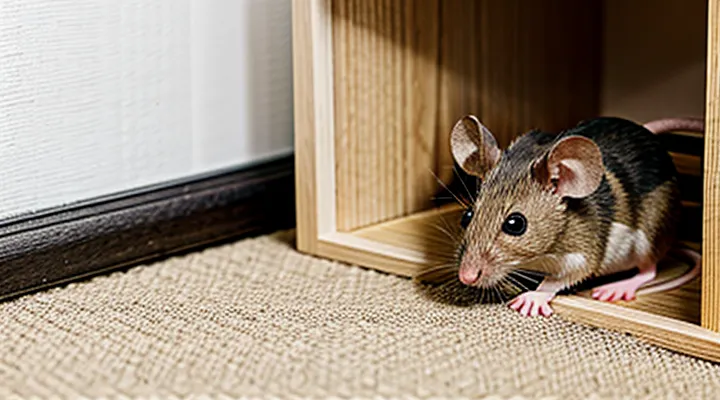
Understanding the Vulnerability of Frame Structures
Common Entry Points Specific to Frame Construction
The Sill Plate and Foundation Gaps
The sill plate sits directly on the foundation and creates the lower boundary of a wooden frame house. Any opening between this component and the concrete footing offers a direct path for rodents. Even gaps as small as ¼ inch can be exploited by mice seeking shelter and food.
Inspection should focus on the perimeter where the sill meets the foundation. Look for cracked concrete, deteriorated pressure-treated lumber, and spaces left by settlement. Use a flashlight and a thin probe to verify the size of each opening.
Sealing methods include:
- Installing stainless‑steel or copper flashing that overlaps the sill and extends onto the concrete, then securing it with corrosion‑resistant fasteners.
- Applying a high‑quality, rodent‑grade polyurethane sealant to fill cracks and joints, ensuring full penetration into the gap.
- Inserting pressure‑treated foam backer rods before applying sealant to support deeper voids and prevent sealant failure.
Routine maintenance involves re‑checking all sealed areas after seasonal temperature changes or after any structural work. Replace damaged flashing or reseal compromised joints promptly to keep the barrier effective.
Utility Penetrations and Voids
Utility penetrations and voids represent the most common pathways for rodents to infiltrate timber‑framed dwellings. Openings around plumbing stacks, electrical conduits, HVAC ducts, and recessed lighting fixtures often lack adequate barriers, allowing mice to bypass exterior cladding and enter interior spaces. Similarly, gaps left between framing members, sheathing, and insulation create concealed routes that are difficult to detect during routine inspections.
Effective mitigation requires a systematic approach:
- Identify all service entries on the building envelope; document size, location, and surrounding materials.
- Install stainless‑steel or copper mesh sleeves around pipes and cables, extending at least six inches beyond the exterior wall surface.
- Apply high‑quality, rodent‑resistant sealant or expanding foam to fill gaps between penetrations and framing.
- Use metal flashing or pressure‑treated lumber to bridge voids at sill plates, rim joists, and top plates.
- Seal foundation cracks and crawl‑space openings with polyurethane caulk or epoxy‑based fillers.
- Conduct periodic visual inspections, focusing on areas where condensation, water damage, or pest activity has been observed.
Maintenance practices reinforce these measures. Replace deteriorated sealants promptly, verify that vent covers remain intact, and ensure that insulation does not compress against structural members, which can create new voids. Integrating these actions into the building’s regular upkeep schedule reduces the likelihood of rodent ingress and supports long‑term structural integrity.
Wall Cavities and Insulation Accessibility
Wall cavities in timber‑frame homes provide a concealed pathway for rodents. Mice exploit gaps around studs, between sheathing and interior finishes, and openings left by utilities. Their ability to move through these spaces makes early detection essential for effective control.
Inspecting cavity insulation requires direct access. Common entry points include:
- Small openings left after installation of electrical boxes or plumbing fixtures.
- Unsealed gaps at the top of walls where the roof meets the wall plate.
- Service chases created for HVAC or cable runs.
When an opening is identified, remove a section of interior finish or create a removable access panel. Use a flashlight and a flexible inspection camera to locate rodent activity, droppings, or gnaw marks within the insulation. After inspection, replace the removed material with fire‑rated, rodent‑resistant insulation boards or dense-packed cellulose. Seal the access point with metal flashing or cement‑based sealant to prevent re‑entry.
Preventive measures focus on eliminating entry routes and reducing habitat suitability:
- Apply stainless‑steel mesh or hardware cloth to all ventilation openings and utility penetrations.
- Install continuous sheathing barriers, such as rigid foam with integrated foil, over the exterior sheathing before interior finish installation.
- Use rodent‑deterrent sealants on gaps larger than ¼ inch; smaller openings can be filled with expanding polyurethane foam that hardens into a solid barrier.
- Conduct annual visual checks of attic and crawl‑space insulation, paying special attention to areas around chimneys, flues, and roof‑wall intersections.
Effective mouse control in frame houses depends on regular access to wall cavities, thorough inspection of insulation, and the application of durable, rodent‑proof sealing methods. These actions restrict movement, limit food sources, and create an environment that discourages infestation.
Materials and Construction That Attract Pests
Ease of Chewing Through Vinyl and Foam
Mice readily gnaw vinyl siding and foam insulation because both materials are soft enough to be penetrated with minimal effort. The polymers in vinyl yield under repeated pressure, while expanded polystyrene and polyurethane foams break down when exposed to rodent incisors. This ability to create entry points compromises the building envelope, allowing further infestation and heat loss.
Key factors that facilitate chewing:
- Low tensile strength of vinyl panels, especially at seams and joints.
- Open-cell foam structures that provide little resistance to bite forces.
- Temperature fluctuations that soften polymer matrices, reducing hardness.
- Moisture absorption in foam, which weakens cell walls and accelerates degradation.
Effective countermeasures focus on increasing material resistance and eliminating access routes:
- Reinforce vinyl edges with metal flashing or stainless‑steel mesh, creating a barrier that rodents cannot puncture.
- Replace bulk foam with closed‑cell spray foam that adheres tightly to framing, leaving no gaps for gnawing.
- Apply a thin coating of rodent‑deterrent polymer (e.g., bitter‑tasting or odor‑based additives) to exposed surfaces.
- Seal all seams, cracks, and joints with high‑strength silicone or polyurethane sealants that maintain elasticity without yielding to bite pressure.
- Install physical barriers such as steel mesh or hardware cloth behind vinyl and foam layers, ensuring that any chewing effort meets a metal surface.
Regular inspection of siding and insulation reveals early signs of gnawing—visible bite marks, displaced panels, or exposed foam cores. Prompt repair of damaged sections restores the integrity of the protective envelope and prevents escalation of mouse activity within frame structures.
Attractiveness of Interior Framing as Shelter
Interior framing in timber‑based homes offers a natural barrier that discourages rodent intrusion. The dense lattice of joists, studs, and sheathing creates multiple physical obstacles, limiting the pathways mice can exploit to reach living spaces. The continuity of wood elements also allows for seamless sealing of gaps with appropriate caulking or mesh, enhancing overall protection without compromising structural integrity.
Key attributes that increase the shelter value of interior framing include:
- Limited vertical openings: Vertical cavities are confined to standard stud spacing, reducing hidden channels.
- Predictable geometry: Regular dimensions simplify the installation of exclusion devices such as steel wool or copper mesh.
- Material compatibility: Wood absorbs moisture evenly, preventing condensation points that attract rodents.
- Ease of inspection: Visible joints and seams enable routine checks for signs of gnawing or nesting.
By leveraging these characteristics, homeowners can transform the framing system into an effective deterrent, integrating mouse‑proofing measures directly into the building’s core structure. This approach minimizes reliance on external traps or chemicals, delivering a durable, low‑maintenance solution for rodent control.
Proactive Structural Sealing and Exclusion
Exterior Sealing Techniques
Using Steel Wool and Hydraulic Cement
Steel wool and hydraulic cement form a reliable barrier against rodents in timber-framed residences. The dense fibers of steel wool cannot be chewed through, while hydraulic cement expands as it cures, sealing gaps that might otherwise admit pests.
When applied correctly, the combination addresses common entry points:
- Foundation cracks – pack steel wool tightly into the opening, then cover with a layer of hydraulic cement to lock the material in place.
- Window and door frames – insert steel wool strips into any visible gaps, apply cement over the strips, and smooth the surface to match the surrounding material.
- Ventilation ducts and utility penetrations – fill the perimeter with steel wool, then encase with cement to create a continuous seal.
Key considerations:
- Preparation – remove loose debris, dry the area, and ensure the surface is free of oil or paint that could prevent adhesion.
- Installation – compress steel wool firmly to eliminate voids; excessive looseness creates pathways for gnawing.
- Curing – allow hydraulic cement to set for at least 24 hours before exposing the area to moisture or temperature fluctuations.
- Inspection – conduct periodic checks for corrosion of steel wool and cracks in the cement, repairing any deterioration promptly.
The method provides a durable, low-maintenance solution that integrates seamlessly with existing structural elements, reducing the likelihood of mouse intrusion without relying on chemical repellents.
Flashing Installation Around the Perimeter
Flashing installed along the entire perimeter of a frame house creates a continuous barrier that prevents mice from exploiting gaps between siding, windows, doors, and roof eaves. The metal or rigid‑plastic strip overlaps adjoining building components, forcing rodents to encounter a smooth, sloped surface that they cannot grip or chew through.
Key materials for an effective perimeter flash include:
- Galvanized steel or aluminum flashing, 0.030–0.040 in. thick, for durability and corrosion resistance.
- PVC or composite flashing for low‑maintenance applications in humid climates.
- Self‑adhesive sealant compatible with the chosen flashing material to seal seams.
- Stainless‑steel screws or nails with washers to secure flashing without creating new entry points.
Installation steps:
- Measure the full length of each wall, window, and door opening; cut flashing to length with a fine‑tooth saw or tin snips, allowing a 2‑in. overlap at each joint.
- Clean the substrate, removing debris, old caulk, and loose paint to ensure a solid bond.
- Apply a continuous bead of sealant along the edge of the substrate where the flashing will sit.
- Position the flashing so its upper edge slopes outward at a minimum of 1 in. per foot, directing any moisture away from the wall.
- Fasten the flashing with corrosion‑resistant fasteners, spacing them no more than 12 in. apart; embed washers to distribute pressure and eliminate nail holes.
- Overlap adjacent pieces, then seal the overlap with additional sealant and a second layer of flashing if required.
- Inspect the completed perimeter for gaps, loose fasteners, or exposed edges; repair any deficiencies before finishing the exterior cladding.
Properly executed flashing eliminates the narrow crevices that mice use to infiltrate frame structures, reduces moisture accumulation that attracts pests, and integrates seamlessly with other protective measures such as mesh screens and sealant caulking. Regular visual checks after severe weather ensure the barrier remains intact and continues to serve its defensive function.
Screening Vents and Weep Holes
Screened vents and properly sized weep holes form the first line of defense against rodent entry in timber-framed dwellings. By allowing airflow while blocking the passage of mice, these components maintain indoor air quality and structural dryness without compromising pest resistance.
Vent screening must meet three criteria: mesh size no larger than ¼ inch, corrosion‑resistant material such as stainless steel or coated aluminum, and a secure mounting method that eliminates gaps. A mesh that is too coarse permits gnawing, while a material prone to rust creates openings over time. Installing the screen on a rigid frame, fastening it with stainless‑steel screws, and sealing edges with silicone caulk ensures a durable barrier.
Weep holes serve to drain moisture from wall cavities, reducing humidity that attracts rodents. Effective weep holes adhere to the following specifications:
- Diameter: ¼ inch to ½ inch, preventing entry while permitting water flow.
- Placement: low points of the wall, typically 6–12 inches above the foundation, aligned with the slope of the building envelope.
- Covering: insect mesh or metal grates that block pests but do not obstruct drainage.
Proper installation of weep holes includes cleaning debris, applying a waterproof sealant around the opening, and attaching a removable mesh cover for periodic inspection.
Maintenance procedures are straightforward. Inspect vent screens quarterly for tears or rust, replace damaged sections promptly, and verify that weep holes remain clear of soil, leaves, or nesting material. Cleaning can be performed with a soft brush and mild detergent; avoid abrasive tools that could enlarge openings.
Integrating screened vents and well‑designed weep holes into the building envelope delivers continuous ventilation, moisture control, and a reliable barrier against mouse intrusion in frame houses.
Interior Cavity Blocking
Installation of Hardware Cloth Barriers
Hardware cloth provides a durable, chew‑resistant barrier that prevents mice from entering the structural cavities of a frame house. The material’s metal mesh, typically 1/4‑inch or smaller, blocks rodent passage while allowing airflow and drainage.
To install a hardware cloth barrier effectively, follow these steps:
- Measure all potential entry points, including gaps around windows, doors, vent openings, and the space between the foundation and the framing.
- Cut the mesh to size using tin snips, leaving a 1‑inch overlap on each edge to ensure complete coverage.
- Secure the mesh to studs, joists, or framing members with corrosion‑resistant staples or self‑drilling screws, spacing fasteners no more than 6 inches apart.
- Seal the overlap with metal flashing tape or a compatible sealant to eliminate any residual openings.
- Inspect the installed barrier for tears, sharp edges, or loose fasteners; repair immediately to maintain integrity.
Regular maintenance includes visual checks each season, confirming that fasteners remain tight and that no new gaps have formed due to settling or weather damage. Replacing damaged sections promptly preserves the barrier’s effectiveness and reduces the likelihood of mouse intrusion.
Proper Use of Copper Mesh and Foam Sealants
Copper mesh provides a durable barrier that prevents mice from entering structural gaps. Install the mesh where it contacts the exterior sheathing, around window and door frames, and at the base of the roof. Overlap sections by at least 2 in. and secure with stainless‑steel staples or screws to avoid corrosion. Seal the edges with a high‑expansion polyurethane foam sealant to close any remaining openings. The foam expands to fill irregular spaces, adheres to wood, metal, and siding, and hardens into a resilient plug that resists chewing.
Key steps for effective application:
- Cut copper mesh to size, allowing a 1‑inch margin beyond the target opening.
- Position the mesh, ensuring it lies flat against the surface without wrinkles.
- Fasten the mesh at 6‑inch intervals using corrosion‑resistant fasteners.
- Apply foam sealant directly behind the mesh, filling gaps no larger than ¼ in.
- Allow the foam to cure according to the manufacturer’s instructions before exposing the area to weather.
Correct installation creates a continuous, chew‑resistant envelope around the frame structure, eliminating common entry points that mice exploit. Regular inspection of mesh integrity and foam condition maintains long‑term protection without the need for additional chemical controls.
Internal Management and Repellent Strategies
Environmental Deterrents
Proper Food Storage and Sanitation
Proper food storage and sanitation are fundamental components of an integrated mouse control program for timber-framed residences. Food items must be kept in containers that provide a complete seal against rodent entry; metal or heavy‑wall plastic bins with tight‑locking lids are preferred. Store dry goods on shelves away from walls, and elevate them at least six inches above the floor to prevent mice from climbing directly onto supplies.
Maintain a clean kitchen environment by removing crumbs and spills immediately. All cooking surfaces should be wiped down after each use, and waste bins must be equipped with tight‑closing lids and emptied regularly. Compost and pet food should be placed outdoors in sealed containers, not left inside the home.
A systematic inspection routine supports long‑term effectiveness:
- Check storage containers weekly for signs of damage or breach.
- Sweep under appliances, cabinets, and pantry shelves to eliminate hidden debris.
- Inspect exterior doors and windows for gaps larger than a quarter inch; seal any openings with steel wool or caulking.
- Rotate pantry stock, using older items first to reduce the time food remains vulnerable to contamination.
Implementing these measures reduces the availability of food sources that attract rodents, thereby limiting the likelihood of infestation in frame houses. Consistent adherence to storage protocols and sanitation standards creates an environment where mice find little incentive to enter and persist.
Eliminating Water Sources
Eliminating water sources is a fundamental component of mouse control in wooden frame homes. Mice require moisture for survival; removing accessible water deprives them of a critical resource and reduces the likelihood of infestation.
Identify and seal all points where water can accumulate. Common locations include:
- Leaking roof joints and eaves
- Condensation on cold surfaces such as windows and exterior walls
- Dripping faucet fixtures and pipe fittings
- Sump pump overflow or basement seepage
- Exterior garden hoses left unattended
Repair roof and wall leaks promptly. Use weather‑resistant sealants on gaps around vents, utility penetrations, and siding joints. Install drip‑free faucets and replace worn washers to stop indoor drips. Insulate cold‑spot areas with vapor barriers to prevent condensation buildup.
Redirect outdoor runoff away from the building envelope. Grade the soil to slope water toward drainage ditches or French drains. Ensure gutters and downspouts discharge at least three feet from the foundation, and attach splash blocks to prevent splashback.
Maintain interior humidity at levels below 50 % relative humidity. Deploy dehumidifiers in basements and crawl spaces, and operate ventilation fans in kitchens and bathrooms to expel moisture promptly.
Regularly inspect the property for new water sources. Conduct a quarterly walkthrough, focusing on the checklist above, and address any issues before they become persistent moisture sites. This systematic approach eliminates the conditions that attract mice and supports long‑term protection of frame structures.
Repellent Methods
Ultrasonic Devices Effectiveness in Wall Voids
Ultrasonic emitters are widely employed to deter mice that inhabit the concealed spaces between studs and sheathing in timber‑framed dwellings. The devices generate sound waves above 20 kHz, a range inaudible to humans but unsettling to rodents, prompting them to abandon the area.
Effectiveness hinges on precise installation. Emitters positioned centrally within the cavity maximize coverage; spacing should not exceed the device’s rated radius, typically 3–4 m. Frequency selection matters: 30–50 kHz aligns with the most sensitive hearing band of house mice, while higher frequencies risk rapid attenuation through insulation material. Power output must sustain audible pressure levels of at least 70 dB SPL at the cavity’s farthest point; insufficient output allows mice to acclimate.
Field data support these parameters. Controlled trials in occupied homes reported a 70‑85 % reduction in mouse activity after 14 days of continuous operation, provided devices were mounted at least 30 cm from metal fasteners that could reflect sound. Comparative studies showed negligible impact when emitters were placed on exterior walls or powered intermittently.
Practical guidelines:
- Choose models offering adjustable frequency and a minimum of 100 mAh battery capacity for 30‑day operation.
- Secure units to interior studs, avoiding direct contact with wiring or plumbing that may dampen acoustic transmission.
- Verify continuous power supply; replace batteries promptly to prevent silent failure.
- Combine ultrasonic treatment with physical exclusion measures, such as sealing entry gaps, to achieve comprehensive rodent management.
When deployed according to these specifications, ultrasonic devices provide a reliable, non‑chemical method for reducing mouse presence within the hidden voids of framed residential structures.
Natural Scent Barriers «Mint and Clove»
Mint and clove essential oils create a volatile environment that rodents find repellent. The aromatic compounds, primarily menthol in mint and eugenol in clove, interfere with the mouse’s olfactory receptors, prompting avoidance of treated areas. Because the scent dissipates quickly, continuous exposure is required for sustained effect.
Application methods suitable for timber-framed dwellings include:
- Soaking cotton balls in a 10 % mint oil solution and placing them in wall cavities, attic joists, and floor voids.
- Mixing equal parts clove oil and water, adding a few drops of dish‑soap as an emulsifier, then spraying the mixture on exposed beams, baseboards, and entry points.
- Incorporating dried mint leaves or whole clove buds into insulation material before installation, allowing natural release of aroma as the house settles.
Effectiveness depends on regular renewal of the scent source. Replacing cotton balls or re‑spraying surfaces every two weeks maintains concentration above the threshold that deters mice. The approach is non‑toxic to humans and pets when used at recommended dilutions, and it does not compromise the structural integrity of wooden framing.
Mint and clove barriers complement physical exclusion tactics such as sealing gaps, installing metal mesh, and using snap traps. When integrated into a comprehensive rodent‑management plan, natural scent deterrents reduce mouse activity without introducing chemical residues into the living environment.
Mitigation and Remediation of Active Infestations
Choosing Effective Trapping Methods
Placement Strategies within Wall Voids
Effective mouse control in timber‑frame residences relies on precise placement of barriers, traps, and deterrents within wall cavities. The goal is to intercept rodents before they reach interior spaces, reduce nesting sites, and prevent damage to structural components.
- Install sealed steel mesh (minimum ¼‑inch gauge) at all openings where utilities penetrate the cavity, such as electrical boxes, plumbing sleeves, and ventilation ducts. Mesh should overlap edges by at least 2 inches and be fastened with corrosion‑resistant screws.
- Position snap‑traps or electronic devices at a height of 6–12 inches above the floor line of the void, aligning them with known rodent pathways identified by gnaw marks or droppings. Space traps 12 inches apart for maximum coverage.
- Apply rodent‑repellent granules or liquid deterrents along the upper third of the cavity, where mice typically travel. Reapply according to manufacturer recommendations, usually every 30 days in high‑traffic areas.
- Seal all gaps larger than ¼ inch with expanding polyurethane foam or caulk. Focus on joints between studs, top plates, and sheathing, as well as gaps around insulation batts.
- Integrate a continuous perimeter of copper or aluminum flashing around the exterior sheathing, extending at least 6 inches above the roofline. Flashing creates a physical barrier that prevents entry from roof eaves and soffits.
When installing these measures, maintain a clear line of sight to each device for monitoring and removal. Regular inspection of cavity interiors—using a flexible inspection camera—identifies new intrusion points and verifies the integrity of existing barriers. Combining physical exclusion with strategically placed traps and repellents yields a comprehensive solution that limits mouse activity within frame house wall voids.
Comparison of Snap Traps versus Live Traps
Snap traps and live traps represent the two principal mechanical methods for controlling mice in timber‑frame dwellings. Both devices can be installed in wall voids, attic spaces, and along baseboards, yet they differ markedly in performance characteristics, handling requirements, and implications for the building fabric.
Snap traps deliver rapid lethal action. Their spring‑loaded mechanisms cause immediate death, preventing prolonged suffering and eliminating the need for subsequent monitoring. Because the mouse is killed instantly, the risk of escape or re‑entry is negligible. The devices are inexpensive, typically costing a few dollars per unit, and can be reused after resetting. Placement must consider proximity to structural elements; a mis‑aimed snap trap can damage nearby trim or insulation if the spring releases with excess force. Disposal of carcasses requires gloves and sealed bags to avoid contaminating the indoor environment.
Live traps capture rodents without killing them, allowing release outdoors. This approach aligns with humane preferences and may satisfy regulatory or personal policies that prohibit killing. Live traps are bulkier and often more expensive than snap traps, and they must be checked at least twice daily to prevent stress, dehydration, or heatstroke of the captured animal. Failure to monitor the trap can lead to odor problems and attract secondary pests. Once a mouse is released, it may return to the same entry point, necessitating additional exclusion measures such as sealing gaps or installing deterrents. The trap’s open design reduces the chance of accidental damage to surrounding woodwork.
Key comparison points
- Effectiveness: Snap traps achieve near‑100 % kill rate; live traps depend on regular inspection and proper release distance to prevent recapture.
- Humane considerations: Live traps avoid lethal outcome; snap traps provide instant death, minimizing suffering.
- Cost per unit: Snap traps are low‑cost and reusable; live traps have higher upfront price and may require replacement of bait containers.
- Maintenance: Snap traps need occasional resetting and carcass disposal; live traps demand frequent checking and cleaning of the capture chamber.
- Impact on structure: Snap traps can exert force that may affect nearby trim if misaligned; live traps are passive and pose little risk to building components.
- Regulatory compliance: Some jurisdictions restrict lethal devices in residential settings, favoring live traps; others permit snap traps without special permits.
Choosing between the two methods hinges on the homeowner’s priorities: immediate removal efficiency and low expense favor snap traps, whereas ethical concerns and avoidance of lethal outcomes favor live traps, provided the owner can commit to diligent monitoring and complementary sealing of entry points.
Post-Infestation Cleanup
Health Risks of Droppings and Urine
Rodent droppings and urine introduce pathogens that can compromise indoor air quality and surface hygiene in wooden frame homes. Inhalation of dried fecal particles or aerosolized urine fragments may trigger respiratory infections, allergic reactions, and systemic illnesses.
Key health threats include:
- Hantavirus Pulmonary Syndrome – transmitted through inhaled aerosols of infected urine, droppings, or saliva; symptoms range from fever to severe lung inflammation.
- Leptospirosis – bacteria present in urine penetrate skin cuts or mucous membranes; can cause fever, jaundice, and kidney failure.
- Salmonellosis – ingestion of contaminated dust or surfaces leads to gastrointestinal distress, fever, and dehydration.
- Allergic sensitization – chronic exposure to rodent allergens incites asthma, rhinitis, and skin irritation.
These hazards intensify in frame structures because porous wood absorbs moisture, creating micro‑environments that preserve droppings and urine longer than in non‑porous materials. The combination of hidden cavities and ventilation pathways facilitates the spread of contaminated particles throughout living spaces.
Effective mitigation requires prompt removal of droppings with protective gear, thorough disinfection of affected areas, and sealing of entry points to prevent further infestation. Implementing these measures reduces pathogen load and safeguards occupants’ health.
Protocols for Decontamination and Airing Out Wall Spaces
Effective decontamination and ventilation of wall cavities are essential components of mouse control in timber‑framed homes. Proper execution eliminates residual droppings, urine, and nesting material while reducing humidity that attracts rodents.
Initial preparation includes a thorough visual inspection, identification of entry points, and isolation of the work area. Protective equipment—respirator, gloves, goggles—and a vacuum equipped with a HEPA filter must be ready before any disturbance of the cavity.
- Seal all external openings with steel mesh or expanding foam to prevent re‑entry during treatment.
- Remove loose debris using a long‑handled brush or vacuum; dispose of material in sealed, puncture‑proof bags.
- Apply a rodent‑specific disinfectant (e.g., a 10 % bleach solution or a commercial enzymatic cleaner) to all surfaces, allowing the recommended dwell time for pathogen neutralization.
- Introduce fresh air by installing temporary ventilation ducts or using high‑capacity fans; maintain airflow for at least 30 minutes to dry the cavity and disperse odors.
- Inspect the cavity for remaining moisture; if dampness persists, repeat ventilation or employ a dehumidifier until relative humidity falls below 50 %.
- Conduct a final sweep with a HEPA‑rated vacuum to capture residual particles; seal the vacuum bag securely before removal.
After treatment, monitor the cavity weekly for signs of activity. Reinforce structural gaps with steel wool and caulk, and schedule periodic airing to prevent moisture buildup. Documentation of each decontamination cycle supports long‑term rodent management and ensures compliance with health standards.