
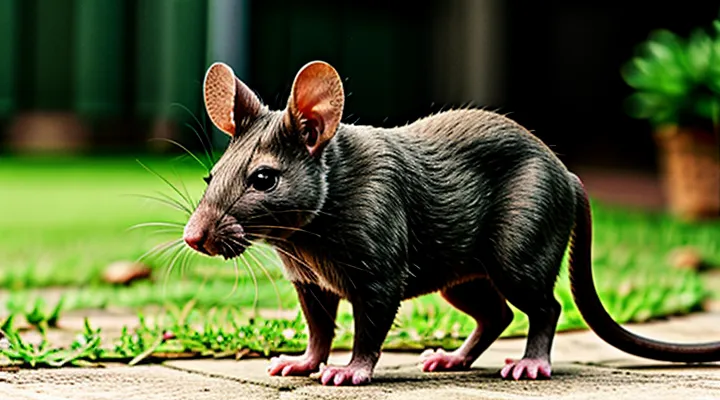
The Allure of the Hairless Rat
Origins and Development
Early History
The hairless ornamental rat emerged from a spontaneous mutation observed in laboratory colonies in the United Kingdom during the early 1920s. Researchers documented the lack of fur and a smooth, pink skin phenotype, noting its viability and reproductive capacity.
Selective breeding began in the late 1930s when a small group of enthusiasts in England isolated the mutation and paired it with standard fancy‑rat lines. By 1945 the first stable hairless line was established, exhibiting consistent coat‑lessness, a compact body shape, and a docile temperament suitable for exhibition.
The 1950s saw the formation of the Hairless Rat Society, which introduced a formal registry and organized shows. Key developments included:
- 1952: Publication of the first breed standard outlining size, ear shape, and skin coloration.
- 1957: Export of breeding pairs to North America, leading to the establishment of the American Hairless Rat Club.
- 1963: Recognition of the breed by major rodent fancier organizations, allowing inclusion in national shows.
Throughout the 1970s the breed expanded internationally, with breeders in Europe, Asia, and Australia contributing to genetic diversity while maintaining the original phenotypic criteria. Contemporary records trace the lineage back to the original 1920s mutation, confirming the breed’s continuity over a century of selective development.
Breeding for Hairlessness
Breeding hairless ornamental rats requires precise genetic management. The hairless trait is recessive; both parents must carry the allele for offspring to express the condition. Breeders typically maintain a line of carrier individuals to ensure a steady supply of hairless pups while avoiding excessive inbreeding.
Selection focuses on individuals that display full hairlessness, healthy skin, and robust conformation. Breeding pairs are chosen based on complementary genetic backgrounds, minimizing the risk of hereditary defects such as skin lesions or dental problems. Regular health examinations confirm that selected rats meet the standards for vitality and temperament.
Record-keeping supports reliable outcomes. Essential data include:
- Parent identification numbers
- Coat phenotype of each parent
- Health screening results
- Litters produced and their phenotypic distribution
These records enable calculation of carrier frequencies and prediction of litter outcomes, facilitating informed pairing decisions.
Environmental control reduces stress on hairless specimens. Temperature regulation, humidity maintenance, and provision of soft bedding protect delicate skin. Nutritional plans emphasize balanced diets rich in essential fatty acids to support skin integrity.
Successful programs combine genetic vigilance, meticulous documentation, and optimal husbandry to produce hairless decorative rats that meet breed expectations while maintaining animal welfare.
Physical Characteristics
Skin and Coat
Color Variations
The hairless ornamental rat exhibits a limited yet distinct palette of coat colors, each governed by specific genetic markers.
Standard coloration includes:
- Albino: complete lack of pigment, resulting in pink skin and red eyes.
- Red-eyed white: white skin with red irises, caused by a separate mutation from albino.
- Sable: dark brown to black pigmentation on the ears, tail, and paws, with lighter body tones.
- Chocolate: medium brown hue, uniform across the body, linked to the recessive chocolate gene.
Additional variations arise from combinations of these primary genes. For example, a heterozygous pairing of sable and chocolate can produce a diluted sable appearance, while a double recessive albino gene yields the pure albino form.
Breeders must verify genotype through pedigree analysis to predict offspring colors accurately. Misidentifying carriers may lead to unexpected phenotypes, complicating selection programs.
Health considerations remain consistent across color types; lack of fur does not affect pigmentation-related issues, but careful monitoring of skin integrity is essential regardless of hue.
Skin Texture
The hairless decorative rat possesses a unique integumentary surface that differs markedly from fur‑bearing varieties. The skin is thin, translucent, and highly vascularized, allowing underlying musculature and bone structure to be visible. Epidermal layers lack the protective keratinized coat, resulting in a surface that feels soft yet delicate to the touch. Because the barrier function is reduced, the skin is susceptible to rapid moisture loss, temperature fluctuations, and irritants.
Key considerations for maintaining optimal skin health include:
- Maintain ambient humidity between 45 % and 55 % to prevent desiccation.
- Provide a temperature range of 68–74 °F (20–23 °C) to avoid thermal stress.
- Apply a veterinary‑approved, fragrance‑free moisturizer daily, focusing on areas prone to cracking.
- Inspect the skin each day for erythema, ulceration, or abnormal discharge; intervene promptly with appropriate treatment.
- Use bedding materials that are dust‑free, absorbent, and free of synthetic fibers to reduce irritation.
Understanding these physiological traits informs proper husbandry practices, ensuring the hairless decorative rat’s skin remains resilient and free from pathology.
Body Structure
Size and Weight
The hairless ornamental rat reaches full size by twelve to sixteen weeks. Adult body length, measured from nose to base of the tail, averages 20–25 cm (7.9–9.8 in). Tail length adds an additional 10–13 cm (3.9–5.1 in). Weight varies with sex and genetics:
- Males: 120–180 g (4.2–6.3 oz)
- Females: 100–150 g (3.5–5.3 oz)
Juveniles weigh 30–45 g at four weeks and gain approximately 15 g each subsequent week. Growth rate stabilizes after eight weeks, with lean muscle development and minimal fat accumulation. Individual specimens may fall outside these ranges due to diet, health status, and selective breeding objectives.
Tail and Ears
The hairless ornamental rat exhibits a tail that is proportionally long, typically measuring 12–15 cm in adult specimens. The surface is smooth, lacking fur, and displays a delicate, semi‑transparent skin that reveals underlying vasculature. Scale patterns are uniform, with a slight ridge along the dorsal midline that aids in balance during climbing. Muscular development within the tail is moderate, providing sufficient flexibility for grasping and support without compromising the animal’s lightweight frame.
Ears are markedly large relative to head size, averaging 2.5 cm in length and positioned laterally for optimal auditory reception. The pinna is thin, hairless, and highly vascularized, allowing rapid temperature regulation. Cartilage structure is robust, maintaining shape while permitting slight mobility to orient toward sound sources. Auditory canals are unobstructed, facilitating clear transmission of high‑frequency noises typical of rodent communication.
Key physical attributes:
- Tail length: 12–15 cm, smooth, semi‑transparent skin.
- Tail ridge: central dorsal ridge, enhances balance.
- Ear size: ~2.5 cm, lateral placement, high vascularity.
- Ear cartilage: sturdy, flexible, aids sound localization.
Unique Features
Eye Coloration
The hairless ornamental rat exhibits a range of eye pigmentation that distinguishes individual specimens and aids breeders in identification. Eye coloration is determined by the interaction of melanin production genes and the presence of dilute or albino alleles, resulting in predictable phenotypes.
- Black: Full melanin expression; common in standard coloration.
- Red (ruby): Reduced melanin with pheomelanin dominance; appears as a deep reddish hue.
- Pink: Lack of melanin combined with vascular visibility; typical of albino lines.
- Blue: Dilution of black pigment; yields a pale, slate‑gray appearance.
- Yellow: Partial melanin reduction; manifests as a soft amber tone.
Genetic inheritance follows Mendelian patterns: dominant black alleles mask recessive red or pink traits, while dilute alleles modify intensity. Breeders can anticipate offspring eye color by tracking parental genotypes and applying standard Punnett square analysis.
Whisker Presence
Hairless ornamental rats possess a distinct whisker pattern that differentiates them from fur‑covered varieties. Whiskers, or vibrissae, develop fully despite the lack of pelage, providing a primary tactile organ.
The vibrissae originate from the same genetic pathways that govern hair growth, with the hairless mutation affecting only follicular structures responsible for coat production. Consequently, whiskers retain normal length, thickness, and pigmentation, typically appearing as dark, stiff filaments emerging from the snout, cheeks, and above the eyes.
Functionally, whiskers serve as the principal sensory system for navigation, object detection, and spatial awareness. In the absence of fur, rats rely more heavily on vibrissal input to assess surface texture and environmental obstacles. Breeders monitor whisker condition to detect neurological or nutritional deficiencies; brittle or unusually short whiskers may indicate underlying health issues.
Key characteristics of whisker presence in this breed:
- Average length: 10–15 mm on the rostral side, slightly shorter on the lateral and ocular regions.
- Density: approximately 8–12 whiskers per side of the snout, with additional supra‑orbital and mandibular vibrissae.
- Pigmentation: typically black or dark brown, consistent across individuals regardless of coat color.
- Growth cycle: continuous renewal with a turnover period of 30–45 days; shedding is minimal compared to fur.
Maintaining optimal whisker health involves providing a balanced diet rich in protein and essential fatty acids, minimizing exposure to abrasive bedding, and avoiding excessive trimming. Regular observation of whisker integrity offers a reliable indicator of the animal’s overall well‑being and sensory competence.
Temperament and Behavior
Personality Traits
Sociability
Hairless decorative rats display a high degree of sociability, making them suitable companions for experienced owners who can provide consistent interaction. Their lack of fur does not diminish tactile responsiveness; instead, they often seek direct contact and respond promptly to gentle handling.
Key aspects of their social behavior include:
- Human affinity – frequent engagement with caregivers reduces stress and encourages exploratory activity.
- Group dynamics – thriving in small colonies (2–4 individuals) promotes natural hierarchy formation and mutual grooming, which reinforces social bonds.
- Communication cues – vocalizations, whisker movements, and body posture convey willingness to interact or need for personal space.
- Environmental enrichment – provision of tunnels, nesting material, and climbing structures supports social play and reduces aggression.
- Training potential – positive reinforcement techniques can shape desired behaviors, enhancing cooperative interaction with humans.
Proper assessment of a rat’s sociability involves observing its willingness to approach, the frequency of grooming among cage mates, and its response to routine handling. Regular, gentle contact combined with a stable group setting sustains the species‑typical social structure and optimizes welfare.
Intelligence
Hairless decorative rats demonstrate rapid acquisition of new tasks. They solve maze configurations after a few trials, indicating strong spatial reasoning. Their ability to remember the location of hidden food persists for several weeks, suggesting durable long‑term memory.
Training sessions reveal high responsiveness to positive reinforcement. Clicker cues paired with treats elicit consistent button‑pressing behavior, and the rats maintain the learned action after brief periods without reinforcement. This level of operant conditioning exceeds that of many other fancy rat varieties.
Social learning is evident when a naïve individual observes a trained companion retrieving a treat from a container. The observer replicates the technique after a single demonstration, showing capacity for observational learning.
Key cognitive traits include:
- Quick adaptation to novel environments
- Effective problem solving with minimal prompting
- Retention of complex sequences for extended periods
- Ability to imitate conspecific behavior
These attributes make hairless decorative rats suitable for enrichment programs and interactive displays, where mental stimulation is a primary requirement.
Handling and Interaction
Sensitivity to Touch
Hairless ornamental rats possess a highly developed tactile perception due to the absence of protective fur. Their exposed skin contains a dense network of mechanoreceptors that respond to light pressure, temperature changes, and vibrations. This heightened sensitivity makes gentle handling essential to avoid discomfort or injury.
Key aspects of tactile sensitivity include:
- Skin fragility: Direct contact with rough surfaces can cause abrasions; soft, non‑abrasive materials are recommended for cages and accessories.
- Temperature regulation: Without fur, rats lose heat quickly; sudden temperature shifts are felt acutely and may trigger stress responses.
- Pain response: Minor stimuli that would be negligible for furred breeds can elicit noticeable withdrawal or vocalization in hairless individuals.
- Social interaction: Light grooming by a familiar caretaker is perceived as soothing, while abrupt or forceful touches are interpreted as threats.
Best practices for handling:
- Approach slowly, allowing the rat to observe hand movement.
- Support the body with both hands, distributing pressure evenly across the torso and hindquarters.
- Limit contact duration to brief intervals, gradually extending as the animal acclimates.
- Maintain ambient temperature between 20‑24 °C (68‑75 °F) to reduce thermal discomfort.
- Use bedding made of fine, dust‑free fibers to minimize irritation of the exposed skin.
Monitoring the animal’s reaction during and after handling provides immediate feedback on tolerance levels. Adjustments to technique should be made promptly to preserve the rat’s well‑being and maintain the breed’s characteristic sensitivity.
Training Potential
The hairless ornamental rat exhibits a high capacity for learning when provided with consistent, positive reinforcement. Its lack of fur does not diminish sensory acuity; tactile and auditory cues remain sharp, facilitating rapid association of commands with outcomes.
Key aspects of its training potential include:
- Quick adaptation to clicker‑based cues, enabling precise shaping of desired behaviors.
- Strong motivation for food rewards, allowing short training sessions without loss of focus.
- Ability to navigate obstacle courses, demonstrating spatial awareness and problem‑solving skills.
- Responsiveness to hand‑targeting exercises, useful for veterinary handling and transport.
Effective training programs rely on routine, clear signals, and gradual increase in task complexity. Early socialization with humans and other rats reduces fear responses, enhancing willingness to engage in structured activities. Regular, brief sessions (5–10 minutes) maintain enthusiasm while preventing stress.
Care and Health Considerations
Environmental Needs
Temperature Regulation
Hairless decorative rats lack the insulating fur typical of other laboratory and pet rat strains, making thermoregulation a primary physiological concern. Their skin surface area is exposed, resulting in rapid heat loss in cool environments and heightened susceptibility to hypothermia. Conversely, the absence of a pelage reduces heat retention, increasing the risk of hyperthermia when ambient temperatures rise.
Key mechanisms and management strategies:
- Peripheral vasoconstriction: Blood vessels in the skin constrict to preserve core temperature during cold exposure. This response is more pronounced than in furred counterparts, leading to visible pallor of the ears and tail.
- Brown adipose tissue activation: Non‑shivering thermogenesis in brown fat generates heat without muscle activity. Hairless rats exhibit elevated brown fat activity, especially in the interscapular region.
- Metabolic rate adjustment: Basal metabolic rate increases modestly in cooler settings to produce additional internal heat. Monitoring of food intake is essential, as higher caloric demand may accompany sustained low temperatures.
- Environmental control: Maintain ambient temperature between 22 °C and 25 °C (71 °F‑77 °F). Use heated cages, nesting material, and insulated bedding to mitigate heat loss. Avoid direct drafts and sudden temperature fluctuations.
- Hydration and electrolyte balance: Heat dissipation through panting or increased respiration can lead to fluid loss. Provide constant access to fresh water and consider electrolyte supplementation during periods of elevated ambient temperature.
- Health monitoring: Observe for signs of thermal stress, such as lethargy, shivering, excessive grooming, or respiratory distress. Prompt intervention with supplemental warmth or cooling, depending on the condition, reduces morbidity.
Effective temperature regulation in hairless decorative rats combines intrinsic physiological adaptations with meticulous environmental management, ensuring stability of core body temperature and overall welfare.
Substrate Choices
Hairless decorative rats lack fur, making bedding selection critical for skin health and temperature regulation. The substrate must provide insulation, moisture control, and minimal irritants.
- Paper‑based bedding (e.g., shredded paper, cellulose pellets): low dust, high absorbency, easy to replace; may be less chewable for enrichment.
- Aspen shavings: low aromatic oils, moderate dust, good ventilation; requires frequent cleaning to prevent mold.
- Coconut fiber (coir): excellent moisture wicking, natural scent, minimal dust; can become compacted, reducing airflow.
- Hemp bedding: antimicrobial properties, low dust, high durability; higher cost than paper options.
- Corncob bedding: high absorbency, low cost; dust levels can be moderate, potential for fungal growth if not changed regularly.
Choose a substrate that balances dryness with softness, avoids strong fragrances, and permits regular replacement. Monitor the enclosure for moisture buildup; replace bedding at least twice weekly or when soiled. Combine primary bedding with chewable enrichment (e.g., untreated wood blocks) to satisfy gnawing instincts without compromising skin comfort.
Dietary Requirements
Specialized Nutrition
The hairless ornamental rat requires a diet that compensates for the loss of insulating fur and the increased surface area exposure. Protein levels should range from 18 % to 22 % of total calories to support rapid tissue repair and muscle maintenance. Fat content must be limited to 8 %–12 % to prevent obesity while providing essential fatty acids for skin health. Complex carbohydrates, constituting 55 %–60 % of the diet, supply steady energy without causing blood‑sugar spikes.
Key micronutrients include:
- Vitamin E (50 IU/kg feed) for antioxidant protection of delicate skin.
- Vitamin A (4 000 IU/kg) to promote epithelial cell turnover.
- Selenium (0.2 ppm) to support immune function.
- Zinc (70 ppm) for wound healing and keratin synthesis, despite the absence of fur.
- Calcium‑phosphorus ratio of 1.2:1 to maintain skeletal integrity.
Water must be available at all times; a minimum intake of 30 ml per 100 g body weight per day prevents dehydration through evaporative loss. Feeding frequency of two to three small meals daily stabilizes metabolic demand and reduces the risk of gastrointestinal overload.
Supplementary options:
- Small amounts of cooked egg white or lean poultry to boost high‑quality protein.
- Fresh, pesticide‑free leafy greens (e.g., kale, dandelion) for additional vitamins and fiber.
- Commercial rodent pellets formulated for hairless varieties, ensuring consistent nutrient ratios.
Monitoring body condition score weekly and adjusting portions based on activity level and seasonal temperature fluctuations maintains optimal health for the hairless decorative rat.
Hydration
Hydration directly influences the health of hairless ornamental rats, whose exposed skin lacks the protective barrier provided by fur. Adequate fluid intake supports skin elasticity, aids temperature regulation, and facilitates metabolic processes that would otherwise be compromised by the breed’s unique physiology.
A typical adult requires 50–70 ml of water per 100 g of body weight daily. Adjustments are necessary when ambient temperature exceeds 22 °C, during periods of increased activity, or when the animal consumes a high‑protein diet. Consistent access to fresh, clean water prevents the concentration of waste products that can strain renal function.
Insufficient hydration manifests as dry, flaky skin, reduced grooming behavior, and elevated core temperature. Chronic deficits may lead to urinary tract infections, kidney stones, and accelerated skin aging, conditions that are especially detrimental to a hairless specimen.
Practical measures:
- Provide a stainless‑steel or glass water bottle with a low‑profile sipper to reduce contamination.
- Replace water at least twice daily; sterilize containers weekly.
- Monitor daily consumption; a drop of more than 20 % below average signals a potential problem.
- Maintain ambient humidity between 45 % and 55 % using a humidifier, especially in heated indoor environments.
- Supplement water with moist vegetables (cucumber, bell pepper) to increase intake without altering diet composition.
Regular evaluation of fluid intake, coupled with environmental controls, ensures the breed’s distinctive skin remains healthy and the animal maintains optimal physiological performance.
Common Health Issues
Skin Conditions
Hairless decorative rats possess a delicate integument that requires vigilant observation for dermatological issues. The absence of fur eliminates a natural barrier, exposing the epidermis to environmental irritants, temperature fluctuations, and mechanical trauma. Consequently, skin health directly influences the animal’s comfort and longevity.
Common skin conditions include:
- Dryness and flaking: Often results from low ambient humidity or inadequate moisturizing regimens. The skin appears dull, with fine scales that may coalesce into larger patches.
- Eczematous lesions: Characterized by erythema, papules, and occasional pruritus. Triggers frequently involve allergens, such as bedding materials or cleaning agents.
- Dermatitis secondary to parasites: Mites or fleas cause localized inflammation, crust formation, and hair‑follicle loss (where residual hair remains). Early detection prevents systemic spread.
- Infections: Bacterial or fungal colonization manifests as purulent discharge, ulceration, or thickened, moist plaques. Opportunistic pathogens exploit compromised skin integrity.
Preventive measures focus on environmental control and routine skin care:
- Maintain relative humidity between 45 % and 55 % using a humidifier or water dishes placed strategically within the enclosure.
- Provide bedding composed of hypoallergenic, dust‑free material; replace it weekly to reduce microbial load.
- Conduct daily visual inspections, noting any discoloration, swelling, or abnormal texture.
- Apply a veterinarian‑approved emollient or barrier ointment to areas prone to dryness, following the product’s dosing instructions.
- Implement a parasite‑prevention program, employing topical treatments approved for rodents on a scheduled basis.
When a condition is identified, immediate veterinary consultation is essential. Diagnostic steps typically involve skin scrapings, cytology, and culture to determine the causative agent. Treatment protocols may combine topical antiseptics, systemic antibiotics or antifungals, and anti‑inflammatory agents, adjusted according to the animal’s weight and health status.
Regular monitoring, coupled with controlled environmental parameters, minimizes the incidence of dermatological disorders and supports the overall well‑being of hairless ornamental rats.
Respiratory Sensitivities
The hairless ornamental rat displays a heightened vulnerability of the respiratory system. The lack of fur eliminates a natural barrier against airborne particles, allowing irritants to reach the mucosal surfaces more readily. In typical housing conditions, dust from bedding, pollen, and volatile organic compounds from cleaning agents can provoke inflammation and infection.
Key factors that exacerbate respiratory problems include:
- High ambient temperature combined with low humidity, which dries nasal passages and impairs mucociliary clearance.
- Poor ventilation, leading to accumulation of ammonia from urine and feces.
- Exposure to strong fragrances, aerosolized medications, or tobacco smoke.
- Genetic predisposition to airway hyperreactivity, observed consistently in breeding records.
Clinical signs manifest as sneezing, nasal discharge, labored breathing, and reduced activity. Early detection relies on regular observation of respiratory rate and the presence of audible wheezes. Diagnostic confirmation may involve radiographic imaging and microbial culture of nasal swabs.
Management strategies focus on environmental control and supportive care:
- Maintain humidity between 45‑55 % and temperature around 20‑22 °C.
- Use low‑dust, absorbent bedding such as paper or aspen shavings; replace it weekly.
- Ensure continuous airflow with filtered ventilation; avoid drafts directly on the cage.
- Eliminate scented products and restrict exposure to smoke.
- Provide supplemental oxygen and bronchodilators under veterinary supervision during acute episodes.
- Implement routine health monitoring and prompt treatment of bacterial or fungal infections.
Preventive breeding practices include selecting individuals with documented respiratory resilience and avoiding inbreeding that may amplify susceptibility. Consistent application of the above measures reduces morbidity and supports the longevity of the hairless decorative rat population.
Dental Health
Hairless ornamental rats possess continuously growing incisors that require regular wear to prevent malocclusion. Their dental structure lacks the protective fur covering found in haired varieties, making the teeth more exposed to environmental debris and increasing the risk of plaque accumulation.
Key aspects of dental health management include:
- Dietary hardness: Provide a balanced mix of chewable items such as untreated wooden blocks, mineral-rich chew sticks, and raw vegetables. Soft foods should not dominate the diet, as they fail to stimulate adequate tooth abrasion.
- Routine inspection: Examine the oral cavity weekly for signs of overgrowth, misalignment, or discoloration. Visible cracks, swollen gums, or excessive drooling indicate possible infection or trauma.
- Dental cleaning: Schedule professional scaling and polishing every six months. At-home gentle brushing with a small animal‑specific toothbrush can complement veterinary care.
- Nutrient support: Ensure adequate calcium and phosphorus intake to maintain enamel integrity. Deficiencies may accelerate wear and predispose to fractures.
- Environmental hygiene: Keep the cage free of dust and mold, which can irritate the oral mucosa. Replace bedding regularly to reduce bacterial load.
Early detection of dental issues reduces the likelihood of secondary complications such as weight loss, difficulty eating, or systemic infection. Owners should maintain detailed health records, noting any changes in chewing behavior or food consumption, and consult a veterinarian promptly when abnormalities arise.