
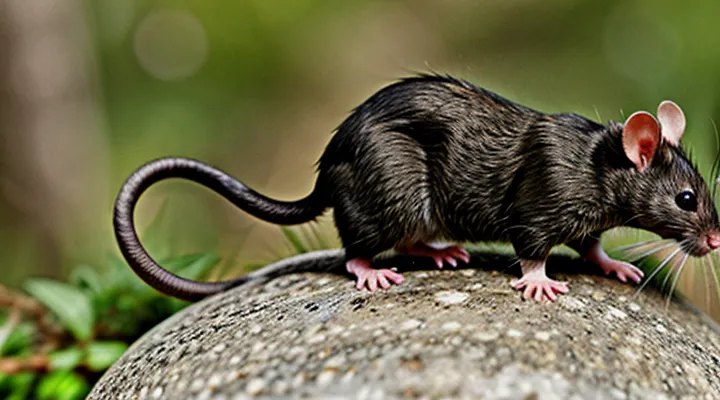
Understanding Hair Lice in Rats
What are Rat Lice?
Types of Rat Lice
Rat lice constitute a small group of obligate ectoparasites that specialize in feeding on the blood of rodents. Their morphology, life cycle, and host range differ among species, influencing the likelihood of accidental transfer to people.
- Polyplax serrata – the most frequently encountered louse on laboratory and wild rats; adult size 2–3 mm, dorsal setae dense, reproductive rate high.
- Polyplax spinulosa – prefers larger murid hosts; distinguished by pronounced spine-like setae on the thorax; prevalence lower in urban environments.
- Heterodoxus spiniger – characterized by a robust head capsule and reduced wings; infests both rats and mice, occasionally found on squirrels.
- Felicola subrostratus – rare on rats, primarily a cat louse, but reported on stray rodents in mixed‑species habitats; exhibits a flattened body adapted for moving through dense fur.
All listed species complete their development on the host, progressing from egg to nymph to adult within 10–14 days under optimal temperature and humidity. Transmission occurs through direct contact between rodents or via contaminated bedding; survival off‑host does not exceed 48 hours.
Human exposure is limited to situations where individuals handle infested rats or clean heavily soiled cages. None of the identified rat lice are known to bite humans deliberately, and no confirmed cases of pathogen transmission from these lice to people exist. Nonetheless, occupational contact with heavily infested colonies warrants protective clothing and strict hygiene to prevent accidental transfer.
Life Cycle of Rat Lice
Rat lice (Polyplax spp.) complete their development entirely on the host. The cycle begins when a gravid female deposits eggs, called nits, on the hair shafts close to the skin. Each egg measures 0.5 mm, adheres with a cement-like substance, and hatches after 5–7 days at temperatures of 20–25 °C.
The emerging nymph passes through three instars. Each molt requires a blood meal and lasts 3–5 days. During the first instar, the louse is translucent and feeds minimally; by the third instar, it resembles an adult in size and morphology, though it remains sexually immature.
Adult lice are fully pigmented, 2–3 mm long, and capable of reproduction. Mating occurs shortly after the final molt. Females lay 2–5 eggs per day for up to 30 days, producing a total of 30–80 offspring. The adult lifespan ranges from 20 to 30 days, during which the insect remains attached to the host and consumes blood several times daily.
Key parameters of the cycle:
- Egg incubation: 5–7 days
- Nymphal period (three instars): 9–15 days
- Adult reproductive phase: up to 30 days
- Total generation time: 14–22 days under optimal conditions
Environmental factors such as ambient temperature, humidity, and host grooming behavior influence developmental rates. Warmer, humid environments accelerate development, while frequent grooming reduces lice numbers by dislodging eggs and nymphs.
Understanding the rapid turnover of rat lice clarifies why infestations can expand quickly within rodent colonies and why transient human exposure may occur when lice transfer during close contact with infested rats. The brief generation time and constant blood-feeding behavior create a persistent source of potential zoonotic agents, underscoring the relevance of the lice life cycle to human health assessments.
Symptoms of Infestation in Rats
Behavioral Changes
Rats infested with hair lice display distinct behavioral alterations that can influence the assessment of zoonotic risk.
Observed changes include:
- Increased self‑grooming frequency, often directed at the head and dorsal region.
- Reduced locomotor activity, measured as shorter travel distances in open‑field tests.
- Decreased participation in social encounters, reflected by fewer approaches to conspecifics.
- Elevated anxiety‑like responses, indicated by prolonged latency to explore novel environments.
These modifications affect pathogen transmission dynamics. Heightened grooming may facilitate lice dispersal onto surrounding surfaces, increasing environmental contamination. Lower mobility reduces the distance rodents travel, potentially concentrating lice populations within confined spaces where human contact is more likely. Diminished social interaction limits direct rat‑to‑rat transfer but may intensify host‑to‑environment shedding.
Understanding these behavioral patterns provides a basis for evaluating the likelihood that lice carried by rodents could pose a health threat to people. The data suggest that infestation‑induced behavior can create conditions favorable for accidental human exposure, warranting precautionary measures in laboratory and pest‑control settings.
Physical Signs
Rats infected with hair lice display distinct physical manifestations that aid in detection and risk assessment. Observable changes include:
- Coarse, grayish fur that appears dull and lacks normal sheen.
- Localized hair loss around the ears, neck, and tail base, often forming small, irregular patches.
- Visible adult lice or nymphs moving on the skin surface, especially during close inspection.
- Excessive scratching resulting in reddened skin, scabs, or minor wounds.
- Dermal inflammation characterized by swelling, papules, or crusted lesions near attachment sites.
These signs provide reliable indicators of an active ectoparasite presence on rodents and help evaluate potential zoonotic transmission risk.
Zoonotic Potential: Rat Lice and Humans
Can Rat Lice Transmit to Humans?
Species Specificity of Lice
Lice are obligate ectoparasites that typically complete their life cycle on a single mammalian host species. This host restriction limits the probability that a lice population established on rodents will colonize humans.
The hair‑lice species most frequently found on laboratory and wild rats belong to the genus Polyplax. These insects feed exclusively on rodent blood, reproduce only on the fur of rats, and cannot develop on human skin or hair. Their cuticular chemistry, mouth‑part dimensions, and attachment mechanisms are tuned to the microenvironment of rat pelage.
Human lice, represented by Pediculus humanus capitis (head louse) and Pediculus humanus corporis (body louse), exhibit a complementary host specificity. They survive only on human hair or clothing, respectively, and lack the physiological adaptations required to exploit rodent hosts.
Key factors that enforce species specificity include:
- Morphology of claws and tarsal pads matched to host hair diameter
- Salivary enzymes optimized for host blood composition
- Behavioral cues that trigger oviposition only on appropriate host surfaces
- Immune evasion strategies tailored to host-specific immune responses
Because rat lice cannot complete their developmental stages on humans, the direct transmission of a viable infestation from rats to people is negligible. Mechanical transfer of lice or eggs on clothing or equipment may occur, but such events do not result in sustained colonization. Consequently, the presence of hair lice on rats does not constitute a significant public‑health threat.
Accidental Transfer vs. Infestation
Rat hair lice are obligate ectoparasites that complete their life cycle on rodent hosts. Human exposure occurs only when lice are transferred from an infested rat to a person, typically through direct handling of the animal or contact with contaminated bedding. The transfer event is brief, the insects do not survive long off‑host, and they lack the ability to reproduce on human skin. Consequently, accidental acquisition rarely leads to a sustained colonization.
A true infestation requires the presence of a viable breeding population on the human body. This condition demands that the lice adapt to human hair temperature, humidity, and feeding preferences, none of which have been documented for rat‑specific species. Laboratory studies confirm that rat lice fail to lay eggs on human scalp and perish within days, eliminating the risk of ongoing infestation.
Key distinctions between accidental transfer and infestation:
- Duration: Transfer lasts minutes to hours; infestation persists weeks to months.
- Reproduction: No egg laying occurs after transfer; infestation involves complete life cycle on the host.
- Clinical signs: Transfer may cause transient itching or irritation; infestation produces chronic pruritus, visible nits, and secondary skin lesions.
- Public‑health impact: Transfer poses negligible disease risk; infestation could facilitate secondary bacterial infection.
Health authorities classify rat lice as vectors of rodent‑borne pathogens when they remain on the animal host. Human contact with a few transferred lice does not transmit these agents, because the insects cannot acquire or inoculate pathogens without establishing a host-specific population. Preventive measures focus on proper handling of laboratory or wild rats, use of personal protective equipment, and immediate disposal of contaminated materials to avoid accidental transfer.
Health Risks for Humans
Direct Health Impacts
Rats infested with hair lice can transmit pathogens that affect human health. The insects themselves do not bite humans, but they serve as reservoirs for microorganisms that may be transferred through direct contact with contaminated fur, urine, or feces.
- Bacterial agents: Rickettsia spp. and Streptobacillus moniliformis have been isolated from lice collected from rodent hosts. Exposure to these bacteria can cause fever, rash, and, in severe cases, systemic infection.
- Viral carriers: Studies have identified hantavirus RNA within lice populations on rats. While the primary transmission route is aerosolized rodent excreta, lice may facilitate viral spread when they contaminate surfaces or clothing.
- Allergic reactions: Proteins in louse saliva and exoskeleton can provoke dermal hypersensitivity in susceptible individuals, leading to itching, erythema, and secondary skin infections.
Direct contact with infested rats or their bedding increases the likelihood of acquiring these agents. Proper protective equipment, thorough hand hygiene, and rodent control measures reduce the risk of zoonotic transmission.
Indirect Health Concerns
Hair lice that infest laboratory or wild rodents can affect human health without direct transmission of the parasites. The primary indirect pathways include environmental contamination, allergic sensitization, and interference with scientific research that may lead to inaccurate data used in clinical decision‑making.
Environmental contamination occurs when infected rodents shed lice or nymphal exuviae onto bedding, cages, and surrounding surfaces. These remnants can be transferred to laboratory personnel, animal caretakers, or visitors through clothing, shoes, or equipment. Although the insects themselves rarely survive on human skin, their presence may introduce bacterial or fungal agents that the lice carry, increasing the risk of secondary infections.
Allergic sensitization is documented in individuals exposed to arthropod proteins. Proteins from the saliva or body fluids of rodent lice can trigger IgE‑mediated responses, resulting in dermatitis, rhinitis, or asthma exacerbations. Repeated low‑level exposure in occupational settings heightens the likelihood of developing such hypersensitivity.
Research integrity can be compromised when lice infestations go unnoticed. Parasite‑induced stress alters rodent physiology, affecting hormone levels, immune function, and behavior. Studies that rely on these animals may produce skewed results, which, when translated into human applications, could lead to ineffective or harmful interventions.
Key indirect health concerns:
- Surface contamination with lice debris and associated microorganisms
- Occupational allergic reactions to lice‑derived antigens
- Distorted experimental outcomes influencing human health recommendations
- Potential spread of lice‑borne pathogens to other animal species that may serve as reservoirs for human disease
Mitigation strategies include rigorous cage sanitation, personal protective equipment for staff, routine screening of rodent colonies, and documentation of any infestation events in experimental records. These measures reduce the likelihood of indirect health impacts stemming from rodent lice presence.
Preventing Transmission
Handling Infected Rats
Handling rats known to carry hair lice requires strict adherence to biosafety protocols to prevent zoonotic transmission. Lice that infest rodent fur can detach and survive briefly on surfaces, creating a potential exposure route for laboratory personnel and caregivers.
- Wear disposable gloves, a fluid‑resistant gown, and a face shield or safety goggles at all times.
- Use a fit‑tested N95 respirator when working in enclosed cages or during animal transfer to limit inhalation of dislodged lice.
- Conduct all manipulations inside a certified biological safety cabinet; maintain airflow at the recommended velocity to contain ectoparasites.
- Disinfect cage surfaces with a 0.5 % sodium hypochlorite solution before and after each handling session; allow a contact time of at least five minutes.
- Place used bedding, gloves, and other disposable items in a sealed biohazard bag; autoclave the bag at 121 °C for 30 minutes before disposal.
- Clean reusable equipment with an EPA‑registered ectoparasiticide, following the manufacturer’s concentration and exposure guidelines.
If a bite or direct skin contact occurs, wash the area with soap and water immediately, then apply an over‑the‑counter antiparasitic cream. Document the incident and notify the occupational health office for evaluation and possible prophylactic treatment.
Routine surveillance of rat colonies includes weekly visual inspections for lice, microscopic examination of fur samples, and recording of infestation levels. Prompt identification of an outbreak enables rapid implementation of the control measures outlined above, thereby minimizing risk to human handlers.
Maintaining Hygiene
Maintaining hygiene is essential when handling rats that may carry hair lice, because these parasites can transfer to humans under certain conditions. Rat hair lice (Pediculus sp.) survive only on the host, yet accidental contact with infested fur, bedding, or contaminated surfaces creates a pathway for temporary colonization on human skin or hair. Direct skin contact, especially with compromised integument, increases the likelihood of transient infestation, which can cause itching, dermatitis, and secondary bacterial infection.
Effective hygiene practices reduce the probability of cross‑species transmission. Key actions include:
- Wearing disposable gloves and protective clothing during animal handling.
- Washing hands with antimicrobial soap immediately after removing gloves.
- Cleaning cages, bedding, and equipment with a 1 % sodium hypochlorite solution or an approved disinfectant; rinsing thoroughly to avoid residue.
- Regularly laundering all fabrics that contact rats at temperatures ≥ 60 °C.
- Inspecting rats for lice weekly; treating identified infestations with veterinary‑approved ectoparasiticides.
Continuous monitoring of both animal and personnel health supports early detection of lice‑related issues. Recording infestations, documenting hygiene compliance, and conducting periodic risk assessments enable prompt corrective actions, thereby safeguarding laboratory staff, animal caretakers, and the broader public from potential exposure.
Management and Control
Treating Lice on Rats
Veterinary Interventions
Hair lice infestations in rats involve obligate ectoparasites that feed on blood and cause cutaneous irritation. Infested animals often display scratching, alopecia, and crusted lesions, which can compromise welfare and experimental validity.
Veterinary interventions focus on accurate diagnosis and effective eradication:
- Visual inspection of fur and skin, followed by skin scrapings examined under a microscope to confirm lice species.
- Topical ectoparasitic agents such as pyrethrin‑based sprays or selamectin spot‑on formulations applied according to label dosage.
- Systemic treatments including ivermectin or milbemycin administered subcutaneously or orally for severe infestations.
- Environmental sanitation: removal and autoclaving of bedding, thorough cleaning of cages, and application of residual insecticides to surfaces.
- Quarantine of affected individuals and regular monitoring of the colony to prevent re‑introduction.
The lice species commonly found on rats are host‑specific and lack documented capacity for direct transmission to humans. Human exposure, therefore, presents a negligible zoonotic threat. However, secondary bacterial infections arising from scratching can increase indirect risk, underscoring the need for prompt veterinary care.
Practitioners should implement routine screening protocols, maintain detailed treatment records, and enforce strict hygiene practices in laboratory or pet‑keeping environments. Consistent application of these measures limits parasite burden, safeguards animal health, and minimizes any potential human health implications.
Environmental Control
Effective environmental control reduces the likelihood that rat‑borne lice will come into contact with humans. Maintaining clean, clutter‑free spaces eliminates habitats where rats and their ectoparasites thrive. Regular sanitation removes food residues, nesting material, and waste that attract rodents. Sealing building exteriors—cracks, gaps, utility penetrations—prevents rodent entry and limits the spread of lice to adjacent areas.
Integrated pest management (IPM) combines monitoring, habitat modification, and targeted treatments. Key components include:
- Routine inspection of basements, attics, and storage rooms for signs of rodent activity.
- Use of snap traps or electronic devices positioned along walls and near known pathways.
- Application of rodent‑specific bait stations in concealed locations, following label instructions.
- Deployment of insecticidal dusts or sprays on surfaces where lice may reside, ensuring compliance with safety regulations.
Ventilation and humidity control also influence ectoparasite survival. Maintaining relative humidity below 50 % and ensuring adequate airflow diminish lice reproduction rates. Dehumidifiers and exhaust fans can be employed in high‑risk zones such as kitchens, laundries, and waste handling areas.
Documentation of control actions supports accountability and allows assessment of effectiveness. Records should capture dates of inspections, trap counts, bait placement, and any chemical applications. Periodic review of these data guides adjustments to the control strategy, ensuring that rodent‑associated lice remain at minimal levels and that the risk to human health stays low.
Preventing Rat Infestations
Rodent Control Measures
Rodent infestations that harbor hair lice create a direct pathway for potential human exposure. Effective control of the rodent population therefore reduces the likelihood of lice transmission to occupants and limits the public‑health impact.
An integrated approach combines environmental management, physical barriers, trapping, chemical treatment, and ongoing surveillance.
- Sanitation: Remove food residues, water sources, and clutter that attract rodents. Store waste in sealed containers and maintain regular cleaning schedules.
- Exclusion: Seal entry points larger than ¼ inch with steel wool, caulk, or metal flashing. Install door sweeps and screen vents to prevent ingress.
- Trapping: Deploy snap or live traps along walls, near burrows, and in high‑traffic zones. Check traps daily and dispose of captured animals according to local regulations.
- Chemical control: Apply rodenticides in tamper‑resistant bait stations placed away from non‑target species. Rotate active ingredients to mitigate resistance.
- Biological control: Encourage natural predators such as owls and feral cats where appropriate and permitted.
- Monitoring: Conduct routine inspections, track trap counts, and record signs of activity (droppings, gnaw marks) to assess program efficacy.
Implementation requires documented protocols, staff training, and compliance with health‑safety standards. Continuous evaluation of data guides adjustments to dosage, placement, or method, ensuring that rodent populations remain below thresholds that support lice proliferation.
Sanitation Practices
Sanitation procedures are essential for preventing the transfer of rat‑borne ectoparasites to laboratory personnel and the public. Regular removal of bedding, thorough cleaning of cages, and disinfection with agents effective against lice eggs eliminate reservoirs that could facilitate accidental exposure.
Key practices include:
- Cage hygiene: Replace bedding daily, scrub surfaces with a 0.5 % sodium hypochlorite solution, and rinse with clean water before re‑use.
- Personal protection: Wear disposable gloves and lab coats when handling rodents; change clothing before leaving the animal facility.
- Pest control: Maintain rodent‑free zones in storage and waste areas, seal entry points, and employ traps to limit stray infestations.
- Waste management: Autoclave carcasses and contaminated materials; dispose of liquid waste through a validated decontamination system.
- Monitoring: Conduct weekly visual inspections for lice, collect samples for microscopic identification, and record findings in a central log.
Research indicates that the specific hair louse species infesting rats does not bite humans and lacks a documented mechanism for disease transmission. Nevertheless, strict sanitation reduces the probability of accidental transfer of lice or their eggs to human skin or clothing, thereby safeguarding health and preserving experimental integrity.