
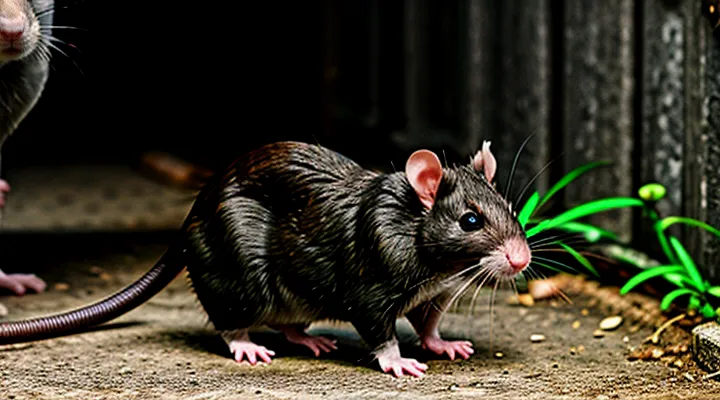
Understanding Ethical Rat Breeding
What Constitutes a «Good» Breeder?
Health Considerations
When selecting breeding rats, prioritize individuals that demonstrate robust health indicators. Observe coat condition, eye clarity, and activity level; any signs of lethargy, nasal discharge, or abnormal grooming suggest underlying problems.
Implement a systematic health screening protocol before pairing. Common assessments include:
- Physical examination for sores, tumors, or respiratory symptoms.
- Dental inspection to ensure incisors are correctly aligned and free of overgrowth.
- Parasite evaluation through fecal analysis and ectoparasite inspection.
- Genetic testing for hereditary conditions prevalent in the strain.
Maintain a detailed health record for each rat, noting vaccination status, previous illnesses, and outcomes of diagnostic tests. Consistent documentation enables quick identification of recurring issues and supports informed breeding decisions.
Avoid introducing animals with unresolved infections or genetic defects into the breeding program. Quarantine new arrivals for a minimum of two weeks, monitor for delayed symptom onset, and re‑evaluate health status before integration. This practice reduces disease transmission and preserves the overall vitality of the colony.
Temperament Assessment
Temperament assessment determines whether a rat will thrive in a breeding program and interact safely with humans and cage mates. Consistent evaluation of behavior reduces the risk of aggression, stress‑related health issues, and breeding failures.
Key temperament indicators include:
- Reactivity to handling: calm, steady response versus frantic escape attempts.
- Social tolerance: willingness to share space with other rats without mounting or fighting.
- Noise sensitivity: ability to remain composed when exposed to sudden sounds.
- Curiosity level: balanced exploration without excessive fear or hyperactivity.
Assessment methods rely on standardized observation protocols. Begin with a brief handling session of 30 seconds; record the number of escape attempts, vocalizations, and grooming behavior. Follow with a group interaction test, placing the subject in a neutral arena with two familiar rats for ten minutes; note dominance displays, avoidance, or cooperative grooming. Conclude with a startle test, introducing a brief, non‑threatening sound and measuring the latency to resume normal activity.
Document results in a simple matrix, assigning each indicator a score from 1 (poor) to 5 (excellent). Rats scoring consistently above 4 across all categories are suitable candidates for breeding programs. Those with lower scores should undergo further socialization or be excluded to maintain colony stability.
Ethical Practices
Ethical rat breeding requires consistent standards that protect animal welfare while producing healthy offspring. Breeders must implement practices that prevent suffering, maintain genetic integrity, and ensure responsible ownership.
- Provide spacious, ventilated enclosures with solid flooring to avoid injuries and stress.
- Supply a balanced diet formulated for the specific life stage and strain, supplemented with fresh water daily.
- Conduct health screenings for common hereditary conditions before pairing animals, discarding carriers from breeding programs.
- Limit litter size to prevent overcrowding and ensure each pup receives adequate maternal care.
- Record lineage, health data, and breeding outcomes in a transparent database accessible to prospective owners and veterinary professionals.
- Apply humane handling techniques, avoiding forced restraint or excessive noise that could trigger panic responses.
- Offer social enrichment, including nesting material and safe interaction with conspecifics, to promote natural behaviors.
- Follow local and national regulations regarding animal welfare, licensing, and disease control, and submit to periodic inspections.
Adhering to these guidelines safeguards the well‑being of the rats, supports sustainable breeding operations, and provides buyers with reliable, ethically sourced pets.
Why Good Breeding Matters
Benefits for the Rats
Choosing appropriate breeding practices directly improves rat welfare. Controlled genetic selection reduces the incidence of hereditary disorders, allowing individuals to reach their full lifespan potential. Providing a stable, predictable environment minimizes stress, which in turn enhances immune function and promotes regular growth patterns.
- Lower prevalence of congenital defects
- Increased resistance to common pathogens
- More stable temperament, facilitating social interaction
- Extended average lifespan
- Improved reproductive efficiency, resulting in healthier offspring
Reduced health challenges translate into lower veterinary expenses and fewer emergency interventions. Consistent nutrition and environmental enrichment, integral to selective breeding, foster muscular development and cognitive agility. Overall, well‑planned breeding yields robust, content rats capable of thriving in domestic settings.
Benefits for the Owners
Selecting well‑bred rats delivers concrete advantages for owners. Healthy specimens reduce veterinary expenses, because genetic disorders and chronic illnesses are less common. Predictable temperaments simplify handling, allowing safer interaction and more reliable training outcomes. Efficient reproduction rates shorten the time needed to achieve desired colony sizes, which conserves resources and space. Lower aggression levels decrease the risk of injury to both humans and companion animals, enhancing overall household safety. Consistent growth patterns enable accurate feeding schedules, preventing over‑ or under‑nutrition and supporting optimal body condition.
- Reduced medical costs through genetic robustness
- Stable behavior that eases daily care and socialization
- Higher breeding efficiency, minimizing waste of time and supplies
- Decreased aggression, improving safety for handlers
- Predictable nutritional needs, facilitating proper diet management
These benefits translate into measurable improvements in owner satisfaction, financial planning, and long‑term sustainability of a rat‑keeping program.
Key Criteria for Selecting a Breeder
Research and Verification
Online Presence and Reviews
A reliable online footprint provides the first measurable indicator of a breeder’s professionalism. A well‑maintained website displays clear contact information, breeding goals, health protocols, and photographs of current litters. Active social‑media accounts reveal ongoing interaction with the community, regular updates, and responsiveness to inquiries.
When evaluating reviews, focus on three measurable aspects:
- Source authenticity: verified accounts on platforms such as Google, Yelp, or specialized rodent forums carry more weight than anonymous comments.
- Content specificity: reviewers who mention health status, temperament, and delivery experience offer actionable insight.
- Consistency across channels: similar praise or criticism appearing on multiple sites reduces the likelihood of manipulation.
Red flags appear as uniformly glowing statements lacking detail, an absence of recent posts, or a refusal to address negative feedback. Profiles that rely solely on self‑posted testimonials without external verification should be treated with caution.
A systematic approach strengthens decision‑making:
- Compile a shortlist of breeders with active domains and verified social profiles.
- Search each name on independent review sites and dedicated rodent discussion boards.
- Record the number of reviews, average rating, and recurring themes in the feedback.
- Contact at least two previous customers for direct confirmation of the breeder’s practices.
- Compare findings against personal criteria such as health guarantees, breeding standards, and communication speed.
By grounding selection in verifiable online evidence and detailed peer assessments, prospective owners can distinguish reputable breeders from those lacking transparency.
Breeder Associations and Registries
Breeder associations provide a framework for ethical standards, health protocols, and genetic documentation. Membership typically requires adherence to a code of conduct that includes regular health screenings, proper housing conditions, and transparent record‑keeping. These organizations also facilitate communication among experienced breeders, allowing for the exchange of best practices and the resolution of disputes.
Registries maintain official pedigrees and verify lineage, which is essential for maintaining breed integrity and preventing inadvertent inbreeding. A reputable registry issues unique identification numbers, records each litter’s parentage, and updates health histories. Access to this data enables prospective owners to trace genetic traits and assess the likelihood of hereditary issues.
When evaluating an association or registry, consider the following criteria:
- Established track record of at least five years.
- Clear, publicly available breeding standards.
- Mandatory health testing for common rat ailments (e.g., respiratory and tumor screenings).
- Transparent dispute resolution process.
- Accessible online database with searchable pedigree information.
Selecting breeders affiliated with recognized associations and registries reduces the risk of genetic defects, promotes welfare standards, and supports informed decision‑making in the pursuit of high‑quality rat breeding.
Direct Communication
Asking Essential Questions
When evaluating potential rat breeding pairs, focus on questions that reveal health, temperament, and genetic suitability. Precise answers guide decisions that affect litter quality and long‑term colony stability.
- What are the parents’ medical histories, including any diagnosed conditions or recurring illnesses?
- How have the rats performed in standard health screenings (e.g., parasite checks, respiratory assessments)?
- What is the documented lineage, and does it include any known hereditary defects?
- How do the individuals respond to handling and environmental changes?
- What are the observed breeding outcomes (litter size, pup survival rate, growth milestones) from previous matings?
- Are the rats compatible in terms of social behavior, avoiding aggression or excessive dominance?
- What are the nutritional and housing requirements specific to each animal, and can they be consistently met?
Answers to these questions provide a factual basis for selecting breeding stock that will produce robust, well‑adjusted offspring and support a sustainable breeding program.
Breeder's Responsiveness
Breeder responsiveness refers to the speed, clarity, and consistency with which a rat breeder answers inquiries, provides health records, and addresses concerns throughout the purchasing process. Prompt replies indicate organized record‑keeping and a commitment to transparency, both essential for responsible rat acquisition.
Rapid communication reduces uncertainty about lineage, temperament, and care requirements, allowing prospective owners to make informed decisions without prolonged speculation. Delayed or vague responses often signal inadequate management practices, which can compromise the welfare of the animals.
Key indicators of a responsive breeder:
- Replies within 24–48 hours for email or messaging inquiries.
- Detailed health documentation, including vaccination dates and parasite treatments.
- Clear policies on return, quarantine, and follow‑up support.
- Availability for post‑sale questions and ongoing guidance.
To verify responsiveness, follow these steps:
- Send a concise initial message outlining specific questions about the breeding program.
- Record the time of receipt and the content of the breeder’s answer.
- Request copies of health certificates and breeding logs; assess completeness and legibility.
- Ask about the breeder’s protocol for emergencies or unexpected health issues; note the level of detail provided.
- Observe whether the breeder offers additional resources, such as care guides or community contacts.
Consistent, prompt communication demonstrates professional standards and reduces risk for both the buyer and the rats. Selecting a breeder who meets these responsiveness criteria supports ethical breeding practices and contributes to long‑term animal health.
Visiting the Breeder
Observing the Environment
Observing the environment is a critical step when selecting a breeding pair of rats. Accurate assessment of temperature, humidity, ventilation, lighting, and noise levels determines the suitability of a habitat for reproductive success.
Temperature should remain between 68 °F and 75 °F (20 °C–24 °C). Record daily fluctuations; extreme shifts can suppress estrus cycles. Humidity must stay within 40 %–60 % to prevent respiratory issues. Measure with a hygrometer and adjust with a dehumidifier or humidifier as needed.
Ventilation requires fresh air exchange without creating drafts. Verify that cages receive adequate airflow by checking for stagnant odors and condensation on walls. Install filtered vents if the room lacks proper circulation.
Lighting influences hormonal rhythms. Provide a consistent 12‑hour light/12‑hour dark schedule. Use timers to eliminate manual variations that could disrupt breeding patterns.
Noise levels affect stress responses. Conduct a sound audit; sources above 50 dB can impair mating behavior. Reduce mechanical equipment, close doors, and use sound‑absorbing materials where possible.
Cleanliness directly impacts health. Inspect cages for waste buildup, mold, or parasites. Implement a cleaning routine that removes soiled bedding daily and disinfects surfaces weekly.
Space allocation matters. Each adult rat requires at least 0.5 sq ft (0.05 m²) of floor area; a breeding pair needs a minimum of 1 sq ft (0.1 m²) plus additional room for nesting material. Verify that the enclosure meets these dimensions before introducing animals.
When evaluating a potential breeding environment, follow this checklist:
- Record temperature and humidity three times daily for one week.
- Confirm airflow without drafts; note any odor accumulation.
- Ensure lighting schedule is automated and consistent.
- Measure ambient noise; keep readings below 50 dB.
- Inspect cage cleanliness; note any signs of contamination.
- Verify floor space meets minimum requirements.
Only after each item meets the specified criteria should a pair be introduced for breeding.
Interacting with the Rats
When breeding rats, direct interaction determines temperament, health, and breeding success. Consistent, calm handling reduces stress and encourages trust. Begin with gentle hand‑to‑paw contact; support the animal’s body to prevent injury. Use short, frequent sessions—five to ten minutes daily—to build familiarity without overwhelming the rat.
Key interaction practices:
- Observation: Scan for signs of illness (nasal discharge, fur loss, lethargy) before each handling session.
- Social enrichment: Introduce new rats gradually, using a neutral cage and visual barriers to prevent aggression.
- Positive reinforcement: Offer small treats immediately after desired behavior, such as approaching the hand or exploring a novel object.
- Environmental cues: Maintain consistent lighting and temperature; sudden changes provoke anxiety and may affect breeding cycles.
- Cleaning routine: Perform gentle cage cleaning while the rats are in a separate secure container; this prevents distress and preserves scent markers important for mating behavior.
Effective communication relies on body language. Slow movements, lowered gaze, and a steady voice signal safety. Sudden gestures or loud sounds trigger flight responses, compromising breeding outcomes. Establish a routine: same time of day, same handling technique, and predictable cage maintenance. Consistency reinforces the rat’s sense of security, leading to healthier litters and more reliable selection of breeding pairs.
Parent Rat Evaluation
Evaluating prospective breeding rats requires systematic assessment of health, genetics, and behavior. Reliable data guide decisions that affect litter quality and colony stability.
Health indicators include clear eyes, clean fur, and absence of respiratory discharge. A veterinary examination should confirm freedom from common ailments such as Mycoplasma pulmonis and coccidiosis. Weight within breed‑specific norms and robust appetite signal metabolic soundness.
Genetic considerations focus on traits desirable for the breeding program. Pedigree records must verify the absence of hereditary defects, including dental malformations and spinal curvature. Inbreeding coefficients should remain low to preserve heterozygosity and reduce recessive disease risk.
Temperament evaluation emphasizes consistency and adaptability. Observe reactions to handling, response to novel objects, and interaction with conspecifics. Rats that remain calm under gentle restraint and display minimal aggression are preferable for producing offspring with stable dispositions.
Breeding history provides concrete performance metrics. Document litter size, pup survival rate, and any complications during gestation or parturition. Rats that consistently generate healthy litters with minimal neonatal loss merit higher selection priority.
A concise checklist supports objective comparison:
- Veterinary clearance confirming no active infections or chronic conditions
- Weight and body condition within breed standards
- Pedigree free of known genetic disorders, low inbreeding coefficient
- Calm response to handling, low aggression toward cage mates
- Proven record of producing viable litters with high pup survival
Applying these criteria ensures that each chosen parent contributes to robust, genetically sound offspring, strengthening the overall breeding program.
Recognizing Red Flags
Unsanitary Conditions
Unsanitary environments compromise rat health, reduce reproductive efficiency, and increase mortality rates. Pathogens thrive in dirty cages, contaminated water, and spoiled bedding, leading to frequent outbreaks that can decimate a breeding program.
Key risks associated with poor hygiene include:
- Rapid spread of bacterial, viral, and parasitic infections.
- Lower conception rates caused by stress and compromised immunity.
- Shortened lifespan due to chronic illness.
- Elevated veterinary costs and loss of valuable genetic lines.
When evaluating potential breeding stock, verify the following sanitation standards:
- Cage interiors free of visible waste, mold, or strong ammonia odor.
- Bedding replaced regularly; material should remain dry and unscented.
- Water dispensers cleaned daily; no biofilm or debris present.
- Food containers sealed, with feed stored in a cool, dry location.
- Cleaning schedule documented and adhered to by all caretakers.
Choosing rats from facilities that maintain strict hygiene eliminates disease vectors, supports optimal fertility, and preserves the integrity of the breeding line.
Overcrowding and Neglect
Overcrowding and neglect are primary factors that compromise the success of any rat breeding program. When the number of animals exceeds the space and care capacity of a enclosure, stress levels rise, breeding cycles become irregular, and mortality increases.
Overcrowding manifests when the available floor area falls below 0.5 sq ft per adult rat and when vertical enrichment is insufficient. In such conditions, dominant individuals may restrict access to food and nesting material, leading to weight loss and reduced litter size. The resulting aggression also damages fur and skin, creating entry points for infection.
Neglect appears as a consistent pattern of inadequate nutrition, irregular cleaning, and insufficient environmental stimulation. Observable indicators include dull, patchy coat; under‑weight body condition; lethargy; excessive grooming or self‑mutilation; and abnormal vocalizations. Persistent neglect impairs immune function, prolongs gestation, and diminishes offspring viability.
Preventive actions require strict adherence to space standards and routine husbandry protocols:
- Provide at least 0.5 sq ft of floor space per adult rat; add 0.2 sq ft for each juvenile.
- Install multiple levels of climbing structures, tunnels, and hideaways to distribute activity.
- Conduct daily health inspections; record body weight, coat quality, and behavior.
- Supply fresh, balanced diet and clean water every 24 hours.
- Perform cage cleaning and bedding replacement at least twice weekly; increase frequency if waste accumulates.
- Rotate enrichment items weekly to prevent boredom and encourage natural foraging.
Implementing these measures eliminates the conditions that foster overcrowding and neglect, thereby stabilizing reproductive performance and ensuring the welfare of the breeding colony.
Lack of Transparency
When evaluating potential rat breeders, the absence of clear information often signals risk. Transparent practices allow prospective owners to verify health protocols, genetic records, and environmental standards. Without such data, decisions rely on speculation, increasing the probability of acquiring animals with hidden health issues or poor welfare conditions.
Key indicators of insufficient openness include:
- No publicly available health screening results for breeding pairs.
- Lack of detailed lineage documentation or pedigree charts.
- Failure to disclose housing conditions, such as cage size, enrichment, or sanitation routines.
- Unwillingness to provide references from previous customers or veterinary professionals.
- Absence of written policies on disease prevention, quarantine, or breeding ethics.
These gaps hinder accurate assessment of a breeder’s competence. Prospective owners should request specific documentation, compare responses across multiple sources, and prioritize breeders who willingly share comprehensive records. Selecting a source that embraces full disclosure reduces uncertainty and promotes the long‑term wellbeing of the rats.
Poor Animal Health
When selecting rats for a breeding program, the health condition of each animal directly determines reproductive success and colony stability. Animals exhibiting signs of illness reduce litter size, increase neonatal mortality, and may pass genetic defects to offspring.
- Visible weight loss or emaciation
- Dull, patchy, or missing fur
- Nasal discharge, wheezing, or labored breathing
- Ocular discharge, clouded eyes, or conjunctivitis
- Lethargy, reduced activity, or uncoordinated movement
- Abnormal stool consistency or frequency
These indicators correlate with lowered fertility, compromised gestation, and higher susceptibility to infection. A compromised immune system often results in delayed estrus cycles, smaller litters, and increased stillbirth rates.
Effective control measures include:
- Mandatory veterinary examination before introduction to the breeding group
- Isolation of newly acquired rats for a minimum of two weeks, with daily health assessments
- Routine cleaning of cages, bedding, and feeding equipment to eliminate pathogens
- Balanced nutrition enriched with essential vitamins and minerals to support immune function
Decision criteria must prioritize health over appearance or lineage. Any rat displaying the listed symptoms, failing a veterinary health screen, or showing a history of recurrent illness should be excluded from the breeding pool. Maintaining detailed health records for each individual facilitates rapid identification of problem trends and supports informed selection in future cycles.
Post-Purchase Responsibilities
Continued Care and Support
Continued care after selecting breeding pairs determines the health and productivity of a rat colony. Provide a balanced diet that meets the elevated nutritional demands of pregnant and lactating females; include high‑quality protein, calcium, and essential vitamins. Monitor water intake daily and ensure clean, fresh supply to prevent dehydration and urinary issues.
Maintain a stable environment. Keep temperature between 68‑74 °F (20‑23 °C) and humidity at 40‑60 %. Use bedding that absorbs moisture but does not retain excess dampness, reducing the risk of respiratory infections. Clean cages weekly, replacing soiled material and disinfecting surfaces with a rodent‑safe sanitizer.
Observe reproductive progress. Record dates of mating, gestation, and birth for each pair. Check for signs of distress, such as excessive nesting material consumption or abnormal behavior, and intervene promptly with veterinary assessment if needed.
Implement a schedule for health checks. Perform visual examinations weekly, looking for coat condition, eye clarity, and limb movement. Conduct weight measurements at least every two weeks, noting any sudden fluctuations that could indicate illness or nutritional imbalance.
Provide enrichment to reduce stress. Rotate toys, tunnels, and climbing structures regularly; ensure each rat has access to at least one hideaway. Enrichment promotes natural foraging behavior and supports maternal instincts during pup rearing.
Document all interventions. Keep a log detailing diet changes, environmental adjustments, medical treatments, and observed outcomes. Accurate records enable pattern recognition and facilitate continuous improvement of breeding practices.
Understanding Guarantees
When evaluating a rat breeding source, the guarantee provided by the breeder defines the risk profile of the purchase. A clear guarantee outlines the breeder’s responsibility for the health and genetic integrity of the animals, and it establishes the recourse available to the buyer if the terms are not met.
Key elements of a reliable guarantee include:
- Health assurance – a written statement confirming that each rat has been examined by a veterinarian and is free from contagious diseases at the time of sale. The guarantee should specify the observation period during which the buyer can report health issues.
- Genetic stability – documentation of the lineage, including any known hereditary traits or disorders. Breeders who track pedigrees can demonstrate selective breeding practices that minimize the occurrence of undesirable characteristics.
- Replacement or refund policy – explicit conditions under which the breeder will replace a sick rat or return a portion of the purchase price. The policy must define the timeframe for claims, required documentation, and any exclusions.
- Legal compliance – reference to applicable animal welfare regulations and any licensing information that validates the breeder’s operation. Compliance indicates that the guarantee is enforceable under local law.
To verify the credibility of a guarantee, request the original contract, review the breeder’s health certificates, and compare the terms with industry standards. Contact previous customers for feedback on how the breeder handled warranty claims. A guarantee that is detailed, documented, and backed by transparent practices provides a measurable safeguard for anyone selecting breeding stock.
Maintaining Communication
Clear dialogue with all parties involved in rat selection prevents misunderstandings about genetic traits, health records, and breeding goals. Accurate information exchange reduces the risk of introducing unwanted characteristics and streamlines decision‑making.
- Contact breeders promptly to verify lineage documentation.
- Request veterinary health certificates before acquiring any animal.
- Share breeding objectives with suppliers, specifying target coat colors, temperament, and size.
- Record all communications in a centralized log for future reference.
Maintain consistent language when describing desired traits. Use standardized terminology such as “agouti coat” or “low‑aggression temperament” to avoid ambiguity. Confirm receipt of critical documents by asking for written acknowledgment. Schedule regular check‑ins with veterinarians to review health status and adjust breeding plans accordingly.
When negotiating purchases, outline payment terms, delivery timelines, and return policies in writing. Ensure that both buyer and seller retain copies of agreements. Promptly address discrepancies by referencing the original documentation, thereby preserving trust and facilitating smooth transactions.