
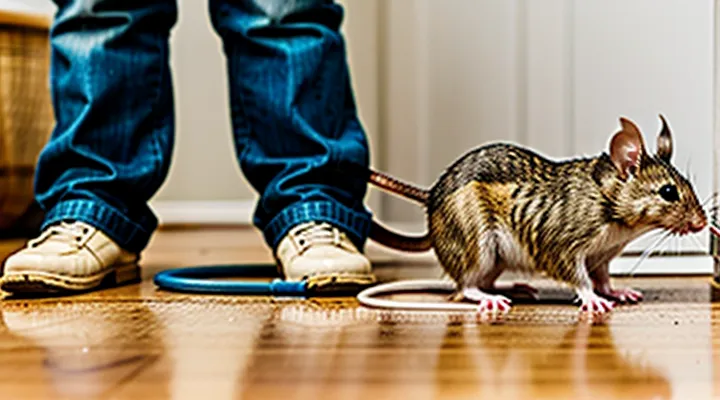
Understanding Glue Traps
What Are Glue Traps?
Glue traps are flat boards coated with a non‑drying adhesive designed to immobilize rodents upon contact. The adhesive layer is typically a polymer resin that remains tacky for weeks, allowing the trap to retain captured mice without the need for mechanical components.
The devices consist of three basic elements:
- A rigid backing, usually cardboard or plastic, providing structural support.
- A transparent or lightly tinted adhesive surface that is visible to the animal.
- A protective cover or peel‑off film that keeps the glue uncontaminated until placement.
When a mouse steps onto the board, its paws and fur become embedded in the resin, preventing movement. The trap does not kill instantly; instead, the animal remains alive but immobilized, which raises ethical and safety concerns that must be addressed in any usage protocol.
Key characteristics of glue traps include:
- Portability – lightweight and easy to position in tight spaces such as wall voids, behind appliances, or in crawl spaces.
- Passive operation – no bait required, reducing the risk of attracting non‑target species.
- Immediate indication – the presence of a mouse is evident as soon as the adhesive surface is disturbed.
Understanding the construction and function of these traps is essential before implementing them as part of a rodent‑control strategy. Proper handling, placement, and disposal procedures mitigate hazards to humans, pets, and wildlife while ensuring the device performs its intended purpose effectively.
How Glue Traps Work
Adhesive mouse traps consist of a thin, non‑porous backing coated with a high‑strength, pressure‑sensitive polymer. The polymer remains tacky at room temperature, hardening only when pressure is applied, which creates a bond that resists the rodent’s attempts to pull free.
The trap attracts mice through scent or visual bait placed on the surface. When a mouse steps onto the sticky area, the polymer’s viscosity increases under the animal’s weight, forming a rapid, irreversible bond to the fur and paws. The animal’s movement spreads the adhesive, enlarging the contact zone and preventing escape. The trap’s design eliminates the need for mechanical parts, relying solely on the chemical adhesion process.
Safe handling procedures
- Wear disposable gloves when positioning or retrieving traps.
- Place traps away from children, pets, and non‑target wildlife.
- Inspect the adhesive surface before use; replace any trap that shows cracks or loss of tack.
- After capture, seal the trap in a rigid container before disposal according to local regulations.
These steps ensure the adhesive mechanism functions effectively while minimizing risk to humans and non‑target species.
Pros and Cons of Using Glue Traps
Advantages
Adhesive mouse traps provide a rapid, humane solution for rodent control when applied correctly. Their design eliminates the need for poisons, reducing health risks for humans and pets.
- Immediate capture eliminates prolonged suffering.
- No chemical residues remain on surfaces after removal.
- Compact size allows placement in concealed areas, limiting exposure to non‑target animals.
- Low cost per unit facilitates extensive deployment in infested zones.
- Simple operation requires no specialized training; placement and disposal are straightforward.
- Reusability of the trap housing permits multiple uses after cleaning, lowering long‑term expenses.
Disadvantages
Adhesive mouse traps present several drawbacks that affect safety, efficacy, and ethical considerations.
- They cause prolonged suffering; rodents remain immobilized and die slowly from dehydration or injury.
- Non‑target species, such as insects, reptiles, or small mammals, are equally likely to become trapped, leading to unintended casualties.
- Traps are difficult to handle after capture; the strong adhesive makes removal hazardous for users and complicates disposal, often requiring sealed containers to prevent accidental contact.
- Their single‑use design limits effectiveness in large infestations; numerous traps must be deployed, increasing cost and labor.
- Children and pets may inadvertently touch or step on the sticky surface, risking skin injury or accidental entrapment.
- Regulatory agencies in some regions restrict or ban adhesive traps due to animal welfare concerns, potentially limiting availability.
These factors demand careful assessment before selecting adhesive traps as a control method.
Safe and Humane Application of Glue Traps
Preparation Before Placement
Identifying Mouse Activity
Detecting mouse presence is a prerequisite for effective placement of adhesive traps. Accurate identification prevents unnecessary exposure to non‑target species and reduces the number of traps needed.
Typical indicators include:
- Fresh droppings, 3–5 mm long, dark brown to black, found along walls, behind appliances, or near food sources.
- Gnaw marks on wood, plastic, or wiring, usually 2–3 mm wide with smooth edges.
- Silky trails of urine, visible under ultraviolet light, often leading to nesting sites.
- Small nests constructed from shredded paper, fabric, or insulation, commonly located in concealed corners, cabinets, or attic spaces.
- Scratching sounds at night, especially near stored grain or pantry items.
Visual inspection should start at entry points such as gaps around doors, windows, and utility penetrations. Follow the trail of evidence outward, noting the direction of movement indicated by the orientation of droppings and gnaw marks. Use a flashlight to examine low‑light areas and a flashlight with a UV filter to reveal urine tracks.
When activity is confirmed, position adhesive devices perpendicular to the wall, with the sticky surface facing the expected travel path. Secure the trap on a flat surface to maintain full contact with the floor or baseboard, ensuring that non‑target animals cannot reach it inadvertently. Continuous monitoring of identified activity zones allows timely removal of captured rodents and prevents prolonged exposure to the adhesive.
Choosing the Right Location
Place adhesive mouse traps where rodents are most active while keeping them out of reach of non‑target species. Position traps along established runways, typically within 2–3 feet of walls, because mice travel close to surfaces for protection. Select sites that show fresh droppings, gnaw marks, or nesting material; these indicators confirm traffic and increase capture probability.
- Near entry points such as gaps under doors, utility openings, and foundation cracks.
- Along the edges of cabinets, pantry shelves, and behind appliances where food residues accumulate.
- In concealed corners of basements, crawl spaces, or attic joists, provided the area is inaccessible to children and pets.
- On the interior side of exterior walls, especially where insulation meets the structure.
- Away from food preparation counters, sinks, and open containers to prevent accidental contact with humans.
Secure traps on smooth surfaces using the supplied backing or a thin piece of cardboard; avoid placement on uneven or highly textured materials that reduce adhesion. After setting, monitor traps daily and replace any that become saturated or lose effectiveness. Dispose of captured rodents according to local health regulations, sealing used traps in a plastic bag before discarding.
Maintain a clear perimeter around each trap by removing clutter, sealing food sources, and repairing structural gaps. Regular inspection of the chosen locations ensures that traps remain effective and that the risk of unintended exposure stays minimal.
Proper Placement Techniques
Minimizing Non-Target Captures
Adhesive mouse traps pose a significant risk of capturing unintended wildlife, including insects, small reptiles, and household pets. Reducing these incidents protects ecosystems, prevents unnecessary suffering, and maintains the trap’s effectiveness for rodent control.
- Place traps along walls, behind appliances, or inside concealed entry points where only mice are likely to travel.
- Use bait that specifically attracts mice, such as a small amount of peanut butter or grain, and avoid sweet or fruity attractants that draw insects.
- Install physical barriers—such as mesh screens or narrow channels—around the trap to restrict access to larger animals.
- Position traps at a height of 2–4 inches above the floor, matching the typical mouse travel zone and limiting reach for ground‑dwelling non‑targets.
- Monitor traps daily; remove any captured non‑target species promptly to prevent prolonged exposure to the adhesive.
Select traps with a reduced surface area, focusing the glue only on the contact zone rather than the entire board. This design limits accidental contact while preserving the trap’s ability to immobilize mice.
Maintain a clean environment by sealing cracks, gaps, and openings that could serve as alternative pathways for non‑target organisms. Regular inspection of exterior and interior perimeters reduces the likelihood that insects or small animals encounter the traps.
When possible, integrate alternative control methods—such as snap traps or live‑catch devices—in areas where non‑target risk is high. Combining strategies confines adhesive traps to zones where mouse activity is confirmed, further decreasing unintended captures.
Securing Traps
When deploying adhesive mouse traps, secure them to prevent unintended contact and maintain effectiveness. Begin by selecting a flat, stable surface where the trap will not shift. Use a sturdy base—such as a piece of cardboard or a rubber mat—to anchor the trap. Attach the base with tape or a small amount of non‑slip adhesive, ensuring the trap remains flat and immobile.
Handle traps with disposable gloves. Gloves protect skin from the strong adhesive and reduce the risk of spreading residue. After placement, position a protective cover—such as a clear plastic shield with ventilation holes—over the trap. The cover should be secured with zip ties or clamps, allowing observation while restricting access.
Implement safety measures in areas accessible to children or pets:
- Store unused traps in a sealed container away from reach.
- Label the storage container with a warning.
- Install the trap at least 12 inches above floor level when possible.
- Use a barrier, like a low fence, to delineate the trap zone.
Regularly inspect each trap. If a mouse is captured, remove the trap with gloves, place it in a disposable bag, and seal the bag before discarding. Replace the trap promptly to avoid gaps in pest control.
By anchoring traps, employing protective barriers, and enforcing strict handling protocols, the risk of accidental adhesion and exposure is minimized while maintaining control over rodent activity.
Regular Monitoring and Inspection
Checking Traps Frequently
Frequent inspection of adhesive mouse traps prevents prolonged exposure of captured rodents to the sticky surface and reduces the risk of accidental contact with humans or pets. When a trap is left unchecked, the mouse may decompose, releasing odor and attracting other pests, while the glue can become contaminated with debris that weakens its effectiveness.
Check each trap at intervals of one to two hours during active periods, then extend to every four to six hours overnight. Immediate inspection after a capture allows prompt removal, minimizing suffering and avoiding secondary infestations. If no catch is observed, remove the trap to prevent accidental adhesion of non‑target animals.
Inspection routine
- Approach the trap with gloves; avoid direct skin contact.
- Examine the surface for any trapped mouse, insect, or debris.
- If a mouse is present, slide a disposable card or stiff paper under the glue to lift the animal without tearing the adhesive.
- Place the captured mouse in a sealed container for humane disposal.
- Discard the used trap according to local waste regulations; replace it with a fresh one if continued control is required.
Maintaining a strict schedule of checks ensures the method remains safe, effective, and humane while protecting household occupants from unintended exposure.
What to Do If a Trap is Empty
When an adhesive mouse trap shows no capture, first confirm that the device is positioned where rodent activity has been observed. Check for fresh droppings, gnaw marks, or chewed wiring near the placement site. If evidence of presence is absent, relocate the trap to a more active area, such as along walls, behind appliances, or near known entry points.
Next, verify that the bait, if used, remains attractive. Replace stale or contaminated bait with fresh peanut butter, cheese, or commercial rodent lure. Ensure the trap surface is free of dust or debris that could reduce adhesion.
Inspect the trap for signs of non‑target interference. Small insects or dust may have dulled the glue, giving the impression of emptiness. If the adhesive layer appears compromised, discard the trap and install a new one.
Finally, document the inspection date, location, and observations. Record any adjustments made, then monitor the trap daily for the next 48‑72 hours. Consistent tracking helps identify patterns and confirms whether the repositioned trap begins to attract mice.
Humane Euthanasia and Disposal
Dealing With Live Captures
Methods for Humane Euthanasia
When a mouse becomes immobilized by an adhesive device, immediate humane euthanasia prevents prolonged suffering. Choose a method that ensures rapid loss of consciousness and death, complies with local regulations, and can be performed safely in a residential setting.
-
Carbon dioxide (CO₂) inhalation
-
Isoflurane vapor
-
Cervical dislocation
-
Decapitation
-
Chemical overdose (e.g., sodium pentobarbital)
- Administer the recommended dose intraperitoneally using a sterile syringe.
- Monitor for loss of consciousness within seconds.
- Confirm death as described above.
Select the method that matches available equipment, skill level, and legal requirements. After euthanasia, dispose of the mouse and adhesive material according to local wildlife and waste guidelines. This approach eliminates distress while maintaining safety for the handler.
When to Seek Professional Help
Adhesive mouse traps can be effective for isolated incidents, but certain conditions require the expertise of a licensed pest‑control operator.
- The infestation involves more than a handful of rodents, indicating a population that exceeds the capacity of DIY methods.
- Children, pets, or individuals with limited mobility are present in areas where traps are set, raising the risk of accidental contact.
- Traps have failed to capture rodents after repeated attempts, suggesting bait avoidance or trap placement issues.
- Evidence of structural damage, such as gnawed wiring or insulation, points to hidden activity that only a professional inspection can locate.
- Local regulations restrict the use of adhesive devices, making compliance dependent on certified personnel.
- The presence of disease‑transmitting rodents or allergic reactions to trap adhesives necessitates controlled removal and disposal.
Professional services provide comprehensive site assessment, identification of entry points, safe extraction of trapped animals, thorough sanitation, and a long‑term prevention strategy that integrates traps, sealing, and habitat modification.
When any of the listed scenarios apply, contact a certified pest‑management company promptly to mitigate health hazards, legal liability, and property loss.
Safe Disposal of Trapped Mice and Traps
Preventing Contamination
Adhesive mouse traps can introduce pathogens, food residues, or chemical traces into the environment if they are not handled correctly. Preventing contamination protects occupants, pets, and surfaces from unwanted exposure.
Key practices for contamination control:
- Store traps in sealed, moisture‑free containers until use.
- Position traps away from food preparation areas, open containers, and pet feeding stations.
- Wear disposable gloves when placing or retrieving traps to avoid direct skin contact with adhesive surfaces.
- Keep a disposable protective barrier (e.g., a paper plate) beneath each trap to catch any debris that may detach.
- Dispose of captured rodents and used traps in sealed, puncture‑resistant bags before discarding them in a designated waste bin.
After a trap has captured a mouse, follow these steps:
- Remove the trap while still wearing gloves.
- Place the trap inside a secondary sealed bag to contain any residual fluids.
- Clean the surrounding area with an appropriate disinfectant, focusing on surfaces that may have contacted the adhesive.
- Wash or replace any protective barrier used during placement.
- Wash hands thoroughly with soap and water, even if gloves were worn.
Adhering to these procedures eliminates the risk of spreading bacteria, allergens, or chemicals, ensuring that adhesive mouse control remains effective without compromising hygiene.
Environmental Considerations
Glue traps contain a petroleum‑based adhesive that remains toxic until it is saturated with organic material. When a mouse contacts the surface, the sticky compound adheres to fur and skin, causing immobilization. This same property poses a risk to other wildlife, such as insects, small reptiles, and birds that may inadvertently encounter the traps. Non‑target captures result in unnecessary suffering and can disrupt local ecosystems, especially in areas where biodiversity is already stressed.
Proper placement reduces accidental captures. Install traps inside sealed entry points, behind appliances, or within wall cavities where only rodent activity is observed. Avoid positioning them along open windows, doorways, or outdoor pathways that wildlife uses. Use physical barriers, such as metal grates, to limit access by larger non‑target animals while still allowing mice to reach the adhesive.
Disposal of used traps must comply with local hazardous waste regulations. The adhesive retains chemical residues even after the mouse is removed, making the trap unsuitable for ordinary trash. Place each used device in a sealed, puncture‑proof bag, label it as contaminated, and deliver it to a licensed waste‑management facility. Prompt removal prevents secondary contamination of surfaces and reduces the chance of secondary poisoning if a predator consumes a trapped mouse.
Environmental impact can be mitigated by selecting traps manufactured from recyclable or biodegradable materials. Some suppliers offer adhesive pads mounted on cardboard or paper bases that decompose more readily than traditional plastic. Verify product certifications that confirm low‑toxicity formulations and reduced ecological footprints before purchase.
When possible, integrate alternative control methods that lessen chemical reliance. Mechanical catch‑and‑release devices, exclusion techniques, and habitat modification (sealing entry points, removing food sources) lower mouse populations without introducing sticky substances into the environment. Combining these strategies with limited, targeted use of adhesive traps yields effective rodent management while preserving ecological integrity.
Alternatives to Glue Traps
Other Trapping Methods
Snap Traps
Snap traps provide a rapid, humane method for eliminating mice that can be employed alongside adhesive devices. The mechanism consists of a spring‑loaded bar that releases with minimal force when a mouse triggers a trigger plate, delivering an immediate kill. Construction typically includes a wooden base, a metal spring, and a bait cup, allowing easy placement and removal.
Effective use requires strict adherence to safety protocols. Contact with the spring mechanism should be avoided; gloves protect hands from accidental discharge. Traps must be positioned along walls, behind appliances, and near known activity zones, where rodents naturally travel. Ensure that no children, pets, or non‑target wildlife can access the devices. After capture, dispose of the dead mouse in a sealed bag and reset the trap with fresh bait.
Key safety steps:
- Wear disposable gloves during setup and removal.
- Place traps on flat surfaces to prevent tipping.
- Keep traps out of reach of non‑target organisms.
- Check traps daily; remove carcasses promptly.
- Store unused traps in a locked container.
Compared with adhesive solutions, snap traps eliminate the need for prolonged suffering and reduce the risk of accidental contact with sticky surfaces. However, they require careful handling to prevent self‑injury and must be monitored regularly to avoid unattended kills. Proper implementation ensures efficient mouse control while maintaining a safe environment for humans and pets.
Live Traps
Live traps provide a humane alternative to adhesive mouse devices, allowing capture without injury. When employing live traps alongside glue-based control methods, follow these safety guidelines.
- Select a trap sized for the target rodent; a 4‑inch entrance accommodates most house mice.
- Position traps along walls, behind appliances, and near known activity zones; mice prefer concealed pathways.
- Bait with high‑protein foods such as peanut butter, dried fruit, or small pieces of cheese; replace bait daily to maintain attractiveness.
- Check traps at least twice daily; prolonged confinement can cause stress, dehydration, or heat‑related harm.
- Release captured mice promptly, at least 100 feet from the residence, preferably in a wooded or field area where natural predators exist.
- Wear disposable gloves when handling traps to avoid contaminating bait and to protect against potential disease transmission.
- Disinfect trap surfaces after each use with a mild bleach solution (1 % sodium hypochlorite) to prevent disease spread.
Integrating live traps reduces reliance on adhesive products, which can cause irreversible injury to non‑target animals and pose disposal hazards. Proper placement, regular monitoring, and humane release ensure effective rodent management while maintaining safety for humans and pets.
Exclusion and Prevention
Sealing Entry Points
Effective use of adhesive mouse traps begins with eliminating the pathways that allow rodents to reach the bait. Identify all potential entry points by conducting a thorough visual inspection of the building’s interior and exterior. Pay particular attention to gaps around pipes, vents, doors, windows, and foundation cracks.
- Seal gaps larger than ¼ inch with silicone or acrylic caulk. Apply a continuous bead, smooth it with a fingertip, and allow it to cure according to the manufacturer’s instructions.
- For openings around utility lines, pack steel wool tightly before covering with expanding foam. The steel fibers prevent chewing while the foam creates a weather‑tight seal.
- Install door sweeps on the bottom edge of exterior doors. Adjust the sweep so it contacts the floor without dragging, ensuring a uniform barrier.
- Apply weather stripping to door and window frames. Choose a compression‑type material that compresses under pressure, forming a tight seal when the opening is closed.
- Repair holes in walls, floors, or ceilings with appropriate patching compounds. For larger structural gaps, use metal flashing or lumber to close the opening before applying sealant.
After sealing, verify the integrity of each repair by running a thin piece of paper through the sealed area; any resistance indicates a successful seal. Only after the building envelope is secured should adhesive traps be placed, reducing the likelihood that mice will encounter the traps elsewhere and increasing the overall safety and efficacy of the control program.
Food Storage and Sanitation
Proper food storage and sanitation are critical components of a safe rodent‑control program that relies on adhesive traps. Food left exposed or stored in unsealed containers provides a strong attractant for mice, increasing the likelihood that they will encounter glue boards and potentially cause accidental contact with non‑target species, including pets and children. Maintaining a clean environment reduces the number of bait sources, limits mouse activity, and enhances the effectiveness of the traps.
Store all dry goods in airtight containers made of metal or heavy‑wall plastic. Label containers with dates and rotate stock to prevent spoilage. Refrigerate or freeze perishable items promptly, and discard any food that shows signs of contamination. Clean countertops, floors, and shelves regularly with a detergent solution, followed by a rinse with water. Remove crumbs and spills immediately; a damp mop or vacuum with a HEPA filter eliminates residual particles that can attract rodents.
Implement these sanitation practices before deploying adhesive traps:
- Inspect pantry and kitchen areas for open food packages; reseal or relocate them.
- Sweep and mop floors daily, focusing on corners and under appliances.
- Empty trash cans each night, using bins with tight‑fitting lids.
- Clean pet feeding stations after each meal and store pet food in sealed containers.
By eliminating food sources and maintaining rigorous cleanliness, the environment becomes less appealing to mice, reducing the number of traps needed and minimizing the risk of unintended captures. This approach supports the safe and humane use of glue boards while protecting household occupants from exposure to adhesive residues.