
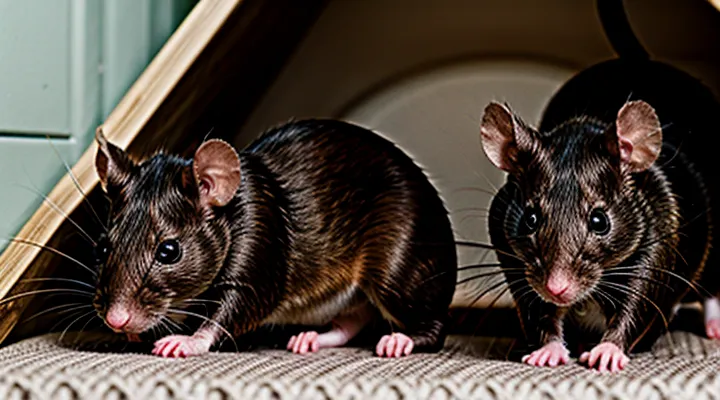
Understanding Rat Gestation
The Duration of Pregnancy
Typical Gestation Length
Domestic rats normally carry their young for about three weeks. The gestation period most frequently falls between 21 and 23 days, with 22 days representing the mean duration for standard laboratory strains.
Variability in this interval arises from several biological and environmental factors:
- Genetic strain: Certain breeds, such as the Sprague‑Dawley, tend toward the lower end of the range, while others may extend slightly longer.
- Parity: First‑time mothers often experience marginally longer pregnancies compared with experienced females.
- Ambient temperature: Cooler conditions can prolong gestation by one to two days; warmer environments usually shorten it.
- Nutritional status: Adequate protein and caloric intake supports the typical 22‑day timeline, whereas deficiencies may delay parturition.
Accurate knowledge of the expected gestation length assists in colony management, timing of experimental interventions, and prediction of litter arrival dates. Monitoring the listed variables helps maintain the standard reproductive schedule and reduces unexpected deviations.
Factors Influencing Gestation
The duration of pregnancy in domestic rats varies according to a range of biological and environmental variables. Understanding these variables is essential for accurate experimental planning and animal welfare management.
- Genetic background: Different strains exhibit distinct gestational lengths, with some laboratory lines completing pregnancy in 21 days while others extend to 23 days.
- Maternal age: Younger females (post‑pubertal) tend to have slightly shorter gestations compared to older breeders, whose reproductive cycles may be delayed.
- Nutrition: Adequate protein and caloric intake accelerate fetal development; deficits prolong the gestational period.
- Ambient temperature: Temperatures below the thermoneutral zone slow embryonic growth, extending the overall pregnancy.
- Stress exposure: Chronic handling stress or predator cues elevate cortisol, which can delay parturition.
- Photoperiod: Light cycles influencing melatonin secretion affect hormonal regulation of implantation and can shift gestational timing.
- Parity: First‑time mothers often experience longer pregnancies than multiparous females, whose uterine environment is primed for efficient development.
- Litter size: Larger litters impose greater metabolic demand, sometimes resulting in a modest increase in gestation length.
- Hormonal status: Imbalances in progesterone or prolactin directly modify the timing of uterine quiescence and labor onset.
- Health conditions: Infections or systemic illnesses disrupt normal endocrine signaling, leading to irregular gestational durations.
Age of the Dam
Domestic rats (Rattus norvegicus) exhibit a relatively stable gestation length, generally ranging from 21 to 23 days. The age of the dam influences this interval in predictable ways.
- Pre‑pubertal females (≈4–5 weeks): Estrous cycles are irregular; gestation often extends to 23 days, and implantation failure rates increase.
- Sexually mature adults (≈8 weeks to 12 months): Gestation consistently falls within the 21‑22 day window; litter size and pup viability are optimal.
- Aged females (≥14 months): Gestation may shorten to 20 days or lengthen to 23 days, reflecting hormonal fluctuations; neonatal mortality rises.
Statistical analyses of laboratory colonies show that the mean gestation for adult dams is 21.5 days (standard deviation ± 0.3 days). Deviations beyond this range correlate with either incomplete sexual maturation or senescence‑related endocrine decline. Consequently, experimental designs that require precise timing of parturition should select dams aged 8–12 weeks to minimize variability.
Litter Size
Domestic rats (Rattus norvegicus) typically produce litters ranging from three to twelve offspring, with an average of eight. The size of each litter correlates with the species’ short gestation, which lasts approximately 21–23 days. Several factors influence litter size:
- Maternal age: Younger females (first estrus) often have smaller litters; older, experienced breeders tend to produce larger groups.
- Nutrition: Adequate protein and caloric intake during pregnancy increase embryo survival and result in higher pup counts.
- Genetics: Strain differences are pronounced; laboratory strains such as Sprague‑Dawley average eight to ten pups, whereas wild‑caught rats may yield fewer.
- Environmental stress: Temperature extremes, high population density, and disease reduce litter size through increased embryonic loss.
Litter size directly affects population growth rates because the brief gestation allows multiple breeding cycles per year. Consequently, a single pair of well‑conditioned domestic rats can generate several hundred descendants within a year under optimal conditions.
Environmental Stress
Environmental stressors exert measurable influence on the length and quality of pregnancy in domestic rats. Temperature extremes, noise, crowding, and exposure to pollutants can alter hormonal balance, reducing the typical gestation span of approximately 21–23 days. Laboratory observations show that rats subjected to chronic cold (4–8 °C) experience a 1–2‑day shortening of gestation, while prolonged heat exposure (30–35 °C) extends the period by a similar margin.
Key stressors and their documented effects include:
- Thermal stress: modifies prolactin and progesterone secretion, shifting implantation timing.
- Acoustic stress: elevates corticosterone, leading to delayed parturition and increased fetal resorption.
- Social density: high cage occupancy raises stress hormone levels, shortening gestation and decreasing litter size.
- Chemical contaminants: heavy metals and endocrine‑disrupting compounds disrupt maternal metabolism, producing variable gestation durations and higher neonatal mortality.
Understanding these relationships is essential for experimental design and animal welfare. Researchers must control ambient conditions, minimize noise, and maintain appropriate stocking densities to achieve reliable reproductive data. Adjustments to housing protocols reduce variability in gestation length, improving the reproducibility of studies that depend on precise developmental timelines.
Stages of Rat Pregnancy
Early Gestation: Conception to Implantation
In domestic rats, the interval from fertilization to uterine attachment occupies roughly the first six days after mating. Sperm entry occurs within minutes of copulation; the oocyte completes meiosis I in the oviduct and is fertilized, forming a zygote that initiates rapid mitotic divisions. By the third day, the embryo has reached the morula stage and proceeds to blastocyst formation, characterized by an inner cell mass and a surrounding trophoblast layer.
The blastocyst migrates through the oviduct into the uterine horn, arriving around day 4. Implantation begins when trophoblast cells adhere to the uterine epithelium, followed by invasion of maternal tissue. Complete attachment and the establishment of a functional placenta are typically evident by day 6, after which embryonic development proceeds under maternal support.
Key events during this phase:
- Fertilization in the ampulla of the oviduct (within 1 hour post‑coitus)
- Cleavage to 2‑cell, 4‑cell, and morula stages (days 1‑3)
- Blastocyst formation (day 4)
- Uterine entry and initial attachment (days 4‑5)
- Full implantation and early placental development (day 6)
Mid-Gestation: Fetal Development
Mid‑gestation in the domestic rat, spanning roughly days 10 to 15 of the 21‑day pregnancy, marks rapid organogenesis and morphological differentiation. By day 10, the embryo exhibits a distinct neural tube, the precursor of the central nervous system, and the first visible somites that will give rise to vertebrae and skeletal muscle. Cardiac development proceeds swiftly; the primitive heart tube loops and begins regular contractions, establishing a functional circulatory system.
Between days 12 and 14, limb buds emerge, extending proximally to distally and differentiating into forelimb and hindlimb structures. Digit formation initiates, and the external genitalia become recognizable. Concurrently, the respiratory system forms primary bronchial branches, and the liver expands to assume metabolic functions. The brain undergoes cortical plate formation, and thalamic nuclei start to delineate, laying the foundation for sensory processing.
By day 15, most major organ systems are identifiable, though maturation continues. The gastrointestinal tract elongates, the kidneys develop distinct cortex and medulla regions, and the eyes acquire lens vesicles. Growth velocity peaks, with fetal weight increasing from approximately 0.1 g at day 10 to about 1.5 g at day 15, reflecting the cumulative effect of cellular proliferation and tissue organization.
- Day 10: neural tube closure, somite formation, heart tube looping
- Day 12: limb bud emergence, digit primordia, primary bronchial branching
- Day 14: cortical plate development, genitalia differentiation, liver expansion
- Day 15: organ system identification, rapid weight gain, maturation of sensory structures
These milestones define the mid‑gestational window, during which the rat fetus transitions from basic structural outlines to a recognizable mammalian form capable of continued growth and functional refinement.
Late Gestation: Preparation for Birth
Signs of Approaching Labor
Domestic rats experience a relatively short pregnancy, typically lasting 21‑23 days. As parturition approaches, observable changes signal that delivery is imminent.
- The abdomen becomes noticeably swollen and may feel firmer as fetal development reaches its peak.
- The female’s behavior shifts: she isolates herself, builds a nest, and exhibits increased grooming of the nesting area.
- Vaginal discharge changes from clear or pink to a thicker, milky or slightly bloody fluid, indicating cervical dilation.
- Respiratory rate accelerates, and the rat may display shallow, rapid breaths.
- Muscle contractions become visible in the abdominal wall, often accompanied by a “puffing” of the fur as the animal prepares for labor.
These indicators appear within 24‑48 hours before the birth of the litter. Monitoring them allows caretakers to provide a quiet, temperature‑controlled environment and intervene only if complications arise.
Care During Gestation
Nutritional Needs of Pregnant Rats
Diet Recommendations
The gestation of a domestic rat lasts roughly 21–23 days, a period during which nutrient demands rise sharply. Adequate nutrition supports fetal development, litter size, and maternal health.
Key dietary adjustments for pregnant females include:
- Protein: Increase to 20–25 % of total calories; use high‑quality sources such as soy, casein, or egg whites.
- Energy: Raise caloric density by 10–15 % with modest additions of healthy fats (e.g., sunflower or canola oil) and complex carbohydrates (e.g., whole‑grain pellets).
- Calcium and phosphorus: Maintain a 1.2:1 Ca:P ratio; supplement with calcium carbonate or bone meal to prevent skeletal deficiencies.
- Vitamin A and D: Provide levels of 2,500–3,000 IU/kg and 1,000–1,200 IU/kg respectively to aid organ formation and calcium metabolism.
- Folate and B‑complex: Include 2–3 mg/kg of folic acid and adequate B‑vitamins to reduce neural tube defects.
- Water: Ensure constant access to clean, fresh water; pregnant rats may increase intake by up to 30 %.
Monitor body condition weekly; adjust portions if the female gains excessive weight (> 30 % of initial body mass) or appears undernourished. Replace standard maintenance feed with a formulated gestation diet at day 10 of pregnancy and continue until parturition. After birth, revert to a lactation formula that supplies higher fat and calcium levels to support milk production.
Supplementation Considerations
Supplementation during the rat pregnancy must align with the rapid developmental demands of the embryos and the short gestational window of approximately three weeks.
Macronutrient balance influences litter size and pup viability. Energy density should be increased by 10–15 % compared with standard adult chow, achieved through added corn oil or soybean oil. Protein content should not exceed 20 % of the diet to avoid excess nitrogen load that can impair fetal growth.
Key micronutrients require precise adjustment:
- Calcium : 1.2 % of diet (dry matter) supports skeletal mineralization; excess may cause maternal hypercalcemia.
- Phosphorus : 0.8 % of diet maintains calcium‑phosphorus ratio near 1.5:1, preventing bone demineralization.
- Vitamin A : 3000 IU kg⁻¹ sustains ocular development; doses above 10 000 IU kg⁻¹ increase teratogenic risk.
- Folate : 2 mg kg⁻¹ reduces neural tube defects; supplementation should begin two days before mating and continue through day 15 of gestation.
- Vitamin E : 100 IU kg⁻¹ protects against oxidative stress; higher levels do not confer additional benefit.
Trace elements must be monitored:
- Zinc : 50 mg kg⁻¹ enhances immune competence of neonates.
- Iron : 80 mg kg⁻¹ prevents maternal anemia; iron overload can impair placental function.
Supplement timing matters. Initiate dietary modifications at confirmed mating (presence of vaginal plug) and maintain until parturition. Abrupt changes after day 10 of gestation can destabilize maternal metabolism and affect pup weight.
Safety considerations include:
- Avoid simultaneous high doses of vitamin A and retinoids, which increase embryotoxicity.
- Limit supplemental fatty acids to ≤5 % of total calories to prevent gestational lipid peroxidation.
- Conduct weekly body‑weight checks; a loss exceeding 5 % signals inadequate nutrition or metabolic distress.
Record-keeping of batch composition, intake measurements, and litter outcomes enables refinement of supplementation protocols for future breeding cycles.
Housing and Environment
Nesting Material
Nesting material directly influences the outcome of the reproductive cycle in pet rats. During the final days of pregnancy, females gather and arrange the substrate to create a secure environment for birthing and early pup development. Appropriate material provides insulation, reduces stress, and supports the neonates’ thermoregulation.
Effective options include:
- Shredded paper products (e.g., tissue, unprinted newspaper) – soft, absorbent, easily manipulated.
- Commercial wood pulp bedding – low dust, moderate retention of heat.
- Coconut fiber (coir) – natural, breathable, promotes humidity control.
- Fleece blankets – reusable, warm, requires regular cleaning.
Materials should be free of scented additives, aromatic oils, or strong chemicals, which can deter nesting behavior or irritate the respiratory tract. Replace or refresh the substrate weekly to maintain hygiene and prevent pathogen buildup.
Pregnant females typically begin assembling a nest 2–3 days before parturition. Providing a sufficient quantity (approximately 50–100 g) allows the rat to construct a multi‑layered structure. Insufficient material often results in incomplete nests, leading to higher pup mortality due to hypothermia.
Monitoring nest construction offers a reliable indicator of imminent delivery. Once a nest is observed, minimize disturbances, ensure ambient temperature remains between 22–25 °C, and supply fresh water. These measures, combined with appropriate bedding, optimize reproductive success and pup survival.
Temperature and Humidity
Temperature strongly influences the length of pregnancy in laboratory and pet rats. At standard housing conditions (21 °C, 50 % relative humidity) gestation averages 21–23 days. Raising ambient temperature by 3–4 °C shortens the period to 19–20 days, while lowering it to 18 °C extends it to 24–25 days. These shifts result from altered metabolic rates; higher temperatures increase fetal growth velocity, whereas cooler environments slow embryonic development.
Humidity affects gestation indirectly through maternal thermoregulation and uterine environment. Relative humidity maintained between 45 % and 55 % supports optimal water balance and prevents excessive evaporative cooling. When humidity falls below 30 %, rats increase respiratory water loss, leading to mild dehydration that can delay implantation and prolong gestation by 1–2 days. Conversely, humidity above 70 % raises the risk of respiratory distress and may cause premature parturition, reducing gestation by up to 2 days.
Key environmental parameters for consistent reproductive timing:
- Temperature: 20–22 °C (optimal); deviations ±3 °C produce measurable changes.
- Relative humidity: 45–55 % (optimal); <30 % or >70 % introduces variability.
- Monitoring frequency: at least twice daily to detect fluctuations that could affect outcomes.
Maintaining these conditions minimizes experimental variability and ensures predictable litter timing in domestic rat colonies.
Monitoring Maternal Health
Monitoring the health of pregnant females is essential for reliable data on the reproductive cycle of laboratory rats. Continuous assessment begins at conception and continues through the expected 21‑ to 23‑day gestational interval. Key indicators include body weight, food and water intake, temperature, and behavioral changes. Deviations from established baselines often signal complications such as dystocia, infection, or metabolic distress.
- Body weight: Record daily; a steady increase of 0.5–1 g per day is typical. Sudden loss or plateau warrants veterinary evaluation.
- Nutritional consumption: Measure food and water each 24 h; reductions exceeding 15 % of average intake suggest stress or illness.
- Core temperature: Monitor with implanted telemetry probes or infrared scanners; a rise of >1 °C may precede parturition or indicate fever.
- Activity patterns: Track nesting behavior and locomotion using video or motion sensors; diminished activity often precedes delivery complications.
- Physiological sampling: Collect blood at gestational days 7, 14, and 21 to assess glucose, hematocrit, and hormone levels (progesterone, estradiol). Abnormal values guide interventions.
Environmental parameters must remain stable: temperature 20–22 °C, humidity 45–55 %, 12‑hour light/dark cycle. Any fluctuation can affect maternal physiology and, consequently, embryonic development. Regular health checks, combined with precise record‑keeping, provide the foundation for reproducible studies on rat reproductive timing and offspring outcomes.
Neonatal Care and Post-Gestation
Birth Process: Parturition
Domestic rats (Rattus norvegicus) typically complete gestation in 21–23 days. Parturition begins when uterine contractions intensify, triggering cervical dilation and the expulsion of pups. The process unfolds in three sequential phases.
The first phase, known as dilation, lasts 15–30 minutes. Hormonal shifts, particularly a surge in oxytocin, promote smooth‑muscle activity. Visible signs include restlessness, nesting behavior, and a rise in body temperature of 0.5–1 °C.
The second phase involves the delivery of each pup. Individual births occur at 2–5‑minute intervals, with the average litter comprising 6–12 offspring. The mother typically turns each neonate, bites the umbilical cord, and cleans the pup before moving to the next. This stage generally occupies 30–60 minutes.
The final phase, placental expulsion, follows the last pup and lasts 5–10 minutes. The dam may ingest the placentas, providing essential nutrients and stimulating maternal bonding.
Key characteristics of rat parturition:
- Gestation length: 21–23 days
- Dilation phase duration: 15–30 minutes
- Interval between pups: 2–5 minutes
- Total delivery time: 30–60 minutes
- Placental expulsion: 5–10 minutes
Understanding these temporal parameters aids in laboratory planning, breeding management, and welfare assessment.
Care of Newborn Pups
Newborn rat pups require a stable thermal environment. Maintain an incubator or nest box at 30–32 °C for the first week, then gradually reduce temperature by 2 °C each subsequent week until ambient room temperature (22–24 °C) is reached. Use a heat source with a thermostat to prevent overheating.
Nutritional care depends on the dam’s milk production. Ensure the mother has continuous access to high‑protein rodent chow and fresh water. Observe pups for adequate suckling; failure to gain weight may indicate insufficient milk or maternal neglect. If the dam rejects the litter, hand‑feed using a sterile, warmed formula designed for rodent neonates, delivering 0.1–0.2 ml per pup every 2–3 hours.
Hygiene is critical for preventing infection. Keep the nesting material dry and replace it weekly. Clean the enclosure with a mild disinfectant, rinse thoroughly, and allow it to dry before re‑introducing the litter. Avoid the use of strong chemicals that could irritate the pups’ skin or respiratory tract.
Handling should be minimal during the first five days. When necessary, use gloved hands, support the whole body, and limit exposure to ambient temperature fluctuations. After day five, brief handling can be introduced to habituate pups to human contact, facilitating later research procedures.
Health monitoring includes daily weight checks, visual inspection for signs of dermatitis, respiratory distress, or abnormal posture, and observation of the dam’s behavior. Record weight gain of at least 2–3 g per day during the first two weeks; stagnation warrants veterinary assessment.
Weaning commences at 21 days of age. Gradually introduce solid food by placing a small amount of moistened chow in the cage. Reduce reliance on maternal milk over a 3‑day period, then separate pups into individual cages to monitor growth and prevent aggression.
Postpartum Recovery of the Dam
The dam’s postpartum phase begins immediately after parturition and involves rapid physiological adjustments to support lactation and restore reproductive tissues. Uterine involution proceeds within 48–72 hours, reducing uterine mass by approximately 40 % through myometrial contraction and epithelial cell apoptosis. Concurrently, prolactin levels rise sharply, stimulating mammary gland development and milk synthesis; serum prolactin peaks at day 1 and remains elevated for the first two weeks of nursing.
Nutritional demands increase markedly. Protein intake should be raised by 20–30 % relative to pre‑pregnancy levels, and dietary calcium must be sufficient to sustain milk production and bone remodeling. Hydration is critical, as milk output can reach 5–7 ml per dam per day during peak lactation.
Behavioral changes are observable. The mother exhibits heightened nest defense, reduced locomotor activity, and frequent grooming of pups. Stressors such as cage disturbances can suppress milk let‑down and delay uterine recovery. Monitoring includes daily assessment of pup weight gain, dam body condition, and inspection of mammary glands for signs of mastitis.
Key recovery milestones:
- Uterine involution: 48–72 h post‑birth, complete by day 7.
- Peak lactation: Days 3–7, milk production maximal.
- Weaning onset: Approximately day 21, gradual reduction in nursing frequency.
- Resumption of estrus: Typically 12–14 days after parturition, contingent on successful lactation.
Effective postpartum management—adequate nutrition, minimal stress, and regular health checks—optimizes dam welfare and ensures robust pup development.