
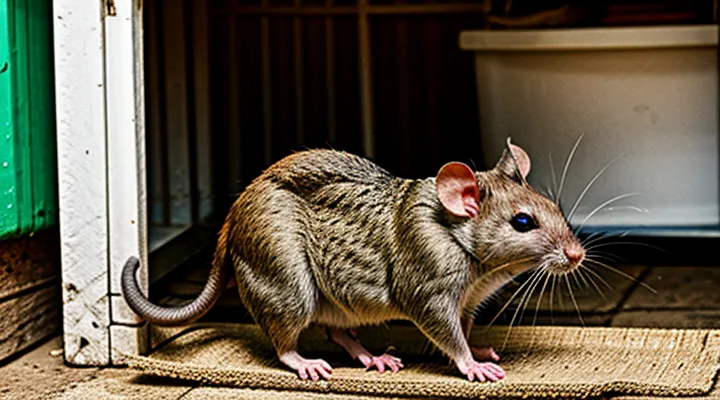
Understanding the Gambian Pouched Rat
What is a Gambian Pouched Rat?
Physical Characteristics
The Gambian pouched rat is a medium‑sized rodent with a head‑body length of 30–45 cm and a tail that adds another 20–30 cm. Adult weight ranges from 1.2 to 2.5 kg, making it considerably larger than most common pet rats. The coat is short, dense, and typically brown to reddish‑brown, occasionally exhibiting a darker dorsal stripe; the ventral surface appears lighter, often pale gray or cream. A distinctive cheek pouch expands laterally, allowing the animal to transport food or nesting material; when empty, the pouch lies flat against the sides of the head.
Key physical traits include:
- Robust skull with strong incisor teeth that continuously grow, requiring regular gnawing to prevent overgrowth.
- Large, rounded ears that remain uncovered, providing acute hearing.
- Strong forelimbs equipped with dexterous paws and sharp claws for climbing and digging.
- Well‑developed hind limbs capable of powerful jumps, supporting both arboreal and terrestrial activity.
- Lifespan of 5–8 years under proper care, with males generally larger and possessing more pronounced scent glands.
Understanding these characteristics assists prospective owners in selecting appropriate enclosures, substrate, and enrichment items that accommodate the rat’s size, strength, and natural behaviors.
Natural Habitat and Behavior
The Gambian pouched rat (Cricetomys gambianus) originates from sub‑Saharan Africa, where it occupies a range of open woodlands, savanna grasslands, and riparian zones. Populations thrive in areas with loose, well‑drained soil that permits extensive burrowing. Natural shelters include abandoned rodent burrows, termite mounds, and dense underbrush that offers protection from predators and extreme temperatures. Seasonal rainfall influences activity patterns, with individuals seeking higher ground during floods and retreating to deeper burrows during dry periods.
In the wild, these rodents display a predominantly nocturnal lifestyle. Their large cheek pouches enable the transport of sizable food loads, allowing efficient foraging over large territories. Diet consists mainly of seeds, fruits, insects, and occasional small vertebrates; the species demonstrates opportunistic feeding behavior and can adapt to locally available resources. Social organization centers on small colonies, typically comprising a dominant breeding pair and subordinate offspring, which cooperate in nest construction and predator vigilance.
Key behavioral traits relevant to captive care include:
- Strong scent‑marking using anal glands; enclosure cleaning must address odor control.
- Vocal repertoire of chirps, squeaks, and low growls used for intra‑group communication.
- High curiosity and problem‑solving ability; enrichment devices such as tunnels and foraging puzzles reduce stress.
- Territorial aggression toward unfamiliar conspecifics; gradual introductions are essential when expanding a group.
Understanding these natural conditions and innate behaviors informs proper enclosure design, diet formulation, and social management for prospective owners. Replicating a substrate that permits digging, providing nocturnal lighting cycles, and offering diverse foraging opportunities align captive environments with the species’ ecological requirements.
Legality and Ethical Considerations
Legal Status in Different Regions
The Gambian pouched rat is subject to varying legal frameworks worldwide. In the United States, federal law permits ownership, but several states—California, New York, and Texas—require special permits or outright ban private possession. The U.S. Department of Agriculture classifies the species as a non‑regulated domestic animal, yet the Animal Welfare Act imposes standards for commercial breeding facilities.
European Union member states follow the Convention on International Trade in Endangered Species (CITES) Appendix II listing, demanding export certificates and import permits. Germany and the United Kingdom allow private ownership with a licensed breeder’s certificate; France and Italy restrict the animal to research institutions only.
In West Africa, the rat’s native range includes The Gambia, Senegal, and Guinea‑Bissau, where traditional use for food and pest control is legal under national wildlife statutes. Neighboring countries such as Nigeria and Ghana classify the species as a protected wildlife resource, requiring a government‑issued permit for any commercial trade.
Asian jurisdictions differ markedly. Japan permits import for scientific purposes with a CITES permit, while South Korea bans private ownership. China allows limited breeding for laboratory use under strict licensing; other nations, including India and Malaysia, prohibit the species entirely.
Australia enforces a national prohibition on importation, categorizing the rat as a high‑risk invasive species. The Department of Agriculture, Water and the Environment requires a quarantine clearance that is never granted for this animal.
Regional legal status summary
- North America: Federally allowed; state‑specific permits or bans.
- Europe: CITES Appendix II; private ownership permitted with breeder’s license in most countries; research‑only in some.
- West Africa: Legal for traditional use; commercial trade regulated by permits in certain states.
- Asia: Mixed—scientific import with permits (Japan, China); outright bans (South Korea, India, Malaysia).
- Australia: Complete prohibition on import and ownership.
Ethical Sourcing and Ownership
Ethical acquisition of Gambian pouched rats begins with verification of legal status. Prospective owners must confirm that the animal is listed as a non‑protected species in the country of origin and that export permits comply with CITES regulations. Reputable breeders and licensed exotic‑pet dealers provide documentation of permit numbers, health certificates, and traceability records.
Responsibility for the animal extends beyond purchase. Owners should ensure that the rat’s habitat meets species‑specific requirements: spacious enclosure, appropriate substrate, and enrichment items that stimulate natural foraging behavior. Regular veterinary check‑ups with a clinician experienced in exotic mammals safeguard health and detect stress‑related conditions early.
Sourcing practices that respect wild populations involve only captive‑bred individuals. Captive breeding reduces pressure on natural habitats and supports genetic diversity under controlled conditions. Buyers can request breeding lineage information to verify that the rat is not sourced from the wild.
Key considerations for ethical ownership:
- Confirm CITES and national permits are valid.
- Obtain health and breeding documentation from the seller.
- Provide enclosure space of at least 1 m² per rat, with climbing structures.
- Schedule quarterly veterinary examinations.
- Commit to lifelong care, including diet, enrichment, and social interaction.
Sourcing Your Gambian Pouched Rat
Reputable Breeders
Identifying a Good Breeder
When selecting a breeder for Gambian pouched rats, focus on verifiable standards rather than promises. A reputable source will provide documentation that proves compliance with local animal‑trade regulations and demonstrates that the operation is inspected by veterinary authorities. Health records for each litter, including vaccinations and parasite treatments, must accompany the animal. Breeding facilities should exhibit clean, well‑ventilated cages, consistent temperature control, and enrichment items that prevent stress and promote natural behavior.
Key indicators of a reliable breeder include:
- Licensing and registration – valid permits from wildlife or agricultural agencies, visible on the breeder’s website or premises.
- Veterinary oversight – regular health checks by a qualified veterinarian, with written reports available to prospective buyers.
- Track record – at least three years of operation, supported by customer testimonials and references that can be independently verified.
- Transparency – clear photographs of the breeding environment, detailed lineage charts, and open communication channels for inquiries.
- Guarantee policies – written health guarantees, return or replacement clauses, and a clear protocol for dealing with illness after purchase.
Before committing, request a virtual or in‑person tour of the breeding area. Observe cage cleanliness, the condition of bedding, and the behavior of the rats; active, alert animals indicate proper care. Verify that the breeder isolates new litters from existing stock to prevent disease transmission. Finally, confirm that the seller offers guidance on diet, housing, and socialization, ensuring a smooth transition from breeder to home environment.
Questions to Ask a Breeder
When considering a purchase, a prospective owner must verify the breeder’s practices, the animal’s health history, and the support provided after sale. Direct, specific inquiries reduce the risk of unexpected problems and ensure the rat’s welfare.
- What health screenings have been performed on the parents and offspring? Request documentation of tests for common ailments such as respiratory infections, parasites, and genetic conditions.
- Can you provide a detailed pedigree, including any known hereditary issues within the line? A clear lineage helps assess temperament and potential health concerns.
- How are the rats housed and fed on a daily basis? Ask for descriptions of cage size, enrichment items, diet composition, and any supplementation routine.
- What quarantine procedures are in place for new litters? Confirm the duration, isolation methods, and monitoring protocols before the animals are released to buyers.
- Do you offer a health guarantee or return policy? Clarify the duration of coverage, what conditions are covered, and the steps required for a claim.
- Are you available for post‑sale advice on nutrition, habitat setup, and behavior management? Ongoing support indicates a responsible breeder.
- What is the source of the breeding stock? Verify that the parents are sourced from reputable suppliers or established colonies rather than wild capture.
- How many litters do you produce per year, and what is the average size of each litter? This information reflects breeding frequency and the potential for over‑crowding.
- What records do you keep regarding each animal’s medical treatments, vaccinations, and de‑worming schedule? Access to these records simplifies future veterinary care.
- Do you provide a written contract outlining the buyer’s responsibilities and the breeder’s obligations? A formal agreement protects both parties.
These questions form a comprehensive checklist that evaluates the breeder’s competence, the animal’s health background, and the level of support you can expect. Asking them before committing to a purchase establishes a clear understanding of responsibilities and helps secure a healthy, well‑socialized Gambian pouched rat.
Rescue Organizations and Shelters
Advantages of Adoption
Adopting a Gambian pouched rat offers distinct benefits over purchasing from a commercial source.
- Lower acquisition cost; shelters often provide animals at a fraction of market price.
- Reduced risk of genetic defects; rescued rats typically undergo health screenings before placement.
- Support for conservation; adoption diminishes demand for wild‑caught specimens and discourages illegal trade.
- Immediate integration into an established environment; rescued individuals are accustomed to human interaction, easing the transition to a new home.
- Contribution to community welfare; fees frequently fund shelter operations, veterinary care, and educational programs.
These advantages align with responsible pet ownership, promote animal welfare, and foster sustainable practices within the niche market for this species.
Adoption Process
Adopting a Gambian pouched rat requires a clear sequence of steps to ensure legal compliance and animal welfare.
First, verify that the species is permitted in your jurisdiction. Contact the national wildlife authority or local animal control office to obtain the relevant permits.
Second, locate a reputable breeder or licensed exotic‑pet dealer. Request documentation proving the breeder’s registration, health screening records, and compliance with CITES regulations.
Third, complete the adoption application. The form typically asks for:
- Personal identification and contact details.
- Description of the intended housing environment (cage size, ventilation, temperature control).
- Experience with small mammals or exotic pets.
Fourth, arrange a pre‑adoption health inspection. A certified veterinarian must certify that the rat is free of parasites, respiratory infections, and has up‑to‑date vaccinations if applicable.
Fifth, sign the adoption contract. The agreement outlines responsibilities such as quarantine period, feeding regimen, and prohibition of resale without prior approval.
Sixth, finalize payment and transport. Use a secure carrier that meets airline or courier specifications, and include a copy of the permit and health certificate.
After arrival, observe a mandatory quarantine of at least 30 days. During this period, monitor behavior, weight, and stool for signs of illness. Once cleared, integrate the rat into its permanent enclosure, providing nesting material, chew toys, and a balanced diet of commercial rodent pellets supplemented with fruits, vegetables, and occasional protein sources.
Maintaining accurate records of health checks, dietary changes, and any veterinary visits supports ongoing compliance and promotes the rat’s long‑term wellbeing.
What to Avoid
Pet Stores
Pet stores represent a primary channel for acquiring Gambian pouched rats, offering immediate access and the possibility of direct observation before purchase. Prospective owners should verify that the retailer complies with local wildlife regulations and maintains proper licensing, as illegal trade can jeopardize both legal standing and animal welfare.
Key factors when evaluating a store:
- Valid permits for exotic small mammals
- Clean, well‑ventilated display enclosures
- Visible health records, including recent veterinary checks
- Staff knowledge of species‑specific dietary and environmental needs
- Transparent return or quarantine policies
Upon selection, the animal should be inspected for clear eyes, clean fur, and active behavior. The enclosure must provide a secure lid, nesting material, and a substrate suitable for burrowing. A health certificate or quarantine documentation should accompany the purchase, confirming the rat is free from parasites and disease.
Immediate post‑purchase care includes:
- Transitioning the rat to a quiet, temperature‑controlled room (20‑24 °C)
- Offering a diet of high‑protein pellets, fresh fruits, and vegetables, avoiding sugary treats
- Providing fresh water in a sipper bottle, changed daily
- Monitoring for signs of stress or illness for the first 48 hours, with veterinary consultation if abnormalities arise
Adhering to these guidelines ensures that Gambian pouched rats obtained from pet stores receive proper initial handling and are positioned for long‑term health and well‑being.
Online Marketplaces
Online platforms provide the most accessible route for acquiring a Gambian pouched rat. Reputable sites host verified breeders, offer detailed animal profiles, and support regulated shipping.
When evaluating a marketplace, prioritize the following criteria: seller verification, compliance with local wildlife regulations, clear health documentation, and transparent return policies.
- eBay – features listings from licensed breeders; filter results by seller rating and request quarantine certificates.
- ExoticPetShop.com – specializes in small mammals; includes veterinary health checks and guarantees live arrival.
- BackyardBreeders.net – community‑driven forum where experienced keepers post breeding announcements; requires direct communication and proof of permit.
- Petfinder International – aggregates listings from global breeders; supports escrow services to protect payment.
Secure transactions demand verified contact information, photographic evidence of the animal’s condition, and written agreements covering shipment timing and liability. Ensure that the chosen carrier complies with the destination country’s import rules, and that the seller provides a health guarantee covering at least a 30‑day period after delivery.
Adhering to these practices minimizes risk, guarantees legal acquisition, and promotes the long‑term welfare of the pet.
Preparing for Your New Pet
Housing Requirements
Enclosure Size and Type
A Gambian pouched rat requires an enclosure that provides sufficient floor space for foraging, climbing, and exercise. Minimum dimensions for a single adult are 48 inches long, 24 inches wide, and 30 inches high; larger spaces reduce stress and promote natural behaviors. When housing a pair or a small group, increase the length by at least 12 inches per additional animal while maintaining the width and height.
The enclosure should be constructed from sturdy, non‑toxic materials. Preferred options include:
- Solid‑core polycarbonate cages with metal framing, offering durability and easy cleaning.
- Wire mesh cages with a minimum bar spacing of ½ inch to prevent escape, combined with a solid floor panel to protect the rat’s paws.
- Custom acrylic terrariums with ventilation slots, suitable for display but requiring regular airflow checks.
Ventilation is essential; a minimum of six air changes per hour prevents ammonia buildup. Incorporate a secure latch system to avoid accidental openings. Provide multiple climbing structures—such as natural branches, rope ladders, or PVC tubes—anchored firmly to the cage walls. Include a deep substrate layer (minimum 4 inches) of paper‑based bedding or aspen shavings for burrowing.
Regular inspection of the enclosure’s integrity, including mesh integrity, latch functionality, and floor condition, ensures a safe environment. Replacing worn components promptly maintains the habitat’s suitability over the rat’s lifespan.
Substrate and Bedding
A suitable substrate provides a clean, dry surface for the rat’s burrowing instinct while preventing bacterial growth. Choose a material that absorbs moisture, is easy to replace, and does not contain dust or strong odors that could irritate the animal’s respiratory system.
- Paper‑based bedding (e.g., shredded paper, kiln‑dried pine shavings) offers high absorbency and low dust; replace weekly or when soiled.
- Aspen wood shavings are safe, low‑scent, and provide a natural feel; monitor humidity to avoid excess dampness.
- Coconut fiber (coir) retains moisture without becoming soggy; ideal for creating a deeper digging zone, but layer with a dry absorbent base to control humidity.
- Recycled cellulose pellets compress into a solid floor; break up before use to create a loose texture, and change monthly.
Maintain substrate health by spot‑cleaning daily: remove feces, uneaten food, and wet spots. Perform a full substrate change at least once a month, or more often in humid climates. Sterilize the enclosure with a mild, non‑toxic disinfectant before adding fresh bedding to prevent pathogen buildup.
Temperature and humidity affect substrate performance. Keep ambient temperature between 70–78 °F (21–26 °C) and relative humidity at 40–60 %. Under these conditions, most bedding types remain dry enough to inhibit mold while still providing a comfortable environment for the rat’s natural behaviors.
When selecting a substrate, prioritize low‑dust, non‑aromatic options that can be refreshed regularly. This approach supports respiratory health, encourages natural digging, and simplifies hygiene for long‑term care.
Enrichment and Toys
Enrichment is vital for the mental and physical health of a Gambian pouched rat. Provide opportunities that stimulate natural foraging, climbing, and problem‑solving behaviors.
- Puzzle feeders: Devices that release small food portions when the animal manipulates a lever or slides a compartment encourage exploration and reward-based learning.
- Branch networks: Unglazed ceramic or natural wooden branches with varying diameters allow climbing, gripping, and perching. Secure them firmly to prevent collapse.
- Chewable items: Untreated hardwood blocks, sisal ropes, and mineral‑rich chew sticks satisfy the species’ gnawing instinct while promoting dental wear.
- Interactive toys: Small plastic tunnels, hollow balls with openings, and rotating wheels (designed for rodents of comparable size) provide locomotor activity and novelty.
Rotate toys every two to three weeks to maintain interest. Observe the rat’s interaction; discard damaged items promptly to avoid ingestion of splinters or loose parts. Combine enrichment with a varied diet of fresh fruits, vegetables, and protein sources to reinforce positive foraging responses. Regularly inspect the enclosure for wear, ensuring that all accessories remain secure and safe.
Diet and Nutrition
Essential Food Items
Prospective owners of Gambian Pouched Rats must provide a diet that meets the species’ high metabolic demands and natural foraging behavior. A balanced menu consists of commercial rodent pellets, fresh plant matter, protein supplements, and constant access to clean water.
- Rodent pellets – fortified, low‑fat, high‑protein formulations designed for omnivorous rodents; select brands that list grain, soy, and vitamin–mineral blends as primary ingredients.
- Vegetables – dark leafy greens (kale, spinach), carrots, broccoli, and cucumber; offer 1–2 cups daily, chopped into bite‑size pieces.
- Fruits – apples, pears, berries, and melon; limit to 10 % of total intake to avoid excess sugar.
- Protein sources – cooked egg whites, boiled chicken breast, mealworms, or crickets; provide 1–2 tablespoons per day, rotating varieties to prevent monotony.
- Water – fresh, filtered water in a spill‑proof bottle; replace daily.
Pellets form the nutritional backbone; they supply essential amino acids, fatty acids, and micronutrients. Vegetables contribute fiber, vitamins A and C, and antioxidants. Fruits add natural sugars and additional vitamins, while protein items supply muscle‑building nutrients and support dental health. All components should be introduced gradually to monitor tolerance and prevent digestive upset.
Store dry pellets in airtight containers away from heat and moisture. Keep fresh produce refrigerated, washed, and trimmed to remove pesticides. Feed small, frequent meals—three to four times daily—to mimic natural foraging patterns. Remove uneaten fresh food after two hours to inhibit bacterial growth.
A disciplined feeding regimen, coupled with high‑quality ingredients, sustains optimal growth, activity, and longevity in Gambian Pouched Rats.
Supplements and Treats
Supplements for Gambian pouched rats must address their high metabolic rate and propensity for calcium deficiency. A balanced regimen includes calcium carbonate (300‑500 mg per kilogram of body weight daily), vitamin D3 (200‑400 IU per kilogram), a broad‑spectrum multivitamin formulated for exotic rodents, and a protein supplement such as soy or whey isolate (10‑15 % of total diet). Dosages should be calculated from the animal’s weight and adjusted after veterinary assessment. Over‑supplementation can cause renal stress; monitor urine clarity and behavior for early signs of imbalance.
Treats provide enrichment and supplemental nutrients when offered responsibly. Suitable options are:
- Fresh fruits: apple slices (no seeds), banana chunks, papaya, each limited to 10 % of daily intake.
- Vegetables: carrot sticks, cucumber, bell pepper, raw or lightly steamed.
- Insect protein: dried mealworms, crickets, or black‑soldier fly larvae, limited to 5 % of diet.
- Commercial rodent treats: low‑sugar, high‑fiber formulations specifically labeled for exotic species.
All treats must be washed, pesticide‑free, and introduced gradually to avoid digestive upset.
Purchasing supplements and treats should rely on vendors with proven records in exotic pet nutrition. Recommended sources include specialized reptile and small‑mammal suppliers, accredited online retailers, and reputable local pet stores that provide batch numbers and ingredient lists. Verify that calcium products are free from heavy metals and that vitamin D sources are cholecalciferol, not ergocalciferol. Avoid generic “pet” supplements lacking species‑specific labeling.
Store supplements in airtight containers away from direct sunlight and humidity; expiration dates must be respected. Treats with high moisture content should be refrigerated and discarded after 48 hours. Rotate treat varieties to maintain interest and prevent nutritional monotony. Record daily intake and observe weight trends; adjust supplement levels promptly if weight gain or loss exceeds 5 % of target body mass. Regular veterinary check‑ups confirm that the supplementation plan supports optimal health.
Feeding Schedule
A well‑structured feeding routine promotes health and longevity in captive Gambian pouched rats. Offer fresh food twice daily, preferably in the early morning and late afternoon, to align with their crepuscular activity pattern.
-
Morning feed (07:00–09:00):
• 30 % of daily protein source (e.g., cooked chicken, boiled egg, high‑quality rodent pellets)
• 40 % of daily fruit and vegetable portion (e.g., apple, carrot, leafy greens)
• Access to clean water and a small amount of chewable enrichment (e.g., untreated wood, mineral block) -
Afternoon feed (16:00–18:00):
• Remaining 30 % of protein source
• Remaining 60 % of fruit and vegetable portion, ensuring variety to prevent nutrient gaps
• Refill water and inspect enrichment items for wear
Supplement the main meals with occasional treats such as mealworms or unsalted nuts, not exceeding 5 % of total caloric intake per week. Adjust quantities seasonally: increase fresh produce in warmer months when metabolic demand rises, and reduce to maintain body condition during cooler periods. Monitor body weight weekly; a stable weight indicates the schedule meets nutritional requirements.
Health and Veterinary Care
Finding an Exotic Vet
When acquiring a Gambian pouched rat, securing veterinary care from a professional trained in exotic mammals is essential for health monitoring, disease prevention, and emergency treatment.
Begin by consulting professional directories that list veterinarians with small‑animal or exotic certifications. The American Veterinary Medical Association (AVMA) and the Association of Exotic Mammal Veterinarians (AEMV) maintain searchable databases. Enter the species name or “exotic rodent” to filter results. Verify each clinic’s credentials by confirming board certification in exotic animal practice or documented experience with similar rodents.
Contact the shortlisted clinics directly. Ask the following questions:
- Does the veterinarian have hands‑on experience with Gambian pouched rats or comparable large rodents?
- What diagnostic equipment is available for small‑mammal examinations (e.g., digital radiography, ultrasound)?
- Are routine health checks, parasite screenings, and vaccination protocols offered?
- What are the clinic’s emergency hours and policies for urgent care?
- Does the practice provide guidance on nutrition, enclosure design, and behavioral enrichment?
Evaluate the responses for specificity and confidence. Clinics that can reference case studies, provide detailed treatment plans, or demonstrate familiarity with the species’ unique physiology are preferable.
If local options are limited, consider telemedicine services that connect owners with exotic‑vet specialists. Ensure the provider is licensed in your state and can prescribe medications or arrange laboratory testing remotely.
Maintain a record of all veterinary interactions, including dates, procedures, and medication dosages. Regular check‑ups every six months, supplemented by additional visits after any health change, help sustain the animal’s welfare and prevent complications.
Common Health Issues
Gambian pouched rats are prone to several recurring ailments that can compromise welfare if left untreated. Recognizing symptoms early and implementing preventive measures are essential for successful husbandry.
Respiratory infections frequently arise from exposure to drafts, dust, or poor ventilation. Indicators include sneezing, nasal discharge, and labored breathing. Treatment involves antibiotics prescribed by a qualified veterinarian and improving enclosure airflow.
Dental overgrowth occurs because these rodents gnaw continuously. Excessive incisors cause difficulty eating and facial injuries. Regular provision of chewable objects and periodic trimming by a professional prevent complications.
Gastrointestinal disturbances manifest as diarrhea, weight loss, or reduced appetite. Causes range from dietary imbalances to parasitic infestations. A balanced diet rich in fiber, coupled with routine fecal examinations, reduces risk; antiparasitic medication may be required under veterinary guidance.
Skin lesions and fungal infections develop in humid or unclean environments. Redness, hair loss, or crusty patches signal a problem. Maintaining dry bedding, cleaning enclosures weekly, and applying topical antifungal agents resolve most cases.
Stress‑related conditions, such as adrenal hyperplasia, emerge when rats experience chronic fear or overcrowding. Signs include lethargy, abnormal grooming, and hormonal imbalances detectable through blood tests. Providing ample space, enrichment, and consistent handling mitigates stress.
Vaccination is not standard for this species, but routine health checks every six months enable early detection of the issues listed above. Prompt veterinary intervention, coupled with diligent husbandry practices, ensures long‑term vitality.
Preventative Care
Preventative care for Gambian pouched rats begins with a strict quarantine period for any newly acquired animal. Isolate the rat for at least two weeks, monitor for signs of respiratory distress, diarrhea, or unusual lethargy, and conduct a veterinary examination before introducing it to an existing colony.
Maintain a clean enclosure to minimize disease risk. Replace bedding weekly, disinfect food and water dishes with a mild bleach solution (1 % concentration) and rinse thoroughly. Provide a temperature range of 22–26 °C and relative humidity of 50–60 % to discourage pathogen proliferation.
Implement a regular health regimen that includes:
- Quarterly veterinary check‑ups focused on dental health, skin integrity, and internal parasites.
- Monthly fecal examinations to detect early infestations of pinworms or coccidia.
- Bi‑annual vaccinations where available, following veterinary recommendations for rodent‑specific immunizations.
- Routine grooming to remove excess fur and reduce mite habitats.
Nutrition contributes to disease prevention. Offer a balanced diet of high‑quality rodent pellets, fresh vegetables (e.g., carrots, kale, bell peppers), and occasional protein sources such as boiled egg or mealworms. Avoid sugary treats that can disrupt gut flora and predispose to gastrointestinal issues.
Finally, provide environmental enrichment that encourages natural foraging and exercise. Rotate toys, tunnels, and climbing structures weekly to reduce stress, which can compromise immune function. Consistent preventive measures reduce veterinary costs, extend lifespan, and promote overall well‑being of these exotic pets.
Daily Care and Management
Socialization and Handling
Taming and Bonding Techniques
Taming a Gambian pouched rat requires consistent, gentle handling. Begin with brief, calm sessions where the animal is allowed to explore a clean hand, then gradually increase contact time. Use a soft voice and avoid sudden movements to reduce stress.
Bonding strengthens through positive reinforcement. Offer small, preferred food items—such as fruit pieces or commercial rodent treats—immediately after the rat approaches or accepts a touch. Pair each reward with a distinct verbal cue, for example “good,” to create an association between the cue and the pleasant outcome.
Key techniques include:
- Daily handling of 5–10 minutes, divided into multiple short intervals.
- Introduction of a safe, enclosed pocket or cloth for the rat to nest in, encouraging trust.
- Use of a clicker or consistent sound to mark successful interactions, followed by a treat.
- Gradual exposure to new objects or environments while maintaining calm supervision.
Monitor the rat’s body language; relaxed ears, slow breathing, and gentle grooming indicate comfort. Adjust session length and frequency based on these signals to maintain progress without overwhelming the animal. Consistency and patience result in a cooperative, affectionate companion.
Safe Handling Practices
Safe handling of the Gambian pouched rat requires strict adherence to protocols that minimize stress for the animal and protect the keeper from potential health hazards.
Before any contact, wear disposable gloves, a lab coat or dedicated clothing, and, when necessary, a face shield. Ensure the handling area is well‑ventilated, free of clutter, and equipped with a stable, non‑slippery surface.
When picking up the rat, support the torso with one hand while the other hand secures the hindquarters. Avoid sudden movements; the animal should be moved slowly and deliberately to prevent panic or injury. Use a transport cage with a secure lid and padding to reduce impact during relocation.
Maintain rigorous hygiene:
- Wash hands with soap and water after glove removal.
- Disinfect cages, tools, and surfaces with a 10 % bleach solution or an approved veterinary disinfectant.
- Store bedding and food in sealed containers to prevent contamination.
Monitor the rat for signs of illness, such as respiratory distress, nasal discharge, or abnormal behavior. If symptoms appear, isolate the animal immediately, contact a qualified exotic‑animal veterinarian, and follow quarantine guidelines.
Keep a first‑aid kit and a detailed incident log readily available. Record any bites, scratches, or exposure incidents, and report them to relevant health authorities in accordance with local regulations.
Hygiene and Cleaning
Routine Enclosure Cleaning
Routine cleaning of a Gambian pouched rat enclosure is vital for health, odor control, and longevity of equipment. Perform the following steps on a weekly schedule, with a deeper clean monthly.
- Remove the animal and place it in a secure temporary carrier.
- Empty bedding, discard soiled material, and inspect the cage for damage.
- Wash all solid surfaces (walls, floor, perches) with a solution of 1 part white vinegar to 4 parts water; rinse thoroughly to eliminate residue.
- Scrub any plastic components using a soft brush and mild dish soap; avoid abrasive pads that may scratch.
- Rinse all items with warm water, then dry with a clean towel or allow air‑drying for at least 30 minutes.
- Re‑line the cage with fresh, absorbent bedding such as aspen shavings or paper pulp.
- Return the rat, provide fresh water and a small portion of fresh food, and monitor behavior for signs of stress.
Monthly deep cleaning adds these tasks:
- Disassemble removable accessories (hides, wheels, feeding dishes) and soak them in the vinegar solution for 15 minutes.
- Sanitize water bottles and food dishes with a dilute bleach solution (1 tsp bleach per 1 liter water), rinse well.
- Vacuum the exterior of the cage to remove dust and debris.
- Inspect ventilation openings and clear any blockages.
Consistent adherence to this routine minimizes parasite risk, prevents ammonia buildup, and supports a stable environment for newly acquired or long‑term pouched rats.
Grooming Needs
Grooming is essential for the health and comfort of the Gambian pouched rat. Regular care prevents skin infections, reduces odor, and promotes a tidy enclosure.
- Coat maintenance – Brush the soft fur weekly with a soft‑bristle brush to remove loose hairs and distribute natural oils. Avoid overly vigorous strokes that could damage the delicate undercoat.
- Bathing – Offer a shallow, lukewarm water bath no more than once a month. Use a mild, animal‑safe shampoo, rinse thoroughly, and dry with a low‑heat hair dryer or a warm towel. Excessive bathing can strip protective oils.
- Nail trimming – Check nails every two weeks. Trim only the tip that extends beyond the claw sheath to prevent overgrowth, which can cause pain and impair movement. Use a small animal nail clipper and apply a styptic powder if bleeding occurs.
- Dental care – Provide chewable items such as untreated wood blocks, mineral sticks, or safe vegetable fibers. These help wear down continuously growing incisors and reduce the risk of malocclusion.
- Ear and eye cleaning – Inspect ears for wax buildup; clean gently with a cotton swab moistened with a saline solution if needed. Wipe around the eyes with a damp soft cloth to remove discharge.
Schedule grooming tasks in a consistent routine. Record dates of each activity to monitor any changes in coat condition, nail length, or dental wear. Prompt attention to abnormalities allows early veterinary intervention, preserving the animal’s well‑being.
Training and Enrichment
Basic Training
Basic training establishes reliable behavior patterns that make daily interaction with a Gambian Pouched Rat safe and predictable. Start with a quiet, enclosed area where the animal can focus without distractions. Introduce a single cue, such as a hand signal or a short spoken word, and immediately reward the rat with a favorite treat when it responds. Repeating this sequence for 5‑10 minutes twice daily builds a clear association between cue and action.
Progress to simple commands that support husbandry tasks:
- Come when called: Call the rat by name, wait a moment, then offer a treat at hand level. Gradually increase distance.
- Target touch: Place a small stick or fingertip on the floor; reward the rat for contacting it with its nose. Use the target to guide movement into carriers or cages.
- Gentle handling: Hold the rat briefly while providing a treat, then release. Extend handling time by a few seconds each session.
Consistency is critical; use the same cue and reward each time. Avoid varying tone, volume, or hand position, as inconsistency confuses the animal and slows learning. Sessions should end before the rat shows signs of fatigue—loss of interest, excessive grooming, or agitation.
After the rat reliably follows basic cues, integrate training into routine care. Use the “come” command before cleaning the enclosure, the “target” cue to direct the rat into a transport box, and gentle handling before health checks. This structured approach reduces stress for both animal and keeper, ensuring the rat remains manageable throughout its lifespan.
Mental Stimulation Activities
Mental stimulation prevents boredom and reduces stress in captive Gambian pouched rats. Engaging the animal’s natural curiosity through problem‑solving tasks promotes healthy neural development and encourages desirable behaviors.
Provide a variety of puzzle devices that require manipulation to access a food reward. Simple cardboard tubes with hidden treats, sliding compartments, and wooden blocks with removable caps are effective. Rotate each item weekly to maintain novelty.
Incorporate foraging opportunities by scattering small portions of fresh vegetables, fruit, or insect protein across the enclosure. Use natural substrates such as shredded paper, coconut fiber, or bark chips, allowing the rat to dig and locate food.
Introduce scent challenges by placing scented objects—herb bundles, citrus peels, or essential‑oil‑infused cotton balls—outside the main cage. Encourage the animal to follow the odor trail to a hidden reward.
Train basic commands using clicker conditioning. Target training (touching a designated object with the nose), shape climbing sequences, and teach retrieval of lightweight balls. Short, frequent sessions (5–10 minutes) reinforce learning without causing fatigue.
Provide climbing structures, tunnels, and hanging ropes. Adjustable platforms create vertical space, prompting the rat to navigate three‑dimensional environments.
Schedule daily interactive play periods outside the enclosure. Use safe, chew‑resistant toys such as silicone rings, wooden chew sticks, and sturdy plastic balls. Supervise to prevent ingestion of broken pieces.
Maintain a log of activities, noting the rat’s response and any preferences. Adjust the program based on observed engagement levels, ensuring continuous mental enrichment.
Potential Challenges
Destructive Behavior
Gambian pouched rats are capable of significant damage to household items if their natural chewing instincts are not properly managed.
Common targets include electrical cords, wooden furniture, fabric upholstery, and stored food containers. Damage often appears as gnawed sections, exposed wiring, or shredded materials.
Preventive actions:
- Provide continuous access to safe chew toys made of untreated wood, mineral blocks, or hardened plastic.
- Install protective sleeves or conduit around all exposed wires and cords.
- Use pet‑safe deterrent sprays on furniture legs and other vulnerable surfaces.
- Keep food supplies in sealed, metal containers to eliminate easy access.
If destructive behavior occurs, immediate response should involve:
- Removing the offending object from the rat’s environment.
- Redirecting the animal to an appropriate chew item within minutes of the incident.
- Reinforcing the redirection with a brief, consistent verbal cue and a small treat.
Regular environmental enrichment reduces boredom, a primary driver of chewing. Rotate toys weekly, introduce puzzle feeders, and schedule daily supervised out‑of‑cage exploration to maintain mental stimulation. Monitoring behavior and adjusting enrichment accordingly curtails the likelihood of property damage while supporting the rat’s well‑being.
Aggression and Biting
Aggression in Gambian pouched rats often manifests as sudden lunges, vocalizations, or attempts to bite. Triggers include perceived competition for food, territory disputes, or insufficient socialization. Frequent handling from a young age reduces fear responses and lowers the likelihood of defensive aggression.
Effective strategies to manage biting behavior:
- Provide a spacious enclosure with multiple hiding places and climbing structures to minimize territorial stress.
- Establish a consistent feeding schedule; distribute food across the habitat to prevent competition.
- Conduct brief, daily handling sessions, gradually increasing duration to build trust.
- Observe body language—raised hair, flattened ears, or rapid tail movement—then withdraw interaction before escalation.
Regular health assessments are essential. Dental overgrowth or pain can provoke aggression; routine checks by a qualified exotic‑animal veterinarian help identify such issues early. Maintaining clean bedding, adequate humidity, and a balanced diet supports overall well‑being, reducing the propensity for biting incidents.
Long-Term Commitment
Lifespan and Aging
Senior Rat Care
Senior Gambian pouched rats over the age of three years require a distinct management plan that addresses reduced metabolism, joint stiffness, and heightened susceptibility to disease. Regular veterinary examinations every six months allow early detection of dental wear, kidney decline, and respiratory issues common in older specimens.
Nutrition for senior rats should shift toward higher protein quality, lower fat content, and increased fiber to support digestive health. Include the following items in daily meals:
- Cooked lean poultry or boiled eggs (small portions)
- Fresh leafy greens such as kale, romaine, and dandelion
- Limited amounts of whole‑grain cereals or oats
- Calcium‑rich vegetables like broccoli or carrot tops
- Clean, fresh water refreshed at least twice daily
Hydration is critical; seniors often drink less, so provide shallow dishes to prevent spillage and consider adding a few drops of electrolyte solution under veterinary guidance.
Housing must accommodate reduced mobility. Use a cage with a solid bottom, low entry points, and non‑slippery flooring. Add soft bedding such as shredded paper or fleece blankets to cushion joints. Maintain ambient temperature between 22‑26 °C (72‑79 °F) and keep humidity around 50 % to prevent respiratory irritation.
Enrichment should focus on gentle mental stimulation. Rotate simple puzzles—tunnels, chew blocks, and scent trails—every few days to prevent boredom without demanding extensive climbing. Monitor social dynamics; older rats may prefer quieter companionship or solitary periods, so observe interactions and adjust groupings accordingly.
End‑of‑life care involves pain management, comfortable resting areas, and clear communication with a veterinarian about humane options. Documentation of health trends, diet changes, and behavioral observations creates a reliable record for decision‑making during the final stages.
End-of-Life Decisions
When a Gambian Pouched Rat reaches the end of its life, owners must act with clarity and responsibility. Recognize that the animal’s decline may be gradual or sudden; monitor for loss of appetite, severe weight loss, persistent lethargy, or respiratory distress. These indicators signal the need for immediate veterinary assessment.
If a veterinarian confirms that suffering cannot be alleviated, humane euthanasia becomes the ethical choice. The procedure should be performed by a licensed professional using approved anesthetic protocols to ensure a painless transition.
After death, disposal options include:
- Veterinary clinic cremation services, which comply with local regulations.
- Municipal animal burial sites, provided permits are obtained.
- Private burial on the property, subject to zoning laws and distance requirements from water sources.
Owners who wish to preserve the animal’s memory may consider taxidermy or creating a memorial plaque, but must verify that such practices adhere to wildlife trade restrictions governing this species.
Financial Considerations
Initial Setup Costs
Purchasing a Gambian pouched rat typically requires a one‑time payment to a licensed breeder or reputable exotic‑pet dealer. Prices range from $150 to $300 for a healthy adult, with younger specimens often costing slightly less. Some sellers include a basic health certificate in the price; others charge an additional $20‑$40 for documentation.
The enclosure represents the largest initial expense. A secure, escape‑proof cage measuring at least 4 feet × 2 feet × 2 feet (120 × 60 × 60 cm) is recommended. Quality cages cost between $200 and $350. If a pre‑fabricated unit is unavailable, a custom-built wire enclosure with a solid base may be assembled for $150‑$250, provided the materials meet safety standards (no galvanized wire, no sharp edges).
Bedding and substrate are essential for hygiene and comfort. A pack of absorbent wood‑shredded bedding suitable for small mammals costs $15‑$25 and typically lasts four weeks. Additional substrate for nesting, such as shredded paper or plant fibers, adds $5‑$10 per month.
Feeding equipment includes a stainless‑steel water bottle and a heavy‑duty food dish. Combined cost is approximately $20‑$30. A starter supply of commercial rodent pellets (5 lb) runs $10‑$15, while supplemental fresh produce (fruits, vegetables) may require $10‑$20 per week, depending on local prices.
Health‑care preparation involves a basic first‑aid kit (antiseptic solution, wound dressing, vitamin supplement) and an initial veterinary examination. Expect to spend $50‑$80 for the exam and $20‑$40 for routine vaccinations or parasite prevention.
Summarized cost breakdown (average values):
- Rat purchase: $225
- Cage: $275
- Bedding (first month): $20
- Feeding accessories: $25
- Initial food stock: $12
- Veterinary exam: $65
Total initial outlay: approximately $612.
Additional recurring expenses (food, bedding, veterinary check‑ups) should be budgeted separately. Accurate budgeting ensures a stable environment and reduces the risk of health complications.
Ongoing Expenses
Ongoing expenses for keeping a Gambian pouched rat are predictable and essential for the animal’s health and welfare. Budget planning should address daily, monthly, and annual costs.
- Nutrition: High‑quality rodent pellets (≈ $15–$25 per month) plus occasional fresh fruits and vegetables (≈ $10–$15 per month). Supplements are unnecessary if the diet is balanced.
- Bedding: Absorbent paper or wood shavings (≈ $8–$12 per month). Replace weekly to maintain hygiene.
- Veterinary care: Routine check‑ups twice a year (≈ $60–$100 per visit). Budget for emergency treatment (≈ $150–$300) and annual parasite prevention (≈ $30).
- Enrichment items: Chewing blocks, tunnels, and toys (≈ $5–$10 per month). Rotate items to prevent wear.
- Cage maintenance: Replacement of worn components, cleaning supplies, and occasional upgrades (≈ $20–$40 annually).
- Utilities: Electricity for lighting and heating (if required) (≈ $5–$10 per month).
Total recurring cost ranges from $70 to $115 per month, plus occasional larger veterinary expenses. Accurate tracking of these items ensures sustainable ownership and avoids unexpected financial strain.