
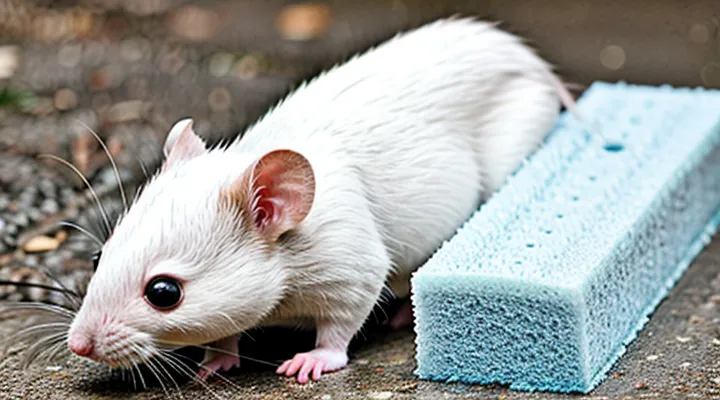
Understanding Rodent Control Challenges
Traditional Rodent Control Methods and Their Limitations
Traditional rodent control relies on mechanical and chemical tactics. Snap traps, live‑capture cages, glue boards, and bait stations containing anticoagulant or neurotoxic compounds constitute the core of conventional practice. Physical exclusion—sealing entry points and maintaining clean surroundings—supplements these measures.
- Snap traps deliver immediate mortality but require frequent inspection and proper placement.
- Live‑capture devices allow relocation but pose stress to captured animals and demand safe release procedures.
- Glue boards immobilize rodents, yet cause prolonged suffering and may entangle non‑target species.
- Poison baits provide area coverage but present risks of secondary poisoning, resistance development, and regulatory restrictions.
- Exclusion methods reduce ingress but depend on thorough building audits and ongoing maintenance.
Each approach exhibits inherent drawbacks. Mechanical devices generate labor‑intensive monitoring cycles and can be bypassed by wary populations. Chemical baits encounter diminished efficacy as rodents develop physiological resistance, and they threaten pets, wildlife, and human occupants through accidental ingestion. Non‑target capture raises ethical and legal concerns, while exclusion demands structural modifications that may be impractical in older facilities. Environmental persistence of rodenticides contributes to soil and water contamination, prompting stricter compliance requirements.
These limitations underscore the need for alternatives that address coverage, safety, and resistance issues. Foam‑based applications, designed to infiltrate concealed spaces and deliver active ingredients uniformly, present a potential solution that mitigates many shortcomings of traditional tactics.
The Need for Innovative Solutions
The prevalence of rodents in residential, commercial, and agricultural settings creates ongoing health and structural risks. Conventional control methods—snap traps, glue boards, and rodenticide baits—suffer from declining effectiveness due to bait aversion, resistance development, and non‑target exposure. These shortcomings generate a clear demand for new approaches that overcome resistance, minimize environmental impact, and improve operational efficiency.
Foam‑based delivery systems introduce a distinct set of advantages. The expanding matrix can fill cracks, voids, and concealed pathways, ensuring contact with hidden infestations. The formulation can incorporate active ingredients at concentrations that remain lethal to rodents while reducing the quantity needed for each application. Rapid deployment and coverage lower labor time and limit the need for repeated visits.
Effective innovation must satisfy several criteria:
- Safety: low toxicity to humans, pets, and wildlife; compliance with regulatory standards.
- Efficacy: proven mortality rates across common species, including resistant populations.
- Persistence: adequate residual activity to prevent re‑infestation without excessive environmental buildup.
- Cost‑effectiveness: reasonable material and application expenses relative to traditional methods.
- Scalability: adaptability for use in diverse environments, from single‑room treatments to large‑scale facility management.
Meeting these requirements positions foam technology as a viable alternative that addresses the limitations of existing rodent control practices and fulfills the industry's need for forward‑looking solutions.
Foam as a Rodent Control Method
What is Rodent Control Foam?
Composition and Active Ingredients
Rodent‑control foams are formulated as a pressurised matrix that expands on contact, delivering a concentrated dose of toxicants directly to the target animal. The base consists of a water‑soluble polymer (often polyvinyl alcohol or hydroxyethyl cellulose) that provides viscosity and stability during storage. Propellants such as compressed nitrogen or carbon dioxide create the expansion effect, while surfactants and emulsifiers ensure uniform distribution of the active compounds throughout the foam.
The toxic component of the product determines its efficacy and regulatory classification. Common active ingredients include:
- Second‑generation anticoagulants (e.g., brodifacoum, bromadiolone, difenacoum) that inhibit vitamin K recycling, causing fatal internal bleeding after a single feeding.
- Zinc phosphide that reacts with stomach acid to release phosphine gas, a potent respiratory toxin.
- Bromethalin a neurotoxic agent that disrupts mitochondrial function, leading to paralysis and death.
- Cholecalciferol (vitamin D₃) that induces hypercalcaemia, resulting in cardiac and renal failure.
Formulations typically contain the active ingredient at concentrations ranging from 0.1 % to 0.5 % by weight, adjusted to the target species’ feeding behavior and the desired speed of action. Stabilizers such as antioxidants prevent degradation of sensitive compounds, while preservatives (e.g., benzoic acid) extend shelf life. The final product is sealed in a pressure‑rated container to maintain foam integrity until deployment.
How it Works: Mechanism of Action
Foam applied to mouse and rat infestations creates a rapid‑acting barrier that immobilizes the target. When the product contacts the animal, the expanding polymer matrix fills tunnels, burrows, and entry points, sealing them within seconds. The foam’s physical properties exert pressure on the rodent’s respiratory system, leading to asphyxiation. Simultaneously, the formulation releases volatile irritants that disrupt the nervous system, causing loss of coordination and rapid incapacitation.
Key aspects of the action include:
- Expansion: Low‑viscosity liquid expands 30–40 times its original volume, reaching crevices that traditional baits cannot.
- Suffocation: The cured foam blocks airflow through the animal’s trachea and nasal passages.
- Chemical toxicity: Integrated neurotoxic agents are absorbed through the skin and mucous membranes, accelerating mortality.
- Adhesion: Once set, the foam adheres to fur and skin, preventing escape and ensuring prolonged exposure to the active ingredients.
The combined mechanical and chemical effects guarantee swift elimination of rodents while preventing re‑entry through the treated openings.
Advantages of Using Foam
Efficacy in Hard-to-Reach Areas
Foam-based rodent control agents demonstrate superior penetration into confined cavities, wall voids, and structural gaps where traditional baits cannot reach. The low viscosity and expanding nature of the formulation allow it to flow through openings as small as a few millimeters, filling irregular spaces and establishing contact with hidden populations.
Key performance factors in these environments include:
- Rapid expansion to fill voids, creating a continuous barrier that limits escape routes.
- Uniform distribution of active ingredient, ensuring each insecticide droplet contacts target animals.
- Prolonged residual activity, maintained by the foam matrix that protects the active compound from rapid degradation.
- Minimal spillage and waste, as the foam adheres to surfaces and solidifies after application.
Field trials confirm that foam applications achieve consistent mortality rates in inaccessible locations, reducing the need for repeated interventions and enhancing overall program efficiency.
Reduced Risk of Secondary Poisoning
Foam‑based rodent baits deliver active ingredients in a transient matrix that solidifies briefly around the target, then disintegrates within hours. This rapid breakdown limits the amount of residual toxin available to non‑target animals that might encounter the bait after the initial kill.
The formulation minimizes secondary poisoning through several mechanisms. The foam adheres tightly to the carcass, preventing scavengers from accessing loose particles. Its composition includes biodegradable surfactants that accelerate enzymatic degradation in the environment. Additionally, the concentration of active ingredient is calibrated to achieve lethal effect on mice and rats while remaining sub‑lethal for larger mammals and birds that might ingest trace amounts.
- Rapid disintegration reduces exposure time for predators and scavengers.
- Low residual concentration limits toxin transfer through the food chain.
- Targeted application confines the bait to infestation sites, decreasing accidental ingestion by pets or wildlife.
- Biodegradable carriers break down into non‑toxic by‑products within 24‑48 hours.
Regulatory agencies endorse foam baits for indoor and semi‑enclosed settings where secondary risk must be controlled. Proper placement—directly in burrows or concealed entry points—combined with regular monitoring ensures that the primary target is eliminated while collateral impact remains negligible.
Environmental Considerations
Foam formulations designed for rodent control must be evaluated for their impact on ecosystems. The chemical composition determines persistence in soil and water, influencing the risk of contamination. Biodegradable polymers reduce long‑term residue, while inert additives may accumulate and affect microbial activity.
Key environmental factors include:
- Non‑target exposure – aerosolized foam can drift onto vegetation, affecting insects, birds, and mammals not intended for treatment.
- Aquatic toxicity – runoff containing surfactants or active ingredients may impair fish and amphibian health; low‑phosphate and low‑metal formulations mitigate this risk.
- Soil degradation – compounds that break down within weeks limit buildup of harmful metabolites; persistent agents require monitoring of soil chemistry.
- Disposal practices – unused product and empty containers must follow hazardous waste guidelines to prevent landfill leaching.
- Regulatory compliance – adherence to EPA and local environmental statutes ensures that emissions, residue limits, and labeling meet legal standards.
Implementing these considerations during product development and field application minimizes ecological disturbance while maintaining efficacy against mice and rats. Continuous monitoring of environmental metrics supports responsible pest‑management programs.
Disadvantages and Limitations
Applicability Constraints
Foam formulations designed for rodent suppression face several practical limitations that affect deployment and efficacy.
- Target species specificity – Products calibrated for mice may not achieve sufficient coverage for larger rats, while formulations optimized for rats can be wasteful when applied to mouse infestations.
- Environmental conditions – Effective expansion requires ambient temperatures between 10 °C and 30 °C and relative humidity below 80 %. Extreme cold slows polymerization; excessive moisture dilutes the foam and reduces toxicity.
- Surface accessibility – Foam cannot penetrate sealed cavities, dense insulation, or tightly packed wiring conduits. Successful treatment demands open entry points or pre‑drilled vents.
- Regulatory compliance – Many jurisdictions restrict the use of certain active ingredients in residential settings, mandating label‑approved concentrations and prohibiting application near food preparation areas.
- Safety constraints – Direct contact with the foam poses dermal and respiratory hazards; operators must wear protective gloves, goggles, and respirators. Residual foam may cause slip hazards on smooth floors.
- Material compatibility – Reactive chemicals can degrade plastics, rubber seals, and painted surfaces, limiting use in equipment rooms or near electronic devices.
- Duration of effectiveness – Foam loses potency after 30–45 days as the active ingredient degrades; re‑application schedules must align with infestation cycles.
Understanding these constraints enables precise planning, minimizes waste, and ensures compliance with health and safety standards while employing foam-based rodent control solutions.
Potential for Misuse
Rodent‑control foam, commonly deployed as an aerosol to seal entry points and deliver toxicants, offers rapid coverage and minimal residue. Its physical properties enable quick expansion within confined spaces, making it attractive for pest‑management professionals.
Potential for misuse includes:
- Application in occupied dwellings without proper ventilation, exposing occupants to aerosolized chemicals.
- Use on non‑target species, such as pets or wildlife, due to indiscriminate dispersal.
- Unauthorized modification of the formulation to increase potency or alter delivery mechanisms.
- Distribution through informal channels lacking safety data sheets or user training.
- Deployment in public areas (schools, hospitals) where regulatory approval is absent.
Consequences of improper use range from acute respiratory irritation and systemic toxicity in humans and animals to contamination of food surfaces and groundwater. Regulatory violations may result in fines, loss of licensing, and civil liability.
Mitigation measures require strict adherence to label instructions, mandatory training for applicators, tamper‑evident packaging, and real‑time tracking of product batches. Enforcement of these controls reduces the likelihood of harmful outcomes while preserving the effectiveness of foam‑based rodent management.
Types of Rodent Control Foams
Biocidal Foams
Biocidal foams are concentrated formulations that expand into a stable matrix when released into rodent habitats. The matrix entraps insects and small mammals, delivering active ingredients directly to contact surfaces. Common active agents include organophosphates, pyrethroids, and metal phosphides, each providing rapid knock‑down and prolonged residual activity.
The expansion process fills voids such as wall cavities, pipe runs, and crawl spaces, creating a continuous barrier that prevents re‑entry. Foam density can be adjusted to match target environments; low‑viscosity mixtures penetrate narrow channels, while high‑viscosity blends remain on open surfaces for surface contact.
Key operational advantages:
- Immediate coverage of irregular structures without mechanical placement of baits.
- Reduced labor time compared to granular or liquid applications.
- Minimal visual impact; the foam dries to a translucent, low‑visibility residue.
- Compatibility with automated dispensing systems for scheduled treatments.
Safety considerations include proper personal protective equipment during mixing and application, adherence to label‑specified exposure limits, and verification of ventilation in enclosed areas. Environmental impact is mitigated by selecting agents with low persistence and by limiting application to targeted zones, thereby avoiding non‑target species exposure.
Regulatory compliance requires documentation of active ingredient concentrations, batch numbers, and disposal procedures for unused foam. Monitoring protocols involve periodic inspection of foam integrity and assessment of rodent activity indicators such as gnaw marks and droppings.
Effective deployment integrates biocidal foam with complementary control measures—physical exclusion, sanitation, and population monitoring—to achieve sustained reduction of mouse and rat infestations.
Barrier and Exclusion Foams
Barrier and exclusion foams create a physical seal that prevents rodents from entering structures through gaps, cracks, and openings. The foam expands rapidly, filling irregular spaces and hardening into a durable barrier that resists chewing and gnawing.
Typical characteristics of effective exclusion foams include:
- High expansion ratio (up to 30 × original volume) to reach deep crevices.
- Rigid cured structure that maintains integrity under pressure.
- Low toxicity formulation compliant with safety regulations for indoor use.
- Resistance to moisture and temperature fluctuations to ensure long‑term performance.
Application procedures follow a consistent sequence. First, identify all potential entry points such as foundation fissures, pipe penetrations, and vent openings. Clean the area to remove debris that could impede adhesion. Insert a nozzle into the opening and dispense the foam in a controlled manner, allowing it to expand fully before it cures. After curing, trim excess material flush with surrounding surfaces to avoid interference with mechanical components.
Selection of a suitable foam depends on material compatibility and environmental conditions. Polyurethane‑based foams offer strong adhesion to concrete and metal but may degrade under prolonged UV exposure. Silicone‑based foams provide superior temperature tolerance and maintain flexibility in cold climates, though they are generally more expensive. For locations with high humidity, moisture‑resistant formulations prevent swelling and loss of seal integrity.
Maintenance involves periodic visual inspection of sealed areas. Re‑application is necessary if cracks reappear, the foam deteriorates, or rodents exhibit attempts to breach the barrier. Documenting inspection findings and renewal dates supports an organized control program.
Overall, barrier and exclusion foams deliver a reliable, long‑lasting method to block rodent ingress, complementing baiting and trapping strategies within an integrated pest‑management framework.
Repellent Foams
Repellent foams are polymeric formulations designed to deter mice and rats by delivering volatile or contact‑active agents within a stable, expanding matrix. The foam expands on contact with surfaces, creating a barrier that remains effective for weeks, depending on environmental conditions.
Typical ingredients include:
- A polyurethane or silicone base that provides structural integrity.
- Natural or synthetic repellents such as capsaicin, menthol, or essential‑oil extracts.
- Controlled‑release microcapsules that gradually emit active compounds.
- Additives that enhance water resistance and UV stability.
Application methods rely on aerosol dispensers, handheld guns, or automated sprayers. The device releases a measured volume that expands to fill cracks, voids, and nesting sites. Once set, the foam adheres to wood, concrete, and plastic, preventing rodents from accessing concealed areas.
Advantages of repellent foams:
- Immediate coverage of irregular spaces without the need for mechanical sealing.
- Reduced reliance on lethal baits, aligning with humane pest‑management policies.
- Minimal reapplication frequency due to sustained release mechanisms.
- Compatibility with existing integrated pest‑management programs.
Limitations include sensitivity to extreme temperatures, which may affect expansion rate, and potential degradation when exposed to strong solvents. Proper ventilation during application is required to avoid inhalation of aerosolized particles.
Safety considerations mandate the use of personal protective equipment, including gloves and respirators, especially when handling formulations containing concentrated irritants. Disposal follows local hazardous‑waste regulations to prevent environmental contamination.
Regulatory compliance varies by jurisdiction; many agencies classify repellent foams as non‑pesticidal devices, yet they must still meet labeling standards for active ingredients. Verification of efficacy through laboratory testing and field trials is essential before large‑scale deployment.
Application Techniques and Best Practices
Site Assessment and Preparation
Identifying Rodent Activity and Entry Points
Detecting rodent presence and locating ingress routes is a prerequisite for effective foam-based control. Early identification limits the volume of foam required and prevents re‑infestation.
Common indicators of activity include:
- Fresh droppings, typically ¼‑inch long, found near food sources or along walls.
- Gnaw marks on wood, plastic, or insulation, especially at corners and baseboards.
- Grease or urine trails visible under ultraviolet light.
- Nest material such as shredded paper, fabric, or insulation debris.
- Audible sounds of scurrying, especially at night.
To pinpoint entry points, conduct a systematic inspection:
- Examine the building envelope for gaps larger than ¼ inch around doors, windows, utility penetrations, and foundation cracks.
- Use a bright flashlight to reveal chew damage on structural framing and vent openings.
- Deploy a smoke test by releasing a thin stream of non‑toxic smoke near suspected openings; movement of smoke indicates airflow paths used by rodents.
- Inspect roof eaves, soffits, and attic vents for loose flashing or damaged screens.
- Check drainage systems, including downspouts and sump pits, for uncovered sections or broken seals.
Record each finding with location, size, and condition. Prior to foam application, seal confirmed entry points with appropriate materials—steel wool, caulk, or metal flashing—to ensure the expanding foam remains within the target area and eliminates the infestation efficiently.
Safety Precautions for Applicators
When applying rodent‑control foam, operators must protect themselves from chemical exposure, inhalation hazards, and accidental contact with skin or eyes. Personal protective equipment (PPE) should be worn at all times: chemical‑resistant gloves, goggles or face shield, long‑sleeved coveralls, and a properly fitted respirator with filters approved for the foam’s active ingredients.
Key safety steps include:
- Verify that the foam container is intact and properly labeled before use.
- Conduct a brief risk assessment of the treatment area to identify confined spaces, ventilation limitations, and nearby personnel.
- Apply foam only in well‑ventilated locations; if ventilation is inadequate, use portable exhaust fans or supplemental breathing apparatus.
- Keep the nozzle directed away from the applicator’s body; maintain a minimum distance of 30 cm from the spray source.
- After application, wash hands and exposed skin with soap and water; decontaminate equipment according to manufacturer instructions.
- Store remaining foam in a locked, temperature‑controlled area away from food, drink, and unauthorized individuals.
Emergency procedures must be defined beforehand. In case of skin or eye contact, flush the area with copious water for at least 15 minutes and seek medical attention. If inhaled, move the affected person to fresh air immediately and monitor for respiratory distress; call emergency services if symptoms persist. Training records should document each applicator’s completion of a certified safety course and periodic refresher sessions.
Proper Application Procedures
Dispensing and Coverage
Effective deployment of rodent‑control foam hinges on two factors: the method of release and the spatial reach of the material.
Manual application typically employs a press‑urized can fitted with a nozzle that delivers a controllable stream. Operators can direct the foam into burrows, wall voids, and other concealed passages, allowing precise placement. Battery‑powered dispensers provide continuous output for larger infestations; they maintain consistent pressure, reduce operator fatigue, and enable coverage of extensive zones without frequent refilling. Pre‑filled cartridges compatible with handheld sprayers offer rapid interchangeability, minimizing downtime during intensive treatment cycles.
Coverage depends on foam expansion ratio, viscosity, and delivery pressure. A standard 12‑ounce container expands to approximately 1,200 cubic inches, sufficient to fill gaps up to 2 cm wide and 10 cm deep per discharge. When applied at full pressure, the spray pattern reaches distances of 30–45 cm, penetrating crevices and nesting chambers. Over‑application can create excess buildup, reducing efficacy and increasing material waste; optimal results arise from calibrated bursts that fill voids without overflow.
Key considerations for reliable performance:
- Select a dispenser that matches the target area size and access difficulty.
- Verify pressure settings to achieve the intended expansion and reach.
- Use calibrated bursts to ensure complete void fill while conserving product.
- Monitor environmental factors (temperature, humidity) that affect foam curing time and adhesion.
Adhering to these guidelines maximizes the therapeutic impact of foam treatments and enhances long‑term rodent population suppression.
Post-Application Monitoring
Post‑application monitoring verifies the efficacy of foam‑based rodent control and identifies any need for corrective measures. The process begins with a baseline assessment of infestation levels before treatment, followed by systematic observations at defined intervals after foam deployment.
Key monitoring activities include:
- Visual inspection of target areas for live or dead rodents at 24 hours, 48 hours, and 7 days post‑application.
- Inspection of foam integrity to detect degradation, displacement, or accidental removal.
- Trapping checks to capture any survivors that may have avoided the foam.
- Environmental sampling for residual foam components to ensure compliance with safety thresholds.
- Documentation of weather conditions, as temperature and humidity affect foam stability and rodent behavior.
Data collection should use standardized forms or digital logs, recording date, location, observed activity, and any anomalies. Comparative analysis of pre‑ and post‑treatment counts quantifies reduction percentages and informs performance metrics.
If monitoring reveals persistent activity, immediate actions may involve:
- Re‑application of foam to untreated zones.
- Supplementary placement of traps or baits in residual hotspots.
- Adjustment of foam formulation or deployment technique to improve coverage.
Regular reporting to pest‑management supervisors consolidates findings, supports regulatory compliance, and guides future treatment planning. Continuous monitoring, coupled with swift corrective steps, maximizes the impact of foam interventions in rodent control programs.
Integrated Pest Management (IPM) Strategies with Foam
Combining Foam with Traps and Baits
Foam formulations designed for rodent management can be integrated with mechanical traps and consumable attractants to increase capture efficiency. The combination leverages foam’s ability to coat surfaces, seal entry points, and deliver bait in a controlled manner, while traps provide a physical removal mechanism.
When pairing foam with snap or live‑capture devices, apply a thin layer of foam around the trap’s perimeter. This creates a barrier that discourages escape and directs rodents toward the trigger mechanism. Foam also masks the trap’s scent, reducing wariness in target species.
Bait integration follows a two‑step process:
- Mix attractant into the foam at a concentration that maintains viscosity for proper coverage.
- Dispense the mixture into known travel routes and directly onto trap triggers, ensuring the bait remains accessible yet immobilized by the foam matrix.
Key considerations for successful deployment:
- Select a foam with a rapid expansion rate and low toxicity to non‑target animals.
- Verify that the foam adheres to common building materials (wood, concrete, steel) without degrading over the intended exposure period.
- Calibrate bait density to avoid oversaturation, which can deter feeding behavior.
- Conduct periodic inspections to replace depleted traps and reapply foam where rodents have breached the barrier.
Field trials indicate that integrating foam with traps and baits can reduce infestation levels by up to 60 % faster than using traps alone. The approach minimizes re‑entry by sealing gaps while maintaining a continuous attractant presence, leading to sustained control outcomes.
Long-Term Prevention Measures
Effective long‑term rodent management with foam products requires integration of structural, environmental, and operational controls. Foam eliminates existing infestations, but sustainable protection depends on preventing re‑entry.
- Seal entry points: Install steel wool, copper mesh, or cement‑based caulking around gaps in foundations, walls, and utility penetrations. Verify integrity of door sweeps and window screens.
- Manage food sources: Store grain, seed, and waste in airtight containers. Remove spillage promptly and maintain regular cleaning schedules in storage and processing areas.
- Control water availability: Repair leaks, install drip‑free fixtures, and ensure drainage away from building exteriors to eliminate moisture that attracts rodents.
- Landscape maintenance: Trim vegetation within 2 m of structures, keep grass short, and remove debris piles that provide shelter.
- Monitoring system: Deploy passive traps or electronic sensors at strategic locations. Review capture data weekly to identify emerging activity.
- Staff training: Educate personnel on inspection protocols, proper foam application, and reporting procedures for sightings or damage.
Routine audits of building integrity, combined with the preventive actions listed above, sustain the benefits of foam treatment and reduce the likelihood of future mouse or rat infestations. Continuous documentation of inspections and corrective actions supports accountability and long‑term efficacy.
Safety and Regulatory Considerations
Health and Safety for Humans and Pets
Personal Protective Equipment (PPE)
When applying expanding foam to eliminate mice and rats, operators must wear appropriate personal protective equipment to prevent exposure to chemical irritants and aerosolized particles. The equipment protects skin, eyes, respiratory passages, and clothing from contact with the foam’s propellants and additives.
Required items include:
- Chemical‑resistant gloves (nitrile or neoprene) that fully cover the hands and wrists.
- Safety goggles or a full‑face shield to block splashes and airborne droplets.
- Disposable coveralls or a lab coat made of material resistant to foam penetration.
- Respiratory protection, such as an N95 or higher‑efficiency mask, especially in confined spaces where vapors may accumulate.
- Closed‑toe, chemical‑impermeable boots with protective over‑shoes.
Before beginning work, inspect each piece for damage, ensure a proper fit, and verify that replacement parts are readily available. During application, maintain a sealed environment to limit aerosol spread; if ventilation is inadequate, supplement with local exhaust fans. After completing the task, remove PPE in a designated decontamination area, seal contaminated items in a plastic bag, and dispose of them according to hazardous waste regulations.
Training should cover the correct sequence for donning and doffing equipment, recognition of early signs of chemical irritation, and emergency procedures for accidental skin or eye contact. Documentation of PPE usage, inspection records, and incident reports supports compliance with occupational safety standards and reinforces consistent protective practices.
Ventilation Requirements
Ventilation is a critical factor when applying expanding foams for rodent suppression. Inadequate airflow can cause incomplete curing, hazardous off‑gassing, and reduced penetration of the foam into burrows and voids. Proper ventilation ensures that the polymerization process proceeds uniformly and that any volatile compounds are safely dispersed.
Key requirements include:
- Continuous exhaust of the work area at a minimum of 5 air changes per hour, measured by calibrated flow meters.
- Localized extraction fans positioned within 0.5 m of the foam injection point to capture fumes directly at the source.
- Maintenance of ambient temperature between 15 °C and 30 °C; temperatures outside this range compromise both curing speed and airflow dynamics.
- Relative humidity kept below 70 % to prevent moisture interference with foam expansion and to reduce condensation on ventilation ducts.
- Use of filtered, non‑flammable, low‑odor air supplies when operating in confined or occupied spaces.
Compliance with these parameters minimizes health risks for personnel, preserves the structural integrity of the treated environment, and maximizes the efficacy of the rodent‑control foam. Regular verification of airflow rates and environmental conditions should be documented throughout each treatment cycle.
Environmental Impact and Disposal
Foaming rodent‑control products introduce polymeric matrices that expand to fill burrows and nests, delivering active ingredients directly to target species. The formulation’s chemical composition determines its persistence in soil, water, and non‑target habitats.
The primary environmental concerns include:
- Residual polymer fragments that may resist biodegradation, accumulating in the upper soil layers.
- Leaching of active chemicals into groundwater, especially in sandy or highly permeable soils.
- Potential ingestion by wildlife that encounter discarded foam or contaminated prey.
Regulatory guidelines require that any unused or spent foam be treated as hazardous waste when it contains persistent insecticides or anticoagulants. Proper disposal procedures are:
- Collect solid residues in sealed, labeled containers.
- Transport containers to a licensed hazardous‑waste facility.
- Avoid landfilling or dumping in storm drains, as this can facilitate leachate formation.
- Document quantities and disposal dates for compliance audits.
Mitigation strategies focus on selecting biodegradable polymers, reducing active‑ingredient concentrations to the minimum effective level, and employing application techniques that limit excess material. Continuous monitoring of soil and water samples near treatment sites helps verify that environmental thresholds remain within acceptable limits.
Regulatory Compliance and Approvals
Regulatory compliance for rodent‑control foam products requires adherence to federal, state, and local statutes that govern pesticide registration, labeling, and use. The primary federal authority is the Environmental Protection Agency (EPA), which evaluates active ingredients under the Federal Insecticide, Fungicide, and Rodenticide Act (FIFRA). Approval hinges on demonstrated efficacy against target species, toxicology data, and environmental impact assessments. Once EPA registration is secured, the product must display an EPA‑issued registration number and comply with the label instructions that dictate application rates, protective equipment, and disposal procedures.
State agencies may impose additional requirements, such as:
- Submission of a state‑specific registration dossier
- Confirmation of compliance with local wildlife protection statutes
- Periodic renewal of the registration, typically every five years
- Mandatory reporting of adverse effects or incidents
Safety documentation includes a comprehensive Safety Data Sheet (SDS) that outlines hazards, first‑aid measures, and handling precautions. The SDS must be accessible to all users and updated whenever formulation changes occur. Label claims, such as “effective against mice and rats,” must be substantiated by laboratory and field trials that meet EPA’s performance standards.
Export of foam formulations to international markets triggers compliance with the importing country’s pesticide authority, often requiring a separate dossier, translation of labeling, and conformity with the Codex Alimentarius or European Union regulations.
Failure to maintain current registrations, accurate labeling, or proper record‑keeping can result in enforcement actions, including product seizure, fines, or suspension of manufacturing licenses. Continuous monitoring of regulatory updates and proactive engagement with compliance officers ensure that foam‑based rodent control solutions remain legally marketable and safe for end users.