
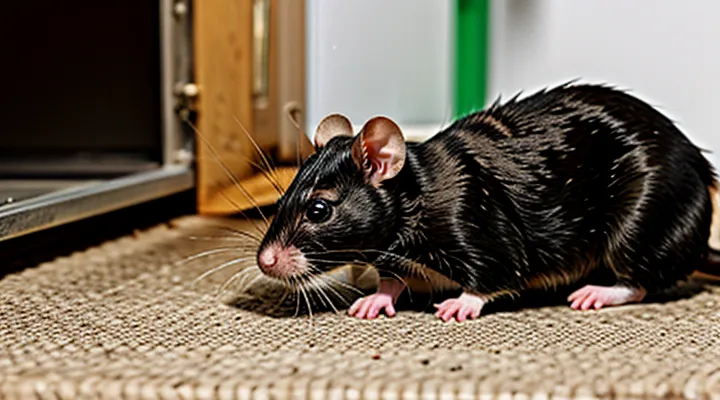
Understanding Fleas and Their Impact on Pet Rats
What Are Fleas?
Life Cycle of Fleas
Fleas progress through four distinct stages: egg, larva, pupa, and adult. Female fleas deposit 20–50 eggs daily on the host’s fur; eggs fall off into the environment within hours. Eggs hatch in 2–5 days, releasing legless larvae that feed on organic debris, including adult flea feces. Larvae spin silken cocoons and enter the pupal stage; pupae remain dormant for 5 days to several weeks, depending on temperature, humidity, and host activity. When a potential host passes by, vibrations trigger adult emergence. Adult fleas seek a blood meal, begin reproducing within 24–48 hours, and live 2–3 weeks under optimal conditions.
Key parameters influencing the cycle:
- Temperature: 21–29 °C accelerates development; below 15 °C prolongs pupal dormancy.
- Relative humidity: 70–80 % supports egg viability and larval growth; extreme dryness reduces survival.
- Host density: crowded cages increase egg deposition and facilitate rapid reinfestation.
Understanding this progression informs control measures for flea infestations in pet rats. Interrupting any stage—removing eggs and larvae through thorough cage cleaning, maintaining low humidity, and applying appropriate insecticidal treatments to adult fleas—breaks the reproductive chain and prevents recurrence.
Common Flea Species Affecting Rodents
Fleas that commonly infest pet rodents belong to a limited set of species, each with distinct biological traits and implications for rat health.
The cat flea (Ctenocephalides felis) is the most prevalent worldwide. It thrives in warm, humid environments, completes its life cycle within three weeks, and readily jumps onto rats when they share habitats with cats or dogs. Infested rats exhibit intense pruritus, skin lesions, and secondary bacterial infections.
The dog flea (Ctenocephalides canis) closely resembles the cat flea but prefers canine hosts. In mixed‑species households, it frequently transfers to rats, producing similar dermatological signs and serving as a vector for Rickettsia spp.
The oriental rat flea (Xenopsylla cheopis) specializes in rodent hosts. It is the primary vector of plague bacteria (Yersinia pestis) and can transmit murine typhus. Adult fleas are 2–4 mm long, dark brown, and lay up to 50 eggs per day. Control of this species is critical due to its zoonotic potential.
The northern rat flea (Nosopsyllus fasciatus) inhabits temperate regions and prefers wild rodents but will colonize captive rats. It is less aggressive than X. cheopis yet still capable of causing anemia in heavily infested animals.
The human flea (Pulex irritans) is a generalist that occasionally bites rats. Although its primary host is humans, it can establish temporary infestations on rodents, leading to mild irritation and serving as a mechanical carrier for pathogens.
Key characteristics of these species are summarized below:
- Cat flea (C. felis) – rapid development, high host‑switching potential, vector for Bartonella henselae.
- Dog flea (C. canis) – similar lifecycle to cat flea, vector for Rickettsia spp.
- Oriental rat flea (X. cheopis) – primary plague vector, prolific egg production.
- Northern rat flea (N. fasciatus) – temperate distribution, causes anemia in severe cases.
- Human flea (P. irritans) – occasional rodent host, mechanical pathogen carrier.
Understanding the species present on pet rats informs targeted prevention measures and effective therapeutic interventions.
Signs and Symptoms of Fleas on Pet Rats
Behavioral Changes in Infested Rats
Flea infestations produce distinct behavioral alterations in companion rats that often precede visible skin lesions. Recognizing these changes enables timely intervention and reduces the risk of secondary health problems.
- Excessive grooming of the fur, especially around the tail base and hindquarters.
- Restlessness manifested as frequent pacing or sudden bursts of movement.
- Decreased activity levels, including prolonged periods of immobility in the nest.
- Reduced food and water intake, leading to weight loss.
- Altered social interaction, such as avoidance of cage mates or increased aggression.
- Disruption of nesting behavior, with rats abandoning or frequently rearranging nests.
The underlying drivers of these behaviors include cutaneous irritation from flea bites, blood loss causing anemia, and heightened stress hormones that affect central nervous system function. Continuous scratching and grooming reflect attempts to alleviate itch, while lethargy and appetite suppression correspond to the physiological burden of parasitism.
Early detection of these signs informs effective flea management protocols, which combine environmental sanitation, targeted insecticidal treatments, and regular health monitoring. Prompt action based on observed behavioral cues minimizes infestation duration and supports overall welfare of pet rats.
Physical Evidence of Fleas
Physical evidence of a flea infestation on a pet rat appears as small, dark specks resembling pepper on the fur and bedding. These specks are flea feces composed of digested blood and confirm recent feeding activity. Live fleas are visible as 1–3 mm, reddish‑brown insects that move swiftly through the coat, especially around the neck, tail base, and ventral surface.
Skin changes provide additional confirmation. Red, inflamed patches often develop where fleas bite, and the rat may exhibit excessive scratching or grooming. Hair loss or thinning around the neck and hindquarters signals chronic irritation. In severe cases, secondary bacterial infections produce purulent discharge or crusted lesions.
A practical method for detecting fleas involves a fine‑toothed comb. Running the comb through the coat dislodges adult fleas and debris, which can be collected on a white surface for inspection. Sticky flea traps placed near the cage can capture wandering insects, offering further proof of presence.
Laboratory examination of collected material, such as microscope analysis of flea dirt, distinguishes flea feces from other debris by confirming the presence of blood cells. This objective verification supports targeted treatment decisions.
Health Risks Associated with Flea Infestations
Flea infestations on pet rats create several immediate and long‑term health threats. Blood loss from repeated feeding can cause anemia, especially in young or small individuals. Irritation from flea bites often leads to dermatitis, characterized by redness, swelling, and secondary bacterial infection when the skin is broken. Fleas also serve as vectors for pathogens that affect rodents and humans alike.
Key risks include:
- Anemia – reduced red‑cell count and diminished oxygen transport.
- Dermatitis – intense itching, hair loss, and potential ulceration.
- Bacterial infection – Staphylococcus and Streptococcus species may enter bite sites.
- Zoonotic diseases – plague (Yersinia pestis), murine typhus (Rickettsia typhi), and tapeworms (Hymenolepis spp.) can be transmitted from fleas to owners.
- Stress‑induced immunosuppression – chronic irritation weakens the rat’s immune response, increasing susceptibility to other illnesses.
Prompt detection and treatment of flea presence are essential to prevent these complications and maintain the overall health of rat colonies.
Prevention Strategies for Fleas
Environmental Control Measures
Regular Cleaning and Sanitation
Regular cleaning of the rat enclosure eliminates flea eggs, larvae, and pupae before they mature. Removing waste, uneaten food, and soiled bedding at least once daily reduces organic material that supports flea development.
- Disassemble cages weekly; wash all components with hot, soapy water.
- Rinse thoroughly and dry with a clean towel or air dryer.
- Apply a pet‑safe disinfectant approved for rodents; follow manufacturer’s contact time.
- Replace bedding with fresh, low‑dust material such as paper strips or aspen shavings.
- Vacuum the surrounding area, then empty the vacuum bag or canister outside the home.
Sanitation extends beyond the cage. Clean feeding bowls, water bottles, and any toys after each use. Soak accessories in diluted bleach solution (1 % concentration) for ten minutes, then rinse well to prevent chemical residues.
Consistent sanitation interrupts the flea life cycle, lowers the risk of secondary skin infections, and supports overall health of pet rats. Maintaining these practices alongside targeted flea treatments provides comprehensive control of infestations.
Pest Control for the Home Environment
Fleas pose a significant risk to pet rats, and effective home‑environment pest control reduces infestation likelihood. Regular cleaning eliminates eggs and larvae that hide in bedding, carpet fibers, and cracks. Vacuuming daily, followed by immediate disposal of the bag or emptying of the canister, removes developing stages before they mature.
Key control measures include:
- Washing all rat cages, accessories, and surrounding floor surfaces with hot water (≥ 60 °C) weekly.
- Applying a low‑dose insect growth regulator (IGR) to baseboards and under furniture; IGRs prevent flea larvae from reaching adulthood.
- Sealing gaps around doors, windows, and utility penetrations to block external flea entry.
- Using a targeted, pet‑safe flea spray on cages and nearby areas, following manufacturer dosage guidelines.
- Rotating bedding material every 48 hours to disrupt the flea life cycle.
Monitoring remains essential. Sticky traps placed near cage legs provide early detection of adult fleas. If traps capture specimens, increase treatment frequency and consider professional inspection. Maintaining a dry, well‑ventilated environment further deters flea survival, as humidity above 70 % accelerates egg hatching.
Integrating these practices creates a comprehensive barrier that protects pet rats while preserving overall household hygiene.
Preventing Fleas on Your Rats
Routine Health Checks
Routine examinations are the primary method for detecting flea activity on pet rats before infestations become severe. Early identification allows immediate intervention, reducing the risk of secondary health problems such as dermatitis, anemia, and bacterial infections.
A comprehensive health check should include the following steps:
- Visual inspection of the entire coat, focusing on the ventral surface, tail base, and groin area; look for live fleas, flea dirt, or signs of scratching.
- Palpation of the skin to feel for embedded fleas or irritations; note any redness, swelling, or scab formation.
- Observation of the rat’s behavior; excessive grooming, restlessness, or sudden weight loss often indicate parasitic discomfort.
- Evaluation of fur condition; clumped, matted, or dull fur may conceal flea populations.
- Measurement of body weight; a decline of more than 5 % over a two‑week period warrants further examination.
- Examination of the ears and nasal passages for debris that could harbor fleas or their eggs.
Perform these checks at least once a week for newly acquired rats and biweekly for established colonies. Increase frequency to daily during peak flea season or after exposure to outdoor environments.
Integrate findings with preventive measures: if fleas are detected, initiate an appropriate treatment protocol immediately, then schedule follow‑up examinations every 48 hours until the infestation resolves. Document all observations to track trends and adjust control strategies accordingly.
Safe and Approved Topical Preventatives
Topical flea preventatives approved for use on pet rats must meet veterinary safety standards and be formulated for small rodents. Products containing fipronil, imidacloprid, selamectin, or pyrethrin‑based formulations have demonstrated efficacy when applied at the correct dose. Veterinary guidance is essential to confirm that the concentration matches the animal’s weight, typically 10–30 g for an adult rat.
Application technique influences outcome. The product should be administered directly to the skin at the base of the tail or along the dorsal midline, avoiding contact with eyes, ears, and mucous membranes. Allow the solution to dry before handling the rat to prevent ingestion. Re‑application intervals vary by active ingredient; most label instructions recommend a 30‑day cycle, while some newer formulations extend protection to 60 days.
Safety considerations include monitoring for localized irritation, excessive grooming, or signs of systemic toxicity such as lethargy or loss of appetite. If adverse reactions appear, discontinue use and consult a veterinarian promptly. Products not specifically labeled for rats should be avoided, as dosage assumptions may lead to overdose.
Commonly recommended options:
- Frontline® Spot‑On (fipronil) – 0.1 % concentration, 30‑day protection, veterinarian‑approved for rats.
- Advantage® II (imidacloprid) – 10 % solution, applied at 0.05 ml per rat, 30‑day efficacy.
- Revolution® (selamectin) – 6 % formulation, 30‑day coverage, safe for rodents when dosed correctly.
- PetArmor® (pyrethrin‑based) – 5 % blend, 30‑day interval, suitable for short‑term use under veterinary supervision.
Choosing a product with explicit approval for rats, adhering to dosage guidelines, and maintaining regular veterinary check‑ups ensures effective flea control while minimizing health risks.
Dietary Supplements for Skin Health
Dietary supplements can reinforce the integumentary barrier of pet rats, reducing susceptibility to ectoparasite irritation and supporting recovery after an infestation. Essential fatty acids, particularly EPA and DHA from fish oil, integrate into cell membranes, enhancing flexibility and moisture retention. Vitamin E functions as an antioxidant, protecting dermal cells from oxidative stress associated with flea bites. Zinc contributes to keratin synthesis, promoting a resilient coat, while biotin assists in the formation of fatty acids necessary for skin integrity.
Effective supplementation requires precise dosing. Small rodents metabolize nutrients rapidly; excessive amounts may cause hepatic strain or gastrointestinal upset. Veterinarians typically recommend the following ranges for a 150‑gram rat:
- Fish oil: 50–100 mg per day, divided into two feedings.
- Vitamin E: 5–10 IU daily.
- Zinc gluconate: 1–2 mg daily.
- Biotin: 0.5–1 mg daily.
Selection of high‑purity, rodent‑specific formulations minimizes contaminants that could aggravate skin conditions. Products containing added probiotics may further stabilize the gut‑skin axis, indirectly improving cutaneous health. Regular monitoring of coat condition, scratching behavior, and weight ensures early detection of adverse reactions.
Integrating these nutrients with a balanced diet of protein, fiber, and limited fat creates a holistic approach to skin resilience. When combined with environmental controls—such as routine cage cleaning and appropriate flea preventatives—dietary supplementation forms a critical component of a comprehensive strategy to maintain healthy skin in pet rats.
Treatment Options for Fleas
Treating Fleas on Your Pet Rats
Veterinary-Approved Medications
Veterinary-approved flea medications for pet rats are limited to products with proven safety and efficacy in small rodents. Only formulations specifically labeled for use in rats or those with documented off‑label success should be considered.
Topical spot‑on treatments are the most common option. Products containing fipronil, selamectin, or imidacloprid are applied to the dorsal base of the neck, allowing absorption through the skin and distribution to the coat. Recommended dosages are typically 0.1 mg/kg for fipronil, 0.2 mg/kg for selamectin, and 0.05 mg/kg for imidacloprid, administered every four weeks. Each product includes a maximum weight limit; exceeding this limit can cause neurotoxicity.
Oral systemic agents are available in limited formulations. Aflibercept‑based chewables containing nitenpyram provide rapid knock‑down of adult fleas within 30 minutes and are dosed at 10 mg per kilogram of body weight, given once every two weeks. These tablets require careful monitoring for gastrointestinal upset.
Injectable options include a long‑acting ivermectin depot (0.2 mg/kg) administered subcutaneously every six weeks. Ivermectin offers broad ectoparasite coverage but may interact with other antiparasitic drugs; concurrent use is contraindicated.
Safety considerations:
- Verify product labeling for rat use; off‑label application without veterinary supervision is prohibited.
- Observe rats for signs of dermal irritation, excessive grooming, or neurological changes after treatment.
- Maintain a washout period of at least two weeks before breeding, as some compounds can affect reproductive outcomes.
Effective flea control combines medication with environmental management. Regular cleaning of cages, removal of bedding, and routine inspection of the animal’s fur enhance the efficacy of the pharmacological regimen.
Bathing and Grooming Techniques
Regular bathing reduces flea load on pet rats by removing adult insects and disrupting their life cycle. Use a lukewarm water temperature that matches the animal’s body heat; water that is too hot can cause stress, while cold water may be ineffective. Apply a mild, rodent‑safe shampoo formulated without harsh chemicals; a few drops per liter of water are sufficient. Gently lather the body, avoiding the eyes and ears, then rinse thoroughly to eliminate residue that could attract insects. Dry the rat with a soft towel and allow it to warm up in a draft‑free environment before returning it to its cage.
Grooming complements bathing by targeting areas where fleas hide. A fine‑toothed comb or soft brush removes nymphs and eggs from the fur, especially around the neck, tail base, and ventral surface. Perform combing after each bath and at least once daily during an infestation. Inspect the comb for fleas and discard debris to prevent re‑infestation.
Key grooming practices:
- Trim excess fur around the hindquarters to improve visibility of parasites.
- Clean the cage bedding weekly; replace with low‑dust, washable substrate to reduce flea eggs.
- Check the rat’s skin for redness or irritation after each session; treat lesions promptly with a veterinarian‑approved topical antiseptic.
Consistent application of these bathing and grooming methods, combined with regular environmental sanitation, forms an effective barrier against flea colonization on pet rats.
Safe Application of Products
Fleas infestations in pet rats require chemical or natural treatments that must be applied without harming the animal or its habitat. Products intended for rodents differ from those for larger pets; they contain lower concentrations of active ingredients and are formulated for small body mass.
Before treatment, verify that the product is labeled for use on rats or approved by a veterinary authority for rodent application. Read the label to confirm the active ingredient, maximum dosage per kilogram of body weight, and any contraindications such as pregnancy or existing health conditions.
Safe application steps
- Weigh the rat accurately; use a digital scale with a precision of at least 0.1 g.
- Calculate the exact dose based on the product’s recommended milligrams per kilogram.
- Administer the product according to the prescribed route (topical, oral, or spray). For topical solutions, apply a thin layer to the dorsal surface, avoiding the eyes, nose, and mouth.
- Observe the rat for at least 15 minutes after administration to detect immediate adverse reactions such as excessive salivation, tremors, or respiratory distress.
- Record the date, product name, batch number, and dosage in a treatment log for future reference.
Environmental safety is equally critical. Treat bedding and cage accessories only with products that are proven non‑toxic to rats after drying. Remove untreated bedding before applying sprays, and allow treated surfaces to air‑dry completely before reintroducing the animal. Dispose of any leftover medication according to local hazardous waste guidelines.
Regular monitoring after each treatment cycle helps confirm efficacy and prevents overexposure. Conduct weekly inspections for live fleas, and if infestation persists, consult a veterinarian to adjust the regimen or switch to an alternative safe product.
Eradicating Fleas from the Environment
Deep Cleaning and Disinfection of Cages
Deep cleaning of rat cages eliminates flea habitats and interrupts their life cycle. Residual debris, urine stains, and organic buildup provide moisture and food for eggs and larvae; thorough removal prevents re‑infestation.
Begin by emptying the cage completely. Transfer rats to a secure temporary enclosure with fresh bedding. Discard all old substrate, chew toys, and any fabric items that cannot be laundered. Inspect the cage for cracks or crevices where eggs may be hidden; seal or repair before cleaning.
Cleaning steps
- Scrape off all solid waste with a plastic spatula.
- Rinse the cage with hot water (≥ 60 °C) to dissolve remaining grime.
- Apply a biodegradable, enzyme‑based cleaner; scrub surfaces, bars, and corners with a stiff brush.
- Rinse thoroughly to remove all detergent residues.
Disinfection protocol
- Prepare a 10 % diluted solution of veterinary‑grade disinfectant (e.g., quaternary ammonium or hydrogen peroxide).
- Immerse detachable components (food dishes, water bottles) for the manufacturer‑recommended contact time.
- Fill the cage with the disinfectant solution, ensuring complete coverage of bars, walls, and floor.
- Maintain exposure for the full contact period (usually 10–15 minutes).
- Rinse with clean water and allow the cage to air‑dry completely before reassembly.
After the cage dries, replace with fresh, low‑dust bedding and sterilized accessories. Conduct a weekly spot‑cleaning routine and a full deep clean monthly to keep flea populations at bay. Regular monitoring of rats for signs of infestation complements the sanitation regimen.
Treating Bedding and Cage Accessories
Effective control of flea infestations in pet rats depends heavily on proper management of bedding and cage accessories. Clean, dry environments reduce flea survival and limit re‑infestation.
- Remove all bedding weekly. Dispose of the used material in a sealed bag and replace it with fresh, low‑dust substrate such as paper‑based or aspen shavings.
- Wash removable accessories (tunnels, toys, feeding dishes) in hot water (≥ 60 °C) for at least 10 minutes. Use a mild detergent, rinse thoroughly, and dry completely before returning to the cage.
- Disinfect non‑porous items with a flea‑killing solution (e.g., 0.5 % pyrethrin spray or a veterinary‑approved insecticide). Follow product instructions regarding contact time and ventilation.
- Vacuum the cage interior and surrounding area daily. Empty the vacuum canister into a sealed container and discard it outside the home.
- Apply a diatomaceous earth layer (food‑grade) to the bottom of the cage. This abrasive powder dehydrates fleas and their eggs without harming the rats. Replace the layer every two weeks.
Regular inspection of bedding for flea debris (flea dirt) and live insects enables prompt intervention. If fleas persist after thorough cleaning, consider a short‑term topical treatment on the rats, coordinated with a veterinarian, while maintaining the described bedding protocol. Consistent execution of these steps creates an environment hostile to fleas, supporting long‑term health of pet rats.
Vacuuming and Steam Cleaning Your Home
Vacuuming removes flea eggs, larvae, and adult insects from carpets, rugs, and upholstery where rats often travel. Use a vacuum with strong suction and a HEPA filter to capture microscopic particles. Run the vacuum slowly over each area to dislodge hidden stages of the flea life cycle. Empty the canister or replace the bag immediately after cleaning and seal it in a plastic bag before disposal to prevent re‑infestation.
Steam cleaning complements vacuuming by killing remaining fleas and their developmental stages with heat. Set the steamer to a minimum temperature of 212 °F (100 °C); lower temperatures do not guarantee mortality. Apply steam to floor seams, corners, and pet cages, allowing the surface to remain wet for at least 30 seconds. Avoid direct steam exposure to rats; remove animals from the room and let the area dry completely before re‑entry.
Key practices for effective environmental control:
- Vacuum daily in high‑traffic zones.
- Steam clean weekly, focusing on crevices and bedding areas.
- Dispose of vacuum waste in sealed containers.
- Allow steam‑treated surfaces to dry fully before allowing rats back into the space.
- Rotate cleaning tools regularly to maintain performance.
Consistent application of these methods reduces flea populations in the habitat, supporting overall health and preventing secondary infestations.
Post-Treatment Care and Monitoring
Ongoing Prevention Measures
Effective flea control in pet rats requires continuous, systematic actions. Regular grooming removes adult insects and early‑stage larvae before they establish a breeding population. Use a fine‑toothed comb on a daily basis, focusing on the tail, hindquarters, and underbelly where fleas commonly hide.
- Scheduled baths: Apply a veterinarian‑approved flea shampoo every two weeks. Rinse thoroughly to prevent residue irritation.
- Topical treatments: Administer a licensed spot‑on product according to the label’s dosage schedule, typically every 30 days. Rotate active ingredients annually to reduce resistance.
- Environmental sanitation: Clean cages weekly with hot water and mild detergent. Replace bedding with a low‑dust, washable substrate; wash it at > 60 °C after each change.
- Pest‑proof storage: Keep food, treats, and nesting material in sealed containers to block flea eggs from entering the habitat.
- Regular health checks: Inspect the rat’s skin and fur for signs of infestation during routine veterinary visits. Early detection allows prompt intervention.
Maintain a consistent record of all preventive actions, noting dates, products used, and observations. This documentation supports timely adjustments and provides veterinarians with a clear history for optimal flea management.
Recognizing Re-infestation
Monitoring for a second wave of flea activity is a critical component of any control program for pet rats. Even after successful treatment, eggs and immature stages can survive in the environment, leading to renewed infestations that may go unnoticed until the population expands.
Key indicators of a returning problem include:
- Sudden increase in scratching or grooming behavior, especially after a period of calm.
- Presence of small, dark specks (adult fleas or feces) on the rat’s fur, particularly near the tail base and ventral abdomen.
- Tiny, mobile insects observed moving through bedding or on cage surfaces.
- Unexplained weight loss or lethargy that coincides with increased skin irritation.
- Persistent “sand” texture on the rat’s coat after combing, suggesting flea debris.
Prompt identification of these signs enables immediate intervention, preventing a full resurgence and protecting the health of the animal.
When to Consult a Veterinarian
Flea infestations in pet rats can quickly become severe, and timely professional assessment is essential. Recognize the following indicators that warrant veterinary intervention:
- Sudden loss of appetite or weight despite adequate feeding.
- Persistent scratching, skin redness, or visible flea clusters.
- Signs of anemia such as pale gums, lethargy, or rapid breathing.
- Development of secondary infections, including crusty lesions or pus.
- Unexplained fever or behavioral changes, such as aggression or withdrawal.
Additional circumstances require expert care:
- The rat is a juvenile, pregnant, or immunocompromised, because these groups have reduced tolerance for blood loss and parasite stress.
- Conventional over‑the‑counter treatments have been applied without improvement after 48–72 hours.
- The owner observes excessive blood loss from the fur or from bite sites, indicating a heavy infestation.
- The rat has been exposed to other animals with known flea problems, raising the risk of co‑infestation with other parasites or pathogens.
Before the appointment, gather relevant information: duration of symptoms, any treatments used, dosage details, and recent environmental changes. Provide the veterinarian with a sample of the rat’s fur or a captured flea when possible, as this assists in accurate identification and targeted therapy.
Prompt consultation minimizes health risks, prevents the spread of parasites to other pets, and ensures that treatment protocols are safe for the delicate physiology of rats.