
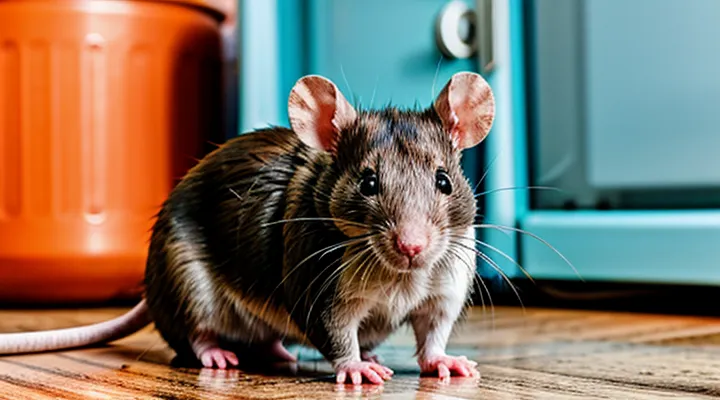
Understanding the Risks of a Rat Bite
Potential Health Concerns
Rat-Bite Fever
Rat‑Bite Fever (RBF) is a bacterial infection transmitted through rat bites, scratches, or exposure to contaminated secretions. In North America the disease is usually caused by Streptobacillus moniliformis; in Asia, Spirillum minus is the predominant pathogen.
Symptoms develop 2–10 days after exposure and include high fever, chills, vomiting, a maculopapular or petechial rash, and migratory polyarthralgia. Severe cases may progress to endocarditis, meningitis, or sepsis.
Immediate measures after a rat bite:
- Clean the wound with running water and mild soap for at least one minute.
- Apply firm pressure to control bleeding.
- Cover with a sterile dressing.
- Obtain medical attention promptly, even if the wound appears minor.
Medical treatment consists of antibiotics—penicillin G is first‑line; doxycycline serves as an alternative for penicillin‑allergic patients. A typical course lasts 10–14 days. Intravenous therapy may be required for systemic involvement. Supportive care addresses fever, pain, and hydration. Follow‑up examinations monitor for cardiac or neurologic complications.
Prevention strategies focus on reducing rodent contact: maintain rodent‑proof storage, employ traps or professional extermination, wear protective gloves when handling rodents, and keep pets up‑to‑date on veterinary care to limit potential transmission.
Tetanus
Tetanus is a bacterial infection that can follow a rat bite because the wound may contain spores from the environment. The organism releases a toxin that affects the nervous system, leading to muscle rigidity and spasms. Prompt assessment of tetanus risk is essential after the bite.
If the victim’s immunization record shows a tetanus booster within the past ten years, the risk is reduced. When the last dose is unknown or exceeds ten years, administer tetanus toxoid (Td) or combined tetanus‑diphtheria‑pertussis (Tdap) vaccine as soon as possible. In addition, give tetanus immune globulin for severe or contaminated wounds when the immunization status is uncertain.
Key actions for immediate care:
- Wash the bite thoroughly with soap and running water for at least two minutes.
- Irrigate with sterile saline to remove debris.
- Apply a clean, non‑adhesive dressing.
- Seek medical evaluation for tetanus prophylaxis and possible antibiotics.
- Monitor for early signs: jaw stiffness, neck pain, difficulty swallowing, or generalized muscle tightening.
Early intervention lowers the chance of tetanus complications and supports recovery from the rat bite.
Other Infections
A rat bite introduces oral flora and environmental microbes directly into skin and sub‑cutaneous tissue, creating a risk of infections that extend beyond the classic rat‑bite fever. Prompt wound care reduces bacterial proliferation, but clinicians must anticipate a range of pathogens that may require targeted therapy.
Common secondary infections associated with rat bites include:
- Streptobacillus moniliformis – causes rat‑bite fever; presents with fever, rash, and arthralgia.
- Pasteurella multocida – produces rapid cellulitis and abscess formation; often sensitive to penicillins.
- Staphylococcus aureus – can lead to purulent infection, cellulitis, or deeper tissue involvement.
- Streptococcus pyogenes – responsible for necrotizing fasciitis in severe cases.
- Bartonella henselae – occasionally transmitted; may cause prolonged fever and lymphadenopathy.
- Leptospira spp. – acquired from contaminated urine; manifests with fever, myalgia, and renal involvement.
- Hantavirus – rare via bite but possible; presents with fever, respiratory distress, and renal failure.
- Clostridium tetani – toxin‑mediated disease; risk heightened by deep puncture wounds.
Effective first‑response measures:
- Irrigate the wound with copious sterile saline; remove visible debris.
- Apply a broad‑spectrum topical antiseptic (e.g., chlorhexidine).
- Cover with a sterile dressing and monitor for redness, swelling, or drainage.
- Obtain tetanus immunization status; administer tetanus toxoid if overdue.
- Seek medical evaluation within 24 hours for culture, susceptibility testing, and empiric antibiotic selection (often amoxicillin–clavulanate or doxycycline, adjusted for specific pathogens).
- Report any systemic symptoms—fever, chills, malaise, or joint pain—to a healthcare provider promptly.
Awareness of these infections guides clinicians in prescribing appropriate prophylaxis and ensures timely treatment of complications arising from rat bite injuries.
Immediate First Aid Steps
Cleaning the Wound
Washing with Soap and Water
Immediate cleaning reduces infection risk after a rat bite. Use clean running water and mild soap to remove saliva, blood, and debris. Follow these steps:
- Rinse the wound under lukewarm water for at least 30 seconds.
- Apply a gentle, fragrance‑free soap; lather without scrubbing the tissue.
- Wash the surrounding skin in the same manner, ensuring no residue remains.
- Rinse thoroughly to eliminate soap traces.
- Pat the area dry with a sterile gauze pad; avoid rubbing.
After washing, cover the wound with a sterile dressing and seek medical evaluation promptly.
Applying an Antiseptic
Apply an antiseptic immediately after cleaning the wound. This step reduces the risk of infection from bacteria commonly carried by rodents.
- Choose a product with broad‑spectrum activity, such as povidone‑iodine or chlorhexidine solution.
- Ensure the antiseptic is at room temperature; cold solutions may cause additional discomfort.
- Saturate a sterile gauze pad with the solution and gently dab the wound, avoiding aggressive rubbing that could damage tissue.
- Allow the antiseptic to remain on the surface for at least 30 seconds before covering the area with a sterile dressing.
Do not use alcohol or hydrogen peroxide on deep puncture wounds; these agents can irritate tissue and delay healing. If the antiseptic causes a burning sensation that persists beyond a few minutes, rinse the area with clean water and re‑apply a milder agent.
After antiseptic application, monitor the bite site for signs of worsening redness, swelling, or pus. Persistent or escalating symptoms require professional medical evaluation.
Controlling Bleeding
When a rat bite breaks the skin, immediate pressure stops blood loss and reduces infection risk.
Apply a clean, sterile gauze pad directly over the wound. Use the palm of the hand to press firmly for at least five minutes. Do not lift the gauze to check the wound before the time elapses; this can disrupt clot formation.
If bleeding persists after the initial pressure, replace the gauze with a fresh pad and repeat the pressure. Elevate the bitten limb above heart level whenever possible to lessen arterial flow.
When bleeding finally ceases, secure the gauze with a bandage that is snug but not so tight as to impede circulation. Verify pulse and color distal to the bandage; any pallor or loss of pulse indicates excessive constriction.
After hemostasis, cleanse the area with mild antiseptic solution, then cover with a sterile dressing. Monitor the site for signs of infection—redness, swelling, warmth, or pus—and seek medical evaluation promptly if any appear.
Key actions for controlling bleeding:
- Press sterile gauze firmly for a minimum of five minutes.
- Maintain pressure; replace gauze if needed.
- Elevate the affected limb.
- Apply a secure, non‑restrictive bandage.
- Inspect distal circulation before final dressing.
Prompt, decisive pressure and proper bandaging constitute the essential response to stop blood loss from a rat bite.
Covering the Wound
After a rat bite, stop bleeding before applying any covering. Apply gentle pressure with a clean cloth or sterile gauze until bleeding subsides.
Once bleeding is controlled, clean the area with lukewarm water and mild antiseptic. Pat the skin dry with a sterile pad; avoid rubbing, which can reopen the wound.
Cover the wound promptly to protect it from contaminants:
- Place a sterile, non‑adhesive dressing directly over the bite.
- Secure the dressing with a breathable elastic bandage, wrapping snugly but not tightly.
- Ensure the bandage overlaps the edges of the dressing by at least one inch on all sides.
- Check that the bandage does not restrict circulation; fingertips should remain pink and warm.
Replace the covering at least once daily or whenever it becomes wet, soiled, or loose. Inspect the wound each time for signs of infection, such as increased redness, swelling, or pus. If any adverse symptoms appear, seek professional medical evaluation without delay.
When to Seek Medical Attention
Signs of Infection
Redness and Swelling
Redness and swelling are typical early responses to a rat bite. The skin around the puncture may turn pink, then deepen to a bright red hue within minutes. Swelling appears as a raised area that can spread outward from the wound site. Both signs result from the body’s inflammatory reaction to tissue injury and possible bacterial exposure.
Assess the affected area promptly. Look for a clear boundary of redness; diffuse or spreading redness may indicate infection. Measure swelling by comparing the bitten limb or area with the opposite side; rapid increase suggests fluid accumulation or cellulitis. Check for accompanying symptoms such as warmth, throbbing pain, or fever, which warrant urgent medical evaluation.
Immediate care steps:
- Rinse the wound with running water for at least one minute.
- Apply mild soap around the bite, avoiding direct contact with the wound.
- Pat dry with a clean cloth.
- Place a cold, damp compress on the swollen area for 10‑15 minutes to reduce inflammation; repeat every hour as needed.
- If itching or mild allergic response occurs, consider an oral antihistamine according to label instructions.
- Cover the bite with a sterile, non‑adhesive dressing to protect against further contamination.
Monitor the bite over the next 24‑48 hours. Seek professional treatment if any of the following develop:
- Redness expands beyond the immediate perimeter.
- Swelling intensifies or becomes painful to touch.
- Pus or foul odor emerges from the wound.
- The individual experiences fever, chills, or joint pain.
- The bite occurred on the face, hands, or near a joint.
Medical professionals may prescribe antibiotics targeting common rat‑borne pathogens, such as Streptobacillus species. Tetanus immunization status should be verified, and a booster administered if needed. Early intervention limits tissue damage and reduces the risk of systemic infection.
Pus or Discharge
Pus or any abnormal discharge from a rat‑bite wound signals a possible infection and requires immediate attention. The presence of thick, yellow‑white fluid, foul odor, or swelling indicates bacterial activity that may progress rapidly if untreated.
Typical characteristics of infectious discharge include:
- Color ranging from pale yellow to greenish‑brown
- Consistency that is thick, clotted, or watery
- Unpleasant smell
- Accompanying warmth, redness, or increased pain
When these signs appear, follow a strict protocol:
- Wash the area with mild soap and running water for at least 30 seconds.
- Apply an antiseptic solution such as povidone‑iodine or chlorhexidine.
- Cover the wound with a sterile, non‑adhesive dressing.
- Contact a healthcare professional without delay; professional evaluation may include culture testing and prescription of appropriate antibiotics.
- Monitor the site every few hours for changes in the amount, color, or odor of the discharge, and report any worsening to a medical provider promptly.
Failure to address pus or fluid promptly can lead to cellulitis, abscess formation, or systemic infection. Timely cleaning, protective dressing, and professional medical care are essential to prevent complications.
Fever
A fever developing after a rat bite signals the body’s response to possible infection. The rise in temperature often indicates bacterial agents such as Streptobacillus moniliformis, the pathogen responsible for rat‑bite fever, or other contaminants introduced by the animal’s oral flora.
Fever emerges when the immune system releases pyrogens that reset the hypothalamic thermostat. This physiological shift helps inhibit bacterial growth but also requires prompt assessment to prevent complications.
Immediate actions
- Measure temperature with a reliable device every 2–4 hours.
- Record the highest reading and the time it occurred.
- If the temperature reaches 38.5 °C (101.3 °F) or higher, contact a healthcare provider without delay.
- Observe for accompanying signs: chills, rash, joint pain, or worsening wound appearance.
Home management while awaiting professional evaluation
- Administer an age‑appropriate dose of acetaminophen or ibuprofen to reduce discomfort and lower temperature.
- Ensure adequate fluid intake; water, oral rehydration solutions, or clear broths help maintain circulation.
- Encourage rest in a cool environment; remove excess blankets or clothing that may trap heat.
- Keep the bite wound clean, covered, and inspected for spreading redness or pus.
Criteria for urgent medical attention
- Fever persists beyond 24 hours despite antipyretic use.
- Temperature exceeds 40 °C (104 °F).
- Development of systemic symptoms such as severe headache, confusion, or shortness of breath.
- Rapid expansion of swelling, foul odor, or drainage from the wound.
Timely detection and control of fever reduce the risk of severe infection and support recovery after a rat bite.
Deep or Punctured Wounds
When a rat bite penetrates deeply or creates a puncture, the risk of infection and tissue damage increases sharply. Immediate action focuses on controlling bleeding, preventing bacterial entry, and preserving the wound for professional evaluation.
- Apply firm pressure with a clean gauze pad for at least five minutes until bleeding stops.
- Rinse the wound thoroughly under running water; use mild soap around the edges, but avoid scrubbing the interior.
- Irrigate the canal with sterile saline or a diluted antiseptic solution to flush out debris.
- Cover the area with a sterile, non‑adhesive dressing; secure it without restricting circulation.
- Seek medical attention promptly; inform the caregiver that the injury is a rat bite, as specific antibiotics and tetanus updates may be required.
Monitoring the site for swelling, redness, increased pain, or discharge is essential. Any sign of systemic illness, such as fever, warrants immediate clinical review.
Unvaccinated Individuals
When a rat bite occurs, individuals who have not received tetanus or rabies immunizations face heightened risk of serious infection. Prompt, decisive action reduces complications and determines whether post‑exposure prophylaxis is required.
First, cleanse the wound thoroughly. Use running water and mild soap, then apply gentle pressure to control bleeding. After washing, cover the area with a sterile dressing to protect against environmental contaminants.
- Wash the bite with soap and water for at least one minute.
- Apply direct pressure to stop bleeding.
- Place a clean, non‑adhesive dressing over the wound.
- Seek medical evaluation without delay.
Medical assessment must verify vaccination status. If tetanus immunization is outdated or absent, administer a tetanus booster. Evaluate the need for rabies prophylaxis based on the rat’s health, local rabies prevalence, and the severity of the bite. Documentation of the incident and the animal’s condition aids decision‑making.
After initial treatment, monitor the wound for redness, swelling, increased pain, or discharge. Report any signs of infection to a healthcare provider promptly. Follow prescribed antibiotic regimens and attend all follow‑up appointments to ensure complete recovery.
Bites from Wild or Unknown Rats
Bites from wild or unidentified rats carry a high risk of bacterial infection and potential transmission of zoonotic diseases. Prompt, thorough first‑aid measures reduce complications and improve outcomes.
When a bite occurs, act immediately:
- Wash the wound with running water for at least one minute; use mild soap to remove debris.
- Apply a sterile saline solution or antiseptic (e.g., povidone‑iodine) to the area.
- Cover the wound with a clean, non‑adhesive dressing to control bleeding.
- Elevate the affected limb if swelling appears, and apply gentle pressure to stop persistent bleeding.
- Avoid squeezing or probing the wound, which can introduce deeper contaminants.
After initial care, seek professional medical evaluation without delay. A clinician will assess the need for:
- Tetanus booster if immunization status is outdated or unknown.
- Rabies prophylaxis, especially when the animal’s health and vaccination history cannot be verified.
- Empirical antibiotics targeting Streptobacillus moniliformis and other common rodent‑associated pathogens; culture may be ordered for targeted therapy.
- Observation for signs of infection: increasing redness, warmth, pus, fever, or lymph node enlargement.
Follow‑up instructions typically include:
- Changing the dressing daily or sooner if it becomes wet or contaminated.
- Monitoring for systemic symptoms such as fever, chills, or joint pain, which may indicate systemic infection.
- Completing the full course of prescribed antibiotics, even if symptoms improve early.
Prevent future incidents by securing food sources, sealing entry points, and handling rodents only with protective gloves. Regular pest control and proper waste management diminish exposure to unknown rats and lower the likelihood of bites.
What to Expect at the Doctor's Office
Wound Examination
Examine the bite site immediately after exposure. Use clean gloves and adequate lighting to reduce the risk of contamination and ensure accurate observation.
- Identify the entry point: note the number of punctures, their size, and spacing. Multiple punctures often indicate a deeper bite.
- Assess depth: gently press around the wound to determine whether tissue layers beyond skin are involved. Visible muscle, tendon, or bone exposure requires urgent medical evaluation.
- Check for bleeding: note whether bleeding is brisk, intermittent, or has stopped. Persistent arterial bleeding demands direct pressure and professional care.
- Look for foreign material: fur, saliva, or debris lodged in the wound may increase infection risk. Remove superficial debris with sterile tweezers; avoid probing deep tissue.
- Evaluate surrounding tissue: observe swelling, redness, or heat, which can signal early inflammation. Compare with the opposite side to detect asymmetry.
- Test sensation and movement: ask the patient to move the affected limb and report numbness or tingling. Loss of function may indicate nerve damage.
Document the findings: record wound dimensions, location, and any abnormal signs. This information guides subsequent treatment steps and facilitates communication with healthcare providers.
Tetanus Shot
A rat bite can introduce Clostridium tetani, the bacterium that causes tetanus. Prompt administration of a tetanus vaccine reduces the risk of severe muscle spasms and respiratory compromise.
- Verify the patient’s immunization record; if the last tetanus dose was administered more than five years ago, a booster is recommended.
- If the bite occurred more than 48 hours ago and the wound shows signs of infection, give tetanus immunoglobulin in addition to the vaccine.
- Use the standard adult dose of 0.5 mL intramuscularly in the deltoid muscle; for children, follow the pediatric dosing schedule.
- Document the vaccine lot number, administration site, and date in the medical record.
Observe the wound for increasing redness, swelling, or discharge. If tetanus symptoms such as jaw stiffness, neck rigidity, or generalized muscle rigidity develop, initiate emergency medical treatment immediately.
Antibiotics
After a rat bite, bacterial contamination is a primary concern. Prompt administration of antibiotics reduces the risk of serious infection and limits tissue damage.
Oral agents commonly prescribed include:
- Amoxicillin‑clavulanate, 875 mg/125 mg every 12 hours for 5–7 days.
- Doxycycline, 100 mg twice daily for 7 days, suitable for patients allergic to penicillins.
- Ciprofloxacin, 500 mg twice daily for 7 days, reserved for severe cases or when resistance is suspected.
Intravenous therapy may be required for deep wounds, extensive tissue involvement, or systemic signs such as fever. Typical regimens involve:
- Ceftriaxone 1–2 g daily, or
- Piperacillin‑tazobactam 4.5 g every 6 hours.
Selection depends on local antimicrobial susceptibility patterns and patient allergy history. Empiric coverage should target common rat‑associated pathogens: Streptococcus, Staphylococcus, Pasteurella, and Leptospira species. Culture of wound exudate, when feasible, guides definitive therapy.
If signs of infection appear—redness spreading beyond the wound margin, increasing pain, purulent discharge, or systemic symptoms—immediate medical evaluation is mandatory. Continuation of the full antibiotic course, even after symptom resolution, prevents relapse and resistance development.
Rabies Risk Assessment
When a rat bite occurs, evaluating the potential for rabies transmission is a critical component of the emergency response. The assessment begins with identifying the species involved; most laboratory‑bred rats are free of rabies, but wild‑caught or feral rodents may have been exposed to the virus through contact with infected wildlife. Confirm whether the animal displayed abnormal behavior—aggression, paralysis, or excessive salivation—prior to the incident, as these signs raise the probability of infection.
Key factors for determining rabies risk include:
- Geographic prevalence of rabies in local wildlife reservoirs (e.g., raccoons, bats, skunks).
- The rat’s origin (captive, pet, or wild).
- Recent vaccination status of the animal, if known.
- Presence of a bite wound that penetrates the skin, creating an entry point for the virus.
- Time elapsed since the bite; immediate exposure warrants prompt evaluation.
If any of the above criteria suggest a non‑negligible risk, the protocol requires immediate wound cleansing, administration of rabies post‑exposure prophylaxis, and notification of public health authorities. In cases where the rat is confirmed captive and healthy, the likelihood of rabies is negligible, and standard wound care suffices.