
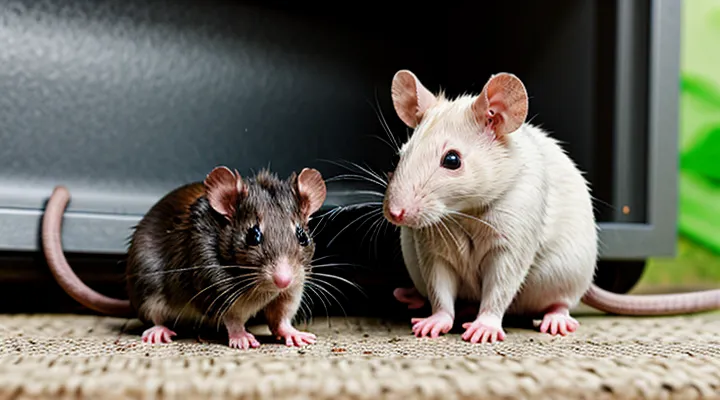
«Immediate Steps After a Rat Bite»
«Assessing the Wound»
«Bleeding Control»
Effective «Bleeding Control» after a rat bite requires immediate pressure, elevation, and assessment of wound depth. Apply a sterile gauze pad directly over the puncture site and press firmly for at least five minutes. Maintain pressure without interruption; releasing too soon can restart bleeding. If blood continues to flow, add additional layers of gauze and repeat the pressure cycle.
Elevate the injured limb above heart level whenever possible. This reduces arterial pressure at the wound and slows blood loss. Keep the limb supported to prevent movement that could disrupt clot formation.
Monitor the wound for signs of uncontrolled hemorrhage:
- Persistent bright red flow after 10 minutes of continuous pressure
- Expanding bruising or swelling
- Dizziness, rapid pulse, or faintness in the victim
If any of these indicators appear, seek professional medical assistance promptly. While awaiting care, continue applying pressure and consider using a tourniquet only as a last resort when direct pressure fails and the situation threatens life.
«Severity of the Bite»
The seriousness of a rat‑induced wound determines the urgency of medical response. Accurate assessment prevents complications such as infection, tissue damage, or systemic illness.
- «Mild» – superficial puncture, minimal bleeding, no signs of infection.
- «Moderate» – deeper penetration, moderate bleeding, redness, swelling, or early pus formation.
- «Severe» – extensive tissue loss, profuse bleeding, necrosis, fever, or signs of systemic involvement (e.g., chills, rapid heartbeat).
Evaluation begins with visual inspection and palpation. Measure depth, note tissue discoloration, and record any exudate. Observe the patient for fever, elevated pulse, or malaise, which indicate systemic reaction. Document time elapsed since the bite, as delayed presentation increases infection risk.
For «mild» injuries, clean the area with sterile saline, apply a topical antiseptic, and cover with a non‑adhesive dressing. Monitor for changes over 24 hours. «Moderate» wounds require thorough irrigation, removal of debris, and prescription of oral antibiotics targeting common rodent pathogens. Tetanus prophylaxis should be considered. «Severe» cases demand immediate professional care: wound debridement, intravenous antibiotics, possible surgical intervention, and comprehensive tetanus and rabies evaluation. Hospital admission may be necessary for monitoring and supportive therapy.
«Cleaning and Disinfection»
«Washing the Wound Thoroughly»
Effective decontamination of a rat‑bite injury begins with immediate and thorough irrigation. The primary objective is to remove saliva, bacteria, and debris from the puncture site, thereby reducing the risk of infection.
The recommended procedure for «Washing the Wound Thoroughly» includes:
- Rinse the area with clean, running water for at least one minute.
- Apply a mild antiseptic solution (e.g., diluted povidone‑iodine) while gently flushing the wound.
- Use a sterile gauze pad to dab excess fluid without rubbing the tissue.
- Re‑inspect the wound for remaining contaminants; repeat irrigation if necessary.
After cleaning, cover the wound with a sterile dressing and seek professional medical evaluation promptly.
«Antiseptic Application»
When a rat bite occurs, prompt antiseptic treatment reduces infection risk. The wound must be flushed with clean water or saline for at least 30 seconds to remove debris. After drying with sterile gauze, apply an appropriate antiseptic.
Key steps for effective «Antiseptic Application»:
- Choose a broad‑spectrum agent such as povidone‑iodine, chlorhexidine gluconate, or hydrogen peroxide at a concentration not exceeding 3 %.
- Apply the antiseptic using a sterile swab, covering the entire wound surface.
- Allow the solution to remain in contact for the duration recommended by the product label, typically 1–2 minutes.
- Re‑apply the antiseptic every 4–6 hours during the first 24 hours, or until the wound shows signs of healing.
- After the final application, cover the area with a sterile, non‑adhesive dressing to protect against further contamination.
Monitor the bite site for increasing redness, swelling, or discharge. If such signs develop, seek professional medical evaluation promptly.
«Post-Bite Care and Medical Attention»
«When to Seek Professional Medical Help»
«Signs of Infection»
After a rat bite, prompt observation for infection is essential. Early detection prevents tissue damage and systemic illness.
«Signs of Infection» may include:
- Redness that expands beyond the immediate wound margin
- Swelling that increases in size or firmness
- Elevated temperature of the skin surrounding the bite
- Persistent or worsening pain
- Presence of pus or other discharge, often with an unpleasant odor
- Fever, chills, or feeling unusually hot
- Enlarged, tender lymph nodes near the bite site
- Red streaks radiating from the wound toward the heart
- Delayed closure of the wound or tissue breakdown
Any of these indicators warrants immediate veterinary or medical consultation.
«Risk Factors (e.g., Immunocompromised Individuals)»
When a rat bite occurs, specific health conditions increase the likelihood of severe infection or delayed recovery. Recognizing these conditions enables prompt, targeted intervention.
«Risk Factors (e.g., Immunocompromised Individuals)» include:
- Immunodeficiency caused by HIV/AIDS, chemotherapy, or organ transplantation
- Chronic corticosteroid therapy or other immunosuppressive medications
- Diabetes mellitus, particularly with poor glycemic control
- Advanced age, especially in individuals over 65 years
- Pre‑existing skin disorders that compromise barrier integrity (e.g., eczema, psoriasis)
- Malnutrition or severe vitamin deficiencies
- History of splenectomy or functional asplenia
Immunocompromised patients experience reduced neutrophil function and impaired antibody production, which diminishes the ability to contain bacterial invasion from rat oral flora. Consequently, infections such as Streptobacillus moniliformis septicemia, cellulitis, or abscess formation progress more rapidly and may require intravenous antibiotics and hospital admission. Similar vulnerabilities apply to diabetic individuals, whose hyperglycemia impairs leukocyte chemotaxis and wound healing, increasing the risk of necrotic tissue development.
Clinicians managing rat‑bite injuries must assess the patient’s medical background immediately, prioritize early antimicrobial therapy, and consider extended observation for those identified within the listed risk categories.
«Tetanus and Rabies Concerns»
When a rat bite penetrates the skin, two infectious risks dominate: tetanus and rabies. Both diseases can progress rapidly and demand immediate medical assessment.
Tetanus risk derives from Clostridium tetani spores introduced into the wound. The bacteria produce a neurotoxin that may cause muscle rigidity and spasms if untreated. Key points for tetanus management include:
- Verifying the patient’s immunization status; a booster is required if the last dose was administered more than ten years ago, or five years for dirty wounds.
- Initiating thorough wound irrigation with sterile saline to reduce bacterial load.
- Applying a tetanus toxoid vaccine when indicated, alongside appropriate antibiotics if infection is suspected.
Rabies concern, though less common with rats, cannot be dismissed. The virus resides in the salivary glands of infected mammals and can be transmitted through saliva. Immediate actions are:
- Identifying the rat’s health background; wild or unvaccinated rodents raise higher suspicion.
- Consulting local health authorities to determine the need for post‑exposure prophylaxis (PEP) based on regional rabies prevalence.
- Administering rabies immunoglobulin and the vaccine series promptly if exposure is deemed significant.
Prompt evaluation by healthcare professionals, combined with proper wound care and adherence to vaccination protocols, mitigates the severe outcomes associated with these pathogens.
«Monitoring the Wound»
«Daily Inspection for Changes»
After a rat‑bite injury, systematic observation each day detects complications early. The process called «Daily Inspection for Changes» involves evaluating the wound and surrounding tissue before further treatment steps.
Examine the site at the same time each day. Record any variation in size, color, odor, or discharge. Note the presence of redness extending beyond the margin, swelling that increases, or the emergence of pus. Temperature elevation of the area signals possible infection. Observe the animal for signs of fever, lethargy, or loss of appetite, which may indicate systemic involvement.
Key observations:
- Redness: expansion beyond original borders, intensity change.
- Swelling: increase in volume, firmness.
- Discharge: clear, cloudy, or purulent fluid.
- Odor: foul or unusual smell.
- Temperature: warmth compared to surrounding skin.
- Systemic signs: fever, reduced activity, appetite loss.
If any listed change appears, initiate appropriate medical response promptly. This may include wound cleaning, antimicrobial therapy, or professional veterinary assessment. Maintaining a written log of daily findings supports accurate communication with caregivers and enhances outcome monitoring.
«Pain Management»
Pain following a rat bite requires rapid control to prevent secondary complications and to allow effective wound care. The primary objective is to reduce nociceptive signals while maintaining vigilance for infection signs.
Immediate measures focus on cleaning the wound and stabilizing discomfort. After thorough irrigation with sterile saline, apply a cold compress for 10‑15 minutes to diminish swelling and blunt pain transmission. Ensure the compress is wrapped in a clean cloth to avoid frost injury.
Pharmacological options include:
- Non‑steroidal anti‑inflammatory drugs (NSAIDs) such as ibuprofen, administered according to weight‑based dosing guidelines.
- Acetaminophen for patients with contraindications to NSAIDs.
- Short‑acting opioid analgesics (e.g., morphine) reserved for severe pain unresponsive to other agents, with careful monitoring for respiratory depression.
- Topical anesthetics containing lidocaine, applied directly to the peri‑wound area after cleansing.
Non‑pharmacological techniques complement medication:
- Elevation of the affected limb reduces edema and associated pain.
- Gentle immobilization prevents movement‑induced irritation.
- Distraction methods, such as soothing music or calm verbal reassurance, lower perceived pain intensity.
Continuous assessment is essential. Record pain scores at regular intervals, observe for increasing tenderness, erythema, or purulent discharge, and adjust analgesic strategy accordingly. Prompt escalation to higher‑potency analgesics or medical consultation is warranted if pain intensifies despite initial treatment.
«Preventing Future Bites»
«Rodent Control Measures»
Effective rodent control reduces the risk of bite incidents and supports appropriate wound management. Integrated strategies combine environmental, mechanical, and chemical actions.
- Eliminate food sources by storing grain, fruit, and waste in sealed containers; promptly clean spills and dispose of garbage in rat‑proof bins.
- Remove shelter opportunities through regular inspection and repair of building foundations, wall voids, and attic spaces; seal gaps larger than ¼ inch with steel wool or cement.
- Deploy snap traps or electronic devices in high‑traffic areas, positioning them along walls, behind appliances, and near known runways; check and reset traps daily to maintain efficacy.
- Apply rodenticides according to regulatory guidelines, using bait stations that prevent non‑target exposure; rotate active ingredients to mitigate resistance development.
- Implement biological control where feasible, introducing predatory species such as barn owls or feral cats in outdoor settings; monitor populations to avoid ecological imbalance.
Consistent documentation of inspection results, trap counts, and bait consumption enables data‑driven adjustments. Training personnel on safe handling of traps and poisons minimizes accidental exposure. By maintaining a hostile environment for rodents, the likelihood of bite injuries declines, allowing first‑aid protocols to focus on wound cleaning, tetanus prophylaxis, and infection monitoring rather than emergency response to repeated exposures.
«Safe Handling Practices»
Safe handling of rodents reduces the risk of bite injuries and facilitates prompt care when exposure occurs. Proper techniques protect both the animal and the handler, minimizing stress and potential infection.
- Wear disposable gloves that cover the entire hand and wrist before any contact.
- Secure the cage or enclosure with a lockable lid to prevent accidental escape.
- Approach the animal calmly; avoid sudden movements that could trigger a defensive bite.
- Use a two‑handed grip when picking up a rat: one hand supports the hindquarters, the other steadies the chest.
- Keep the animal’s head oriented away from the handler’s face; never place fingers near the mouth.
- Maintain a clean work surface; disinfect tools and cages after each handling session.
- Store all protective equipment in a designated area to avoid cross‑contamination.
Additional precautions include regular health checks for the rodent, immediate reporting of any signs of aggression, and training all personnel in humane restraint methods. Implementing these measures creates a controlled environment that lowers the likelihood of bite incidents and supports effective emergency response.