
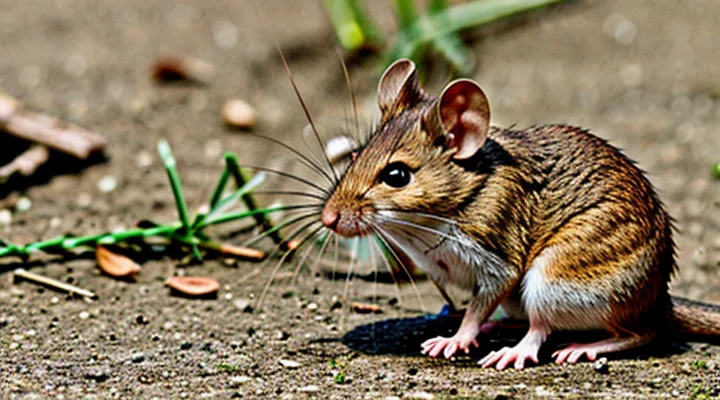
Understanding Field Mouse Bites
Identifying the Biter: Field Mouse vs. Other Rodents
Field mice produce bite marks that differ noticeably from those of house mice, rats, and voles. Recognizing these differences guides appropriate first‑aid measures and reduces the risk of infection.
-
Tooth‑imprint size: Field mice have a smaller skull; the spacing between incisors typically measures 2–3 mm, creating shallow, narrow punctures. House mice produce slightly larger, more spaced marks (3–4 mm). Rats leave deep, wide punctures exceeding 5 mm, while voles generate very short, almost circular lesions.
-
Bite depth and shape: Field‑mouse bites are superficial, often limited to the epidermis, and display a straight‑line pattern. Rat bites penetrate deeper into subcutaneous tissue and may show a V‑shaped entry. Vole bites are shallow but may appear as multiple clustered punctures due to their gnawing habit.
-
Location on the body: Field mice tend to bite exposed areas such as hands, fingers, or ankles when startled. House mice frequently target the face and forearms during indoor encounters. Rats prefer larger muscle groups—forearms, thighs, or calves—while voles often bite feet and lower legs while the victim is in grass or low vegetation.
-
Environmental clues: Presence of field‑mouse nests (grass, leaf litter) near the incident suggests a field‑mouse source. Droppings that are small, dark, and pellet‑shaped indicate field mice; larger, reddish‑brown droppings point to rats. Vole dropples are tiny and white‑to‑gray.
-
Odor and saliva: Field‑mouse saliva has a faint, musky scent, whereas rat saliva carries a stronger, acrid odor. Vole saliva is minimally odorous.
Accurate identification informs the urgency of wound cleaning, tetanus prophylaxis, and the need for specific antimicrobial therapy. For field‑mouse bites, thorough irrigation with antiseptic solution and observation for signs of infection are usually sufficient. Rat bites may require broader-spectrum antibiotics due to a higher prevalence of Streptobacillus moniliformis and other pathogens. Vole bites, while less common, still warrant careful monitoring.
The Risk of Disease Transmission
A bite from a field mouse can introduce a range of pathogens directly into the wound. The most frequently encountered agents include:
- Hantavirus – transmitted through saliva, urine, or feces; may cause fever, muscle aches, and respiratory distress.
- Leptospira spp. – bacteria causing leptospirosis; symptoms range from mild flu‑like illness to severe kidney or liver failure.
- Streptobacillus moniliformis – responsible for rat‑bite fever; presents with high fever, rash, and polyarthritis.
- Bartonella spp. – can lead to cat‑scratch disease‑like manifestations, including lymphadenopathy and fever.
- Tularemia (Francisella tularensis) – rare but severe; produces ulcerated skin lesions, fever, and lymph node swelling.
Transmission occurs when the animal’s oral cavity or contaminated claws breach the skin, delivering microorganisms into subcutaneous tissue. The risk escalates if the bite is deep, the mouse is wild, or the wound is left untreated.
Immediate first‑aid measures reduce infection likelihood:
- Wash the wound with running water and mild soap for at least 30 seconds; avoid harsh disinfectants that may damage tissue.
- Apply pressure to control bleeding; use a sterile gauze pad.
- Cover with a clean dressing and secure it to prevent further contamination.
- Seek medical evaluation promptly; professionals may prescribe prophylactic antibiotics, tetanus booster, or specific antiviral therapy based on exposure risk.
- Monitor for systemic signs such as fever, chills, headache, or swelling; report these to a healthcare provider without delay.
Early intervention, thorough wound cleansing, and professional assessment are essential to prevent serious disease outcomes after a field mouse bite.
Recognizing Symptoms of a Field Mouse Bite
Immediate Signs at the Bite Site
Pain and Tenderness
Pain and tenderness appear within seconds after a field mouse bite. The affected area feels sharp, throbbing, or dull, and may swell noticeably. Tenderness intensifies when pressure is applied, indicating tissue irritation and possible inflammatory response.
Typical characteristics include:
- Rapid onset, usually within one minute;
- Localized pain that can spread to surrounding tissue;
- Swelling that may become firm or warm to the touch;
- Redness that develops around the puncture site.
Tenderness signals that the bite has breached skin layers, exposing underlying tissue to bacterial flora. The mouse’s oral cavity carries pathogens such as Streptococcus spp., Staphylococcus spp., and Bartonella spp., which can trigger infection if not addressed promptly.
First‑aid actions:
- Clean the wound with running water for at least 30 seconds.
- Apply mild antiseptic (e.g., povidone‑iodine) to reduce microbial load.
- Cover with a sterile, non‑adhesive dressing to protect from further contamination.
- Elevate the limb, if possible, to lessen swelling.
- Administer over‑the‑counter analgesic (e.g., ibuprofen) according to dosage instructions for pain relief.
Seek professional medical care if pain escalates, swelling expands, fever develops, or the bite is located near joints, eyes, or the mouth. Prompt evaluation can prevent complications such as cellulitis, abscess formation, or systemic infection.
Redness and Swelling
Redness and swelling appear rapidly after a bite from a wild mouse, indicating the body’s immediate inflammatory response. The affected skin typically turns pink or crimson within minutes and may expand outward from the puncture site.
The reaction usually follows a predictable pattern:
- Erythema develops first, often spreading 1‑2 cm beyond the entry point.
- Edema follows, producing a soft, raised area that can feel warm to the touch.
- Pain accompanies both signs, intensifying during the first hour.
- If the bite becomes infected, the redness may turn darker, the swelling may increase, and pus or foul odor may emerge.
First‑aid measures focus on limiting inflammation and preventing infection:
- Rinse the wound with clean water and mild soap for at least 30 seconds.
- Apply an antiseptic solution (e.g., povidone‑iodine) to the puncture.
- Place a cold compress on the surrounding skin for 10‑15 minutes, repeating every hour as needed to reduce swelling.
- Cover with a sterile, non‑adhesive dressing to protect the area.
- Observe the bite for worsening redness, expanding edema, fever, or systemic signs; seek medical evaluation promptly if any occur.
Effective early management of redness and swelling minimizes tissue damage and lowers the risk of secondary infection.
Puncture Marks or Abrasions
A bite from a field mouse often leaves a small puncture wound or a shallow abrasion. The entry point is usually narrow, with surrounding skin that may appear scraped or reddened.
Typical signs associated with these injuries include:
- Tiny, pinpoint opening in the skin
- Light bleeding or oozing
- Redness or mild swelling around the wound
- Tenderness when touched
- Possible discoloration if bruising develops
Immediate care steps are:
- Wash hands thoroughly before touching the wound.
- Rinse the area with clean running water for at least 30 seconds.
- Apply mild soap gently around the edges; avoid scrubbing the puncture itself.
- Pat dry with a sterile gauze pad.
- Cover with a sterile, non‑adhesive dressing to protect against contaminants.
- If bleeding persists, apply gentle pressure with a clean cloth until it stops.
After initial treatment, monitor the site for infection indicators such as increasing heat, pus, expanding redness, or fever. Seek professional medical evaluation if any of these symptoms appear, if the bite is deep, or if the victim has known allergies to rodent saliva. Completing a tetanus booster within the recommended timeframe is advisable for all puncture-type injuries.
Systemic Symptoms to Watch For
Fever and Chills
Fever and chills often appear shortly after a bite from a field mouse, signaling a systemic response to infection. The bite introduces oral flora and environmental pathogens that can trigger bacterial inflammation, most commonly caused by Streptococcus or Staphylococcus species. Elevated body temperature reflects the immune system’s effort to eradicate invading microorganisms, while chills result from vasoconstriction and rapid heat loss as the body resets its thermal set point.
Persistent fever (above 38 °C/100.4 °F) or repeated episodes of shaking chills suggest that the wound may be developing cellulitis, abscess formation, or a more serious infection such as septicemia. In these cases, medical evaluation is required to confirm diagnosis and initiate appropriate antimicrobial therapy.
First‑aid measures focus on controlling the fever, alleviating chills, and preventing infection progression:
- Clean the bite thoroughly with sterile saline or mild soap and water.
- Apply a clean, cool compress to the area for 10–15 minutes to reduce local heat and discomfort.
- Keep the victim hydrated; oral rehydration solutions or water help regulate body temperature.
- Administer an over‑the‑counter antipyretic (e.g., acetaminophen or ibuprofen) according to dosing guidelines, unless contraindicated.
- Monitor temperature every 2–4 hours; record peak values and duration of chills.
- Seek professional medical care if fever exceeds 39 °C/102.2 °F, persists beyond 24 hours, or is accompanied by worsening pain, swelling, or redness.
Prompt attention to fever and chills after a field mouse bite reduces the risk of complications and supports faster recovery.
Headache and Body Aches
Headache and body aches frequently appear after a bite from a field mouse, indicating a systemic response to the wound. These symptoms may develop within minutes to several hours and can range from mild throbbing to severe, persistent pain that interferes with daily activities.
Typical presentation includes a diffuse, pressure‑like headache, often accompanied by generalized muscle soreness, joint stiffness, and fatigue. The pain may worsen with movement or exposure to cold temperatures, suggesting an inflammatory reaction.
First‑aid measures
- Apply a cold compress to the bite area for 10‑15 minutes, repeat every hour for the first three hours.
- Administer an over‑the‑counter analgesic such as ibuprofen (200‑400 mg) or acetaminophen (500‑1000 mg) according to label instructions.
- Encourage fluid intake of at least 1.5 L of water or oral rehydration solution to support circulation and toxin clearance.
- Keep the victim in a comfortable, warm environment; avoid strenuous activity until pain subsides.
- Observe for additional signs such as swelling, redness spreading, fever, or worsening headache, which may indicate infection or allergic reaction.
Seek professional medical evaluation if pain intensifies, if fever exceeds 38 °C (100.4 °F), if there is rapid swelling, or if the victim shows signs of anaphylaxis. Prompt antimicrobial therapy and tetanus prophylaxis may be required based on clinical assessment.
Nausea and Vomiting
Nausea and vomiting frequently accompany a bite from a field mouse, signaling the body’s response to bacterial contamination or venomous saliva. The symptoms arise from inflammatory mediators released at the wound site, systemic spread of pathogens, and activation of the gastrointestinal tract’s reflex pathways.
Rapid onset of vomiting may indicate significant toxin absorption, while persistent nausea suggests ongoing infection. Clinicians assess severity by measuring fluid loss, checking for signs of dehydration, and evaluating the presence of fever or swelling.
First‑aid measures focus on stabilizing the patient and preventing complications:
- Clean the wound with soap and running water; apply an antiseptic solution.
- Elevate the injured area to reduce swelling.
- Offer small sips of oral rehydration fluid or plain water every 5–10 minutes; avoid large volumes that may trigger further vomiting.
- If vomiting continues for more than two episodes, administer an over‑the‑counter antiemetic according to package instructions, provided no contraindications exist.
- Monitor vital signs—pulse, blood pressure, temperature—for at least 30 minutes.
- Seek professional medical care if vomiting persists beyond 24 hours, if the patient shows signs of dehydration, or if the bite site becomes increasingly red, warm, or pus‑filled.
Prompt attention to nausea and vomiting after a rodent bite reduces the risk of severe infection and supports faster recovery.
Immediate First Aid for a Field Mouse Bite
Cleaning the Wound
Washing with Soap and Water
A bite from a field mouse introduces oral bacteria directly into the skin. Prompt removal of contaminants lowers the chance of cellulitis, abscess formation, and systemic infection.
- Rinse the wound under running lukewarm water for at least 30 seconds.
- Apply a mild, fragrance‑free soap; create a gentle lather around the bite without scrubbing.
- Continue washing for 20–30 seconds, ensuring the soap contacts all tissue surfaces.
- Rinse thoroughly to eliminate soap residues, which can irritate the wound.
- Pat the area dry with a clean, disposable gauze pad; avoid rubbing.
After cleaning, cover the bite with a sterile, non‑adhesive dressing to protect against further contamination. Monitor the site for redness, swelling, or pus; seek medical evaluation if any signs of infection develop or if the bite is deep. Proper hygiene combined with timely professional care provides the most effective first‑aid response to mouse‑related injuries.
Applying Antiseptic
After a bite from a wild mouse, the wound must be cleansed promptly to reduce the risk of infection. Rinse the area with clean running water for at least one minute, then apply an antiseptic before any bandaging.
- Preferred antiseptics:
- 70 % isopropyl alcohol – rapid bactericidal action, may cause stinging.
- Povidone‑iodine solution – broad‑spectrum coverage, suitable for most skin types.
- Chlorhexidine gluconate – effective against gram‑positive and gram‑negative organisms, less irritating.
Apply the chosen antiseptic with a sterile gauze pad, covering the entire bite surface. Use gentle pressure to ensure the solution penetrates the tissue without causing additional trauma. Allow the antiseptic to air‑dry before placing a clean, non‑adhesive dressing. Monitor the wound for signs of worsening redness, swelling, or discharge; seek medical evaluation if such symptoms develop.
Covering the Bite
Covering a field mouse bite reduces exposure to contaminants, limits bleeding, and prevents secondary infection. Immediate protection also eases pain and allows safer transport to medical care.
- Clean the wound gently with sterile saline or clean water.
- Pat dry with a sterile gauze pad.
- Apply a sterile, non‑adhesive dressing directly over the bite.
- Secure the dressing with a clean bandage, ensuring moderate pressure without restricting circulation.
- Inspect the dressing after 30 minutes; replace if it becomes wet or loose.
- Seek professional evaluation promptly, especially if swelling, redness, or fever develop.
Pain Management
A bite from a field mouse often causes sharp, localized pain that can intensify within minutes. Prompt pain control reduces distress and limits secondary complications such as excessive movement that may worsen tissue damage.
Initial measures focus on rapid analgesia and wound protection:
- Clean the wound with sterile saline or clean water; remove visible debris.
- Apply a cold compress for 10‑15 minutes to diminish nerve firing and swelling.
- Administer an over‑the‑counter analgesic: ibuprofen 200‑400 mg every 6 hours (maximum 1200 mg per day) or acetaminophen 500‑1000 mg every 6 hours (maximum 3000 mg per day), unless contraindicated.
- If the bite is deep or the patient reports severe throbbing, consider a short course of prescription NSAID (e.g., naproxen 250 mg twice daily) after medical evaluation.
Monitoring includes checking for increasing redness, spreading pain, or fever. Persistent or worsening pain beyond 24 hours warrants professional assessment, as it may signal infection or nerve involvement. In such cases, a clinician may prescribe stronger analgesics, such as a limited‑duration opioid (e.g., tramadol 50 mg every 6 hours) and initiate antibiotic therapy.
When to Seek Medical Attention
Signs of Infection
Increased Redness and Swelling
Increased redness and swelling are common early signs after a field mouse bite. The skin around the wound becomes erythematous due to inflammation, while fluid accumulation causes the tissue to expand. These reactions indicate the body’s immune response to bacterial exposure and tissue injury. If the redness spreads rapidly, becomes warm to the touch, or is accompanied by pain intensifying beyond the bite site, it may signal infection that requires prompt medical attention.
First‑aid measures focus on limiting inflammation, preventing infection, and monitoring changes:
- Wash the area gently with running water and mild soap for at least 30 seconds.
- Apply an antiseptic solution such as povidone‑iodine or chlorhexidine.
- Cover the wound with a sterile, non‑adhesive dressing to protect it from contaminants.
- Elevate the affected limb, if possible, to reduce swelling.
- Observe the bite for signs of worsening redness, increasing pain, fever, or pus formation; seek professional care if any develop.
These steps address the immediate effects of increased redness and swelling while reducing the risk of secondary complications.
Pus or Drainage
Pus or drainage emerging from a field mouse bite indicates that bacterial infection has progressed beyond the initial wound. The presence of thick, yellow‑white or greenish fluid, foul odor, or a bubbling surface signals that tissue breakdown and immune response are occurring.
Typical characteristics include:
- Localized swelling that feels warm to the touch.
- Redness spreading outward from the bite margin.
- Pain that intensifies rather than subsides after cleaning.
- Visible collection of fluid either oozing spontaneously or forming a palpable pocket under the skin.
First‑aid measures focus on controlling the infection and preventing further tissue damage:
- Clean the area with sterile saline or mild antiseptic solution; avoid harsh chemicals that may irritate the wound.
- Apply gentle pressure with a sterile gauze pad to encourage drainage of accumulated pus. Do not squeeze aggressively, as this may drive bacteria deeper.
- Cover the wound using a non‑adhesive, breathable dressing that maintains a moist environment while absorbing excess fluid.
- Seek professional medical evaluation promptly. A healthcare provider may need to perform incision and drainage, prescribe appropriate antibiotics, and assess tetanus immunization status.
- Monitor the site every few hours for increased volume of drainage, expanding redness, fever, or chills, which warrant immediate attention.
Effective management of pus or drainage reduces the risk of systemic infection and promotes faster tissue healing.
Worsening Pain
A bite from a field mouse may initially feel like a mild puncture, but escalating pain often signals complications that require immediate attention. Rapidly intensifying soreness, throbbing, or burning sensations indicate tissue irritation, possible infection, or venomous substances introduced by the animal’s oral flora.
Key indicators of worsening pain include:
- Pain that increases in intensity within minutes to hours after the bite.
- Spread of discomfort beyond the original puncture site, especially into surrounding muscles or joints.
- Development of a sharp, stabbing quality rather than a dull ache.
- Accompanying signs such as swelling, redness, warmth, or the appearance of pus.
When these symptoms emerge, the following first‑aid steps are essential:
- Clean the wound thoroughly with antiseptic solution to reduce bacterial load.
- Apply a cold compress for 10–15 minutes to limit inflammation and numb the area.
- Elevate the affected limb to decrease swelling.
- Administer an over‑the‑counter analgesic (e.g., ibuprofen) according to dosing instructions.
- Seek medical evaluation promptly if pain continues to rise, if fever develops, or if the wound shows signs of spreading infection.
Timely intervention can prevent the progression of tissue damage and reduce the risk of systemic complications associated with a field mouse bite.
Suspected Disease Exposure
A bite from a wild field mouse introduces a realistic risk of pathogen transmission. The animal’s oral flora and potential zoonotic agents can cause systemic infection if the wound is not managed promptly.
Typical organisms include hantavirus, leptospira, and various bacterial species such as Streptococcus and Staphylococcus. Each can produce distinct clinical patterns, but early signs often overlap.
Symptoms indicating possible disease exposure are:
- Fever exceeding 38 °C (100.4 °F)
- Chills or rigors
- Headache, often described as throbbing
- Muscle aches, particularly in the back or limbs
- Nausea, vomiting, or abdominal discomfort
- Redness, swelling, or pus formation at the bite site
- Unexplained fatigue or malaise
First‑aid measures must be initiated within minutes:
- Wash the wound thoroughly with soap and running water for at least 30 seconds.
- Apply an antiseptic solution (e.g., povidone‑iodine) to reduce microbial load.
- Cover the area with a sterile, non‑adhesive dressing to prevent external contamination.
- Elevate the injured limb to limit edema.
- Seek professional medical assessment promptly, even if symptoms are absent, because some infections have delayed onset.
Medical evaluation should include a physical examination, wound culture, and serologic testing for relevant zoonoses. Empiric antibiotic therapy may be indicated based on local resistance patterns, and antiviral treatment should be considered if hantavirus exposure is suspected. Documentation of the incident, including the mouse’s appearance and environment, assists clinicians in selecting appropriate diagnostics and interventions.
Allergic Reactions
Allergic reactions can follow a bite from a field mouse, adding urgency to the clinical picture. The immune system may recognize proteins in the animal’s saliva or skin as harmful, triggering a rapid response.
Typical manifestations include:
- Skin redness, swelling, or hives at the bite site
- Tightness or itching of the surrounding tissue
- Shortness of breath, wheezing, or throat constriction
- Rapid heartbeat, dizziness, or fainting
- Nausea, vomiting, or abdominal cramps
- Generalized itching or flushing
Immediate management focuses on stabilizing the patient and limiting the reaction’s progression. First‑aid actions are:
- Assess airway, breathing, and circulation; call emergency services if any signs of anaphylaxis appear.
- Administer a prescribed epinephrine auto‑injector without delay; follow the manufacturer’s dosage guidelines.
- Position the patient lying flat, elevate the legs unless breathing difficulty dictates a semi‑upright posture.
- Provide supplemental oxygen if available and monitor vital signs continuously.
- Offer antihistamines (e.g., diphenhydramine) and corticosteroids as adjunct therapy, adhering to dosage recommendations.
- Keep the bite area elevated, apply a cool compress to reduce swelling, and avoid tight bandages.
- Document the incident, including time of bite, onset of symptoms, and treatments administered, for medical follow‑up.
Prompt recognition of allergic signs and execution of these steps can prevent escalation to life‑threatening anaphylaxis and improve outcomes after a mouse bite.
Preventing Field Mouse Bites
Eliminating Attractants
Eliminating attractants reduces the likelihood of field mouse bites by removing the conditions that draw rodents into human‑occupied areas. Food residues, unsecured trash, and standing water provide easy sources of nutrition and hydration for mice, encouraging them to explore and bite when they encounter humans or pets.
Key measures for attractant removal include:
- Store all food in sealed containers; clean up crumbs and spills immediately after meals.
- Keep garbage bins tightly closed and dispose of waste regularly; use metal or heavy‑duty plastic bins with secure lids.
- Eliminate standing water by fixing leaks, draining puddles, and drying pet water bowls after use.
- Maintain a tidy yard: mow grass, trim vegetation, and remove leaf litter that can shelter mice.
- Secure compost piles with wire mesh or cover them to prevent rodents from accessing organic material.
- Inspect and seal entry points such as gaps around doors, windows, utility lines, and foundation cracks; use steel wool or caulk for small openings.
Implementing these steps creates an environment that discourages mouse activity, thereby lowering the risk of bites and the associated need for medical intervention. Regular monitoring and prompt correction of any new attractants sustain long‑term protection.
Securing Your Home and Property
Securing a residence against field mouse incursions reduces the risk of bites and associated infections. Effective barriers begin with a thorough inspection of the building envelope. Identify gaps larger than a quarter‑inch in walls, foundations, windows, doors, and utility penetrations. Apply steel wool, caulk, or expanding foam to seal openings, and install weather‑stripping around doors and windows to eliminate entry points.
Maintain a clean environment that deprives rodents of food and shelter. Store dry goods in airtight containers, promptly clean crumbs and spills, and keep garbage in sealed bins. Remove clutter such as piles of firewood, debris, or overgrown vegetation that can serve as nesting sites near the structure.
Implement active control measures. Deploy snap traps or electronic devices in areas of known activity, positioning them along walls and near suspected entry points. Regularly check and reset traps, disposing of captured rodents according to local regulations. Consider using low‑toxicity bait stations in exterior zones where mice frequently travel, ensuring they are placed out of reach of children and pets.
Monitor for signs of infestation. Look for droppings, gnaw marks, shredded insulation, or urine stains. Document findings and adjust preventive actions accordingly. Promptly address any detected breaches to prevent escalation.
A concise checklist for property protection:
- Seal all exterior gaps > 6 mm
- Install door and window weather‑stripping
- Store food in sealed containers
- Keep cleaning routine for crumbs and spills
- Eliminate clutter and vegetation near the building
- Set snap or electronic traps in strategic locations
- Use low‑toxicity bait stations safely outdoors
- Inspect regularly for droppings, gnaw marks, or urine stains
- Repair identified breaches immediately
Adhering to these practices creates a hostile environment for field mice, limiting contact with occupants and reducing the likelihood of bite‑related health issues.
Safe Interaction with Wildlife
Field mice can bite when they feel threatened, causing puncture wounds that may become infected. Preventing such incidents begins with understanding how to interact safely with wildlife.
- Keep a respectful distance from small mammals; observe rather than touch.
- Avoid handling mice without gloves, especially if they appear stressed or aggressive.
- Do not attempt to feed or lure wild mice, which increases the likelihood of defensive bites.
- Secure food sources and trash to reduce attraction of rodents to human habitats.
- Use humane traps for relocation rather than direct contact.
If a bite occurs, immediate actions reduce complications:
- Apply steady pressure with a clean cloth to stop bleeding.
- Rinse the wound thoroughly using running water and mild soap.
- Disinfect with an antiseptic solution such as povidone‑iodine.
- Cover with a sterile dressing and monitor for swelling, redness, or pus.
- Seek medical evaluation promptly, particularly if signs of infection develop or if the individual has not received a tetanus booster within the past five years.
Consistent adherence to these precautions minimizes bite risk and ensures rapid, effective response when exposure happens.