
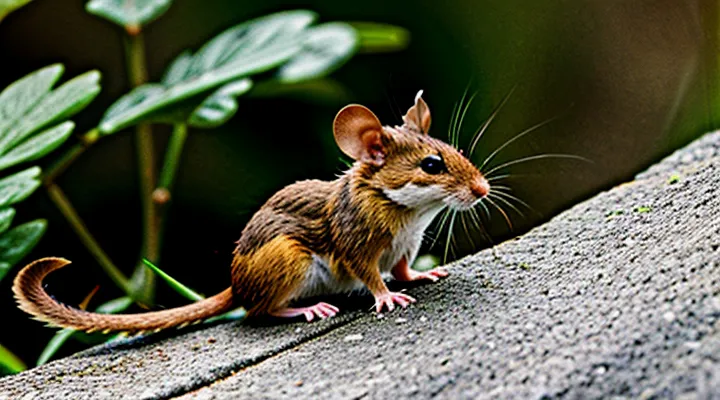
The Field Mouse: An Introduction to a Common Rodent
Physical Characteristics
Size and Weight
Field mice are small rodents whose body dimensions fall within narrow limits that facilitate survival in open habitats. Adult individuals typically measure 70–100 mm from nose to the base of the tail, with tail length adding 35–55 mm. Weight ranges from 10 g to 25 g, depending on species, age, and seasonal food availability.
Key factors influencing size and weight:
- Species variation: meadow and wood mice display slight differences, the former averaging nearer the upper size range.
- Seasonal change: individuals gain mass in autumn when food stores increase, then lose weight during winter scarcity.
- Sex: males often exceed females by 1–2 g, reflecting reproductive investment.
- Habitat quality: dense vegetation and abundant seeds correlate with larger body size, while arid areas produce smaller specimens.
These metrics provide baseline data for ecological assessments, population monitoring, and predator‑prey dynamics.
Fur Coloration and Texture
Field mice exhibit a wide range of coat colors that correspond closely to their habitats. Individuals living in open grasslands typically display brown or tan pelage, while those in shrub‑dominated areas often possess grayish tones. Seasonal molting produces a lighter, more muted coat in winter, enhancing concealment against snow‑covered ground. Color variation stems from differences in melanin concentration, genetic polymorphisms, and localized adaptation to substrate hue.
The texture of the fur contributes directly to survival functions. The undercoat consists of fine, downy fibers that provide insulation against temperature fluctuations. Overlying guard hairs are coarser and semi‑rigid, offering protection from abrasion and aiding in water repellency. The arrangement of these hair types creates a layered barrier that retains heat while permitting efficient airflow, supporting thermoregulation during both nocturnal activity and daytime rest.
Key characteristics of fur coloration and texture include:
- Pigmentation patterns: brown, gray, reddish, and seasonal lightening.
- Hair structure: dense undercoat for insulation, longer guard hairs for protection.
- Adaptive benefits: camouflage matching substrate, thermal regulation, moisture resistance.
These attributes collectively enable field mice to maintain body temperature, avoid predation, and thrive across diverse wild environments.
Distinctive Features («Eyes», «Ears», «Tail»)
The field mouse exhibits a compact body plan optimized for rapid movement through dense vegetation. Its morphology includes three prominent sensory and functional structures that distinguish it from other small mammals.
-
Eyes – Positioned on the sides of the skull, the eyes provide a wide field of view essential for detecting aerial and terrestrial threats. The retina contains a high density of rod cells, granting effective vision in dim twilight conditions common to its habitat. Pupil dilation adjusts quickly to fluctuating light levels, preserving visual acuity during sudden exposure.
-
Ears – The ears are proportionally large and capable of independent rotation. This mobility enhances directional hearing, allowing the mouse to localize sounds with precision. Frequency sensitivity peaks in the ultrasonic range, enabling detection of predator footfalls and conspecific vocalizations that lie beyond human hearing.
-
Tail – Extending beyond the body length, the tail is slender, lightly furred, and covered with a vascular network. It functions as a dynamic counterbalance during rapid sprints and vertical climbs, stabilizing the animal’s center of gravity. Heat exchange through the tail’s blood vessels assists in thermoregulation during temperature fluctuations.
Collectively, these features constitute the primary adaptations that support the field mouse’s survival and reproductive success in wild environments.
Habitat and Distribution
Preferred Ecosystems
Field mice thrive in habitats that provide dense ground cover, abundant seeds, and easy access to shelter. Open grasslands and meadows offer a mosaic of herbaceous plants and fallen detritus, supplying both food and protective cover from predators. Agricultural fields, especially those with crop rotations that leave residual seed heads, serve as seasonal foraging grounds while adjacent hedgerows and fence rows furnish nesting sites.
- Edge habitats: Transitional zones between forests and open land contain a mix of leaf litter, low shrubs, and fallen timber, creating optimal microclimates for nesting and foraging.
- Riparian zones: Moist soils along streams support lush vegetation and a steady supply of insects, enhancing dietary diversity.
- Shrublands: Dense thickets of shrubs and young saplings provide refuge and a steady seed source throughout the growing season.
- Pasture mosaics: Mixed-use pastures with interspersed patches of wildflowers and unmanaged patches increase habitat complexity and resource availability.
These ecosystems share common characteristics: high ground-level vegetation density, seasonal seed abundance, and structural features that allow quick escape routes. Preference for such environments reflects the species’ reliance on concealment, opportunistic feeding, and the ability to construct nests within concealed litter or burrows.
Geographical Range
The field mouse inhabits a wide trans‑continental distribution, extending from temperate zones of Europe and Asia to the northern reaches of North America. Its presence is documented across diverse ecosystems, including grasslands, agricultural fields, forest edges, and shrub‑dominated landscapes.
- Europe: British Isles, Scandinavia, Central and Eastern Europe, extending into the Balkans.
- Asia: Siberian taiga, Russian Far East, Korean Peninsula, northern China, and parts of Japan.
- North America: Southern Canada, northern United States, the Great Lakes region, and the Appalachian corridor.
Population density peaks in areas offering abundant ground cover and seed resources, while arid deserts and high‑altitude tundra represent natural limits. Seasonal migrations are minimal; instead, individuals adjust activity patterns to local climatic conditions.
Diet and Foraging Behavior
Food Sources
Seeds and Grains
Field mice rely heavily on seeds and grains as primary energy sources. Their diet includes a range of plant materials that vary with season and habitat.
- Small grasses: harvested during early spring when seedlings emerge.
- Annual herbs: provide abundant seed heads in late summer.
- Wild cereals: such as foxtail and millet, supply high‑starch kernels.
- Storage grains: abandoned by rodents or birds, become accessible in autumn.
Nutrient composition of these items offers carbohydrates, essential fatty acids, and modest protein levels. The high caloric density supports rapid growth and reproductive cycles. Field mice collect seeds directly from heads or from the ground after natural dispersal. They transport portions to shallow burrow chambers, where they create temporary caches to buffer periods of scarcity. Cache sites are often located near entrance tunnels to facilitate quick retrieval while minimizing exposure to predators.
Seasonal shifts dictate foraging intensity. Spring and early summer see increased consumption of newly produced seeds, while autumn brings reliance on larger grain kernels that persist after plant senescence. In winter, cached reserves become the sole food supply, and the depletion rate directly influences survival rates.
Interaction with the seed bank influences plant community dynamics. Consumption reduces seedling density, whereas cache abandonment contributes to seed dispersal and germination. Field mice thus act as both consumers and inadvertent dispersers, affecting vegetation patterns across meadow and field ecosystems.
Insects and Larvae
Field mice inhabit open meadows, hedgerows, and agricultural fields where insects and their immature stages form a substantial portion of available food resources. These arthropods supply protein, lipids, and micronutrients essential for growth and reproduction.
During the breeding season, adult mice consume a diverse assemblage of arthropods. The diet includes:
- Beetle adults and larvae (Coleoptera)
- Fly larvae and pupae (Diptera)
- Lepidopteran caterpillars (Lepidoptera)
- Moth and beetle pupae
- Small orthopterans such as grasshoppers (Orthoptera)
These groups provide high‑quality nutrients that support rapid embryonic development and increase litter size. In winter, when insect activity declines, mice shift toward stored seeds but still ingest overwintering larvae found in leaf litter.
Foraging behavior relies on tactile and olfactory cues. Mice probe soil and debris with their whiskers, detect movement of larvae, and use scent trails to locate congregations of maggots in decaying organic matter. This sensory strategy reduces search time and maximizes intake efficiency.
Larval populations also influence predator dynamics. High densities of larvae attract avian and reptilian predators, indirectly increasing predation pressure on field mice sharing the same microhabitat. Conversely, abundant larvae can sustain predator numbers, reducing the need for mice to compete for other prey.
Reproductive output correlates with insect availability. Studies show that litter sizes increase by up to 30 % in habitats where larval abundance exceeds a threshold of 150 individuals m⁻². Survival rates of juveniles improve when mothers can supplement plant material with protein‑rich larvae during the early post‑natal period.
Other Plant Matter
Field mice routinely exploit a variety of plant materials beyond seeds and grasses. These resources serve nutritional, shelter, and camouflage functions.
- Young shoots of herbaceous plants provide tender foliage rich in protein and carbohydrates.
- Fallen leaf litter offers both a source of condensed nutrients and a substrate for nest construction.
- Bark strips from shrubs and low trees supply fiber and serve as protective lining for burrows.
- Flower petals and stamens, especially from early‑season wildflowers, contribute micronutrients and antioxidants.
- Decaying fruit husks and pod remnants supply sugars and minerals while also acting as insulating material.
Consumption patterns shift with seasonal availability. In spring, sprouts dominate the diet; summer sees increased intake of flower parts; autumn emphasizes leaf litter and bark; winter reliance moves toward stored plant debris. Nest architecture incorporates the same plant elements, layering leaf litter with bark fragments to maintain temperature stability and deter predators.
Overall, the exploitation of diverse plant matter expands the ecological niche of field mice, allowing adaptation to fluctuating resource landscapes.
Foraging Strategies
Nocturnal Activity
Field mice are primarily active after dusk, exploiting reduced light to forage and avoid diurnal predators. Their nightly movements are driven by circadian rhythms synchronized with ambient temperature and moon illumination. Peak activity typically occurs within the first three hours after sunset, when insect prey are abundant and ground vegetation remains moist.
Key aspects of nocturnal behavior include:
- Foraging strategy – rapid, short bursts of movement followed by brief pauses to assess scent cues.
- Sensory adaptation – enlarged auditory bullae and whisker arrays enhance detection of predators and food items in low‑light conditions.
- Burrow usage – individuals retreat to underground nests for rest and thermoregulation, emerging only when external temperature exceeds a species‑specific threshold.
- Territorial patrol – males mark perimeters with urine and glandular secretions, reinforcing boundaries while minimizing visual exposure.
Environmental factors such as seasonal daylight length and precipitation influence the duration of nightly activity. During summer, extended twilight reduces the window for safe foraging, prompting mice to shift activity toward later hours. In contrast, winter darkness lengthens the active period, but cold temperatures constrain movement, leading to increased reliance on stored food.
Predation pressure shapes nocturnal patterns. Owls and foxes, which hunt visually, are less effective under moonless skies; field mice therefore increase activity on cloudy nights. Conversely, bright moonlight elevates risk, resulting in shorter foraging bouts and greater use of concealed pathways. This adaptive timing optimizes energy intake while maintaining survival odds in the wild.
Food Storage
Field mice rely on systematic food caching to survive periods when resources are scarce. They collect seeds, grains, insects, and occasional plant material during the abundant months of spring and summer. Each item is evaluated for caloric value and durability before being transported to a storage site.
The caching process involves:
- Selecting concealed locations such as underground burrows, leaf litter, or under rocks.
- Distributing caches across a wide area to reduce loss from predators or spoilage.
- Marking sites with scent cues or visual landmarks to facilitate later retrieval.
Memory plays a critical role; individuals retain spatial information about dozens of cache sites for weeks. Retrieval behavior intensifies in autumn, when metabolic demands increase and daylight declines. Mice prioritize high-energy seeds, discarding lower-quality items that have begun to deteriorate.
Seasonal variation influences both the quantity and type of stored food. Early in the season, rodents focus on rapidly renewable resources like fresh grass seeds. As the season progresses, they shift toward durable kernels and nuts that can endure colder temperatures.
Predation pressure shapes cache placement. Sites near entrance tunnels minimize exposure, while deeper burrows protect supplies from avian and mammalian hunters. Additionally, some mice create false caches to mislead potential thieves, a tactic observed in field studies.
Overall, food storage in field mice reflects a complex integration of foraging efficiency, spatial cognition, and risk management, ensuring survival through the harsh conditions of their natural habitats.
Social Structure and Reproduction
Social Behavior
Solitary vs. Group Living
Field mice exhibit two contrasting social strategies: solitary existence and temporary aggregation. Both strategies are shaped by resource distribution, predation pressure, and reproductive timing.
Solitary individuals maintain exclusive foraging territories, defend nesting sites, and limit direct contact with conspecifics. This approach reduces competition for limited seed supplies and minimizes disease transmission. Energetic costs of territorial patrol are offset by higher per‑capita food intake and lower risk of intra‑specific aggression.
Group living emerges during the breeding season when males form short‑term coalitions around receptive females. Aggregations enable collective vigilance, allowing individuals to allocate more time to feeding. Shared burrow systems provide thermal insulation and facilitate rapid offspring exchange among mothers, enhancing juvenile survival under harsh climatic conditions.
Key contrasts:
- Territory size: solitary mice occupy larger home ranges; groups share a confined area.
- Foraging behavior: solitary individuals forage alone, reducing overlap; groups exploit multiple food patches simultaneously.
- Predator avoidance: solitary mice rely on cryptic behavior; groups employ coordinated alarm calls and increased detection.
- Reproductive output: solitary females raise litters alone; communal nesting can lead to synchronized weaning and reduced maternal stress.
Communication Methods
Field mice employ a suite of communication strategies that enable them to locate resources, defend territories, and coordinate reproductive activities within their natural environments. These strategies function across multiple sensory channels, allowing rapid information exchange despite the species’ limited size and nocturnal habits.
- Chemical signaling: Pheromones deposited in urine or glandular secretions convey individual identity, reproductive status, and territorial boundaries.
- Acoustic signaling: High‑frequency squeaks and chirps transmit alarm messages and courtship cues; the sounds travel efficiently through dense vegetation.
- Tactile signaling: Direct contact during grooming or aggressive encounters transmits dominance hierarchies and social bonds.
- Visual signaling: Subtle body postures and tail movements provide immediate feedback during close‑range interactions.
Effective communication directly influences survival rates by reducing predation risk, optimizing foraging efficiency, and synchronizing breeding cycles. Disruption of any channel—through habitat alteration or chemical contamination—can impair these processes, highlighting the critical role of multimodal signaling in the species’ ecological success.
Mating and Breeding
Breeding Season
The breeding season of the field mouse commences in early spring, typically between March and May, when daylight lengthens and ambient temperatures rise above 10 °C. Increased photoperiod triggers hormonal changes that stimulate gonadal development, while abundant food resources—seed, grass shoots, and insects—provide the energy required for reproduction.
Mating occurs rapidly after estrus onset; males locate receptive females by scent marks left in runways and nesting chambers. Copulation is brief, and females may mate with multiple partners, enhancing genetic diversity within litters. Nest construction intensifies during this period: females select concealed sites beneath dense vegetation or within burrow systems, line them with soft plant material, and maintain a stable microclimate by sealing entrances.
Key reproductive parameters:
- Litter size: 4–7 pups on average, with occasional extremes of 3–9.
- Gestation length: 19–22 days.
- Weaning age: 14–18 days post‑birth.
- Post‑weaning independence: 3–4 weeks, after which juveniles disperse to establish new territories.
Parental investment focuses on thermoregulation and protection. Females provide frequent nursing bouts, adjust nest temperature through body contact, and defend the nest against predators such as owls, snakes, and small carnivores. After the first litter, females may produce a second brood within the same season if conditions remain favorable, extending reproductive output until late summer.
Survival of offspring depends on rapid growth, camouflage coloration, and the timing of dispersal to coincide with peak food availability. Early‑born juveniles benefit from a longer period of resource abundance, increasing their chances of reaching reproductive maturity in the following year.
Gestation and Litter Size
The field mouse (small rodent inhabiting temperate grasslands and forests) reaches sexual maturity within six weeks, enabling rapid population turnover. Gestation lasts 19–22 days, with slight variation among species; the common vole (Microtus arvalis) averages 21 days, while the wood mouse (Apodemus sylvaticus) records 20–23 days. The short prenatal phase aligns with the species’ strategy of producing multiple litters each breeding season.
- Typical litter size: 3–7 offspring
- Maximum recorded litter: up to 12 young in exceptionally favorable conditions
- Breeding frequency: 4–6 litters per year in temperate zones, up to eight in milder climates
- Seasonal influence: larger litters observed during spring and early summer when food availability peaks
Litter size correlates with maternal body condition, ambient temperature, and resource abundance. Under limited food supply, females may reduce offspring number to enhance survival prospects, whereas abundant vegetation and warm temperatures support larger broods and shorter inter‑litter intervals.
Parental Care
Field mice exhibit a highly specialized system of parental investment that maximizes offspring survival in temperate habitats. Females construct concealed nests using grasses, leaves, and shredded plant material, typically locating them beneath dense cover or within burrow chambers. Nest architecture provides thermal stability and protection from predators, while the placement of multiple chambers allows segregation of litters and reduces disease transmission.
Key components of maternal care include:
- Lactation: Females produce nutrient‑rich milk for 3–4 weeks, adjusting composition according to litter size and ambient temperature.
- Thermoregulation: Mothers frequently curl around pups, providing warmth during the first post‑natal days when pups cannot generate body heat.
- Hygiene: Mothers remove waste and dead offspring, maintaining nest cleanliness and limiting pathogen growth.
- Feeding: Mothers transport food items from foraging sites to the nest, delivering seeds, insects, and vegetative matter directly to the young.
Male involvement is limited; males generally do not participate in nest construction or direct offspring care. However, they may indirectly influence reproductive success by defending territories that contain high‑quality nesting sites and by reducing the presence of rival males, thereby decreasing the risk of infanticide.
Reproductive timing aligns with seasonal resource peaks. Females typically breed in late spring, producing 4–7 pups per litter. Rapid growth rates—approximately 1 g per day—allow juveniles to achieve independence within 4–5 weeks, after which they disperse to establish new territories.
Overall, the combination of concealed nesting, intensive maternal provisioning, and strategic breeding cycles constitutes an effective parental strategy that sustains field mouse populations despite predation pressure and environmental variability.
Predation and Survival Strategies
Natural Predators
Birds of Prey
Birds of prey exert direct pressure on small rodent populations, shaping the daily patterns of field-dwelling mice. Predatory birds locate prey through acute vision, rapid wingbeats, and silent swoops, forcing mice to adjust foraging routes, timing, and shelter selection.
Key raptor species that target these mammals include:
- Eurasian sparrowhawk (Accipiter nisus) – ambushes from low perches, captures mice in short bursts.
- Common kestrel (Falco tinnunculus) – hovers over open fields, drops onto prey with precise strikes.
- Short‑eared owl (Asio otus) – hunts at dusk, uses auditory cues to locate concealed rodents.
- Red‑tailed hawk (Buteo jamaicensis) – soars high, dives into grassland cover to seize fleeing mice.
Physiological adaptations such as hooked beaks, powerful talons, and high metabolic rates enable rapid consumption of captured prey, reducing the time mice remain vulnerable. The presence of these predators drives mouse anti‑predator behaviors: increased vigilance, use of dense vegetation, and nocturnal activity peaks. Consequently, predator–prey dynamics maintain balanced rodent densities, influence seed dispersal patterns, and contribute to overall ecosystem stability.
Mammalian Predators («Foxes», «Weasels»)
Foxes and weasels dominate the mammalian predation pressure on small rodents inhabiting open fields. Their presence shapes the foraging behavior, population density, and spatial distribution of field mice.
Foxes employ opportunistic hunting, combining keen olfactory detection with swift pursuit. They often stalk prey from concealed cover, then execute a rapid chase that can cover distances up to several hundred meters. Seasonal shifts affect their diet composition; during autumn, increased rodent activity raises the proportion of mice in fox stomach contents to 30‑45 % by mass. Foxes also cache surplus kills, influencing local prey availability.
Weasels specialize in close‑quarters capture. Their elongated bodies enable entry into burrows and dense vegetation where mice seek refuge. Key traits include:
- High metabolic rate demanding frequent feeding; a single adult weasel may consume 25‑30 % of its body weight daily.
- Acute hearing and vibration sensitivity, allowing detection of prey movement underground.
- Aggressive pursuit tactics, often resulting in multiple kills per hour during peak activity periods.
Both predators exert top‑down control, limiting mouse reproductive output and prompting adaptive responses such as increased nocturnality, heightened vigilance, and use of complex tunnel networks. The interplay of fox and weasel predation establishes a dynamic equilibrium that maintains field ecosystems in a state of continuous flux.
Reptiles
Reptiles share the grassland, meadow, and woodland habitats that field mice occupy. Their physiological adaptations allow rapid movement across ground litter, underbrush, and rocky outcrops, creating frequent points of interaction with the small rodent.
Common reptilian inhabitants include:
- European adder (Vipera berus): ambush predator that exploits mouse burrow entrances.
- Common lizard (Zootoca vivipara): opportunistic feeder on juvenile mice and eggs.
- Smooth snake (Coronella austriaca): nocturnal hunter that tracks mouse scent trails.
- Slowworm (Anguis fragilis): terrestrial predator that enters mouse tunnels during cooler periods.
Predation pressure shapes mouse behavior. Reptiles rely on heat-sensing pits, visual acuity, and tongue‑flicked chemical cues to locate prey. In response, mice adopt increased vigilance at burrow entrances, use zigzag escape routes, and time foraging to avoid peak reptile activity.
Seasonal dynamics alter encounter rates. Spring and early summer see heightened reptile activity as ectotherms emerge from hibernation, coinciding with mouse breeding peaks. Autumn brings reduced reptile movement, allowing mice to expand foraging ranges. Winter dormancy in both groups limits direct interactions but leaves residual predation risk from overwintering reptiles that remain active beneath leaf litter.
Overall, reptiles contribute to the predatory landscape that regulates field mouse populations, influencing their spatial distribution, foraging strategies, and reproductive timing.
Defensive Mechanisms
Camouflage
Field mice rely on camouflage to remain undetected by predators across diverse habitats such as grasslands, forests, and agricultural fields. Their fur exhibits mottled brown, gray, and ochre tones that match the surrounding substrate, reducing visual contrast. Seasonal molting adjusts pigment density: lighter coats appear in winter when snow cover is common, while darker fur dominates in summer months to blend with leaf litter and soil.
Camouflage operates through several mechanisms:
- Background matching: fur coloration mirrors the dominant hues of the immediate environment, minimizing silhouette visibility.
- Disruptive patterning: irregular patches break up the animal’s outline, hindering predator recognition of body shape.
- Behavioral positioning: mice often align their bodies along vegetation or burrow entrances, further concealing their profile.
Physiological adaptations support these visual strategies. Melanocyte activity regulates pigment production in response to photoperiod and temperature cues, enabling rapid coat changes. Additionally, the fine texture of the fur scatters light, diminishing reflective hotspots that could betray the mouse’s location.
Predator detection studies show that individuals with mismatched coloration experience higher predation rates than those whose coats closely resemble the ground cover. Consequently, natural selection favors genetic variants that enhance cryptic coloration and flexible molting cycles.
Camouflage also influences foraging behavior. By remaining motionless and concealed, field mice can approach seed sources and insect prey with reduced risk. When movement is necessary, short, low-amplitude hops limit exposure time, maintaining the effectiveness of their visual concealment.
Burrowing Behavior
The field mouse constructs underground chambers that serve as shelters, nesting sites, and food storage areas. Burrows typically consist of a primary tunnel leading to a deeper nest chamber, with lateral side passages that provide escape routes and ventilation.
- Primary tunnel length ranges from 30 cm to 1 m, depending on soil compactness and predator pressure.
- Nest chamber depth averages 15–25 cm, offering stable temperature and humidity.
- Side passages, 5–10 cm wide, enable rapid retreat and reduce the likelihood of predator entry.
Burrowing activity peaks during the breeding season, when females enlarge nest chambers to accommodate litters of 4–7 offspring. Males increase tunnel excavation to establish territorial boundaries and to locate receptive females. Seasonal adjustments include deeper chambers in winter to maintain thermal neutrality and shallower tunnels in summer to avoid overheating.
Soil composition influences burrow architecture. Sandy loam permits longer, straighter tunnels, while clay-rich soils result in shorter, more convoluted networks. Moisture content affects structural integrity; excessive saturation leads to collapse, prompting mice to relocate to drier strata.
Burrows impact the ecosystem by aerating soil, redistributing organic material, and creating microhabitats for invertebrates. The disturbance of leaf litter accelerates decomposition, enhancing nutrient cycling. Predators such as snakes and raptors exploit burrow entrances, shaping mouse foraging patterns and activity cycles.
Research on burrowing behavior employs radio telemetry, motion‑activated cameras, and soil casting techniques. Data reveal that individuals allocate up to 30 % of their active time to excavation, maintenance, and inspection of tunnel systems.
Evasive Manevers
Field mice rely on rapid, precise movements to avoid predation in open habitats. Their small size and keen sensory systems enable detection of threats at distances that allow execution of complex escape patterns.
The auditory and vibrissal systems provide early warning of approaching predators. Once a disturbance is perceived, the mouse initiates a cascade of motor responses coordinated by the brainstem and cerebellum, producing swift, unpredictable trajectories.
- Sudden change of direction within 0.1 seconds of stimulus onset.
- Zig‑zag sprint covering 2–3 body lengths before a pause.
- Vertical leap onto low vegetation or debris, typically 5–8 cm high.
- Utilization of ground cover, pressing the body against stems to reduce silhouette.
- Rapid burrowing entrance when escape routes are limited, achieved in under 0.3 seconds.
These tactics reduce the likelihood of capture by birds of prey, snakes, and mammalian hunters. The combination of high‑frequency direction shifts and brief pauses creates a visual “strobe” effect that hampers predator tracking. Successful evasion also depends on habitat complexity; areas with dense grasses or scattered rocks increase maneuver options, thereby enhancing survival rates.
Ecological Role and Impact
Seed Dispersal
Field mice regularly encounter seeds while foraging, creating a direct link between rodent activity and plant reproduction. Their small size and agile movements allow them to locate, transport, and temporarily store seeds across diverse microhabitats.
- Consumption followed by partial digestion often leaves viable seed coats, enabling germination after excretion.
- Caching behavior involves burying seeds in shallow soil layers; some caches are forgotten, providing a protected seed bank.
- Transport on fur or in cheek pouches moves seeds away from the parent plant, reducing density‑dependent competition.
These actions affect plant communities by enhancing seed dispersal distance, increasing spatial heterogeneity, and promoting colonization of disturbed sites. Seed survival rates improve when caches are placed in moist, shaded locations, conditions commonly selected by field mice to minimize predation risk. Seasonal shifts in foraging intensity align with seed availability, resulting in peak dispersal during autumn when many plant species release mature seeds.
Predator presence influences caching depth and site selection, indirectly shaping seed fate. By altering seed placement patterns, field mice contribute to the regeneration dynamics of grasses, herbs, and early‑successional woody species, thereby sustaining the structure and resilience of open habitats.
Pest Status
The field mouse is frequently classified as a pest because its feeding habits directly reduce crop yields and compromise stored commodities. Individual rodents can consume significant quantities of grain, seedlings, and tender vegetation, leading to measurable economic losses for farmers and grain handlers.
Typical consequences of infestation include:
- Consumption of standing crops, lowering marketable harvest.
- Contamination of stored grain with urine, feces, and hair, prompting spoilage and rejection by buyers.
- Damage to infrastructure such as irrigation ducts and electrical wiring through gnawing behavior.
- Potential transmission of zoonotic pathogens, notably hantavirus and leptospirosis, to humans and livestock.
Control measures emphasize integrated pest management. Strategies combine habitat modification (removing cover and food sources), exclusion techniques (sealing entry points, using rodent‑proof containers), and targeted use of anticoagulant baits or mechanical traps. Monitoring programs track population density to trigger interventions before damage escalates, aligning economic thresholds with regulatory guidelines.
Food Chain Dynamics
The field mouse occupies a central position in temperate grassland and forest ecosystems, linking primary producers to higher trophic levels. As a herbivore, it converts plant biomass into animal tissue, providing a nutrient source for a range of carnivores and omnivores.
Predators that regularly consume field mice include:
- Red fox (Vulpes vulpes)
- Eurasian owl species (e.g., barn owl, tawny owl)
- Raptor birds such as buzzards and hawks
- Small mustelids (e.g., weasels, stoats)
- Snakes (e.g., grass snakes, vipers)
These consumers rely on the mouse’s reproductive capacity to sustain their own populations. High fecundity, with multiple litters per year, ensures a steady influx of prey biomass, especially during spring and early summer when vegetation is abundant.
In turn, field mice influence plant communities through selective grazing. Their foraging reduces seedling density of dominant grasses, allowing coexistence of less competitive species. By transporting seeds in fur and droppings, they facilitate dispersal across microhabitats, indirectly shaping vegetation patterns.
Seasonal fluctuations affect the dynamics of this trophic link. Winter scarcity lowers mouse activity, reducing predation pressure and prompting predators to shift to alternative prey. Early summer surges in mouse numbers trigger corresponding increases in predator breeding success, demonstrating a tightly coupled population response.
Energy transfer efficiency from plants to field mice averages 10 % of primary production, while the subsequent transfer to predators ranges from 5 % to 15 % depending on predator size and metabolic demands. These figures illustrate the mouse’s role as an efficient conduit of organic matter through the ecosystem.
Understanding these interactions provides insight into the stability of the broader food web, highlighting the field mouse’s function as both a consumer of primary production and a critical resource for higher trophic organisms.