
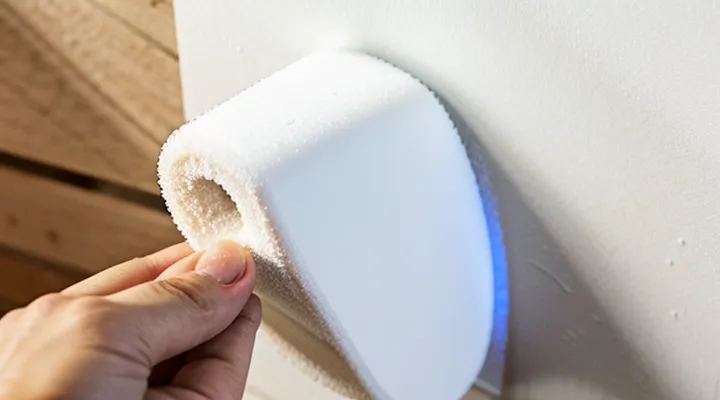
Understanding Expanding Foam and Mice
What is Expanding Foam?
Expanding foam is a polymeric material that originates as a liquid mixture of isocyanate and polyol components. When the two chemicals combine, they react exothermically, generating carbon dioxide that inflates the mixture into a rigid, cellular structure. The resulting foam adheres firmly to most building materials, fills gaps, and hardens within minutes.
Key characteristics include:
- Low density, typically 0.9–1.2 g/cm³, providing lightweight fill.
- Rapid expansion ratio, often 30–50 times the original volume.
- Thermal insulation values ranging from R‑3 to R‑6 per inch of thickness.
- Strong adhesion to wood, concrete, metal, and drywall surfaces.
Common formulations differ by purpose:
- Open‑cell foam – soft, breathable, suitable for acoustic sealing and interior gaps.
- Closed‑cell foam – dense, moisture‑resistant, preferred for structural reinforcement and exterior applications.
In pest‑control contexts, the foam’s ability to seal entry points makes it effective for preventing rodent intrusion. The material expands to fill cracks around pipes, vents, and foundation seams, eliminating pathways that mice exploit. Proper application requires:
- Wearing gloves and eye protection to avoid skin contact and splashes.
- Ventilating the area because the reaction releases volatile organic compounds.
- Applying a thin, even layer; excess foam can create pressure that damages surrounding structures.
Understanding these properties enables safe and efficient use of expanding foam as a barrier against rodent access.
Why Mice are a Problem
Mice infestations create immediate health hazards. They carry pathogens such as hantavirus, salmonella, and leptospira, which can contaminate surfaces and food supplies, leading to acute illnesses. Their droppings and urine also produce allergens that trigger respiratory problems, especially in sensitive individuals.
Mice compromise building integrity. Their incisors gnaw through insulation, plastic pipes, and electrical wiring, increasing the risk of short circuits and fire. Structural components, including wooden framing and drywall, suffer from chew marks and nesting material that weakens joints and promotes moisture accumulation.
Mice reproduce rapidly, producing up to ten litters per year. A small population can expand to a full-blown infestation within weeks, escalating the above risks and creating a persistent control challenge.
- Disease transmission through contaminated food and surfaces
- Electrical hazards from chewed wiring
- Structural weakening of insulation, piping, and framing
- Allergen buildup from droppings and urine
- Exponential population growth leading to sustained infestations
Given these impacts, employing a targeted, non‑toxic method such as expanding polyurethane foam requires strict adherence to safety guidelines to protect occupants while eliminating the rodent threat.
The Appeal of Expanding Foam for Pest Control
Misconceptions About Foam as a Barrier
Expanding polyurethane foam is often presented as a universal sealant, yet several false assumptions limit its effectiveness against rodents.
Common misconceptions include:
- Foam creates an impenetrable wall. The cured material remains porous at a microscopic level, allowing small rodents to squeeze through gaps that appear sealed.
- One application covers all entry points. Foam contracts after curing; cracks may reopen, especially around flexible structures such as doors or vents.
- Foam is harmless to mice. It can cause irritation or injury, but it does not guarantee mortality, and surviving rodents may seek alternative routes.
- Foam does not need maintenance. Over time, environmental factors degrade the seal, requiring periodic inspection and reapplication.
Accurate understanding of these points ensures proper planning, targeted placement, and regular monitoring when using expanding foam as part of a rodent‑control strategy.
Safety First: Hazards and Precautions
Health Risks of Expanding Foam
Inhalation Concerns
Inhalation of expanding foam releases aerosols that can irritate the respiratory tract and, in high concentrations, impair lung function. The polyurethane components and propellants generate fine particles capable of penetrating deep into the bronchi, leading to coughing, wheezing, or shortness of breath. Prolonged exposure may exacerbate pre‑existing asthma or trigger allergic reactions.
To minimize risk, follow these procedures:
- Perform application in a well‑ventilated area; open windows and use exhaust fans to disperse fumes.
- Wear a certified particulate respirator (N95 or higher) and protective goggles before handling the product.
- Keep the foam canister upright to prevent accidental discharge and avoid shaking, which increases aerosol formation.
- Limit exposure time; step away from the work zone once the foam begins to expand and allow the material to cure before re‑entering.
- If inhalation occurs, move the affected person to fresh air immediately, administer calm breathing, and seek medical evaluation if symptoms persist.
Regularly inspect ventilation systems and replace respirator filters according to manufacturer guidelines. Document any incidents of respiratory irritation to track patterns and adjust safety protocols accordingly.
Skin and Eye Contact
Expanding foam used for rodent control releases chemicals that can irritate skin and eyes upon direct exposure. Immediate decontamination reduces the risk of burns, dermatitis, or ocular injury.
When foam contacts skin, it begins to expand and generate heat. Rinse the affected area with lukewarm water for at least 15 minutes, removing any residue with mild soap. Do not rub the skin, as friction may increase penetration. After flushing, inspect for redness, blistering, or swelling; seek medical attention if symptoms persist.
If foam reaches the eyes, it can cause severe irritation, corneal abrasions, or chemical burns. Irrigate the eyes with a continuous stream of sterile saline or clean water for a minimum of 20 minutes, keeping the eyelids open to ensure thorough flushing. After irrigation, assess vision clarity and discomfort; professional evaluation is required if pain, blurred vision, or persistent redness occur.
Protective measures include:
- Nitrile gloves resistant to chemicals
- Long‑sleeved clothing or disposable coveralls
- Safety goggles or full‑face shields
- Respiratory protection when foam is applied in poorly ventilated spaces
Adhering to these precautions and prompt decontamination protocols minimizes the hazards associated with skin and eye exposure to expanding foam.
Proper Handling and Application
Personal Protective Equipment (PPE)
When applying expanding foam to control rodent entry, personal protective equipment is essential to prevent injury and exposure to chemicals.
Wear gloves made of nitrile or neoprene to shield hands from the foam’s adhesive components and potential skin irritation. Choose goggles or safety glasses that provide a seal around the eyes, protecting them from splashes and aerosolized particles. A disposable respirator with a P100 filter guards against inhalation of volatile compounds released during expansion. Cover exposed skin with a long‑sleeved shirt and durable leggings, preferably made of polyester‑cotton blend, to reduce contact with the foam.
Additional precautions include:
- Removing jewelry that could trap foam and cause burns.
- Securing hair and avoiding loose clothing that might be pulled into expanding material.
- Disposing of contaminated PPE in sealed bags after use to prevent cross‑contamination.
Follow manufacturer instructions for foam application, ensuring ventilation in the work area and limiting exposure time. Proper PPE use minimizes health risks while allowing effective sealing of mouse pathways.
Ventilation Requirements
When applying expanding foam to seal entry points for rodent exclusion, adequate airflow is essential to prevent hazardous vapors from accumulating. The foam releases isocyanates and other volatile compounds that can irritate the respiratory system if trapped in an enclosed space. Proper ventilation minimizes exposure risk for occupants and improves the curing process.
Key ventilation practices include:
- Open all doors and windows in the treatment area before beginning the application.
- Employ portable exhaust fans to direct fresh air across the foam‑application zone and out of the building.
- Maintain a minimum air exchange rate of 6 air changes per hour for the room where foam is used.
- Use a certified respirator equipped with organic vapor filters if mechanical ventilation cannot achieve the required air turnover.
- After the foam has cured, continue airflow for at least 30 minutes to disperse residual fumes before re‑entering the space.
Failure to meet these requirements may result in acute irritation, headaches, or longer‑term health effects. Verify that local building codes or occupational safety regulations do not impose additional ventilation standards for chemical foams, and document compliance before completing the sealing project.
Storage Guidelines
Storing expanding foam intended for rodent control requires strict adherence to safety standards to preserve product integrity and prevent accidental exposure.
Maintain the container in a cool, dry environment. Ideal temperature ranges from 5 °C to 25 °C (41 °F–77 °F). Avoid locations near radiators, direct sunlight, or heating vents, as elevated heat accelerates chemical degradation and increases pressure inside the can.
Seal the can tightly after each use. Replace the original cap or apply a compatible airtight cover. Keep the sealed container upright to discourage leakage. Store the can away from flammable materials, cleaning agents, and sharp objects that could puncture the casing.
Recommended storage procedure:
- Inspect the can for dents, corrosion, or compromised seals before placement.
- Record the purchase date on the label; most formulations remain effective for 12–24 months.
- Place the can on a stable shelf, protected by a fire‑resistant cabinet if available.
- Restrict access to children and untrained personnel; use a lockable storage area when feasible.
- Conduct a quarterly visual check for signs of swelling, rust, or leakage.
When the product reaches the end of its usable life, follow local hazardous‑waste regulations. Do not discard cans in regular trash; contact municipal waste services for proper disposal instructions.
How Mice Interact with Expanding Foam
Chewing Through Foam
The Durability of Different Foam Types
Choosing a foam that maintains its integrity after application is essential when employing expanding foam as a rodent deterrent. Durability determines whether the barrier will stay effective over weeks or months, preventing mice from tunneling through or dislodging the material.
Polyurethane foams dominate the market. Closed‑cell variants create a rigid, water‑resistant barrier; they retain shape under temperature fluctuations and resist compression. Open‑cell versions remain softer, absorb moisture, and degrade faster when exposed to humidity or repeated mechanical stress.
Silicone‑based foams offer superior temperature tolerance. They remain flexible at extreme heat and cold, and their chemical composition resists UV degradation. However, silicone foams are typically less adhesive to porous surfaces, which can reduce long‑term stability if the substrate is not properly primed.
Epoxy‑infused foams provide the highest compressive strength. The cured matrix bonds strongly to concrete, wood, or metal, and the epoxy component shields the foam from chemical attack. These formulations cure slower than polyurethane, requiring extended curing time before the barrier becomes fully effective.
Key durability parameters:
- Moisture resistance: closed‑cell polyurethane and epoxy‑infused foams outperform open‑cell types.
- UV stability: silicone foams maintain performance under direct sunlight; most polyurethanes degrade after prolonged exposure.
- Temperature range: silicone foams operate from –40 °C to +200 °C; standard polyurethane is limited to –20 °C to +80 °C.
- Mechanical load: epoxy‑infused foams sustain the highest compressive forces; open‑cell polyurethane yields under moderate pressure.
Matching the foam’s durability profile to the installation environment ensures a lasting, safe barrier against rodent intrusion.
Materials Mice Can Gnaw Through
Mice can breach a wide range of construction and household materials, which directly influences where expanding foam should be applied to block their access. Understanding the susceptibility of each substrate helps prevent the foam from being placed on surfaces that rodents will simply gnaw through, rendering the treatment ineffective.
- Softwood and untreated lumber
- Plywood and particleboard
- Cardboard and paperboard
- Thin PVC pipe and flexible plastic sheeting
- Polystyrene foam and other lightweight insulation panels
- Rubber sheeting and flexible vinyl flooring
- Drywall, plasterboard, and joint compound
Materials that resist gnawing include solid steel, reinforced concrete, thick masonry, and hard‑metal framing. When sealing gaps, position the foam against these durable surfaces whenever possible, or combine the foam with a metal or concrete barrier to eliminate the chewing path. Regular inspection of vulnerable substrates ensures that the foam remains a lasting deterrent rather than a temporary patch.
Nesting in Foam
Mice often exploit expanding foam as a shelter after it hardens. The material provides insulation, concealment, and a stable structure, making it attractive for nesting. Once a mouse establishes a nest, the foam can become a source of odor and disease, and the presence of rodents may compromise the intended pest‑control effect.
To prevent nesting, apply foam only in areas inaccessible to rodents. Seal entry points before treatment; gaps around pipes, vents, and wall joints must be closed with metal mesh or steel wool. After foam cures, inspect the surface for any signs of burrowing or gnaw marks. If damage is observed, remove the compromised section and reapply foam with a tighter seal.
Safe usage guidelines:
- Wear protective gloves and goggles during application to avoid skin contact and inhalation of fumes.
- Ensure adequate ventilation; open windows and use a fan to disperse vapors.
- Limit foam depth to the manufacturer’s recommendation; excessive buildup creates cavities that mice can enter.
- Store unopened cans in a cool, dry place away from heat sources.
If nesting is detected, follow these steps:
- Isolate the affected area to prevent mouse escape.
- Cut away the foam using a utility knife or a saw, taking care not to damage surrounding structures.
- Clean the exposed surface with a mild detergent, then disinfect with a solution containing at least 70 % isopropyl alcohol.
- Re‑seal the area with a rodent‑proof barrier before re‑applying foam.
Monitoring after treatment is essential. Regularly check for fresh gnaw marks or droppings. Prompt removal of any new nests maintains the efficacy of the foam barrier and reduces health risks associated with rodent infestation.
Foam as an Attractant
Expanding foam can be mixed with a mouse attractant to create a dual‑function barrier that lures pests and seals entry points. The foam’s porous surface retains scented bait, while its rapid expansion blocks passages that rodents use.
Mice respond to strong food odors and the soft texture of cured foam. Adding a few drops of a commercial rodent attractant or a natural lure such as peanut oil creates a scent profile that draws the animal into the foam mass, where it becomes trapped as the material hardens.
Application procedure
- Clean the target area and remove debris that could interfere with adhesion.
- Prepare a can of polyurethane foam according to manufacturer instructions.
- Mix a measured amount of attractant (approximately 0.5 ml per 30 ml foam) into the nozzle before dispensing.
- Apply foam directly into cracks, holes, or gaps where mouse activity has been observed.
- Allow the foam to cure for the specified time, typically 5–10 minutes, before touching the surface.
Safety considerations are mandatory. Wear gloves and eye protection, work in a well‑ventilated space, and keep the can away from open flames. Do not exceed the recommended volume; excess foam can create hard, sharp edges that pose injury risks. Store unused foam and attractant away from children and pets.
After curing, inspect the treated sites regularly. Replace foam that shows signs of degradation or loss of scent. Dispose of spent cans and contaminated materials according to local hazardous‑waste guidelines to prevent environmental contamination.
Effective Mouse Control Strategies
Integrated Pest Management (IPM) Principles
Integrated Pest Management (IPM) provides a systematic framework for rodent control that balances effectiveness with safety. When expanding foam is considered as a tool against mice, IPM ensures that its application complements, rather than replaces, other preventive measures.
Key IPM components include:
- Prevention: Identify and eliminate structural gaps, store food in sealed containers, maintain cleanliness, and manage vegetation that shelters rodents.
- Monitoring: Conduct regular visual inspections and use tracking devices to confirm activity levels.
- Action Threshold: Establish a numeric or qualitative level of infestation that triggers intervention, preventing unnecessary treatment.
- Control: Select methods based on least toxicity and highest specificity; physical barriers, traps, and, where appropriate, expanding foam serve as targeted options.
- Evaluation: Review results after each intervention, adjust tactics, and document outcomes for future reference.
Applying these principles to expanding foam involves sealing identified entry points after confirming a threshold breach, using the minimum amount necessary to block access, and re‑inspecting the site to verify that mice cannot bypass the barrier. Documentation of foam placement, quantity, and observed rodent activity supports ongoing assessment and reduces the risk of over‑application or unintended hazards.
Sealing Entry Points
Using Mouse-Proof Materials
Expanding foam can seal entry points that rodents exploit, but it works best when combined with durable, mouse‑proof materials. Choose substrates that resist gnawing and maintain structural integrity under foam pressure.
- Steel wool, tightly packed and secured with hardware cloth
- Copper or stainless‑steel mesh, gauge 1/4 inch or finer
- Silicone or polyurethane sealant, applied to flexible joints
- Concrete or mortar, used to fill larger openings
- Metal flashing, installed over vulnerable seams
Apply foam only after the primary barrier is in place. Wear gloves and eye protection, work in a well‑ventilated area, and dispense foam at a slow, steady rate to prevent over‑expansion. Once the foam cures, trim excess with a utility knife, then inspect the seal for gaps or loose fibers. Replace any compromised material promptly to preserve the barrier’s effectiveness.
Regularly check sealed areas for signs of wear, moisture intrusion, or rodent activity. Reapply foam and reinforce with the chosen materials as needed to maintain a continuous, impenetrable enclosure.
Proper Application Techniques for Sealants
Proper application of sealants ensures that expanding foam creates an effective barrier against rodent intrusion while minimizing health risks. Begin by identifying all potential entry points, such as gaps around pipes, vents, and foundation cracks, and clean each opening of dust, debris, and grease. A dry surface improves adhesion and prevents foam degradation.
Before dispensing, wear protective gloves, goggles, and a respirator rated for organic vapors. Shake the can for the recommended period, then attach the nozzle securely. Position the nozzle at a slight angle to the gap, allowing the foam to expand outward rather than directly into confined spaces where pressure could cause splintering.
- Apply a thin, continuous bead of foam, maintaining a distance of 1–2 cm from the opening.
- Observe the foam’s expansion; stop dispensing once the material fills the void and begins to cure.
- Allow the foam to cure for the manufacturer‑specified time, typically 10–15 minutes, before trimming excess with a utility knife.
- Seal the trimmed edges with a compatible caulk to eliminate any remaining micro‑gaps.
After curing, ventilate the area for at least 30 minutes to disperse residual fumes. Inspect the sealed points periodically; replace any compromised sections promptly to maintain a continuous barrier against mice.
Trapping and Baiting
Types of Traps
When expanding foam is employed as a barrier against rodents, complementary trapping methods improve control and reduce the risk of infestation spreading through gaps. The following trap categories are commonly used in conjunction with foam applications:
- Snap traps – Steel spring mechanisms deliver an instantaneous kill. Placement near foam seams ensures immediate action when a mouse attempts to breach the seal.
- Live‑catch traps – Wire cages with a trigger plate capture rodents unharmed. After capture, animals can be released far from the property, preventing secondary damage to the foam barrier.
- Electronic traps – Battery‑powered devices administer a lethal shock. Their sealed chambers protect the foam from contamination and simplify disposal.
- Glue boards – Adhesive surfaces immobilize mice quickly. Position boards directly adjacent to foam seams to intercept individuals before they reach the sealed area.
- Bait stations – Enclosed containers dispense anticoagulant or non‑toxic bait. When combined with foam, they attract mice that have entered through unnoticed openings, allowing for systematic population reduction.
Each trap type serves a distinct purpose: snap and electronic traps provide rapid elimination, live‑catch traps support humane removal, glue boards offer passive interception, and bait stations facilitate broader control. Selecting the appropriate mix depends on the extent of the infestation, the desired level of humaneness, and the need to preserve the integrity of the foam seal. Proper placement—directly at or immediately beyond foam‑treated zones—maximizes effectiveness while minimizing disruption to the expanded barrier.
Bait Station Placement
Proper placement of bait stations is essential when employing expanding foam as a rodent deterrent. Install stations near walls, behind appliances, and in concealed corners where mice habitually travel. Ensure each station is anchored securely to prevent displacement by other animals or household activity.
Key considerations for positioning:
- Height: Position at 2–4 inches above the floor to align with mouse runways while remaining out of reach of children and pets.
- Distance: Space stations 10–15 feet apart to create overlapping coverage without excessive material use.
- Accessibility: Keep clear of obstacles that could impede foam application or inspection.
- Ventilation: Avoid enclosed areas lacking airflow to reduce inhalation risk during deployment.
Before activation, verify that each station is free of food debris and that the surrounding surface is dry. After foam application, monitor stations regularly for signs of tampering or degradation, and replace as needed to maintain efficacy and safety.
Professional Pest Control Services
Professional pest‑control operators incorporate expanding foam into mouse‑removal programs because the material creates airtight barriers that prevent entry and seal existing gaps. Technicians assess structural vulnerabilities, select appropriate foam formulations, and apply the product with calibrated equipment to ensure uniform coverage without excess buildup.
Safety protocols govern every step of the process. Operators wear respirators and chemical‑resistant gloves, ventilate the area during application, and follow manufacturer‑specified curing times before allowing occupancy. Foam residues are trimmed or sanded back to a flush surface to eliminate fire hazards and maintain aesthetic standards.
Advantages of hiring specialists include:
- Precise identification of rodent pathways that homeowners often overlook.
- Controlled dosage that maximizes sealing effectiveness while minimizing waste.
- Compliance with local building codes and environmental regulations.
- Post‑treatment monitoring to verify that mice do not re‑establish access.
When selecting a service provider, verify certification, request documentation of foam‑type approvals, and confirm that staff receive regular training on chemical safety and rodent behavior. These criteria ensure that expanding foam is deployed effectively and without risk to occupants or property.
Post-Application Care and Monitoring
Inspecting Sealed Areas
Before applying expanding foam to block rodent entry, verify that all potential openings have been identified and properly sealed. A thorough inspection prevents foam waste, reduces the risk of trapped insects, and ensures the barrier remains effective over time.
- Examine exterior walls for cracks, gaps around window frames, and damaged siding.
- Inspect interior spaces where utilities penetrate walls, such as plumbing, electrical conduit, and HVAC ducts.
- Check the foundation for voids near the slab, crawl spaces, and basement walls.
- Look behind appliances, under sinks, and around the base of cabinets for hidden openings.
- Use a flashlight and a flexible inspection mirror to view concealed areas.
Document each defect with a brief note and a photo, then prioritize repairs based on size and location. Small gaps (under ¼ inch) can often be closed with caulk before foam application; larger openings may require metal flashing or wood patching. Ensure the surface is clean and dry; debris or moisture can compromise foam adhesion and create future entry points.
When the inspection is complete and all gaps are sealed, proceed with foam installation according to product guidelines. The pre‑inspection step guarantees a reliable, long‑lasting barrier against mice while maintaining safe use of the expanding material.
Addressing Re-infestations
Expanding foam can seal entry points, but mice often return if underlying conditions are not corrected. Effective management of re‑infestations requires a systematic approach that combines physical barriers, habitat modification, and ongoing monitoring.
First, conduct a thorough inspection after the initial application. Identify any gaps missed during sealing, such as cracks around utility penetrations, vents, or door frames. Apply additional foam or alternative sealants to these areas promptly.
Second, eliminate attractants that draw rodents back into the structure. Store food in airtight containers, keep garbage bins sealed, and maintain clean surfaces in kitchens, pantries, and storage rooms. Reduce clutter that provides shelter, especially in basements, attics, and crawl spaces.
Third, establish a regular inspection schedule. Check sealed openings monthly for signs of new activity—chewed foam, gnaw marks, or droppings. Early detection allows quick reinforcement before a full‑scale re‑infestation develops.
Fourth, integrate complementary control methods. Place snap traps or electronic devices near suspected pathways, and consider bait stations in accordance with local regulations. These measures provide an additional line of defense while the foam remains effective.
Finally, document all actions. Record locations sealed, dates of application, and any observations during follow‑up checks. A clear log facilitates pattern recognition and informs future preventive strategies.
By combining meticulous sealing, environmental sanitation, routine surveillance, and supplemental trapping, the likelihood of mice re‑establishing a presence after foam treatment is markedly reduced.
Long-Term Prevention Tips
Applying expanding foam correctly can seal entry points, but lasting protection requires additional measures. After the foam cures, inspect all walls, floors, and ceilings for gaps larger than a quarter inch and fill them with appropriate sealants. Maintain a dry environment; moisture attracts rodents and weakens foam integrity, so repair leaks promptly and ensure proper ventilation.
Implement structural and behavioral controls to reduce the likelihood of re‑infestation:
- Install door sweeps and weather stripping on all exterior doors.
- Trim vegetation and remove debris within two meters of the building’s foundation.
- Store food, pet feed, and garbage in sealed containers; clean crumbs and spills immediately.
- Use metal mesh or hardware cloth to cover larger openings that foam cannot close, such as utility penetrations.
- Conduct quarterly inspections of foam‑filled areas, re‑applying material where cracks appear.
Combine these practices with regular sanitation and monitoring to sustain a rodent‑free environment without relying solely on foam.