
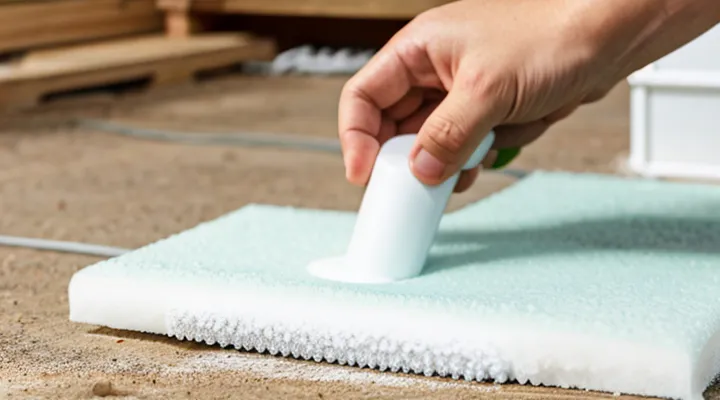
Understanding Expanding Foam for Pest Control
What is Expanding Foam?
Types of Expanding Foam
Expanding foams used for sealing rodent entry points fall into distinct categories defined by composition, density, and expansion characteristics. Selecting the appropriate type ensures effective blockage while maintaining safety for occupants and the structure.
- Closed‑cell polyurethane foam – high density, low permeability, creates a rigid barrier that resists chewing and moisture intrusion. Ideal for larger gaps around foundations, utility penetrations, and vent openings.
- Open‑cell polyurethane foam – lower density, flexible, allows limited airflow. Suited for smaller cracks in interior walls where a softer seal is sufficient and where breathability is desired.
- Low‑expansion polyurethane – expands up to 30 % of its original volume, providing precise filling without excessive pressure. Useful for tight spaces where over‑filling could damage surrounding materials.
- High‑expansion polyurethane – expands up to 400 % of its original volume, rapidly fills large voids such as crawl‑space cavities or attic joist gaps. Requires careful application to avoid overspill.
- Fire‑retardant polyurethane – incorporates flame‑suppressant additives, meeting building code requirements for areas near electrical wiring or heating equipment.
- Low‑VOC or environmentally‑rated foam – formulated to emit minimal volatile organic compounds, appropriate for residential settings where indoor air quality is a priority.
Understanding these variations allows practitioners to match foam properties with specific sealing tasks, thereby maximizing rodent exclusion effectiveness while preserving structural integrity.
How Expanding Foam Works
Expanding foam consists of two liquid components—polyol resin and isocyanate—mixed at the nozzle. Contact with ambient moisture initiates a chemical reaction that produces carbon dioxide gas and a polymer network. The generated gas creates a cellular structure; bubbles expand rapidly, forcing the mixture into cracks, gaps, and cavities. As the reaction proceeds, polymer chains cross‑link, converting the initially fluid mass into a solid, rigid mass that adheres to surrounding surfaces.
Key aspects of the process:
- Moisture activation: water from air or substrate triggers the reaction, ensuring expansion only where foam contacts a moist surface.
- Gas generation: carbon dioxide inflates the mixture, increasing volume up to 30‑40 times the original liquid.
- Polymerization: simultaneous chain growth and cross‑linking solidify the foam within minutes, forming a durable seal.
- Adhesion: chemical bonding to wood, concrete, metal, and plastic creates a continuous barrier that resists mechanical disruption.
The resulting barrier blocks rodent entry by eliminating pathways and presenting an inaccessible, hard surface. Because the foam expands to fill irregular spaces, it reaches areas that conventional caulks cannot, providing comprehensive coverage against mice and rats.
Why Expanding Foam is Not a Primary Rodent Barrier
Limitations of Expanding Foam Against Rodents
Expanding foam is frequently employed to seal openings that rodents could exploit, yet its effectiveness is constrained by several factors.
The material hardens quickly, limiting the ability to adjust placement after application. Once set, it cannot be reshaped without removal, which may damage surrounding structures.
- Insufficient thickness – Thin layers do not withstand gnawing pressure; mice and rats can chew through foam as thin as a few millimeters.
- Chemical composition – Some foams contain additives that attract insects or degrade when exposed to moisture, reducing durability.
- Temperature sensitivity – Extreme cold slows expansion, while high heat can cause premature curing or softening, creating gaps.
- Surface compatibility – Foam adheres poorly to smooth, non‑porous surfaces such as metal or glazed tiles, leaving unsealed seams.
- Limited lifespan – UV exposure and repeated flexing cause cracking, necessitating periodic inspection and re‑application.
- Potential toxicity – Certain formulations release volatile compounds that may be hazardous to pets or humans, requiring careful ventilation during use.
These constraints mean that expanding foam should be integrated with additional control measures—such as metal mesh, concrete, or regular monitoring—to achieve reliable rodent exclusion.
Potential Risks of Using Foam Incorrectly
Improper application of expanding foam for rodent control can create health hazards, structural damage, and environmental concerns.
Health hazards arise when the foam cures while skin, eyes, or respiratory passages are exposed. Direct contact may cause chemical burns; inhalation of aerosolized particles can irritate lungs and trigger allergic reactions. Protective gloves, goggles, and a mask are essential during mixing and spraying.
Structural damage occurs if the foam expands beyond the intended cavity. Excess pressure can crack plaster, displace wiring, or deform plastic components. Over‑filling also creates hard masses that are difficult to remove, potentially obstructing drainage or ventilation systems.
Environmental risks include contamination of soil and water when excess foam seeps into cracks or drains. The polymer residues persist for years, limiting biodegradability and affecting nearby vegetation.
Common mistakes that lead to these outcomes:
- Applying foam in confined spaces without venting, allowing pressure to build.
- Ignoring manufacturer’s recommended expansion ratio, resulting in over‑expansion.
- Using foam near electrical outlets or live wires, increasing fire or short‑circuit danger.
- Skipping surface preparation, which traps moisture and prevents proper adhesion.
Correcting these errors requires strict adherence to product instructions, precise measurement of the gap to be sealed, and immediate cleanup of spills. Regular inspection after installation ensures that the foam has cured properly and has not migrated into unintended areas.
Proper Application Techniques for Expanding Foam in Rodent Control
Preparing the Area for Application
Identifying Entry Points
Identifying the routes rodents use to enter a building is the first step before applying expanding foam as a barrier. Accurate detection prevents unnecessary foam use and ensures the seal covers every breach.
Common entry points include:
- Gaps around utility pipes (water, gas, electrical) larger than ¼ inch.
- Openings at the base of doors, windows, and sliding panels.
- Cracks in foundation walls, especially near the soil line.
- Unsealed vents, dryer exhausts, and chimney flues.
- Holes in siding, soffits, and eaves where insulation meets the exterior.
To locate these openings, follow a systematic inspection:
- Conduct a visual sweep of the interior, looking for gnaw marks, droppings, or fresh urine stains near potential gaps.
- Examine the exterior at ground level, using a flashlight to reveal dark crevices and worn sealant.
- Press a thin piece of cardboard or a folded piece of paper against suspected cracks; movement indicates a usable opening.
- Deploy a low‑intensity infrared camera or night‑vision device to detect rodent activity in concealed areas.
- Track footprints or tail marks in dust, sand, or loose mulch surrounding the foundation.
After documenting each breach, clean the surrounding surface, remove loose material, and dry the area. This preparation creates optimal adhesion for the expanding foam, allowing it to fill and harden around the identified entry points, thereby blocking further intrusion.
Cleaning and Sealing Gaps
Before applying expanding foam, eliminate all debris, dust, and loose materials from the target opening. Use a stiff brush or vacuum to remove particles, then wipe the surface with a solvent‑based cleaner that evaporates quickly. Allow the area to dry completely; moisture impedes adhesion and reduces the foam’s expansion efficiency.
Seal the cleaned gap with a thin, uniform layer of foam. Insert the nozzle into the opening, depress the trigger, and fill the space until the foam reaches the opposite side. The material expands up to 30 times its original volume, pressing against surrounding structures and creating an airtight barrier. Avoid over‑filling, which can cause excess pressure and damage to walls or frames.
After the foam cures (typically 10–15 minutes), trim any protruding excess with a utility knife. Apply a sealant or caulk around the perimeter if the joint remains exposed to moisture or drafts. This final coating reinforces the barrier, preventing rodents from exploiting tiny gaps that the foam alone might not fully close.
Applying Expanding Foam Safely and Effectively
Necessary Safety Precautions
When using expanding foam to seal entry points for rodents, strict safety measures protect both the applicator and the environment.
- Wear chemical‑resistant gloves and long‑sleeved clothing to prevent skin contact with uncured foam.
- Use eye protection such as safety goggles to shield against accidental spray.
- Operate in a well‑ventilated area; open windows or employ exhaust fans to disperse vapors.
- Keep ignition sources away, as the propellant is flammable until fully cured.
- Store the canister upright, away from heat, direct sunlight, and children or pets.
- Follow the manufacturer’s recommended pressure limits; do not exceed the specified nozzle distance to avoid over‑expansion.
- After application, allow the foam to cure completely before touching or moving the treated surface.
- Dispose of empty containers according to local hazardous‑waste regulations; do not puncture or incinerate them.
Adhering to these precautions eliminates exposure risks, ensures effective sealing, and maintains compliance with safety standards.
Step-by-Step Application Guide
Applying expanding foam to block rodent entry requires precise preparation and execution. Follow each step to achieve a durable seal without compromising safety.
-
Identify all potential entry points. Inspect walls, foundation, utility openings, and crawl‑space vents for gaps larger than ¼ inch. Mark each location with a removable sticker or tape.
-
Clean the area. Remove debris, dust, and loose material using a brush or vacuum. For wet surfaces, dry thoroughly with a cloth or fan.
-
Protect surrounding surfaces. Lay drop cloths or plastic sheeting to catch overspray. Apply painter’s tape around the gap to prevent foam from adhering to adjacent walls or flooring.
-
Prepare the foam canister. Attach the nozzle securely, shake the can for the recommended time (usually 30‑45 seconds), and test the spray on a scrap piece of cardboard to verify flow.
-
Apply foam. Hold the nozzle at a 45‑degree angle and dispense a thin, continuous stream into the opening. Fill the cavity no more than two‑thirds full, allowing the foam to expand to its final volume without exerting excess pressure on the surrounding structure.
-
Allow curing. Let the foam set for the manufacturer‑specified period, typically 5‑10 minutes. Do not disturb the material during this time.
-
Trim excess. After the foam has hardened, cut away any protruding material with a utility knife or a fine‑toothed saw, leaving a flush surface.
-
Seal edges. Apply a bead of silicone caulk or appropriate sealant over the foam perimeter to reinforce the barrier and protect against moisture infiltration.
-
Dispose of equipment. Release remaining propellant by spraying a short burst into a well‑ventilated area, then store the canister according to label instructions. Remove protective coverings and clean tools with mineral spirits if needed.
-
Verify integrity. Re‑inspect the sealed area after 24 hours. Ensure no new gaps have formed and that the foam remains firmly attached.
Adhering to this sequence produces a reliable, long‑lasting obstruction that deters mice and rats from re‑entering the treated spaces.
Tools and Materials Required
Applying expanding polyurethane foam to seal rodent entry points demands specific equipment and consumables. Using the correct tools ensures complete coverage, optimal expansion, and durable blockage.
- Foam canister with straw or nozzle attachment
- Trigger‑actuated dispenser or handheld pistol‑type applicator
- Extension wand for confined spaces
- Utility knife or scissors for cutting the nozzle tip
- Measuring tape or ruler to locate openings precisely
Required consumables include:
- Polyurethane spray foam formulated for pest control (low‑expansion, insect‑resistant)
- Silicone or acrylic caulk for smoothing gaps before foam application
- Clean rags or disposable wipes for immediate cleanup
- Solvent (e.g., acetone) to remove excess foam from surfaces
Personal protective equipment is mandatory:
- Nitrile gloves to prevent skin contact
- Safety goggles to shield eyes from foam spray
- Disposable respirator or mask rated for organic vapors
- Protective coveralls or old clothing to avoid contamination
All items should be inspected before use; damaged nozzles or expired foam compromise effectiveness and may create hazardous conditions. Proper preparation and the right supplies are critical for a successful, long‑lasting seal against mice and rats.
Combining Expanding Foam with Other Rodent Control Methods
Integrated Pest Management Approach
Expanding polyurethane foam can be incorporated into an integrated pest management (IPM) program as a targeted physical barrier. The foam creates a durable seal that blocks entry points, reducing the need for chemical controls and limiting rodent access to shelter and food sources. When applied correctly, it complements monitoring, sanitation, and habitat modification components of IPM, providing a long‑lasting exclusion method.
Effective use of foam requires assessment, preparation, application, and verification. The process aligns with IPM principles by emphasizing prevention, minimal pesticide reliance, and ongoing evaluation.
- Identify all potential openings larger than a quarter‑inch in walls, foundations, crawl spaces, and utility penetrations. Prioritize gaps near known activity signs.
- Clean each opening to remove debris, dust, and nesting material; a clean surface ensures adhesion and prevents foam contamination.
- Choose a low‑expansion, low‑toxicity foam formulated for pest exclusion. Follow manufacturer specifications for nozzle size and spray distance.
- Insert the nozzle into the gap, dispense foam slowly, and fill the cavity until the material expands to fill the space without excessive pressure that could damage structures.
- Allow the foam to cure for the recommended time, typically 15–30 minutes, then trim excess material flush with surrounding surfaces.
- Inspect the sealed area after curing, verify that no new gaps have formed, and document the treatment in the IPM record.
- Integrate the sealed entry points into a regular monitoring schedule, noting any re‑infestation signs and adjusting exclusion measures as needed.
By embedding expanding foam within the broader IPM framework, pest managers achieve durable exclusion, reduce reliance on toxic interventions, and maintain a systematic approach to rodent control.
Monitoring and Follow-Up
After the foam has cured, inspect the treated area within 24–48 hours to confirm that the material has fully expanded and sealed all intended voids. Look for gaps, cracks, or visible foam shrinkage that could allow re‑entry.
Establish a monitoring schedule that includes:
- Visual checks weekly for the first month, then monthly for the next six months.
- Placement of non‑lethal bait stations or tracking pads near the treated zone to detect continued activity.
- Use of motion‑activated cameras in concealed locations to capture nocturnal movement.
Key indicators of successful control:
- Absence of fresh gnaw marks or droppings.
- No new scent trails detected with a rodent‑specific detection spray.
- Stable foam integrity without cracks or detachment.
If any indicator suggests ongoing infestation, take corrective steps immediately:
- Re‑apply foam to newly discovered openings, ensuring proper surface preparation.
- Seal structural gaps with steel wool, caulk, or metal flashing before additional foam deployment.
- Replace or relocate bait stations to eliminate alternative pathways.
Document each inspection, noting date, observed conditions, and actions taken. Retain records for at least one year to verify long‑term effectiveness and to guide future pest‑management decisions.