
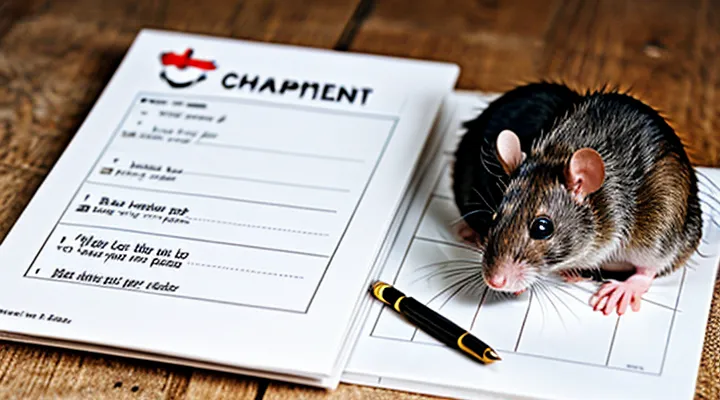
Understanding Rat Needs
Why Rats Make Great Pets
Rats possess a high level of intelligence, demonstrated by rapid learning of tricks, maze navigation, and problem‑solving tasks. Their small size allows accommodation in modest living spaces, while their short lifespan simplifies long‑term commitment considerations. Social behavior drives strong bonds with owners, resulting in affectionate interactions and responsiveness to handling. Low grooming requirements and minimal shedding reduce household maintenance. A diet consisting of commercially formulated pellets supplemented with fresh vegetables provides balanced nutrition without complex preparation.
- Quick adaptation to cage environments, minimizing stress during relocation.
- Ability to recognize individual voices and respond to vocal cues.
- Natural curiosity encourages enrichment activities, supporting mental health.
- Compatibility with other rats enables group housing, enhancing social welfare.
- Small waste output simplifies cleaning routines and odor control.
Basic Rat Biology
Lifespan
Rats typically live between two and three years when provided with proper care. The average lifespan can vary according to breed, genetics, and environment. Pet rats of the fancy variety often reach the upper end of this range, while wild‑type strains may have slightly shorter lives.
Factors influencing longevity include nutrition, housing conditions, and preventive health measures. A balanced diet rich in protein, fiber, and essential vitamins supports organ function and reduces the risk of metabolic disorders. Clean, well‑ventilated cages prevent respiratory infections, a common cause of premature death. Regular veterinary check‑ups enable early detection of tumors, dental problems, and organ disease.
Age‑related changes become evident after the first year. Coat may lose its sheen, activity levels decline, and weight fluctuations occur. Monitoring these signs helps differentiate normal aging from health issues requiring intervention. Adjusting diet to include softer foods and providing enrichment that matches reduced energy levels can improve quality of life in senior rats.
Record keeping of birth date, health events, and dietary adjustments assists in tracking lifespan expectations and planning end‑of‑life care. By adhering to these points, caretakers maximize the potential lifespan of their rats within the framework of responsible pet ownership.
Social Nature
Rats thrive when they live in a group; solitary housing leads to chronic stress and reduced lifespan. Their innate drive to interact shapes every aspect of proper care.
- Provide at least one compatible cage‑mate of the same sex and similar age.
- Keep group size stable; frequent changes disrupt established hierarchies.
- Schedule daily handling sessions that allow gentle grooming and play.
- Offer enrichment items—tunnels, chew toys, climbing structures—that encourage cooperative exploration.
- Monitor body language for signs of dominance, submission, or anxiety; intervene promptly if aggression escalates.
Introducing a new rat requires a structured protocol. Begin with a quarantine period of two weeks to prevent disease transmission. Follow with scent swapping using bedding, then conduct short, supervised visual meetings before allowing full physical contact. Maintain the original group’s routine to minimize stress during the transition.
Consistent social interaction supports immune function, promotes natural foraging behavior, and prevents stereotypic movements such as excessive bar‑biting. Neglecting the «social nature» of rats compromises welfare and undermines the overall effectiveness of any rat‑care checklist.
Intelligence and Trainability
Intelligence and trainability shape daily interaction with a pet rat, influencing enrichment, behavior management, and bonding.
- Rats demonstrate rapid problem‑solving; maze navigation and puzzle boxes reveal capacity to learn patterns within minutes.
- Social learning occurs when individuals observe conspecifics; exposure to trained companions accelerates acquisition of new tricks.
- Positive reinforcement, typically using small food rewards, produces reliable response; timing of reward must align with the desired action.
- Consistency in cue presentation, such as a click or verbal signal, establishes clear association and reduces confusion.
- Short, frequent training sessions—five to ten minutes—maintain attention and prevent stress.
- Variety in challenges, including obstacle courses and object manipulation, sustains mental stimulation and prevents stereotypic behavior.
Understanding these traits enables owners to design effective enrichment programs and maintain a well‑adjusted rat.
Housing Essentials
Cage Requirements
Size and Bar Spacing
A proper enclosure must provide enough floor area for a rat to explore, exercise, and establish distinct zones for nesting, feeding, and play. Minimum dimensions for a single adult rat are 60 cm × 45 cm × 30 cm (length × width × height); larger cages are advisable for multiple occupants to prevent overcrowding and stress. When selecting a cage, consider the total usable space rather than the external footprint, as interior dividers and accessories reduce effective area.
Bar spacing directly affects safety and comfort. Gaps wider than 0.5 cm allow a rat’s head to pass through, creating a risk of entrapment or escape. Bars spaced at 0.4 cm or less prevent head‑butting while still permitting adequate ventilation. For wire cages, ensure vertical bars are uniformly spaced and that horizontal crossbars are positioned no higher than 2 cm apart to support climbing without excessive strain.
Key measurements:
- Floor space: ≥ 60 cm × 45 cm per rat
- Height: ≥ 30 cm to accommodate vertical activity
- Vertical bar gap: ≤ 0.4 cm
- Horizontal crossbar gap: ≤ 2 cm
- Minimum clearance between bars and cage walls: 1 cm to avoid pinching
Adhering to these dimensions reduces injury risk, supports natural behaviors, and promotes overall health. Regularly inspect the cage for wear, deformation, or loosening of bars, and replace components promptly to maintain the specified tolerances.
Ventilation and Material
Proper ventilation prevents respiratory problems and controls odor in a rat enclosure. Fresh air should be introduced at a rate of at least 15 cubic feet per hour for a standard 20‑inch cage. Adjustable vents placed near the top of the cage allow warm, stale air to escape while maintaining a stable temperature. Mesh panels with a minimum opening of 1 mm prevent escape without compromising airflow; stainless‑steel or powder‑coated aluminum mesh resists corrosion and withstands chewing.
Material selection influences durability, cleanliness, and the animal’s health. Solid‑surface flooring such as polyethylene or ceramic tiles simplifies disinfection and eliminates dust accumulation. Any bedding must be low‑dust, absorbent, and non‑toxic; paper‑based products or aspen shavings meet these criteria. Structural components should be constructed from untreated hardwood or powder‑coated metal to avoid chemical leaching. All joints require smooth, rounded edges to prevent injuries.
- Ensure at least two ventilation points per enclosure.
- Use mesh with 1 mm openings for side panels.
- Install flooring that is waterproof and easy to sanitize.
- Choose bedding that produces less than 0.5 g/m³ of airborne particles.
- Select construction materials free of volatile organic compounds.
Bedding and Substrate
Safe Options
Safe options are critical for the health and well‑being of a pet rat. Selecting materials and products that pose no toxicity or injury risk ensures a stable environment and reduces veterinary costs.
- Bedding: Use plain, dust‑free paper or kiln‑dried wood shavings such as aspen. Avoid cedar, pine, or scented varieties that contain volatile oils harmful to rodents’ respiratory systems.
- Food: Provide fresh vegetables, high‑quality rat pellets, and occasional treats free from artificial sweeteners, especially xylitol, which is lethal to small mammals.
- Toys: Choose chewable items made of untreated wood, natural fibers, or safe plastics. Metallic or painted objects can cause oral injuries or poisoning.
- Enclosure: Opt for cages constructed from stainless steel or heavy‑gauge wire with a minimum bar spacing of ½ inch to prevent escape and injury. Ensure the floor is solid or covered with safe bedding; wire floors increase the risk of foot injuries.
- Cleaning agents: Employ unscented, animal‑safe disinfectants such as diluted hydrogen peroxide or veterinary‑approved cleaners. Avoid bleach, ammonia, and strong detergents that leave residues.
- Handling accessories: Use soft, lint‑free gloves or hand‑towels when initially taming a rat. Rough surfaces or strong grips can cause stress and skin damage.
Each safe option contributes to a secure habitat, promoting normal growth, activity, and longevity for the rat. Regular inspection of all items for wear or contamination maintains the protective standards over time.
Unsafe Options
When establishing a rat habitat, certain practices create health hazards and compromise safety. These practices must be omitted from any comprehensive care guide.
- Cages constructed primarily of wire mesh without a solid base
- Bedding composed of cedar, pine, or other aromatic wood shavings
- Diet that includes raw meat, unpasteurized dairy, or spoiled food items
- Open water containers prone to tipping or contamination
- Cleaning agents containing strong fragrances, bleach, or ammonia
- Exposed electrical cords or unsecured appliances within the cage area
- Co‑housing rats with other species without a proper quarantine period
Each listed option introduces preventable risks and undermines the welfare standards outlined in the primary rat‑care checklist.
Enrichment and Toys
Tunnels and Hides
Tunnels and hides provide enclosed spaces where rats can retreat, explore, and exhibit natural burrowing behavior. These structures reduce stress by offering privacy and support physical activity essential for healthy musculoskeletal development.
- Material options: untreated hardwood, solid‑core cardboard, PVC pipe, or commercially available plastic tunnels. All materials must be non‑toxic, free of sharp edges, and easy to clean.
- Size guidelines: tunnel diameter of 2–3 inches (5–7 cm) accommodates adult rats without restriction; hide compartments should allow a rat to turn completely, typically 4–5 inches (10–12 cm) in each dimension.
- Placement principles: locate tunnels near the cage’s lower levels to mimic ground level, connect hides to climbing structures for vertical movement, and ensure at least one hide is positioned away from high‑traffic areas to serve as a quiet refuge.
- Maintenance practices: clean tunnels and hides weekly with warm water and mild, unscented detergent; inspect for wear, splinters, or cracks before each cleaning session; replace damaged components promptly to prevent injury.
Integrating a network of tunnels and multiple hides creates a dynamic environment that satisfies instinctual behaviors while promoting overall well‑being.
Chew Toys
Chew toys are indispensable for maintaining dental health in pet rats. Constant gnawing wears down continuously growing incisors, preventing over‑growth that can impair eating and lead to injury.
Recommended chew‑toy categories include:
- Untreated hardwood blocks (e.g., apple, maple, willow)
- Mineral‑based chew sticks designed for rodents
- Corrugated cardboard tubes or rolls
- Unbleached paper tubes and shredded paper
- Natural, pesticide‑free branches trimmed to safe lengths
Safety guidelines for selecting chew toys:
- Inspect for splinters, sharp edges, or loose fragments
- Verify material is non‑toxic and free of chemicals, glues, or paints
- Replace toys when surfaces become worn or excessively frayed
- Introduce new items under supervision to ensure acceptance
Cleaning and maintenance procedures:
- Rinse toys with hot water after each use; avoid detergents that may leave residues
- Sterilize wooden blocks by boiling for a few minutes, then allow to dry completely
- Store dry toys in a ventilated container to prevent mold growth
Incorporating chew toys into a rat‑care checklist ensures continuous dental wear, mental enrichment, and reduced likelihood of destructive behavior. Regular assessment of toy condition and appropriate rotation prolongs effectiveness and supports overall well‑being.
Ladders and Platforms
Ladders and platforms provide vertical and horizontal access within a rodent enclosure, supporting natural climbing behavior and facilitating health checks. Proper selection and arrangement reduce stress, prevent injury, and aid maintenance.
Key factors for effective implementation:
- Material: stainless steel or powder‑coated metal resists rust and chewing; avoid untreated wood that can splinter.
- Dimensions: rung spacing of 0.5–1 cm accommodates adult rats; platform surface should be at least 15 × 15 cm for resting.
- Placement: locate ladders near feeding areas to encourage movement; position platforms at varying heights to create a three‑dimensional environment.
- Safety: ensure all joints are smooth, edges rounded, and no gaps larger than 0.5 cm where a rat could become trapped.
- Cleanability: choose designs that detach easily for washing; avoid porous surfaces that harbor bacteria.
Regular inspection of connections and surface integrity prevents wear from compromising functionality. Incorporating a well‑designed ladder‑platform system aligns cage structure with the species’ instinctual need for exploration and exercise.
Dietary Needs
Staple Diet
High-Quality Rat Pellets
High‑quality rat pellets provide balanced nutrition essential for optimal health and longevity. Formulated to meet the specific dietary requirements of rats, they supply protein, fiber, vitamins, and minerals in precise ratios.
Key characteristics of premium pellets:
- Protein content between 14 % and 18 % derived from animal or plant sources without excessive fillers.
- Fiber level around 4 %–6 % to support digestive regularity.
- Absence of artificial colors, flavors, and unnecessary grains that may cause allergies.
- Small, uniform size suitable for the average adult rat’s bite capacity.
- Inclusion of essential micronutrients such as vitamin A, vitamin D, calcium, and phosphorus.
Proper storage preserves nutrient integrity. Keep the container tightly sealed, store in a cool, dry place, and discard any product that shows signs of moisture or mold. Feeding guidelines recommend offering a daily portion of 1 – 1.5 grams per 100 grams of body weight, adjusted for age, activity level, and health status.
Consistent provision of nutritionally complete pellets reduces the need for supplemental treats and minimizes the risk of obesity, dental issues, and nutrient deficiencies. Selecting a reputable brand with transparent ingredient sourcing further ensures reliable quality.
Fresh Vegetables and Fruits
Fresh vegetables and fruits supply the vitamins, minerals, and fiber required for a rat’s optimal health. A balanced diet reduces the risk of obesity, supports dental wear, and promotes digestive regularity.
Suitable vegetables include carrots, broccoli, kale, spinach, bell peppers, and cucumber. These items should be washed thoroughly, trimmed to bite‑size pieces, and offered in limited portions to prevent spoilage.
Appropriate fruits encompass apples (core removed), blueberries, strawberries, grapes (seedless), and pear. Fruit should be presented sparingly because of natural sugar content; a few pieces per week are sufficient.
• Provide a rotating selection to ensure nutritional diversity.
• Remove uneaten produce after two hours to avoid mold growth.
• Store vegetables in a sealed container in the refrigerator; keep fruits in a separate compartment to preserve freshness.
• Introduce new items gradually, monitoring for adverse reactions.
Consistent inclusion of fresh produce, alongside a quality pellet diet and occasional protein sources, completes the fundamental checklist for responsible rat ownership.
Treats and Supplements
Safe Treats
Providing appropriate snacks is a critical component of any rat‑care checklist. Healthy options support dental maintenance, weight control, and enrichment.
«Safe Treats» should meet the following criteria:
- Fresh fruits such as apple slices (core removed), blueberries, and banana chunks; offer in small portions to prevent excess sugar.
- Vegetables including carrot sticks, broccoli florets, and cucumber slices; introduce gradually to monitor tolerance.
- Protein sources like boiled egg white, plain cooked chicken, or commercially formulated rat treats with low fat and no added preservatives.
- Whole‑grain items such as plain popcorn (no butter or salt) or small pieces of whole‑wheat toast; limit to occasional rewards.
- Avoid processed foods, chocolate, caffeine, and any item containing artificial sweeteners, as these are toxic to rodents.
When introducing a new snack, observe the rat for signs of digestive upset for 24 hours. Store fresh treats in airtight containers within the refrigerator and discard any that become moldy or wilted. Rotate the selection regularly to maintain nutritional balance and prevent boredom.
Foods to Avoid
Feeding rats demands strict exclusion of items that can cause illness, organ damage, or death.
- Citrus fruits (oranges, lemons, limes) – high acidity irritates digestive tract.
- Processed meats (bacon, ham, sausages) – contain excessive salt and preservatives.
- Dairy products (milk, cheese, yogurt) – rats lack lactase, leading to diarrhea.
- Sugary snacks (candy, chocolate, pastries) – sugar spikes, chocolate introduces toxic theobromine.
- Raw beans and legumes (kidney beans, soybeans) – contain lectins that impair nutrient absorption.
- High‑fat foods (fried items, fatty cuts of meat) – promote obesity and hepatic strain.
- Alcohol and caffeine – depress central nervous system, cause hyperactivity or seizures.
These categories share common hazards: acidity, toxic compounds, excessive sodium, lactose, or indigestible substances. Removing them from the diet protects gastrointestinal health, prevents metabolic disorders, and supports longevity.
Water Supply
Water Bottles vs. Bowls
Providing adequate hydration is a fundamental requirement for a pet rat. Two common delivery methods are suspended water bottles and open water bowls. Each system presents distinct advantages and limitations that influence health, hygiene, and cage design.
Suspended water bottles deliver water through a drinking tube equipped with a ball valve. The valve permits the rat to draw fluid while preventing spills. This design reduces the risk of contamination from bedding, droppings, or cage mates. Bottles conserve water by restricting flow to active drinking, which is beneficial in environments where evaporation is a concern. However, the drinking tube can become clogged with debris, requiring regular inspection and cleaning. Rats with facial injuries or dental issues may struggle to create sufficient suction, leading to reduced intake.
Open water bowls allow unrestricted access to water and enable observation of consumption patterns. Bowls facilitate natural drinking behavior and are easily cleaned with standard dish‑washing procedures. They also accommodate larger rat colonies without the need for multiple bottles. The primary drawback is the increased exposure to contaminants; droppings, food particles, and bedding can fall into the water, promoting bacterial growth. Frequent water changes are necessary to maintain hygiene. Additionally, bowls may encourage spillage, creating damp areas that can damage cage components.
Key considerations for choosing between the two methods:
-
«Water bottle»
- Minimal contamination risk
- Conserves water
- Requires tube maintenance
- May impede rats with oral impairments
-
«Water bowl»
- Supports natural drinking posture
- Simplifies cleaning routine
- Higher contamination potential
- Prone to spillage
Select the method that aligns with the rat’s health status, cage configuration, and caretaker’s capacity for maintenance. Regular monitoring of water consumption remains essential regardless of the chosen system.
Health and Hygiene
Regular Cleaning Schedule
Cage Cleaning
Regular cage cleaning is a fundamental component of rat husbandry, directly affecting hygiene, odor control, and disease prevention.
A cleaning routine should balance thoroughness with the need to preserve beneficial bacterial colonies that support digestive health.
Recommended schedule
- Daily removal of uneaten food, droppings, and soiled bedding.
- Weekly complete change of bedding, inspection of cage structure, and disinfection of hard surfaces.
- Monthly deep cleaning, including removal of all accessories, cleaning of water bottles, and application of a mild, rodent‑safe sanitizer.
Materials and procedures
- Use paper‑based or aspen bedding; avoid pine or cedar, which release harmful oils.
- Employ a soft brush and warm water to scrub wire mesh and plastic components.
- Apply a diluted vinegar solution (1 part vinegar to 4 parts water) or a commercially available enzymatic cleaner; rinse thoroughly to eliminate residue.
- Allow the cage to dry completely before adding fresh bedding and reintroducing the rat.
Safety considerations
- Wear disposable gloves to prevent cross‑contamination.
- Ensure all cleaning agents are non‑toxic and fully rinsed away.
- Verify that temperature and humidity levels return to normal before the rat re‑enters the cage.
Consistent adherence to this protocol maintains a clean environment, reduces stress, and supports the overall well‑being of pet rats.
Accessory Sanitization
Maintaining a healthy environment for a pet rat requires regular sanitization of all accessories. Contaminated cages, toys, water dispensers, and feeding dishes can harbor bacteria, fungi, and parasites that compromise the animal’s well‑being.
Effective sanitization follows a consistent routine:
- Remove all items from the cage and discard any visibly soiled material.
- Rinse accessories with warm water to eliminate debris.
- Apply a pet‑safe disinfectant—options include diluted chlorine bleach (1 part bleach to 30 parts water), veterinary‑grade enzymatic cleaners, or hydrogen peroxide solutions (3 % concentration).
- Allow the disinfectant to act for the manufacturer‑recommended contact time, typically 5–10 minutes.
- Rinse thoroughly with clean water to remove residue that could irritate the rat’s skin or respiratory system.
- Air‑dry all items completely before reassembly; moisture fosters microbial growth.
Frequency guidelines:
- Daily: water bottles, feeding bowls, and any items in direct contact with food.
- Weekly: cage liners, tunnels, and chew toys.
- Monthly: larger structures such as hammocks, wooden platforms, and plastic hideouts.
When selecting disinfectants, prioritize products labeled as non‑toxic to rodents and free of strong fragrances. Avoid ammonia‑based cleaners, as the fumes can cause respiratory distress. For delicate items, a mild soap solution followed by a thorough rinse may suffice, provided no organic residues remain.
Record cleaning dates in a log to ensure compliance with the schedule. Consistent adherence to these practices reduces disease risk, supports optimal health, and contributes to a stable, hygienic habitat for the rat.
Common Health Issues
Respiratory Infections
Respiratory infections represent a common health challenge for domesticated rats. Pathogens such as Mycoplasma pulmonis, Streptococcus spp., and viral agents can colonize the nasal passages, trachea, and lungs, leading to nasal discharge, labored breathing, and reduced activity. Early detection relies on observation of these clinical signs and regular health assessments.
Preventive actions reduce infection risk:
- Maintain cage ventilation with fresh‑air flow while avoiding drafts.
- Clean bedding and accessories weekly; replace soiled material promptly.
- Use low‑dust, absorbent bedding to limit airborne irritants.
- Implement a quarantine period of at least two weeks for new arrivals.
- Provide a balanced diet rich in vitamin C to support immune function.
If infection occurs, prompt veterinary intervention is required. Treatment protocols typically include:
- Prescription of appropriate antibiotics based on culture results or empirical guidelines.
- Administration of supportive care such as humidified environments and hydration support.
- Monitoring of respiratory rate and temperature until clinical improvement is evident.
- Follow‑up examinations to confirm resolution and prevent recurrence.
Consistent application of hygiene standards, environmental management, and timely medical response forms the core of effective respiratory health maintenance for pet rats.
Tumors
Tumor awareness is a necessary component of responsible rat ownership. Early detection improves outcomes and reduces suffering.
- Conduct weekly visual inspections of the skin, tail, and whisker pads for abnormal swellings.
- Perform gentle palpation of the abdomen, hind limbs, and cranial region during routine handling.
- Record any changes in size, texture, or firmness of identified masses.
- Maintain a balanced diet low in excessive fats to limit hormone‑driven tumor development.
- Provide a clean, low‑stress environment; chronic stress can influence tumor growth.
- Schedule quarterly veterinary examinations, including diagnostic imaging when lumps are present.
- Keep a log of family lineage; certain strains exhibit higher incidences of specific tumor types.
Prompt veterinary intervention, such as surgical removal or chemotherapy, follows confirmation of malignancy. Regular monitoring after treatment detects recurrence early.
Adhering to these practices integrates tumor management into the overall health checklist for pet rats.
Dental Problems
Dental health is a critical component of responsible rat ownership. The species’ incisors grow continuously; failure to wear them down results in overgrowth, misalignment, and difficulty eating. Early detection relies on regular visual inspection of the teeth and observation of feeding behavior. Signs of trouble include drooping cheeks, excessive salivation, reduced food intake, and visible sharp or uneven tooth edges.
Preventive measures focus on diet and environmental enrichment. A high‑fiber diet provides natural abrasion, while appropriate chew items maintain proper tooth length. Recommended items include:
- Untreated wood blocks or branches, sized to fit the animal’s mouth.
- Mineral chews formulated for rodents, free of added sugars.
- Safe acrylic or corundum chew toys designed for gnawing.
Routine health checks should incorporate a brief oral examination at least once a month. Handling the rat gently, opening the mouth, and inspecting the incisors for symmetry and smoothness can reveal problems before they impair nutrition. If uneven wear or a sharp point is detected, immediate veterinary assessment is required. Veterinarians may perform trimming under anesthesia, prescribe softened diets, or address underlying infections.
Dental issues can compromise overall well‑being, leading to weight loss, gastrointestinal disturbances, and reduced lifespan. Integrating consistent oral care into the daily maintenance schedule safeguards the animal’s health and supports a stable, thriving pet.
Veterinary Care
Finding an Exotic Vet
Finding a veterinarian with expertise in exotic pets ensures proper medical care for a rat.
Begin by searching online directories that list licensed practitioners specializing in small mammals. Verify each clinic’s accreditation through state veterinary boards or professional associations.
Next, confirm experience with rats by requesting references from current rodent owners or reviewing case histories posted on the clinic’s website.
Contact the selected vet to discuss the practice’s protocols for handling, diagnosing, and treating common rat ailments. Ask about emergency availability and the range of services offered, such as dental examinations, parasite screenings, and vaccination schedules.
Finally, arrange a preliminary visit to assess the facility’s cleanliness, staff knowledge, and the animal’s comfort level during handling. A positive assessment confirms suitability for ongoing care.
Routine Check-ups
Routine veterinary examinations form a core element of responsible rat husbandry. Regular assessments detect health issues early, reduce suffering, and support longevity.
Key components of a systematic check‑up include:
- Physical inspection of the body, skin, and fur for lesions, swelling, or abnormal discharge.
- Weight measurement using a precise scale; record fluctuations to identify nutritional problems.
- Dental evaluation, focusing on incisor alignment and wear patterns that may cause malocclusion.
- Observation of eyes, ears, and nose for discharge, redness, or crusting.
- Assessment of respiratory sounds for wheezing or labored breathing.
- Review of behavior, noting changes in activity level, grooming habits, or social interaction.
- Verification of vaccination status and schedule for any required boosters.
- Examination for external parasites such as mites or fleas; apply preventative treatment as needed.
Frequency recommendations:
- Monthly visual and weight checks performed by the owner.
- Professional veterinary examinations every three to six months, or sooner if symptoms arise.
Documentation of each visit, including measurements and observations, creates a reliable health record that guides future care decisions.
Socialization and Handling
Introducing New Rats
Introducing a new rat into an established group requires a systematic approach to prevent aggression, disease transmission, and stress. The process begins with a mandatory quarantine period of at least two weeks, during which the newcomer receives a full health examination, including checks for respiratory issues, parasites, and injuries. Only after veterinary clearance should the rat be considered for integration.
- Prepare a neutral enclosure separate from the existing habitat; include familiar bedding, hiding places, and enrichment items.
- Exchange scent materials by swapping soiled bedding or gently rubbing a cloth on each rat’s fur and placing it in the other’s space for several days.
- Conduct visual introductions through a secure barrier—such as a wire mesh divider—allowing the animals to observe each other without physical contact for 30‑60 minutes per session.
- Progress to supervised, short‑duration free‑range interactions in a neutral arena; keep sessions under 15 minutes and observe body language closely.
- Gradually increase interaction length while monitoring for signs of dominance, avoidance, or injury; terminate the session immediately if aggressive behavior appears.
- Once harmonious cohabitation is evident over several days, transition the new rat into the main enclosure, ensuring ample space, multiple feeding stations, and additional shelters to reduce competition.
Continuous observation for at least one week after full integration is essential. Any persistent fighting, weight loss, or abnormal grooming warrants immediate separation and veterinary consultation. Following these steps ensures a smooth, health‑preserving introduction that supports a stable, thriving rat colony.
Taming and Bonding
Gentle Handling Techniques
Gentle handling reduces stress, prevents injuries, and builds trust between the rat and its caretaker. Approach the animal slowly, allowing it to sniff the hand before contact. Support the body with both hands: one hand cradles the chest, the other stabilizes the hindquarters. Avoid squeezing, sudden movements, or lifting by the tail, as these actions trigger defensive reflexes.
Key techniques include:
- « Hold the rat close to the body, using a cupped hand to create a secure yet relaxed enclosure ».
- « Allow the rat to climb onto the palm voluntarily, offering a treat as encouragement ».
- « Maintain eye contact at a low angle to appear less threatening ».
- « Move the cage lid gently aside, creating an open pathway for the rat to exit the enclosure on its own ».
- « Practice brief, daily sessions to reinforce familiarity with handling ».
When the rat shows signs of agitation—such as rapid breathing, tail flicking, or vocalizations—pause the interaction. Return the animal to its habitat, allow a recovery period, and resume handling later with a calmer demeanor. Consistent application of these practices improves handling confidence and contributes to overall well‑being.
Playtime and Interaction
Playtime and interaction are critical components of a healthy rat’s routine. Regular engagement prevents boredom, supports cognitive development, and strengthens the bond between owner and pet.
Key enrichment options include:
- Chew‑safe wooden blocks or untreated bamboo sticks;
- Plastic tunnels and hideaways that encourage exploration;
- Climbing ladders or rope bridges for vertical movement;
- Puzzle feeders that require problem‑solving to access treats.
Sessions should occur at least twice daily, each lasting 15‑30 minutes. Short, frequent intervals align with a rat’s natural activity bursts and reduce stress.
Social contact extends beyond play. Daily handling familiarizes the animal with human presence, while gentle petting and voice communication promote trust. If housing multiple rats, provide ample space and separate resources to prevent aggression and ensure each individual receives adequate interaction.
Understanding Rat Body Language
Rats communicate primarily through posture, movement, and vocalizations; recognizing these signals prevents stress and promotes welfare. A relaxed rat exhibits a low‑profile body, smooth fur, and slow, rhythmic breathing. Conversely, tension appears as a stiff back, raised fur, and rapid, shallow breaths.
Key indicators of emotional state include:
- Tail position – a gently swaying tail signals curiosity; a tightly curled or thumping tail denotes agitation.
- Ear orientation – ears flattened against the head reflect fear or submission; ears forward indicate alertness.
- Whisker movement – whiskers forward and spread suggest exploration; whiskers pulled back signal discomfort.
- Vocalizations – soft chirps accompany contentment; high‑pitched squeaks accompany distress or pain.
- Body posture – a crouched, hunching stance with limbs tucked signals defensive behavior; an extended, stretched posture indicates confidence.
Interpreting these cues enables timely adjustments in housing, handling, and enrichment, thereby ensuring a stable environment for the animal.
Emergency Preparedness
First-Aid Kit for Rats
A dedicated first‑aid kit is a non‑negotiable component of responsible rat ownership, providing immediate response to injuries, illness, or emergency situations.
Essential items include:
- Sterile gauze pads and non‑adhesive bandages for wound control.
- Antiseptic solution (chlorhexidine or diluted povidone‑iodine) to prevent infection.
- Small‑diameter hemostatic forceps for delicate tissue handling.
- Disposable syringes (1 ml and 3 ml) for medication administration and fluid therapy.
- Oral rehydration powder or electrolyte solution formulated for small mammals.
- Temperature‑controlled heat pad or warming blanket to counter hypothermia.
- Emergency dosage chart for commonly used drugs (e.g., analgesics, antibiotics).
- Protective gloves to maintain hygiene and reduce stress for the animal.
Storage guidelines demand a lightweight, waterproof container with labeled compartments, kept in a cool, dry place away from direct sunlight. The kit must be inspected weekly; replace any expired medications, used dressings, or compromised tools.
Regular practice of basic procedures—such as applying a bandage, delivering subcutaneous fluids, and measuring rectal temperature—enhances confidence and reduces response time during real emergencies. Training resources, including veterinary‑approved manuals and instructional videos, should be consulted periodically to keep techniques current.
Emergency Vet Contacts
Having immediate access to qualified veterinary assistance is critical when a pet rat exhibits sudden illness, injury, or signs of distress. Delays in treatment can exacerbate conditions that progress rapidly in small mammals, making pre‑planned contact information a non‑negotiable component of responsible rat ownership.
A practical emergency contact list should include:
- Name, address, and phone number of a veterinarian licensed to treat exotic or small‑animal patients.
- After‑hours emergency line for the primary vet, or a dedicated 24/7 animal‑hospital service.
- Regional poison‑control centre number, applicable to rodents.
- Local wildlife rehabilitation centre that accepts small mammals, in case of severe trauma requiring specialized care.
- Personal mobile number for quick reference in stressful situations.
Store the list in multiple locations: a printed copy near the cage, a digital version on a smartphone, and a backup on a household bulletin board. Regularly verify that phone numbers remain current and that the chosen professionals maintain experience with rats.
Temporary Housing Solutions
When a rat must be housed for a short period—during relocation, veterinary appointments, or temporary separation—select a solution that preserves health, security, and comfort.
«Temporary Housing Solutions» should meet three criteria: adequate ventilation, escape‑proof construction, and suitable bedding. A travel carrier with a secure latch offers portability and sturdy walls; line the floor with paper bedding and provide a small hideaway to reduce stress. A compact wire cage, preferably with a solid base, serves well for periods of up to a week; include a water bottle and a chewable enrichment item to prevent boredom. For emergencies, a sturdy cardboard box fitted with a lid and reinforced edges can function as a stop‑gap enclosure; add a towel for insulation and ensure holes for airflow.
Key considerations for any short‑term setup:
- Size: interior space must allow the rat to turn around and stretch without crowding.
- Temperature: maintain ambient temperature between 18 °C and 24 °C; avoid drafts.
- Hygiene: replace bedding daily and disinfect the enclosure between uses.
- Safety: inspect for sharp edges, loose wires, or gaps that could lead to escape.
- Enrichment: include a chew stick or tunnel to satisfy natural foraging behavior.
Implementing these measures ensures that temporary housing does not compromise the animal’s well‑being while the owner addresses short‑term needs.