
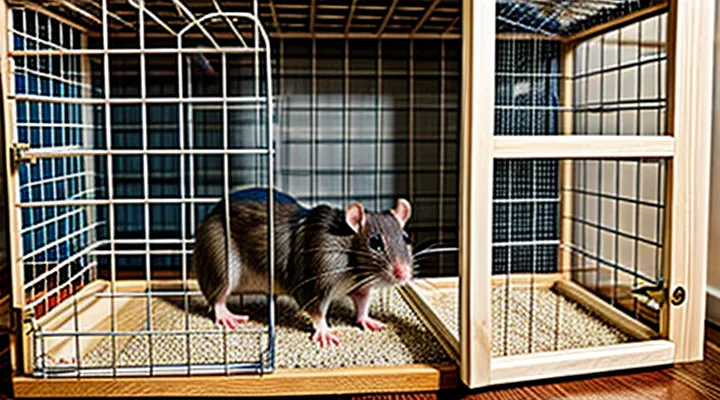
Choosing the Right Cage
Size and Bar Spacing
Adequate cage dimensions and bar spacing are non‑negotiable factors for rat welfare. Insufficient space restricts movement, impairs musculoskeletal development, and increases stress; overly wide gaps between bars allow escape and risk of injury.
Recommended dimensions:
- Minimum floor area per adult rat: 0.5 sq ft (≈0.05 m²).
- Single‑rat enclosure: at least 2 sq ft (≈0.19 m²) floor space, 12 in (30 cm) height.
- Pair or small group: add 0.5 sq ft per additional rat; maintain height of 12 in (30 cm) or greater.
- Larger colonies: floor space of 4 sq ft (≈0.37 m²) for three to four rats, scaling up by 0.5 sq ft per extra individual.
Bar spacing guidelines:
- Maximum distance between vertical bars: ½ in (12 mm).
- Horizontal spacing between levels (if multi‑level): ¼ in (6 mm) or less.
- Material must be sturdy, corrosion‑resistant, and free of sharp edges.
Compliance with these measurements prevents escape, reduces the likelihood of foot or tail entrapment, and supports natural exploratory behavior.
Cage Material and Design
The choice of material and overall construction determines the durability, safety, and hygiene of a rat enclosure. Selecting a substrate that resists gnawing, withstands cleaning agents, and prevents escape is fundamental to a functional habitat.
- Solid plastic (e.g., polycarbonate or acrylic) provides a watertight barrier, is easy to sanitize, and eliminates gaps that rodents could exploit.
- Wire mesh with a minimum aperture of 0.5 cm prevents teeth from slipping through while allowing ventilation. Stainless steel wire offers corrosion resistance.
- Glass panels afford clear observation and are chemically inert, but require reinforced frames to avoid breakage.
- Hybrid constructions combine a plastic base with a wire top, delivering both containment and airflow.
Design considerations focus on structural integrity and animal welfare:
- Rounded corners and smooth edges eliminate injury risks.
- A minimum floor area of 0.5 m² per adult rat ensures adequate movement space.
- Elevated platforms or ramps introduce vertical enrichment and mimic natural climbing behavior.
- Removable sections simplify deep cleaning and allow rapid inspection of interior conditions.
- Secure latch mechanisms must engage from the outside to prevent accidental opening.
Prioritize materials that resist gnawing, support regular disinfection, and maintain structural stability. Integrate design elements that promote ventilation, enrichment, and easy maintenance to create a long‑lasting, health‑conscious rat habitat.
Bedding and Substrate
Types of Bedding
Choosing the right substrate is a fundamental consideration when setting up a rat enclosure. The material must control moisture, limit odor, and present no health hazards. Below is a concise evaluation of the most common options.
- Paper‑based bedding (e.g., shredded newspaper, paper pellets) – highly absorbent, low dust, easy to replace; safe for chewing but may require frequent changes to prevent mold.
- Aspen shavings – moderate absorbency, minimal aromatic oils, low dust; provides a natural feel and is safe for gnawing rodents.
- Hemp fiber – excellent moisture retention, biodegradable, low dust; offers a pleasant scent and can be composted after use.
- Coconut coir – good absorbency, organic, low dust; may retain moisture longer than paper, requiring vigilant spot cleaning.
- Corncob bedding – sturdy, low dust, inexpensive; tends to be less absorbent, so supplemental liners may be needed.
- Fleece liners – reusable, virtually dust‑free, highly absorbent when paired with a dry substrate beneath; requires regular laundering but reduces overall waste.
Avoid pine or spruce shavings because volatile oils can irritate the respiratory system. When selecting a substrate, prioritize low particulate emission, ease of cleaning, and compatibility with the rats’ natural behavior of nesting and chewing. Combining a primary bedding with a removable fleece liner often yields the best balance of hygiene and comfort.
Absorbency and Odor Control
Absorbent bedding and effective odor mitigation are fundamental to maintaining a healthy environment for pet rats. Moisture retention directly influences bacterial growth; a substrate that quickly draws liquid away from the cage floor reduces the risk of skin irritation and respiratory issues.
Common bedding options differ in absorbency capacity, particle size, and dust production. Paper‑based products such as recycled cellulose offer high liquid uptake with minimal dust, while aspen wood shavings provide moderate absorption but generate more particulates. Coconut fiber (coir) absorbs well but may retain moisture longer, requiring more frequent changes. Selecting a low‑dust, high‑capacity material minimizes both health hazards and the frequency of complete bedding replacement.
Odor control relies on a combination of substrate choice, regular cleaning, and supplemental filtration. Materials with natural antimicrobial properties, such as hemp or charcoal‑infused bedding, bind volatile compounds. Routine spot cleaning removes feces and urine before they decompose, while a full bedding change every one to two weeks prevents odor buildup. Adding an activated‑carbon filter to the cage’s ventilation system captures airborne molecules, enhancing overall air quality.
Practical recommendations
- Use a paper‑based or aspen bedding with a minimum depth of 2 inches.
- Replace the entire substrate every 7–14 days, depending on usage intensity.
- Perform daily spot cleaning to remove solid waste.
- Install an activated‑carbon filter in the cage’s airflow path.
- Rotate supplemental odor‑absorbing products (e.g., hemp pellets) weekly.
Safety Considerations
When selecting a cage for rats, safety must guide every decision. Choose a cage constructed from sturdy, non‑toxic material; metal frames should be coated with powder‑free, rust‑resistant paint, and plastic components must be free of BPA and phthalates. Bar spacing should not exceed ½ inch (12 mm) to prevent escapes, while solid floor sections reduce the risk of foot injuries from gaps.
Secure the cage with a latch that cannot be opened by a rat’s jaws. Test locks daily, and replace any worn or cracked mechanisms immediately. Ensure the cage provides adequate ventilation; at least one open side or a mesh panel with the same ½‑inch spacing prevents heat buildup and suffocation without compromising security.
Maintain a clean environment to avoid bacterial growth. Use bedding that is dust‑free and non‑flammable; replace it regularly and dispose of waste in sealed containers. Position the cage away from direct sunlight, drafts, and other pets that could pose a threat.
Key safety measures
- Verify bar spacing ≤ ½ inch (12 mm).
- Inspect and reinforce all latches and hinges weekly.
- Use BPA‑free, low‑dust bedding; replace every 1–2 weeks.
- Provide a solid floor or deep, non‑chewable base.
- Place the cage on a stable surface, away from hazards such as cords or chemicals.
Regularly review these points to sustain a secure habitat that protects rats from injury, escape, and health hazards.
Food and Water Essentials
Food Bowls and Dispensers
Food bowls and dispensers are fundamental components of a well‑equipped rat enclosure. A stable, chew‑resistant bowl prevents tipping and contamination, while a dispenser provides controlled portions of dry or fresh food, reducing waste and maintaining hygiene.
Key considerations for selecting these accessories include:
- Material: stainless steel or heavy‑gauge ceramic for bowls; BPA‑free plastic or glass for dispensers.
- Size: bowl diameter large enough for a group of rats (minimum 4 inches) and dispenser capacity suited to daily intake (approximately 10‑15 g of pellets per rat).
- Stability: non‑slip base or weighted design to prevent movement during active foraging.
- Accessibility: wide opening for easy entry and removal of food; dispenser mechanism that allows precise portioning without spillage.
Properly chosen bowls and dispensers support consistent nutrition, minimize mess, and contribute to a healthier living environment for pet rats.
Water Bottles and Dishes
A reliable water bottle is a non‑negotiable cage component for rats. Choose a bottle with a stainless‑steel or BPA‑free plastic construction to prevent contamination. The dispensing nozzle should be bite‑resistant and feature a smooth, tapered tip that allows unobstructed flow while minimizing spillage. Position the bottle at a height that aligns with the rat’s natural drinking posture, typically 2–3 inches above the cage floor, to reduce strain on neck muscles. Replace the bottle when the seal shows signs of wear, and clean the interior with a mild, unscented detergent after each refill to inhibit bacterial growth.
A shallow dish serves as the primary source of fresh water for drinking and occasional bathing. Opt for a ceramic or heavy‑weight plastic bowl with a diameter of 3–4 inches and a depth of no more than 0.5 inches, ensuring easy access without the risk of tipping. The dish surface should be smooth to prevent injuries and easy to scrub. Provide a fresh supply of water daily; discard any leftover liquid after 24 hours to maintain hygiene. When cleaning, use a brush that fits the dish’s interior and rinse thoroughly to remove soap residues.
Maintaining Freshness
Freshness in a rat enclosure directly influences health, behavior, and lifespan. Regular removal of waste, timely replacement of bedding, and strict control of moisture prevent bacterial growth and respiratory issues.
A disciplined cleaning routine eliminates odors and disease vectors. Follow a schedule of daily spot cleaning and a full overhaul every week. During the weekly deep clean, empty all contents, scrub surfaces with a mild, unscented detergent, rinse thoroughly, and allow complete drying before reassembly.
Bedding choice affects moisture retention. Opt for absorbent, dust‑free material such as paper pulp or aspen shavings. Replace bedding at least twice weekly, or sooner if dampness is evident. Layer a thin base of litter to capture urine, then add a top layer for nesting comfort.
Food and water stations require constant vigilance. Clean water bottles or bowls with soap and water daily; rinse well to avoid residue. Inspect dry food for mold or insects, discard any compromised portions, and store remaining supply in airtight containers.
Effective waste management reduces odor and pathogen load. Use a sealed waste bin beneath the cage, empty it daily, and line it with a disposable bag. Incorporate an odor‑absorbing element—activated charcoal or a small amount of baking soda—within the bin to neutralize fumes.
Key practices for maintaining freshness:
- Daily spot cleaning of soiled areas
- Weekly full cage cleaning with detergent and thorough drying
- Twice‑weekly bedding replacement with low‑dust, high‑absorbency material
- Daily sanitation of water containers and inspection of food
- Immediate removal of droppings and urine, supported by a sealed waste system
Consistent application of these measures sustains a clean, healthy environment for pet rats.
Enrichment and Play
Hammocks and Hiding Spots
Hammocks provide a comfortable elevated platform where rats can rest without pressure on their joints. Soft, chew‑resistant fabric such as fleece or cotton prevents skin irritation, while sturdy rope or metal loops support the weight of two adult rats. Position the hammock near the cage’s upper tier to encourage climbing and create a sense of security away from the floor.
Hiding spots satisfy the species’ instinct to seek shelter. Closed tunnels, wooden houses, or ceramic hideaways give rats a place to retreat, reduce stress, and support natural foraging behavior. Choose items with smooth interiors to avoid injuries, and ensure openings are large enough for a rat to enter without squeezing.
Key considerations for both accessories:
- Material: non‑toxic, easy‑to‑clean, resistant to gnawing.
- Size: sufficient space for one to two rats; larger hides allow nesting.
- Placement: distribute across multiple cage levels to promote activity.
- Maintenance: weekly wash with mild detergent; inspect for frayed rope or cracks.
Properly selected hammocks and hiding spots enhance physical comfort, mental well‑being, and overall health of pet rats.
Chew Toys for Dental Health
Chew toys protect a rat’s continuously growing incisors, preventing overgrowth that can impair eating and cause injury. Properly chosen items encourage natural gnawing behavior while reducing stress and promoting oral hygiene.
Effective chew toys share several attributes:
- Non‑toxic material verified for rodent safety.
- Size appropriate to the animal’s mouth, allowing firm grip without choking risk.
- Texture that wears down teeth gradually, rather than causing abrupt wear.
- Resistance to rapid disintegration, ensuring durability over weeks of use.
Common selections include:
- Untreated hardwood blocks (e.g., apple, pear, or maple) that provide dense chewing surfaces.
- Mineral or calcium-rich rods designed to supplement dietary nutrients while shaping teeth.
- Commercially produced polymer sticks formulated for steady abrasion and low splintering.
- Natural twine or sisal rope, offered in manageable lengths for intermittent gnawing.
Routine inspection identifies wear, splintering, or mold. Replace any toy showing sharp edges, excessive softness, or contamination. Cleaning with mild, unscented soap and thorough rinsing removes residue without compromising material integrity. Maintaining a rotation of varied chew items sustains interest and supports consistent dental health.
Tunnels and Ladders
Tunnels and ladders expand vertical and horizontal space, allowing rats to explore, exercise, and hide, which mirrors their natural behavior. Properly designed structures reduce stress, promote agility, and help maintain dental health through constant movement.
When selecting tunnels, prioritize non‑toxic, chew‑resistant materials such as untreated hardwood, safe plastics, or stainless steel. Internal diameters should accommodate adult rats comfortably—typically 2 to 3 inches—while providing enough clearance for easy passage. Lengths can vary; longer sections encourage longer runs, whereas shorter bends create additional hiding spots. Ensure connections are smooth, with no sharp edges or splinters that could injure paws or mouths.
Ladders must be sturdy enough to support the weight of an active rat and feature rungs spaced no more than 1 inch apart to prevent missteps. Materials should match those used for tunnels to avoid chemical incompatibility. Secure attachment to cage walls or platforms prevents wobbling. Position ladders near elevated platforms or nesting areas to encourage climbing and provide quick access to higher levels.
Key considerations for tunnels and ladders:
- Non‑toxic, chew‑proof construction
- Appropriate diameter (2–3 in) and rung spacing (≤1 in)
- Smooth joints and edge treatment
- Compatibility with cage dimensions and other accessories
- Easy disassembly for cleaning and sterilization
Regular inspection for wear, cleaning of interior surfaces, and periodic replacement of damaged sections preserve safety and hygiene, ensuring the structures remain functional components of a well‑equipped rat enclosure.
Exercise Wheels (Safety First)
Exercise wheels are a fundamental cage accessory for rats, providing essential cardiovascular activity and mental stimulation. Selecting a wheel that meets safety standards prevents injury and ensures the animal can run freely without risk.
- Diameter between 10 inches (25 cm) and 12 inches (30 cm) eliminates spinal curvature caused by cramped curvature.
- Solid running surface eliminates gaps where paws can become trapped; mesh or rungs are unsuitable.
- Durable, non‑toxic material such as powder‑coated metal or hard‑plastic resists chewing and cracking.
- Secure mounting to the cage frame with reinforced brackets prevents wobble and detachment during vigorous use.
- Weight capacity matching the rat’s size, typically up to 200 g, avoids deformation under load.
Routine inspection and cleaning maintain safety. Remove the wheel weekly, wipe the surface with a mild, pet‑safe disinfectant, and check for cracks, rust, or loose screws. Replace any wheel showing wear before damage occurs. Properly maintained wheels contribute to a healthy, active environment for pet rats.
Cleaning and Maintenance Tools
Cage Cleaners and Disinfectants
Maintaining a rat enclosure requires reliable cleaning agents and proven disinfectants to prevent disease, control odor, and preserve cage integrity. Effective products combine safety for the animal with strong antimicrobial activity, allowing routine sanitation without compromising the habitat’s materials.
Key characteristics to evaluate when selecting cleaners and disinfectants include:
- Non‑toxic formulation: Ingredients must be safe if ingested in trace amounts and should not irritate the rodents’ respiratory system.
- Broad‑spectrum efficacy: Ability to eliminate bacteria, fungi, and viruses commonly found in small‑animal environments.
- Material compatibility: Solutions should not degrade plastic, metal, or wood components of the cage.
- Ease of use: Quick‑acting formulas that require minimal rinsing reduce handling time and stress for the caretaker.
Recommended categories of products:
- Enzyme‑based cleaners – Break down organic waste, reduce ammonia buildup, and are biodegradable.
- Quaternary ammonium disinfectants – Provide rapid bacterial kill, safe for most cage materials when diluted according to manufacturer instructions.
- Hydrogen peroxide solutions (3 % concentration) – Offer strong oxidizing action, leave no residue, and decompose into water and oxygen.
- Vinegar‑water mixtures (1:1 ratio) – Serve as a mild acid cleanser for routine wiping, effective against mineral deposits and mild microbes.
Application protocol:
- Remove all bedding, accessories, and food before cleaning.
- Scrub interior surfaces with the chosen cleaner, ensuring contact with all corners.
- Rinse thoroughly with lukewarm water to eliminate chemical traces.
- Apply disinfectant, maintain recommended dwell time (typically 5–10 minutes), then rinse again.
- Allow the cage to dry completely before reintroducing the animals and fresh bedding.
Consistent use of appropriate cleaning agents and disinfectants forms a cornerstone of a healthy rat habitat, supporting animal welfare and reducing the risk of outbreaks.
Scoop and Waste Disposal
A reliable scoop and an effective waste‑disposal system are indispensable for maintaining a clean rat habitat. The scoop removes bedding, droppings, and food remnants without disturbing the cage structure, while a proper disposal method prevents odor buildup and reduces the risk of disease.
The scoop should meet the following criteria:
- Sturdy, rust‑free metal or high‑density plastic construction.
- Length that reaches the cage bottom without excessive bending.
- Slightly curved edge to gather material efficiently.
- Comfortable grip to allow precise handling.
Waste disposal requires a sealed container and appropriate liners:
- Use a container with a tight‑locking lid to contain smell.
- Line the container with biodegradable bags for easy removal.
- Replace liners regularly, ideally every 2‑3 days, depending on cage size and activity level.
- Incorporate an odor‑absorbing layer, such as charcoal or baking‑soda, beneath the liner for additional control.
Implementing these specifications ensures consistent hygiene, prolongs bedding life, and supports the overall health of the rats.
Regular Cleaning Schedule
A regular cleaning schedule maintains a healthy environment, prevents disease, and reduces odor in a rat enclosure. Consistent removal of waste and replacement of bedding eliminates bacterial growth and keeps the habitat comfortable for the animals.
- Daily: Spot‑clean droppings, overturned bedding, and food residue; refresh water bottle.
- Weekly: Replace all bedding, clean food dishes with warm, soapy water, disinfect cage bars and accessories with a rodent‑safe sanitizer.
- Monthly: Disassemble the cage, soak all components in a diluted bleach solution (1 % concentration), rinse thoroughly, and dry before reassembly.
- Quarterly: Inspect and replace worn chew toys, tunnels, and hideouts; examine cage structure for rust or damage.
Adhering to this timetable minimizes health risks, extends the lifespan of cage components, and supports the well‑being of the rats.
Health and Comfort
First Aid Kit Basics
A functional first‑aid kit is a non‑optional component of any well‑equipped rat enclosure. It provides immediate resources for treating injuries, preventing infection, and stabilizing an animal until professional care is available.
Essential contents include:
- Sterile gauze pads (small, pre‑cut) for wound coverage.
- Adhesive bandages sized for tiny limbs.
- Antiseptic solution (e.g., dilute chlorhexidine) safe for rodents.
- Cotton swabs and sterile cotton balls for cleaning.
- Tweezers with fine tips for foreign‑body removal.
- Non‑toxic analgesic gel or spray approved for small mammals.
- Disposable gloves to maintain hygiene.
- Emergency contact information for a veterinarian experienced with rodents.
Storage recommendations:
- Keep the kit in a sealed, waterproof container placed within easy reach of the cage.
- Label each item clearly; replace any used or expired supplies promptly.
- Conduct a monthly inspection to verify integrity and completeness.
Operational guidelines:
- Approach the rat calmly; restrain gently to avoid additional stress.
- Clean wounds with antiseptic before applying gauze or bandage.
- Apply pressure for no longer than a few seconds to control bleeding.
- Record the incident, treatment steps, and time elapsed; provide this log to the vet if further care is required.
A well‑maintained first‑aid kit reduces the risk of complications and supports the overall health management of pet rats.
Temperature and Ventilation
Rats thrive when their enclosure stays within a narrow temperature band. Aim for ambient conditions between 68 °F (20 °C) and 75 °F (24 °C). Temperatures above 80 °F (27 °C) increase the risk of heat stress; below 60 °F (15 °C) can suppress immune function. Use a calibrated thermometer to verify daily readings. If ambient climate fluctuates, install a low‑wattage heating pad or ceramic heat emitter, but set a thermostat to prevent overheating. Insulate the cage’s sides with rigid foam or a wooden frame to reduce rapid temperature shifts.
Adequate airflow prevents humidity buildup, ammonia accumulation, and respiratory issues. Provide at least six air changes per hour; calculate by dividing the cage’s volume by the airflow rate of the ventilation system. Install a mesh panel or a small fan on one side, ensuring the exhaust side is positioned away from the animal’s immediate environment. Avoid obstructing airflow with bedding piles or décor. Regularly check for condensation on the cage walls; persistent moisture indicates insufficient ventilation and requires adjustment of airflow or reduction of water source spillage.
Key practices for temperature and ventilation:
- Measure and record temperature twice daily; adjust heating/cooling devices promptly.
- Use a thermostat with a ±2 °F (±1 °C) tolerance to maintain stable warmth.
- Ensure mesh openings are no larger than 1 mm to prevent escapes while allowing air passage.
- Position fans to create a gentle cross‑draft; avoid direct wind on the rats.
- Replace or clean ventilation components weekly to sustain airflow efficiency.
Consistent monitoring and swift corrective actions keep the enclosure environment stable, supporting the health and activity of pet rats.
Quiet Resting Areas
Quiet resting areas give rats a secure place to sleep and recover from activity. A well‑designed hideaway reduces stress, supports natural nocturnal habits, and promotes overall health.
Effective resting zones include:
- Nest box – enclosed, ventilated enclosure made from solid wood or safe plastic; dimensions should allow the rat to stretch fully.
- Hammock – soft, sturdy fabric or fleece suspended between cage bars; positioned away from food and water to keep bedding dry.
- Cave or tunnel – PVC pipe or ceramic tube with rounded edges; provides a dark, enclosed pathway for exploration and sleep.
- Layered bedding – thick, absorbent material such as shredded paper or aspen shavings; placed in a corner to form a soft floor for curling up.
Placement considerations:
- Position hideouts in a quiet corner, away from the cage entrance and high‑traffic zones.
- Ensure each resting spot is accessible from multiple angles to accommodate the rat’s preference for entry and exit.
- Keep the area free from chewable wiring or sharp objects that could cause injury.
Maintenance guidelines:
- Clean nest boxes and hammocks weekly with mild, unscented soap; rinse thoroughly and dry before reuse.
- Replace bedding regularly to prevent odor buildup and maintain hygiene.
- Inspect tunnels and caves for wear; replace damaged pieces promptly.
Providing multiple, varied quiet resting areas satisfies the rat’s instinct to seek shelter, encourages natural behavior, and contributes to a stable, healthy environment.