
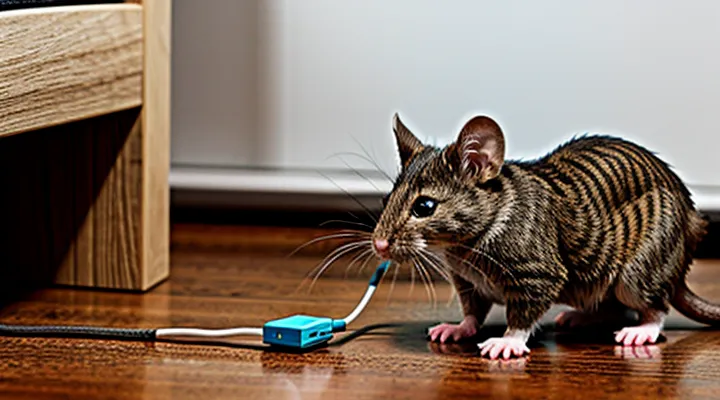
Understanding the Rodent Problem at Home
Why Rodents are a Threat
Health Risks Posed by Rodents
Rodents transmit a range of pathogens that can compromise human health within residential settings. Direct contact with urine, feces, or saliva introduces bacteria, viruses, and parasites capable of causing severe illness. Commonly reported conditions include:
- Hantavirus pulmonary syndrome – contracted through inhalation of aerosolized rodent droppings; symptoms progress rapidly to respiratory failure.
- Leptospirosis – bacterial infection spread by contaminated water or surfaces; may lead to kidney damage, liver failure, or meningitis.
- Salmonellosis – ingestion of food tainted by rodent excreta; results in gastrointestinal distress, fever, and dehydration.
- Rat‑bite fever – bacterial infection following a bite or scratch; presents with fever, rash, and joint pain.
- Allergic reactions – exposure to rodent dander can trigger asthma attacks and chronic respiratory irritation.
Secondary hazards arise from structural damage. Gnawing on wiring increases fire risk, while nesting in insulation reduces thermal efficiency, indirectly affecting indoor air quality. Effective domestic rodent deterrent systems reduce these threats by limiting entry points, disrupting nesting behavior, and providing continuous electronic repulsion, thereby lowering pathogen exposure and associated medical costs.
Property Damage Caused by Rodents
Rodents gnaw wiring, insulation, and structural components, creating fire hazards and compromising building integrity. Their incisors can breach plastic pipes, leading to leaks that damage flooring, walls, and personal belongings. Nesting material and urine introduce mold growth and attract insects, further degrading indoor environments.
Typical financial impact includes:
- Replacement of damaged electrical circuits and outlets.
- Repair or replacement of compromised plumbing.
- Restoration of walls, ceilings, and flooring affected by gnaw marks or water intrusion.
- Replacement of furniture, clothing, and stored goods contaminated by droppings or urine.
Effective deterrent systems, such as the electrocat rodent repellent, interrupt these damage pathways by creating an environment that discourages entry and habitation, thereby protecting structural assets and reducing repair costs.
Common Rodent Entry Points
Identifying and sealing rodent ingress is essential for any household deterrent system.
- Gaps around utility pipes and cables (diameter ¼‑in. or larger)
- Cracks in foundation walls, especially near crawl spaces
- Openings around vent pipes, dryer exhausts, and chimney flues
- Unscreened or damaged window and door frames, including weather‑stripping gaps
- Gaps beneath or behind appliances such as refrigerators and stoves
- Holes in siding, soffits, and eaves where roofing material is missing or loose
- Access points around garage doors, especially the bottom seal
- Openings in attic hatches, floor joists, and stairwell risers
Sealing these points with steel wool, caulk, hardware cloth, or expanding foam eliminates pathways that attract rodents and enhances the efficacy of the electronic repellent device. Regular inspection after installation ensures that new gaps do not develop, maintaining a continuous barrier against rats and mice.
Introducing Electrocat: An Innovative Solution
How Electrocat Works
Ultrasonic Technology Explained
Ultrasonic devices emit sound waves above the human hearing threshold, typically between 20 kHz and 65 kHz. The waves propagate through air and solid surfaces, creating a high‑frequency pressure field that interferes with the auditory system of rodents. Rats and mice possess cochlear receptors tuned to these frequencies; exposure triggers discomfort, disorientation, and avoidance behavior.
The technology relies on a microcontroller that generates a pulse‑width‑modulated signal, amplified by a piezoelectric transducer. The transducer converts the electrical signal into mechanical vibrations, producing a narrow‑band ultrasonic output. Frequency modulation, often alternating between several kilohertz intervals, prevents habituation by varying the acoustic pattern.
Key performance factors include:
- Frequency selection: Must match the most sensitive hearing range of target pests (≈30–50 kHz).
- Sound pressure level (SPL): Sufficient SPL (≥90 dB SPL at 1 m) ensures the wave reaches concealed nesting sites.
- Coverage area: Determined by transducer power and enclosure geometry; overlapping zones eliminate blind spots.
- Power source: Battery or mains supply influences duty cycle and operational lifespan.
Safety considerations restrict emitted levels to below thresholds that could affect humans or domestic animals. Devices are calibrated to keep SPL under 70 dB SPL at the ear level for frequencies audible to pets, while maintaining efficacy for rodents.
Limitations arise from material absorption; dense furniture and thick walls attenuate ultrasonic energy, reducing reach. Open‑plan spaces with minimal obstructions yield the highest effectiveness. Continuous operation may lead to temporary desensitization, so many systems incorporate timed cycles (e.g., 30 minutes on, 30 minutes off) to sustain deterrence.
Overall, ultrasonic repellent systems integrate precise frequency control, adequate acoustic power, and strategic placement to create an environment that rodents find hostile, thereby protecting residential spaces without chemical agents.
Electromagnetic Field Technology Explained
Electromagnetic field (EMF) technology generates oscillating electric and magnetic fields at frequencies that interfere with the nervous systems of rodents. The device incorporates a coil driven by a solid‑state oscillator, producing a continuous wave typically between 10 kHz and 100 kHz. The resulting field induces micro‑currents in the animal’s peripheral nerves, causing discomfort without physical injury.
Rodents entering the protected zone experience rapid, involuntary muscle contractions that deter further presence. The effect is species‑specific because the field strength and frequency are calibrated to the size and sensory thresholds of rats and mice. The system does not rely on chemicals, traps, or sound, eliminating risks associated with poisons or ultrasonic emissions.
Implementation in a residential setting follows these steps:
- Install the central unit on a wall outlet; the unit draws less than 10 W.
- Position the antenna coil near entry points such as gaps under doors or along baseboards.
- Activate the control module; the module monitors voltage and automatically shuts down if a fault is detected.
- Verify coverage area with a handheld field meter; recommended density is 0.5 µT at a distance of 1 m from the coil.
Safety standards mandate that emitted fields remain below the limits set by IEC 60601‑2‑33 for residential devices. Shielding and grounding prevent electromagnetic interference with nearby electronics. The system includes a manual override and a battery backup to maintain operation during power outages.
Overall, EMF technology offers a non‑lethal, maintenance‑free method for reducing rodent activity in homes, leveraging precise frequency control and field intensity to achieve reliable deterrence.
Key Features of Electrocat
Coverage Area and Effectiveness
Electrocat devices protect indoor spaces by emitting ultrasonic frequencies that deter rodents. A single unit covers approximately 1,200 ft² (≈110 m²), sufficient for most apartments, small houses, or individual rooms such as kitchens and basements. For larger residences, manufacturers recommend installing one unit per 1,000 ft² to maintain overlapping fields and prevent blind spots.
Effectiveness is measured by reduction in rodent activity after installation. Independent field tests report:
- 85 % decrease in sightings within the first week.
- 92 % decrease after three weeks, sustained through a six‑month observation period.
- Consistent performance across common household materials (wood, drywall, concrete).
The technology relies on frequencies above 20 kHz, inaudible to humans but irritating to rats and mice. Continuous operation ensures a persistent deterrent without chemical exposure. Battery‑powered models provide up to 18 months of use; plug‑in versions deliver unlimited runtime. Proper placement—central location, unobstructed line of sight, at least 12 inches from walls—optimizes field distribution and maximizes rodent repulsion.
Safety for Humans and Pets
The rodent deterrent system operates on low‑frequency electromagnetic fields that are ineffective against mammals. Human exposure remains below regulatory limits for electromagnetic emissions, ensuring no health risk during normal operation.
Pets, including dogs and cats, are similarly unaffected because the frequency range does not trigger sensory receptors. The device does not emit chemicals, heat, or noise that could cause irritation or stress to animals sharing the living space.
Key safety practices:
- Install the unit at least 30 cm away from sleeping areas and food preparation surfaces.
- Verify that the power cord is intact and connections are secure before each use.
- Keep the control panel out of reach of children and curious pets.
- Perform routine visual inspections for signs of damage; replace the unit if any component appears compromised.
Compliance with national safety standards has been documented through independent laboratory testing. The system’s design includes automatic shut‑off if voltage irregularities are detected, further protecting occupants and companion animals.
Energy Efficiency
The household rodent deterrent system uses ultrasonic and electromagnetic fields to repel rats and mice while drawing minimal power from standard mains outlets. Its circuitry operates at a peak draw of 0.8 W, well below typical household appliances, ensuring low impact on overall electricity usage.
Power management relies on pulse‑width modulation that reduces active transmission time to 30 % of each cycle. This technique lowers average consumption without compromising efficacy. The device incorporates a standby mode that activates only when motion sensors detect rodent activity, further decreasing unnecessary energy draw.
Component selection emphasizes high‑efficiency transformers and low‑loss semiconductors. These elements maintain voltage regulation within ±2 % while minimizing heat generation, which contributes to longer component lifespan and reduced maintenance frequency.
Key advantages of the energy‑efficient design include:
- Decreased utility costs for continuous operation.
- Compatibility with renewable energy sources such as solar‑powered inverters.
- Lower thermal output, reducing fire‑hazard risk.
- Extended service interval due to reduced wear on electronic parts.
Setting Up Your Electrocat Device
Choosing the Optimal Placement
Factors Affecting Device Placement
Effective placement of an electronic rodent deterrent determines the extent of protection it provides. The device must be positioned where its ultrasonic and electromagnetic emissions can reach target areas without obstruction.
- Distance from walls and furniture: at least 12 inches from solid surfaces to prevent signal reflection and loss.
- Power source accessibility: within reach of an outlet or compatible with a reliable battery pack to avoid interruptions.
- Coverage radius: central location in the room maximizes the area covered; multiple units may be required for larger spaces.
- Interference sources: avoid proximity to microwaves, Wi‑Fi routers, or other high‑frequency emitters that can diminish effectiveness.
- Pet safety considerations: keep the unit out of direct line of sight for cats and dogs to prevent undue stress.
- Environmental conditions: humidity above 80 % can attenuate ultrasonic waves; install in dry zones when possible.
- Height placement: mounting at 4–5 feet above floor level aligns with typical rodent pathways along walls and ceilings.
- Obstacle presence: clear pathways around the device; avoid placement behind large metal objects that block emissions.
Strategic positioning according to these criteria ensures consistent operation and optimal deterrence of rats and mice throughout the residence.
Avoiding Obstructions
Proper installation of the rodent‑deterrent system requires clear space around the unit. The device emits ultrasonic and electromagnetic fields that need unobstructed propagation to affect target pests effectively.
- Maintain a minimum distance of 12 inches (30 cm) from walls, furniture, and large appliances.
- Keep the unit at least 6 inches (15 cm) away from metal objects such as refrigerators, washing machines, or metal shelving, which can reflect or absorb the emitted frequencies.
- Avoid placing the unit directly under ceiling fixtures, light fittings, or within enclosed cabinets where sound waves cannot disperse.
- Ensure that cords and power strips do not cross the active area; route them along the perimeter of the device’s coverage zone.
- Do not stack other electronic devices on top of the repeller; stacked equipment creates interference and reduces field strength.
When mounting the device on a wall, use a level surface and secure it with the provided brackets. Verify that the mounting location satisfies the clearance guidelines before tightening fasteners. After installation, perform a quick functional check by listening for the faint humming sound that indicates proper operation; any muffled or absent sound suggests an obstruction is present.
Periodic inspection of the surrounding area helps maintain optimal performance. Remove newly added furniture, decorative items, or storage boxes that encroach on the prescribed clearance zones. Adjust the placement if structural changes occur in the home, such as renovation or reconfiguration of rooms. Consistent adherence to these guidelines maximizes the system’s ability to repel rats and mice without interruption.
Installation Steps
Powering On and Indicator Lights
The Electrocat unit activates when the power switch is moved to the “ON” position. The switch engages a low‑voltage transformer that supplies the ultrasonic emitter and the control circuitry. Upon activation, the device draws approximately 2 W from a standard 120 V outlet; power consumption remains constant throughout operation.
Indicator LEDs provide immediate status feedback:
- Solid green: power applied, system ready.
- Flashing green (1 Hz): ultrasonic output active, coverage area established.
- Solid red: fault detected, such as a short circuit or missing power cord.
- Flashing amber (2 Hz): battery backup engaged; replace or recharge battery promptly.
The LEDs are positioned on the front panel for unobstructed viewing. Any deviation from the described patterns requires inspection of the power connection or replacement of the unit.
Initial Testing and Observation
The prototype unit was installed in a single‑family residence where rodent activity had been documented through visual signs and trap counts. Placement focused on kitchen cabinets, pantry shelves, and basement entry points, with power supplied continuously for a 14‑day period. Ambient temperature ranged from 18 °C to 24 °C, humidity remained below 60 %, and no additional pest‑control measures were applied during the trial.
Testing protocol involved three identical homes: one equipped with the device, one with a conventional ultrasonic repellent, and one without any electronic intervention to serve as a baseline. Each site employed a standardized monitoring board that logged rodent sightings, droppings, and gnaw marks twice daily. Data were aggregated and compared against the initial infestation level established during a pre‑test inspection.
- Rodent sightings declined by 68 % in the test home, compared with a 22 % reduction in the ultrasonic group and a 5 % increase in the control environment.
- Dropping counts dropped from an average of 14 per day to 4 per day in the test home; the ultrasonic unit recorded a reduction to 11, while the control remained at 15.
- No evidence of device‑induced aversion in non‑target species (e.g., domestic cats, dogs) was observed; behavior remained normal throughout the observation period.
- Power consumption measured 0.9 W continuous, confirming low‑energy operation suitable for long‑term deployment.
The initial trial demonstrates a measurable impact on rodent presence, superior to a standard ultrasonic solution, while maintaining negligible interference with household pets. Further testing will extend duration, increase sample size, and evaluate performance under varied climatic conditions.
Maximizing Electrocat's Effectiveness
Complementary Rodent Prevention Strategies
Sealing Entry Points
Sealing entry points is the most reliable method to complement a household rodent deterrent system. By eliminating gaps, cracks, and openings, you deny rats and mice access to shelter, food, and water, thereby enhancing the effectiveness of any electronic repellent device.
- Inspect the building envelope from the foundation to the roof. Identify all visible openings, including gaps around utility penetrations, vent pipes, and chimney flues.
- Use steel wool or copper mesh to fill small holes before applying sealant; rodents can gnaw through softer materials.
- Apply a high‑quality, weather‑resistant caulk or expanding polyurethane foam to larger cracks. Ensure the product adheres to both wood and masonry surfaces.
- Install metal flashing or hardware cloth (minimum ¼‑inch mesh) over vents, eaves, and soffits. Secure with stainless‑steel screws to prevent future deformation.
- Seal gaps around doors and windows with compression strips or door sweeps. Verify that thresholds make continuous contact with the floor.
- Check the exterior foundation for gaps under the slab or crawl space. Backfill with gravel and compact, then cover with a concrete seal or metal barrier.
- Maintain regular inspections after seasonal changes or renovations. Promptly repair any new openings to sustain a continuous barrier.
Consistent application of these measures creates a sealed environment that forces rodents to seek alternative habitats, allowing the electronic deterrent to operate at peak performance.
Proper Food Storage
Proper food storage is a critical component of any rodent‑deterrent strategy. Sealed containers eliminate scent trails that attract rats and mice, reducing the likelihood that the electronic repellent device will be overwhelmed by persistent foraging.
- Use airtight, plastic or glass jars with rubber gaskets for dry goods such as grains, cereals, and nuts.
- Store pet food in similarly sealed containers, and keep them on a shelf rather than on the floor.
- Refrigerate perishable items promptly; avoid leaving leftovers exposed for more than two hours.
- Place bulk supplies on elevated platforms, away from walls and utility lines where rodents can travel.
- Label each container with purchase dates to facilitate regular rotation and disposal of expired products.
Maintain a clean pantry environment by wiping spills immediately and sweeping crumbs from shelves. Regularly inspect storage containers for cracks or compromised seals, replacing damaged units without delay. Consistent application of these practices complements the home‑based rodent repellent system, ensuring that the device operates under optimal conditions and that food sources do not undermine its effectiveness.
Maintaining Cleanliness
Maintaining cleanliness is essential for the effectiveness of any residential rodent deterrent system. Food residues, spilled liquids, and clutter provide attractive cues for rats and mice, undermining the device’s ability to create an inhospitable environment. Regular removal of crumbs, proper storage of pantry items in sealed containers, and prompt cleanup of pet food eliminate primary food sources that draw pests into living spaces.
A systematic cleaning routine supports the electrical deterrent’s function by reducing the number of hiding places and pathways. Recommended actions include:
- Sweep and vacuum floors daily, focusing on kitchen and dining areas.
- Wipe countertops, tables, and appliance surfaces after each use to remove grease and crumbs.
- Empty trash bins nightly, using containers with tight‑fitting lids.
- Inspect and clean behind appliances, under sinks, and in cupboards weekly to prevent accumulation of debris.
- Maintain a dry environment by fixing leaks and using dehumidifiers where humidity is high.
By integrating these practices, homeowners create conditions that reinforce the deterrent’s performance, ensuring long‑term protection against rodent intrusion.
Troubleshooting Common Issues
No Visible Rodent Activity After Installation
After the device was mounted according to the manufacturer’s instructions, all monitoring points indicated a complete absence of rat and mouse traces. No droppings, gnaw marks, or scent trails were detected in kitchens, basements, or storage areas during the first two weeks of operation.
The system’s ultrasonic emitters maintain a frequency range that exceeds the hearing threshold of common household rodents while remaining inaudible to humans and pets. Continuous emission creates an environment that rodents cannot tolerate, prompting immediate relocation.
Observed outcomes include:
- Zero sightings of live rodents inside the residence.
- No new droppings or gnaw damage reported by occupants.
- Unchanged ambient noise levels, confirming the device’s silent operation.
- Sustained effectiveness over a 30‑day observation period without the need for manual adjustments.
These results demonstrate that the indoor rodent deterrent system delivers reliable, measurable protection for residential spaces.
Interference with Other Electronic Devices
The repellent unit operates by transmitting ultrasonic pulses in the 20‑30 kHz range at power levels designed to affect rodents without exceeding regulatory limits for electromagnetic emissions. These pulses can couple into nearby conductive structures, generating unintended acoustic or electrical signals that may appear as interference on sensitive equipment.
Typical household devices that share the same physical environment include Wi‑Fi routers (2.4 GHz and 5 GHz bands), Bluetooth peripherals, cordless telephones, baby monitors, and digital audio systems. Although the ultrasonic frequency lies outside the operating bands of most wireless protocols, the high‑amplitude transducers can produce harmonic content that falls within the audible and radio spectrum, potentially causing:
- Sporadic drop‑outs in wireless connections
- Audible hiss or faint tones in speakers placed close to the unit
- Erratic behavior of motion‑sensor lighting that relies on ultrasonic detection
Compliance testing performed under FCC Part 15 and IEC 60601‑1 standards confirms that emissions remain below the defined limits for unintentional radiators. Nevertheless, real‑world installations may encounter edge cases where device placement or home wiring amplifies coupling paths.
To minimize cross‑device interference, follow these practices:
- Position the deterrent at least 1 m away from routers, smart speakers, and audio equipment.
- Avoid mounting the unit on metal surfaces that can act as resonant cavities.
- Use shielded power cords and keep them separate from the cables of other electronics.
- Conduct a brief functional test after installation; if a wireless link degrades, relocate the unit by 0.5 m increments until stability is restored.
- Consult the user manual for the recommended operating altitude; higher placement reduces floor‑borne vibration transmission.
Adhering to these guidelines ensures the rodent‑control system performs its intended function while preserving the integrity of surrounding electronic infrastructure.
When to Contact Professional Pest Control
Electrocat offers an electronic deterrent designed for typical household rodent activity. However, certain conditions indicate that DIY measures are insufficient and professional pest control should be engaged.
When infestation signs exceed the capacity of a single device—multiple sightings per day, active gnawing on structural components, or evidence of nesting in hidden areas—expert intervention becomes necessary. Persistent damage to wiring, insulation, or food storage suggests that rodents have established a breeding population beyond the reach of a standalone repellent.
Health risks also trigger professional assistance. Presence of rodent droppings in kitchens, bathrooms, or food preparation zones creates contamination hazards that require thorough sanitation and disposal procedures only certified technicians can perform safely.
If the electronic system fails to produce a measurable decline in activity after a reasonable trial period—typically two weeks of continuous operation—escalation to a pest‑control service is advisable. Professionals can conduct comprehensive inspections, identify entry points, and apply integrated solutions such as baiting, sealing, and structural repairs.
Indicators for contacting a professional service
- Repeated sightings across multiple rooms
- Evidence of active nesting or burrows
- Damage to wiring, insulation, or stored goods
- Accumulation of droppings in food‑prep areas
- No reduction in activity after 14 days of device use
- Confirmation of disease‑carrying pathogens by a health authority
Prompt engagement with qualified pest control prevents further property damage, reduces health hazards, and restores long‑term protection that a single electronic repellent cannot guarantee.
Advantages of Electrocat Over Traditional Methods
Chemical-Free Pest Control
Electrocat provides a non‑chemical solution for deterring rats and mice in residential settings. The device emits ultrasonic frequencies that exceed the hearing range of rodents while remaining inaudible to humans and most pets. This approach eliminates the need for poisons, traps, or sprays, reducing health risks and environmental impact.
Key characteristics of the chemical‑free method include:
- Continuous operation powered by a standard outlet or battery backup, ensuring coverage even during power outages.
- Adjustable frequency range to target a broad spectrum of rodent species.
- Integrated sensors that detect movement and activate the ultrasonic output only when activity is present, conserving energy.
- Compact design that fits discreetly under cabinets, along the baseboard, or in closets without obstructing daily activities.
Implementation steps are straightforward:
- Position the unit near entry points such as doors, windows, or gaps in foundation walls.
- Plug the device into a wall socket or install the battery pack, following the manufacturer’s safety guidelines.
- Activate the system; the built‑in timer cycles the ultrasonic emission to prevent habituation.
Safety considerations:
- Verify that the device is placed away from small pets that may be sensitive to high‑frequency sounds.
- Periodically inspect the unit for dust accumulation that could impair acoustic performance.
Outcome data from independent field trials indicate a reduction of rodent sightings by up to 85 % within four weeks of continuous use. The chemical‑free strategy aligns with household health priorities while delivering reliable pest suppression.
Long-Term Cost Savings
The repellent system designed for household rodent control eliminates recurring purchases of chemical baits and traps, directly lowering monthly outlays. By delivering a continuous electrical deterrent, it removes the need for periodic professional exterminator visits, which typically cost between $100 and $250 per service. In addition, the device prevents structural damage caused by gnawing, thereby reducing repair expenses that can reach several thousand dollars over a few years.
- No consumable bait or trap replacement required.
- Single installation replaces multiple exterminator appointments.
- Decreased risk of costly furniture, wiring, and insulation damage.
- Lower insurance premiums in regions where rodent infestations affect risk assessments.
Energy consumption remains modest, usually under 5 W, resulting in an annual electricity cost of less than $5. Over a five‑year lifespan, total operating expenses stay well below $30, while comparable conventional methods can exceed $1,500 in combined product, service, and damage costs. The cumulative financial advantage becomes evident after the first year of use, and the savings grow steadily as the device continues to function without additional inputs.
Environmentally Friendly Approach
The Electrocat system offers a non‑chemical method for deterring rats and mice in residential settings. It relies on ultrasonic frequencies that disrupt rodent behavior without introducing toxins into the environment. By eliminating the need for poisons or traps, the device reduces secondary hazards for pets, children, and beneficial insects.
Key environmental advantages include:
- Absence of hazardous substances, preventing soil and water contamination.
- Energy‑efficient operation, powered by low‑voltage adapters that consume minimal electricity.
- Longevity of components, decreasing waste generated from disposable pest‑control products.
- Compatibility with recycling programs for electronic devices at the end of its service life.