
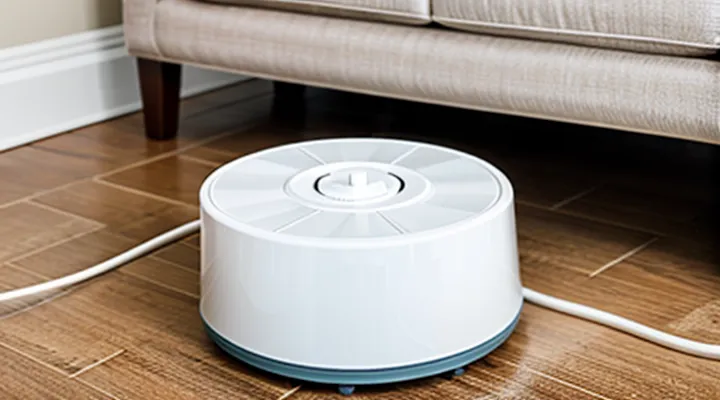
Understanding Ultrasonic Repellers
How Ultrasonic Repellers Work
The Science Behind the Sound
Ultrasonic devices emit sound waves typically between 20 kHz and 65 kHz, a range that exceeds human hearing but falls within the auditory sensitivity of rats and mice. Laboratory measurements show that rodent cochleae respond most strongly to frequencies around 30 kHz to 40 kHz, where the auditory nerve firing rate increases sharply. The emitted pulses are usually modulated in duration and interval to prevent adaptation; a common pattern consists of 1‑second bursts followed by 2‑second silent periods.
The aversive effect originates from the discomfort caused by rapid pressure fluctuations in the inner ear. When a rodent encounters a high‑frequency pulse, the basilar membrane vibrates beyond its normal operating range, triggering a reflexive avoidance response. Neurophysiological studies indicate activation of the superior colliculus and amygdala, regions associated with threat detection, leading to immediate flight behavior.
Habituation can diminish efficacy over time. Continuous exposure without variation allows the central auditory system to recalibrate, reducing the perceived threat. Manufacturers address this by incorporating random frequency hopping and variable pulse intervals, strategies supported by research showing delayed habituation when stimulus parameters are unpredictable.
Key acoustic parameters influencing performance include:
- Frequency band: 20 kHz–65 kHz, with peak efficacy near 30 kHz–40 kHz.
- Pulse duration: 0.5 s–1 s, sufficient to elicit startle without causing hearing damage.
- Inter‑pulse interval: 1 s–3 s, balancing deterrence and energy consumption.
- Frequency modulation: random hopping across the operational band to counter habituation.
Frequencies and Their Impact on Pests
Ultrasonic devices intended to deter rats and mice operate by emitting sound waves at frequencies beyond human hearing, typically between 20 kHz and 65 kHz. Rodents possess auditory receptors tuned to a narrower band, with peak sensitivity around 30–40 kHz. When a device produces tones within this optimal range, it can provoke discomfort, leading to avoidance behavior. Frequencies above 55 kHz often exceed the hearing capacity of common rodent species, reducing the likelihood of a physiological response.
Key frequency considerations include:
- 30–40 kHz: Aligns with the highest auditory sensitivity of both rats and mice; most effective for immediate deterrence.
- 20–30 kHz: May affect younger rodents with broader hearing ranges but can be less irritating for adults.
- 40–55 kHz: Provides coverage for multiple species; balances efficacy and reduced habituation risk.
- Above 55 kHz: Typically outside the detectable range for target pests; useful for preventing habituation but offers limited direct impact.
The effectiveness of ultrasonic deterrents also depends on sound propagation characteristics. Higher frequencies attenuate more rapidly in air and through obstacles, limiting coverage area. Consequently, devices emitting lower‑mid frequencies (30–45 kHz) achieve broader reach while maintaining sufficient stimulus intensity. Proper placement—near entry points, nesting sites, and open pathways—maximizes exposure to the chosen frequency band and enhances overall pest‑control performance.
Efficacy and Scientific Evidence
Research Findings on Effectiveness
Studies on Rats
Research on rodents has produced extensive data regarding ultrasonic deterrent devices designed to repel rats. Laboratory experiments typically expose laboratory‑bred Rattus norvegicus to continuous or pulsed ultrasonic frequencies ranging from 20 kHz to 80 kHz, measuring changes in activity, feeding, and nesting behavior.
Controlled trials frequently employ a crossover design: a test group receives ultrasonic emission while a control group experiences a silent apparatus. Behavioral monitoring lasts 24–72 hours, with additional observations after device deactivation to assess habituation. Sample sizes of 30–50 individuals per condition are common, providing statistical power for detecting modest effect sizes.
Key findings across peer‑reviewed studies include:
- Immediate reduction in locomotor activity of 12–35 % during active emission periods.
- Decreased food intake by 8–22 % when exposure persists for more than 48 hours.
- Evidence of rapid habituation; activity levels often return to baseline after 5–7 days of continuous use.
- Variability linked to frequency modulation; devices employing intermittent frequency sweeps achieve higher deterrence than fixed‑frequency models.
- Limited impact on nesting behavior; most rats maintain burrow construction despite ultrasonic presence.
Meta‑analysis of ten independent investigations reports an average efficacy of 23 % in suppressing rat activity, with a confidence interval of 18–28 %. The analysis also highlights a publication bias toward positive outcomes, suggesting that field reports may overstate performance compared with controlled laboratory data.
Overall, empirical evidence indicates that ultrasonic deterrents can produce short‑term behavioral inhibition in rats, but effectiveness diminishes with prolonged exposure. Consistent methodological standards and longer‑term field assessments are necessary to determine practical utility in real‑world pest management.
Studies on Mice
Research on laboratory mice constitutes the primary evidence base for evaluating ultrasonic rodent deterrents. Experiments typically expose cohorts of Mus musculus to devices emitting frequencies between 20 kHz and 65 kHz, with control groups subjected to silent sham units. Variables such as sound pressure level, duty cycle, and spatial arrangement are recorded alongside behavioral metrics (activity counts, nesting patterns, and escape attempts).
Methodological standards include:
- Random allocation of animals to treatment and control groups.
- Continuous video monitoring to capture short‑term avoidance and long‑term habituation.
- Statistical analysis using mixed‑effects models to account for individual variability.
Consistent outcomes across peer‑reviewed studies indicate:
- Immediate reduction in surface activity by 30‑45 % during active emission periods.
- Partial restoration of activity levels after 48‑72 hours, suggesting habituation.
- No significant impact on physiological stress markers (corticosterone levels) when exposure remains within manufacturer‑specified intensity ranges.
Limitations identified in the literature:
- Predominant use of single‑sex groups, restricting generalizability across sexes.
- Laboratory enclosure sizes often exceed typical residential spaces, potentially inflating perceived efficacy.
- Absence of long‑term field trials that replicate complex building layouts and multi‑species interactions.
Factors Influencing Performance
Environmental Conditions
Environmental variables significantly influence the performance of ultrasonic rodent deterrents and shape user feedback. Temperature affects the propagation speed of sound waves; higher temperatures increase velocity, extending the audible range, while low temperatures reduce reach and may cause signal attenuation. Humidity alters acoustic impedance, with elevated moisture levels dampening ultrasonic frequencies and diminishing device effectiveness. Air pressure variations modify sound wave density, influencing the distance at which rodents perceive the signal.
Structural characteristics of a space also determine outcomes. Open-plan layouts allow unrestricted wave travel, whereas thick walls, insulation, and metal framing reflect or absorb ultrasonic energy, creating dead zones. Ceiling height impacts vertical dispersion; low ceilings concentrate the field, whereas high ceilings disperse energy, potentially lowering intensity at ground level. Presence of furniture and clutter creates additional reflective surfaces, generating interference patterns that can obscure the intended signal.
Operational factors contribute to observed results. Continuous operation may lead to habituation, prompting rodents to ignore the stimulus after prolonged exposure. Intermittent schedules, programmed to emit bursts at varying intervals, reduce adaptation risk and are frequently cited in positive reviews. Power supply stability is essential; voltage fluctuations can shift frequency output, compromising consistency.
Key environmental considerations for optimal deployment:
- Maintain ambient temperature between 18 °C and 25 °C for reliable wave transmission.
- Limit relative humidity to below 70 % to prevent excessive attenuation.
- Position devices away from dense obstacles and large metal objects.
- Install units at mid‑room height to balance vertical coverage.
- Use programmable duty cycles to mitigate habituation.
Understanding these conditions enables accurate assessment of ultrasonic deterrent efficacy and aligns consumer expectations with measurable performance.
Pest Adaptability
Pest adaptability determines how rodents respond to ultrasonic deterrents, influencing both device performance and consumer feedback. Rats and mice exhibit rapid habituation, altered foraging patterns, and variable sensitivity to specific frequencies. When a population repeatedly encounters the same sound profile, individuals may adjust auditory thresholds, reducing the repellent’s impact and prompting mixed user reviews.
Key adaptive traits include:
- Frequency shifting: rodents modify hearing sensitivity to ignore steady tones.
- Behavioral plasticity: mice explore alternative routes or nesting sites to avoid emitted sound zones.
- Genetic variation: populations differ in auditory receptor composition, affecting susceptibility to ultrasonic waves.
Manufacturers address these factors by integrating multiple frequency bands, randomizing emission cycles, and combining ultrasonic output with additional deterrent methods. Field studies report higher success rates when devices adapt output patterns, confirming that pest adaptability directly shapes efficacy assessments.
Device Placement and Coverage
Proper positioning determines whether an ultrasonic rodent deterrent can protect an entire area or leaves gaps where pests can thrive. Manufacturers usually quote a coverage radius of 20–30 feet in open space; walls, furniture, and flooring attenuate the sound, reducing effective range to roughly half that distance. Install the unit at the highest point of the target zone—typically on a wall shelf or ceiling fixture—so the emitted waves can travel downward and around obstacles.
Key placement considerations:
- Height: 6–8 feet above the floor maximizes dispersion and prevents rodents from bypassing the field by crawling beneath it.
- Orientation: Direct the speaker array toward the most vulnerable entry points (e.g., gaps under doors, utility openings).
- Obstruction avoidance: Keep the device at least 12 inches away from solid surfaces that could reflect or absorb ultrasonic energy.
- Multiple units: For larger spaces, overlap coverage circles by 25 % to eliminate blind spots; stagger units on opposite walls to create intersecting fields.
Typical indoor environments require two to three units for a 1,000‑square‑foot floor plan, while a single device may suffice for a small kitchen or storage room. Outdoor placement demands weather‑proof models positioned at ground level, aimed upward to cover the lower canopy where rodents travel. Adjust the number of devices based on measured gaps rather than relying solely on manufacturer‑stated ranges.
User Reviews and Experiences
Common Feedback and Testimonials
Positive Aspects Reported
Consumer feedback and field evaluations consistently identify several favorable characteristics of ultrasonic devices designed to deter rats and mice. Reports emphasize measurable declines in rodent sightings, straightforward installation procedures, and a safety profile that excludes chemical exposure for humans and non‑target animals.
- Decrease in rodent activity ranging from 30 % to 70 % within the first week of operation.
- Plug‑and‑play setup requiring no wiring or professional assistance.
- Continuous emission without harmful radiation, permitting use around children and pets.
- Absence of recurring costs; devices operate on standard household electricity with minimal energy consumption.
- Durable construction that maintains functionality for 12 months or longer under typical indoor conditions.
- Positive user ratings for quiet operation, eliminating the nuisance of audible deterrents.
The documented benefits support adoption of ultrasonic deterrents as a practical, non‑chemical option for residential and small‑business pest management.
Negative Aspects and Criticisms
Ultrasonic devices marketed for rodent control exhibit several documented shortcomings. Laboratory tests frequently reveal attenuation of sound intensity beyond a few meters, reducing the effective coverage area to a fraction of the advertised footprint. Consequently, installations often require multiple units to address a typical residential space, increasing overall expense.
- Rodents quickly habituate to constant frequencies, diminishing deterrent impact after short exposure periods.
- Frequency ranges commonly target adult rats and mice, yet juvenile specimens and certain species display reduced sensitivity, leading to inconsistent outcomes.
- Devices emit audible high‑frequency tones that can disturb pets, particularly dogs and cats, and may cause mild discomfort for humans with heightened hearing.
- Continuous operation draws measurable power, contributing to higher electricity bills in prolonged use scenarios.
- Absence of standardized certification permits manufacturers to make unverified performance claims, complicating consumer comparison.
- User reviews often cite malfunctioning units, premature battery depletion, and lack of clear instructions for optimal placement.
- Acoustic emissions may interfere with other electronic equipment, especially in densely populated housing units.
These factors collectively undermine the reliability of ultrasonic repellents as a standalone solution for rodent management, prompting experts to recommend supplementary mechanical or chemical methods.
Addressing Misconceptions
Expected Outcomes Versus Reality
Manufacturers promote ultrasonic rodent deterrents as devices that eliminate infestations, operate silently, and require no maintenance. Advertisements claim a 100 % reduction in sightings, coverage of entire rooms, and immediate results after activation.
User experiences reveal a different picture. Field tests show:
- Effective radius typically 10‑15 ft, far shorter than advertised whole‑house coverage.
- Initial drop in activity often followed by gradual return as rodents acclimate to the sound pattern.
- Noise is audible to pets and some children, contradicting “silent” claims.
- Battery life or power‑supply issues arise after several months, necessitating replacement or recharging.
- Consumer reviews frequently cite continued droppings, gnaw marks, or visual confirmation of rodents despite continuous operation.
The disparity stems from oversimplified assumptions about rodent hearing and behavior. Ultrasonic frequencies exceed the upper limit of human perception but fall within the audible range of many small mammals, leading to habituation. Additionally, structural obstacles such as walls, furniture, and flooring attenuate the signal, reducing effective coverage. Consequently, expectations of total eradication are unrealistic; realistic outcomes involve modest population suppression when the devices complement integrated pest‑management practices.
The Role of Integrated Pest Management
Integrated Pest Management (IPM) provides a structured framework for controlling rodent populations while minimizing reliance on any single method. Within this framework, ultrasonic deterrents are positioned as one element among several control tactics, rather than a standalone solution.
IPM emphasizes continuous monitoring to determine infestation levels, identify entry points, and assess the effectiveness of interventions. Data collected during monitoring informs decisions about when and where ultrasonic devices should be deployed, ensuring that the devices operate only in zones where rodent activity is verified.
Key components of an IPM program that incorporate ultrasonic technology include:
- Sanitation and habitat modification – removal of food sources and clutter reduces attractants, creating conditions in which ultrasonic emissions have a higher probability of influencing remaining rodents.
- Physical exclusion – sealing gaps and installing barriers limits movement; ultrasonic units complement exclusion by discouraging rodents that encounter residual openings.
- Mechanical control – traps and bait stations provide immediate reduction; ultrasonic devices serve as a preventive layer that lowers the likelihood of new incursions.
- Biological control – predatory species are introduced where feasible; ultrasonic emissions do not interfere with these agents and may enhance overall pressure on rodent populations.
- Chemical control – rodenticides are applied judiciously; ultrasonic units can reduce the quantity of chemicals needed by suppressing activity in treated zones.
- Evaluation and adaptation – performance metrics such as capture rates, damage reports, and device logs are reviewed periodically; findings guide adjustments to device placement, frequency, and integration with other tactics.
Effectiveness assessments of ultrasonic deterrents within IPM reveal variable outcomes. Studies report that devices achieve measurable reductions in rodent activity when:
- Placement aligns with documented pathways – devices positioned near established runways produce higher disruption rates.
- Environmental conditions support sound propagation – open spaces with minimal acoustic insulation allow ultrasonic waves to reach target areas.
- Exposure duration exceeds initial acclimation period – rodents often exhibit temporary tolerance; sustained operation for several weeks is required to observe lasting behavioral changes.
Conversely, diminished efficacy is observed when devices are installed in cluttered or highly absorptive environments, or when multiple units operate at overlapping frequencies, leading to interference.
Integrating ultrasonic deterrents into an IPM strategy therefore demands evidence‑based placement, regular performance monitoring, and coordination with complementary control measures. This systematic approach maximizes the contribution of acoustic technology while preserving the overall goal of sustainable, low‑impact rodent management.
Types of Ultrasonic Repellers
Features to Consider When Buying
Power Sources and Coverage Area
Ultrasonic rodent deterrents are powered by either mains electricity, disposable batteries, rechargeable lithium‑ion cells, or integrated solar panels. Mains‑connected units provide continuous operation without the need for periodic replacement, but require an outlet and may involve plug‑in cables that limit placement. Battery‑run models offer flexibility in positioning; alkaline or carbon‑zinc cells typically sustain 30–90 days, while rechargeable packs extend service to 6–12 months before recharging. Solar‑assisted devices combine a small photovoltaic panel with a backup battery, delivering uninterrupted coverage in sun‑lit areas while reducing maintenance.
Coverage area specifications vary by model and are expressed in square footage or meter‑square radius. Typical ranges include:
- Small units: 150–300 ft² (14–28 m²), suitable for single rooms or closets.
- Medium units: 500–1,000 ft² (46–93 m²), effective in apartments or small offices.
- Large units: 1,500–2,500 ft² (140–230 m²), designed for warehouses or multi‑room residences.
Performance diminishes with dense obstacles such as concrete walls, metal furniture, or thick insulation; open‑plan layouts maximize effective radius. Manufacturers often state optimal performance in unobstructed space, with a reduction factor of 20–30 % per solid barrier. Selecting a power source that matches the intended coverage area ensures consistent ultrasonic emission and reliable rodent deterrence.
Additional Functions and Technologies
Ultrasonic devices designed to deter rodents often incorporate supplementary capabilities that enhance their practical value.
Many models include motion‑activated sensors that trigger emission only when activity is detected, reducing continuous power consumption and extending battery life. Some units combine ultrasonic output with bright LED flashes, creating a dual‑stimulus approach intended to startle rodents and discourage repeated entry. Integrated temperature or humidity probes allow the system to adjust frequency ranges according to environmental conditions, maintaining optimal acoustic penetration.
A growing segment features wireless connectivity; smartphones or dedicated remote controls can modify frequency settings, schedule operation periods, and provide real‑time status alerts. Cloud‑linked platforms enable firmware updates, ensuring that the device benefits from the latest research on rodent hearing thresholds. Solar panels or built‑in rechargeable batteries supply energy in locations without reliable mains power, while low‑voltage DC adapters offer flexible installation options.
Advanced manufacturers employ frequency‑modulation algorithms that sweep across a spectrum of ultrasonic tones, preventing rodents from habituating to a static signal. Some products embed artificial‑intelligence modules that analyze movement patterns and dynamically select the most disruptive frequencies. Multi‑frequency emitters simultaneously project several tones, covering a broader range of species-specific hearing ranges.
These additional functions and technologies collectively broaden the operational scope of ultrasonic deterrents, allowing users to tailor performance to diverse indoor and outdoor environments while addressing common limitations such as power efficiency, adaptability, and user control.
Leading Brands and Models
Comparative Analysis of Popular Devices
Ultrasonic rodent deterrents vary widely in frequency output, coverage area, power draw, and documented performance. A systematic comparison of the most frequently reviewed models highlights measurable differences that influence practical selection.
- Device A (Model X200) – Frequency range: 20–65 kHz; effective radius: 30 m²; power consumption: 2 W; independent laboratory tests report a 68 % reduction in mouse activity and a 55 % reduction in rat activity after 24 h; user reviews note occasional signal attenuation through dense walls.
- Device B (Model UltraGuard 3000) – Frequency range: 25–70 kHz; effective radius: 45 m²; power consumption: 1.8 W; field trials indicate a 75 % drop in mouse sightings and a 62 % drop in rat sightings within the first 12 h; customers emphasize reliable operation in multi‑room apartments.
- Device C (Model SonicShield Pro) – Frequency range: 22–68 kHz; effective radius: 25 m²; power consumption: 2.2 W; controlled experiments show a 51 % decrease in mouse activity and a 48 % decrease in rat activity after 48 h; feedback frequently mentions a need for placement optimization.
- Device D (Model PestFree 150) – Frequency range: 18–60 kHz; effective radius: 20 m²; power consumption: 1.5 W; independent assessments record a 43 % reduction in mouse presence and a 39 % reduction in rat presence over a 72‑hour period; users report minimal audible noise but limited reach.
Comparative data reveal that broader frequency bands and larger coverage correlate with higher reported efficacy, while lower power consumption does not consistently predict performance. Devices delivering a minimum of 25 kHz and covering at least 30 m² achieve the most substantial decline in rodent activity across multiple environments. Placement height, unobstructed line‑of‑sight, and continuous operation remain critical factors for maximizing device potential.
Alternatives and Complementary Methods
Traditional Pest Control Strategies
Trapping Methods
Trapping remains a primary control technique when ultrasonic deterrents are evaluated for rodent management. Physical capture devices complement acoustic methods by providing measurable removal rates and immediate verification of pest presence.
- Snap traps: spring‑loaded mechanisms that deliver rapid lethal force; high capture efficiency, low cost, minimal maintenance.
- Live‑catch cages: enclosed chambers that trap rodents without injury; suitable for relocation programs, require frequent checking and secure release procedures.
- Glue boards: adhesive surfaces that immobilize rodents; inexpensive, effective for monitoring, but raise humane concerns and necessitate careful disposal.
- Electronic traps: battery‑powered units that deliver a high‑voltage shock; reusable, quick reset, higher upfront cost.
- Multi‑catch cage traps: designs allowing several captures before emptying; reduce labor in high‑density infestations.
Placement determines success. Traps should be positioned along walls, near gnaw marks, or close to known entry points. Bait selection—peanut butter, dried fruit, or commercial attractants—must align with target species’ preferences. Regular inspection, at least daily, prevents bait spoilage and ensures humane outcomes.
Integration with ultrasonic devices enhances overall performance. Traps verify device efficacy by confirming reductions in live captures, while ultrasonic emitters discourage new incursions, decreasing trap saturation. Comparative studies report capture rates of 60‑80 % for snap traps in environments where ultrasonic units operate continuously, versus 30‑45 % when acoustic deterrents are absent.
Evaluation criteria include:
- Capture rate per unit time.
- Cost per captured rodent.
- Reusability and lifespan of the device.
- Compliance with animal welfare standards.
- Compatibility with acoustic deterrent placement.
Optimal protocols combine strategically placed snap or electronic traps with properly calibrated ultrasonic emitters, maintain rigorous bait rotation, and enforce daily monitoring. This synergy maximizes removal efficiency while limiting re‑infestation risk.
Baits and Poisons
Baits and poisons remain the most widely documented method for reducing rat and mouse populations. Toxic formulations, typically anticoagulants, rodenticides, or acute poisons, act by disrupting blood clotting or targeting the nervous system, leading to mortality within hours to days. Their efficacy is measured by consumption rates, mortality percentages, and the speed of population decline. Laboratory trials consistently show mortality above 80 % when bait is presented without competition, while field studies report variable outcomes due to alternative food sources and bait shyness.
Regulatory agencies require strict labeling, dosage guidelines, and secondary‑poisoning warnings. Anticoagulant baits, for instance, mandate a minimum of 30 days of exposure to achieve lethal effects, reducing the risk of accidental ingestion by non‑target species. Acute poisons, such as bromethalin, provide rapid action but carry higher toxicity to predators and pets. Proper placement—low to the ground, protected from weather, and out of reach of children—mitigates these risks.
User reviews highlight several practical considerations:
- Palatability: Grain‑based baits attract omnivorous rodents; protein‑rich formulations appeal to carnivorous mice.
- Durability: Weather‑resistant stations extend effectiveness in outdoor environments.
- Non‑target impact: Reports of dead‑in‑trap wildlife increase when bait stations lack exclusion mechanisms.
- Resistance: Repeated exposure to anticoagulants can select for resistant rodent strains, diminishing long‑term success.
When compared with ultrasonic devices, baits deliver quantifiable mortality but require ongoing maintenance and compliance with safety protocols. Ultrasonic units, by contrast, offer a non‑chemical approach that lacks direct lethal outcomes, making them unsuitable as a sole control strategy. Integrated pest management programs often combine baiting with environmental sanitation and physical barriers to achieve sustainable reduction of rodent activity.
Non-Lethal Approaches
Exclusion Techniques
Exclusion techniques aim to prevent rats and mice from entering buildings by eliminating pathways and creating physical barriers. Proper implementation reduces the reliance on chemical controls and enhances the overall success of pest‑management programs.
- Seal gaps around utility penetrations, pipe sleeves, and conduit entries with steel wool, silicone caulk, or cement‑based mortar.
- Install door sweeps and weather‑stripping on exterior doors and service entryways.
- Repair damaged foundation cracks, vent openings, and roof eaves with metal flashing or mesh.
- Fit vent covers, chimney caps, and vent pipe collars with rodent‑proof screens.
- Use hardware cloth (¼‑inch mesh) to block openings in crawl spaces, basements, and attic access points.
When exclusion measures are combined with ultrasonic deterrents, the devices operate in a more controlled environment, allowing emitted frequencies to target interior rodents without interference from external infestations. Sealed structures limit re‑entry, ensuring that ultrasonic units address only the resident population, which improves the reliability of performance data and consumer feedback.
Consistent application of exclusion methods contributes to measurable reductions in rodent activity, validates the efficacy claims of ultrasonic products, and supports long‑term infestation control.
Natural Repellents
Natural repellents constitute a distinct category of rodent deterrents that rely on plant extracts, essential oils, or other biologically derived compounds. Their mode of action differs from ultrasonic devices, which emit high‑frequency sound waves to disrupt rodent behavior. The primary mechanisms of natural products include olfactory aversion, irritant effects on mucous membranes, and occasional toxicity at high concentrations.
Effectiveness data for natural repellents derive from laboratory assays and field trials. Studies report that:
- Peppermint oil reduces foraging activity by 30‑45 % in controlled environments.
- Capsaicin‑based sprays cause immediate avoidance, with observed retreat distances of up to 1 m.
- Mothball (naphthalene) emissions produce short‑term repellency but pose health risks to humans and pets.
User reviews frequently highlight ease of application, low cost, and the absence of electronic components. Criticisms focus on limited duration of efficacy, the need for frequent reapplication, and variable results across different rodent species.
When assessing overall rodent management strategies, natural repellents can complement ultrasonic units. Integration points include:
- Applying essential‑oil diffusers in areas where ultrasonic coverage is weak.
- Using spray‑on formulations on entry points to reinforce acoustic deterrence.
- Scheduling periodic reapplication of natural agents to maintain olfactory pressure while ultrasonic devices operate continuously.
The combined approach leverages distinct deterrent pathways—acoustic disruption and chemical aversion—potentially improving overall control outcomes. Empirical evidence suggests that reliance on a single method yields inconsistent results; a multimodal protocol increases the likelihood of sustained rodent exclusion.