
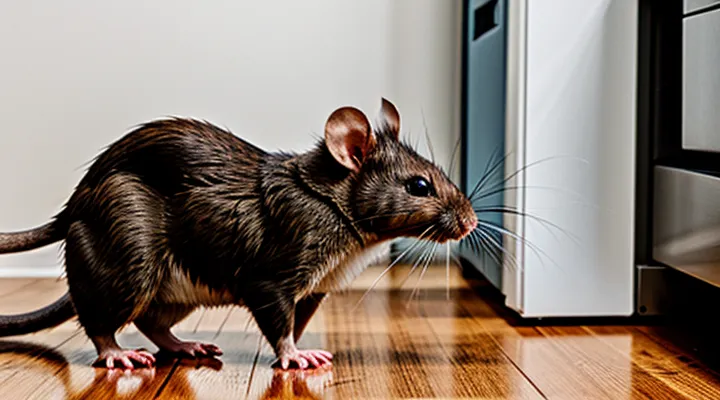
Understanding the Rat Problem
Signs of Rat Infestation
Droppings and Urine Trails
Droppings and urine trails provide the most reliable visual confirmation of rodent activity in a residential unit. Fresh droppings appear as dark, cylindrical pellets about ½‑inch long, often found along walls, behind appliances, and in concealed corners. Urine trails manifest as faint, amber‑colored stains that may darken or emit a strong ammonia odor over time. Their presence indicates not only current infestation but also the pathways used by the animals.
Health risks stem from direct contact and airborne particles. Rat feces and urine carry pathogens such as Leptospira, Hantavirus, and Salmonella, which can cause severe infections when inhaled, ingested, or introduced through skin lesions. Accumulated droppings also foster mold growth and attract insects, compounding allergen exposure for occupants.
Effective remediation follows a structured protocol:
- Wear disposable gloves, a fit‑tested N‑95 respirator, and eye protection before entry.
- Wet droppings with a commercial disinfectant (e.g., a 10 % bleach solution) to prevent aerosolization.
- Collect contaminated material in sealed, puncture‑resistant bags; dispose of according to local hazardous‑waste regulations.
- Scrub surfaces with the same disinfectant for at least five minutes; allow a dwell time of ten minutes before rinsing.
- Ventilate the area thoroughly after cleaning to disperse residual fumes.
Documented droppings and urine trails guide placement of control devices. Concentrate snap traps or electronic bait stations along identified runways, ensuring bait is positioned downstream of the trail to increase capture rates. Simultaneously, seal entry points revealed by the trails—gaps around pipes, vent openings, and baseboard cracks—using steel wool, caulk, or metal mesh to prevent re‑infestation.
Continuous monitoring of droppings density and urine staining patterns provides measurable feedback on the success of intervention measures, allowing timely adjustment of trapping density and sanitation frequency.
Gnaw Marks and Damage
Rats leave unmistakable evidence through their chewing activity. Visible evidence includes shallow, crescent‑shaped bites on wood, plastic, and insulation, as well as deeper, jagged gouges on metal and wiring. These marks frequently appear around entry points such as gaps under doors, utility conduits, and vent openings. In kitchens, gnaw marks on cabinet edges, countertop corners, and food‑storage containers indicate direct access to food sources. Bathroom fixtures, especially around pipes and exhaust fans, often show damage due to the rodents’ search for water.
The consequences of chewing extend beyond cosmetic wear. Structural concerns arise when rats compromise load‑bearing beams, floor joists, or wall studs, potentially reducing the integrity of the building. Damage to electrical wiring creates a fire hazard; exposed conductors may short circuit or spark, especially when gnawed insulation contacts conductive surfaces. Insulation material, once chewed, loses its thermal efficiency, leading to higher energy consumption and condensation problems.
Health risks stem from contamination. Saliva deposited in gnaw marks carries pathogens that can contaminate food, surfaces, and air. Urine and droppings left near damaged areas introduce additional disease vectors. The combination of structural, electrical, and sanitary threats necessitates prompt assessment and remediation.
Practical steps for occupants and property managers:
- Inspect suspected entry points weekly; look for fresh gnaw marks and displaced material.
- Document the size, depth, and location of each mark; prioritize areas near electrical wiring and load‑bearing components.
- Seal identified gaps with steel wool, caulk, or metal flashing to prevent further access.
- Replace compromised insulation, wiring, or structural elements according to local building codes.
- Clean affected surfaces with a disinfectant approved for rodent‑borne pathogens; wear protective gloves and a mask.
Early detection of chewing damage reduces repair costs, prevents fire hazards, and protects resident health. Continuous monitoring and immediate repair form the core of an effective rodent‑control strategy in residential units.
Unusual Noises
Unusual noises often serve as the first indication of a rodent problem within a dwelling. Detecting these sounds early allows swift intervention before damage escalates.
Typical auditory signs include:
- Persistent scratching behind walls or ceilings, especially during nighttime hours.
- Repeated gnawing on wood, plastic, or electrical wiring, producing sharp, intermittent clicks.
- High‑pitched squeaks emitted from concealed spaces such as crawl‑spaces or attic voids.
- Rapid, rustling movements heard through floorboards, suggesting rapid locomotion of small mammals.
Distinguishing rat sounds from those of insects or other wildlife relies on frequency and pattern. Rats generate low‑frequency, rhythmic chattering when communicating, whereas insects produce higher‑frequency buzzing. Larger mammals create heavier thuds compared with the light patter of rats.
Effective response steps:
- Conduct a systematic listening survey, noting time, location, and sound characteristics.
- Seal identified entry points using steel wool, caulk, or metal flashing to prevent further ingress.
- Deploy appropriate traps—snap, live‑capture, or electronic—near noise sources, ensuring bait placement aligns with observed activity patterns.
- Inspect and, if necessary, replace compromised insulation, wiring, or structural components damaged by gnawing.
- Monitor for residual noises after intervention; persistent sounds may indicate hidden nests requiring professional assessment.
Accurate interpretation of atypical sounds reduces reliance on visual inspection alone and streamlines the eradication process. Prompt action based on auditory evidence prevents structural damage, health hazards, and future infestations.
Why Rats Are Dangerous
Health Risks
Rats inhabiting residential units introduce pathogens that directly affect human health. Contact with rodent saliva, urine, or feces creates pathways for infection.
- Hantavirus pulmonary syndrome, transmitted through aerosolized urine or droppings, can cause severe respiratory distress.
- Leptospirosis, spread by contaminated water or surfaces, leads to fever, kidney dysfunction, and liver damage.
- Salmonella and other bacterial gastroenteritis arise from food contamination after rodents gnaw packaging or store food.
- Rat‑borne parasites, such as fleas and mites, transmit typhus, plague, and rickettsial diseases.
Rodent activity also degrades indoor air quality. Decomposing waste releases ammonia and volatile organic compounds that irritate eyes, skin, and respiratory passages. Dust contaminated with rodent dander aggravates asthma and triggers allergic reactions, particularly in children and the elderly.
Increased exposure to these hazards correlates with higher rates of hospital admissions for acute infections and chronic conditions. Preventive measures that eliminate infestations consequently lower the incidence of disease transmission, reduce respiratory irritants, and protect vulnerable occupants.
Property Damage
Rats cause extensive damage to residential units, compromising structural integrity and increasing repair costs. Their gnawing behavior targets wood, drywall, and plaster, creating holes that weaken walls and ceilings. Damage to insulation reduces thermal efficiency, leading to higher energy consumption.
- Electrical wiring: chewing on cables creates exposed conductors, raising fire risk and requiring professional rewiring.
- Plumbing: gnawing on plastic pipes results in leaks, water damage, and potential mold growth.
- Furniture and fixtures: rats bite upholstery, wooden furniture, and decorative items, causing irreversible wear.
- Food storage: contamination of pantry goods creates waste and necessitates replacement of containers and shelving.
Prompt detection and remediation prevent escalation of these issues. Sealing entry points, maintaining cleanliness, and employing professional pest control mitigate property damage and preserve the apartment’s value.
Prevention Strategies
Sealing Entry Points
Inspecting Walls and Floors
Inspecting walls and floors is a fundamental step in any rodent‑control program for an apartment. Identifying entry points, nesting sites, and foraging pathways before applying treatments prevents wasted effort and recurring infestations.
Effective inspection proceeds as follows:
- Conduct a visual sweep of all interior walls, focusing on baseboards, cabinets, and behind appliances. Look for gnaw marks, grease stains, and droppings.
- Use a bright flashlight to illuminate dark corners and ceiling voids. Shadows often hide small holes or burrows.
- Deploy a flexible inspection mirror or a fiber‑optic camera to examine behind drywall, under floorboards, and within crawl spaces.
- Check for gaps larger than ¼ inch around pipes, vents, and electrical conduits. Seal these openings with steel wool followed by silicone or expanding foam.
- Examine flooring joints, especially in laminate or vinyl installations, for lifted edges or cracked seams that may conceal tunnels.
- Record locations of all evidence on a simple diagram of the unit. Documentation guides targeted bait placement and exclusion work.
After completing the survey, prioritize sealing identified openings, then apply bait stations or traps in proximity to confirmed activity zones. Regular re‑inspection, at least monthly during peak rodent season, confirms that closures remain intact and that no new entry points have emerged.
Securing Vents and Pipes
Securing vents and pipes eliminates one of the most accessible pathways for rodents to infiltrate an apartment.
Typical entry points include kitchen exhaust vents, bathroom fans, dryer exhaust ducts, and the gaps surrounding plumbing penetrations. Each opening larger than a quarter‑inch can accommodate a rat, allowing direct access to interior spaces.
Effective sealing involves three actions:
- Conduct a visual inspection of all vent covers, ductwork, and pipe sleeves; note any cracks, loose fittings, or missing mesh.
- Install stainless‑steel mesh or hardware cloth with a one‑millimeter opening over each vent; fasten the material with corrosion‑resistant screws.
- Apply expanding polyurethane foam or silicone caulk to fill gaps around pipe collars and vent frames; ensure the seal remains flexible to accommodate temperature fluctuations.
Regular maintenance includes quarterly checks for wear, rust, or displacement of protective mesh, and prompt replacement of compromised components. Maintaining a continuous barrier prevents rats from exploiting structural vulnerabilities and supports long‑term pest‑free living conditions.
Repairing Gaps in Doors and Windows
Sealing openings in doors and windows eliminates primary entry routes for rodents, reducing the likelihood of infestation in residential units.
Identify all gaps larger than a quarter‑inch by running a thin piece of cardboard or a flashlight along the perimeter of each door and window. Mark each opening with a removable sticker for later reference.
Apply the following measures to each identified gap:
- Install rubber or silicone weatherstripping on the top and sides of doors, ensuring a tight fit when closed.
- Fit a door sweep made of brush or rubber at the bottom of exterior doors to block low‑level access.
- Use expandable caulk to fill cracks around window frames, baseboards, and wall junctions.
- Insert steel wool into larger holes before applying caulk, creating a barrier that rodents cannot gnaw through.
- Replace damaged or missing window screens with mesh rated for pest resistance.
After repairs, conduct a visual inspection to confirm that no gaps remain visible. Re‑evaluate the seals periodically, especially after seasonal temperature changes, to maintain continuous protection against rat intrusion.
Implementing these sealing techniques forms a fundamental component of an integrated pest‑management plan for apartment dwellers, directly limiting rodent access points and supporting long‑term control efforts.
Maintaining Cleanliness
Proper Food Storage
Proper food storage directly reduces the attraction of rodents to a dwelling. When consumables are sealed, odor emission diminishes, limiting the cues that guide rats toward a kitchen or pantry.
Key practices include:
- Use containers with lock‑tight lids made of plastic, glass, or metal; avoid open bags or cardboard boxes.
- Store dry goods such as grains, cereals, and nuts in these containers immediately after purchase.
- Keep perishable items in the refrigerator or freezer; remove leftovers promptly and cover them.
- Label containers with purchase dates and rotate stock to prevent spoilage.
Maintain a clean environment by wiping countertops after each meal, sweeping crumbs from floors, and vacuuming behind appliances. Garbage should be placed in bins with tight‑fitting lids and emptied regularly. Any spills on the floor must be cleaned immediately to eliminate residual scent trails.
Regular inspection of storage areas helps identify breaches. Seal gaps around cabinets, pipes, and vents with steel wool or caulk. Replace damaged seals on doors and windows. By consistently applying these measures, the likelihood of rat activity in an apartment decreases substantially.
Regular Trash Disposal
Regular trash disposal prevents food residues from attracting rodents, limits shelter opportunities, and reduces the likelihood of infestation in a dwelling. Prompt removal of waste eliminates the primary incentive for rats to enter an apartment, thereby supporting overall pest‑control strategies.
Key practices for effective waste management include:
- Emptying kitchen bins daily and sealing them with tight‑fitting lids.
- Using outdoor waste containers equipped with secure closures.
- Transporting bags to collection points no later than the scheduled pickup time.
- Keeping disposal areas clean and free of spilled debris.
- Replacing damaged or cracked trash containers promptly.
Eliminating Water Sources
Rats require readily available water to survive and reproduce; eliminating moisture eliminates a primary attractant in a dwelling.
- Repair leaking faucets, showerheads, and pipe joints promptly.
- Inspect under sinks and behind appliances for hidden drips; dry surfaces after use.
- Use a dehumidifier in damp areas such as basements, bathrooms, and laundry rooms.
- Store pet water bowls on a mat that can be emptied and cleaned daily; remove excess water after each refill.
- Ensure that garbage containers have tight‑fitting lids and are emptied regularly to prevent condensation.
Drying countertops, tables, and floors after spills removes temporary water sources that can sustain rodents. Vacuuming crumbs and food residues concurrently reduces the likelihood that moisture will be retained in organic matter.
Ventilation improves air circulation, reducing humidity levels that support mold and dampness. Regularly checking and maintaining the building’s drainage system prevents water accumulation in walls and floors, removing concealed habitats for rats.
Apartment Maintenance Tips
Decluttering Spaces
Decluttering reduces hiding places that attract rodents. Piles of paper, clothing, and unused items create insulated pathways for movement and nesting. Removing such material forces rats to seek alternative routes, often leading them into open areas where detection and control are easier.
- Eliminate floor clutter: sweep regularly, store items in sealed containers, avoid stacking boxes against walls.
- Organize storage closets: keep shelves clear, use airtight bins for food‑related supplies, discard damaged packaging.
- Reduce vertical clutter: avoid hanging laundry or towels from hooks that can serve as ladders.
- Maintain clear pathways: keep corridors and entryways unobstructed to prevent rats from traveling unnoticed.
Proper organization also limits access to food residues. When food is stored in containers with tight seals, odors that attract rodents diminish. Regularly discard expired goods and clean crumbs from surfaces.
Routine assessments identify newly accumulated debris. Conduct monthly inspections of corners, under‑furniture spaces, and behind appliances. Prompt removal of discovered clutter sustains an environment hostile to rat habitation.
Overall, systematic reduction of unnecessary items transforms an apartment into a space where rodents find few viable shelters, thereby supporting broader pest‑management efforts.
Landscaping and Exterior Care (if applicable)
Proper landscaping and exterior maintenance reduce the likelihood of rodent intrusion into residential units. Trim vegetation that contacts building walls to eliminate pathways for rats to climb. Remove dense shrubbery and ground cover within a two‑meter radius of the structure, creating a clear zone that discourages nesting.
Maintain clean gutters and downspouts; block debris accumulation that can serve as shelter. Inspect roof eaves and vent openings regularly, sealing gaps with steel wool or metal mesh to prevent access. Store firewood, compost, and other organic materials away from the building foundation, preferably on a raised platform with a barrier.
Implement the following exterior actions:
- Prune tree branches so they do not overhang windows or balconies.
- Keep lawn edges mowed short and free of excess mulch or leaf litter.
- Install flashing and weather‑stripping around doors, windows, and utility penetrations.
- Use concrete or stone edging around the perimeter to deter burrowing.
- Schedule routine pest‑inspection visits to identify early signs of activity.
By integrating these measures, the property’s exterior becomes inhospitable to rats, supporting overall pest‑management efforts inside the apartment.
Eradication Methods
Trapping Techniques
Snap Traps
Snap traps provide a rapid, humane method for eliminating rodents in residential units. The mechanism consists of a spring‑loaded bar that delivers a lethal force when the baited trigger is activated, ensuring immediate incapacitation.
Advantages include:
- Immediate result, eliminating the need for prolonged monitoring.
- Low cost per unit, allowing widespread deployment.
- Minimal maintenance; the device requires only periodic bait replacement.
- No reliance on chemicals, reducing health risks for occupants.
Effective placement follows these principles:
- Position traps along walls, behind appliances, and near known gnawing sites, as rodents travel close to vertical surfaces.
- Use a small quantity of high‑protein bait, such as peanut butter or dried fruit, to attract cautious individuals.
- Secure traps on stable surfaces to prevent accidental displacement.
- Avoid areas frequented by children or pets; consider protective covers where necessary.
Safety considerations demand regular inspection. Remove captured rodents promptly, wearing disposable gloves, and dispose of carcasses in sealed bags. Clean the trap surface with a mild disinfectant before re‑baiting to maintain hygiene.
When selecting snap traps, opt for models with a sturdy metal frame and a sensitivity adjustment feature, allowing calibration to the size of the target rodent. Properly calibrated devices reduce the likelihood of missed strikes and improve overall efficacy.
Live Traps
Live traps provide a humane alternative for managing rodent infestations in apartments. The devices capture rats without killing them, allowing occupants to relocate the animals safely.
Key characteristics of live traps include:
- Sturdy construction, typically metal or heavy‑duty plastic, to resist gnawing.
- A spring‑loaded door that closes automatically when the animal triggers a pressure plate.
- A smooth interior surface that prevents escape once the door is shut.
- A removable base for easy cleaning and animal removal.
Effective deployment follows a systematic approach:
- Identify high‑activity zones such as kitchens, pantry shelves, behind appliances, and along walls where droppings are visible.
- Position traps perpendicular to the wall, with the entry side facing the suspected travel route.
- Use attractive bait—peanut butter, dried fruit, or small pieces of meat—placed at the far end of the trap to encourage full entry.
- Check traps at least twice daily to minimize stress on captured rats and to prevent odor buildup.
- Relocate captured rodents at least two miles from the building, releasing them in a wooded or rural area with adequate cover and water sources.
Advantages of «live traps»:
- No chemical residues, preserving indoor air quality.
- Compliance with humane‑pest‑control regulations.
- Reusability reduces long‑term costs.
Limitations to consider:
- Requires regular monitoring; unattended traps may become a health hazard.
- Captured rats may bite if mishandled; protective gloves are recommended.
- May be less effective in severe infestations where multiple entry points exist.
Integrating live traps with complementary measures—such as sealing cracks, maintaining cleanliness, and eliminating food sources—enhances overall rat control in apartment settings.
Placement Strategies
Strategic positioning of control devices determines the success of rodent reduction in a residential unit.
Identify high‑traffic pathways where rodents travel between walls, ceilings, and floor openings. Install snap or electric traps perpendicular to these routes, with trigger mechanisms facing the anticipated direction of movement. Place bait stations at least 12 inches away from each other to prevent competition and to cover a broader area.
Key placement guidelines:
- Near concealed entry points such as pipe gaps, vent ducts, and utility chases.
- Along the perimeter of the kitchen, especially behind appliances and under cabinets.
- In concealed storage spaces like closets, laundry rooms, and behind furniture.
- On the upper side of walls where rats prefer to travel, using wall‑mounted devices.
- In areas with observed droppings or gnaw marks, ensuring direct access to the infestation zone.
Maintain a clear line of sight between devices and potential rodent pathways; avoid locations with excessive clutter that can obscure traps. Replace or relocate devices weekly based on capture data, focusing on zones with the highest activity.
Proper spacing, orientation, and regular monitoring create an environment where rodents encounter control measures promptly, reducing population levels without reliance on chemical sprays.
Baits and Rodenticides
Types of Baits
Effective rat control in an apartment relies on selecting baits that match the species’ feeding habits and the environment’s constraints.
Common bait categories include:
- «Anticoagulant» pellets such as bromadiolone or difenacoum, which disrupt blood clotting after ingestion and provide delayed mortality, allowing rats to return to hiding places before death.
- «Non‑anticoagulant» formulations containing bromethalin or cholecalciferol, which cause rapid neurotoxic or hypercalcemic effects, useful where anticoagulant resistance is documented.
- «Food‑based» attractants derived from grain, peanut butter, or dried fruit, designed to appeal to omnivorous rats and enhance bait acceptance in cluttered spaces.
- «Gel» or «liquid» baits that can be applied in cracks and crevices, offering superior reach in tight junctions where solid pellets cannot be placed.
- «Combination» products that pair a primary toxicant with a secondary attractant, extending palatability across varied rat populations.
Each type demands proper placement, secure containment to prevent accidental exposure, and adherence to local pest‑control regulations. Selecting the appropriate bait class maximizes mortality rates while minimizing risk to non‑target occupants.
Safe Application
Safe Application of rodent‑control measures in a residential unit requires strict adherence to health and safety protocols. All products must be stored in sealed containers, labeled clearly, and kept out of reach of children and pets. Before deployment, read the manufacturer’s instructions thoroughly and verify that the chosen method is approved for indoor use.
Key practices for secure implementation:
- Select bait stations that feature tamper‑resistant designs; place them along walls, behind appliances, and in concealed corners.
- Apply liquid repellents with a calibrated sprayer, maintaining a distance of at least 30 cm from surfaces to avoid overspray.
- Wear disposable gloves and, when necessary, a mask rated for particulate filtration; discard protective gear after each session.
- Record the location, date, and product batch number of every application to facilitate follow‑up assessments.
Ventilation must be ensured during and after treatment. Open windows and operate exhaust fans for a minimum of 15 minutes to reduce airborne residues. After the exposure period, conduct a visual inspection of all treated areas, confirming the absence of spills or damaged packaging.
Documentation of each step supports regulatory compliance and enables rapid response should adverse reactions occur. Continuous monitoring, combined with prompt removal of compromised bait stations, sustains a safe environment while effectively reducing rodent activity.
Potential Risks
Rats in a residential unit pose health hazards, but the methods used to eradicate them also carry significant risks. Chemical baits and sprays may cause intoxication if ingested by occupants, especially children and pets. Improper ventilation can increase inhalation of toxic fumes, leading to respiratory irritation. Residual contamination on surfaces may persist for weeks, requiring thorough decontamination before normal use resumes.
Physical traps, including snap‑type and live‑capture devices, present injury risks. Improper placement can result in accidental discharge, causing cuts or bruises. Live‑capture traps demand prompt release; delayed handling may cause stress‑induced mortality, raising ethical concerns and potential complaints from neighbors.
Structural interventions, such as sealing entry points with expanding foam or steel mesh, can compromise building integrity if applied excessively. Over‑filling gaps may create pressure on walls, leading to cracks or displacement of fixtures. Incorrectly installed barriers may trap rodents inside walls, escalating odor problems and encouraging secondary infestations.
Professional extermination services often employ rodenticides that require strict compliance with local regulations. Misapplication can result in legal penalties, fines, or liability for property damage. Additionally, rodents may develop resistance to certain poisons, diminishing effectiveness and prompting the use of higher‑dose formulations, which amplify toxicity concerns.
Environmental impact warrants attention. Broad‑spectrum pesticides can affect non‑target insects, disrupting household ecosystems and potentially attracting secondary pests. Disposal of contaminated materials must follow hazardous‑waste protocols to prevent soil or water contamination.
Overall, each control strategy introduces specific hazards that must be evaluated against the intended benefits. Comprehensive risk assessment, adherence to safety guidelines, and consultation with qualified pest‑management professionals reduce the likelihood of adverse outcomes.
Natural Deterrents
Peppermint Oil
Peppermint oil acts as a natural repellent for rodents due to its strong menthol scent, which overwhelms the olfactory receptors of rats and discourages them from entering treated areas. The volatile compounds irritate the nasal passages of the animals, creating an uncomfortable environment that they instinctively avoid.
Application methods include:
- Soaking cotton balls in undiluted peppermint oil and placing them in corners, behind appliances, and along baseboards where activity is observed.
- Mixing 10‑15 ml of oil with 500 ml of water, adding a few drops of liquid soap as an emulsifier, and spraying the solution on entry points, vents, and cracks.
- Using a diffuser to release a continuous light mist in enclosed spaces such as closets or pantry rooms, ensuring the scent remains detectable without excessive saturation.
Effectiveness depends on regular replacement of the oil source; cotton balls lose potency after 3‑5 days, while spray solutions should be refreshed weekly. The approach is safe for humans and pets when used according to manufacturer guidelines, but direct skin contact may cause irritation, requiring gloves during handling.
Limitations involve the short‑term nature of the repellent effect; peppermint oil does not eradicate established infestations. For persistent problems, combine the oil strategy with structural sealing, proper waste management, and, if necessary, professional pest‑control interventions.
Ammonia
Ammonia is a volatile compound with a strong, irritating odor that deters rodents by overwhelming their olfactory receptors. The scent interferes with the rats’ ability to locate food and nesting sites, prompting avoidance of treated areas.
Application in a residential unit requires careful placement to maximize exposure while minimizing risk to occupants:
- Soak cotton balls in a concentrated ammonia solution and position them in concealed corners, behind appliances, and within wall voids.
- Place small open containers of undiluted ammonia near known entry points, such as gaps around pipes or vent openings.
- Refresh soaked materials every 48 hours to maintain potency, as the odor dissipates rapidly.
Safety precautions include ventilating rooms after treatment, wearing protective gloves, and preventing contact with children or pets. Ammonia does not eliminate established infestations; it functions best as part of an integrated approach that combines exclusion, sanitation, and trapping.
Ultrasonic Devices
Ultrasonic devices emit high‑frequency sound waves that are inaudible to humans but uncomfortable for rodents. The emitted frequencies typically range from 20 kHz to 70 kHz, creating a hostile acoustic environment that discourages rats from establishing a presence in a dwelling.
Effectiveness depends on several factors. Proper placement is critical; devices should be positioned at ceiling height, away from walls, and in direct line of sight to avoid signal obstruction. Multiple units may be required for larger flats or rooms with numerous obstacles. Continuous operation is essential, as intermittent use reduces deterrent impact.
Advantages of ultrasonic technology include:
- No chemical residues, eliminating health risks associated with poisons.
- Silent operation for occupants, preserving a peaceful living environment.
- Simple installation, typically involving plugging the unit into a standard outlet.
Limitations involve reduced efficacy in the presence of dense furniture, thick walls, or other sound‑absorbing materials. Rats can become habituated if exposure is inconsistent, and the devices do not address existing infestations. Complementary measures—such as sealing entry points and maintaining cleanliness—enhance overall success.
Professional Pest Control
When to Call Experts
Rats that continue to appear after basic sanitation and traps indicate a problem beyond do‑it‑yourself measures. Professional intervention becomes necessary when the infestation persists despite regular cleaning, when gnaw marks appear on wiring, furniture or structural components, when droppings are found in multiple rooms, when residents experience allergic reactions or illnesses linked to rodent exposure, when landlords or building managers require certified pest control documentation, and when attempts with over‑the‑counter baits fail to reduce activity.
Typical signs that justify contacting experts include:
- Repeated sightings in different areas of the apartment.
- Damage to electrical cords, insulation or food storage containers.
- Accumulation of droppings or urine stains in hidden spaces.
- Evidence of disease vectors, such as fleas or mites associated with rodents.
- Ineffectiveness of traps, glue boards or consumer‑grade poisons after several weeks.
Professional services provide comprehensive inspection, identification of entry points, placement of regulated bait stations, and follow‑up monitoring. Certified technicians employ methods that comply with health and safety regulations, reducing the risk of accidental poisoning and ensuring that eradication efforts address the entire colony.
When selecting a provider, verify licensing, request proof of insurance, confirm experience with multi‑unit dwellings, and inquire about guarantees for long‑term control. Documentation of the treatment plan and post‑treatment assessment supports compliance with tenancy agreements and municipal health codes.
What to Expect from Exterminators
When a professional pest‑control service arrives, the first step is a thorough inspection of the apartment. Inspectors examine walls, ceilings, plumbing, and any openings that could provide access for rodents. Evidence such as droppings, gnaw marks, and nesting material is documented to confirm the extent of the problem.
Based on the inspection, a written treatment plan is provided. The plan outlines the type of bait or traps to be used, placement locations, and any recommended structural repairs. All chemicals listed comply with residential safety standards and are applied according to manufacturer guidelines.
The execution phase typically follows a set schedule:
- Initial baiting or trap installation, performed during the first visit.
- Monitoring visits every 3–5 days to assess activity and adjust devices as needed.
- Final evaluation after two weeks, confirming the absence of new signs of infestation.
Clients receive a detailed invoice that separates labor, materials, and any additional services such as sealing entry points. Most companies offer a guarantee period, during which a repeat visit is provided at no extra charge if rat activity reappears.
Safety information is included in the service agreement. Residents are advised to keep food storage sealed, remove clutter near bait stations, and restrict pet access to treated areas until the specified waiting period expires.
By adhering to these steps, exterminators deliver a systematic, measurable approach to eliminating rats from a living space.
Post-Eradication Measures
Cleaning and Sanitizing
Disposing of Carcasses
Proper disposal of dead rodents is a critical component of any rodent‑control program in a residential unit. Decomposing carcasses release odor and attract scavengers, which can lead to secondary infestations and health hazards.
Compliance with local health regulations typically requires sealed, disposable containers for animal waste. Use a sturdy, leak‑proof bag, double‑seal it, and place it in a trash receptacle that is emptied daily. If municipal services prohibit disposal of animal remains in regular waste, contact a licensed pest‑removal service for specialized pick‑up.
Steps for safe carcass removal
- Wear disposable gloves and a mask to prevent direct contact with pathogens.
- Place the carcass in a heavy‑duty plastic bag; add a second bag for redundancy.
- Seal both bags tightly, removing as much air as possible.
- Label the outer bag with “Rodent carcass – biohazard” to alert waste handlers.
- Deposit the sealed package in a locked outdoor trash bin that is collected at least once per day.
- Clean and disinfect any surfaces or tools used during handling with a solution containing at least 1 % bleach.
After disposal, sanitize the area where the carcass was found. Apply an EPA‑approved disinfectant, allow the recommended contact time, then rinse with clean water. Dispose of cleaning cloths in the same sealed manner as the carcass.
Preventing future occurrences involves regular inspection of entry points and prompt removal of any dead rodents discovered. Maintaining a clean environment, sealing food sources, and scheduling periodic professional inspections reduce the likelihood that carcasses will accumulate and compromise the effectiveness of rodent‑control measures.
Disinfecting Contaminated Areas
Disinfecting areas contaminated by rodent activity prevents disease spread and deters further infestation. Thorough cleaning eliminates urine, feces, and saliva that attract rats and harbor pathogens.
Key actions:
- Remove visible droppings and nesting material with disposable gloves and a sealed bag.
- Apply an EPA‑approved disinfectant to all surfaces, following the manufacturer’s contact time.
- Focus on kitchens, pantry shelves, behind appliances, and hidden corners where moisture accumulates.
- Rinse treated surfaces with clean water when required, then dry completely to discourage rodent return.
- Dispose of cleaning waste in a sealed container outside the building.
Regularly schedule disinfection after any sign of rodent presence. Maintaining a sanitary environment reduces food sources and limits health risks, supporting long‑term rodent management in residential units.
Ongoing Monitoring
Regular Inspections
Regular inspections provide the most reliable early‑detection system for rodent activity in an apartment. By scanning potential entry points, food sources, and nesting sites before infestations expand, preventive action can be taken without resorting to emergency extermination.
Inspections should be scheduled at least once every month during peak seasons and quarterly during colder months. Adjust the interval if recent sightings or neighboring complaints occur, increasing frequency until the problem is resolved.
Key inspection items include:
- Gaps larger than ¼ inch around pipes, vents, and door frames.
- Accumulated food debris in kitchens, pantries, and behind appliances.
- Droppings, gnaw marks, or urine stains on surfaces and cabinetry.
- Signs of burrows or shredded material in closets, storage rooms, and utility shafts.
- Condition of traps, bait stations, and sealing materials.
Record each visit with date, inspected locations, identified issues, and corrective actions taken. Maintain a log accessible to property managers and maintenance staff to track trends, verify compliance, and inform future preventive measures.
Maintaining Prevention Practices
Maintaining consistent prevention practices is essential for long‑term rat control in residential units. Regular inspections identify entry points and signs of activity before infestations become severe. Seal cracks, gaps around pipes, and openings around windows with steel wool, caulk, or metal mesh; these materials prevent gnawing and block access. Keep food storage containers tightly closed and dispose of waste in sealed bins to eliminate attractants.
Implement a strict cleaning schedule: sweep floors daily, wipe surfaces after meals, and vacuum corners where crumbs accumulate. Remove clutter such as cardboard boxes and unused furniture, which provide shelter and nesting sites. Maintain proper sanitation in kitchens, bathrooms, and laundry areas, ensuring no standing water or dampness that could support rodent activity.
Schedule periodic maintenance tasks:
- Inspect exterior walls and foundation quarterly for new gaps.
- Replace weatherstripping on doors and windows annually.
- Test and repair sewer and drainage traps to prevent backflow.
- Rotate and clean traps or bait stations according to manufacturer guidelines.
Document all actions in a log, noting dates, locations, and outcomes. Review the record monthly to detect patterns and adjust measures promptly. Consistent documentation supports accountability and facilitates communication with property managers or pest‑control professionals when escalation is required.
By integrating these disciplined habits into daily routines, residents create an environment that discourages rat colonization and sustains effective control over time.