
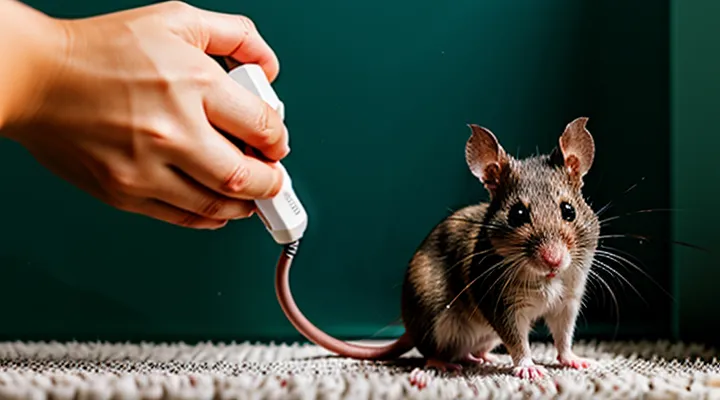
Understanding Ultrasonic Mouse Repellents
What are Ultrasonic Repellents?
Ultrasonic repellents are electronic devices that emit sound waves at frequencies above the range of human hearing, typically between 20 kHz and 65 kHz. Rodents such as mice perceive these frequencies as threatening, causing avoidance behavior. The devices consist of a transducer, a power source, and a control circuit that modulates the signal to prevent habituation.
Key characteristics:
- Frequency spectrum: 20 kHz–65 kHz, chosen to match mouse auditory sensitivity.
- Emission pattern: omni‑directional or focused, depending on model design.
- Power supply: battery‑operated, AC adapters, or solar panels for outdoor use.
- Safety features: automatic shut‑off when humans or pets are detected within a safe range.
Operation relies on continuous or intermittent bursts of ultrasonic energy that disrupt the nervous system of rodents, leading to reduced activity in the treated area. Effective deployment requires placement near entry points, nesting sites, or along walls where mice travel. Devices should be positioned at least 1 m from walls to allow unobstructed wave propagation. Regular maintenance involves cleaning transducers and verifying battery charge or power connection.
How Do Ultrasonic Repellents Work?
Ultrasonic repellents emit sound waves at frequencies typically between 20 kHz and 65 kHz, a range that mice can detect but humans cannot hear. The devices generate these waves using piezoelectric transducers that convert electrical signals into rapid vibrations. When the waves reach a mouse, the high‑frequency pressure changes stimulate the animal’s auditory nerve, producing a sensation of discomfort or alarm.
The effectiveness of the technology relies on several mechanisms:
- Frequency range – matches the peak hearing sensitivity of rodents, ensuring the signal is perceived as intrusive.
- Amplitude modulation – varies the intensity and pattern of the signal to prevent habituation; mice quickly ignore static tones.
- Directional emission – focuses waves toward target zones, reducing energy loss and maximizing coverage.
- Continuous or intermittent cycling – alternates active periods to maintain deterrent effect while conserving power.
Mice react by freezing, fleeing, or seeking shelter away from the source. The repellent does not cause physical harm; it merely creates an aversive acoustic environment. Proper placement—near entry points, along walls, and at ceiling height—ensures the ultrasonic field reaches typical rodent pathways. Devices should be installed in open spaces; obstacles such as furniture or dense insulation can block wave propagation and diminish performance.
Limitations include reduced efficacy in cluttered environments, potential attenuation by walls, and the possibility of acclimation if the same frequency is used continuously. High‑quality units mitigate these issues by cycling through multiple frequencies and incorporating adaptive timers.
Are Ultrasonic Repellents Effective?
Scientific Evidence and Studies
Scientific investigations into ultrasonic devices aimed at deterring Mus musculus have produced mixed outcomes. Controlled laboratory trials frequently report a temporary reduction in rodent activity when devices emit frequencies between 20 kHz and 65 kHz. A 2016 study from the University of Illinois measured capture rates in three identical storage rooms, each equipped with a different ultrasonic model. Rooms with active emitters showed a 34 % decline in trap captures during the first 48 hours, after which capture rates reverted to baseline levels. The authors attributed the rebound to habituation, noting that mice adapted to the sound after repeated exposure.
Field experiments corroborate laboratory findings but reveal greater variability. In a 2019 agricultural extension project, 12 grain storage facilities received ultrasonic units calibrated to 30 kHz. Six facilities reported a 22 % decrease in rodent damage over a six‑month period, while the remaining six showed no measurable change. Researchers identified differences in building construction, ambient noise, and device placement as influencing factors.
Meta‑analyses of peer‑reviewed papers (e.g., a 2021 review of 27 studies) calculate an overall efficacy of 18 % ± 7 % reduction in mouse presence compared with untreated controls. The same analysis highlights methodological shortcomings, such as small sample sizes and inconsistent reporting of frequency ranges.
Key points derived from the literature:
- Efficacy peaks within the first 48–72 hours of operation; declines thereafter unless devices are periodically re‑programmed or combined with other control measures.
- Frequencies below 20 kHz are audible to humans and ineffective against rodents; frequencies above 65 kHz dissipate rapidly and fail to reach the target area.
- Device effectiveness increases when units are installed at least 30 cm from walls, directed toward known entry points, and positioned at a height of 0.5–0.8 m.
- Complementary strategies (e.g., exclusion sealing, bait stations) consistently enhance overall control outcomes.
Commercially, ultrasonic deterrents are distributed through hardware chains, online marketplaces, and specialty pest‑control suppliers. Product specifications typically list frequency range, power output, and coverage area. Selecting units that advertise adjustable frequencies and timer functions aligns with study recommendations to vary exposure and mitigate habituation.
Practical usage guidelines, distilled from experimental protocols, advise:
- Install devices at each potential ingress, maintaining the recommended distance from surfaces.
- Operate continuously for the initial three days; thereafter, program intermittent cycles (e.g., 15 minutes on, 45 minutes off) to preserve deterrent effect.
- Monitor rodent activity with traps or visual inspections; replace or relocate units if no decline is observed after two weeks.
The consensus across peer‑reviewed research suggests that ultrasonic mouse deterrents can contribute to population management when integrated into a broader integrated pest‑management plan, but they should not be relied upon as a sole control method.
Limitations and Common Misconceptions
Ultrasonic devices marketed for rodent control often promise complete eradication, yet several technical constraints limit their performance.
- Frequency range typically between 20 kHz and 65 kHz; mice hear higher pitches, but many units emit only a narrow band, reducing effectiveness.
- Sound attenuation through walls, furniture, and insulation diminishes intensity, creating dead zones where the signal fails to reach.
- Continuous operation can lead to habituation; rodents may adjust their hearing threshold after prolonged exposure, rendering the device inactive.
- Power consumption varies; low‑energy models may not generate sufficient SPL (sound pressure level) to overcome ambient noise.
Common misconceptions persist despite empirical evidence.
- The belief that a single unit protects an entire building ignores the limited propagation radius, usually under 30 ft.
- The assumption that ultrasonic repellers replace sanitation and exclusion measures overlooks the necessity of eliminating food sources and sealing entry points.
- Claims that all devices are safe for pets and humans are inaccurate; frequencies near 20 kHz can be audible to some dogs and cats, potentially causing stress.
- The notion that higher volume automatically improves results disregards the risk of acoustic fatigue, which can accelerate habituation.
Understanding these constraints and correcting false assumptions is essential for realistic expectations and effective integration of ultrasonic technology into a comprehensive rodent‑management plan.
Choosing the Right Ultrasonic Repellent
Key Features to Look For
Frequency Range and Adjustability
Ultrasonic devices designed to deter mice operate within a specific acoustic spectrum that exploits the rodents’ hearing sensitivity. Most models emit waves between 20 kHz and 65 kHz; frequencies below 20 kHz are audible to humans, while those above 65 kHz lose effectiveness because mouse auditory thresholds decline sharply beyond this point. Selecting a unit that covers the upper portion of this band (50‑65 kHz) maximizes deterrence without generating audible noise for occupants.
Adjustability enhances performance in varied settings. A tunable frequency selector allows users to shift the output within the device’s range, compensating for:
- Habitat acoustics (dense insulation, open lofts, concrete walls) that attenuate certain frequencies more than others.
- Seasonal changes in mouse activity patterns, which can alter the dominant hearing range of the population.
- Interference from competing ultrasonic sources, preventing habituation by varying the signal.
When evaluating a product, verify the presence of:
- A digital or analog knob that offers at least five discrete steps across the full frequency band.
- A clear display indicating the current setting, ensuring repeatable configuration.
- A lock‑out feature that maintains a chosen frequency for extended periods, reducing accidental drift.
Proper installation positions the emitter at least 12 inches from walls and away from reflective surfaces, ensuring the adjustable frequency propagates unobstructed into the target area. Regularly rotating the selected frequency—once weekly or after any observed decline in activity—prevents mice from acclimating to a constant signal.
Coverage Area and Power Output
Ultrasonic mouse deterrents are evaluated primarily by the size of the space they can protect and the acoustic power they generate. The coverage area specifies the radius or square footage within which the device maintains a sound pressure level sufficient to discourage rodents. Manufacturers typically list a nominal radius of 15‑30 feet (approximately 5‑9 m) for household models, which translates to a protected zone of roughly 200‑900 sq ft (18‑84 m²). Larger units designed for warehouses or barns may claim 50‑100 ft (15‑30 m) radius, covering up to 12,000 sq ft (1,100 m²). Real‑world performance depends on wall materials, ceiling height, and ambient noise; hard surfaces reflect ultrasonic waves, extending reach, while soft furnishings absorb them, reducing effective range.
Power output determines both the intensity of the ultrasonic signal and the device’s ability to sustain coverage over a larger area. Typical consumer models operate at 1‑5 W continuous output, delivering frequencies between 20 kHz and 65 kHz. Higher wattage allows the emitter to produce a stronger acoustic field, which compensates for signal attenuation over distance. Professional-grade repellents may exceed 10 W and incorporate multiple transducers to create overlapping beams, ensuring uniform coverage in complex layouts. Battery‑powered units often limit output to preserve runtime, offering 8‑12 hours on a single charge, while plug‑in models provide uninterrupted operation but require careful placement to avoid dead zones.
Key considerations when selecting a device:
- Declared radius: Verify the manufacturer’s coverage claim and compare it with the dimensions of the target area.
- Wattage: Higher power output generally yields broader and more reliable protection; ensure the device’s rating matches the size of the space.
- Frequency range: Choose a spectrum that includes the most sensitive hearing range for mice (approximately 30‑50 kHz) for maximum efficacy.
- Transducer count: Multiple emitters increase coverage uniformity and reduce blind spots.
- Power source: Assess whether continuous AC power or portable battery operation better suits the installation environment.
Understanding the relationship between acoustic power and spatial reach enables informed procurement of ultrasonic deterrents that effectively cover the intended environment without unnecessary overspecification.
Additional Features: Lights, Motion Sensors
Ultrasonic mouse deterrents often incorporate auxiliary components that improve performance and user feedback. Two common additions are visual indicators and motion‑detecting modules, each serving a distinct purpose in pest‑control applications.
LED or amber lights mounted on the device signal operational status. A steady glow confirms power delivery, while flashing patterns indicate activation of the ultrasonic emitter. Some models synchronize light pulses with the emitted frequencies, providing a visible cue that the system is responding to rodent activity. The illumination also deters nocturnal rodents that rely on darkness, creating a hostile environment without additional chemicals.
Motion sensors detect the presence of small mammals and trigger the ultrasonic output only when movement is recorded. This selective activation conserves battery life and reduces unnecessary noise exposure for occupants. Sensors calibrated for rodent size differentiate between insects, pets, and larger animals, minimizing false alerts. Placement near entry points, along walls, or beneath cabinets maximizes detection coverage.
Practical implementation guidelines:
- Install the unit at least 12 inches from walls to allow sensor field‑of‑view clearance.
- Position lights away from direct eye exposure to avoid discomfort.
- Adjust sensor sensitivity according to the typical size of local rodent species.
- Test the system in a quiet room; verify that the light indicator changes when motion is simulated.
- Replace batteries or recharge according to manufacturer specifications to maintain sensor accuracy.
Combined, illumination and motion detection transform a simple ultrasonic emitter into a responsive, energy‑efficient solution for mouse management.
Types of Ultrasonic Repellents
Plug-In Units
Plug‑in ultrasonic devices emit high‑frequency sound waves that mice cannot tolerate. The units draw power from a standard wall outlet and begin operating immediately after insertion, eliminating the need for batteries or manual activation.
Effective deployment relies on proper placement. Position each unit at least 12 inches from walls or furniture to prevent sound reflections that diminish coverage. Install devices in areas where mouse activity is observed—kitchens, pantries, and near entry points. Overlapping the coverage zones of multiple units ensures continuous deterrence throughout larger spaces.
When selecting a model, consider the following specifications:
- Frequency range: 20–65 kHz (covers the hearing spectrum of most rodent species)
- Coverage radius: 20–30 ft for standard residential units; larger models reach up to 50 ft
- Adjustable timer: Enables scheduled operation during peak activity periods
- Safety certifications: UL or CE compliance guarantees electromagnetic compatibility and low heat emission
Reliable sources for acquiring plug‑in ultrasonic repellents include:
- Home‑improvement chains (e.g., Home Depot, Lowe’s) – in‑store and online inventory
- Major e‑commerce platforms (Amazon, Walmart.com) – customer reviews and price comparison tools
- Specialty pest‑control suppliers (Orkin, Terminix) – professional‑grade models with extended warranties
Installation steps are straightforward:
- Plug the unit into a grounded outlet.
- Activate the timer, if available, to match the expected activity window.
- Verify that the indicator light confirms operation.
- Monitor for reduced mouse signs over a 7‑day period; adjust placement if activity persists.
Routine maintenance consists of cleaning the exterior surface with a dry cloth to prevent dust accumulation, which can affect sound transmission. Replace the unit after the manufacturer’s recommended service life—typically 12–18 months—to maintain efficacy.
Battery-Powered Units
Battery-powered ultrasonic deterrents provide a self‑contained solution for rodent control, eliminating the need for external wiring. Their compact design allows placement in closets, cabinets, and other confined spaces where mice commonly travel. Models typically operate on AA or D cells, delivering 8 000 – 12 000 Hz frequencies that exceed rodents’ hearing range while remaining inaudible to humans. Continuous operation is achievable for 30 – 90 days depending on battery capacity and device output level.
When selecting a unit, consider the following factors:
- Battery type: Alkaline cells offer reliable performance; rechargeable lithium‑ion packs reduce long‑term cost.
- Coverage radius: Choose a model whose specified effective area matches the size of the target zone; overlapping devices may be required for larger rooms.
- Adjustable frequency: Devices with multiple frequency settings adapt to evolving rodent populations that may develop tolerance.
- Built‑in timer: A timer function conserves power by disabling emission during daylight hours when activity is minimal.
- Durability rating: IP‑rated enclosures protect against dust and moisture, extending service life in basements or garages.
Installation guidelines ensure optimal efficacy. Position the unit at least 12 inches from walls and furniture to prevent signal obstruction. Mount the device on a stable surface, facing the primary entry point of the infestation. Replace batteries promptly when the indicator signals low power; failure to maintain adequate voltage reduces ultrasonic output and compromises deterrence. Regularly inspect the interior of the unit for debris that could attenuate the emitted sound.
Retail channels include home‑improvement chains, specialty pest‑control suppliers, and reputable online marketplaces. Verify that the product carries a certification from an independent testing organization, confirming compliance with ultrasonic emission standards. Purchasing from authorized distributors guarantees warranty coverage and access to technical support for troubleshooting.
Combination Devices
Combination devices integrate ultrasonic emission with additional deterrent mechanisms to improve mouse control. Typical configurations pair ultrasonic transducers with bright flashing LEDs, scent dispensers, or low‑voltage electric traps. The ultrasonic component disrupts rodent hearing, while the complementary element addresses behavioral patterns that ultrasound alone may not affect.
When selecting a combination unit, verify the following criteria:
- Frequency range covering 20‑65 kHz, ensuring coverage of the most sensitive mouse hearing bands.
- Adjustable intensity levels, allowing adaptation to room size and obstacle density.
- Integrated power source (plug‑in or battery) with clear runtime specifications.
- Certified safety features, such as automatic shut‑off in the presence of non‑target animals.
Installation follows a straightforward process. Position the device at least 12 inches above the floor, centrally within the target area, and avoid placement behind large furniture that could block sound waves. Activate the unit, set the intensity to medium, and enable any secondary function (e.g., LED flash) according to the manufacturer’s instructions. Monitor mouse activity for one week; if activity persists, increase intensity or add a second unit to create overlapping coverage zones.
Retail channels include home‑improvement chains, specialized pest‑control suppliers, and reputable online marketplaces. Verify product listings for compliance with local ultrasonic emission standards and for warranty terms that cover both ultrasonic and auxiliary components.
Factors to Consider Before Purchase
Size of Infestation
Understanding the scale of a mouse problem determines the selection, placement, and number of ultrasonic deterrents required for effective control.
Small infestations—typically fewer than ten individuals—can be managed with a single, well‑positioned unit. The device should be installed near the primary entry point or the most active foraging zone. Continuous operation for at least 24 hours confirms whether activity declines.
Medium infestations—approximately ten to fifty mice—demand multiple units to cover overlapping coverage areas. Recommended arrangement:
- Position one unit at each identified travel corridor (walls, baseboards, ceiling voids).
- Space devices no more than 15 feet apart to prevent dead zones.
- Maintain a minimum clearance of 2 feet from solid obstacles that could block ultrasonic waves.
Large infestations—over fifty mice—require a comprehensive network of devices and supplementary measures. Implementation steps include:
- Conduct a systematic inspection to map all nesting sites, food sources, and pathways.
- Install units at every entry point, in each room, and within concealed spaces such as attics and crawl spaces.
- Use devices with adjustable frequency ranges to address potential habituation.
- Integrate sealing of entry points and removal of attractants alongside ultrasonic treatment.
Accurate assessment of infestation size relies on observable signs: droppings, gnaw marks, nesting material, and direct sightings. Quantifying these indicators provides a basis for determining the appropriate device count and distribution pattern, ensuring the ultrasonic system operates within its optimal effectiveness range.
Room Layout and Obstacles
Ultrasonic mouse deterrents rely on high‑frequency sound waves that travel in straight lines and lose intensity when they encounter solid barriers. The geometry of a room therefore determines the zones where the device can maintain effective coverage.
Hard surfaces such as walls, cabinets, and shelving reflect or absorb ultrasonic energy, creating pockets where the signal drops below the threshold needed to deter rodents. Open pathways allow the waves to spread, while dense furniture and stacked boxes block propagation and generate dead zones.
- Position the unit at least 12 inches from the floor to avoid carpet absorption.
- Align the device so its front face points toward the main entry point for mice.
- Keep a clear line of sight of at least 3 feet between the emitter and the target area; remove or relocate large objects that interrupt this path.
- Install additional units in rooms with multiple compartments, ensuring overlapping coverage without direct overlap of the same frequency source.
- Avoid placing the repeller near metal appliances or mirrors, which can reflect the sound away from intended zones.
When a space contains numerous obstacles, map the room into zones, test each zone with a portable detector, and adjust device locations until the entire area registers consistent ultrasonic levels. This systematic placement maximizes the deterrent’s reach and minimizes the likelihood of rodent sheltering in shielded corners.
Presence of Pets
Pets affect the performance of ultrasonic mouse deterrents. Animals such as cats and dogs can hear frequencies that overlap with those emitted by many devices, which may cause stress or reduce the repellent’s effectiveness.
Cats typically detect sounds up to 65 kHz, while dogs hear up to 45 kHz. Devices operating below these thresholds risk being audible to pets, leading to avoidance of the area or habituation that diminishes the deterrent’s impact on rodents. Selecting units that emit frequencies above 60 kHz minimizes interference with feline hearing and usually remains out of the canine range.
Placement must consider pet activity zones. Install emitters away from feeding stations, sleeping areas, and pathways frequented by pets. Mount units at a height of 12–18 inches, angled downward, to direct sound toward floor level where mice travel, while keeping the source out of direct line of sight for pets.
When choosing a model, prioritize features that address pet presence:
- Adjustable frequency control, allowing upward shifts beyond pet hearing limits.
- Timer function to limit operation during periods when pets are most active.
- Low‑volume indicator to confirm silent operation for pets while maintaining efficacy against rodents.
Regular monitoring ensures both rodent control and pet comfort. Observe pet behavior for signs of distress—head shaking, ear scratching, or avoidance of the device area. If symptoms appear, lower the device’s output level, reposition it, or switch to a higher frequency setting. Continuous assessment preserves the balance between effective mouse repulsion and a safe environment for household animals.
Strategic Placement and Usage
Optimal Placement for Maximum Effectiveness
Avoiding Obstructions
Ultrasonic devices must have an unobstructed line of sight to emit sound waves effectively. Furniture, cabinets, and wall hangings placed directly in front of the unit can reflect or absorb frequencies, reducing the area of coverage and allowing rodents to bypass the deterrent zone.
To maintain optimal performance, position the emitter at a height of 12–18 inches above the floor, away from solid surfaces. Keep a minimum clearance of 6 inches on all sides. Avoid mounting the unit on metal frames or inside enclosed compartments, as metal can dampen ultrasonic energy.
- Place the device in the center of the target area, not behind doors or windows.
- Ensure surrounding objects do not exceed 6 inches from the unit’s outer edges.
- Verify that no curtains, rugs, or acoustic panels lie directly between the emitter and the floor.
- Inspect the installation quarterly; relocate any newly added furniture that creates barriers.
Placement Height
Placement height determines whether ultrasonic waves reach the pathways mice use for travel and nesting. Emitters positioned too low allow rodents to bypass the sound field by moving along walls or under furniture; emitters placed too high may project sound into open air where it dissipates before affecting the target area.
Optimal height ranges from 12 to 18 inches (30–45 cm) above the floor. This level aligns with the typical run height of mice, who travel close to surfaces while avoiding open space. Install devices at this elevation on walls, cabinet backs, or the underside of countertops, ensuring the speaker faces the interior of the room rather than outward.
Key considerations for height placement:
- Clear line of sight – avoid obstructing objects such as curtains, bookshelves, or appliances that could block ultrasonic propagation.
- Uniform coverage – when multiple units are required, stagger heights by 6–8 inches to create overlapping zones and eliminate blind spots.
- Safety distance from pets – keep emitters at least 24 inches (60 cm) away from bird cages, aquariums, or small mammals, as higher placement reduces accidental exposure.
Regular verification of device positioning is advisable after furniture rearrangement or seasonal cleaning. Adjust the height if the mouse activity shifts to a different level, such as when they start nesting in upper cabinets or attic spaces.
Number of Units Required
When planning ultrasonic mouse deterrent systems, the primary metric is the number of devices needed to achieve reliable coverage. Coverage depends on the manufacturer’s specified radius, typically expressed in square feet or meters. Multiply the total area to be protected by the individual device’s effective range; round up to the next whole unit to avoid gaps.
Key factors influencing unit count:
- Floor plan complexity – walls, furniture, and multi‑level layouts obstruct ultrasonic waves; each barrier may require an additional unit to maintain overlap.
- Device power rating – higher‑output models project farther, reducing the total required.
- Targeted zones – kitchens, pantries, and basements often demand separate units because ultrasonic signals diminish sharply at doorways and thresholds.
Example calculation: a single‑story home with 1,200 sq ft of usable space, using a repellent rated for 300 sq ft, would need at least four units (1,200 ÷ 300 = 4). If the layout includes a closed basement of 400 sq ft, add one more unit for that area, resulting in five devices total.
Placement guidelines reinforce the unit count. Position each device centrally within its designated coverage zone, elevate it 6–12 inches above the floor, and aim the speaker toward open pathways. Overlapping fields by 10–15 % ensures continuous deterrence even if furniture is rearranged.
In summary, determine total square footage, apply the manufacturer’s range, adjust for structural obstacles, and add a safety margin. This systematic approach yields an accurate estimate of the ultrasonic units required for effective mouse control.
Best Practices for Using Ultrasonic Repellents
Continuous Operation
Continuous operation defines the period a device can emit ultrasonic waves without interruption. Plug‑in models deliver uninterrupted coverage as long as electricity is supplied, while battery‑powered units depend on charge capacity. Selecting a system with an appropriate power source ensures that the deterrent remains active throughout the rodents’ peak activity times, typically dusk to dawn.
Battery‑driven repellents must specify runtime in hours. Devices rated for 12 hours or more can sustain a full night cycle on a single charge. Rechargeable units should include a low‑battery indicator to prevent silent periods. For extended deployment, consider models that support external power adapters or solar panels, which eliminate the need for frequent recharging.
Effective continuous use also involves strategic placement. Position the emitter in an area free from obstacles that can block sound waves, such as heavy furniture or thick walls. Maintain a clear line of sight to the target zone to preserve signal strength. Regularly inspect the unit for dust accumulation, which can impair transducer performance.
Key factors for uninterrupted performance:
- Power source suitability (plug‑in, high‑capacity battery, solar)
- Runtime rating matching nocturnal activity windows
- Low‑battery or fault alerts
- Placement free of acoustic obstructions
- Maintenance schedule for cleaning and battery health.
Combining with Other Control Methods
Ultrasonic devices should be part of a layered strategy rather than a solitary solution. Position the emitters near identified rodent pathways, then reinforce the same zones with physical barriers such as steel wool, caulking, or metal flashing to block entry. Sealing gaps eliminates the need for the repellent to work continuously and reduces the overall population pressure.
Integrating traps enhances control. Place snap or live traps a short distance from the ultrasonic source, where mice are likely to linger after being startled by the sound. This combination captures individuals that may become acclimated to the frequency. Rotate trap locations weekly to prevent habituation and to cover a broader area.
Sanitation reduces attractants that undermine ultrasonic effectiveness. Remove food residues, store grains in airtight containers, and keep compost bins sealed. By limiting available sustenance, the ultrasonic field can focus on deterring movement rather than competing with abundant resources.
When using bait stations, select low‑toxicity formulations and position them outside the ultrasonic coverage zone. This prevents the sound from interfering with bait uptake while still protecting interior spaces. Monitor bait consumption regularly to assess population trends.
Predator encouragement, such as installing owl boxes or encouraging domestic cats, adds a biological deterrent. Ensure that predator habitats are placed away from the ultrasonic units to avoid acoustic interference.
A practical sequence for implementation:
- Conduct a thorough inspection to locate entry points and activity hotspots.
- Install ultrasonic emitters at each hotspot, following manufacturer spacing guidelines.
- Apply sealing materials to all identified openings.
- Deploy traps adjacent to the emitters, rotating positions weekly.
- Implement strict sanitation protocols throughout the premises.
- Set up bait stations outside the ultrasonic field, checking them daily.
- Introduce predator habitats where appropriate, maintaining distance from devices.
By synchronizing these methods, the ultrasonic repellent operates within a supportive framework that maximizes rodent suppression and minimizes the risk of device tolerance.
Regular Monitoring and Adjustment
Regular monitoring ensures that ultrasonic devices continue to emit frequencies within the optimal range for rodent deterrence. Over time, battery depletion, dust accumulation, or temperature fluctuations can shift output levels, reducing effectiveness.
To verify performance, measure the sound pressure level (SPL) at the installation point using a calibrated ultrasonic meter. Record baseline SPL during initial setup, then repeat the measurement weekly for the first month and monthly thereafter. If SPL falls below the manufacturer’s specified threshold, replace batteries, clean the transducer surface, or relocate the unit to maintain coverage.
Adjustment actions include:
- Repositioning: shift the device 12–18 inches away from walls or furniture that may reflect or absorb sound.
- Frequency modulation: select a different preset frequency if target mice exhibit habituation.
- Power settings: increase volume within safe limits when SPL readings indicate decay.
Document each inspection in a simple log: date, SPL reading, observed mouse activity, and corrective steps taken. Consistent record‑keeping reveals trends, such as gradual performance loss, enabling proactive replacement before infestations recur.
In environments with variable conditions—kitchens, basements, or heated rooms—shorten monitoring intervals to two weeks. In stable settings, quarterly checks suffice. This disciplined approach maximizes the deterrent’s lifespan and maintains a rodent‑free zone.
Troubleshooting Common Issues
Unit Not Working
When an ultrasonic mouse deterrent fails to operate, the problem typically lies in power, placement, or device integrity.
First, verify the power source. Confirm that the outlet supplies voltage by testing with another appliance. Replace the adapter if it shows signs of damage or overheating. Ensure the unit’s power switch is in the “on” position and that any built‑in battery is fully charged or correctly installed.
Second, examine the installation environment. Ultrasonic waves lose effectiveness through solid barriers; metal cabinets, thick walls, or dense insulation can block the signal. Position the device in an open area, at least 12 inches above the floor, and away from large furniture or electronic equipment that may generate interference. Maintain a clear line of sight to the target zone.
Third, assess the unit’s condition. Look for cracked housings, loose connectors, or exposed circuitry. If the device emits a faint or irregular sound when placed near a pet’s ear, the transducer may be defective. In such cases, contact the manufacturer’s support line or request a replacement under warranty.
If basic checks do not restore functionality, follow this troubleshooting sequence:
- Disconnect the unit, wait 30 seconds, then reconnect.
- Reset any built‑in timer or mode selector to the default “continuous” setting.
- Test the unit in a different room with a known working outlet.
- Consult the user manual’s error‑code table for specific indicators (e.g., flashing LED patterns).
- If the manual provides no solution, submit a service request with the serial number and purchase receipt.
When purchasing a new unit, choose products that offer a clear warranty, responsive customer service, and documented test results. Retailers that specialize in pest‑control hardware often provide technical assistance and replacement policies, reducing downtime in future incidents.
Mice Still Present
Ultrasonic deterrents frequently leave mice in the treated area because the devices do not address all variables that influence rodent behavior. The emitted frequencies may be outside the hearing range of certain mouse populations, and the sound intensity diminishes sharply with distance and obstacles.
- Inadequate coverage: walls, furniture, and stored items block or absorb ultrasonic waves, creating silent zones where mice can move undetected.
- Improper frequency selection: some strains adapt to or are naturally less sensitive to the frequencies commonly programmed into consumer units.
- Insufficient power: low‑wattage units fail to generate a signal strong enough to penetrate larger rooms or multi‑story structures.
- Continuous operation without breaks: rodents may become habituated to a constant tone, reducing its deterrent effect over time.
- Lack of complementary control measures: food sources, entry points, and nesting materials remain available, allowing mice to ignore the acoustic stimulus.
To increase the likelihood of eliminating mice, follow a systematic approach. Position devices at the center of each open space, ensuring line‑of‑sight to all corners; add additional units in hallways and behind large objects. Choose models that offer adjustable frequency ranges and higher output power, and rotate settings weekly to prevent habituation. Combine ultrasonic treatment with physical barriers such as sealed entry points, traps, and regular sanitation to remove attractants. Monitor activity with motion‑activated cameras or tracking dust; if mice persist after three weeks, reassess device placement, upgrade to a higher‑intensity model, or integrate chemical baits under professional guidance.
Interference with Other Devices
Ultrasonic mouse deterrents emit high‑frequency sound waves that can overlap with the operating ranges of other electronic equipment. When the emitted frequency coincides with the carrier frequency of nearby devices, the ultrasonic signal may be picked up as interference, causing reduced performance or audible artifacts.
Common devices susceptible to interference include:
- Wireless routers operating on the 2.4 GHz band, especially those using Bluetooth coexistence features.
- Baby monitors and wireless security cameras that rely on similar radio frequencies.
- Cordless phones and intercom systems that employ ultrasonic or RF signaling for voice transmission.
- Smart home hubs and voice assistants that integrate multiple wireless protocols.
Interference occurs mainly when the repellent is placed within a few meters of the vulnerable device, or when the ultrasonic output power exceeds the recommended level for indoor use. Excessive sound pressure can also trigger audible hums in speakers and headphones, even if the frequency is above human hearing.
Mitigation strategies:
- Position the repellent at least 1 m away from routers, cameras, and other wireless hubs.
- Use models that specify a narrow frequency band (e.g., 20–25 kHz) to limit overlap with common RF ranges.
- Disable or relocate devices that experience persistent signal loss after installation.
- Employ shielding materials such as acoustic foam or metal enclosures around the repellent if placement near critical equipment is unavoidable.
Testing after installation is essential: verify network stability, check for audio disturbances, and monitor any loss of connectivity in wireless peripherals. Adjust the device location or power setting until normal operation resumes without compromising the deterrent’s effectiveness.
Maintenance and Longevity
Cleaning and Care
Proper maintenance ensures ultrasonic mouse deterrents operate at peak efficiency. Dust, grime, and moisture can degrade transducer performance, reducing the emitted frequency range and allowing rodents to ignore the device.
Before cleaning, disconnect power sources—unplug the unit or remove batteries. Use a soft, lint‑free cloth slightly dampened with distilled water; avoid abrasive pads or solvents that may damage the housing or electronic components. Gently wipe the exterior, paying special attention to the speaker grille where debris accumulates.
For deeper cleaning of the speaker area:
- Hold the device upside down to let loose particles fall out.
- Use a compressed‑air canister on a low‑pressure setting to blow dust from the grille without forcing moisture inside.
- If stubborn residue remains, apply a cotton swab dipped in isopropyl alcohol (90 %+), then immediately dry the area with a clean cloth.
Routine care includes:
- Monthly visual inspection for cracks, moisture ingress, or loose connections.
- Battery replacement every 6–12 months, depending on manufacturer specifications and usage intensity.
- Re‑positioning the unit after cleaning to maintain optimal coverage; ensure the device remains at least 12 inches from walls or furniture that could block sound waves.
Store unused units in a dry, temperature‑controlled environment, preferably in their original packaging, to protect sensitive components from humidity and extreme temperatures. Following these procedures prolongs device lifespan and sustains the ultrasonic field required to deter mice effectively.
Expected Lifespan of Devices
Ultrasonic mouse deterrents usually operate for three to five years before performance declines noticeably. The primary determinant is the power source: devices powered by replaceable alkaline batteries often require replacement every six to twelve months, while models with built‑in rechargeable lithium‑ion cells maintain functionality for two to three years on a single charge cycle. High‑quality units incorporate voltage regulators that protect circuitry from battery depletion, extending overall service life.
Component durability also influences longevity. Plastic housings exposed to extreme temperatures or direct sunlight can become brittle, leading to crack formation that compromises the ultrasonic transducer. Metal housings and UV‑stabilized polymers resist such degradation and typically sustain full output for the advertised lifespan. Moisture ingress, common in basements and crawl spaces, accelerates corrosion of internal contacts; devices with sealed enclosures or IP‑rated protection mitigate this risk.
Manufacturers often provide warranties ranging from one to two years. A warranty period shorter than the expected operational lifespan suggests that the product’s core electronics remain functional beyond the covered term. Consumers should verify warranty length and consider the availability of replacement parts when selecting a model.
Key factors affecting device lifespan:
- Power source type (battery vs. rechargeable)
- Housing material and environmental resistance
- Quality of ultrasonic transducer and voltage regulation
- Presence of moisture‑proof sealing
- Manufacturer warranty and support policy
Regular maintenance—cleaning the exterior, inspecting for physical damage, and monitoring battery health—can preserve acoustic output and delay the need for replacement. When performance drops below the effective range (typically 15–20 ft), replacement is advisable to maintain consistent rodent deterrence.
When to Replace Your Repellent
Ultrasonic mouse deterrents lose effectiveness over time, and timely replacement is essential to maintain a rodent‑free environment. Replace the device when any of the following conditions appear:
- The emitted frequency no longer scares mice, evidenced by renewed activity or nesting.
- Battery voltage drops below the manufacturer’s specified threshold, causing intermittent operation.
- Physical damage such as cracked housing, water ingress, or broken speaker units.
- The unit has exceeded the recommended service life, typically 2–3 years for most models.
- Relocation of the device to a larger area without adding supplemental units, resulting in insufficient coverage.
- Accumulated dust or debris blocks the transducer, reducing sound transmission.
Manufacturers often provide a maximum operating period based on component wear. Verify the product manual for the exact lifespan and warranty terms. Regular cleaning of the transducer surface prolongs performance, but does not replace the need for a full unit swap after the specified duration. If the device was purchased with a replaceable battery pack, monitor the battery’s charge cycle count; replace the pack once it reaches 80 % of its original capacity.
Consistent monitoring of mouse activity and device output ensures that the ultrasonic repellent continues to function at peak efficacy. Failure to replace a compromised unit allows rodents to re‑establish infestations, negating the initial investment and compromising health safety.
Where to Purchase Ultrasonic Repellents
Online Retailers
E-commerce Platforms
E‑commerce sites are the primary channels for acquiring ultrasonic mouse deterrents, offering extensive product ranges, customer reviews, and delivery options that streamline the purchase process. Major marketplaces aggregate multiple brands, allowing direct price comparison and quick identification of devices with proven efficacy. Consumer‑driven ratings highlight performance metrics such as frequency range, coverage area, and durability, enabling buyers to select models that match specific infestation levels.
Key platforms for sourcing ultrasonic repellents include:
- Amazon – extensive catalog, detailed specifications, Prime shipping.
- eBay – new and refurbished units, auction and fixed‑price formats.
- Walmart.com – in‑store pickup, nationwide fulfillment.
- Home Depot online – professional‑grade models, warranty support.
- Chewy – pet‑focused inventory, subscription discounts for repeat orders.
When evaluating listings, focus on the following criteria:
- Frequency spectrum (typically 20–65 kHz) compatible with rodent hearing.
- Effective coverage radius, expressed in square feet or meters.
- Power source flexibility (plug‑in, battery, or solar).
- Warranty length and return policy.
- Verified buyer feedback indicating consistent results.
To maximize device performance, place the repellent at least 12 inches above the floor, away from large metallic objects that can interfere with ultrasonic transmission. Operate continuously in areas with known activity; most units include automatic shut‑off timers that conserve energy while maintaining deterrent presence. Regularly inspect the unit for dust accumulation, as blockage can reduce output intensity and compromise effectiveness.
Manufacturer Websites
Manufacturer websites serve as the primary source for accurate product specifications, warranty details, and direct purchasing options for ultrasonic mouse repellents. Companies typically host comprehensive data sheets that list frequency range, coverage area, power consumption, and safety certifications. These documents enable users to compare devices objectively and select models that match the size and layout of the target environment.
Key elements to verify on a manufacturer’s site:
- Technical specifications – frequency (usually 20–65 kHz), effective radius, and recommended ceiling height.
- Installation guidelines – step‑by‑step diagrams, mounting hardware requirements, and optimal placement recommendations.
- Compliance information – FCC, CE, or other regional certifications confirming legal operation.
- Support resources – downloadable manuals, troubleshooting FAQs, and contact channels for technical assistance.
- Purchase pathways – direct sales portals, authorized dealer lists, or integrated e‑commerce platforms with clear return policies.
When evaluating a site, assess the clarity of the product description, the presence of third‑party test results, and the availability of user manuals in PDF format. Reliable manufacturers also provide a “Where to Buy” section that lists both online retailers and physical distributors, often with geographic filters to locate nearby stockists.
For effective deployment, follow the manufacturer’s installation instructions precisely: position the unit at the recommended height, avoid obstructing the ultrasonic emitter with furniture, and ensure continuous power supply. After installation, consult the on‑site troubleshooting guide if rodent activity persists, as it typically outlines adjustments to sensitivity settings or additional unit placement.
By relying on manufacturer websites for verified data, purchasing decisions become evidence‑based, and the subsequent use of ultrasonic repellents aligns with the intended performance parameters.
Brick-and-Mortar Stores
Hardware Stores
Hardware stores are primary outlets for ultrasonic mouse deterrents because they stock devices designed for quick, non‑chemical pest control. Most chains maintain dedicated sections for home improvement tools and pest‑management products, allowing shoppers to compare models side by side.
When selecting a unit at a hardware retailer, consider the following criteria:
- Frequency range: 20 kHz–65 kHz covers the hearing spectrum of most rodents.
- Adjustable output: Enables tuning for different room sizes and wall materials.
- Coverage area: Manufacturers list square‑footage; choose a device that exceeds the target space.
- Power source: Plug‑in units provide continuous operation; battery models suit temporary setups.
- Warranty and return policy: Hardware chains typically offer a 30‑day satisfaction guarantee and a one‑year warranty.
Installation instructions supplied with store‑bought devices are straightforward: mount the emitter at a height of 12–18 in. from the floor, orient it away from walls, and keep it unobstructed. Position multiple units in larger environments to eliminate dead zones; spacing should follow the manufacturer’s recommended overlap, usually 10–15 ft between emitters.
Hardware retailers also provide ancillary accessories that enhance performance, such as surge protectors for continuous operation and mounting brackets for ceiling or wall placement. Staff members familiar with the product line can advise on the appropriate quantity of units for a given layout, ensuring optimal acoustic coverage without unnecessary duplication.
Home Improvement Centers
Home improvement centers provide a convenient venue for acquiring ultrasonic devices designed to deter rodents. These retailers typically stock a range of models, from compact units suitable for single rooms to larger systems that cover entire floor plans.
When evaluating products in a hardware store, consider the following factors:
- Frequency range: devices operating between 20 kHz and 65 kHz affect common mouse species.
- Coverage area: verify the square‑footage rating matches the intended space.
- Power source: choose between plug‑in, battery, or dual‑power options based on installation constraints.
- Warranty and return policy: ensure the store offers a clear guarantee for malfunctioning units.
Installation guidelines are consistent across most ultrasonic repellents:
- Position the emitter at least 12 inches off the floor, away from walls and large furniture that could block sound waves.
- Place units in areas of known activity, such as near entry points, pantry shelves, or basement corners.
- Activate the device and allow a 48‑hour acclimation period before assessing effectiveness.
- Maintain a clear line of sight between the emitter and target zones; avoid obstructive objects that could reflect or absorb ultrasonic energy.
Home improvement centers also supply ancillary items that improve performance, including mounting brackets, extension cords, and weather‑proof enclosures for basement or garage installations. Purchasing all necessary components from a single retailer streamlines the setup process and simplifies future maintenance.
Specialty Pest Control Stores
Specialty pest‑control retailers provide the most reliable selection of ultrasonic devices designed to deter rodents. These stores typically stock models that meet industry safety standards, feature adjustable frequency ranges, and include warranty coverage unavailable through general‑purpose outlets.
When evaluating products in a dedicated shop, consider the following criteria:
- Frequency spectrum: devices should emit ultrasonic waves between 20 kHz and 65 kHz, covering the hearing range of most mouse species.
- Coverage area: manufacturers list square‑footage specifications; choose a unit that matches the size of the target environment.
- Power source: options include mains‑powered units with battery backup or fully battery‑operated models for temporary deployment.
- Safety features: built‑in timers, auto‑shutdown when humans are present, and child‑proof housings reduce accidental exposure.
Staff at these establishments can verify that a unit complies with local regulations and advise on optimal placement. Effective positioning generally involves mounting the device at a height of 12–18 inches, away from walls and large furniture, to prevent sound wave reflection that diminishes efficacy. For larger spaces, install multiple units with overlapping coverage zones, ensuring a minimum separation of 10 ft to avoid interference.
Specialty retailers also offer complementary accessories such as mounting brackets, surge protectors, and detailed user manuals. Purchasing through these channels provides access to after‑sale support, including troubleshooting assistance and replacement parts, which are essential for maintaining long‑term performance of ultrasonic repellents.