
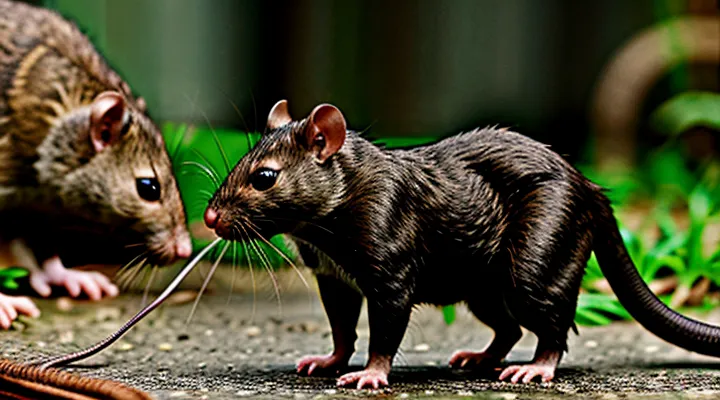
Understanding Rodent Hearing and Behavior
How Rats Perceive Sound
Frequency Range Sensitivity
Rats detect sound across a broad spectrum, roughly from 200 Hz to 90 kHz. Their auditory system shows peak sensitivity between 8 kHz and 20 kHz, where the lowest hearing thresholds are recorded. Frequencies below this band are less likely to provoke a startle response, while ultrasonic tones above 30 kHz may be perceived but often elicit weaker behavioral reactions.
Effective acoustic deterrence relies on matching emitted frequencies to the rat’s most responsive range. Practical considerations include:
- Selecting devices that generate continuous tones within 8–20 kHz.
- Ensuring sound pressure levels exceed the species‑specific hearing threshold by at least 10 dB to guarantee perception.
- Avoiding narrow‑band signals that fall outside the peak sensitivity zone, as they may be ignored or quickly habituated to.
Variability among individual rodents and environmental factors—such as ambient noise and substrate absorption—can shift the optimal frequency window. Field testing should therefore measure actual sound levels at rodent activity sites and adjust frequency output accordingly.
Response to Sudden Noises
Rats exhibit a rapid startle reflex when exposed to abrupt acoustic events. The reflex involves heightened auditory processing, activation of the brainstem reticular formation, and immediate locomotor escape. This physiological cascade limits the animal’s willingness to remain in environments where sudden sounds occur repeatedly.
The startle response creates a negative association with the location of the noise source. Repeated exposure to brief, high‑intensity bursts reduces the likelihood of rats establishing nests or foraging paths in the treated area. The aversive effect persists even after the stimulus stops, because the animal anticipates potential threats.
Effective implementation requires attention to several parameters:
- Frequency range: 2–8 kHz targets the rat’s most sensitive hearing band.
- Peak SPL: 100 dB or higher ensures the stimulus exceeds the startle threshold.
- Duration: 0.2–0.5 seconds per burst minimizes habituation.
- Interval: random intervals of 30–120 seconds prevent predictability.
- Placement: speakers positioned at ground level near entry points maximize coverage.
Monitoring rat activity after deployment confirms deterrent efficacy. A measurable decline in sightings or trap captures within 24–48 hours indicates successful application of sudden acoustic stimuli for rodent control.
Natural Aversions and Triggers
Predator Sounds
Predator vocalizations are a core component of acoustic deterrence strategies against rodents. Recordings of natural predators—such as barn owls, red-tailed hawks, red foxes and domestic cats—contain broadband frequencies that overlap the hearing range of rats (approximately 300 Hz to 80 kHz). When played at sufficient amplitude (≥ 70 dB SPL measured at rodent height) and with irregular intervals, these sounds trigger innate avoidance responses, reducing foraging activity and nest establishment.
Key characteristics for effective deployment:
- Frequency content – Include both low‑frequency hoots and high‑frequency screeches; rats detect rapid changes across this spectrum.
- Temporal pattern – Randomized playback cycles (30 s on, 2–5 min off) prevent habituation.
- Amplitude – Maintain levels that are audible to rats but below thresholds that cause distress to humans or pets.
- Source quality – Use high‑resolution field recordings; avoid heavily compressed audio that loses ultrasonic components.
Implementation guidelines:
- Position speakers at ground level near entry points, burrows or food storage areas.
- Shield equipment from weather; moisture can degrade sound quality.
- Conduct baseline monitoring of rodent activity for at least one week before activation, then compare post‑deployment data to assess efficacy.
- Rotate predator species weekly to sustain novelty and minimize acclimation.
Limitations:
- Continuous exposure leads to desensitization; periodic cessation of playback restores effectiveness.
- Urban environments with high ambient noise may mask predator calls, requiring higher output or supplemental deterrents.
- Non‑target wildlife may experience stress; select recordings that minimize impact on beneficial species.
Integrating predator sounds with physical barriers, sanitation measures and population control yields a comprehensive approach to reducing rat presence.
Distress Calls
Distress calls are high‑frequency vocalizations emitted by rats when they encounter predators, injury, or confinement. These sounds typically occupy the 4–12 kHz range, with peak energy around 8 kHz, and are accompanied by rapid amplitude fluctuations that convey urgency.
Rats detect distress calls through their acute cochlear apparatus, which is tuned to frequencies above the human hearing threshold. Exposure to these signals triggers a flight response, increasing locomotor activity and prompting avoidance of the source. Laboratory observations show that playback of authentic distress recordings reduces time spent in a test arena by up to 70 % compared to silent controls.
When integrating distress calls into an acoustic deterrent system, consider the following factors:
- Signal fidelity – Use recordings captured in a controlled environment to preserve natural frequency modulation and temporal structure.
- Amplitude – Deliver sound at 80–90 dB SPL measured at the target zone; lower levels fail to elicit a robust avoidance response, while excessive levels may cause habituation.
- Emission pattern – Employ omnidirectional speakers or multiple directional units to cover the entire infestation area, ensuring no acoustic shadows.
- Timing – Operate the device intermittently (e.g., 30 seconds on, 2 minutes off) to prevent desensitization while maintaining continuous deterrence.
- Power source – Select a reliable, weather‑proof power supply for outdoor installations; battery‑backed units provide redundancy during outages.
Potential limitations include habituation after prolonged exposure and reduced efficacy in highly insulated structures where sound attenuation is significant. Mitigation strategies involve rotating between different distress recordings, adjusting frequency content slightly, and combining acoustic deterrence with complementary methods such as physical barriers or sanitation improvements.
Effective deployment of distress‑call playback requires precise calibration, regular monitoring of rat activity, and periodic updating of audio libraries to sustain the aversive impact.
Types of Acoustic Rodent Deterrents
Ultrasonic Devices
How Ultrasonic Repellents Work
Ultrasonic repellents emit sound waves above the human hearing threshold, typically between 20 kHz and 65 kHz. Rodents possess auditory receptors tuned to this range, allowing the devices to generate frequencies that cause discomfort without affecting occupants.
The devices operate on three core principles:
- Frequency selection: Emitted tones match the peak sensitivity of rat cochleae, producing a sharp, high‑frequency signal that interferes with normal hearing processes.
- Amplitude modulation: Pulsed or varied intensity prevents the auditory system from adapting, maintaining a persistent aversive stimulus.
- Spatial distribution: Multiple transducers create overlapping coverage zones, ensuring consistent exposure throughout the protected area.
When a rat encounters the ultrasonic field, the overstimulation of hair cells in the inner ear triggers a stress response. The animal seeks quieter locations, often abandoning the treated zone. Continuous exposure can lead to avoidance behavior, reducing activity and foraging within the space.
Effectiveness diminishes if the signal is constant and unchanging; rodents may habituate after several days. Modern units counteract this by cycling frequencies, altering duty cycles, and incorporating random intervals, thereby preserving the deterrent effect over extended periods.
Limitations of Ultrasonic Frequencies
Ultrasonic emitters are widely promoted as a non‑chemical method to discourage rodent activity. Their operation relies on frequencies above the human hearing range, typically 20 kHz to 70 kHz, which are assumed to cause discomfort in rats. Practical deployment reveals several technical constraints.
- Limited penetration – High‑frequency waves attenuate rapidly in air and are absorbed by soft furnishings, walls, and clutter, creating narrow zones of effectiveness.
- Species‑specific hearing – Rat auditory sensitivity peaks around 12–15 kHz; many ultrasonic devices emit frequencies beyond this range, reducing physiological impact.
- Habituation – Continuous exposure leads to neural adaptation; after a few days, rats no longer exhibit avoidance behavior.
- Environmental interference – Ambient noise, temperature fluctuations, and humidity alter sound propagation, further shrinking the active area.
- Regulatory gaps – Lack of standardized testing protocols results in inconsistent performance claims across manufacturers.
These factors limit the reliability of ultrasonic solutions as standalone deterrents. Successful rodent management typically combines acoustic devices with sanitation, exclusion, and trapping measures to achieve sustained population control.
Sonic Devices
Audibility to Humans and Pets
Sound devices intended to deter rodents must be evaluated for their impact on people and domestic animals. Human hearing typically ranges from 20 Hz to 20 kHz, with most adults perceiving frequencies up to 15 kHz. Auditory deterrents that exceed this upper limit, such as ultrasonic emitters above 20 kHz, remain inaudible to most humans, reducing complaints and the risk of occupational exposure. However, some individuals, particularly children and young adults, can detect frequencies up to 22 kHz; devices operating near this threshold may produce a faint hiss that can be perceived in quiet environments.
Pets exhibit species‑specific hearing capabilities. Dogs hear up to 45 kHz, cats up to 64 kHz, and many small mammals detect even higher frequencies. Consequently, ultrasonic repellents that are silent to humans often fall within the audible range for dogs and cats, potentially causing stress or behavioral changes. To minimize adverse effects on companion animals, manufacturers should:
- Limit emitted frequencies to a band below 20 kHz for environments with dogs or cats, or
- Provide adjustable frequency settings that allow users to select a range safe for their pets, and
- Ensure output levels stay below 85 dB SPL at typical occupancy distances to avoid hearing damage.
When selecting a deterrent system, consider the occupancy pattern of the space, the presence of vulnerable pets, and local regulations governing acoustic emissions. Properly calibrated devices can achieve rodent control while maintaining a safe acoustic environment for humans and household animals.
Effectiveness of Sonic Repellents
Sonic repellents employ ultrasonic or audible frequencies that rodents find uncomfortable, prompting avoidance of treated areas. Laboratory tests demonstrate that frequencies between 20 kHz and 50 kHz reduce rat activity by 40‑70 % when devices operate continuously. Field trials in commercial warehouses report a 30‑55 % decline in infestation levels after three weeks of deployment, provided that devices cover the entire space without acoustic dead zones.
Key factors influencing performance:
- Frequency range: ultrasonic bands (>20 kHz) affect hearing but may be less audible to humans; lower audible tones (10‑15 kHz) can be heard and may cause nuisance.
- Signal pattern: intermittent pulses prevent habituation; constant tones allow rats to acclimate and ignore the source.
- Coverage density: overlapping sound fields ensure no escape routes; spacing greater than 5 m typically creates gaps.
- Environmental conditions: dense insulation, metal shelving, and high ambient noise diminish effective propagation.
Limitations include:
- Species specificity: some rodent species exhibit reduced sensitivity to ultrasonic emissions, limiting universal applicability.
- Habituation risk: prolonged exposure to a single tone can lead to desensitization, reducing deterrent effect.
- Regulatory constraints: audible frequencies above 15 kHz may violate occupational noise standards in certain jurisdictions.
Optimal implementation combines strategically placed ultrasonic emitters with complementary measures such as sanitation, exclusion, and trapping. Continuous monitoring of rodent activity and periodic adjustment of frequency settings sustain efficacy over time.
Infrasonic Devices
Potential Applications and Challenges
Acoustic deterrent technology designed to discourage rodent activity can be integrated into multiple environments where infestations pose health, safety, or economic risks. Typical deployments include:
- Food processing facilities, where continuous sound emission protects storage areas and production lines from contamination.
- Residential complexes, with discreet units installed in attics, basements, or crawl spaces to reduce indoor sightings.
- Agricultural structures such as barns, grain silos, and livestock pens, limiting exposure of livestock to disease‑carrying pests.
- Public infrastructure, including subway tunnels, sewer systems, and waste‑management sites, where traditional traps are impractical.
Implementation encounters several obstacles that must be addressed to ensure efficacy and compliance. Primary concerns involve:
- Species‑specific hearing thresholds; variations in auditory sensitivity among rodent populations can diminish deterrent impact.
- Habitat acclimation; prolonged exposure may lead to habituation, requiring periodic modulation of frequency or intensity.
- Regulatory constraints; emissions must remain within permissible noise limits to avoid disturbance to humans and non‑target wildlife.
- Power and maintenance considerations; continuous operation demands reliable energy sources and routine verification of device performance.
Successful adoption depends on rigorous field testing, adaptive sound‑pattern algorithms, and alignment with local environmental standards.
Factors Influencing Deterrent Effectiveness
Placement and Coverage
Optimal Device Positioning
Proper placement of ultrasonic rodent deterrents maximizes acoustic coverage and minimizes habituation. Devices should be installed at a height of 12–18 inches above the floor, where sound waves propagate unobstructed across the target area. Mounting units on walls or ceilings avoids ground‑level interference from furniture and clutter.
Key positioning guidelines:
- Identify entry points such as gaps, vents, and openings; place a unit within 3 ft of each location to create a pressure zone that discourages ingress.
- Ensure line‑of‑sight between the emitter and the surrounding space; obstacles like cabinets, appliances, or dense materials absorb ultrasonic energy and reduce effectiveness.
- Space multiple units at intervals of 20–30 ft in larger environments to maintain overlapping fields and prevent dead zones.
- Avoid locating devices near ultrasonic‑sensitive equipment (e.g., hearing‑aid testing stations) to prevent unintended interference.
For indoor installations, position emitters in central rooms that connect to adjacent spaces, allowing sound to travel through doorways and hallways. In outdoor settings, mount units on sturdy posts at least 3 ft above ground, angled downward at 30–45°, directing energy toward burrow entrances and runways.
Secure devices with vibration‑dampening brackets to prevent movement from wind or foot traffic, which can alter the acoustic pattern. Periodically verify coverage using a calibrated ultrasonic detector; adjust height or angle if measured intensity falls below the recommended 85 dB SPL at the target zone.
Consistent adherence to these placement principles ensures the acoustic deterrent operates at peak efficiency, delivering sustained rodent exclusion.
Obstacles and Sound Absorption
Physical barriers such as walls, furniture, and stored goods interrupt the propagation of ultrasonic or audible deterrent signals. Dense objects reflect, scatter, or block sound waves, creating zones where the emitted frequency fails to reach target rodents. Effective placement of emitters requires line‑of‑sight or minimal obstruction to maintain a uniform field across the intended area.
Sound‑absorbing materials diminish the intensity of deterrent frequencies. Common absorbers include:
- Fibrous insulation (e.g., mineral wool, acoustic foam) – converts acoustic energy to heat, reducing reflected pressure.
- Soft furnishings (carpets, curtains) – trap airborne vibrations, especially at higher frequencies.
- Open‑cell foams – attenuate a broad spectrum, limiting the reach of both ultrasonic and audible tones.
Environmental factors compound these challenges. Ceiling height, room geometry, and humidity influence wave speed and attenuation. High humidity increases absorption, particularly for ultrasonic ranges, while irregular surfaces generate reverberation that can create unpredictable hotspots and dead zones.
Mitigation strategies involve mapping the acoustic field, selecting emitters with sufficient power, and positioning devices near structural openings where rodents enter. Supplementary use of low‑absorption mounting fixtures (metal brackets, rigid mounts) preserves signal strength, while avoiding placement behind thick insulation or heavy drapery maximizes coverage.
Environmental Conditions
Background Noise Interference
Background noise reduces the potency of acoustic deterrents aimed at rodents. Ambient sounds that overlap the frequency range of the repellent signal can mask or distort the intended emission, lowering the perceived intensity for rats and allowing them to ignore the stimulus.
Common sources of interference include:
- Urban traffic, especially low‑frequency engine rumble.
- HVAC systems and industrial fans producing continuous broadband noise.
- Construction equipment generating intermittent high‑amplitude bursts.
- Household appliances such as refrigerators, washers, and dryers that emit steady hums.
Mitigation strategies:
- Select frequencies that lie outside typical environmental bands, preferably above 20 kHz where most background sounds diminish.
- Increase source volume to exceed ambient sound pressure levels by at least 10 dB, ensuring the deterrent remains audible to target rodents.
- Position speakers near entry points or nesting areas to concentrate the signal and limit exposure to external noise.
- Employ directional transducers that focus energy toward the target zone, reducing spillover into noisy environments.
- Schedule operation during periods of reduced ambient activity, such as late night or early morning hours.
Effective implementation of these measures preserves the integrity of the sound barrier, maintaining its repellent function despite surrounding acoustic clutter.
Temperature and Humidity Effects
Temperature alters the propagation of ultrasonic and audible deterrent signals. Higher air temperature increases the speed of sound, shifting wavelength and reducing travel time. The change can modify the effective coverage radius of a device, especially at frequencies near the upper limit of its output. Additionally, warm air reduces air density, which lowers acoustic impedance and can diminish the intensity of emitted waves at a given power setting.
Humidity influences sound attenuation through molecular absorption. Moist air absorbs higher frequencies more rapidly than dry air, shortening the effective range of ultrasonic frequencies commonly used for rodent deterrence. At relative humidity above 70 %, attenuation can increase by up to 30 % for frequencies above 20 kHz, whereas lower frequencies (<10 kHz) are less affected. The combined effect of temperature and humidity creates a variable acoustic environment that can either enhance or degrade the efficacy of a repellent system.
Practical considerations:
- Monitor ambient temperature; calibrate device output to maintain target intensity at the intended distance.
- In high‑humidity periods, shift to lower‑frequency sounds that experience less absorption, or increase source power within safety limits.
- Deploy additional units in zones where temperature gradients or moisture pockets are expected, ensuring overlapping coverage.
- Use weather‑proof housings that reduce temperature fluctuations inside the device, preserving consistent acoustic output.
Understanding these environmental factors allows precise adjustment of sound‑based deterrents, ensuring reliable performance across seasonal and climatic variations.
Rat Species and Population Size
Behavioral Adaptations and Habituation
Rats quickly modify their foraging routes and nesting locations when exposed to high‑frequency acoustic deterrents, reducing the immediate impact of such devices. Sensory adaptation allows individuals to raise their auditory threshold, especially for tones that remain constant in pitch and intensity. Consequently, a single-frequency emitter loses potency within days of continuous operation.
Habituation accelerates when the sound source operates without accompanying stressors. Repeated, predictable emissions become background noise, and the rodents’ startle response diminishes. Studies show that response decay correlates with signal regularity, exposure duration, and the absence of reinforcement (e.g., sudden bursts or accompanying vibrations).
Maintaining acoustic efficacy requires deliberate variation in stimulus parameters:
- Rotate carrier frequencies across the 20–30 kHz band every 12–24 hours.
- Alternate between continuous tones and short, high‑amplitude pulses.
- Introduce random intervals between emissions to prevent temporal pattern learning.
- Combine sonic output with mild tactile or olfactory cues to reinforce aversion.
Implementing these strategies counters both physiological adaptation and behavioral habituation, preserving the deterrent effect of sound‑based rat control measures.
Infestation Level Considerations
Assessing the severity of a rat problem is essential before applying sonic deterrent systems. Accurate classification of infestation level determines the required acoustic power, frequency range, and deployment density, ensuring the method remains effective while avoiding unnecessary exposure.
Key factors for evaluating infestation level include:
- Estimated number of active individuals per square meter.
- Frequency of sightings or damage reports.
- Distribution pattern (isolated hotspots versus widespread activity).
- Ambient noise levels that may mask deterrent signals.
- Evidence of habituation, such as continued activity despite prior sound exposure.
Low‑level infestations typically involve a few individuals confined to a limited area. Effective control can be achieved with short, high‑intensity bursts emitted from a single source positioned near entry points. Moderate infestations require continuous playback at a broader frequency spectrum, with multiple devices spaced to overlap coverage zones and prevent gaps. High‑level infestations demand a network of synchronized emitters, each delivering multi‑tone sequences at elevated decibel levels, ensuring penetration through dense structural barriers and minimizing the chance of rats adapting to a single frequency.
Ongoing monitoring of activity indicators—traps, chew marks, and visual sightings—should guide adjustments to sound parameters. If reductions in activity plateau, increase frequency diversity or device density. Conversely, a rapid decline permits scaling back output to conserve energy and reduce potential disturbance to non‑target species.
Scientific Evidence and Research
Studies on Ultrasonic Repellents
Varied Results and Methodologies
Research on acoustic deterrence for rodents yields inconsistent outcomes across laboratory and field trials. Controlled experiments often report immediate reduction in activity when ultrasonic emitters operate at frequencies above 20 kHz, yet field deployments frequently show habituation within weeks, diminishing efficacy.
Methodological variations contribute to divergent findings. Common approaches include:
- Continuous high‑frequency emission from fixed‑location transducers.
- Intermittent pulse patterns with adjustable duty cycles.
- Broadband noise generators covering audible and ultrasonic spectra.
- Integrated systems pairing sound with vibration or scent cues.
Each protocol differs in device placement, power density, and exposure duration, influencing measured rodent behavior. Studies that standardize measurement criteria—such as trap catch rates, motion‑sensor counts, and foraging disruption indices—tend to produce more comparable data.
Meta‑analysis of peer‑reviewed reports indicates a moderate average decline in rodent presence (≈30 %) under optimal acoustic settings, but confidence intervals remain wide due to heterogeneous designs. Future investigations should prioritize:
- Replication across diverse environments (urban, agricultural, residential).
- Long‑term monitoring to assess habituation timelines.
- Transparent reporting of frequency spectra, sound pressure levels, and device maintenance schedules.
Expert Opinions and Debates
Professional consensus on acoustic rodent deterrence remains fragmented. Researchers who endorse ultrasonic emitters cite controlled laboratory trials that demonstrate immediate avoidance behavior in Norway rats (Rattus norvegicus) when exposed to frequencies above 20 kHz. Field deployments in grain storage facilities report measurable reductions in infestation levels after continuous operation of calibrated devices.
Opponents argue that habituation rapidly diminishes efficacy, citing longitudinal studies where initial avoidance gives way to tolerance after weeks of exposure. Additional criticism focuses on limited penetration through building materials, variable sensitivity across species, and the potential for non‑target wildlife disturbance.
Key points of contention include:
- Optimal frequency range versus species‑specific hearing thresholds.
- Duration of exposure required to sustain deterrent effect.
- Comparative cost‑benefit analysis against chemical baits and physical barriers.
- Regulatory standards for acoustic output and human safety.
- Methodological inconsistencies between laboratory and real‑world assessments.
Current literature recommends systematic meta‑analysis of existing trials to resolve methodological gaps and to define evidence‑based deployment guidelines.
Research on Sonic and Infrasonic Methods
Limited but Promising Findings
Recent laboratory trials indicate that ultrasonic emissions can disrupt rat foraging patterns. Exposure to frequencies between 20 kHz and 30 kHz reduced activity levels by up to 35 % within a 24‑hour period. The effect persisted only while the device operated, suggesting a need for continuous application.
Field deployments in urban warehouses reported similar trends. In three sites where acoustic emitters ran continuously for two weeks, trap captures declined from an average of 18 rats per week to 7 rats per week. No adverse reactions were observed in non‑target species, confirming a degree of specificity.
Key observations from the limited data set include:
- Immediate reduction in surface activity during active emission periods.
- Diminished nesting behavior in proximity to the sound source.
- Rapid habituation when emissions cease, indicating reversible impact.
These findings, while constrained by sample size and short observation windows, provide a foundation for larger‑scale investigations. Continued research should focus on optimal frequency ranges, dosage schedules, and integration with complementary control measures.
Ethical Implications of Sound Repellents
Acoustic deterrents aimed at rodents raise several ethical considerations that must be addressed before widespread adoption. Sound devices emit frequencies that can cause distress not only to target species but also to non‑target wildlife, pets, and, in some cases, humans. The potential for chronic auditory stress mandates rigorous assessment of exposure levels and duration.
Key ethical issues include:
- Animal welfare: Prolonged exposure to high‑frequency tones may induce pain, anxiety, or disorientation in rats and other mammals, violating principles of humane treatment.
- Ecological impact: Unintended interference with local fauna can disrupt feeding, mating, and navigation behaviors, leading to broader ecosystem consequences.
- Human health: Certain frequencies overlap with the audible range for people, potentially causing headaches, sleep disturbance, or hearing impairment in occupants and nearby residents.
- Informed consent: Property owners and tenants should receive clear information about the technology’s operation, risks, and alternatives before installation.
- Regulatory compliance: Deployment must align with animal protection statutes, environmental regulations, and occupational safety standards to avoid legal liability.
Ethical deployment requires transparent risk communication, adherence to established welfare guidelines, and implementation of mitigation measures such as frequency modulation, timed activation, and exclusion zones to protect non‑target organisms.
Practical Considerations and Best Practices
Combining Sound with Other Methods
Integrated Pest Management Strategies
Effective pest management against rodents increasingly incorporates acoustic deterrents that exploit rats’ sensitivity to specific frequencies. This approach aligns with a broader integrated strategy that combines multiple control methods to achieve lasting reduction.
Key components of an integrated plan include:
- Habitat modification: remove food sources, seal entry points, and eliminate sheltering sites to reduce attraction.
- Physical exclusion: install mesh screens, metal flashing, and door sweeps to prevent ingress.
- Acoustic devices: deploy ultrasonic or low‑frequency emitters calibrated to frequencies that cause discomfort without harming non‑target species; position units near known activity zones and rotate locations to prevent habituation.
- Monitoring: use motion sensors, tracking boards, or bait stations to assess population levels and identify hotspots for targeted treatment.
- Biological control: encourage predatory birds or introduce safe rodent‑specific pathogens where regulations permit.
- Sanitation: enforce rigorous waste management, store feed in sealed containers, and maintain clean surfaces to limit food availability.
- Chemical intervention: apply rodenticides only as a last resort, following strict dosage guidelines and ensuring placement in tamper‑proof bait stations.
Integrating acoustic deterrents with these measures creates a multilayered barrier that diminishes rat presence while minimizing reliance on chemicals. Continuous evaluation and adjustment of each element sustain effectiveness and adapt to changing infestation patterns.
Trapping and Exclusion Techniques
Effective acoustic deterrence reduces rat activity, yet physical barriers and capture devices remain essential for comprehensive control.
Trapping methods should complement sound emission by targeting individuals that ignore auditory cues. Recommended devices include:
- Snap traps positioned along walls, near entry points, and in dark corners; set with sensitive triggers to ensure rapid kill.
- Electronic traps delivering a high‑voltage shock; ideal for indoor environments where sanitation is a priority.
- Live‑catch cages equipped with bait; useful when relocation is required or when non‑lethal approaches are mandated.
Exclusion techniques focus on denying rats access to structures and food sources. Critical actions consist of:
- Sealing gaps larger than ¼ inch with steel wool, cement, or metal flashing; rodents can compress smaller openings.
- Installing self‑closing doors on utility and crawl‑space entries; these prevent re‑entry after initial exclusion.
- Repairing broken vent screens and chimney caps; intact barriers block aerial ingress.
- Elevating stored goods and sealing containers; eliminates attractants that might draw rats despite acoustic deterrents.
Integrating traps and exclusion measures with sound‑based repellents creates a layered defense, maximizing reduction of rat populations while minimizing reliance on chemical controls.
Device Selection and Maintenance
Power Sources and Battery Life
Devices that emit ultrasonic or sonic deterrent signals rely on reliable power to maintain continuous operation.
Power sources fall into three primary categories.
- Mains electricity – Direct connection to household AC provides uninterrupted power, eliminates the need for battery replacement, and supports higher output levels. Installation requires proper wiring and may involve safety certifications.
- Rechargeable battery packs – Lithium‑ion or NiMH cells offer portability and reduce long‑term costs. Typical capacities range from 2000 mAh to 5000 mAh, delivering 8–24 hours of continuous use before recharging. Smart chargers with over‑charge protection extend lifespan.
- Disposable batteries – Alkaline or lithium primary cells serve as backup or for short‑term deployments. Runtime is limited to 4–12 hours depending on load; replacement frequency increases operational expenses.
Battery life depends on several measurable factors.
- Device power draw – Ultrasonic transducers consume 0.5–2 W; lower‑frequency models may require more current.
- Duty cycle – Continuous emission reduces runtime compared to intermittent schedules (e.g., 30 seconds on, 30 seconds off).
- Voltage stability – Devices designed for a narrow voltage band experience less performance drop as battery voltage declines.
- Temperature – Cold environments diminish lithium‑ion capacity by up to 30 %, affecting overall endurance.
Selecting an appropriate power solution involves matching the device’s power consumption profile with the intended deployment duration. For permanent indoor installations, hard‑wired mains with a battery backup ensures resilience. For temporary outdoor placement, high‑capacity rechargeable packs paired with solar trickle charging provide extended autonomy without frequent human intervention. Regular monitoring of battery voltage and scheduled replacement cycles prevent loss of deterrent effectiveness.
Troubleshooting Common Issues
Effective acoustic deterrents rely on proper operation; failures reduce efficacy. Identify the source quickly to restore performance.
- Inadequate coverage: sound field does not reach all target zones.
- Device malfunction: speaker or circuitry defects.
- Electrical interference: nearby appliances emit conflicting frequencies.
- Habituation: rodents become accustomed to the tone.
- Power interruption: battery depletion or unstable mains supply.
Address each issue directly. Expand coverage by adding units, ensuring overlapping zones, and positioning devices at ceiling height. Verify hardware integrity with visual inspection and, if available, a multimeter; replace defective components. Isolate the system from strong electromagnetic sources; relocate appliances or use shielded cables. Rotate frequencies periodically or employ multi‑tone emitters to prevent habituation. Monitor power status, use uninterruptible supplies, and schedule regular battery checks. Document changes and re‑test after each adjustment to confirm restored deterrent effect.
Safety for Humans and Pets
Potential for Annoyance or Discomfort
Acoustic deterrents aimed at rodents can generate sounds that exceed comfortable hearing thresholds for people and domestic animals. Frequencies above 20 kHz, although inaudible to most adults, may be perceived by children, seniors, and pets such as cats and dogs. Sustained exposure to sound pressure levels above 70 dB can cause irritation, reduced concentration, and temporary hearing fatigue.
Potential side effects include:
- Overlap with human speech frequencies (2–5 kHz) leading to perceived buzzing or whining.
- Interference with wildlife communication, especially for species that rely on ultrasonic cues.
- Complaints from neighboring properties when sound propagates beyond the intended treatment zone.
Mitigation strategies involve selecting devices with adjustable output, limiting operation to short intervals, installing directional speakers, and conducting pre‑deployment acoustic surveys to verify compliance with local noise ordinances. Regular monitoring of ambient levels ensures that deterrent use remains effective without compromising occupant comfort.
Long-Term Exposure Concerns
Acoustic deterrent devices emit frequencies that rats find uncomfortable, prompting them to vacate treated areas. Prolonged operation of such systems raises several health and environmental considerations.
- Continuous exposure may cause auditory fatigue in non‑target mammals, reducing the devices’ effectiveness over time.
- Persistent high‑frequency emissions can interfere with the hearing of pets, particularly dogs and cats, leading to stress or behavioral changes.
- Prolonged use in enclosed spaces can elevate ambient noise levels, potentially affecting human occupants who are sensitive to ultrasonic or near‑ultrasonic sounds.
- Energy consumption accumulates with constant operation, increasing utility costs and carbon footprint.
- Device components may degrade under continuous load, resulting in reduced output intensity and the need for more frequent maintenance or replacement.
Research indicates that intermittent scheduling—periods of activation followed by rest intervals—mitigates auditory habituation in rodents while limiting exposure for other species. Shielding the emitters and directing sound toward targeted zones reduces spillover into occupied living areas. Selecting models with adjustable frequency ranges allows fine‑tuning to avoid overlap with the hearing thresholds of common domestic animals.
Regulatory guidelines for ultrasonic pest control emphasize monitoring of exposure duration, verification of sound levels with calibrated equipment, and documentation of any adverse effects observed in humans or pets. Compliance with these standards helps maintain efficacy while protecting health and preserving environmental integrity.