
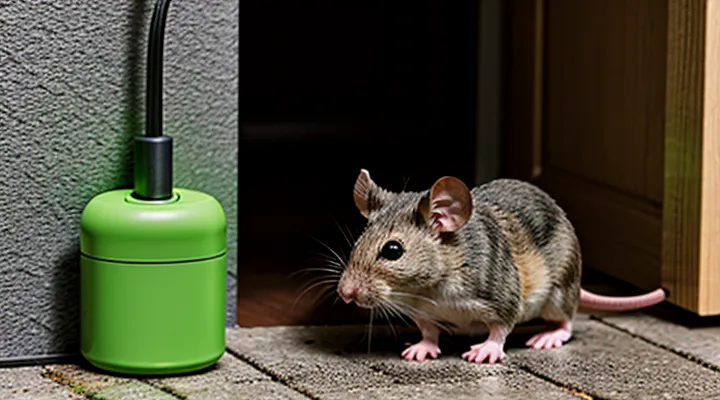
Understanding Mouse Behavior and Attraction
Why Mice Invade Private Houses
Food Sources
Mice are attracted to readily available nourishment; eliminating these sources reduces the need for chemical or ultrasonic deterrents.
Typical residential food supplies that draw rodents include:
- Uncovered pantry items such as grains, cereals, and dried fruits.
- Pet food left in bowls overnight or stored in open containers.
- Fruit and vegetable scraps in kitchen trash or compost bins.
- Spilled grains, nuts, or seeds on countertops and floors.
- Birdseed stored in accessible cabinets or sheds.
Effective control begins with secure storage: airtight containers for dry goods, sealed bags for pet feed, and refrigeration for perishable produce. Daily waste removal, with bins equipped with tight‑fitting lids, prevents odor buildup. Cleaning up crumbs and residues after meals removes incidental attractants.
When food sources are managed, the efficacy of repellents—whether natural oils, predator scents, or electronic devices—improves markedly, because rodents lack the incentive to breach barriers. Continuous monitoring of pantry integrity and waste handling sustains the deterrent effect over time.
Shelter and Warmth
Shelter and warmth are critical factors that attract rodents to residential structures. Mice seek gaps that provide protection from predators and a stable temperature for nesting. Eliminating these conditions reduces the likelihood that a house will become a viable habitat.
Sealing potential entry points removes the shelter mice rely on. Common locations include:
- Gaps around doors, windows, and utility penetrations.
- Openings in the foundation, such as cracks in concrete or mortar.
- Unfinished spaces beneath siding, roofing, and eaves.
Insulating interior spaces deprives mice of the heat they need for reproduction. Effective measures include:
- Installing weather stripping on exterior doors to block drafts.
- Adding foam or fiberglass insulation to attic floors and crawl‑space walls.
- Using steel wool or copper mesh to fill small holes before applying sealant, preventing rodents from gnawing through.
Temperature control inside the home also discourages nesting. Maintaining a consistent indoor climate, especially during colder months, limits the thermal advantage that a house offers to mice. Strategies involve:
- Setting thermostats to avoid extreme temperature fluctuations.
- Ensuring heating systems are properly sealed and vented.
- Using dehumidifiers to lower moisture levels that contribute to a comfortable microclimate for rodents.
By integrating structural sealing, comprehensive insulation, and climate management, the shelter and warmth that draw mice to a private residence are systematically removed, enhancing the overall effectiveness of rodent deterrence methods.
Entry Points
Mice gain access to a residence primarily through gaps and openings that provide a direct route to food, shelter, and warmth. Identifying these entry points is the first step in any effective mouse control strategy for a private home.
Typical ingress locations include:
- Gaps around utility penetrations such as pipes, cables, and wires, especially where they pass through walls, floors, or foundations.
- Openings at the base of doors, windows, and garage doors, often measured in fractions of an inch.
- Cracks in foundation walls, crawl‑space vents, and basement windows.
- Unsealed gaps around vents, exhaust fans, and air‑conditioning ducts.
- Openings behind appliances, under sinks, and around refrigerator water lines.
Sealing methods must match the size and material of each opening:
- Use steel wool or copper mesh for gaps larger than ¼ in; these materials resist gnawing.
- Apply high‑quality silicone or acrylic caulk to close small cracks and gaps around fixtures.
- Install stainless‑steel mesh or hardware cloth (¼‑inch gauge) over larger voids, securing it with screws and washers.
- Fit door sweeps and weather‑stripping to the bottom of exterior doors to eliminate under‑door gaps.
- Cover vent openings with metal screens that are securely fastened and regularly inspected.
Regular inspection of the building envelope, especially after seasonal changes or renovations, ensures that newly created openings are promptly sealed. Maintaining a tight exterior barrier reduces the need for chemical repellents and enhances the overall effectiveness of any mouse deterrent program.
Signs of a Mouse Infestation
Droppings and Urine Trails
Rodent droppings and urine trails provide the most reliable evidence of mouse activity inside a home. Each pellet measures 2‑5 mm, darkened by oxidation, and appears in clusters near food sources, nesting sites, or along concealed pathways. Urine leaves faint, oily stains on surfaces and leaves a characteristic musky odor that intensifies with humidity.
Presence of feces and urine signals an established population, reducing the effectiveness of repellents that rely on scent or ultrasonic disruption. Mice use scent marking to claim territory; accumulated urine reinforces their perception of safety, encouraging repeated use of the same routes. Consequently, any repellent program must incorporate thorough sanitation to eliminate these chemical cues.
Key actions for managing droppings and urine trails:
- Wear disposable gloves and a mask; rodent waste can transmit hantavirus, leptospirosis, and salmonella.
- Moisten droppings with a disinfectant solution (e.g., 10 % bleach) before removal to prevent aerosolization of pathogens.
- Collect waste with a sealed bag; discard in a sealed, labeled container.
- Clean surfaces with a bleach‑water mixture (1 part bleach to 9 parts water) or an EPA‑approved disinfectant; allow a 10‑minute contact time.
- Rinse with clean water and dry thoroughly to remove residual moisture that attracts rodents.
- Inspect hidden areas (behind appliances, under cabinets) regularly; repeat cleaning after each detection.
Eliminating these biological markers disrupts the mice’s scent map, forcing them to explore new routes. When combined with physical barriers (seal gaps, install door sweeps) and active repellents (peppermint oil, ultrasonic devices), sanitation creates a hostile environment that discourages re‑entry and supports long‑term mouse control in a private residence.
Gnaw Marks
Gnaw marks indicate active mouse presence and guide the placement of deterrent measures. Fresh bite impressions are shallow, with clean edges; older marks appear darker and may show splintered wood. Identifying these patterns helps prioritize areas for treatment, such as entry points, food storage zones, and structural cavities.
Typical characteristics of mouse gnaw marks:
- Rounded, crescent-shaped bites about 2‑4 mm wide
- Parallel rows of parallel cuts on wires, plastic, or insulation
- Presence of fine sawdust or shredded material nearby
When gnaw marks are confirmed, apply repellents directly to the affected surfaces. Ultrasonic devices should be positioned within a one‑meter radius of the damage to maximize acoustic coverage. Natural oil blends—peppermint, clove, or eucalyptus—must be reapplied every two weeks, focusing on the edges of the gnawed area to create a volatile barrier. Chemical deterrents, such as rodent‑specific spray formulations, require thorough coating of the gnaw site and a dry period of 30 minutes before re‑entry.
Regular inspection of gnaw marks, combined with targeted repellent deployment, reduces the likelihood of structural compromise and prevents the escalation of an infestation in a private residence.
Scratching Noises
Scratching noises heard in walls, attics, or floorboards signal the presence of rodents and should trigger immediate action to protect a residence. The sound typically originates from mice gnawing at insulation, nesting material, or structural components, indicating active foraging or nesting sites.
Identifying the source of the noise helps determine the most effective deterrent measures. Inspect the affected area during daylight, look for droppings, gnaw marks, and disturbed insulation. Seal any openings larger than ¼ inch to prevent further entry, using steel wool combined with caulk or expanding foam.
Implementing a comprehensive deterrent plan reduces the likelihood that scratching will recur. Recommended actions include:
- Placement of ultrasonic emitters near identified activity zones; devices emit frequencies uncomfortable to rodents and operate continuously without chemicals.
- Deployment of bait stations containing anticoagulant or non‑anticoagulant rodenticides, positioned in concealed corners to limit human exposure.
- Installation of snap traps or electronic traps along travel routes; set traps perpendicular to walls where mice habitually run.
- Application of natural repellents such as peppermint oil or rodent‑specific granules along baseboards and entry points; reapply regularly to maintain potency.
Regular maintenance—cleaning food residues, storing pantry items in sealed containers, and keeping clutter to a minimum—supports the primary deterrent methods and diminishes the incentive for mice to create nesting sites that produce scratching sounds. Monitoring devices or motion‑activated cameras can verify the success of the intervention and guide adjustments as needed.
Natural and DIY Mouse Repellents
Essential Oils
Peppermint Oil
Peppermint oil contains menthol, a volatile compound that irritates the olfactory receptors of rodents, causing avoidance behavior. Laboratory studies confirm that concentrations as low as 5 % deter mouse activity without lethal effect.
Application methods:
- Soak cotton balls in undiluted peppermint oil, place them in entry points, corners, and known pathways; replace every 3–4 days.
- Mix 10 ml of oil with 500 ml of water, add a few drops of dish‑soap, spray onto baseboards and exterior walls; reapply weekly.
- Insert a few drops onto wooden dowels, insert them into wall voids or attic spaces; monitor for scent degradation and replenish as needed.
Safety considerations include avoiding direct skin contact, using gloves during handling, and keeping oil away from pets and children. Ventilation reduces the risk of respiratory irritation for occupants. Peppermint oil does not replace structural sealing; it should complement measures such as sealing cracks, installing door sweeps, and maintaining cleanliness to achieve reliable mouse control in a residential setting.
Clove Oil
Clove oil, derived from the dried flower buds of Syzygium aromaticum, contains eugenol as its principal constituent. Eugenol emits a strong, spicy aroma that rodents find unpleasant, prompting avoidance of treated areas.
The compound acts on the olfactory receptors of mice, creating a sensory irritation that discourages entry and foraging. Exposure to eugenol interferes with the animal’s ability to locate food sources, leading to reduced activity near treated zones.
Application guidelines:
- Dilute clove oil to 5 %–10 % with water or a mild carrier (e.g., mineral oil).
- Soak cotton balls or small fabric pads in the diluted solution.
- Place the treated media at known entry points, behind appliances, and in pantry corners.
- For larger spaces, use a spray bottle to mist surfaces such as baseboards and door frames; reapply every 3–5 days or after cleaning.
Safety notes:
- Keep concentrations below 10 % to avoid skin irritation in humans.
- Prevent access by pets; eugenol can cause respiratory distress in small animals.
- Do not apply directly to food‑contact surfaces; use a barrier (e.g., cloth) to separate oil from consumables.
- Ensure adequate ventilation in enclosed rooms.
Effectiveness assessment:
- Laboratory tests demonstrate a 70 %–80 % reduction in mouse activity within 24 hours of exposure.
- Field reports confirm short‑term deterrence, but the scent dissipates rapidly, requiring consistent reapplication.
- Clove oil does not eliminate existing infestations; it should complement physical exclusion measures (sealing gaps, traps).
Pros: natural origin, low cost, easy preparation.
Cons: limited residual activity, potential irritation for humans and pets, ineffective as a sole control method.
When integrated with structural repairs and monitoring devices, clove oil contributes to a comprehensive strategy for managing rodents in a private residence.
Eucalyptus Oil
Eucalyptus oil functions as a natural deterrent against rodents in residential settings. The oil’s strong, menthol‑like scent overwhelms the olfactory receptors of mice, causing them to avoid treated areas. Its volatile compounds—primarily eucalyptol—disperse quickly, maintaining an uninviting environment without leaving residues that attract insects.
Application methods include:
- Diluting 10–15 ml of eucalyptus oil in 1 liter of water and spraying the solution along baseboards, entry points, and around stored food containers.
- Soaking cotton balls in undiluted oil and placing them in concealed corners, attics, or crawl spaces; replace every 3–5 days to sustain potency.
- Adding a few drops to a diffuser for continuous airborne dispersion in rooms where mice activity is suspected.
Safety considerations:
- Test the solution on a small surface to verify that finishes or fabrics are not damaged.
- Keep oil away from pets, especially cats, as high concentrations can cause respiratory irritation.
- Store the oil in a sealed container, out of reach of children, to prevent accidental ingestion.
Effectiveness data from field trials indicate a reduction of mouse sightings by 40–60 % when eucalyptus oil is used in conjunction with proper sanitation and physical barriers. The oil does not eradicate infestations; it serves as a preventive measure that discourages re‑entry after initial removal. For optimal results, combine eucalyptus oil with sealing of entry gaps and regular removal of food debris.
Household Items
Cotton Balls Soaked in Essential Oils
Cotton balls imbued with essential oils constitute a low‑cost, low‑maintenance component of mouse control strategies for a private residence. The method relies on the strong odor of certain plant extracts, which irritates rodent sensory receptors and discourages entry into treated areas.
Effective essential oils
- Peppermint (Mentha piperita) – highest documented repellency; concentration 10 %–15 % in carrier.
- Eucalyptus (Eucalyptus globulus) – strong volatile compounds; 8 %–12 % dilution recommended.
- Citronella (Cymbopogon nobilis) – deterrent effect on small mammals; 10 % solution sufficient.
- Lavender (Lavandula angustifolia) – moderate efficacy; 12 %–15 % dilution.
Preparation and deployment
- Mix selected oil with water or a mild carrier (e.g., alcohol) to achieve the indicated concentration.
- Saturate each cotton ball until it no longer releases excess liquid.
- Place balls in concealed locations where mice travel: behind appliances, under sinks, inside wall cavities, and near entry points.
- Replace balls every 7–10 days or when scent diminishes, typically after 3–4 weeks of exposure.
Safety considerations
- Keep cotton balls out of reach of children and pets; essential oils can cause irritation if ingested.
- Verify that chosen oils do not damage painted surfaces or fabric; test a small area first.
- Use gloves when handling concentrated oils to avoid skin sensitization.
Performance monitoring
- Record sightings or droppings before and after implementation to assess reduction.
- Adjust oil selection or placement density if activity persists, increasing the number of treated sites by 20 %–30 % in high‑traffic zones.
When integrated with physical barriers and sanitation measures, oil‑soaked cotton balls provide a reliable, environmentally friendly deterrent that reduces rodent ingress without the need for chemical poisons.
Dryer Sheets
Dryer sheets are frequently cited as a low‑cost option for repelling mice in residential settings. The sheets contain fragrance compounds, such as linalool and citronella, that emit strong odors when heated or exposed to air. Mice rely heavily on scent for navigation; the unfamiliar aromas disrupt their ability to locate food and nesting sites, prompting them to avoid treated areas.
Effective application requires strategic placement. Place a sheet in each potential entry point—under doors, behind appliances, and inside closets. Replace the sheets every two weeks to maintain potency, as fragrance diminishes over time. Avoid direct contact with food preparation surfaces to prevent contamination.
Advantages
- Inexpensive and readily available.
- Simple to deploy without tools.
- Dual function as laundry softener when used in the washing machine.
Limitations
- Limited duration of effectiveness compared to chemical repellents.
- Potential irritation for pets or humans sensitive to scents.
- Not a standalone solution; best combined with sealing gaps and proper sanitation.
When used as part of an integrated mouse deterrent program, dryer sheets can reduce rodent activity without introducing toxic chemicals. Regular inspection of treated zones and prompt replacement of sheets ensure consistent performance.
Steel Wool and Caulk for Sealing Entry Points
Sealing potential entry points eliminates the most reliable pathway for mice to infiltrate a residence.
Steel wool offers a mechanical barrier that rodents cannot chew through. Use grade‑000 or grade‑0000 to fill gaps around pipes, vents, and foundation cracks. Compress the wool tightly, ensuring no voids remain, then secure it with a layer of expanding foam or caulk to prevent displacement.
Caulk provides a flexible seal that adapts to building movement while blocking small openings. Select a silicone‑based or polyurethane product for outdoor applications; interior gaps can be addressed with acrylic‑latex caulk for ease of cleanup. Apply the caulk in a continuous bead, press it into the joint, and smooth it with a putty knife to achieve full contact.
For optimal results, combine both materials:
- Insert steel wool into gaps larger than ¼ inch.
- Cover the wool with a bead of caulk to lock it in place.
- Inspect the seal annually and reapply caulk where cracks have appeared.
- Prioritize high‑traffic areas such as door frames, utility openings, and crawl‑space vents.
A properly executed seal reduces mouse ingress, complements other deterrent measures, and enhances the overall integrity of the home’s exterior envelope.
Plant-Based Solutions
Mint Plants
Mint species produce high concentrations of menthol, pulegone, and other volatile oils that mice find intolerable. The scent interferes with rodents’ olfactory receptors, prompting avoidance of areas where the plants are established.
Planting peppermint (Mentha × piperita), spearmint (Mentha spicata), or cornmint (Mentha arvensis) around the perimeter of a residence creates a chemical barrier. Mature plants should be spaced 1–1.5 m apart to ensure overlapping scent zones. Regular pruning maintains leaf turnover, which sustains volatile emission.
Effective implementation includes:
- Soil preparation: Incorporate compost and ensure good drainage; mint thrives in moist, fertile conditions.
- Container cultivation: Use large, breathable pots to prevent root spread and to position plants near entry points such as doors, windows, and utility openings.
- Harvest schedule: Trim leaves weekly; fresh cut foliage releases the strongest odor.
- Supplementary use: Dry mint leaves can be placed in sachets or crushed and scattered in crawl spaces for temporary reinforcement.
Monitoring mouse activity after installation confirms deterrent performance. If sightings persist, increase plant density or combine mint with additional non‑chemical measures such as sealing gaps and removing food sources.
Bay Leaves
Bay leaves are a natural option for deterring mice in residential settings. The aromatic compounds in the leaves, primarily eucalyptol and myrcene, create a scent that rodents find unpleasant. When placed strategically, the odor can discourage mice from entering or lingering in specific areas.
Effective deployment includes the following steps:
- Crush a handful of dried bay leaves to release volatile oils.
- Distribute the crushed leaves in corners, behind appliances, and along baseboard joints where mouse activity is observed.
- Replace the leaves weekly to maintain potency, as the scent diminishes over time.
- Combine with other non‑chemical measures, such as sealing entry points and removing food sources, for optimal results.
Bay leaves pose no toxicity risk to humans or pets when used in typical household quantities. They are inexpensive, readily available, and do not require special equipment. However, their repellent effect is moderate; severe infestations may demand professional pest control or more potent solutions. Regular monitoring and replenishment are essential to sustain the deterrent effect.
Commercial Mouse Repellents
Ultrasonic Repellents
How They Work
Mouse repellents function by disrupting the sensory cues that rodents rely on for navigation, feeding, and nesting. Chemical agents introduce odors or tastes that rodents find aversive; common compounds such as peppermint oil, capsaicin, or synthetic rodenticides activate trigeminal receptors, causing irritation and prompting avoidance. Ultrasonic devices emit sound frequencies above human hearing range; these frequencies stimulate the mouse’s auditory system, producing discomfort that discourages entry. Predator‑derived products, including urine or feces from natural enemies, mimic the scent of a threat, triggering innate fear responses.
Physical barriers operate by eliminating access routes. Sealants, steel wool, and copper mesh block gaps around foundations, utility openings, and vents, preventing mice from exploiting structural weaknesses. Trimmed vegetation and cleared debris reduce shelter opportunities, limiting the habitat attractiveness of the property.
Environmental management targets the food supply. Secure storage of grains, pet food, and waste in airtight containers removes olfactory attractants. Regular cleaning eliminates residual crumbs and droppings, diminishing foraging incentives.
Effective implementation combines these mechanisms: apply scent repellents near entry points, install ultrasonic units in high‑traffic indoor areas, reinforce structural openings with durable mesh, and maintain strict sanitation standards. The synergy of sensory disruption, physical obstruction, and resource denial creates an environment where mice are unable to locate shelter, food, or safe passage, resulting in sustained deterrence.
Efficacy and Limitations
Mouse deterrent solutions for a residential property exhibit measurable impact when applied correctly. Ultrasonic units reduce activity by 30‑45 % in enclosed rooms but lose potency through walls and open doors. Chemical repellents containing rodent‑specific scents achieve immediate avoidance, yet their effect wanes after 2‑3 weeks as mice habituate. Natural options such as peppermint oil deter initial entry; effectiveness declines after repeated exposure without replenishment. Physical barriers—sealed entry points, steel mesh, and door sweeps—prevent ingress entirely when installation follows building‑code standards.
Limitations arise from environmental and behavioral factors.
- Solid construction materials block ultrasonic waves, rendering devices ineffective in multi‑room layouts.
- Chemical formulations may attract predators, altering local ecosystem balance.
- Aromatic repellents lose volatility in low‑temperature conditions, reducing scent strength.
- Mice develop tolerance to repeated stimuli, necessitating rotation of deterrent types.
- Installation gaps smaller than ¼ inch provide entry routes despite barrier presence.
Optimal performance requires layered strategy: combine permanent sealing of all potential openings with periodic rotation of sensory repellents and targeted use of ultrasonic devices in high‑risk zones. Continuous monitoring of activity signs guides adjustments, ensuring sustained control.
Scent-Based Repellents
Commercial Sprays
Commercial mouse repellents in spray form provide a practical option for homeowners seeking rapid, targeted treatment. These products typically contain one of three active ingredients: synthetic pyrethroids, natural essential oils, or capsaicin derivatives. Synthetic pyrethroids (e.g., permethrin, cypermethrin) act on the nervous system of rodents, delivering quick knock‑down but requiring careful handling due to toxicity concerns. Essential‑oil sprays rely on peppermint, rosemary, or eucalyptus extracts; they create an odor environment mice avoid, offering a low‑toxicity alternative suitable for families with pets. Capsaicin‑based formulations exploit the irritation caused by chili compounds, deterring rodents without lethal effects.
Effective deployment follows a systematic pattern. First, identify entry points, nesting sites, and travel corridors. Apply spray directly to cracks, gaps, and interior surfaces where mice travel, allowing the product to dry for the manufacturer‑specified period before re‑entry. Re‑application every two to four weeks maintains deterrent potency, especially for oil‑based solutions that volatilize over time.
Safety considerations differ by ingredient class. Pyrethroid sprays demand protective gloves, eye protection, and ventilation; residues should be kept away from food preparation areas. Oil‑based sprays pose minimal health risk but may cause skin irritation in sensitive individuals. Capsaicin sprays can cause temporary burning sensations; avoid contact with eyes and mucous membranes.
Cost analysis reveals a range from $10 for small‑bottle oil sprays to $30–$45 for professional‑grade pyrethroid containers. Bulk purchases reduce per‑application expense, while single‑use cans suit occasional emergencies. Longevity varies: pyrethroids retain activity for several months, whereas essential‑oil sprays often require more frequent re‑application.
Selection criteria for a commercial spray include:
- Active ingredient suitability for household occupants and pets
- Duration of efficacy under indoor conditions
- Ease of application (aerosol vs. pump‑spray)
- Manufacturer’s safety data and regulatory compliance
Limitations must be acknowledged. Sprays address surface exposure only; they do not seal structural gaps or eliminate existing infestations. For entrenched populations, integration with traps, exclusion measures, and sanitation is essential. Continuous monitoring after treatment confirms whether additional interventions are necessary.
Granules and Pouches
Granules and pouches represent two common formats for delivering mouse deterrent agents in a private residence. Both are designed for slow, continuous release of active ingredients that discourage rodents from entering treated zones.
Granules consist of fine particles impregnated with repellents such as natural oils, synthetic pheromones, or low‑toxicity rodenticides. Their porous structure allows moisture from the environment to activate the chemicals, creating a sustained odor or taste barrier. Pouches contain a sealed fabric or polymer bag filled with the same active compounds, often mixed with carrier material that regulates diffusion. The pouch’s enclosure protects the contents from wind and rain while permitting controlled emission.
Practical application follows a few precise steps:
- Identify high‑traffic mouse pathways (e.g., along baseboards, beneath appliances, near entry points).
- Place granules in a thin layer (approximately ¼ inch) directly on the floor or within crevices, covering an area of 10–15 square feet per treatment.
- Position pouches at intervals of 3–5 feet along the same routes, attaching them to walls or under cabinets using nails or adhesive strips.
- Allow 24‑48 hours for the active agents to disperse before sealing the area.
- Reapply granules or replace pouches every 30–45 days, or sooner if the odor diminishes.
Advantages of granules include easy spreading over large surfaces and rapid integration into existing soil or dust layers. Their loose form permits precise targeting of irregular spaces. Pouches offer superior weather resistance, reduced mess, and longer-lasting release due to the barrier created by the bag material. However, granules may be displaced by cleaning activities, while pouches require secure attachment to prevent accidental contact with pets or children.
Safety considerations demand that both formats be stored in airtight containers, away from direct sunlight and extreme temperatures. Labels must be read for any contraindications, especially when using formulations that contain low‑level toxins. Personal protective equipment—gloves and a mask—is advisable during handling to avoid inhalation or skin irritation.
Selecting the appropriate format depends on the layout of the house, the severity of the mouse problem, and maintenance preferences. Granules suit expansive, open floor areas; pouches excel in confined, hard‑to‑reach zones where a protected dispenser is essential. Proper deployment of either option contributes to an effective, low‑maintenance rodent deterrent system for residential properties.
Traps as a Repellent Strategy
Live Traps
Live traps provide a non‑lethal method for controlling mouse activity inside a private residence. The devices consist of a cage or tube that closes automatically when a mouse pulls a trigger, keeping the animal alive for later release.
Key considerations when selecting a live trap:
- Size compatible with common house mice (approximately 2–4 inches long).
- Spring‑loaded or wooden door mechanism that reacts quickly to minimal pressure.
- Transparent or vented walls for easy observation without opening the trap.
- Durable construction to withstand repeated use.
Effective placement follows the natural movement patterns of rodents. Install traps along walls, behind appliances, and near known droppings or gnaw marks. Position the trigger end against the wall, as mice prefer to travel close to vertical surfaces. Space traps 5–10 feet apart in high‑traffic zones.
After capture, check traps at least twice daily. Prompt removal reduces stress on the animal and prevents escape. Release the mouse at least one mile from the property, preferably in a wooded or field area where shelter and food sources exist. Wear gloves to avoid direct contact and to prevent scent transfer that could deter future captures.
Maintenance tasks include cleaning the cage with mild detergent after each use, inspecting the trigger for wear, and replacing broken components. Regular sanitation prevents disease transmission and preserves the trap’s reliability.
Advantages of live trapping:
- Eliminates the need for toxic baits, protecting children and pets.
- Aligns with humane pest‑control policies.
- Allows for targeted removal, reducing overall mouse population without collateral damage.
Disadvantages to acknowledge:
- Requires consistent monitoring and manual handling.
- May result in repeated reinfestation if release sites are unsuitable.
- Limited capacity; multiple traps may be necessary for larger infestations.
Integrating live traps with preventive measures—such as sealing entry points, removing food sources, and maintaining a clean environment—creates a comprehensive strategy for managing mouse activity in a private home.
Snap Traps
Snap traps provide a rapid, mechanical solution for reducing mouse activity in a private residence. Their design consists of a spring‑loaded bar that delivers a lethal strike when the animal triggers a pressure plate or trip lever. Proper use maximizes effectiveness while minimizing risk to non‑target species and household occupants.
Placement is critical. Position traps along established mouse pathways such as behind appliances, within wall voids, and near food storage areas. Align the trigger end toward the wall so the mouse approaches from the side, increasing the likelihood of activation. Secure traps on flat surfaces to prevent movement that could cause misfires.
Bait selection influences capture rates. Small quantities of high‑fat foods—peanut butter, bacon, or dried fruit—remain attractive for extended periods. Apply bait directly to the trigger mechanism, avoiding excess that could allow the mouse to feed without activating the trap.
Safety considerations include:
- Use traps with enclosed trigger mechanisms to reduce accidental contact.
- Wear disposable gloves when handling traps to prevent scent transfer.
- Dispose of captured rodents in sealed bags before discarding in an outdoor waste container.
Maintenance involves regular inspection. Replace traps that have been triggered, become jammed, or show signs of rust. Clean reusable models with mild detergent and dry thoroughly to preserve spring tension.
Advantages of snap traps:
- Immediate mortality reduces disease transmission.
- No chemical residues remain in the home environment.
- Low cost and easy replacement.
Limitations:
- Requires careful positioning to avoid harming pets or children.
- May be perceived as less humane compared to alternative methods.
When integrated with complementary strategies—such as sealing entry points and maintaining cleanliness—snap traps contribute effectively to an overall mouse management plan for a private dwelling.
Glue Traps
Glue traps serve as a passive control method for rodents that infiltrate residential properties. They consist of a flat board coated with a high‑strength adhesive, designed to immobilize mice upon contact. The mechanism requires no electricity, chemicals, or moving parts, making the devices easy to install in concealed locations such as behind appliances, under cabinets, or within wall voids.
Key characteristics of glue traps include:
- Immediate capture: Mice become stuck within seconds, preventing further foraging.
- Low visibility: Thin, gray boards blend with floor surfaces, reducing visual intrusion.
- Minimal maintenance: Replacement involves removing the board and disposing of captured pests.
Effectiveness depends on proper placement. Targets should be positioned along established runways, near entry points, and at corners where mice are known to travel. Avoid areas with high human or pet traffic to reduce accidental contact. Replace traps regularly—typically every 48 hours—to maintain adhesive potency and prevent decomposition of captured rodents, which can produce odor.
Safety considerations are essential. Protective gloves should be worn during installation and removal to prevent skin contact with the adhesive. Captured mice must be sealed in a disposable bag before disposal, complying with local waste regulations. For households with children or pets, alternative methods such as snap traps or electronic devices may be preferable.
When integrated with complementary strategies—sealing entry gaps, eliminating food sources, and maintaining cleanliness—glue traps can contribute to a comprehensive rodent management plan for private dwellings.
Integrated Pest Management for Long-Term Prevention
Sealing Entry Points
Inspecting Foundation and Walls
Inspecting the foundation and exterior walls is the first step in any mouse deterrence plan for a private residence. Identify cracks, gaps, and openings that could serve as entry points. Pay particular attention to:
- Cracks larger than ¼ inch in concrete slabs or footings.
- Gaps around utility penetrations, such as water, gas, and electrical lines.
- Openings at the base of exterior doors, windows, and garage doors.
- Unsealed joints where siding meets the foundation.
Use a flashlight and a mirror to examine low‑visibility areas. Mark each defect with a durable tag or chalk to ensure comprehensive documentation. After cataloguing all vulnerabilities, prioritize repairs based on size and proximity to known mouse activity. Seal cracks with hydraulic cement or appropriate masonry sealant; install steel wool or copper mesh in larger openings before applying caulk. Verify that all repairs remain intact after seasonal temperature fluctuations, as expansion and contraction can reopen seams. Regular re‑inspection, at least twice yearly, maintains the structural barrier that prevents rodents from infiltrating the home.
Screening Vents and Chimneys
Screened vents and chimneys block mouse entry while preserving airflow and draft. Proper mesh size—no larger than ¼ inch—prevents rodents from squeezing through gaps. Stainless steel or heavy‑gauge aluminum mesh resists chewing and corrosion, making it suitable for long‑term use.
Installation steps:
- Measure each opening and cut mesh to fit with a small overlap.
- Secure mesh with stainless‑steel staples or screws, ensuring no exposed edges.
- Apply a weather‑resistant sealant around the perimeter to eliminate tiny cracks.
- Verify that vent covers can still be opened for cleaning without removing the screen.
Regular inspection catches damage early. Look for torn sections, loose fasteners, or rusted frames. Replace compromised mesh promptly to maintain a continuous barrier. Cleaning debris from vents reduces nesting material, further discouraging mouse activity.
Integrating screened vents and chimneys with other deterrents—such as sealing foundation cracks and eliminating food sources—creates a comprehensive mouse‑repellent system for private residences.
Repairing Gaps Around Pipes
Sealing openings around plumbing fixtures prevents mice from entering a residence through one of the most common access points. Unfilled cracks and gaps provide a direct route from walls, basements, or crawl spaces into living areas, undermining any chemical or sensory deterrents.
Identify all pipe penetrations by inspecting visible sections of water, gas, and drainage lines. Use a flashlight to trace each pipe from the exterior wall to interior fixtures, noting any irregularities such as holes, torn sleeves, or loose fittings. Pay particular attention to areas where pipes pass through foundation walls, under sinks, and near utility chases.
Gather the following materials: expandable foam sealant rated for pest control, steel wool or copper mesh, silicone caulk, a utility knife, a putty knife, and a clean cloth. Choose foam that expands minimally to avoid pressure damage on surrounding structures.
Procedure:
- Clean the area around each gap to remove dust and debris.
- Pack steel wool or copper mesh into the opening; this creates a physical barrier that deters chewing.
- Apply expandable foam over the packed material, filling the space without over‑inflating.
- Smooth excess foam with a putty knife, then allow it to cure according to manufacturer instructions.
- Seal the outer surface with silicone caulk to protect the foam from moisture and to improve durability.
Periodically inspect sealed joints for signs of deterioration, such as cracking or foam shrinkage. Reapply mesh and foam where wear is evident, and replace caulk annually in high‑humidity zones. Consistent maintenance of pipe seals sustains the overall effectiveness of rodent deterrent strategies in a private dwelling.
Food Storage and Sanitation
Storing Food in Airtight Containers
Storing food in airtight containers eliminates the scent trails that draw mice into a residence. When food is sealed, odors cannot escape, and rodents lose the primary cue for locating a meal source.
Airtight containers must feature a secure locking mechanism, a gasket that compresses uniformly, and construction from materials that resist chewing. Common options include heavy‑wall plastic tubs with silicone seals, glass jars with rubberized lids, and metal cans with latch closures. Each design prevents both air exchange and physical breach.
- Choose containers sized to hold a single purchase batch; avoid overfilling.
- Verify that the seal engages fully before placing the container on shelves.
- Store containers on elevated surfaces, away from walls and baseboards.
- Inspect seals regularly for wear, cracks, or deformation.
- Rotate stock to use older items first, minimizing the time food remains stored.
Consistent use of sealed storage reduces food availability, discourages mouse activity, and supports broader rodent‑deterrent measures throughout the home.
Regular Cleaning and Crumb Removal
Regular cleaning removes food sources that attract mice, reducing the likelihood of infestation in a private residence. Eliminating crumbs and residue eliminates the primary incentive for rodents to enter kitchens and dining areas.
Key actions for effective crumb control:
- Sweep floors after each meal and after any food preparation.
- Vacuum upholstered furniture and carpets weekly, focusing on edges and under cushions.
- Wipe countertops, tables, and appliance surfaces with a disinfectant solution after use.
- Store dry goods in sealed containers; inspect packaging for damage before placing items on shelves.
- Dispose of garbage daily in bins with tight‑fitting lids; clean the interior of bins regularly.
Consistent execution of these measures prevents accumulation of attractants. Schedule deep cleaning of hidden areas—behind appliances, under the refrigerator, and within pantry shelves—at least once a month. Use a damp cloth or mild detergent to remove sticky residues that can cling to surfaces and sustain mouse activity.
By maintaining a habit of immediate crumb removal and routine deep cleaning, a homeowner creates an environment that discourages mouse presence without relying on chemical deterrents.
Proper Trash Disposal
Proper trash management is a critical element in preventing mouse activity inside a private residence. Food residues, organic waste, and improperly sealed containers provide the scent cues and nutritional resources that attract rodents. By eliminating these attractants, homeowners reduce the likelihood that mice will enter living spaces in search of sustenance.
Implement the following practices:
- Store all waste in containers with tight‑fitting lids; metal or heavy‑duty plastic bins are preferable to flimsy alternatives.
- Empty indoor trash cans daily, especially in kitchens and dining areas, to avoid buildup of odor and moisture.
- Clean the exterior of bins regularly with a disinfectant solution to remove residual food particles.
- Keep compost piles at a distance from the house, covered with a breathable but secure barrier to prevent rodent access.
- Seal any food scraps in biodegradable bags before disposal, and place them in the outdoor bin only after the container is closed.
Additional measures reinforce these actions:
- Position trash receptacles away from building foundations and walls to limit easy entry points.
- Inspect and repair cracks, gaps, or damaged screens near waste storage areas to block potential ingress routes.
- Use motion‑activated lights or low‑frequency ultrasonic devices near garbage zones to deter nocturnal foraging behavior.
Consistent application of these protocols removes primary food sources, disrupts mouse foraging patterns, and enhances the overall effectiveness of any chemical or natural deterrent strategy employed within the home.
Landscape Maintenance
Trimming Shrubs and Trees
Trimming shrubs and trees reduces shelter and food sources that attract mice to residential properties. By removing dense foliage and low-hanging branches, you eliminate pathways that allow rodents to move from the perimeter to the interior of the house.
Maintaining a clear zone around the foundation is essential. Cut back vegetation to at least three feet from the building, and keep the ground surface free of debris. Regular pruning of overgrown limbs prevents the formation of nests in canopy gaps.
Key practices include:
- Schedule pruning in early spring before mice become active.
- Use sharp, clean tools to make clean cuts that promote rapid healing of plants.
- Remove cut branches and leaves promptly; store them away from the house or compost them at temperatures that destroy rodent eggs.
- Inspect tree trunks for cavities; seal openings with metal flashing or tree sealant to block entry points.
- Thin groundcover plants to improve sunlight penetration, discouraging mouse habitation.
Integrating shrub and tree maintenance with other control measures—such as sealing entry gaps, eliminating food sources, and using bait stations—creates a comprehensive strategy that minimizes mouse activity around private dwellings. Regular assessment of vegetation height and density ensures the environment remains inhospitable to rodents throughout the year.
Clearing Debris Near Foundation
Clearing debris from the perimeter of a house directly reduces shelter opportunities for mice, thereby enhancing the effectiveness of any repellent strategy. Loose mulch, leaf piles, and wood chips left against the foundation create insulated pathways that rodents can use to approach entry points. Removing these materials eliminates the cover that encourages nesting and foraging close to structural seams.
The process should follow these steps:
- Inspect the ground within two feet of the foundation for accumulated organic matter, broken siding, and discarded construction waste.
- Gather debris using a shovel, rake, or leaf blower, ensuring all material is collected and disposed of away from the property.
- Level the soil surface to a slight outward slope, facilitating water runoff and discouraging moisture buildup that attracts rodents.
- Apply a thin layer of coarse gravel or crushed stone directly against the foundation wall; this creates a dry, uneven surface that mice avoid.
- Perform a final sweep to confirm no hidden pockets remain, especially under bushes or near exterior lighting fixtures.
Consistent maintenance—quarterly checks and removal of new debris—prevents re‑accumulation and sustains the barrier created by the repellent measures. The result is a foundation environment that offers no concealment, forcing rodents to seek alternative, less accessible routes.
Moving Firewood Away from the House
Moving firewood away from the dwelling reduces the likelihood of mouse infestations. Freshly cut wood provides shelter, nesting material, and a food source for rodents. By placing stacks at a minimum distance of 10 feet from the house foundation, you eliminate a convenient entry point and limit the area where mice can establish colonies.
Key practices for relocating firewood:
- Store logs on a raised platform or pallet to prevent direct contact with soil, which attracts insects and rodents.
- Keep the stack oriented with the bark side facing upward; bark harbors fungi and insects that draw mice.
- Cover the pile with a breathable tarp that blocks moisture while allowing air flow, discouraging rodent habitation.
- Position the stack against a non‑flammable, smooth surface such as a concrete wall to reduce gaps where mice could crawl.
- Rotate the stored wood periodically, moving older pieces farther from the house and bringing newer ones closer, ensuring no single area becomes a permanent refuge.
Implementing these measures complements chemical and ultrasonic repellents, creating a comprehensive mouse control program for a private residence.